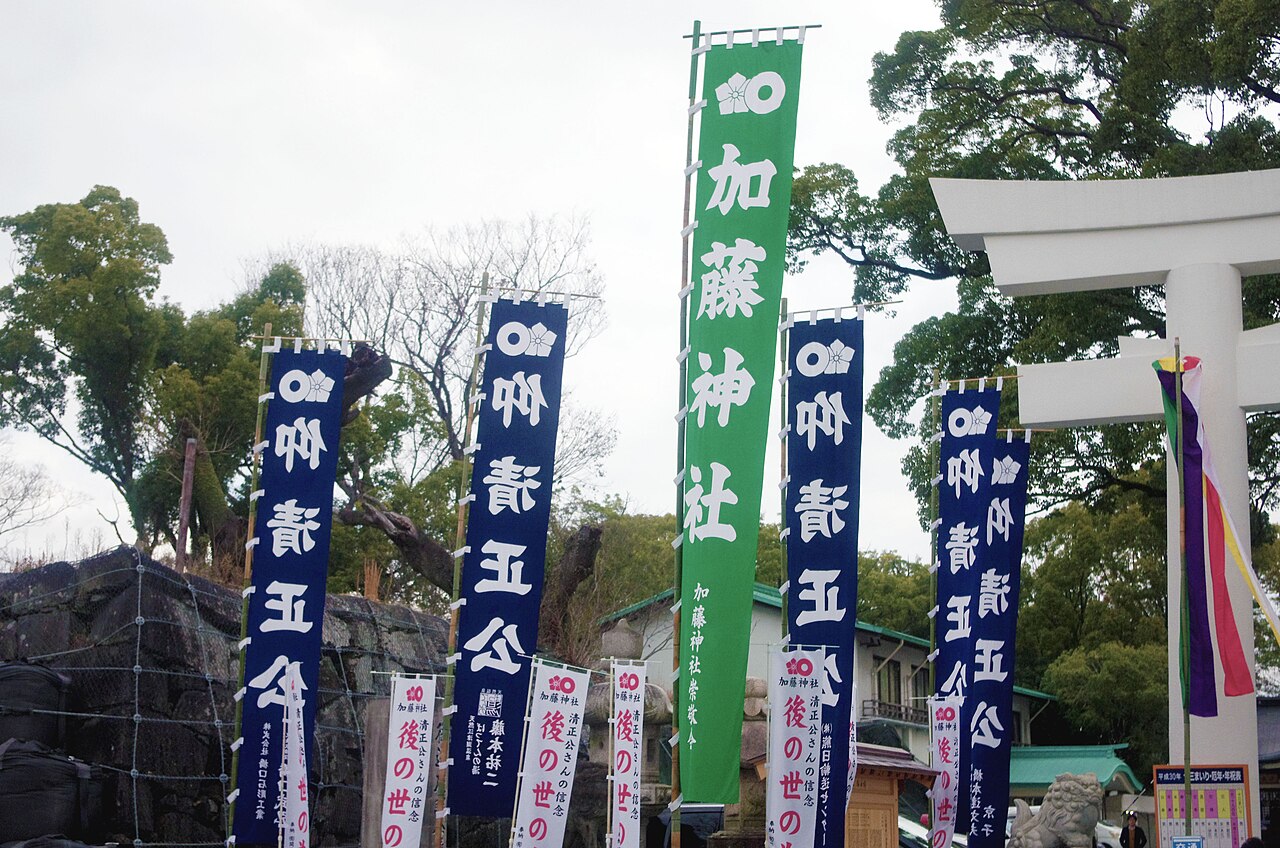
Katō Shrine
Katō-jinja · 加藤神社 · Nishikiyama Shrine (original name, 1871-1909)
About
Nestled within the storied grounds of Kumamoto Castle in Chūō-ku, Kumamoto Prefecture, Katō Shrine, known in Japanese as 加藤神社, Katō-jinja, is devoted to the memory of Katō Kiyomasa, the formidable feudal lord who governed this domain at the turn of the seventeenth century. The shrine also enshrines two companions: Ōki Kaneyoshi (1552–1611), a loyal senior retainer (karō) whose distinguished service during the Korean campaigns brought him great renown, and Kin Kan, a Korean retainer who was brought back to Japan after the same campaigns and devoted himself faithfully to Kiyomasa's household.
The setting commands one of the finest vantage points within the castle complex, affording an unobstructed prospect of three of Kumamoto Castle's principal towers. A taiko bridge on the shrine grounds, carried from Korea as a memorial of those campaigns, later served as a model for stone bridge construction in Japan. A ceremonial flag-holding stone, brought from Nagoya in Saga Prefecture, and a large washbasin associated with Ōki Kaneyoshi further enrich the precinct with tangible connections to the Edo-period past.
Several auxiliary shrines (sessha) share the precincts, housing such venerated kami as Sarutahiko-kami, the great guardian of pathways; Sugawara Michizane, protector of scholarship; Ōkuninushi-kami; and Ebisu-kami, deity of good fortune. Together they give the site a layered devotional character that draws worshippers with a wide range of intentions and prayers.
History
Rites in Kiyomasa's memory began in 1868 at his grave at Honmyōji, and in 1871 a shrine named Nishikiyama was raised within the castle walls to enshrine him alongside his retainers Ōki Kaneyoshi and Kin Kan. The Satsuma Rebellion of 1877 burned the shrine to the ground, and its sacred object was carried to nearby Kengun Shrine for safekeeping until reconstruction finished in 1886. Renamed Katō Shrine in 1909, it was moved to its present site within the castle's Honmaru in 1962. Kiyomasa is now enshrined in some ninety shrines across Japan, roughly half of them in Kumamoto Prefecture.
Significance
From its grounds beside the castle's principal towers, Katō Shrine keeps alive the memory of the lord who shaped both Kumamoto's skyline and its spiritual life. Kiyomasa is venerated here as a guardian kami, his loyal retainers enshrined beside him in the Shinto understanding that a life of great devotion continues to watch over those who remember it. A taiko drum bridge carried from Korea after Kiyomasa's campaigns still stands in the precinct, later serving as a model for stone bridges across Japan.
Architecture
Meiji- and Shōwa-era Shinto shrine architecture, rebuilt after an 1877 fire within Kumamoto Castle's Honmaru
Visiting
Daily worship
| Shrine office (prayer reception) | 08:00 to 17:00 |
Hours
Hours not listed.
Contact
Engage with Katō Shrine
Through the four pathways
Seva सेवा — Service
Offer your time and skills here. The following opportunities are open at Katō Shrine:
No Seva offerings listed yet.
Sādhana साधना — Practice
Learn the worship and practice associated with Katō Shrine:
No Sādhana offerings listed yet.
Sandhāna सन्धान — Wisdom
Unite with the wisdom of this tradition:
No Sandhāna offerings listed yet.
Sādhya साध्य — Giving
Support this sacred place according to your means:
No Sādhya offerings listed yet.
All giving flows directly to Katō Shrine. Adisthan does not take a commission.
Gallery
Related sacred places
 Shinto
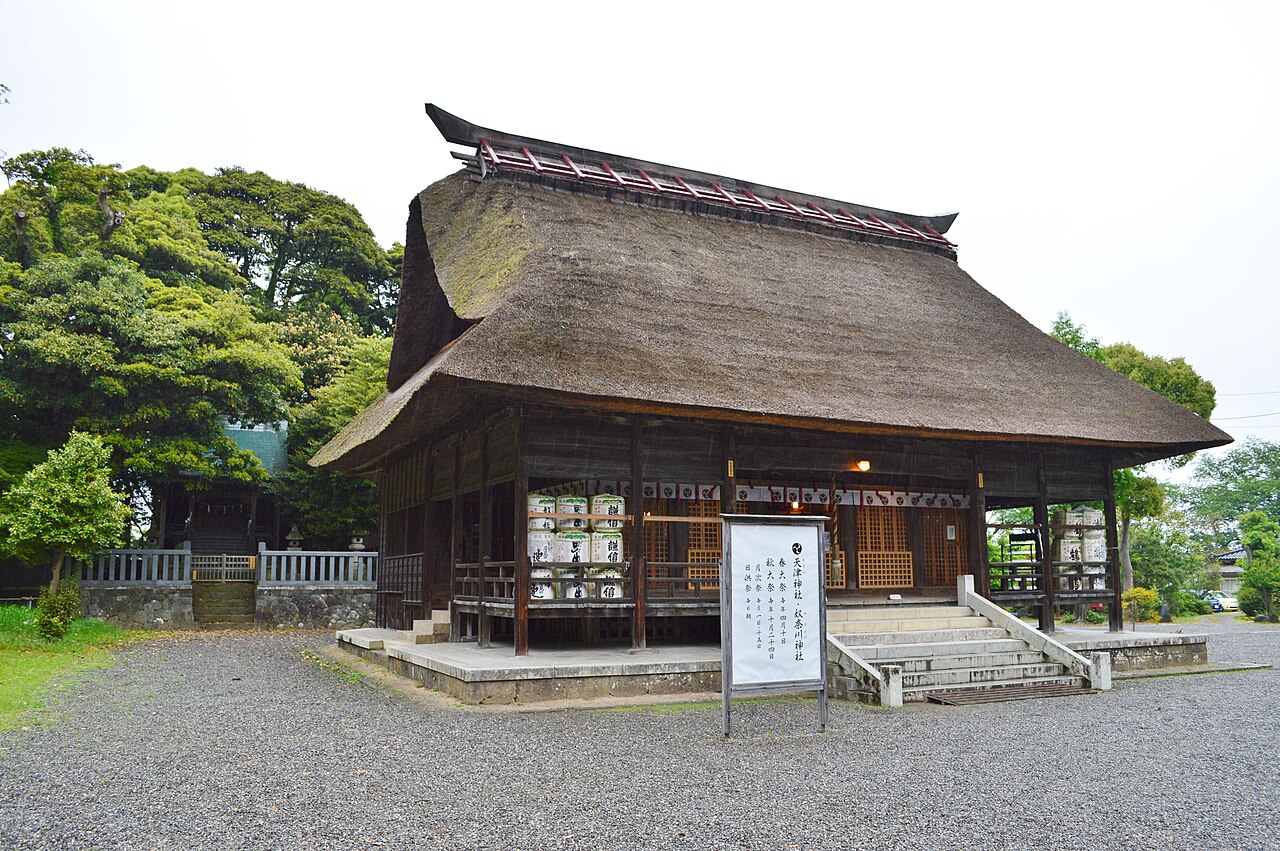
Amatsu Shrine
Itoigawa · Japan · shrine
A venerable jinja in the Ichinomiya quarter of Itoigawa on Japan's Sea of Japan coast, one of three shrines that each claim to have been the ichinomiya, the foremost shrine, of the old province of Echigo.
 Shinto
Fujisaki Hachimangū
Kumamoto · Japan · shrine
Fujisaki Hachimangū is a Shinto shrine in the heart of Kumamoto's Chūō ward, enshrining Hachiman as Emperor Ōjin together with Empress Jingū and the Sumiyoshi Sanjin, and revered for over a thousand years as guardian kami of the Higo region.
 Shinto
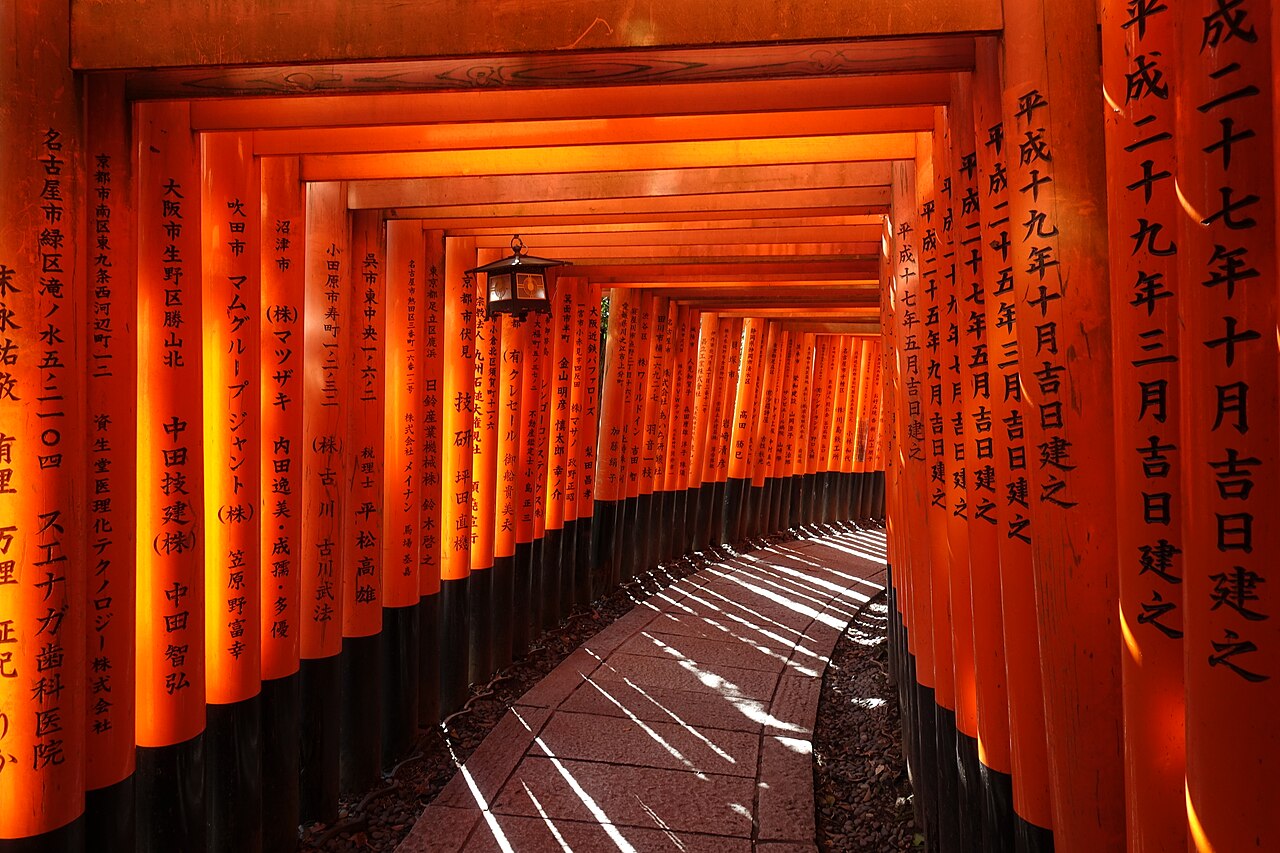
Fushimi Inari Taisha
Kyoto · Japan · shrine
The head shrine of Japan's roughly 30,000 Inari shrines, where some 10,000 vermilion torii climb sacred Mount Inari and white fox messengers watch every path.
 Shinto
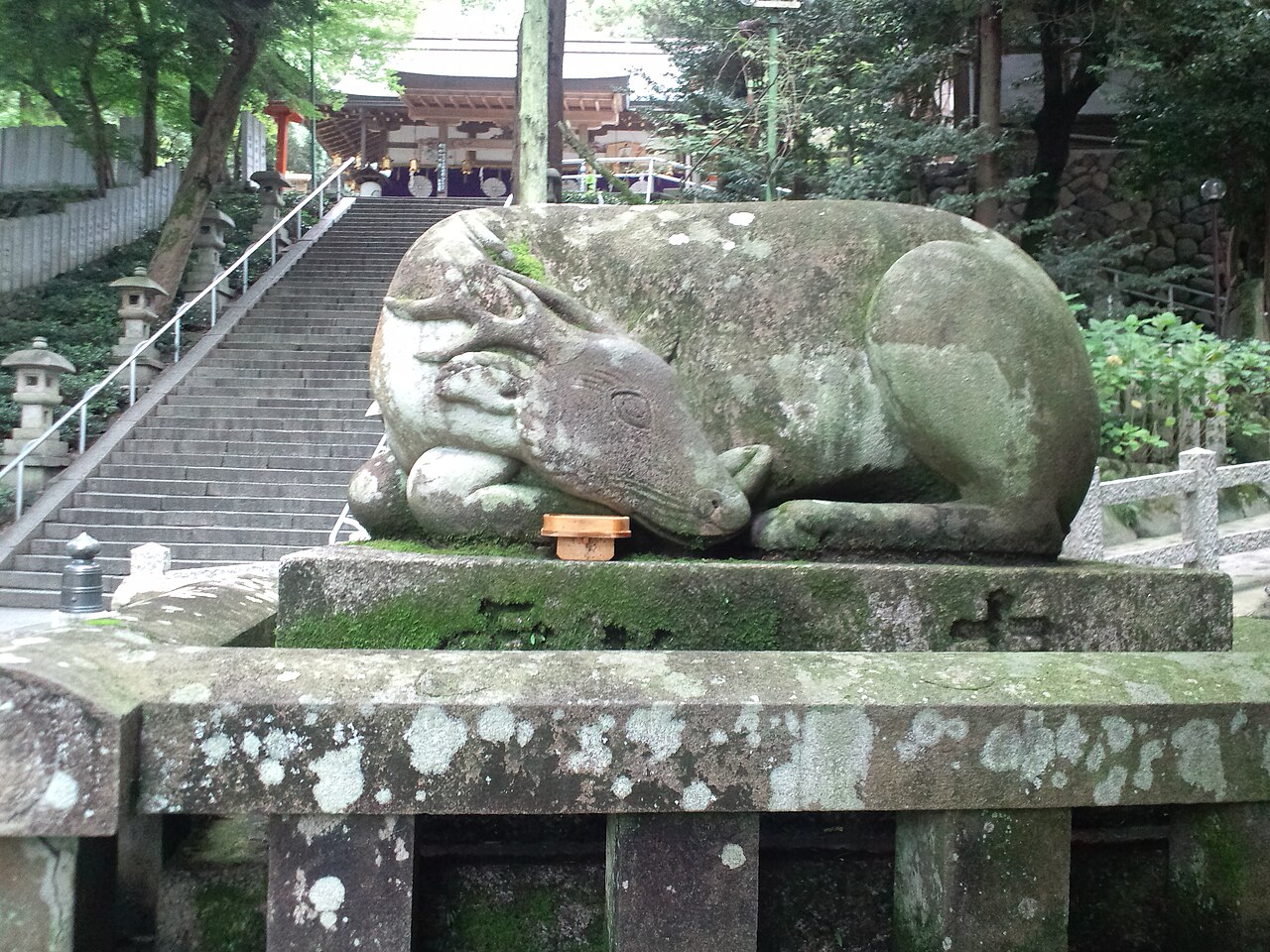
Hiraoka Shrine
Higashiosaka · Japan · shrine
The Ichinomiya, or foremost shrine, of the old province of Kawachi, set on the wooded western slope of the Ikoma range, where the ancestral kami of the Fujiwara clan were worshipped centuries before two of them were carried east to found Nara's Kasuga Taisha.
 Shinto
Hiroshima Gokoku Shrine
Hiroshima · Japan · shrine
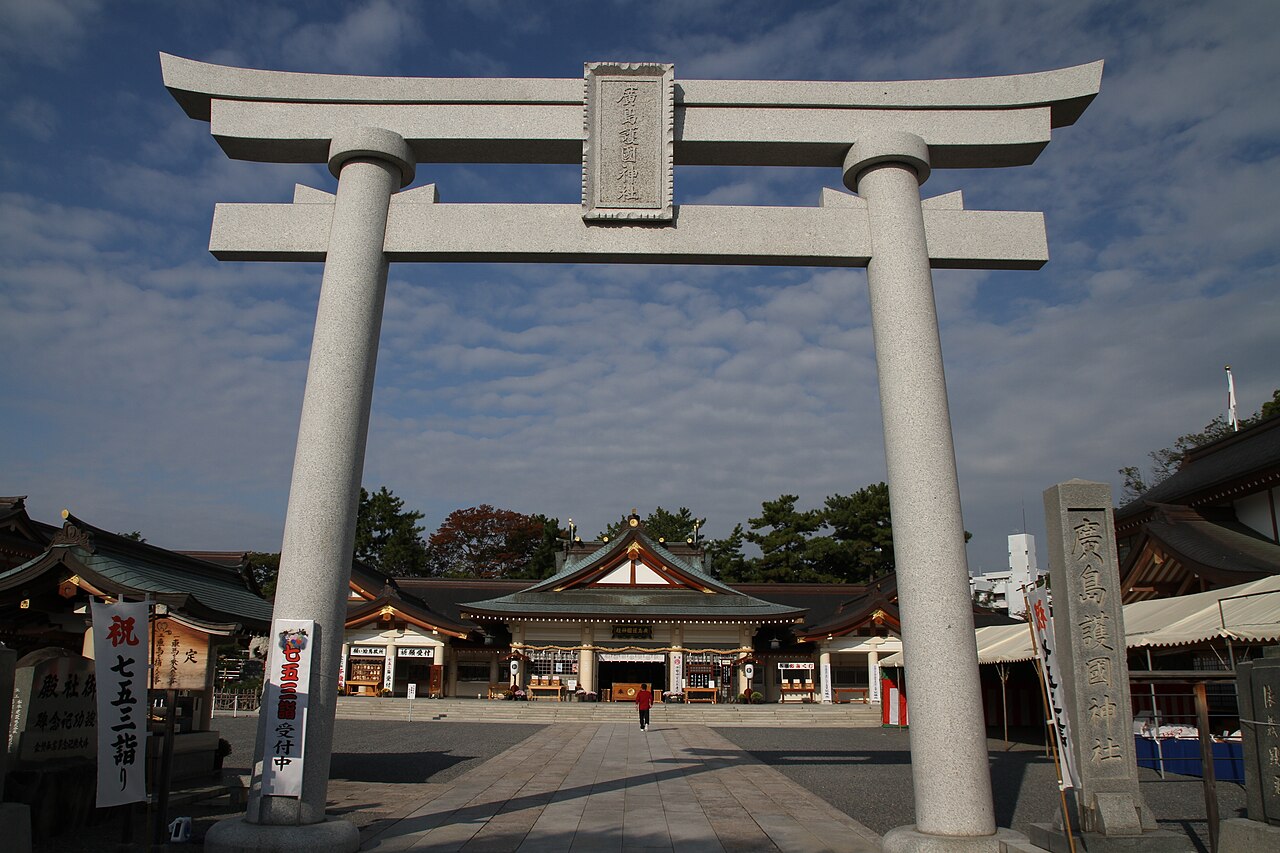
A Shinto shrine within the grounds of Hiroshima Castle honouring the war dead of Hiroshima, destroyed in the atomic bombing of 1945 and rebuilt by the city's own citizens in the years that followed.
 Shinto
Ise Jingu (Ise Grand Shrine)
Ise · Japan · shrine
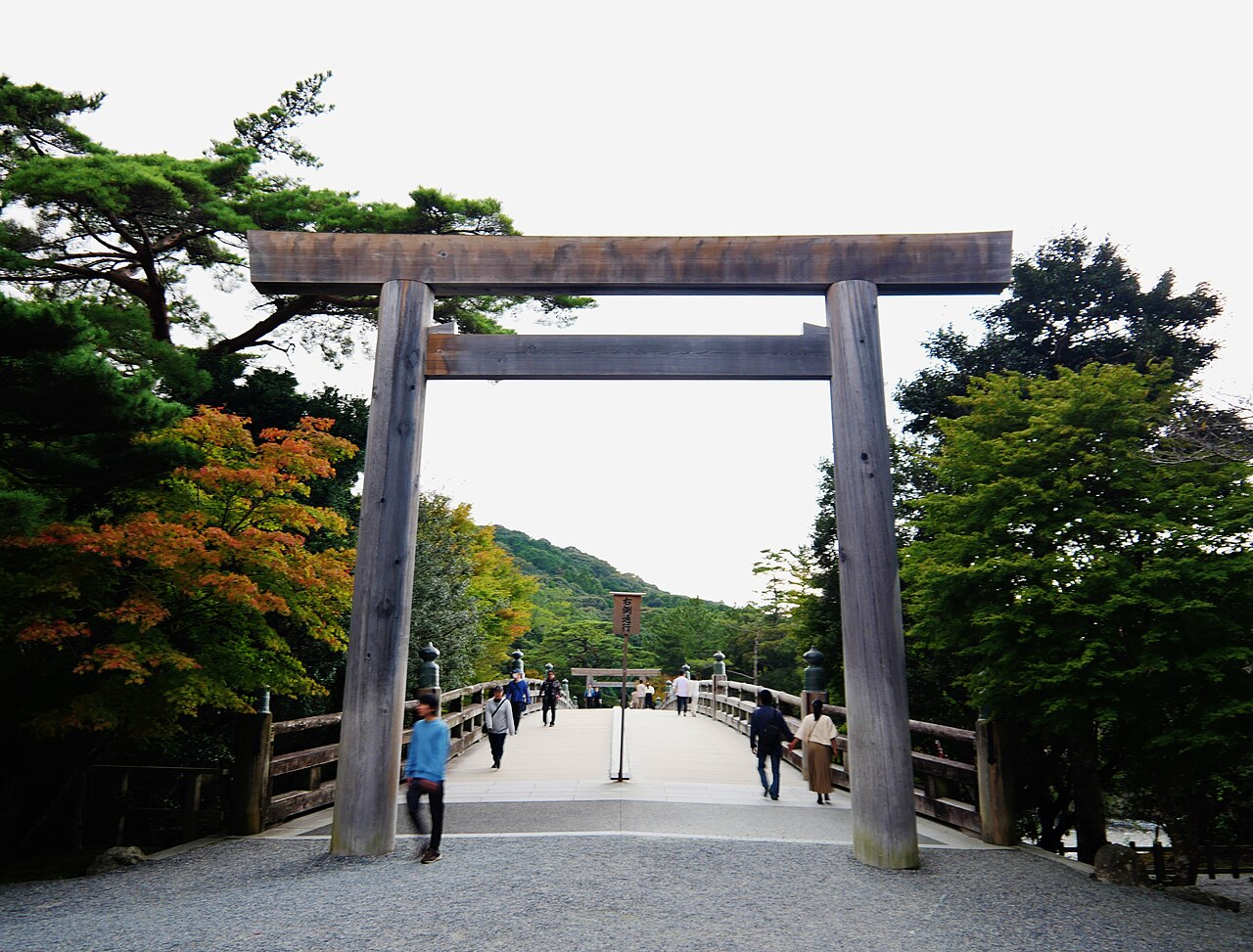
The most venerable sanctuary of Shinto: 125 shrines in the forests of Ise, where Amaterasu-Omikami dwells at the Naiku and Toyouke-Omikami at the Geku, and the whole sanctuary is rebuilt anew every twenty years.