
Kengun Shrine
Kengun-jinja · 健軍神社 · Takemiya Shrine (ancient name)
About
Nestled in the eastern reaches of Kumamoto City, Kengun Shrine occupies a place of quiet dignity as the oldest of the city's traditional shrines. Approached along an 800-metre avenue of cryptomeria, a solemn corridor of ancient cedar whose canopy filters the light into something contemplative, the grounds carry the measured stillness particular to Shinto sacred space. This road, known as Hatchou-baba, once served as a horse-riding path and is now preserved as a cultural property of the city.
The shrine is home to thirteen kami, with Kengun Ohkami (also known as Take-ogumino-mikoto, 健緒組命) enshrined as the principal deity. The remaining kami, among them Takeiwa-tatsu-no-mikoto (健磐龍命) and Aso-tsuhime-no-mikoto (阿蘇都比賣命), were received through a ceremony of bunrei, the ritual division and transfer of divine presence, from Aso Shrine, binding Kengun to that great complex by both lineage and sacred inheritance.
Within the precinct stand several subsidiary shrines, each with its own custodial purpose. Amemiya Shrine draws those who pray for rainfall; Miwa Shrine, where a stone bearing pockmark-like depressions is reverently touched for healing, is dedicated to the prevention and cure of smallpox. Hiyoshi Shrine is a place of prayer for protection from fire. These smaller sanctuaries give the compound the character of a living community of worship rather than a single monument.
History
One tradition holds that the warrior Take-ogumino-mikoto was sent to subdue the lands around Mount Chōraina and was enshrined here after his victory. A second account places the founding in the reign of Emperor Kinmei, when a boy appeared to a snowbound governor of Higo province and told him to raise a shrine here to guard the western approaches while Aso Shrine watched the east, giving the shrine its name, Kengun. During the Satsuma Rebellion of 1877, fourteen hundred samurai gathered in the Kengun area to join the rebel cause, and the kami of two burned shrines nearby, Katō Shrine and Fujisaki Hachimangū, were carried here for safekeeping.
Significance
As the senior shrine of Kumamoto City and one of four sanctuaries bound to Aso Shrine by sacred transfer, Kengun holds a place of particular honour in the religious life of Kyushu. Its precincts shelter subsidiary shrines for rain, for healing, and for protection from fire, each tended by devotees seeking a specific blessing, and its cedar avenue and Higo Kagura dance carry cultural-property status. For the surrounding community the shrine has long stood as a place of protection: in myth guarding the western realm, in war sheltering displaced kami, and in daily life answering the ordinary needs of those who visit.
Architecture
Traditional Kyushu Shinto shrine architecture, its sandō approach lined by an 800-metre cedar avenue
Visiting
Daily worship
| Shrine grounds open | 07:00 to 17:00 |
Hours
Hours not listed.
Contact
No contact details listed yet.
Engage with Kengun Shrine
Through the four pathways
Seva सेवा — Service
Offer your time and skills here. The following opportunities are open at Kengun Shrine:
No Seva offerings listed yet.
Sādhana साधना — Practice
Learn the worship and practice associated with Kengun Shrine:
No Sādhana offerings listed yet.
Sandhāna सन्धान — Wisdom
Unite with the wisdom of this tradition:
No Sandhāna offerings listed yet.
Sādhya साध्य — Giving
Support this sacred place according to your means:
No Sādhya offerings listed yet.
All giving flows directly to Kengun Shrine. Adisthan does not take a commission.
Gallery
Related sacred places
 Shinto
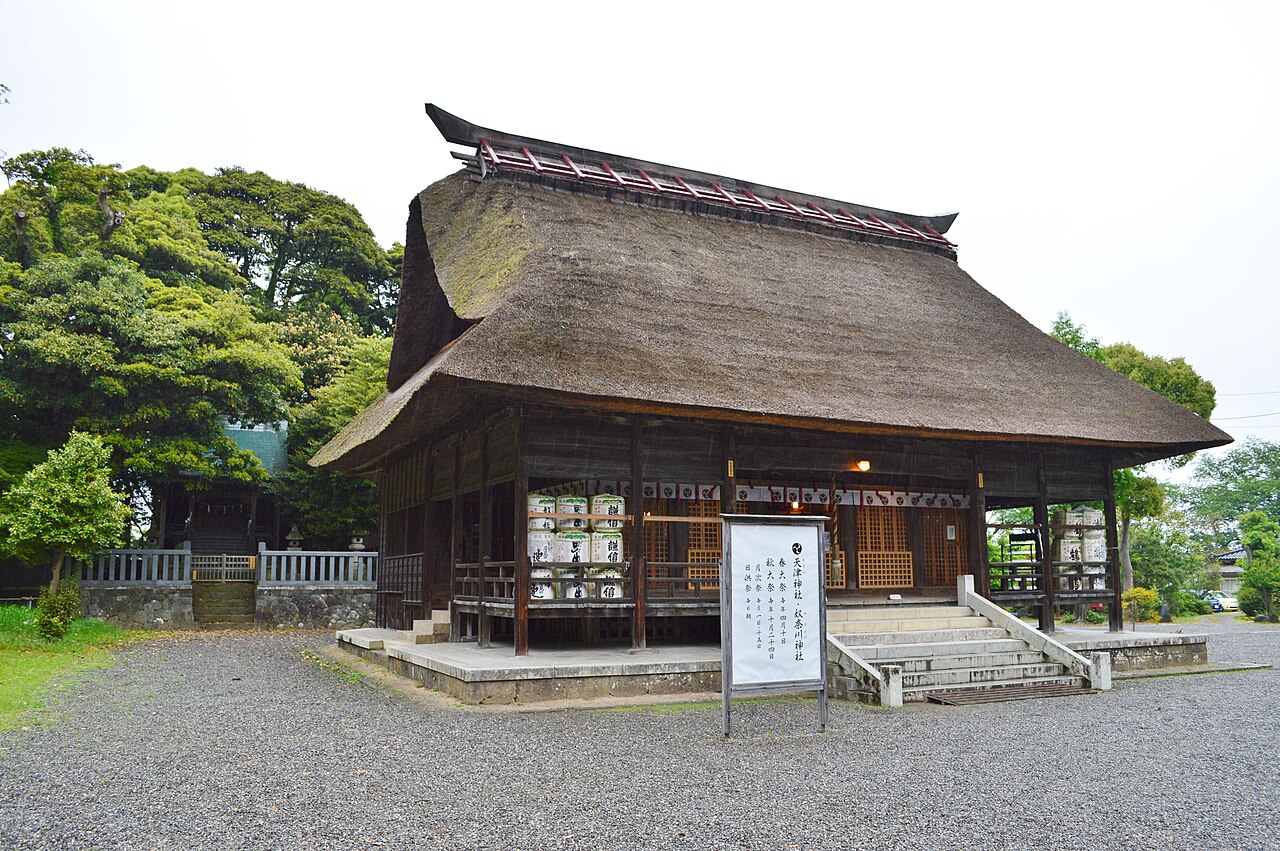
Amatsu Shrine
Itoigawa · Japan · shrine
A venerable jinja in the Ichinomiya quarter of Itoigawa on Japan's Sea of Japan coast, one of three shrines that each claim to have been the ichinomiya, the foremost shrine, of the old province of Echigo.
 Shinto
Fujisaki Hachimangū
Kumamoto · Japan · shrine
Fujisaki Hachimangū is a Shinto shrine in the heart of Kumamoto's Chūō ward, enshrining Hachiman as Emperor Ōjin together with Empress Jingū and the Sumiyoshi Sanjin, and revered for over a thousand years as guardian kami of the Higo region.
 Shinto
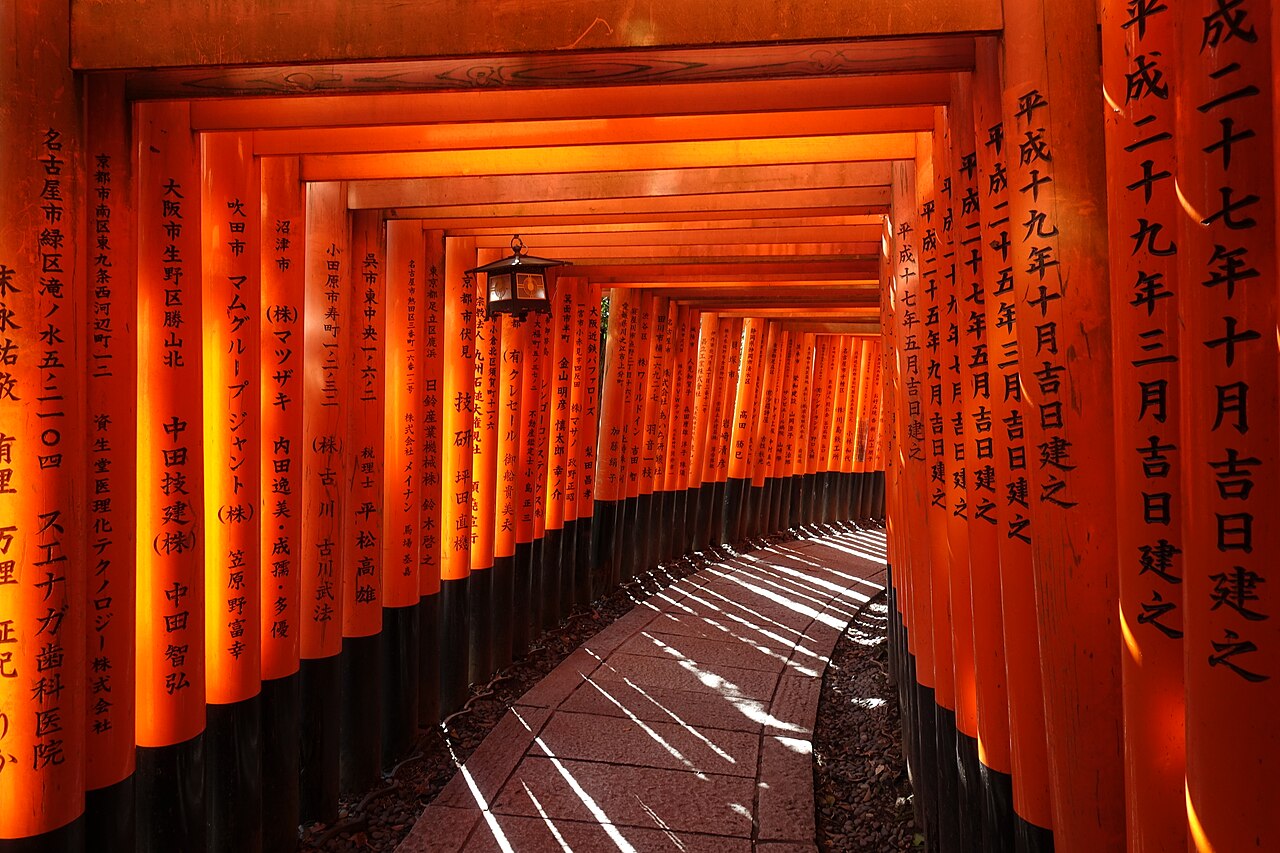
Fushimi Inari Taisha
Kyoto · Japan · shrine
The head shrine of Japan's roughly 30,000 Inari shrines, where some 10,000 vermilion torii climb sacred Mount Inari and white fox messengers watch every path.
 Shinto
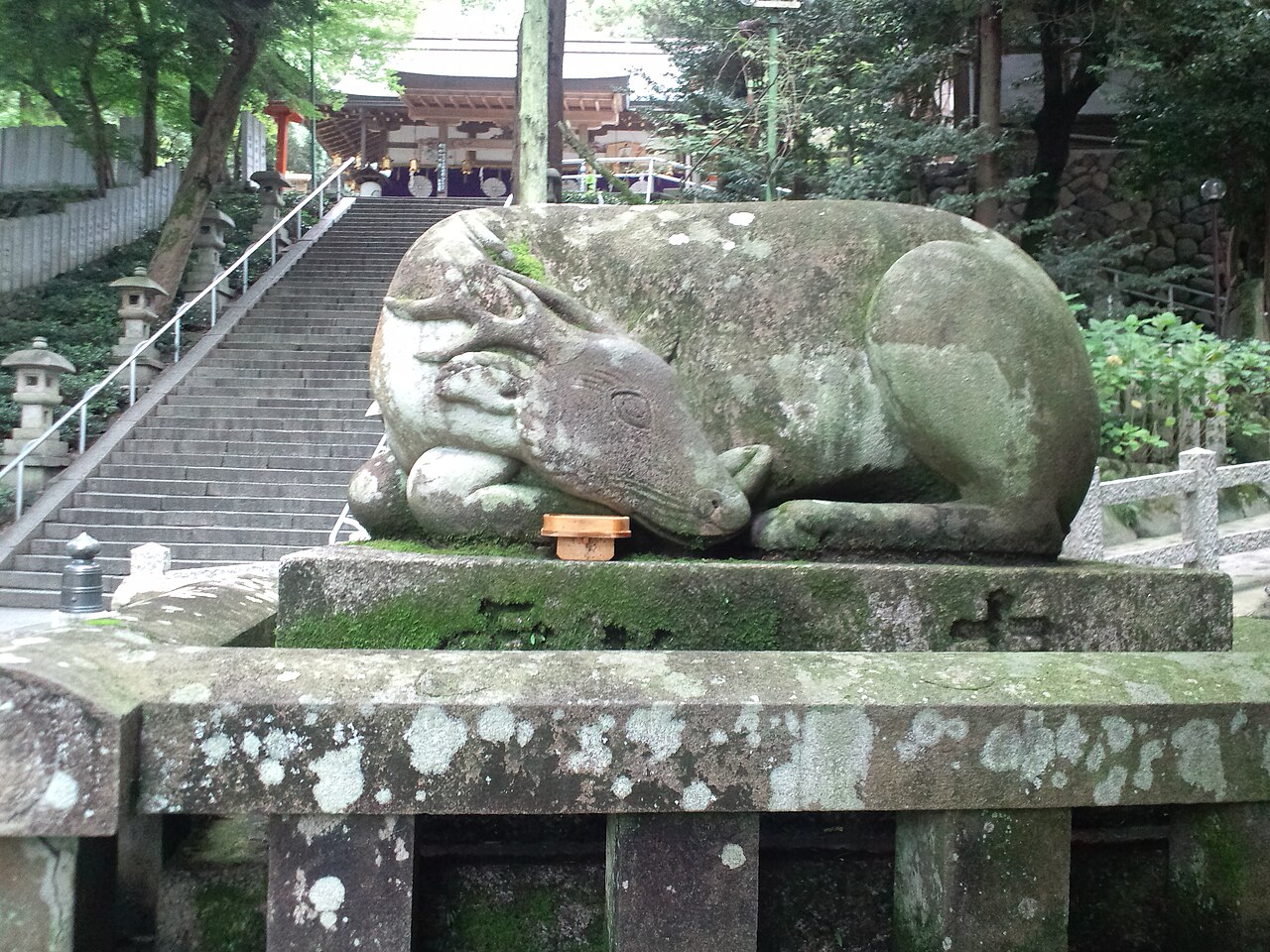
Hiraoka Shrine
Higashiosaka · Japan · shrine
The Ichinomiya, or foremost shrine, of the old province of Kawachi, set on the wooded western slope of the Ikoma range, where the ancestral kami of the Fujiwara clan were worshipped centuries before two of them were carried east to found Nara's Kasuga Taisha.
 Shinto
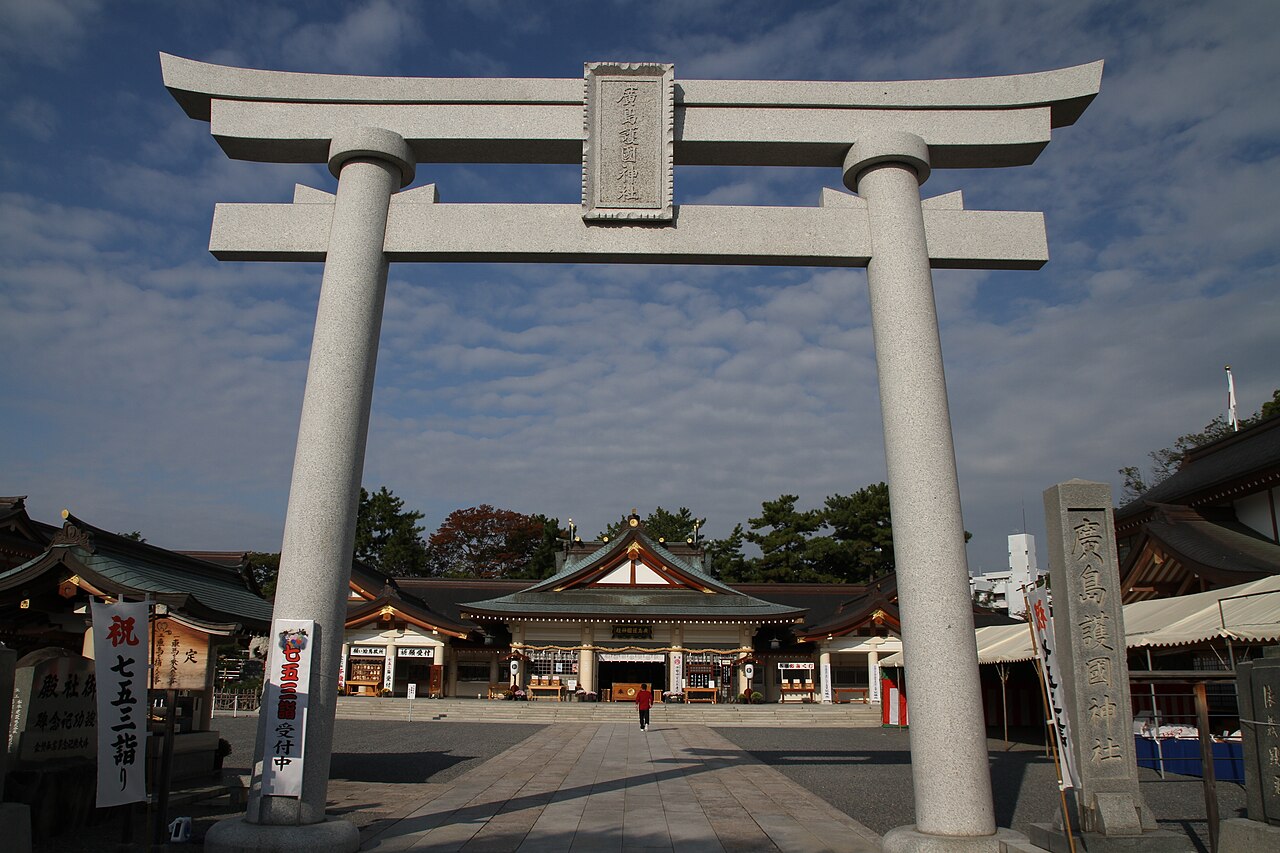
Hiroshima Gokoku Shrine
Hiroshima · Japan · shrine
A Shinto shrine within the grounds of Hiroshima Castle honouring the war dead of Hiroshima, destroyed in the atomic bombing of 1945 and rebuilt by the city's own citizens in the years that followed.
 Shinto
Ise Jingu (Ise Grand Shrine)
Ise · Japan · shrine
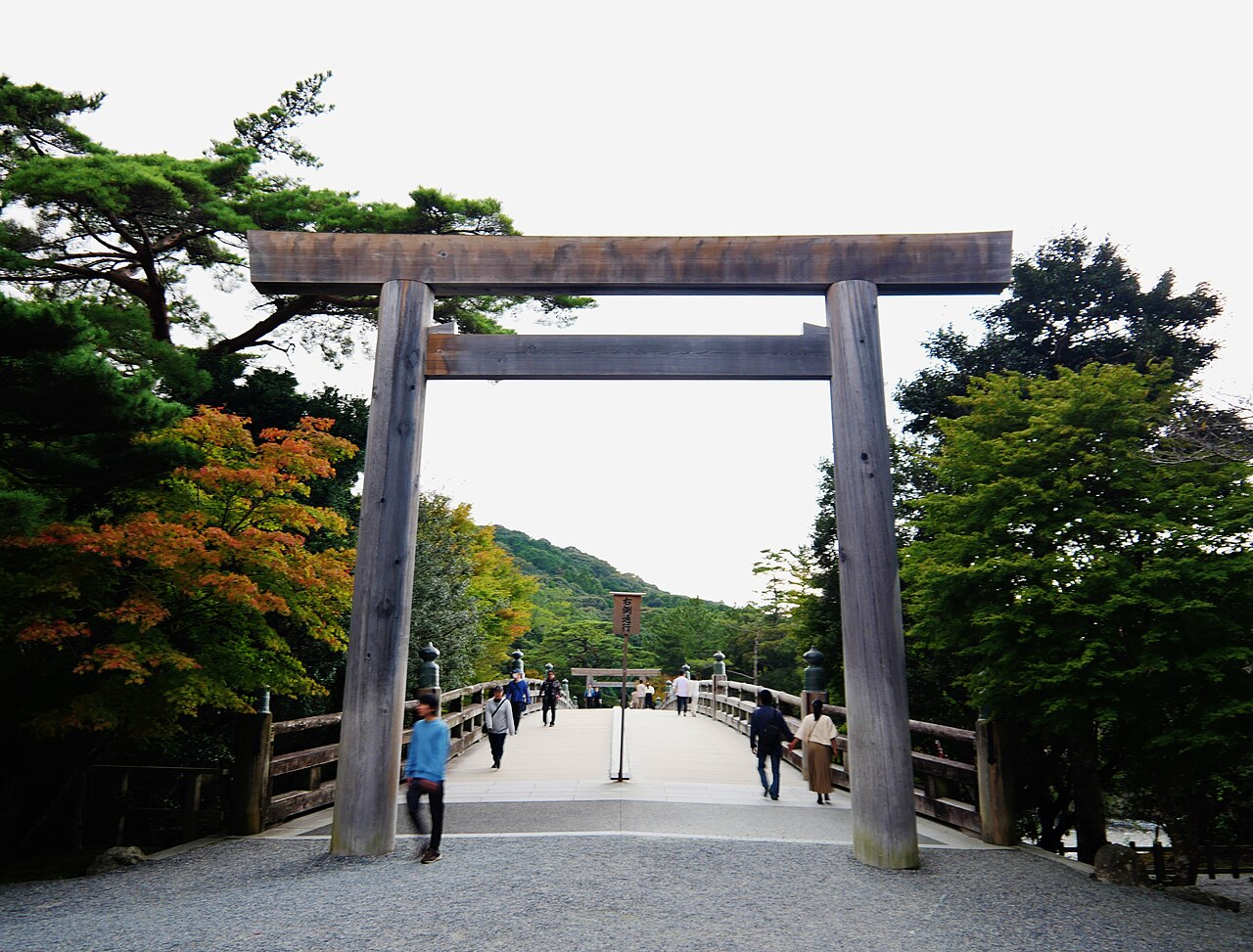
The most venerable sanctuary of Shinto: 125 shrines in the forests of Ise, where Amaterasu-Omikami dwells at the Naiku and Toyouke-Omikami at the Geku, and the whole sanctuary is rebuilt anew every twenty years.