Kesaria
About
Kesaria, also called Kesariya, is a small town in East Champaran district of Bihar, cradled near the River Gandak in the plains of northern India. Its central feature, the Kesariya Stūpa, rises some 104 feet and stands among the tallest surviving Buddhist stūpas on the subcontinent, a quiet giant of brick and earth that has outlasted centuries of neglect and rediscovery.
The stūpa underwent several phases of construction and enlargement, passing through Mauryan, Śuṅga, and Kuṣāṇa hands between roughly 200 CE and 750 CE. Its origins were humble, an earthen mound, but successive generations of patrons elaborated it into the tiered masonry form visitors encounter today. A local tradition connects the monument to a 4th-century ruler known as Rāja Cakravartī, though the structure's layers speak to many more centuries of devotion than any single patron.
The great Chinese Buddhist pilgrim Xuanzang passed through the region and recorded seeing a magnificent stūpa at the place he called Kia-shi-po-lo, yet even in his time the site had fallen quiet, swallowed by vegetation and distance from the centers of imperial patronage. That observation gestures toward both the stūpa's former grandeur and the long silence that followed.
Today the site draws pilgrims, scholars, and the simply curious, drawn to a place where the Dharma once commanded enough devotion to raise such a monument above the Bihar plain. Its atmosphere carries the particular stillness of a site that has waited a long time to be remembered.
History
The Kesariya Stūpa began as a mud mound, a form of memorial common to early Buddhist practice, and accrued its present layered structure across the Mauryan, Śuṅga, and Kuṣāṇa periods, spanning approximately 200 CE to 750 CE. The Mauryan emperor Aśoka is credited with the foundational impulse, placing Kesaria within the network of Buddhist monuments he patronized across the subcontinent. A 4th-century figure identified as Rāja Cakravartī is also associated with the monument, suggesting continued royal interest in the site well after the Aśokan era.
For centuries the stūpa lay largely forgotten, overgrown and deserted, a condition noted by Xuanzang when he visited the region during his 7th-century journey through Buddhist India. Its formal rediscovery came in 1958, when an excavation led by archaeologist K. K. Muhammad of the Archaeological Survey of India brought the structure back into scholarly and public awareness.
Significance
Kesaria holds a quiet but weighty place in the Buddhist sacred geography of India. As one of the tallest stūpas in the country, it embodies the Mauryan-era ambition to mark the landscape with monuments of the Dharma, connecting this otherwise modest Bihar town to the imperial vision of Aśoka. The stūpa's layered construction, accumulating across several dynasties, also reflects how Buddhist communities across centuries returned to the same sacred ground, each adding their own mark of devotion. For contemporary pilgrims and practitioners, Kesaria offers encounter with a living archaeological monument: not a restored showpiece, but a place where time and faith have worked together in full view.
Visiting
Engage with Kesaria
Through the four pathways
Seva सेवा — Service
Offer your time and skills here. The following opportunities are open at Kesaria:
No Seva offerings listed yet.
Sādhana साधना — Practice
Learn the worship and practice associated with Kesaria:
No Sādhana offerings listed yet.
Sandhāna सन्धान — Wisdom
Unite with the wisdom of this tradition:
No Sandhāna offerings listed yet.
Sādhya साध्य — Giving
Support this sacred place according to your means:
No Sādhya offerings listed yet.
All giving flows directly to Kesaria. Adisthan does not take a commission.
Gallery
Related sacred places
 Buddhism
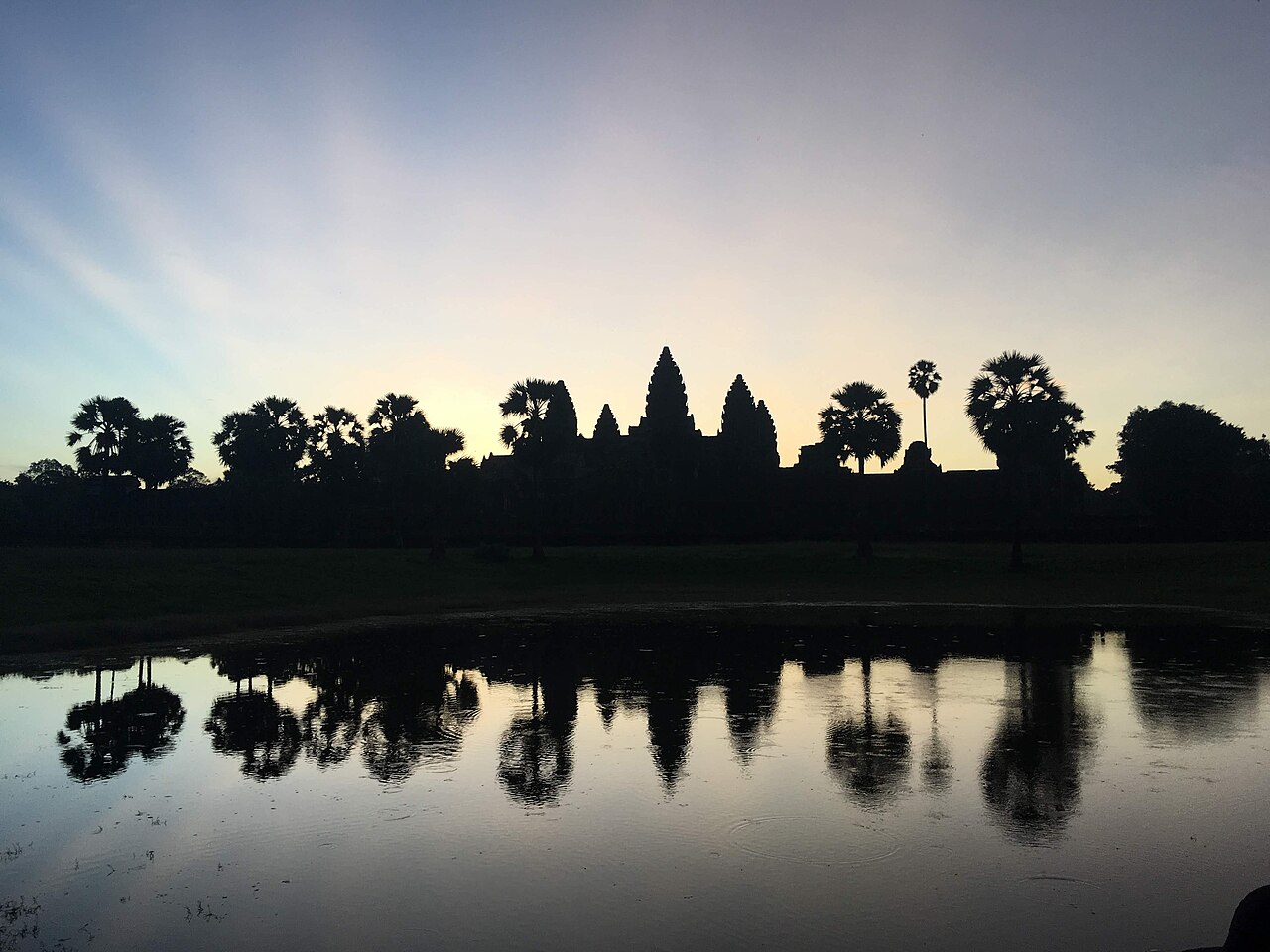
Angkor Wat
Siem Reap · Cambodia · temple
The largest religious monument on earth, built for Lord Vishnu by Suryavarman II in the 12th century and in continuous worship ever since: a living Theravada Buddhist Temple whose five towers stand on the Cambodian flag.
 Buddhism
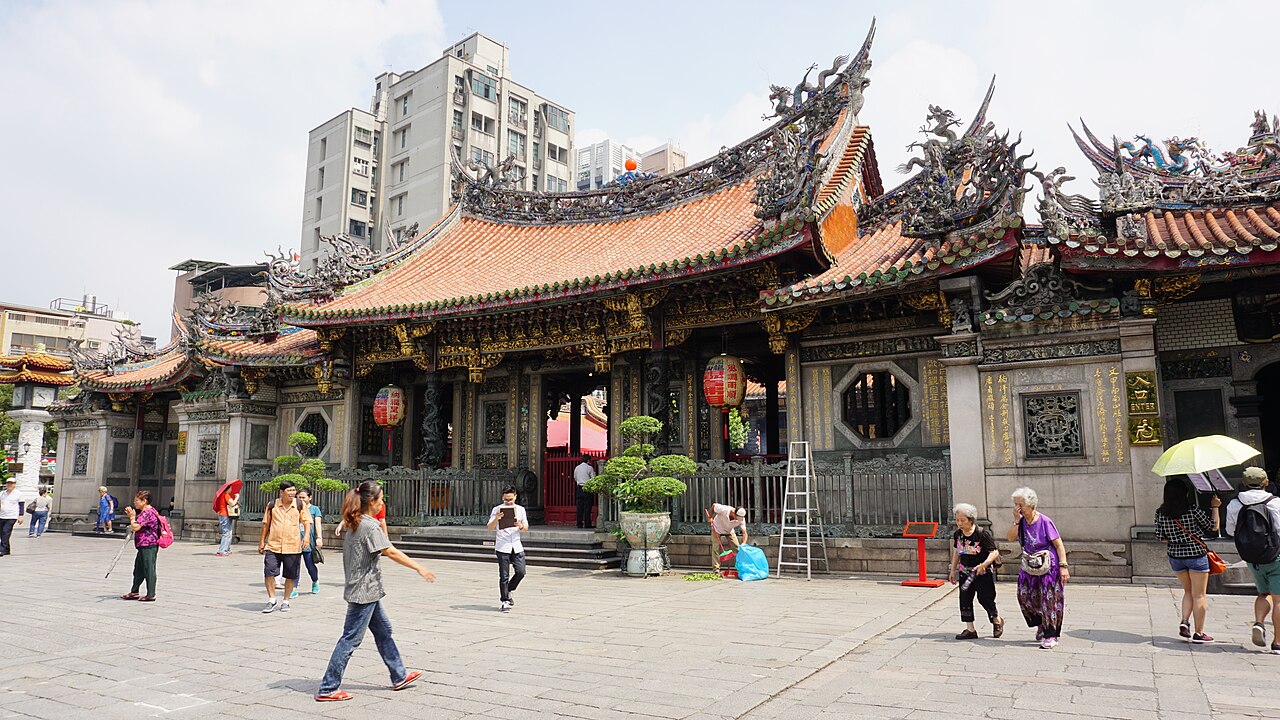
Bangka Lungshan Temple
Taipei (Wanhua) · Taiwan · temple
Taipei's mother Temple to Guanshiyin, founded by Fujian settlers in 1738 in the old Bangka quarter: a front hall to the bodhisattva of compassion and a rear hall of more than a hundred Taoist and folk gods, whose Guanyin statue survived the 1945 bombing intact.
 Buddhism
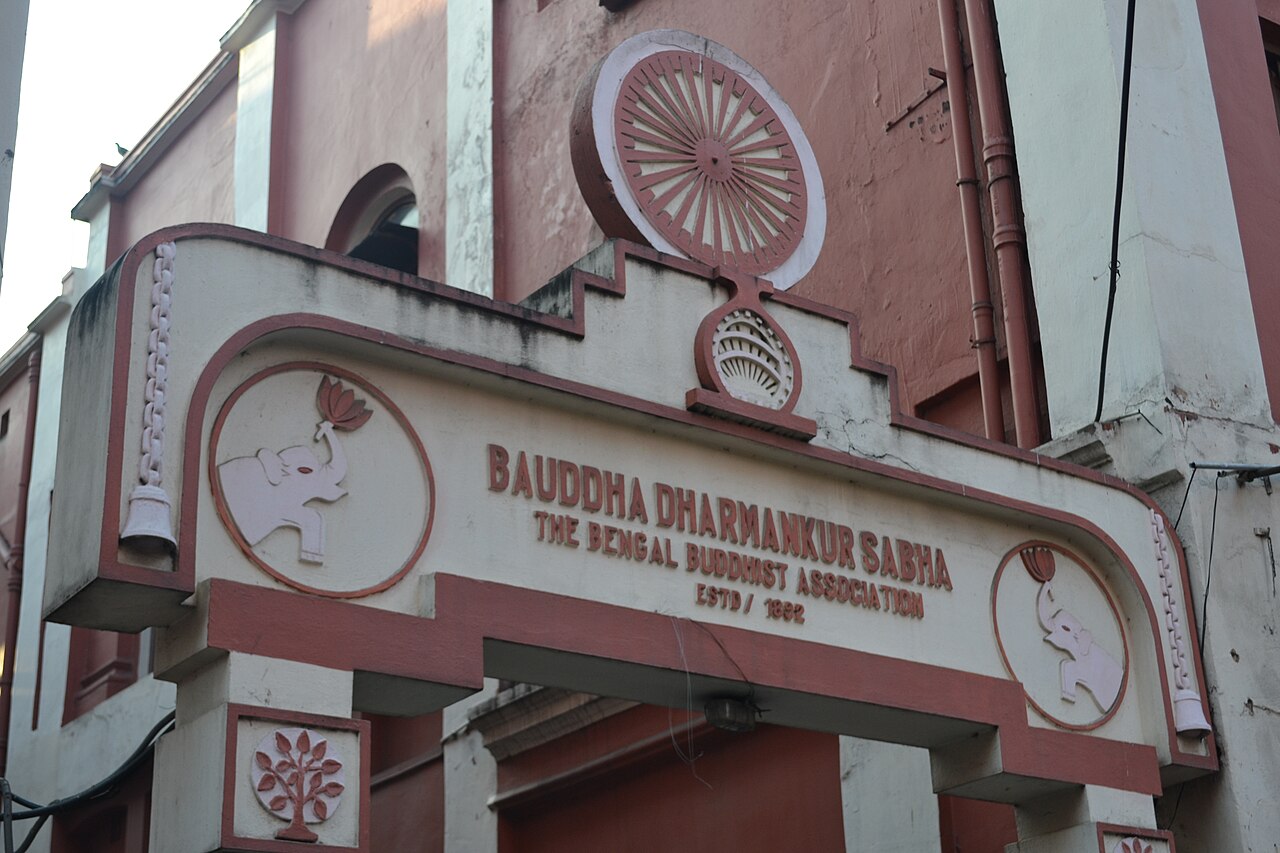
Bengal Buddhist Association
Kolkata · India · monastery
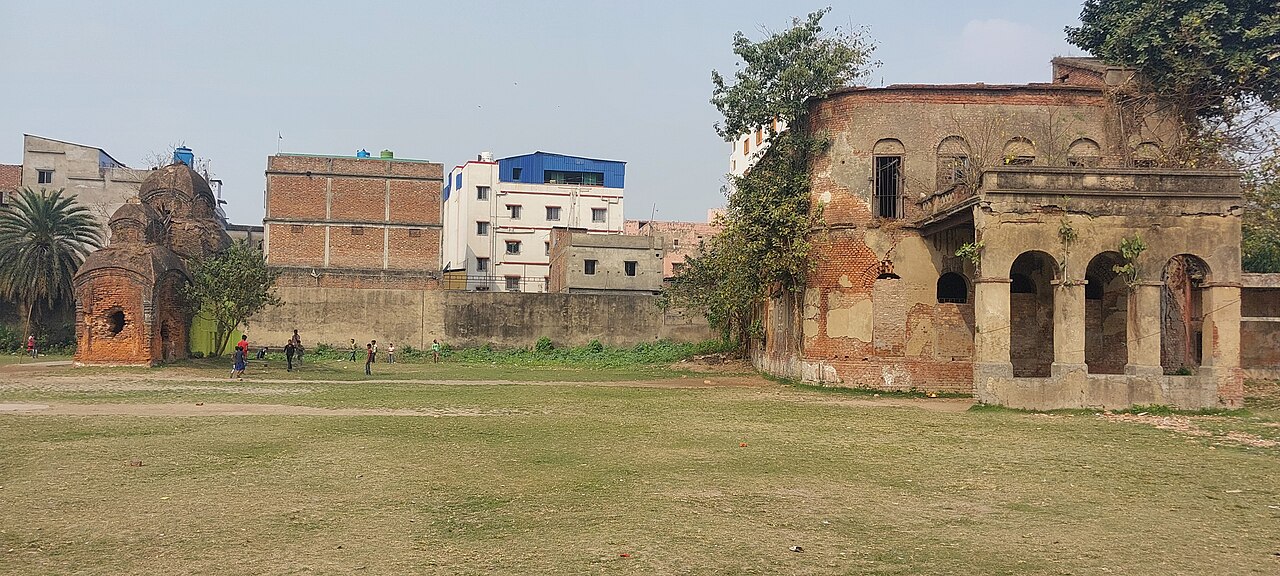
Founded in Kolkata in 1892 by Kripasaran Mahasthavir, the Bengal Buddhist Association, known in Bengali as Bauddha Dharmankur Sabha, raised the Dharmankur Vihara at Bow Barracks in 1903 and has worked for over a century to revive the Dharma in eastern India.
 Buddhism
Bhot Bagan Math
Ghusuri · India · monastery
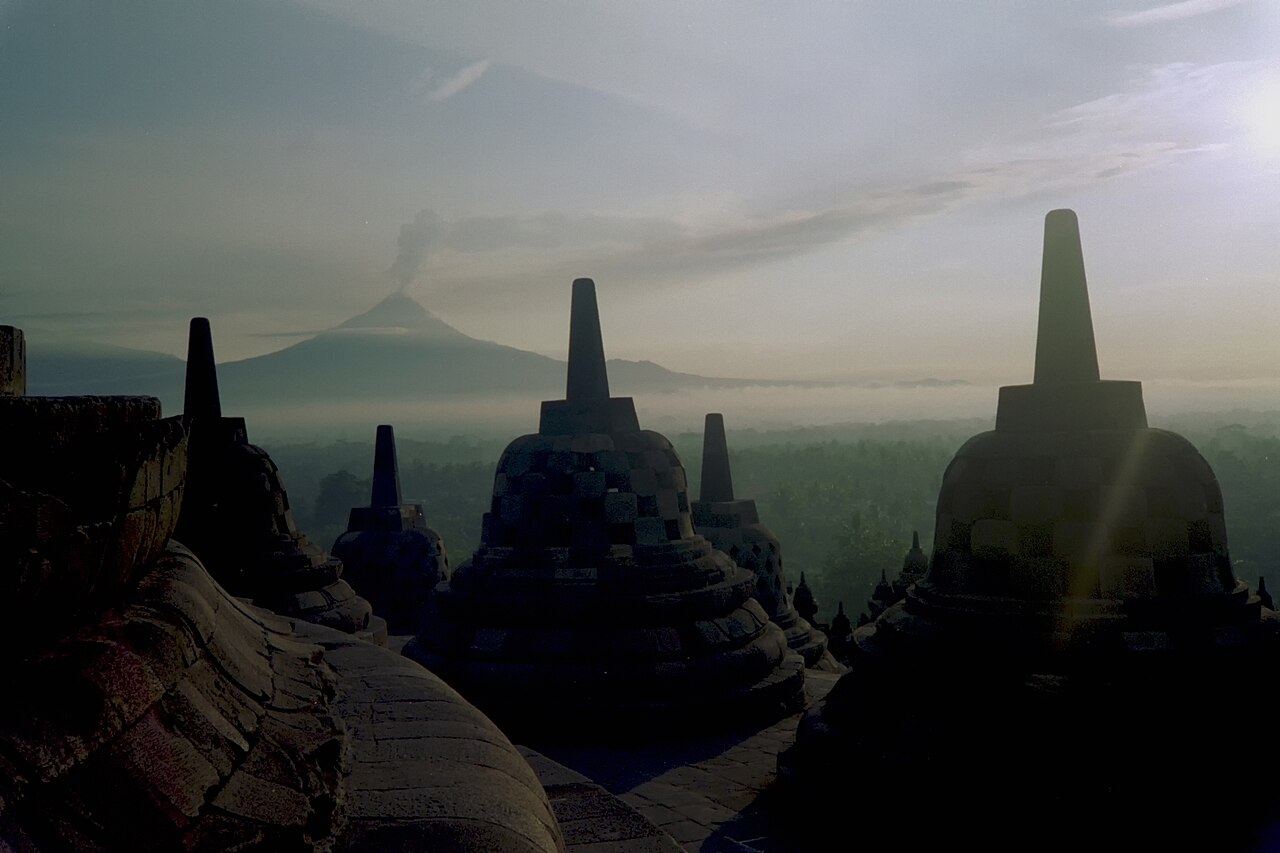
A brick monastery on the Hooghly riverside at Ghusuri, Howrah, founded in 1776 as the first Tibetan Buddhist religious foundation on the plains of India and still known popularly as Mahakal Math for the Tibetan deity images once installed in its sanctum.
 Buddhism
Borobudur
Magelang · Indonesia · temple
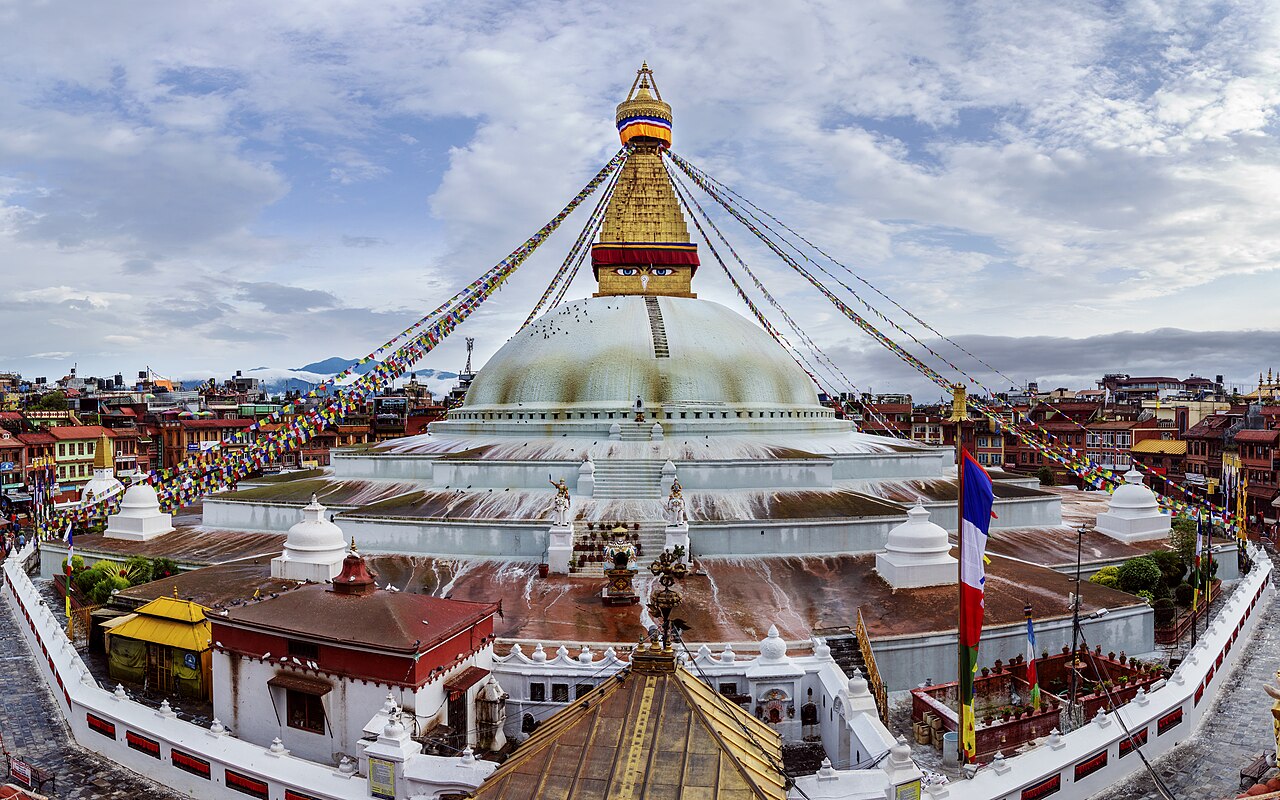
The world's largest Buddhist Temple: a ninth-century mandala in stone on Java's Kedu Plain, nine terraces rising through the three realms to 72 latticed stupas, each sheltering a seated Buddha.
 Buddhism
Boudhanath Stupa
Kathmandu · Nepal · stupa
The largest spherical stupa in Nepal, its all-seeing Buddha eyes watching over the kora walked daily by the Tibetan Buddhist community of Boudha, the heart of Vajrayana practice in the Kathmandu Valley.