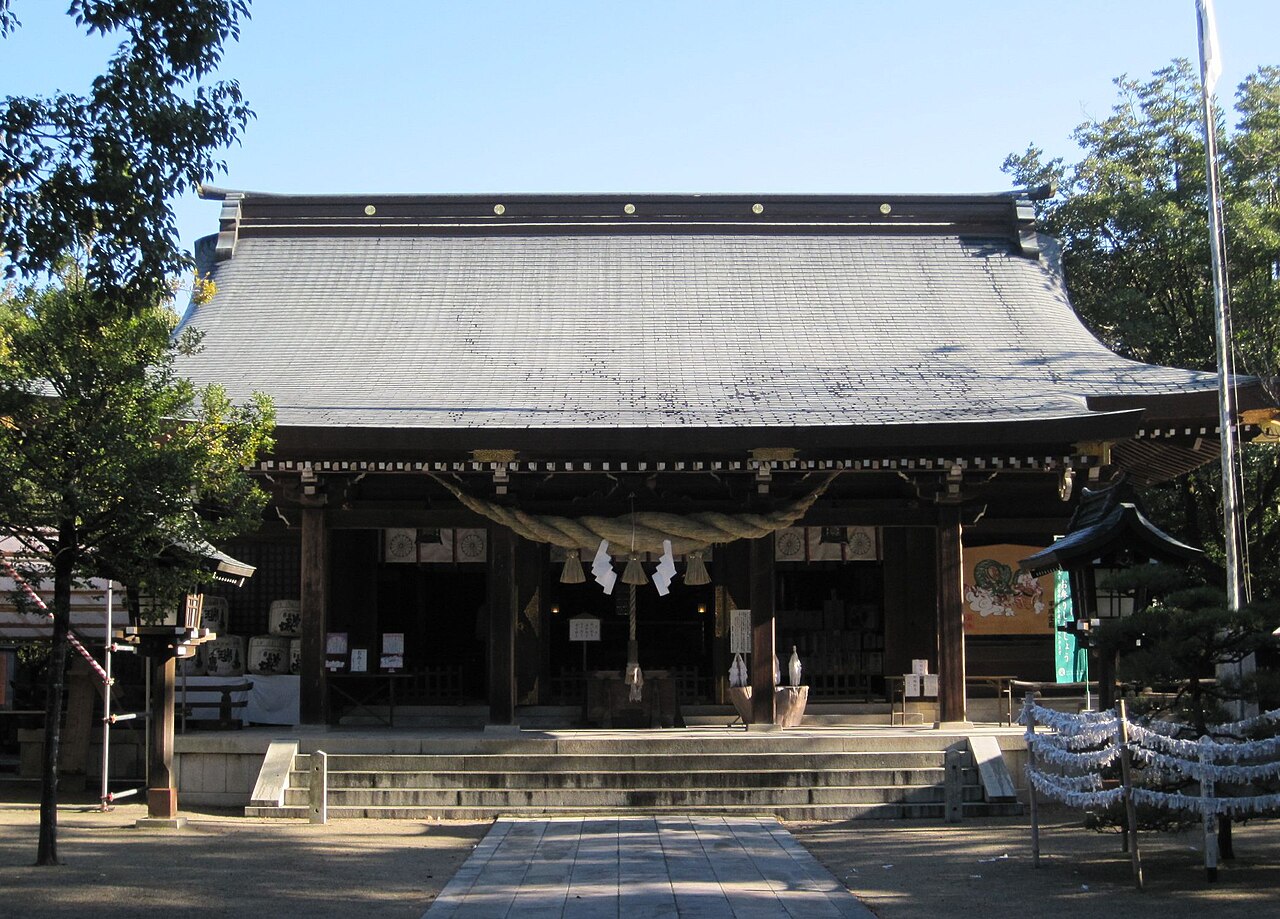
Kikuchi Shrine
Kikuchi Jinja · 菊池神社
About
Kikuchi Jinja stands on the grounds of the old Kikuchi castle in northern Kumamoto, where Kikuchi Taketoki, his son Kikuchi Takeshige, and the unifier of Kyushu Kikuchi Takemitsu are venerated as kami. The three were daimyo of Higo Province who pledged their swords to Emperor Go-Daigo during the upheavals that led to the Kenmu Restoration of 1333, and their valour is remembered in the rites and torii of this place.
In 1868 Emperor Meiji directed that the spirits of those who had served the throne be honoured at new shrines, and Kikuchi Taketoki was the first to be enshrined here on 28 April 1870. Decades later, in March 1923, Takeshige and Takemitsu were added to the same sanctuary, completing the trio of Kikuchi kami. The shrine was elevated to the rank of Bekkaku Kanpeisha, a tier reserved for those of distinguished service to the state.
A Kumonoe-guu hall and a historical museum were raised within the precincts in 1970, drawing pilgrims and visitors who come to learn of the clan's role in defending the imperial cause and in repelling foreign invasion. The shrine marked its 130th anniversary in 2000 and continues to host annual rites in memory of the Kikuchi lords.
History
Emperor Meiji ordered the enshrinement of clan leaders who had served the imperial cause, and on 28 April 1870 Kikuchi Taketoki, eleventh head of the Kikuchi clan, was the first to be honoured here on the site of the family's old castle. Taketoki had died in 1333 fighting for Emperor Go-Daigo in the uprising that led to the Kenmu Restoration, alongside his son Yoritaka. His son Takeshige and the Kyushu-unifying Takemitsu were enshrined alongside him in March 1923, and the shrine was reorganised as a religious corporation in September 1952.
Significance
Kikuchi Shrine is counted among the Fifteen Shrines of the Kenmu Restoration built to honour those who gave their lives for the imperial cause, and it once held the rank of Bekkaku Kanpeisha, reserved for shrines of distinguished service to the state. Twenty-six further Kikuchi retainers are enshrined here alongside the three principal lords. The grounds hold a history museum, the Rekishikan, with clan documents, spears, and Noh masks, and each spring the shrine grounds are a gathering place for cherry blossom viewing.
Architecture
Meiji-era Shinto shrine architecture
Visiting
Hours
Hours not listed.
Contact
No contact details listed yet.
Engage with Kikuchi Shrine
Through the four pathways
Seva सेवा — Service
Offer your time and skills here. The following opportunities are open at Kikuchi Shrine:
No Seva offerings listed yet.
Sādhana साधना — Practice
Learn the worship and practice associated with Kikuchi Shrine:
No Sādhana offerings listed yet.
Sandhāna सन्धान — Wisdom
Unite with the wisdom of this tradition:
No Sandhāna offerings listed yet.
Sādhya साध्य — Giving
Support this sacred place according to your means:
No Sādhya offerings listed yet.
All giving flows directly to Kikuchi Shrine. Adisthan does not take a commission.
Festivals & Events
- Oct
Autumn Grand Festival
15 October 2026 · annual
An observance beginning at the auxiliary shrine Unjo-gu, with the Matsu-bayashi performance and a portable-shrine procession through town to Fukagawa, the clan's ancestral ground.
- Apr
Spring Grand Festival
5 April 2027 · annual
Held as the cherry blossoms bloom around the shrine, this festival offers formal tribute to the enshrined Kikuchi lords.
Gallery
Related sacred places
 Shinto
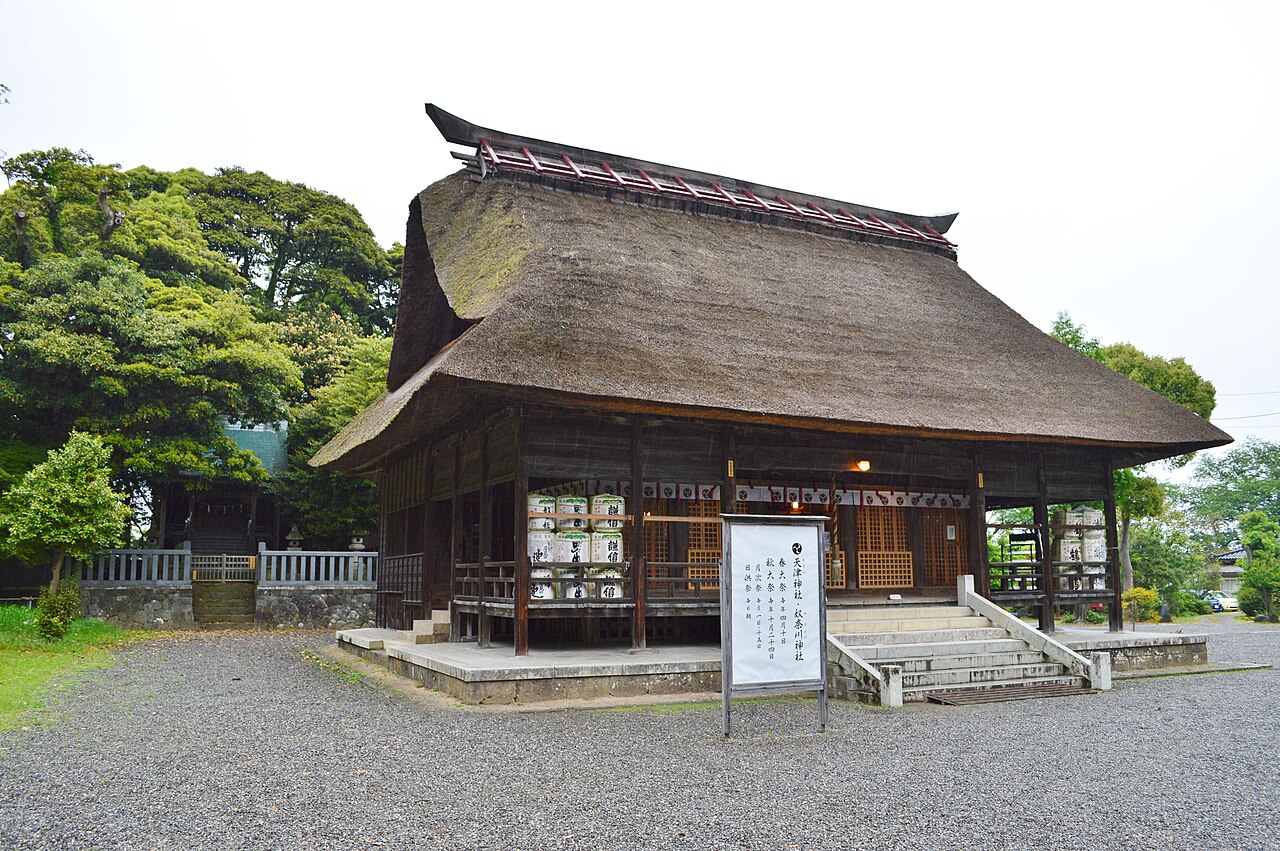
Amatsu Shrine
Itoigawa · Japan · shrine
A venerable jinja in the Ichinomiya quarter of Itoigawa on Japan's Sea of Japan coast, one of three shrines that each claim to have been the ichinomiya, the foremost shrine, of the old province of Echigo.
 Shinto
Fujisaki Hachimangū
Kumamoto · Japan · shrine
Fujisaki Hachimangū is a Shinto shrine in the heart of Kumamoto's Chūō ward, enshrining Hachiman as Emperor Ōjin together with Empress Jingū and the Sumiyoshi Sanjin, and revered for over a thousand years as guardian kami of the Higo region.
 Shinto
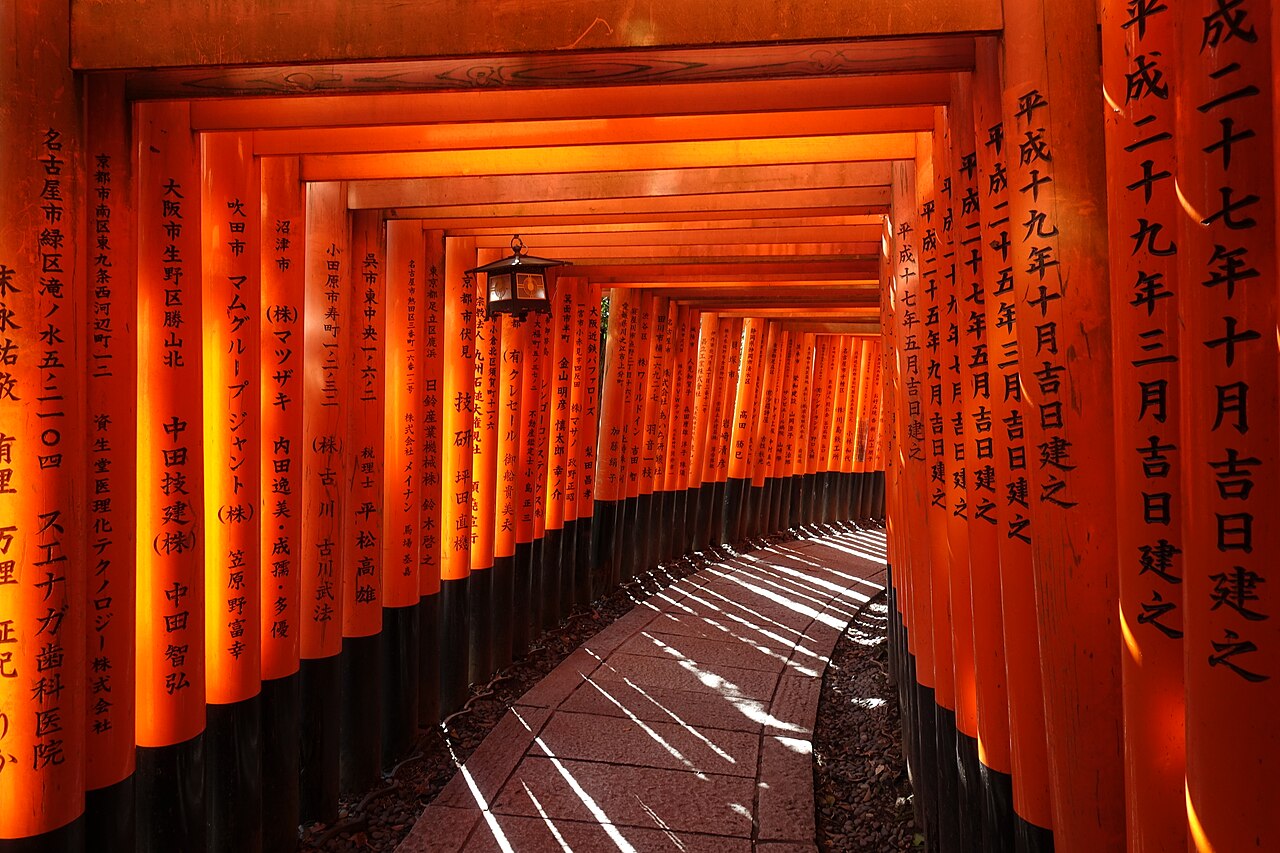
Fushimi Inari Taisha
Kyoto · Japan · shrine
The head shrine of Japan's roughly 30,000 Inari shrines, where some 10,000 vermilion torii climb sacred Mount Inari and white fox messengers watch every path.
 Shinto
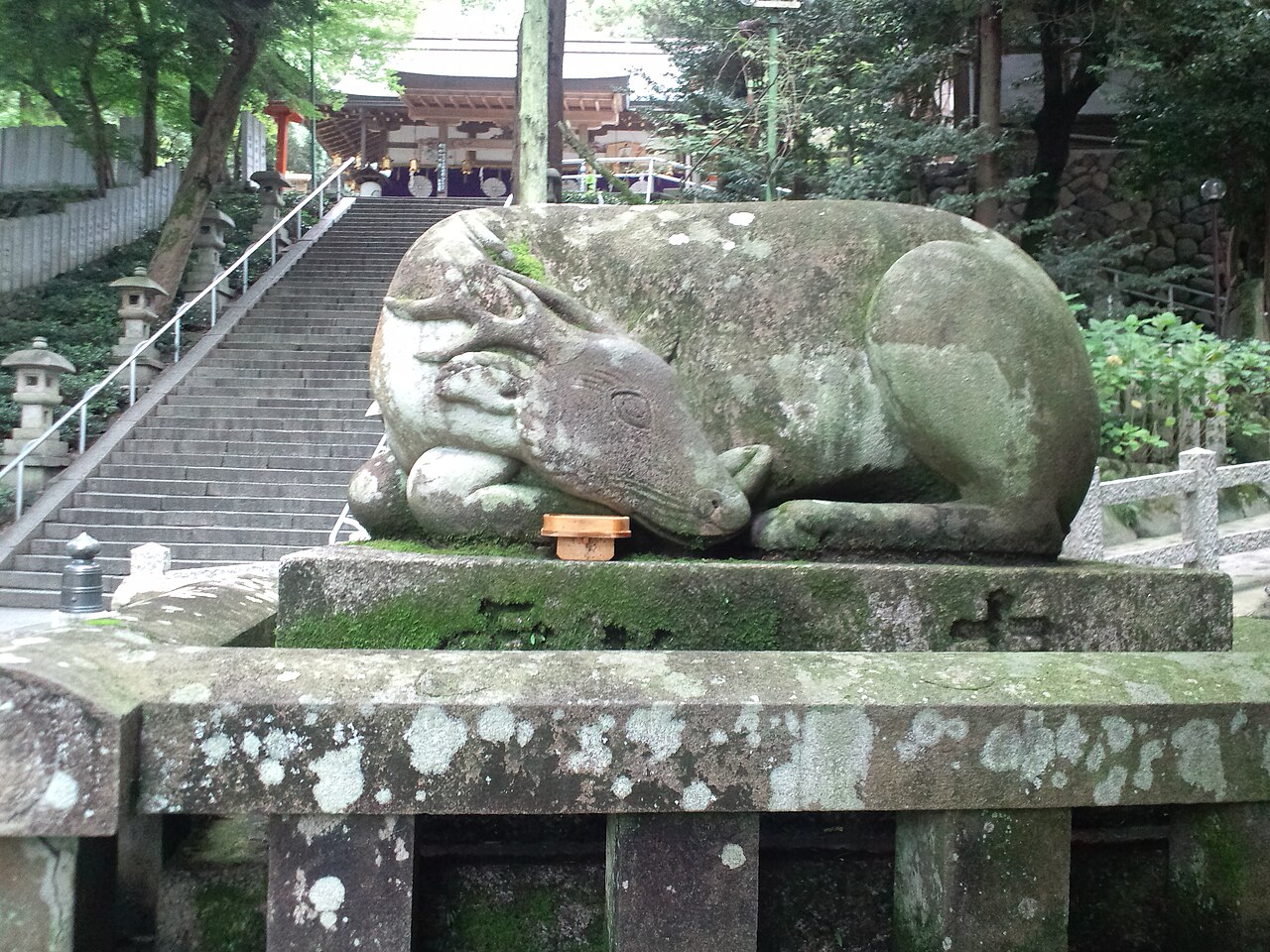
Hiraoka Shrine
Higashiosaka · Japan · shrine
The Ichinomiya, or foremost shrine, of the old province of Kawachi, set on the wooded western slope of the Ikoma range, where the ancestral kami of the Fujiwara clan were worshipped centuries before two of them were carried east to found Nara's Kasuga Taisha.
 Shinto
Hiroshima Gokoku Shrine
Hiroshima · Japan · shrine
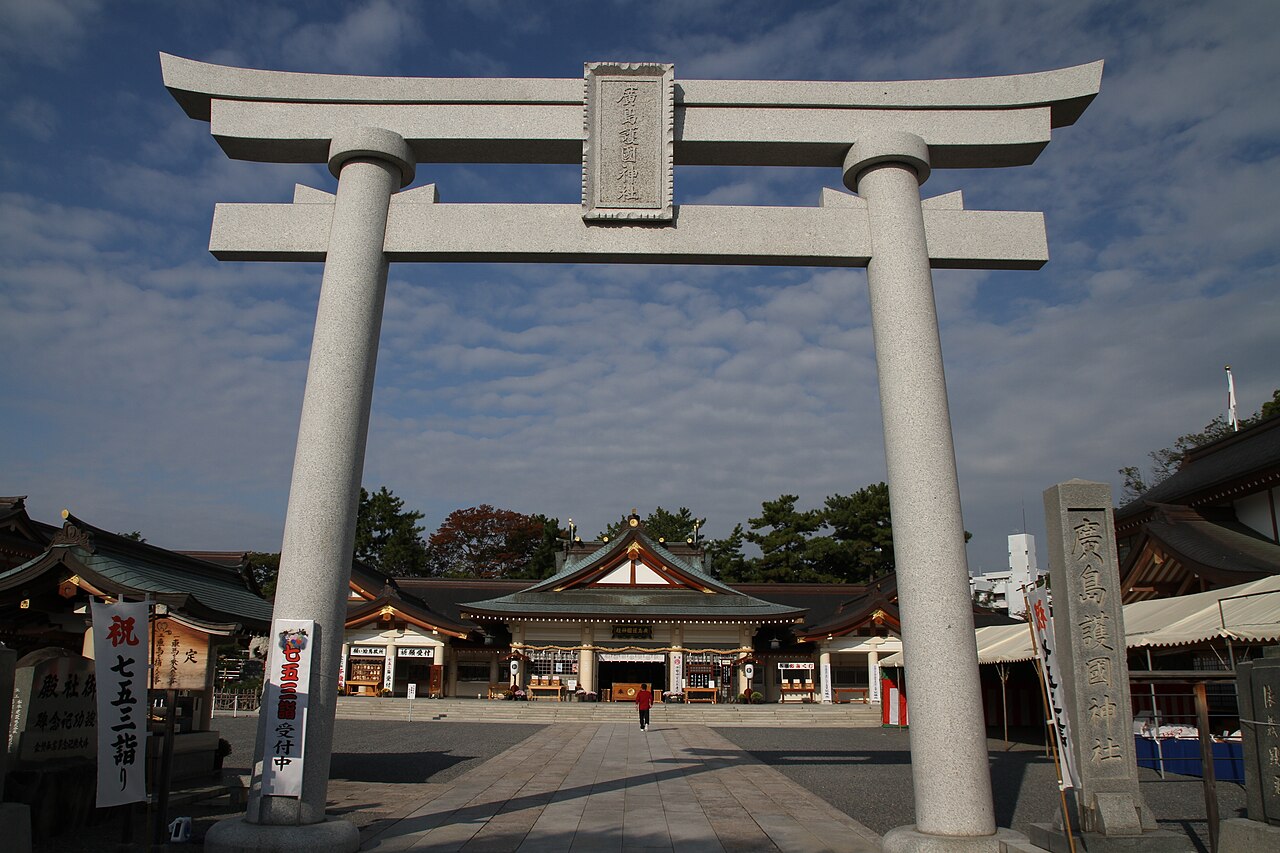
A Shinto shrine within the grounds of Hiroshima Castle honouring the war dead of Hiroshima, destroyed in the atomic bombing of 1945 and rebuilt by the city's own citizens in the years that followed.
 Shinto
Ise Jingu (Ise Grand Shrine)
Ise · Japan · shrine
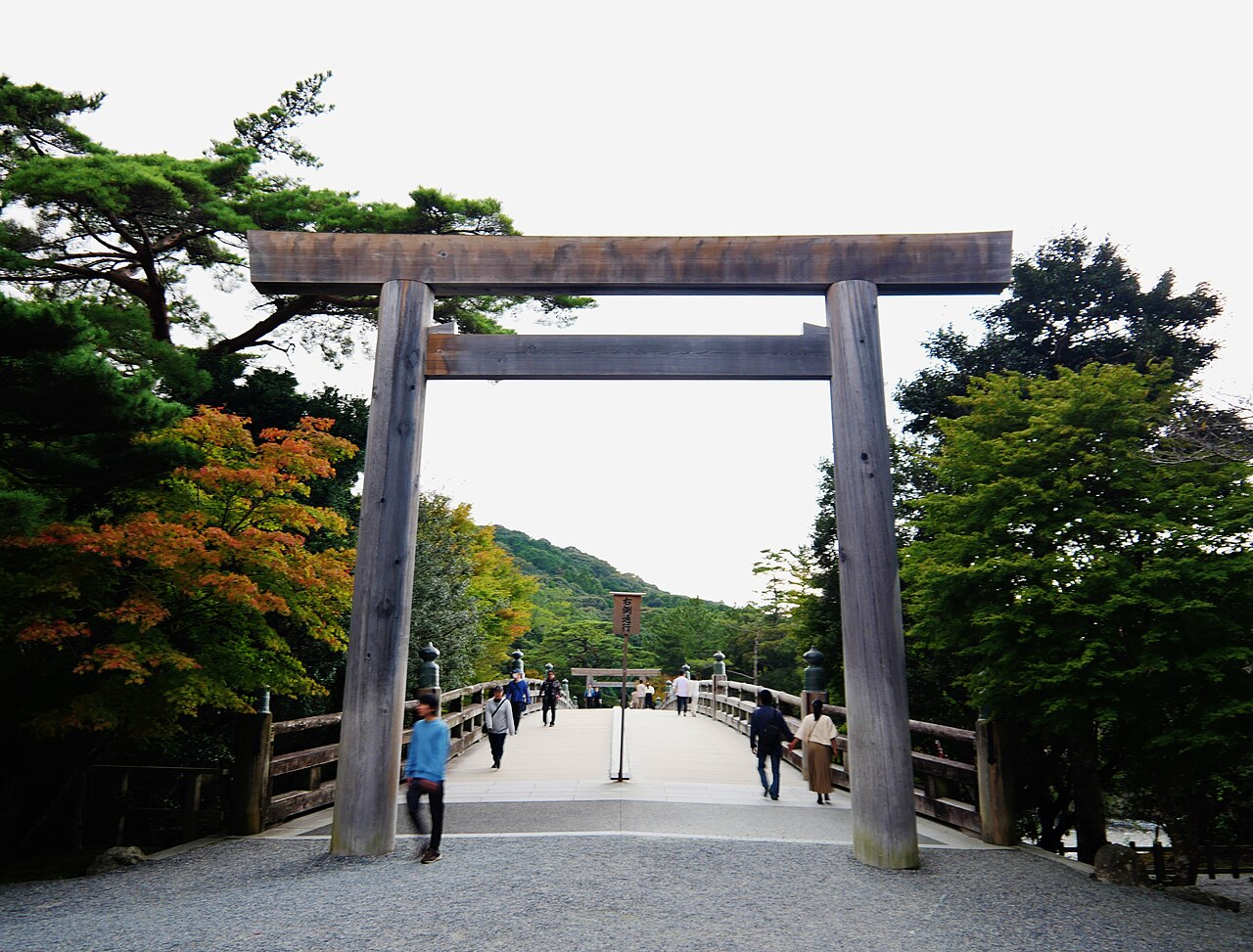
The most venerable sanctuary of Shinto: 125 shrines in the forests of Ise, where Amaterasu-Omikami dwells at the Naiku and Toyouke-Omikami at the Geku, and the whole sanctuary is rebuilt anew every twenty years.