
Kotohira-gū
Konpira-san · Kotohira Shrine · Konpira Daigongen (historical name) · 金刀比羅宮
About
Rising above the town of Kotohira on the island of Shikoku, this ancient shrine complex, affectionately called Konpira-san by the Japanese people, draws pilgrims from across the country to ascend one of the most celebrated sacred staircases in all of Japan. The climb itself is an act of devotion: 785 steps carry the worshipper from the base of the mountain to the main hall, 251 metres above the town, while those who press onward reach the inner sanctuary at 421 metres after a further 583 steps, 1,368 in total, each one a quiet offering.
The principal deity enshrined here is Ōmononushi, a kami of great antiquity whose protective reach extends especially over those who travel the waters. The shrine's position on the holy mountain of Mount Zōzu gives it a second spiritual dimension rooted in mountain veneration, weaving together sea and summit in a single sacred identity. Emperor Sutoku, who reigned in the twelfth century, is also enshrined within the complex.
Kotohira-gū stands at the head of a nationwide network of roughly 600 affiliated Kotohira shrines, each carrying forward the same tradition of maritime guardianship. A distinctive practice here is dairi sanpai, the custom of journeying to the shrine to pray on behalf of someone who cannot make the pilgrimage themselves. In one form unique to this place, a person writes their name upon a piece of wood and releases it into the Seto Inland Sea, trusting the current to carry the act of devotion. Visitors may also receive kamiyo ame, yellow fan-shaped sweets made exclusively by five hereditary families known as the Gonin Byakushō, to be shared with loved ones at home by breaking them apart with small hammers, distributing the blessings of the shrine beyond its steps.
History
The origin of worship here is unrecorded, though local tradition traces devotion to Ōmononushi at this site to the Taihō era of the early eighth century, and by the Heian period a shrine had coalesced under the name Kotohira Jinja. It later merged with the Shingon Buddhist Temple Matsuo-ji, said to have been founded by the ascetic En no Gyōja after a vision of Konpira Gongen, becoming the joint Shinto-Buddhist institution Konpira Daigongen. Emperor Sutoku was enshrined alongside Ōmononushi in 1165, and pilgrimage swelled through the Edo period as commoners gained the means to travel. Following the Meiji government's separation of Shinto and Buddhism, the institution was reorganised as a Shinto shrine and took its present name, Kotohira, in 1889.
Significance
As head shrine of a network of roughly 600 Kotohira shrines nationwide, Kotohira-gū is the guardian shrine of seafarers, its blessings sought by sailors, fishing families, and travellers of every kind. Its long climb, 785 stone steps to the main hall and 1,368 in total to the inner shrine, is itself a form of devotion, and pilgrims who cannot make the journey may send a name written on wood to be released into the Seto Inland Sea in the shrine's rite of dairi sanpai. The shrine holds an eleventh-century statue of the eleven-faced Kannon Bosatsu and four ink paintings by the Edo-period master Maruyama Ōkyo among its treasures.
Architecture
Traditional Shinto shrine architecture on the wooded slopes of Mount Zōzu, its halls linked by a monumental stone stairway
Visiting
Daily worship
| Main gate open | 06:00 to 18:00 | |
| Main shrine doors open | 07:00 to 17:00 | |
| Prayer reception (go-kito) | 09:00 to 16:30 |
Hours
Hours not listed.
Contact
Engage with Kotohira-gū
Through the four pathways
Seva सेवा — Service
Offer your time and skills here. The following opportunities are open at Kotohira-gū:
No Seva offerings listed yet.
Sādhana साधना — Practice
Learn the worship and practice associated with Kotohira-gū:
No Sādhana offerings listed yet.
Sandhāna सन्धान — Wisdom
Unite with the wisdom of this tradition:
No Sandhāna offerings listed yet.
Sādhya साध्य — Giving
Support this sacred place according to your means:
No Sādhya offerings listed yet.
All giving flows directly to Kotohira-gū. Adisthan does not take a commission.
Festivals & Events
- Oct
Reitaisai
9 October 2026 · annual
Kotohira-gū's grand annual festival, when the deity descends from the mountain to the town in a portable-shrine procession on the second of its three days, with sacred dance performed at both the main shrine and the temporary shrine below.
Gallery
Related sacred places
 Shinto
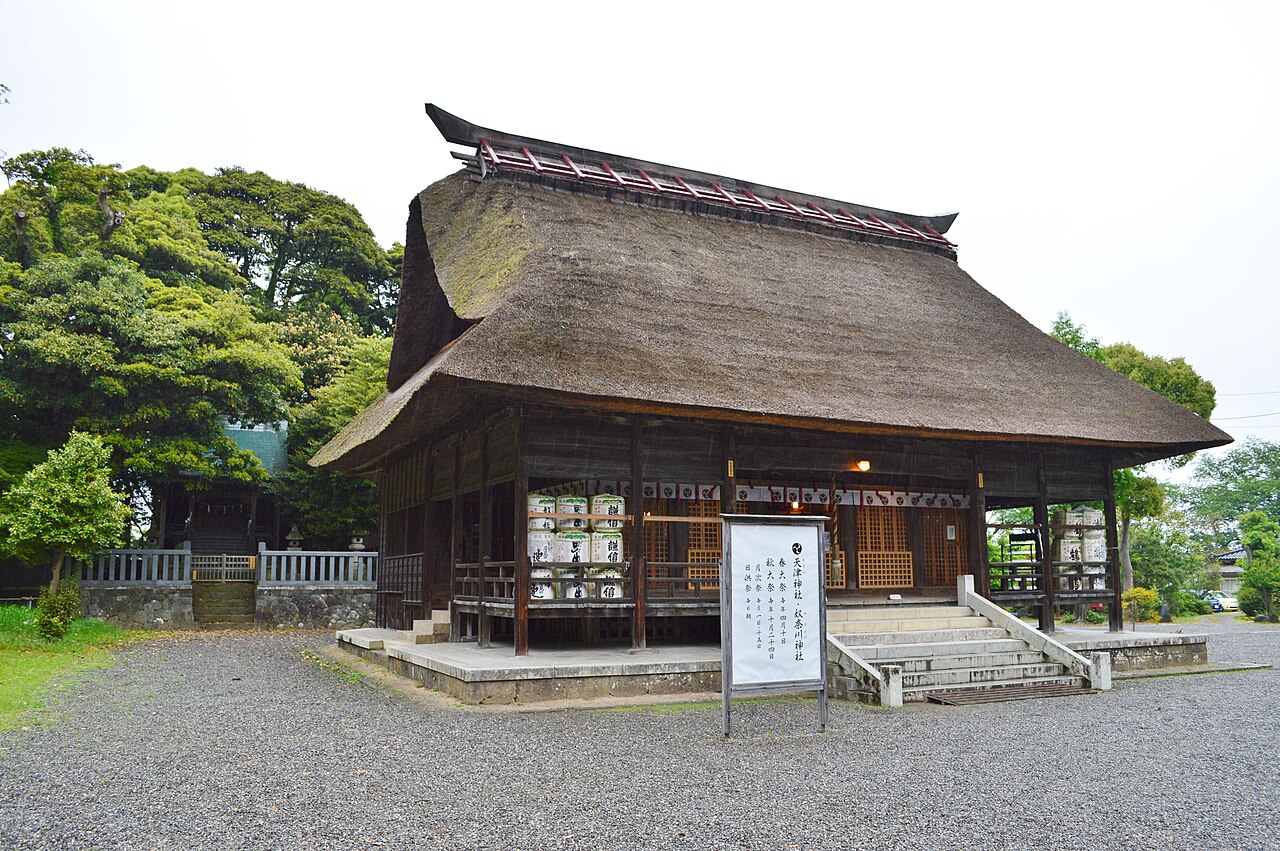
Amatsu Shrine
Itoigawa · Japan · shrine
A venerable jinja in the Ichinomiya quarter of Itoigawa on Japan's Sea of Japan coast, one of three shrines that each claim to have been the ichinomiya, the foremost shrine, of the old province of Echigo.
 Shinto
Fujisaki Hachimangū
Kumamoto · Japan · shrine
Fujisaki Hachimangū is a Shinto shrine in the heart of Kumamoto's Chūō ward, enshrining Hachiman as Emperor Ōjin together with Empress Jingū and the Sumiyoshi Sanjin, and revered for over a thousand years as guardian kami of the Higo region.
 Shinto
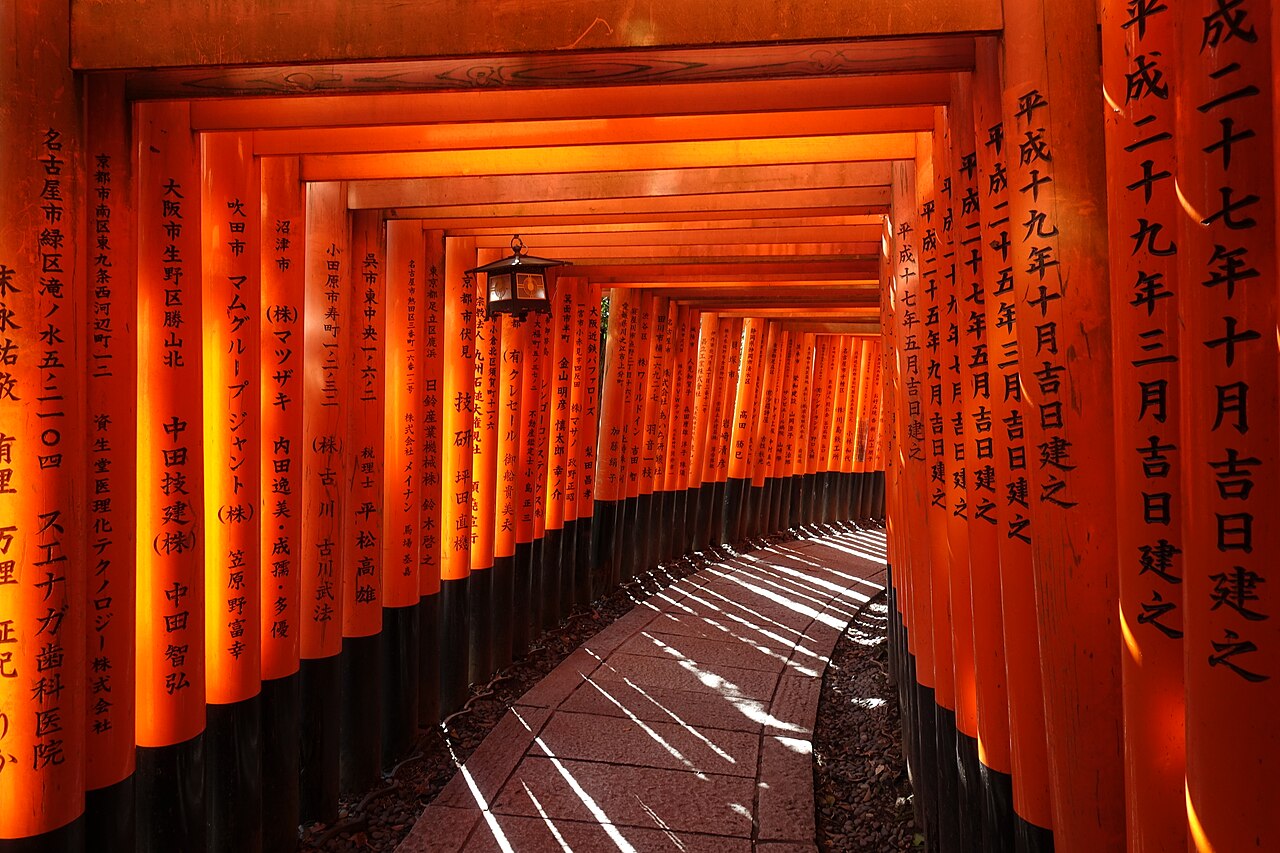
Fushimi Inari Taisha
Kyoto · Japan · shrine
The head shrine of Japan's roughly 30,000 Inari shrines, where some 10,000 vermilion torii climb sacred Mount Inari and white fox messengers watch every path.
 Shinto
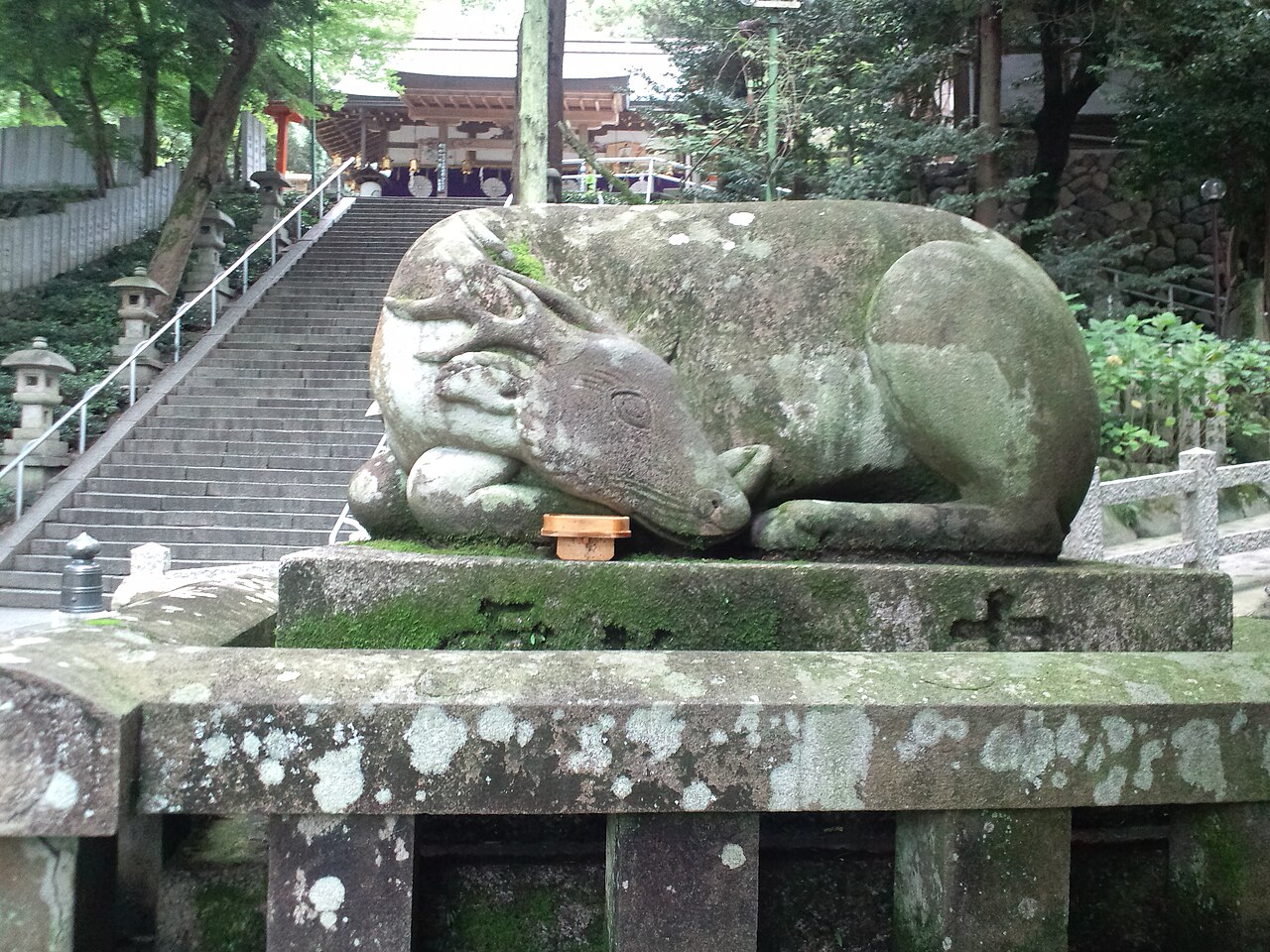
Hiraoka Shrine
Higashiosaka · Japan · shrine
The Ichinomiya, or foremost shrine, of the old province of Kawachi, set on the wooded western slope of the Ikoma range, where the ancestral kami of the Fujiwara clan were worshipped centuries before two of them were carried east to found Nara's Kasuga Taisha.
 Shinto
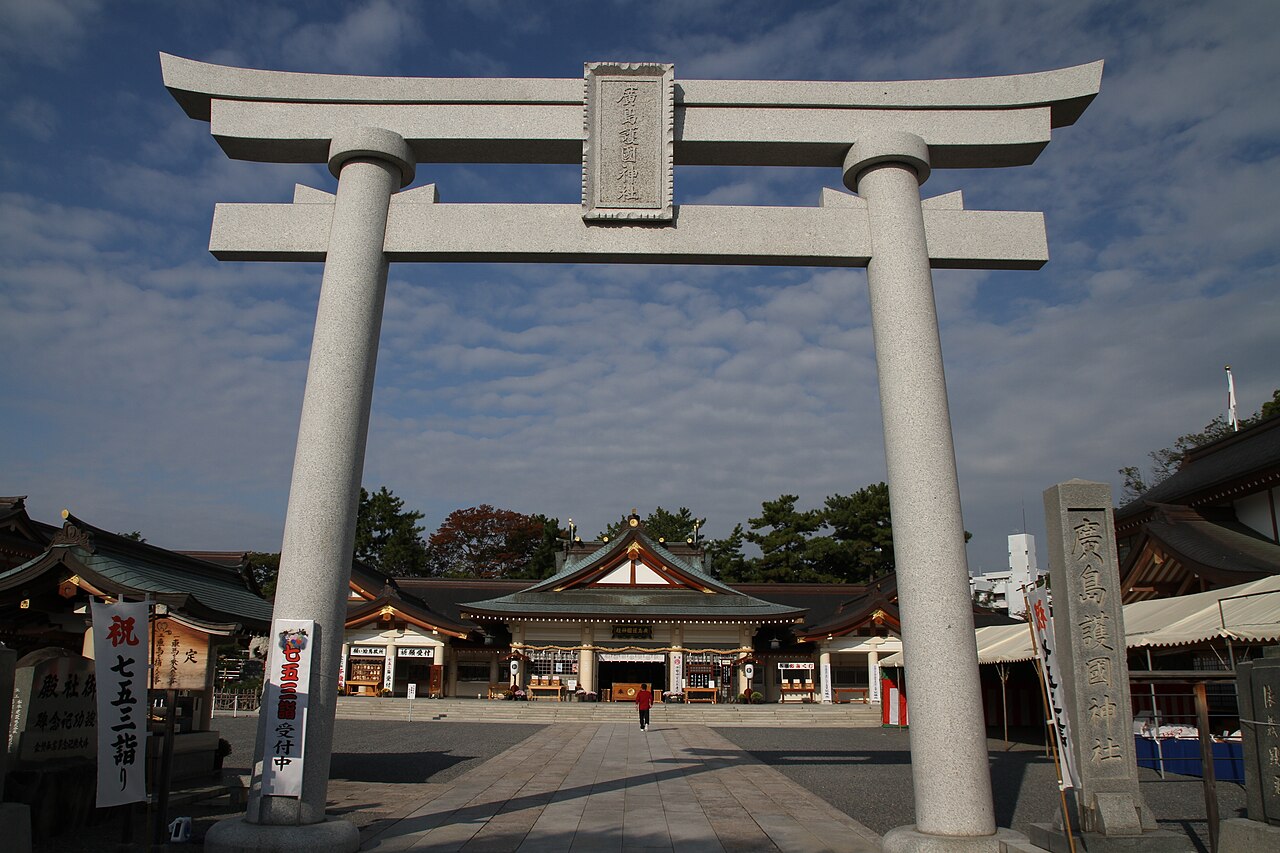
Hiroshima Gokoku Shrine
Hiroshima · Japan · shrine
A Shinto shrine within the grounds of Hiroshima Castle honouring the war dead of Hiroshima, destroyed in the atomic bombing of 1945 and rebuilt by the city's own citizens in the years that followed.
 Shinto
Ise Jingu (Ise Grand Shrine)
Ise · Japan · shrine
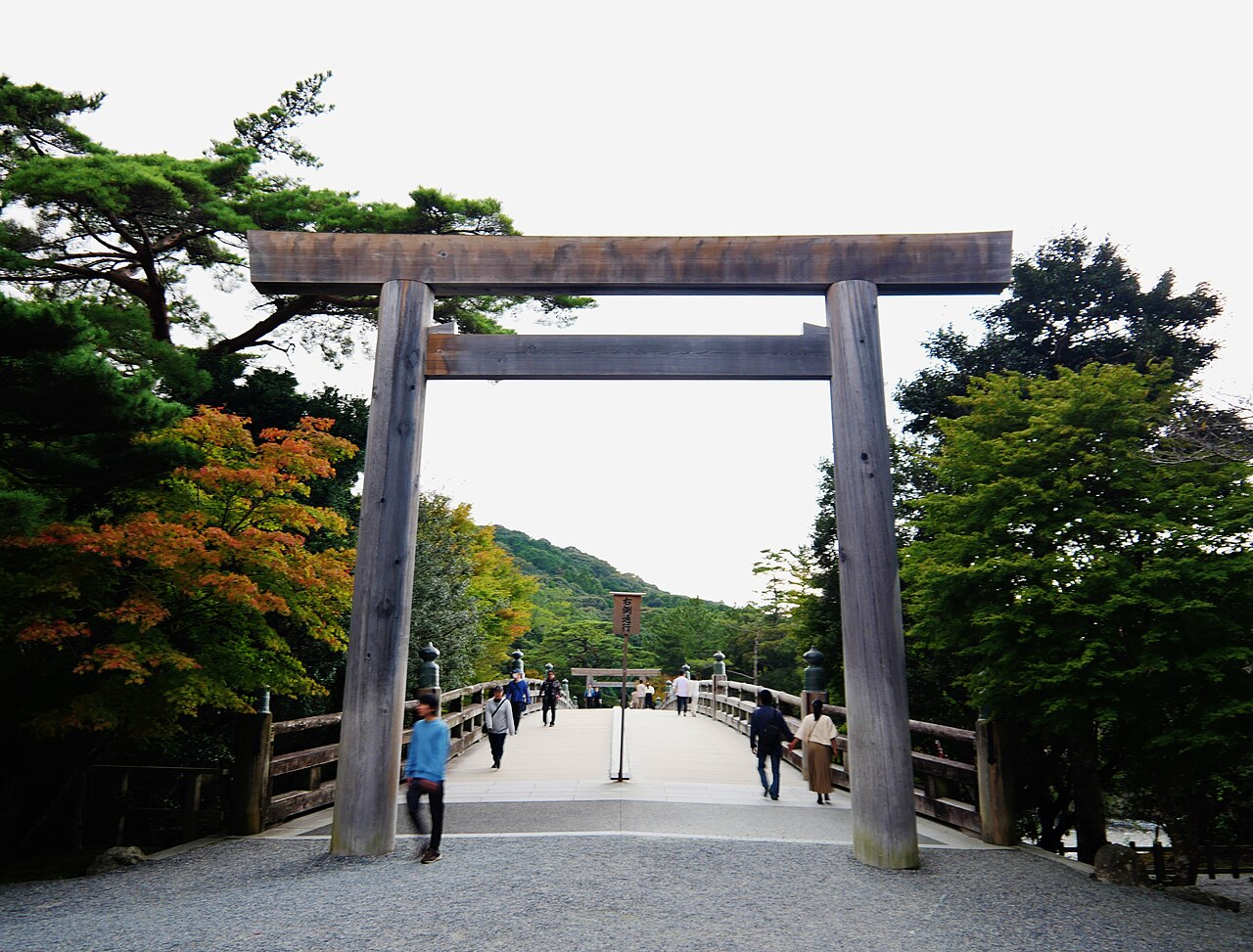
The most venerable sanctuary of Shinto: 125 shrines in the forests of Ise, where Amaterasu-Omikami dwells at the Naiku and Toyouke-Omikami at the Geku, and the whole sanctuary is rebuilt anew every twenty years.