
Kulpakji
Kolanupaka Temple · Kolanupaka Jain Temple · Shri Shwetambar Jain Tirth Kulpakji
About
Nestled in the village of Kolanupaka within Aler City in the Yadadri Bhuvanagiri district of Telangana, Kulpakji stands as one of South India's most venerated Jain pilgrimage sites. Its origins reach back roughly two thousand years, making it among the oldest continuously honoured Jain sacred places on the subcontinent. The presiding presences within the sanctuary are three Tīrthaṅkaras: Ādinātha Rishabhanatha, Neminatha, and Mahavira, each enshrined with reverence and distinction.
The image of Mahavira occupies a singular place in Jain devotion here. Standing approximately 130 centimetres tall and said to be fashioned from a single piece of jade, it has long carried the honorific name Manikyasvami, a title that speaks to both its lustre and its sanctity. Alongside these principal deities, the Temple shelters images of eight other Tīrthaṅkaras arranged on either side of the main shrine, as well as Simandar Svami, Mata Padmavati, Shantinatha, Chandraprabha, Abhinandananatha, and Bhomyaji.
The Temple's interior presents a harmonious blending of red sandstone and white marble, the warm hues of the stone giving way to the cooler brightness of the marble in a visual language befitting a place of such contemplative purpose. A dharamshala surrounds the complex, offering shelter to those who travel long distances, many from across Andhra Pradesh and beyond, to pay their respects. The site lies roughly eighty kilometres from Hyderabad along National Highway 163.
History
Kolanupaka's standing as a Jain centre is attested by the ninth century, when the Kalchuri ruler Shankaragana endowed the Temple with twelve villages, and inscriptions recovered at the site, including a 151-line Kannada record of 1125 CE issued under the Western Chalukya king Someshvara III, mark it as a major seat of the Kanur Gana of the Mula Sangh through the Rashtrakuta and Chalukya periods. Śvetāmbara tradition credits the original Temple to the legendary Bharata Chakravartin. The present structure was substantially rebuilt in recent decades by more than 150 artisans from Rajasthan and Gujarat, who raised a new Temple around the preserved ancient garbhagriha, and in April 2022 excavations near the neighbouring Someshwara Temple uncovered two carved stone images of a Tirthankara's sacred foot.
Significance
Kulpakji is one of South India's principal Jain pilgrimage centres, drawing Śvetāmbara devotees who come to seek the blessing of Lord Rishabhanatha, Lord Neminatha, and Lord Mahavira together in one sanctuary. The Manikyasvami image of Lord Mahavira, its jade material and legendary provenance said to trace back to Mandodari, wife of Ravana, sets it apart from any other Jain shrine, while the Temple's wealth of inscriptions has made Kolanupaka a key site for understanding Jain monastic lineages and royal patronage in the Deccan.
Architecture
Śvetāmbara Jain Temple architecture in red sandstone and white marble; the historic garbhagriha was preserved during a modern rebuilding of the surrounding structure
Visiting
Hours
Hours not listed.
Contact
No contact details listed yet.
Engage with Kulpakji
Through the four pathways
Seva सेवा — Service
Offer your time and skills here. The following opportunities are open at Kulpakji:
No Seva offerings listed yet.
Sādhana साधना — Practice
Learn the worship and practice associated with Kulpakji:
No Sādhana offerings listed yet.
Sandhāna सन्धान — Wisdom
Unite with the wisdom of this tradition:
No Sandhāna offerings listed yet.
Sādhya साध्य — Giving
Support this sacred place according to your means:
No Sādhya offerings listed yet.
All giving flows directly to Kulpakji. Adisthan does not take a commission.
Festivals & Events
- Apr
Mahavir Jayanti
19 April 2027 · annual
The birth anniversary of Lord Mahavira, whose jade Manikyasvami image is the sanctuary's most revered form, marked here with special pooja and large gatherings of devotees.
- May
Akshaya Tritiya
9 May 2027 · annual
The day tradition holds Lord Rishabhanatha broke a year-long fast with sugarcane juice offered by King Shreyansa, observed at Kulpakji with particular devotion given the Temple's dedication to Rishabhanatha as one of its three enshrined Tirthankaras.
Gallery
Related sacred places
 Jainism
Adinatha Temple
Khajuraho · India · temple
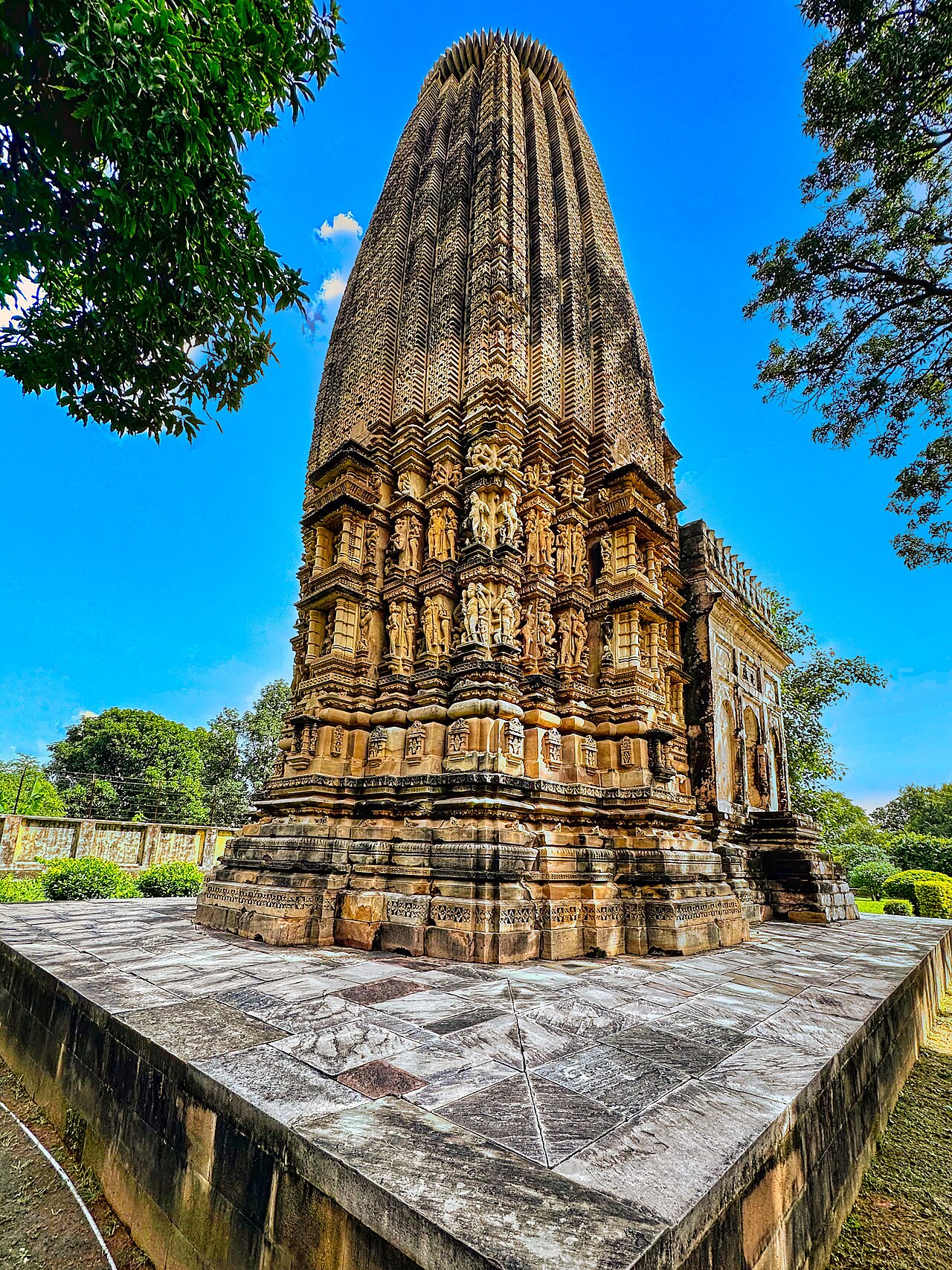
A Digambara Jain shrine within Khajuraho's Eastern Group of Temples, dedicated to Lord Adinatha, the first tirthankara, its curvilinear sandstone tower carved in the late eleventh century for a Hindu patron before passing into Jain hands.
 Jainism
Aharji
Aharji · India · temple
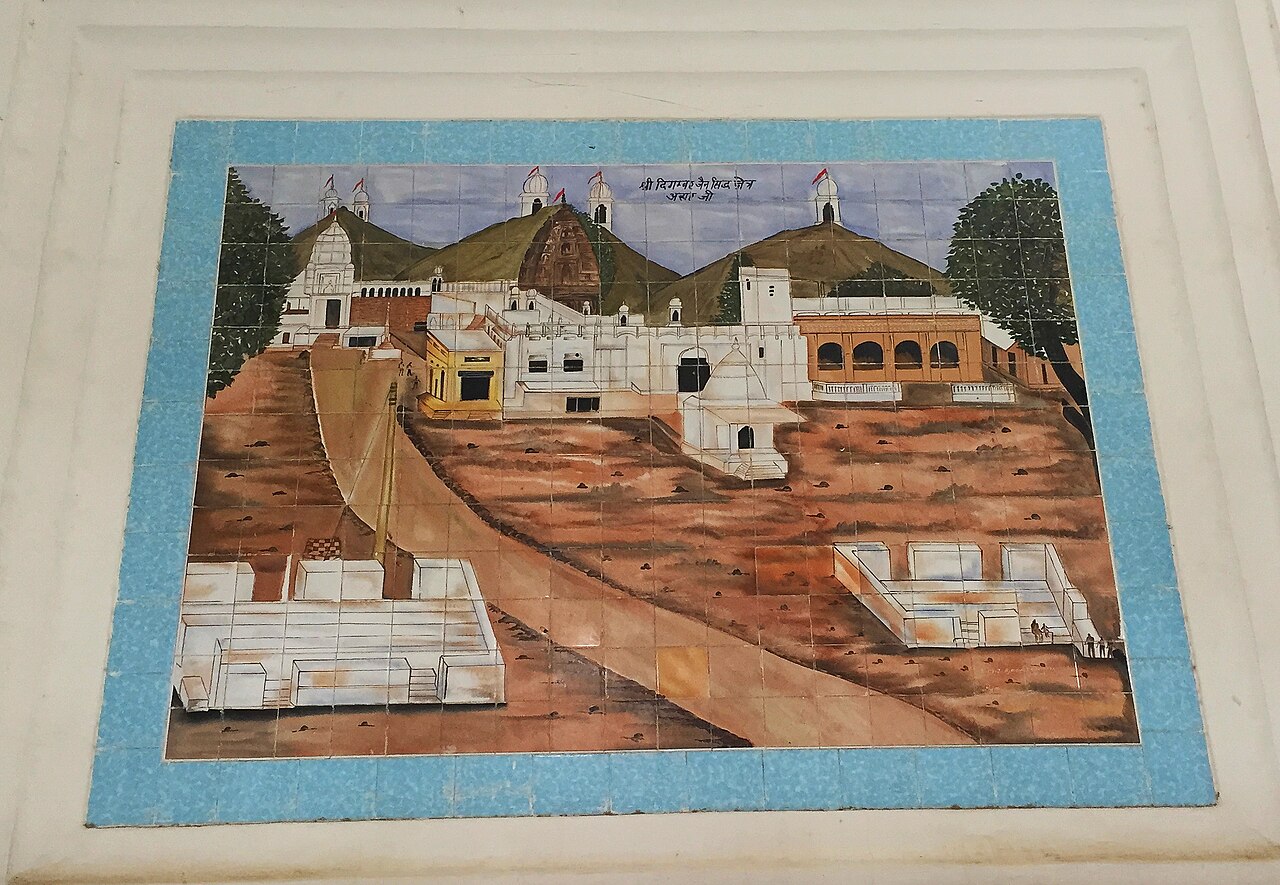
A Digambara Jain tirtha in the Bundelkhand region of Madhya Pradesh, where an eighteen-foot Chandella-era colossus of Lord Shantinatha stands in silent meditation at the heart of a Temple complex raised across three centuries.
 Jainism
Ahinsa Sthal
New Delhi · India · temple
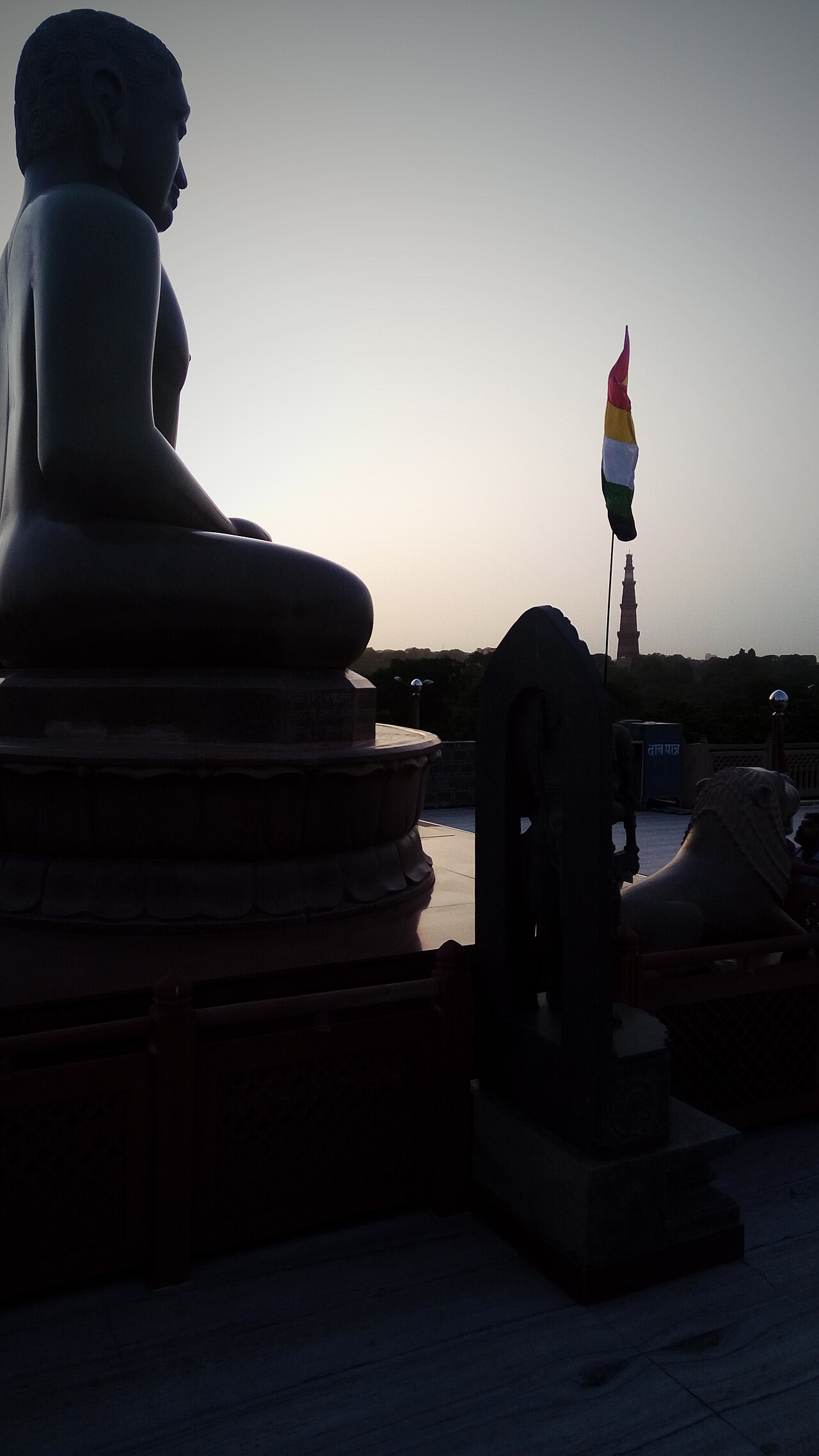
A modern Digambara Jain shrine on a terrace in Mehrauli, New Delhi, built in 1980 around a colossal granite image of Lord Mahavira seated in deep meditation, its very name declaring the tradition's central vow: ahimsa, harmlessness toward every living being.
 Jainism
Ajmer Jain Temple
Ajmer · India · temple
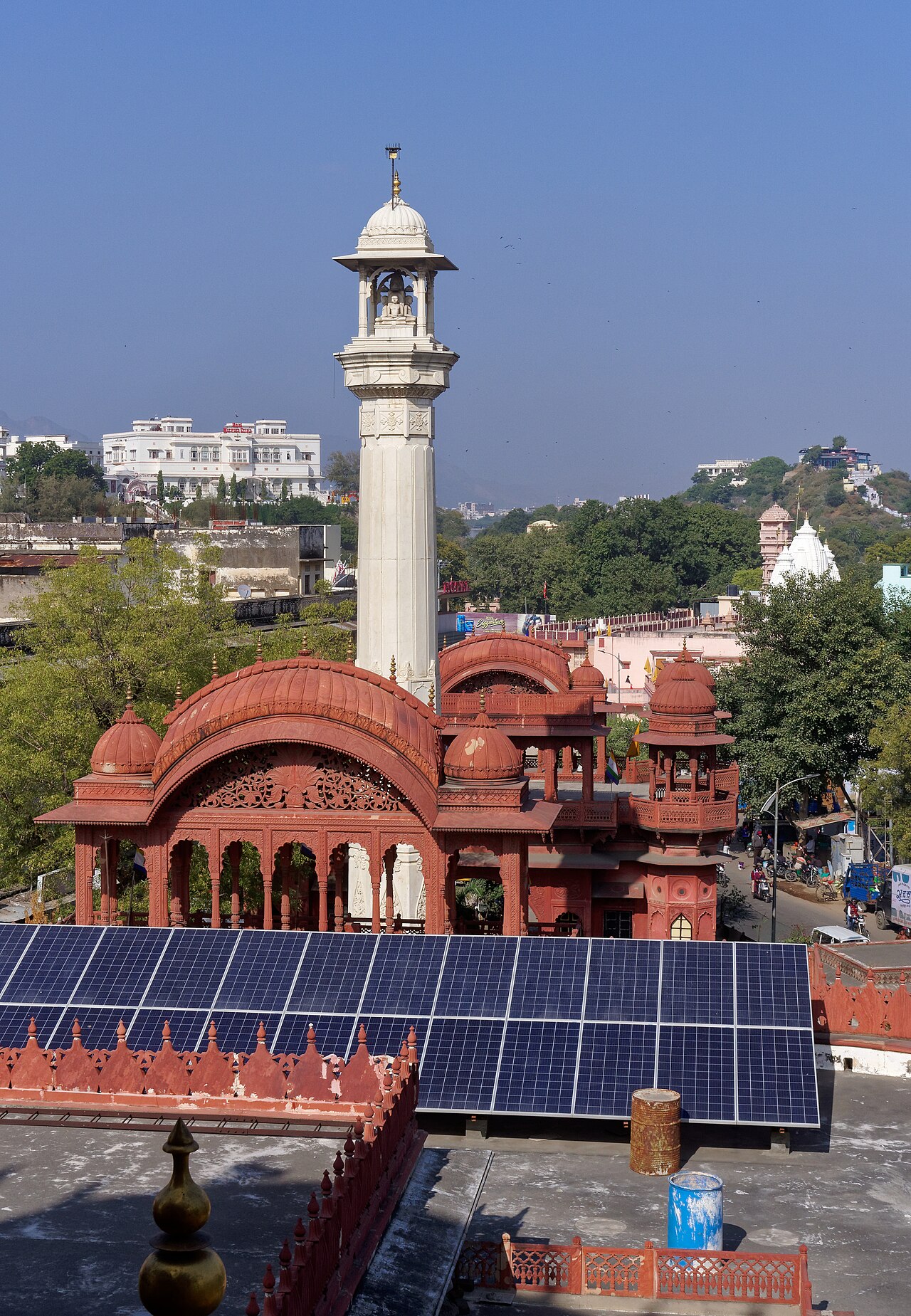
Popularly called Soniji Ki Nasiyan or the Red Temple, this Digambara Jain Temple on Prithviraj Marg in Ajmer pairs a red sandstone sanctuary, crowned by an eighty two foot marble pillar, with a golden upper hall whose gilded tableaux retell the life of Lord Rishabhdev, the first tirthankara.
 Jainism
Akkana Basadi
Shravanabelagola · India · temple
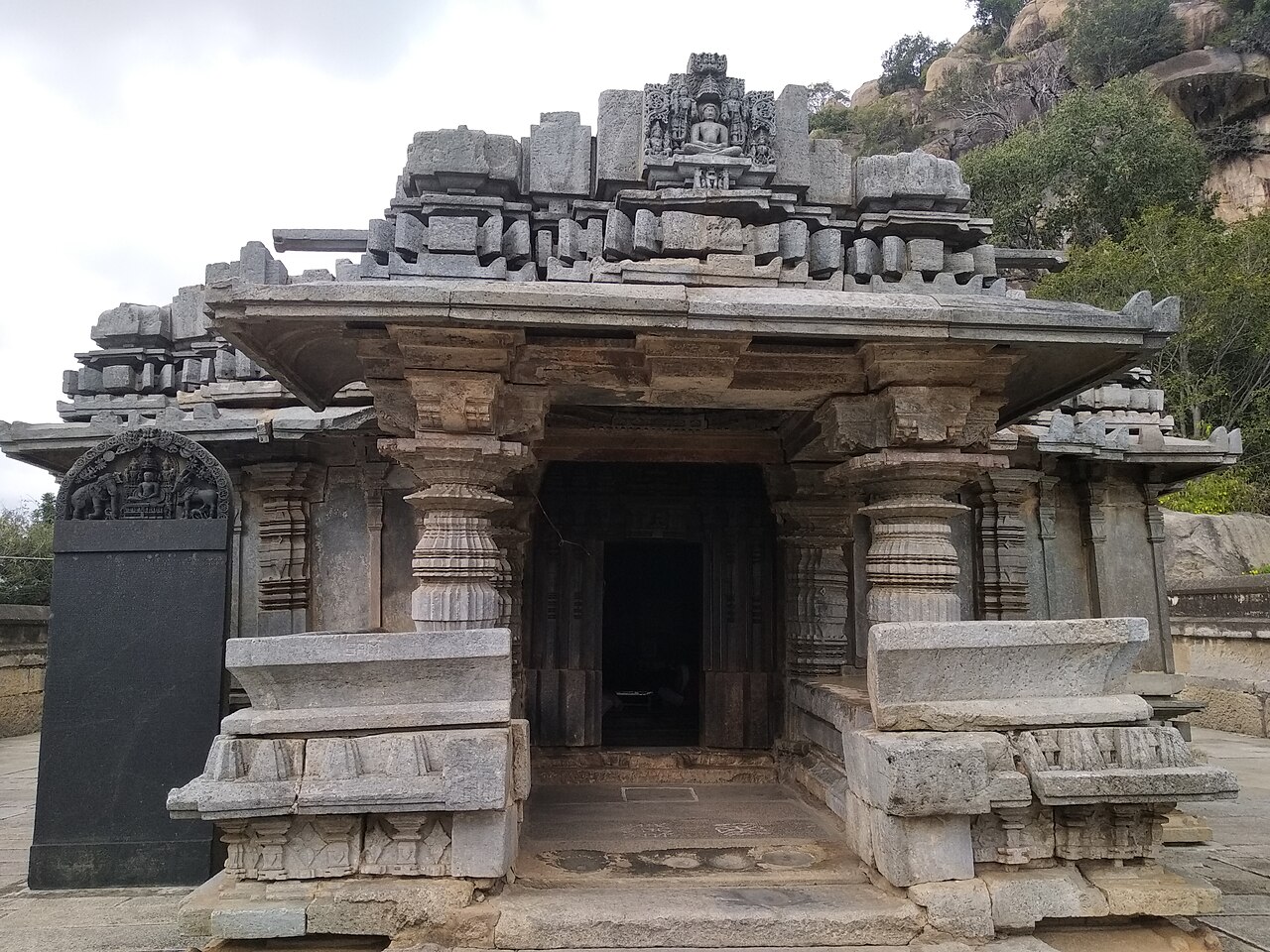
Consecrated in 1181 CE on Chandragiri hill at Shravanabelagola, Karnataka, Akkana Basadi is a Hoysala-era Jain basadi raised by the devout laywoman Achiyakka in honour of Tirthankara Parshvanatha, its deliberately plain stone walls and lathe-turned pillars a quiet expression of Jain austerity.
 Jainism
Bawangaja
Bawangaja · India · temple
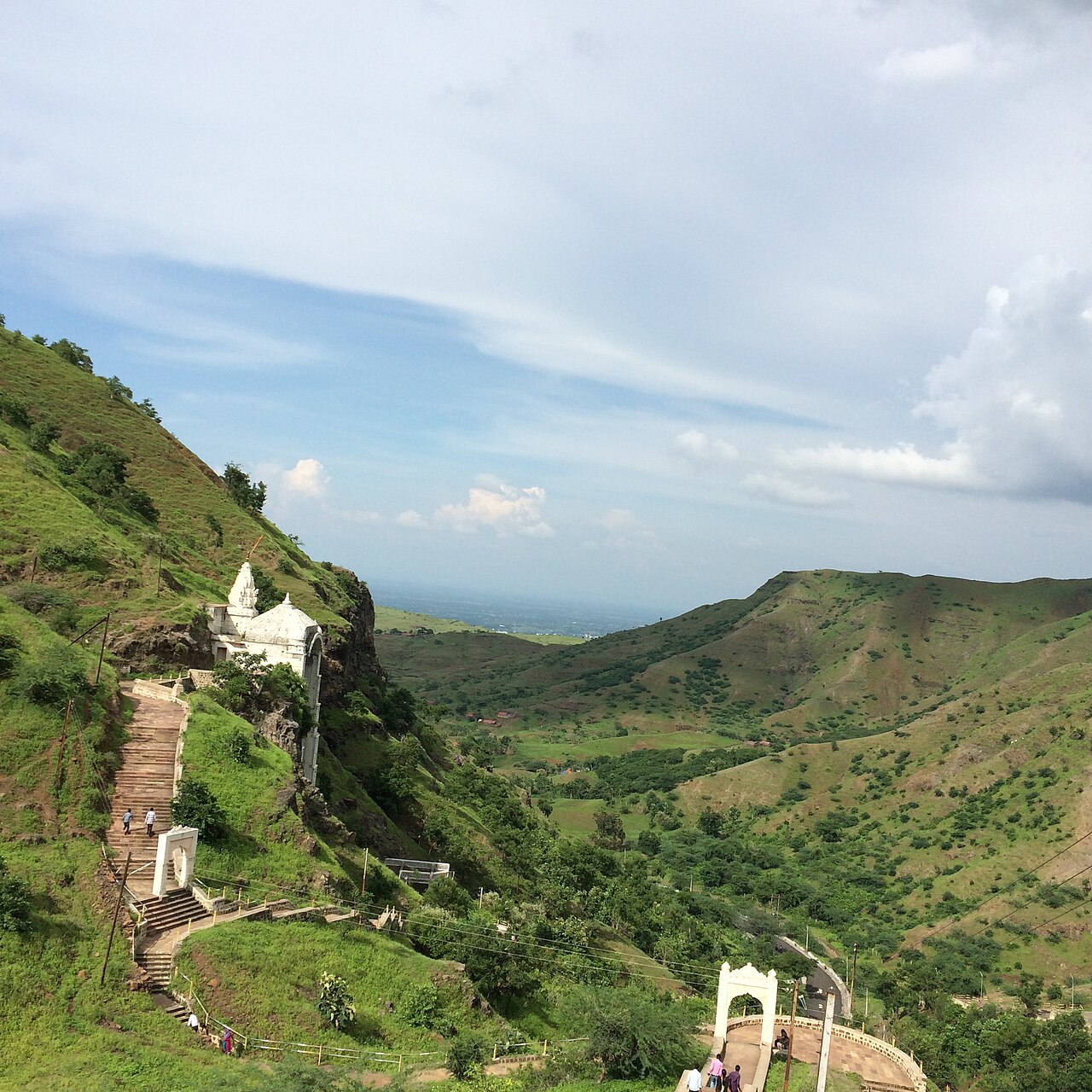
A Digambara Jain tirtha in the Satpura hills of Barwani district, Madhya Pradesh, where an 84-foot monolithic image of Lord Rishabhanatha (Adinatha), the first Tirthankara, stands carved directly from the mountain.