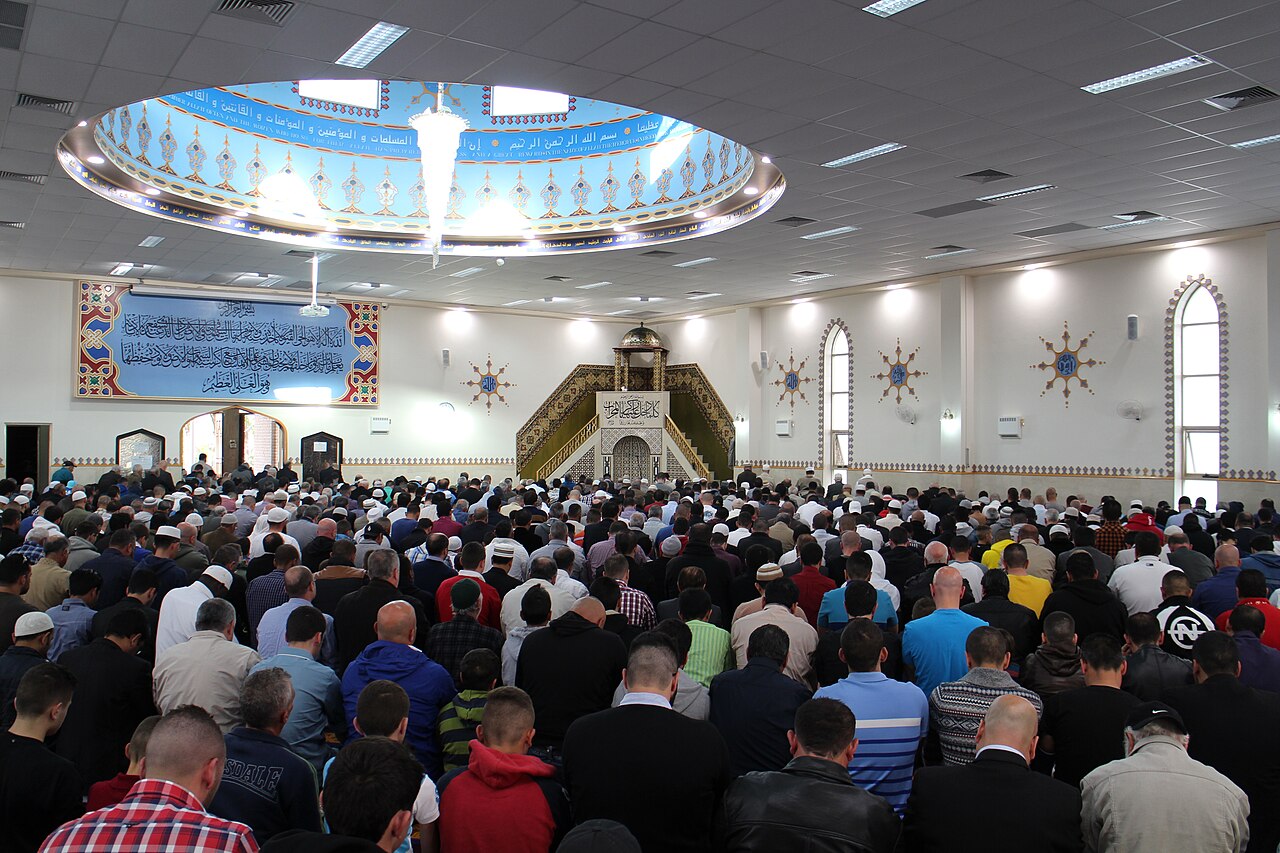
Lakemba Mosque
Imam Ali bin Abi Taleb Mosque · Masjid Ali Bin Abi Talib
About
Lakemba Mosque, officially the Imam Ali bin Abi Taleb Mosque and widely known as Masjid Ali Bin Abi Talib, stands at 71-75 Wangee Road in the suburb of Lakemba in south-western Sydney. It is owned and operated by the Lebanese Muslim Association, whose offices share the same address, and is recognised as Australia's largest mosque.
The community first gathered for prayer on the site in a small house purchased by the LMA in the 1960s. That structure was demolished in the early 1970s, and the present mosque rose over five years of construction, opening in 1977 with a former Prime Minister in attendance. Funds came both locally and internationally, with about half drawn from the Middle East and the single largest gift from the Saudi royal family.
While the congregation was historically of Lebanese heritage, worshippers today include Australians of Pakistani, Bangladeshi, Somali, and South-East Asian background, along with a small but growing number of converts. Most follow the Hanafi or Shafi'i schools.
The mosque offers classes in the prophetic biography, fiqh, and aqidah, and gives a platform to local shaykhs and visiting scholars. Friday gatherings draw several thousand, and Eid prayers regularly fill the building and streets, with crowds of thirty thousand in 2015 and forty to fifty thousand the next year. Since 2014 the mosque has anchored Australia's National Mosque Open Day.
History
The Lebanese Muslim Association, the first Muslim organisation established in Australia, bought a small house on the Wangee Road site in the 1960s for use as a place of prayer. That building was demolished in the early 1970s, and the present mosque took five years to build, opening in 1977 with funding drawn from the local community and from the Middle East, including a major gift from the Saudi royal family. It was only the second purpose-built mosque in Sydney.
Significance
For a congregation that has grown from its founding Lebanese community to include worshippers of Pakistani, Bangladeshi, Somali, and South-East Asian background, Lakemba Mosque anchors Friday prayers that draw several thousand people and Eid gatherings that have filled the mosque and surrounding streets with tens of thousands more. Since 2014 it has served as the home of Australia's National Mosque Open Day, welcoming visitors of every faith to see a working mosque from the inside.
Architecture
Purpose-built twentieth-century mosque architecture with a single dome and three minarets
Visiting
Hours
Hours not listed.
Engage with Lakemba Mosque
Through the four pathways
Seva सेवा — Service
Offer your time and skills here. The following opportunities are open at Lakemba Mosque:
No Seva offerings listed yet.
Sādhana साधना — Practice
Learn the worship and practice associated with Lakemba Mosque:
No Sādhana offerings listed yet.
Sandhāna सन्धान — Wisdom
Unite with the wisdom of this tradition:
No Sandhāna offerings listed yet.
Sādhya साध्य — Giving
Support this sacred place according to your means:
No Sādhya offerings listed yet.
All giving flows directly to Lakemba Mosque. Adisthan does not take a commission.
Festivals & Events
- Mar
Eid al-Fitr
9 March 2027 · annual
The festival marking the end of the fasting month of Ramadan, observed at Lakemba Mosque with communal prayer that fills the mosque and its surrounding streets; the exact day follows the sighting of the new moon of Shawwal.
- May
Eid al-Adha
16 May 2027 · annual
The festival of sacrifice marking the culmination of the Hajj season, marked at Lakemba Mosque with Eid prayer that has drawn crowds of tens of thousands; the exact day follows the sighting of the new moon of Dhul Hijjah.
Gallery
Related sacred places
 Islam
IslamAbu'l-Fida Mosque
Hama · Syria · mosque
A fourteenth-century Ayyubid mausoleum and Mamluk-era congregational mosque on the banks of the Orontes in Hama, Syria, known locally as the Mosque of the Serpents for the carved pillars at its windows.
 Islam
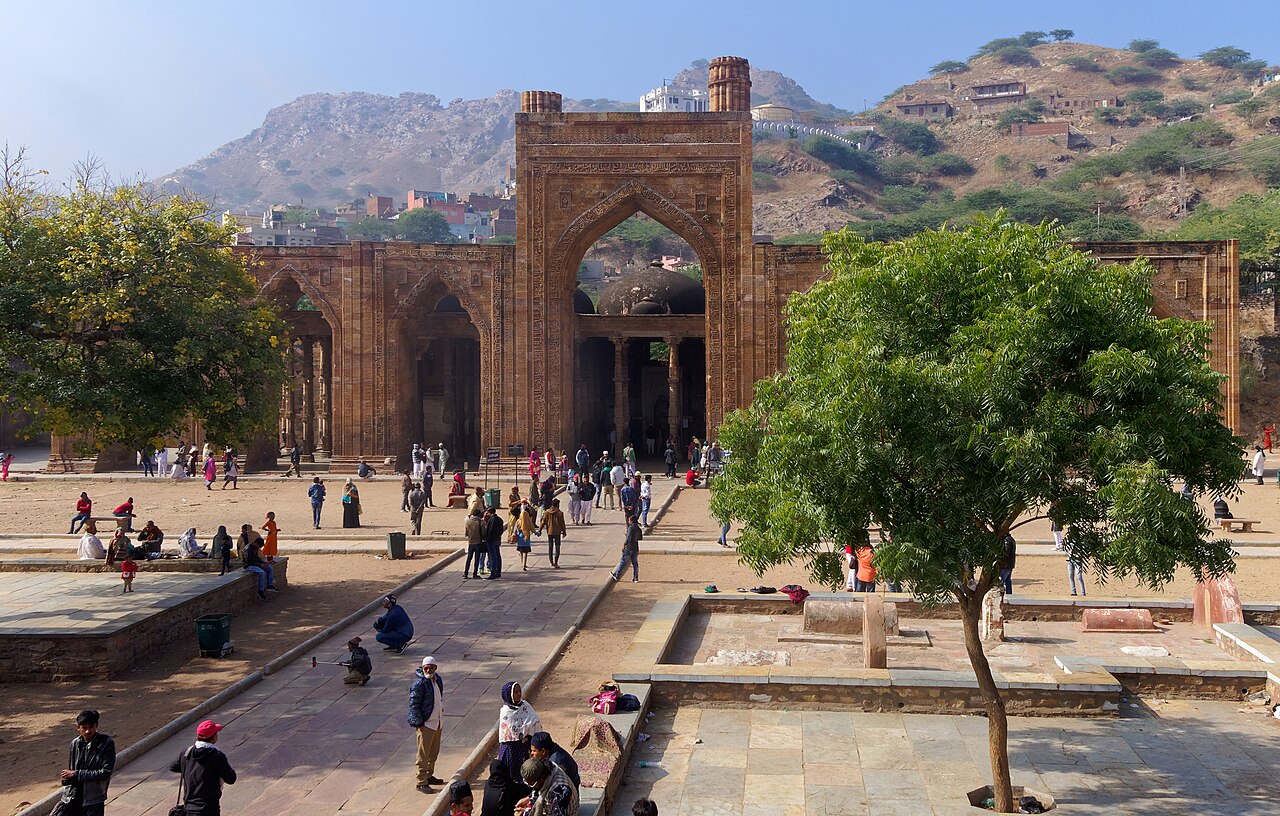
IslamAdhai Din Ka Jhonpra
Ajmer · India · mosque
The oldest surviving monument in Ajmer and among the earliest Indo-Islamic mosques in India, its 1199 CE prayer hall and Iltutmish's 1213 CE arched screen rise on 344 pillars carved by Hindu and Jain craftsmen from earlier Temples.
 Islam
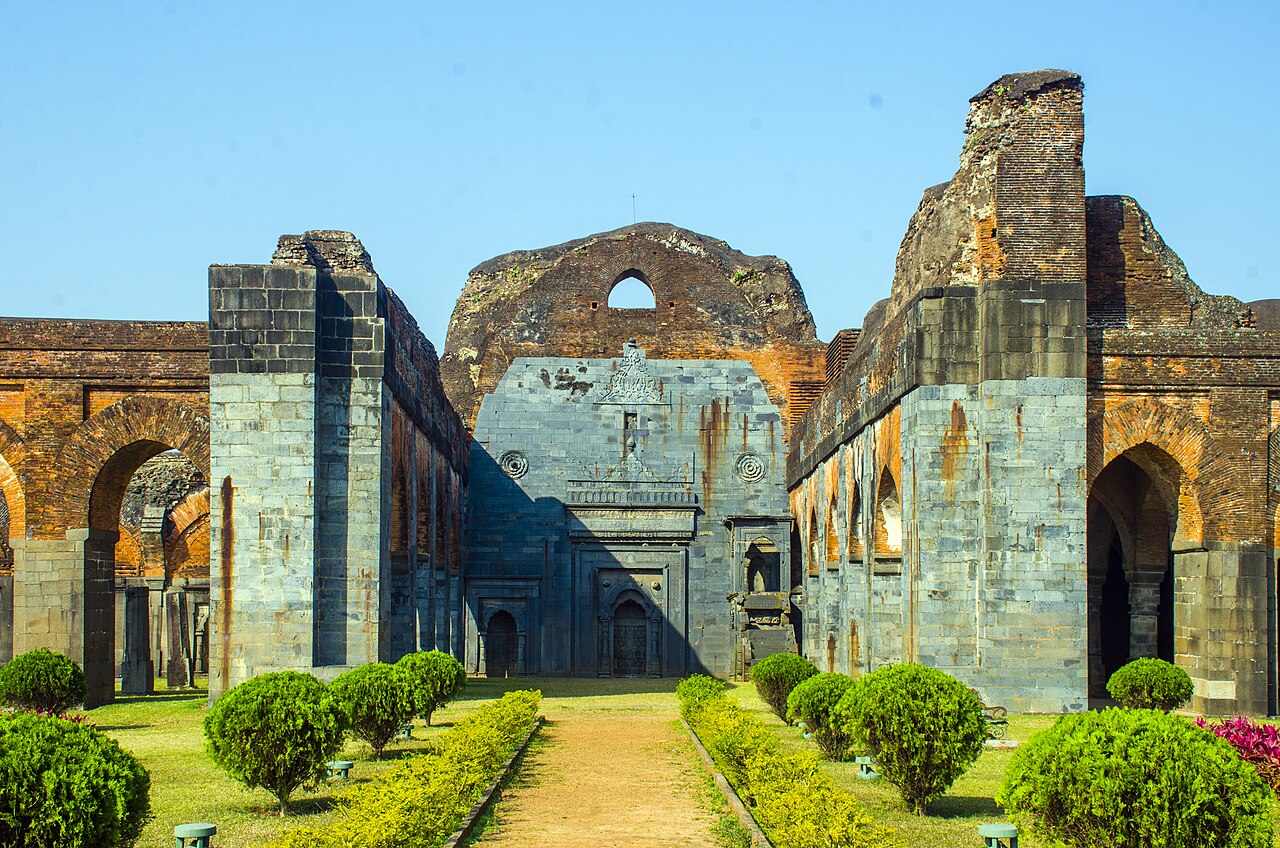
IslamAdina Mosque
Pandua · India · mosque
Once the largest mosque on the Indian subcontinent, the Adina Mosque at Pandua in West Bengal was raised by Sultan Sikandar Shah between 1373 and 1375 as the congregational mosque of the Bengal Sultanate, and holds his tomb within its western wall.
 Islam
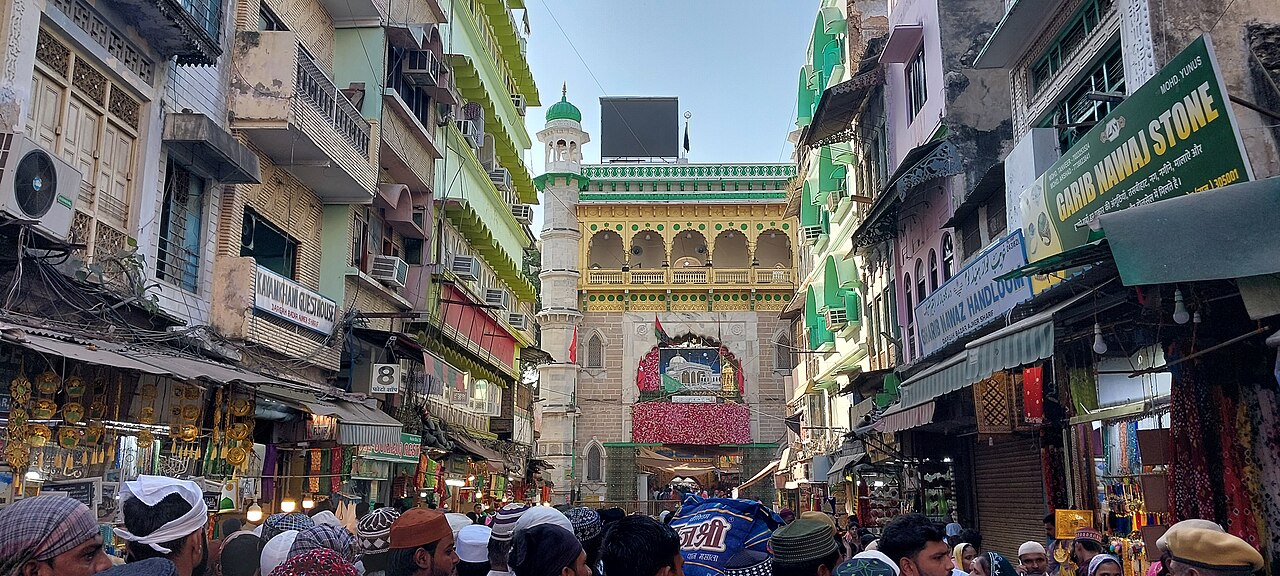
IslamAjmer Sharif Dargah
Ajmer · India · dargah
The tomb of Hazrat Khwaja Moinuddin Chishti, Gharib Nawaz, the benefactor of the poor, and the principal Sufi dargah of South Asia, where pilgrims of every community have offered chadars and shared the sweet rice of the great deghs for eight centuries.
Akbarabadi Mosque
Delhi · India · mosque
A mosque raised in 1650 by Akbarabadi Begum, a wife of the Mughal emperor Shah Jahan, in the walled city of Shahjahanabad, demolished by British forces in the aftermath of the 1857 Uprising and today marked only by disputed, unexcavated remains beneath Netaji Subhash Park in Old Delhi.
 Islam
IslamAlamgir Mosque
Varanasi · India · mosque
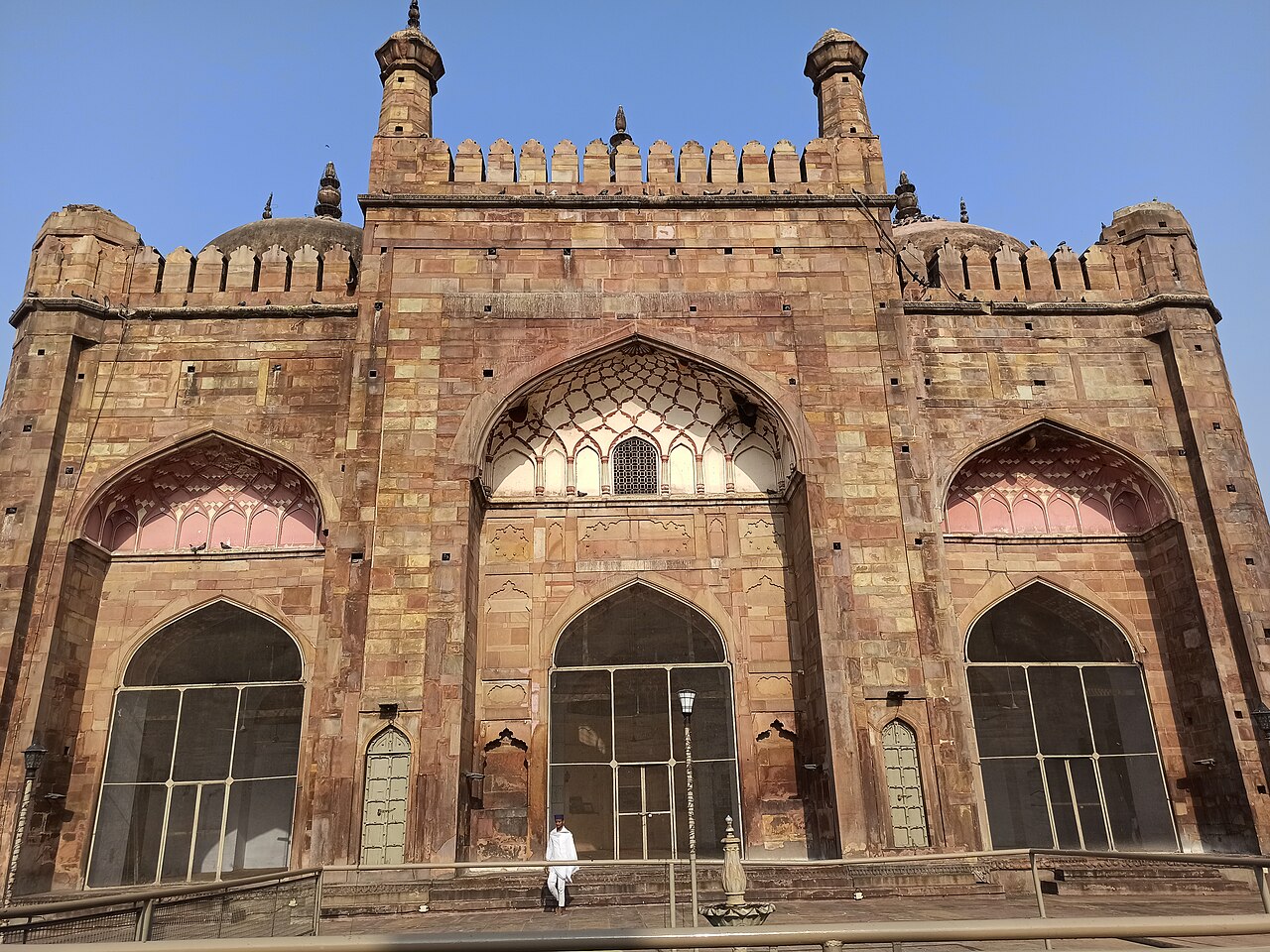
Raised in 1669 by the Mughal emperor Aurangzeb on the high bank above Panchganga Ghat in Varanasi, the Alamgir Mosque stands where wide stone steps meet the Ganges, its domes and surviving corner turret rising over a site earlier accounts describe as the Hindu Temple of Bindu Madhava.