
Lalitgiri
Lalitagiri · Nalitagiri
About
Perched among the gentle hills of Odisha in eastern India, Lalitagiri stands as one of the most venerable Buddhist sacred precincts on the subcontinent. The complex brings together several of the faith's most enduring architectural forms: towering stupas, dwelling quarters for monks in the form of viharas, and sculptural representations of the Buddha rendered in an esoteric idiom rarely found elsewhere in the region.
What sets Lalitagiri apart from other Buddhist sites in Odisha is both its antiquity and the depth of practice it once housed. Archaeological investigations have brought to light relics associated with the Buddha himself, among the most sacred of discoveries any Buddhist site can yield. These finds affirm the complex's spiritual gravity and suggest that it drew pilgrims and monastics of considerable learning and devotion.
The tradition of Tantric Buddhism took root here, lending the site a contemplative character shaped by esoteric forms of ritual and meditation. This current of practice, which engages the subtler dimensions of the Dharma, left its mark on the imagery and layout of the complex, distinguishing Lalitagiri as a centre where the inner and outer paths of Buddhist life were pursued together.
History
Monastic life at Lalitgiri began in the centuries after the Mauryan empire and continued, through successive rebuildings of its stupas and viharas, until the thirteenth century CE. The Archaeological Survey of India excavated the hill's Maha Stupa between 1985 and 1991, opening a sequence of nested stone, steatite, silver and gold caskets at its heart, the innermost holding a small bone relic held to be from the Buddha himself, the first such find in eastern India. Together with the nearby monastic sites of Ratnagiri and Udayagiri, Lalitgiri forms what scholars call Odisha's Buddhist Diamond Triangle.
Significance
Lalitgiri's relic find places it among a small number of sites where the Buddha's own physical presence is held to endure, drawing pilgrims and scholars of the Dharma to its excavated courts. The complex also preserves evidence of Tantric Buddhist practice, its esoteric Buddha images marking a place where the inner and outer paths of monastic life were followed together.
Architecture
Early Indian Buddhist monastic architecture in brick: stupas, an apsidal chaityagriha (the first found in Odisha), and viharas; sculpture in the Gandhara and Mathura idioms
Visiting
Hours
Hours not listed.
Contact
No contact details listed yet.
Engage with Lalitgiri
Through the four pathways
Seva सेवा — Service
Offer your time and skills here. The following opportunities are open at Lalitgiri:
No Seva offerings listed yet.
Sādhana साधना — Practice
Learn the worship and practice associated with Lalitgiri:
No Sādhana offerings listed yet.
Sandhāna सन्धान — Wisdom
Unite with the wisdom of this tradition:
No Sandhāna offerings listed yet.
Sādhya साध्य — Giving
Support this sacred place according to your means:
No Sādhya offerings listed yet.
All giving flows directly to Lalitgiri. Adisthan does not take a commission.
Gallery
Related sacred places
 Buddhism
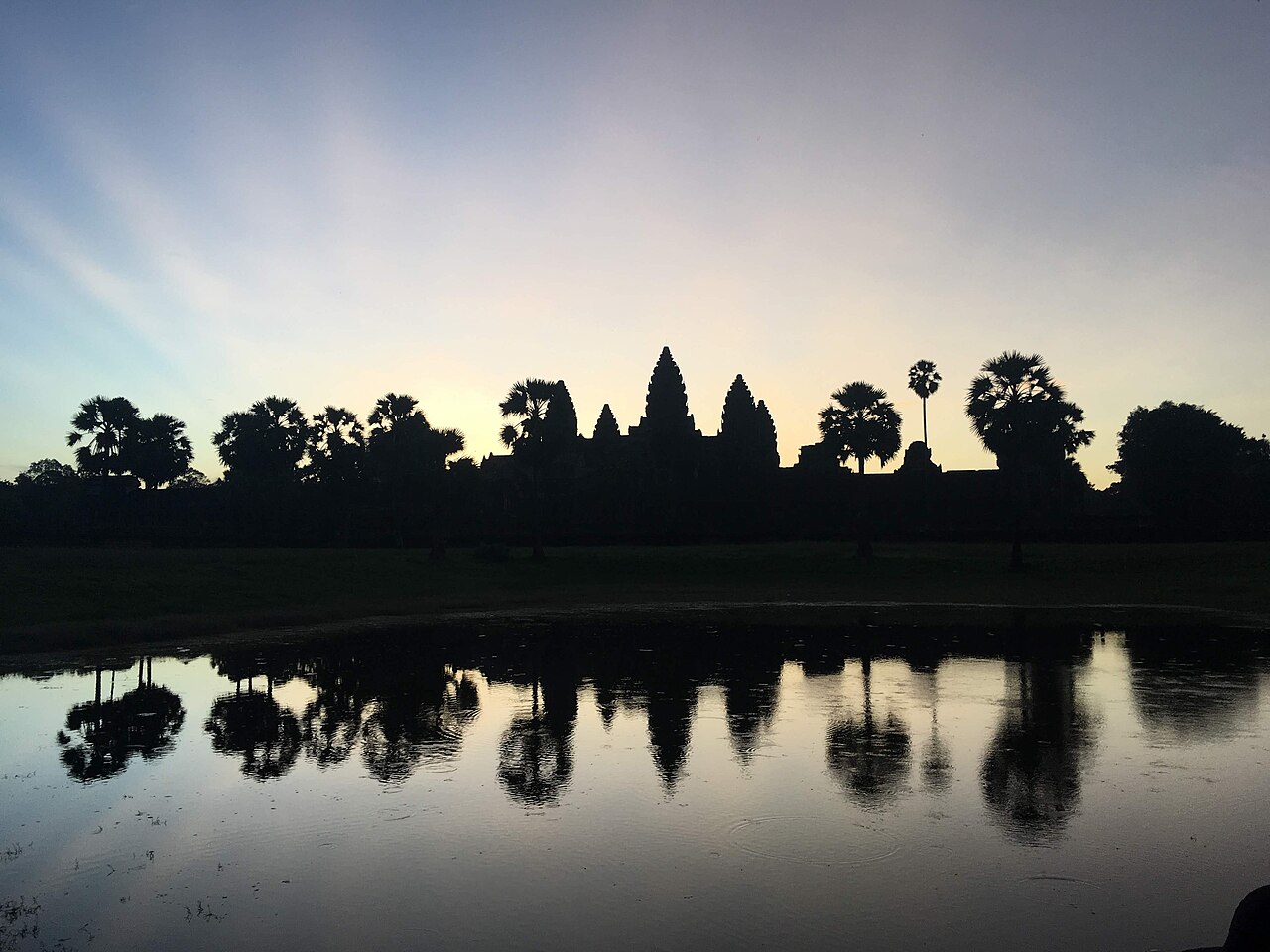
Angkor Wat
Siem Reap · Cambodia · temple
The largest religious monument on earth, built for Lord Vishnu by Suryavarman II in the 12th century and in continuous worship ever since: a living Theravada Buddhist Temple whose five towers stand on the Cambodian flag.
 Buddhism
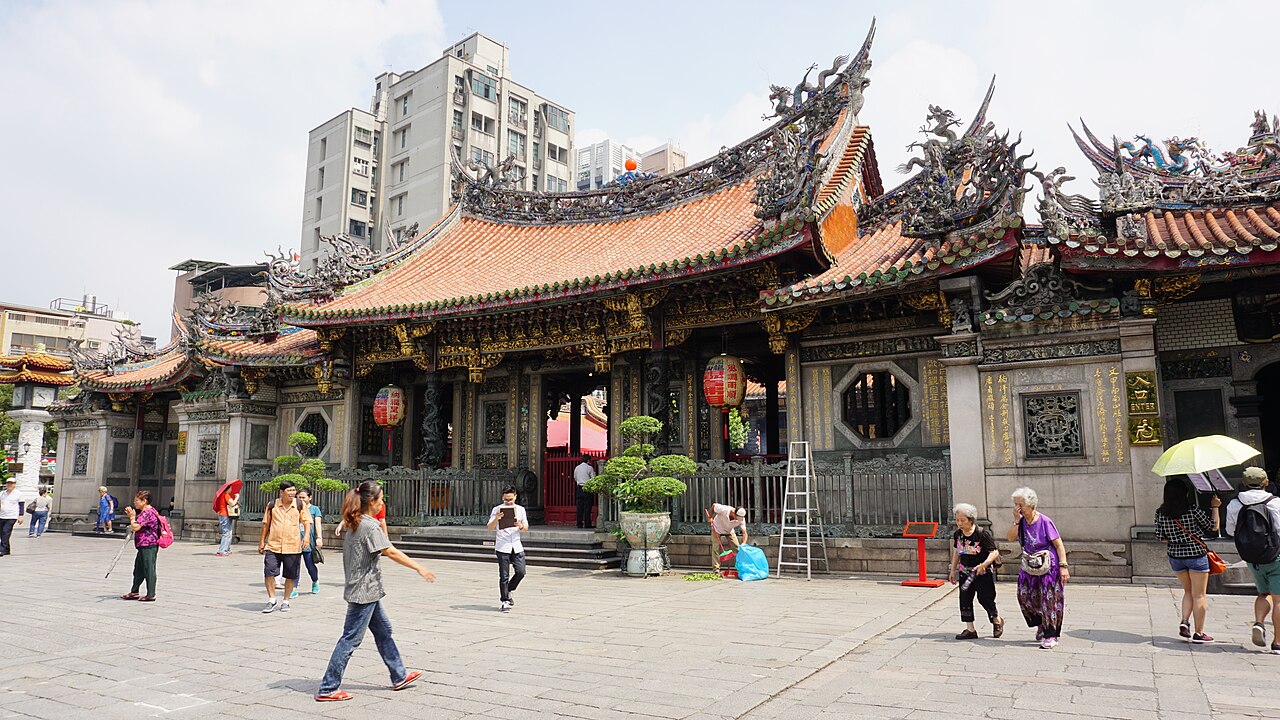
Bangka Lungshan Temple
Taipei (Wanhua) · Taiwan · temple
Taipei's mother Temple to Guanshiyin, founded by Fujian settlers in 1738 in the old Bangka quarter: a front hall to the bodhisattva of compassion and a rear hall of more than a hundred Taoist and folk gods, whose Guanyin statue survived the 1945 bombing intact.
 Buddhism
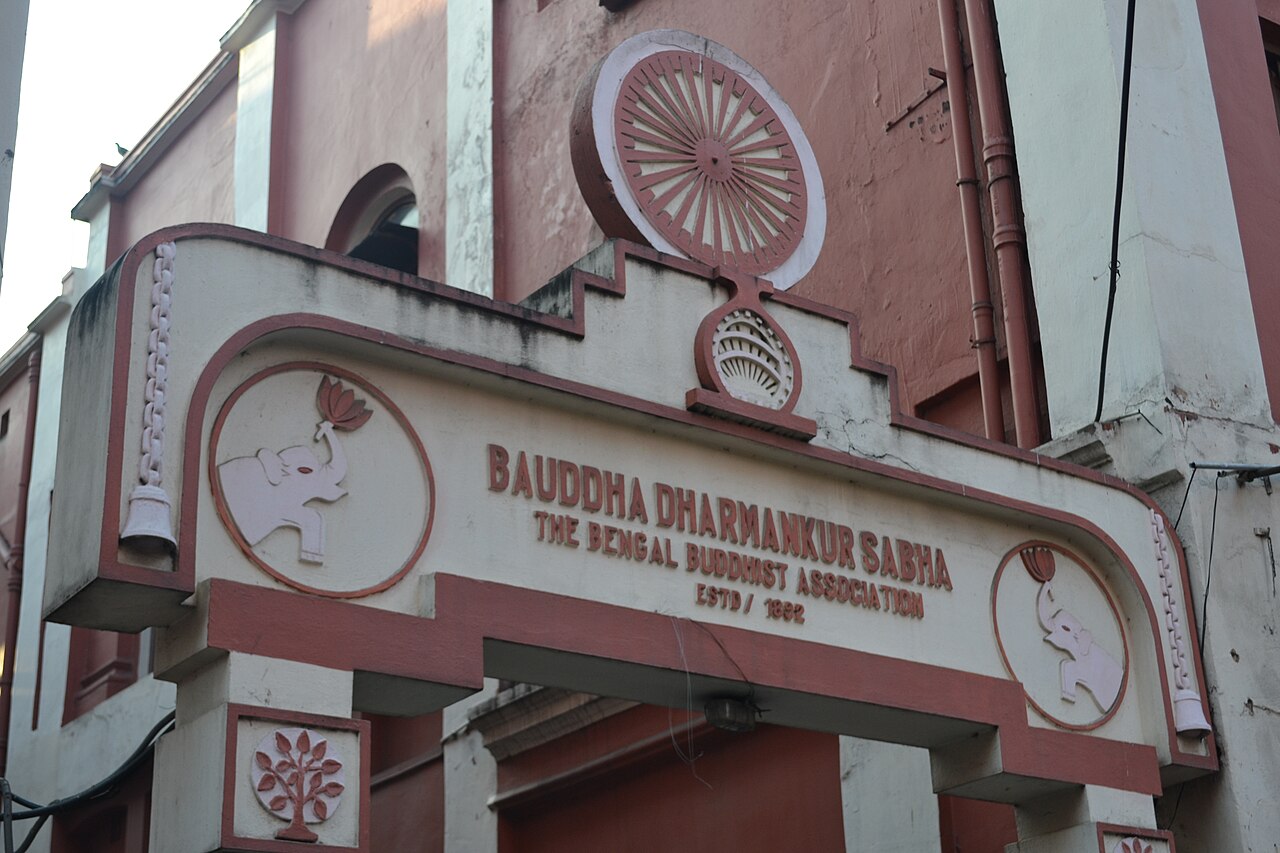
Bengal Buddhist Association
Kolkata · India · monastery
Founded in Kolkata in 1892 by Kripasaran Mahasthavir, the Bengal Buddhist Association, known in Bengali as Bauddha Dharmankur Sabha, raised the Dharmankur Vihara at Bow Barracks in 1903 and has worked for over a century to revive the Dharma in eastern India.
 Buddhism
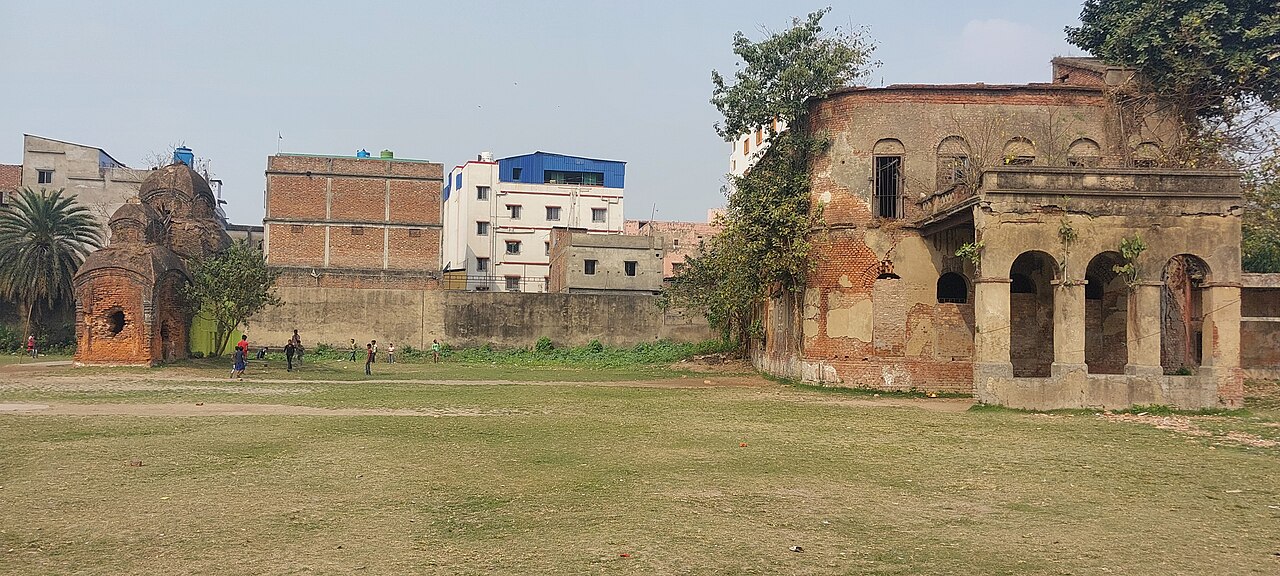
Bhot Bagan Math
Ghusuri · India · monastery
A brick monastery on the Hooghly riverside at Ghusuri, Howrah, founded in 1776 as the first Tibetan Buddhist religious foundation on the plains of India and still known popularly as Mahakal Math for the Tibetan deity images once installed in its sanctum.
 Buddhism
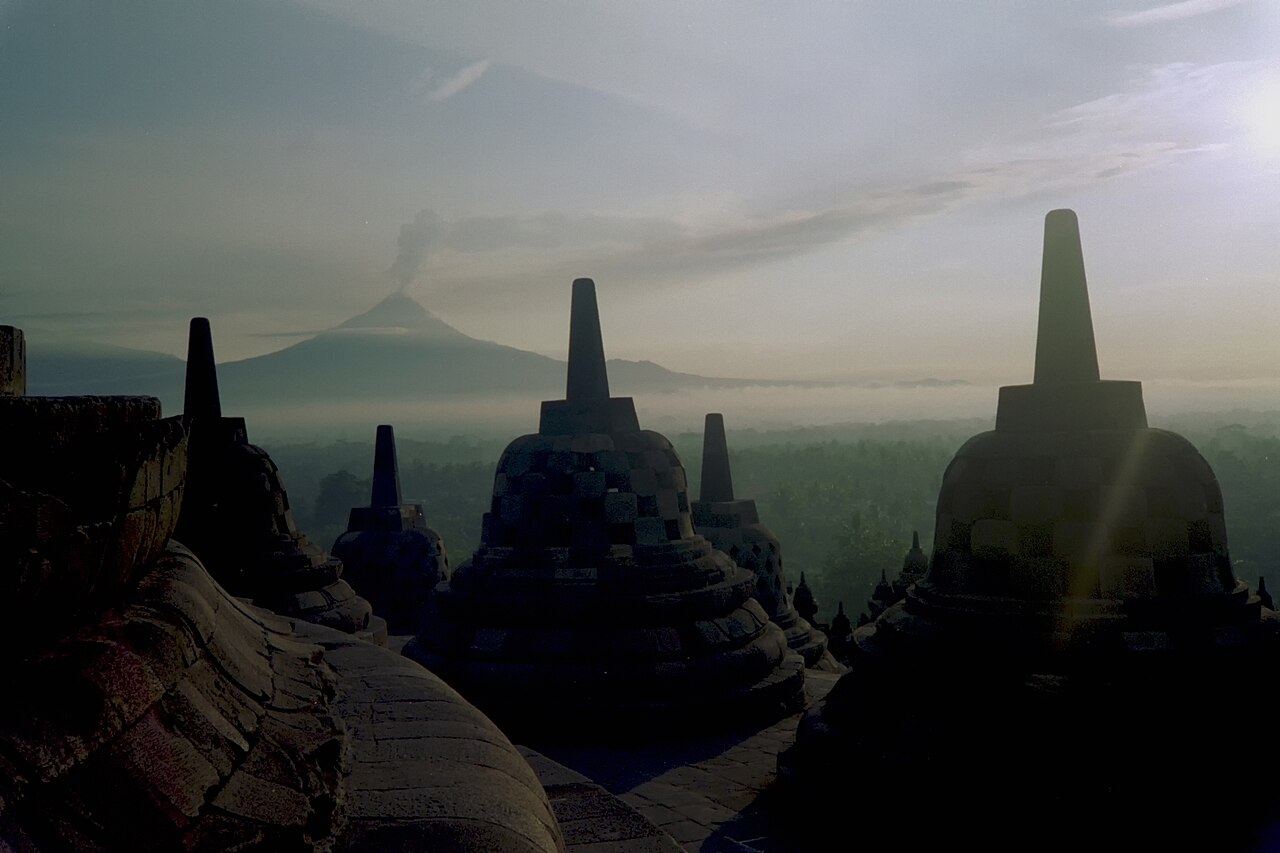
Borobudur
Magelang · Indonesia · temple
The world's largest Buddhist Temple: a ninth-century mandala in stone on Java's Kedu Plain, nine terraces rising through the three realms to 72 latticed stupas, each sheltering a seated Buddha.
 Buddhism
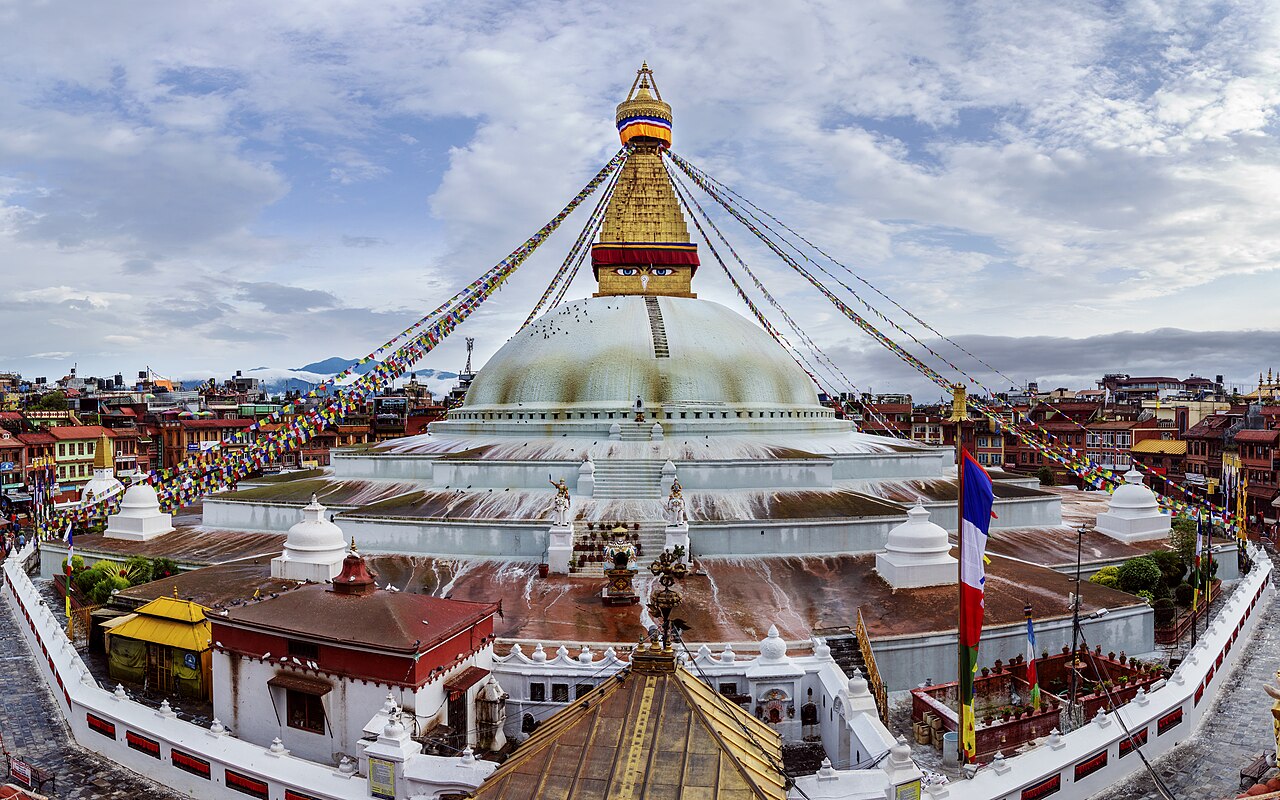
Boudhanath Stupa
Kathmandu · Nepal · stupa
The largest spherical stupa in Nepal, its all-seeing Buddha eyes watching over the kora walked daily by the Tibetan Buddhist community of Boudha, the heart of Vajrayana practice in the Kathmandu Valley.