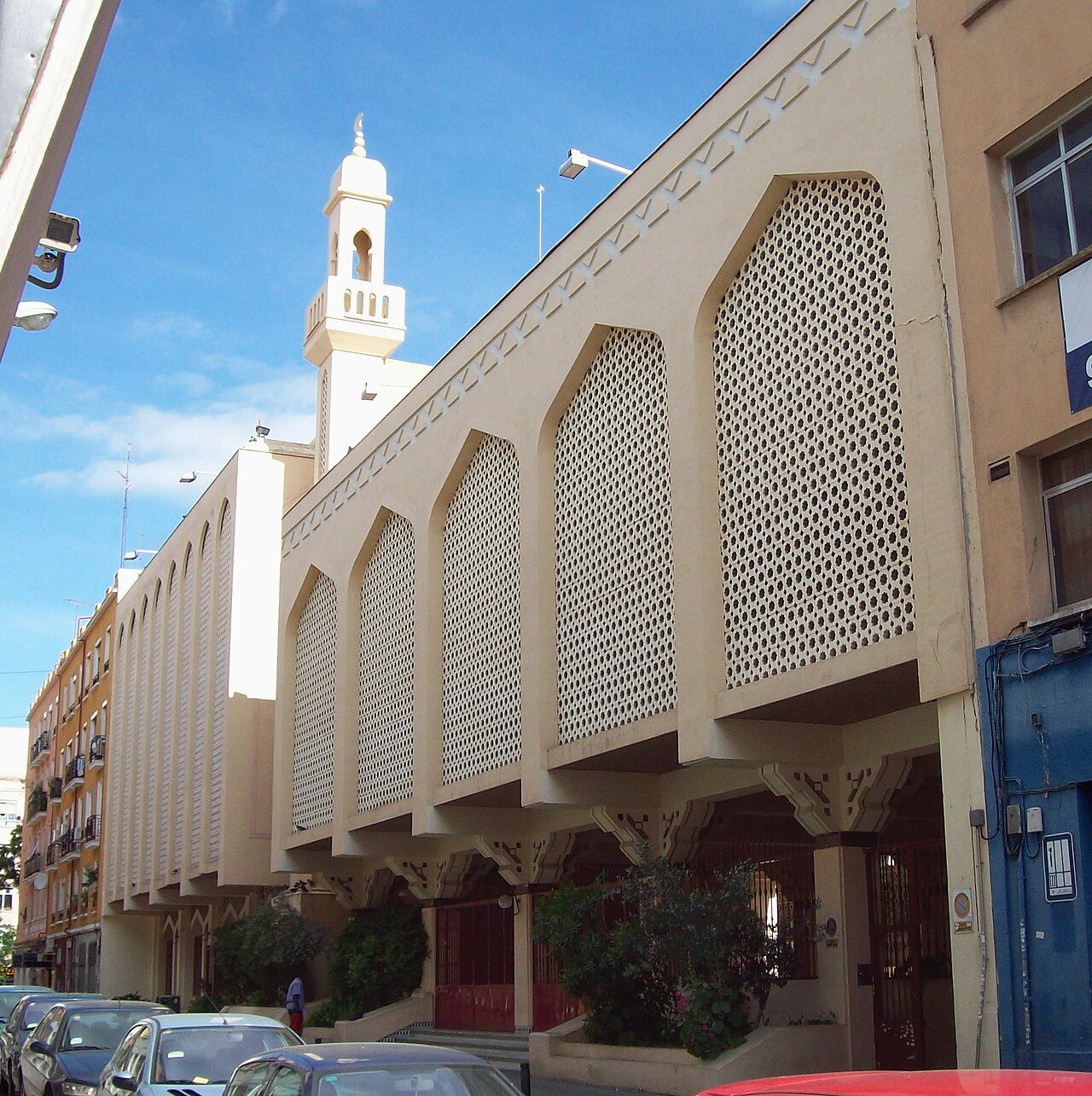
Madrid Central Mosque
Mezquita Central de Madrid · Mezquita Abu Bakr · Strait Mosque (Mezquita del Estrecho)
About
The Madrid Central Mosque, known in Spanish as the Mezquita Central de Madrid, stands in the Cuatro Caminos neighbourhood of the Tetuan district in the Spanish capital. Sometimes called the Strait Mosque after its proximity to the Estrecho metro station, whose name recalls the Strait of Gibraltar, the building was designed by the architect Juan Mora and serves as the headquarters of the Union of Islamic Communities of Spain and of the Islamic Community of Madrid.
The land on which the mosque rises was dedicated as Waqf, and years of patient fundraising followed before construction could be completed. Its opening in 1988 marked the return of a public mosque to Madrid for the first time since 1085, when the long centuries of Andalusi Muslim rule on the Iberian peninsula gave way to Castilian conquest. After more than nine hundred years, the call to prayer was heard again in the city.
Spread over four floors, the building gathers far more than a prayer hall. It houses offices, a nursery, a school, a library, an auditorium, and a shop, and serves as a centre of worship, study, charity, and culture for Muslims in Madrid. A cooperation agreement with the Community of Madrid and another with the state through the Islamic Commission of Spain frame its civic role, while a partnership with Al-Azhar University in Cairo supports the training and provision of imams.
History
The mosque rose on land dedicated as waqf, its construction carried through years of community fundraising before the doors opened in 1988. Designed by the architect Juan Mora, the building restored public Muslim worship to Madrid after more than nine centuries, since the Castilian conquest of 1085 had closed the city's last mosque. It stands today as the headquarters of the Union of Islamic Communities of Spain and of the Islamic Community of Madrid, known locally as the Abu Bakr Mosque or, for its nearness to the Estrecho metro station, the Strait Mosque.
Significance
Spread across four floors, the mosque holds far more than a prayer hall: a nursery, a school, a library, an auditorium, and a shop share the building, alongside a partnership with Al-Azhar University in Cairo for the training of imams. Each of the five daily prayers draws worshippers through its perforated concrete facade, and Salat al-Jumu'ah gathers the congregation every Friday afternoon.
Architecture
Modern mosque architecture in reinforced concrete, four floors beneath a pierced lattice facade and a single minaret
Visiting
Daily worship
| Salat al-Jumu'ah (Friday congregational prayer) | 14:30 to |
Hours
Hours not listed.
Contact
Engage with Madrid Central Mosque
Through the four pathways
Seva सेवा — Service
Offer your time and skills here. The following opportunities are open at Madrid Central Mosque:
No Seva offerings listed yet.
Sādhana साधना — Practice
Learn the worship and practice associated with Madrid Central Mosque:
No Sādhana offerings listed yet.
Sandhāna सन्धान — Wisdom
Unite with the wisdom of this tradition:
No Sandhāna offerings listed yet.
Sādhya साध्य — Giving
Support this sacred place according to your means:
No Sādhya offerings listed yet.
All giving flows directly to Madrid Central Mosque. Adisthan does not take a commission.
Gallery
Related sacred places
 Islam
IslamAbu'l-Fida Mosque
Hama · Syria · mosque
A fourteenth-century Ayyubid mausoleum and Mamluk-era congregational mosque on the banks of the Orontes in Hama, Syria, known locally as the Mosque of the Serpents for the carved pillars at its windows.
 Islam
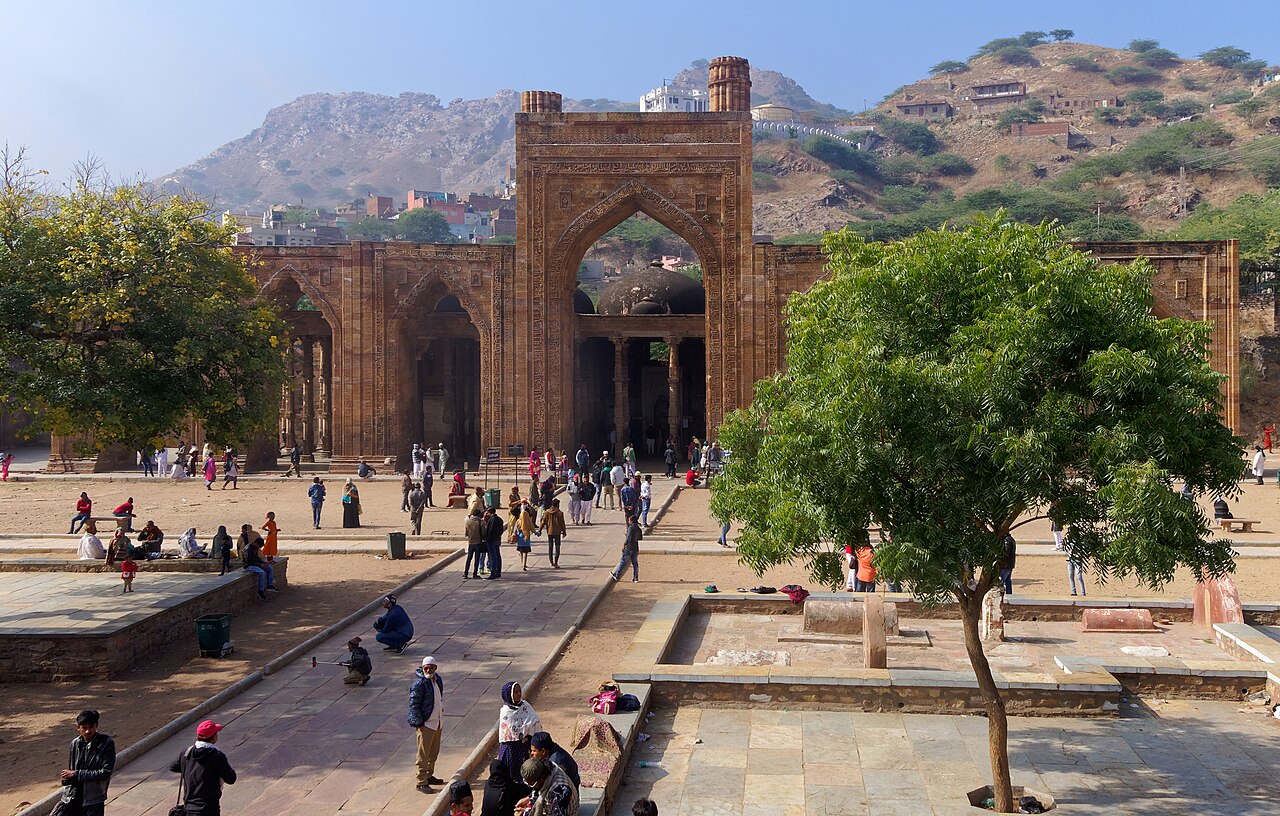
IslamAdhai Din Ka Jhonpra
Ajmer · India · mosque
The oldest surviving monument in Ajmer and among the earliest Indo-Islamic mosques in India, its 1199 CE prayer hall and Iltutmish's 1213 CE arched screen rise on 344 pillars carved by Hindu and Jain craftsmen from earlier Temples.
 Islam
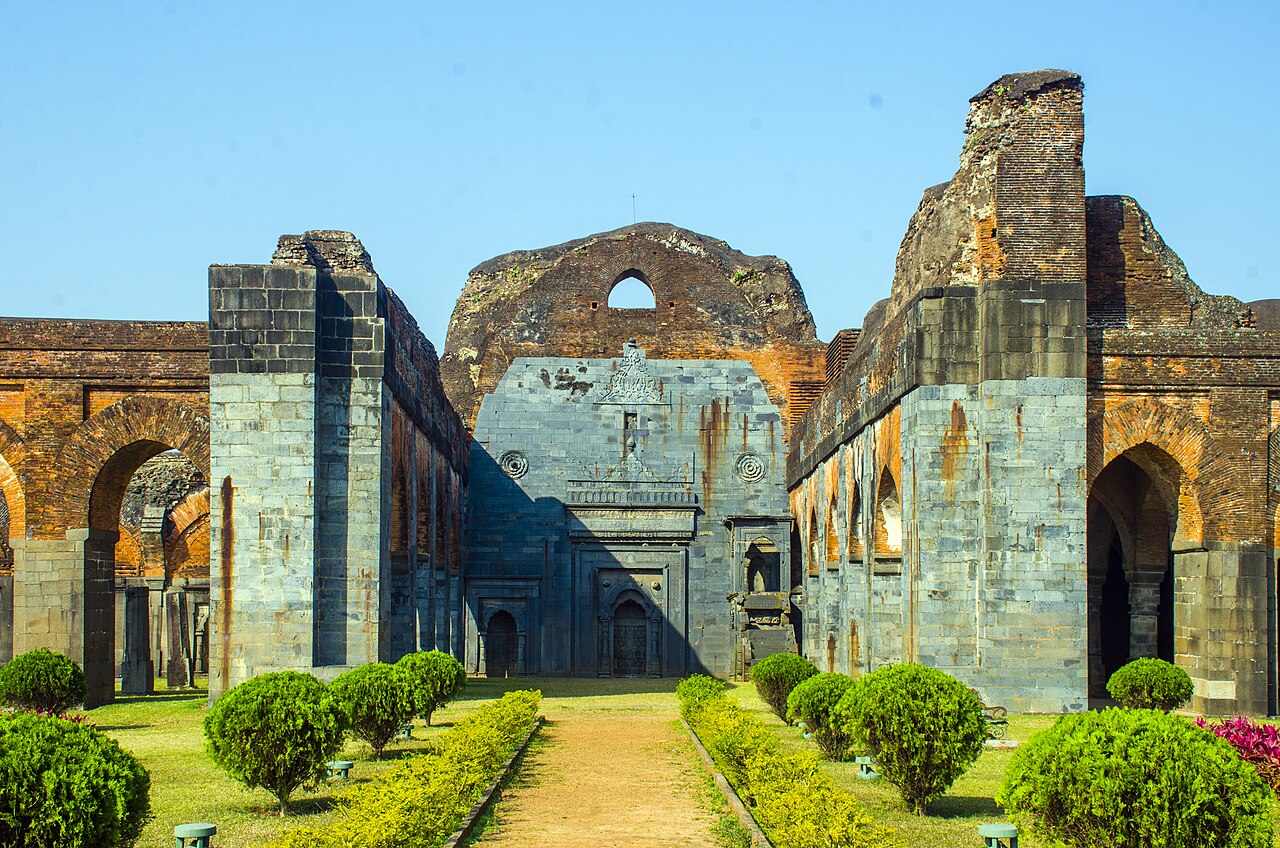
IslamAdina Mosque
Pandua · India · mosque
Once the largest mosque on the Indian subcontinent, the Adina Mosque at Pandua in West Bengal was raised by Sultan Sikandar Shah between 1373 and 1375 as the congregational mosque of the Bengal Sultanate, and holds his tomb within its western wall.
 Islam
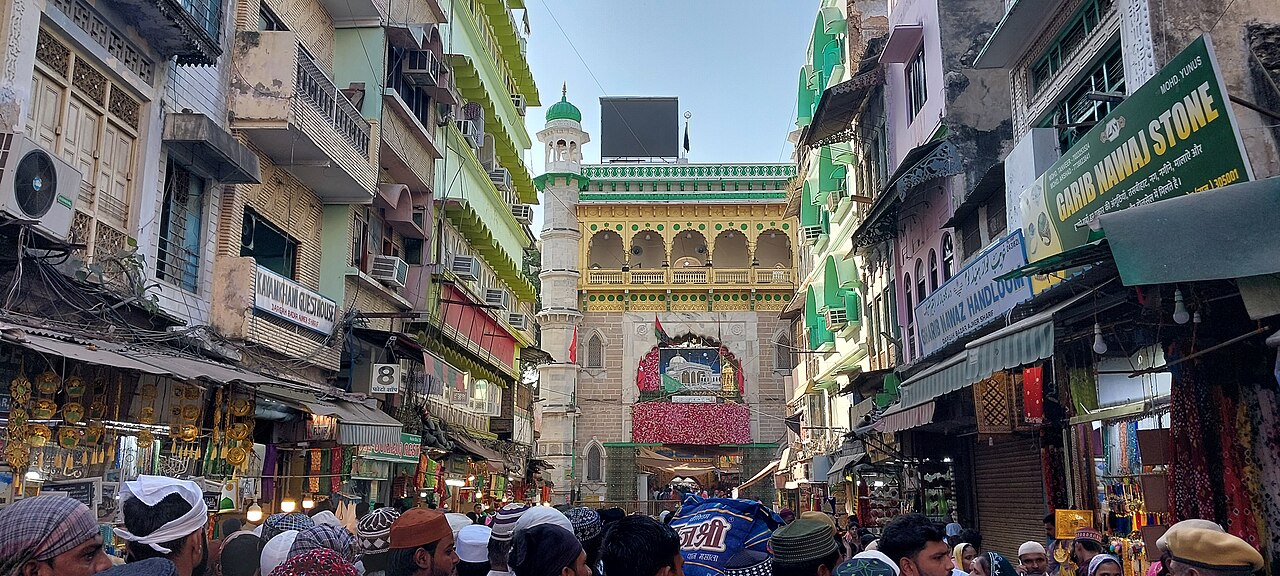
IslamAjmer Sharif Dargah
Ajmer · India · dargah
The tomb of Hazrat Khwaja Moinuddin Chishti, Gharib Nawaz, the benefactor of the poor, and the principal Sufi dargah of South Asia, where pilgrims of every community have offered chadars and shared the sweet rice of the great deghs for eight centuries.
Akbarabadi Mosque
Delhi · India · mosque
A mosque raised in 1650 by Akbarabadi Begum, a wife of the Mughal emperor Shah Jahan, in the walled city of Shahjahanabad, demolished by British forces in the aftermath of the 1857 Uprising and today marked only by disputed, unexcavated remains beneath Netaji Subhash Park in Old Delhi.
 Islam
IslamAlamgir Mosque
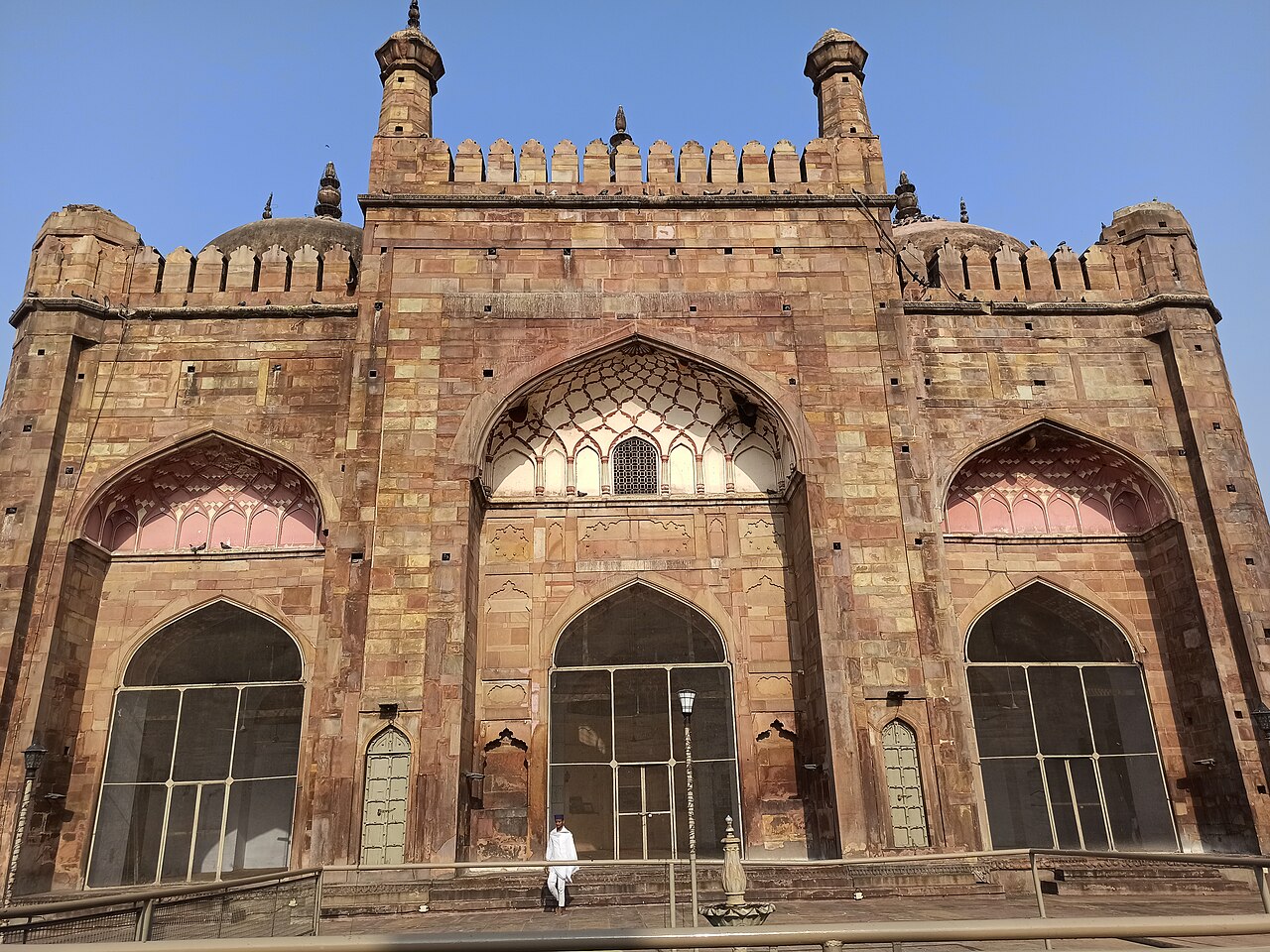
Varanasi · India · mosque
Raised in 1669 by the Mughal emperor Aurangzeb on the high bank above Panchganga Ghat in Varanasi, the Alamgir Mosque stands where wide stone steps meet the Ganges, its domes and surviving corner turret rising over a site earlier accounts describe as the Hindu Temple of Bindu Madhava.