
Maha Stupa at Amaravati
Amaravati Stupa · Amaravati Mahachaitya · Dipaladinne
About
Rising from the banks of the Krishna River in what is now Palnadu district, Andhra Pradesh, the Amarāvati Stūpa, known in ancient texts as the mahācetiya, or great sanctuary, endures today as a sacred ruin of enormous consequence. At the height of its glory it bore the distinction of being among the most richly ornamented monuments the Buddhist world had ever produced, its entire surface alive with carved limestone panels, medallion reliefs, and vedikā railings dense with scenes from the lives of the Buddha and the Jātaka tales.
The architectural form followed the classic domed mound (the tholobate or "drum" encircled by a railing), yet at Amarāvati the sculptural programme reached an extraordinary pitch of elaboration. The outer railing, some three metres tall and running nearly 803 feet in total circumference, carried upright pillars and three-tiered cross-bars carved with round lotus medallions and crowded narrative scenes. Four axial entrances opened at the cardinal directions. Representations of the stūpa itself appear repeatedly within the surviving reliefs, offering scholars a rare view of how the structure once appeared, a domed monument crowned with a parasol, its surfaces gleaming with carved stone.
The atmosphere the site still evokes is one of layered time: centuries of devotion, centuries of neglect, and then painstaking modern archaeology. The Archaeological Survey of India now protects the grounds, which include a site museum. Meanwhile, the finest remaining sculptures inhabit institutions across the globe, the Government Museum in Chennai, the British Museum in London, the Guimet in Paris, and collections in Philadelphia, Boston, and Washington among them, testament to a dispersal that began with nineteenth-century excavations and has never fully been undone.
History
Tradition and scholarship trace the mound's earliest phase to the third century BCE, possibly under Emperor Ashoka, when a simple railing of granite pillars enclosed the site. A second, far grander building phase began around 50 BCE and continued to about 250 CE, when the dome was enlarged and entirely new limestone railings and drum slabs were carved with scenes from the Buddha's life and the Jataka tales. The Chinese pilgrim Xuanzang recorded thriving monasteries here in 640 CE, and the site remained known to Buddhist scholars in Sri Lanka and Tibet into the fourteenth century before the mound was gradually lost to overgrowth. Colin Mackenzie surveyed the ruins in 1797 and 1816, and nineteenth-century excavations under Walter Elliot and later Robert Sewell sent many of its finest carvings to museums in Chennai and London.
Significance
Art historians count the Amaravati school, with its elongated figures and deeply cut, crowded relief, among the three great traditions of ancient Indian sculpture, its influence carried by maritime trade to Sri Lanka and South East Asia. In 2006 the Dalai Lama conducted a Kalachakra initiation at the mahachaitya, drawing more than a hundred thousand pilgrims and returning living devotion to a site long held in ruin. The Archaeological Survey of India now protects the mound and its adjoining site museum, though most of its carved stones remain scattered among collections in Chennai, London, Paris, and beyond.
Architecture
Andhra (Amaravati school) stupa architecture: a brick-cored hemispherical mound faced in limestone, encircled by a carved vedika railing
Visiting
Daily worship
| Site open to visitors (closed Fridays) | 08:00 to 18:00 |
Hours
Hours not listed.
Contact
No contact details listed yet.
Engage with Maha Stupa at Amaravati
Through the four pathways
Seva सेवा — Service
Offer your time and skills here. The following opportunities are open at Maha Stupa at Amaravati:
No Seva offerings listed yet.
Sādhana साधना — Practice
Learn the worship and practice associated with Maha Stupa at Amaravati:
No Sādhana offerings listed yet.
Sandhāna सन्धान — Wisdom
Unite with the wisdom of this tradition:
No Sandhāna offerings listed yet.
Sādhya साध्य — Giving
Support this sacred place according to your means:
No Sādhya offerings listed yet.
All giving flows directly to Maha Stupa at Amaravati. Adisthan does not take a commission.
Gallery
Related sacred places
 Buddhism
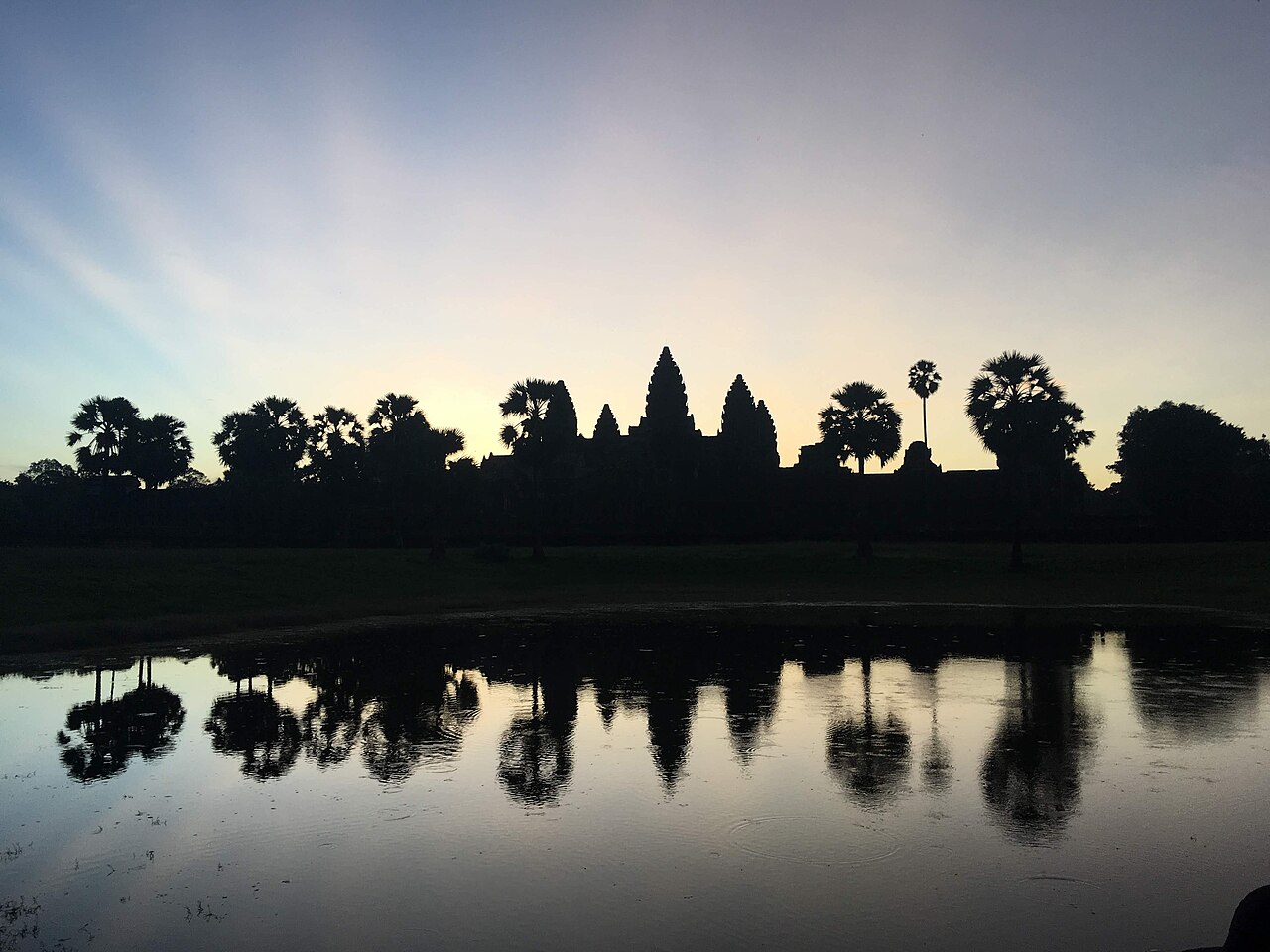
Angkor Wat
Siem Reap · Cambodia · temple
The largest religious monument on earth, built for Lord Vishnu by Suryavarman II in the 12th century and in continuous worship ever since: a living Theravada Buddhist Temple whose five towers stand on the Cambodian flag.
 Buddhism
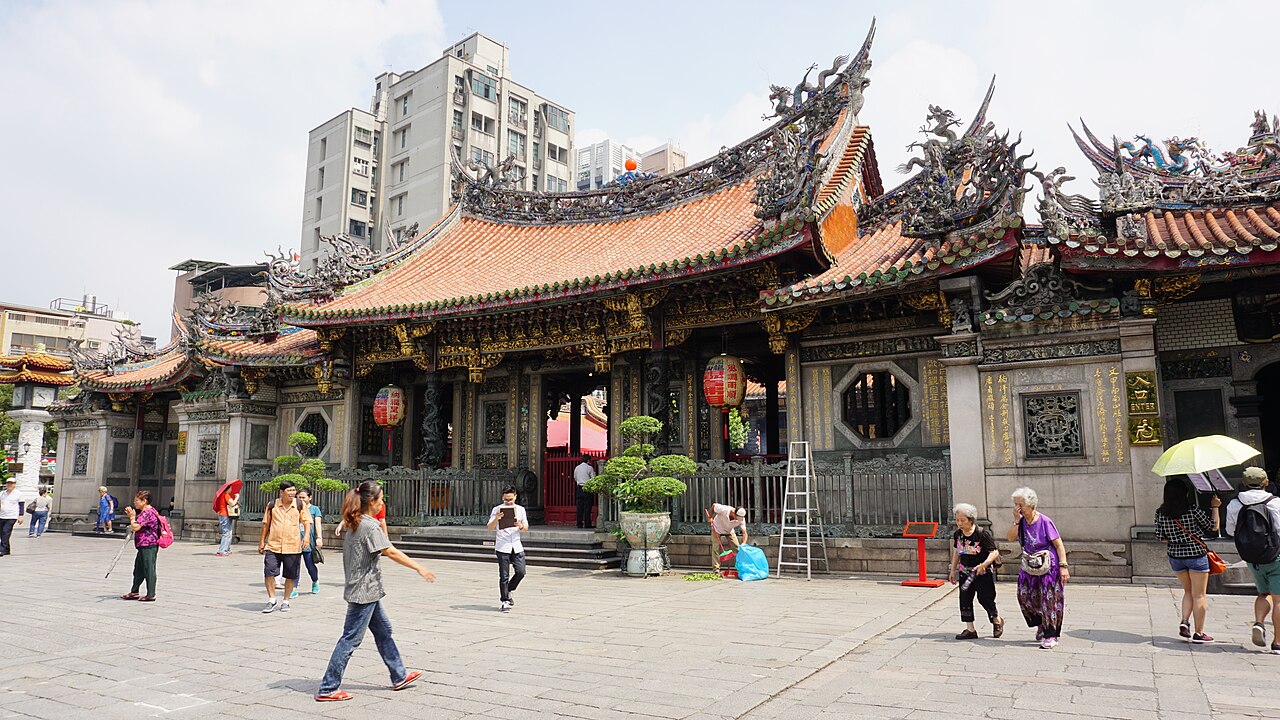
Bangka Lungshan Temple
Taipei (Wanhua) · Taiwan · temple
Taipei's mother Temple to Guanshiyin, founded by Fujian settlers in 1738 in the old Bangka quarter: a front hall to the bodhisattva of compassion and a rear hall of more than a hundred Taoist and folk gods, whose Guanyin statue survived the 1945 bombing intact.
 Buddhism
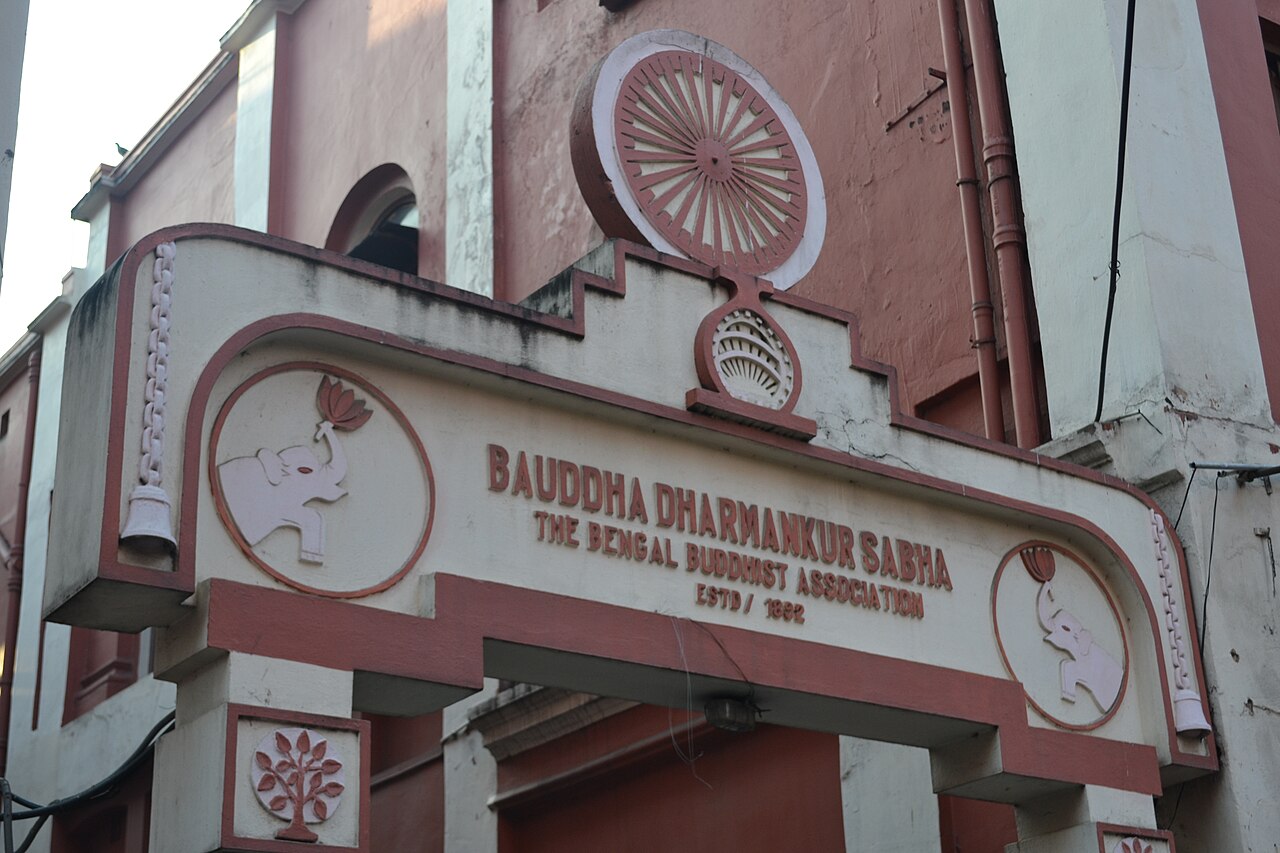
Bengal Buddhist Association
Kolkata · India · monastery
Founded in Kolkata in 1892 by Kripasaran Mahasthavir, the Bengal Buddhist Association, known in Bengali as Bauddha Dharmankur Sabha, raised the Dharmankur Vihara at Bow Barracks in 1903 and has worked for over a century to revive the Dharma in eastern India.
 Buddhism
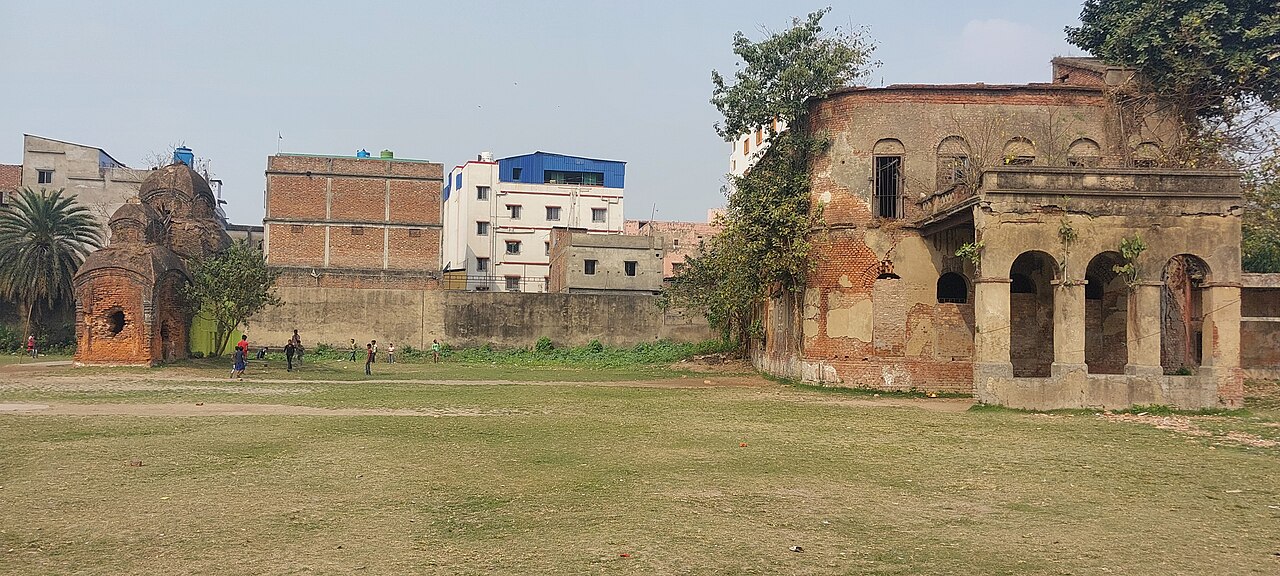
Bhot Bagan Math
Ghusuri · India · monastery
A brick monastery on the Hooghly riverside at Ghusuri, Howrah, founded in 1776 as the first Tibetan Buddhist religious foundation on the plains of India and still known popularly as Mahakal Math for the Tibetan deity images once installed in its sanctum.
 Buddhism
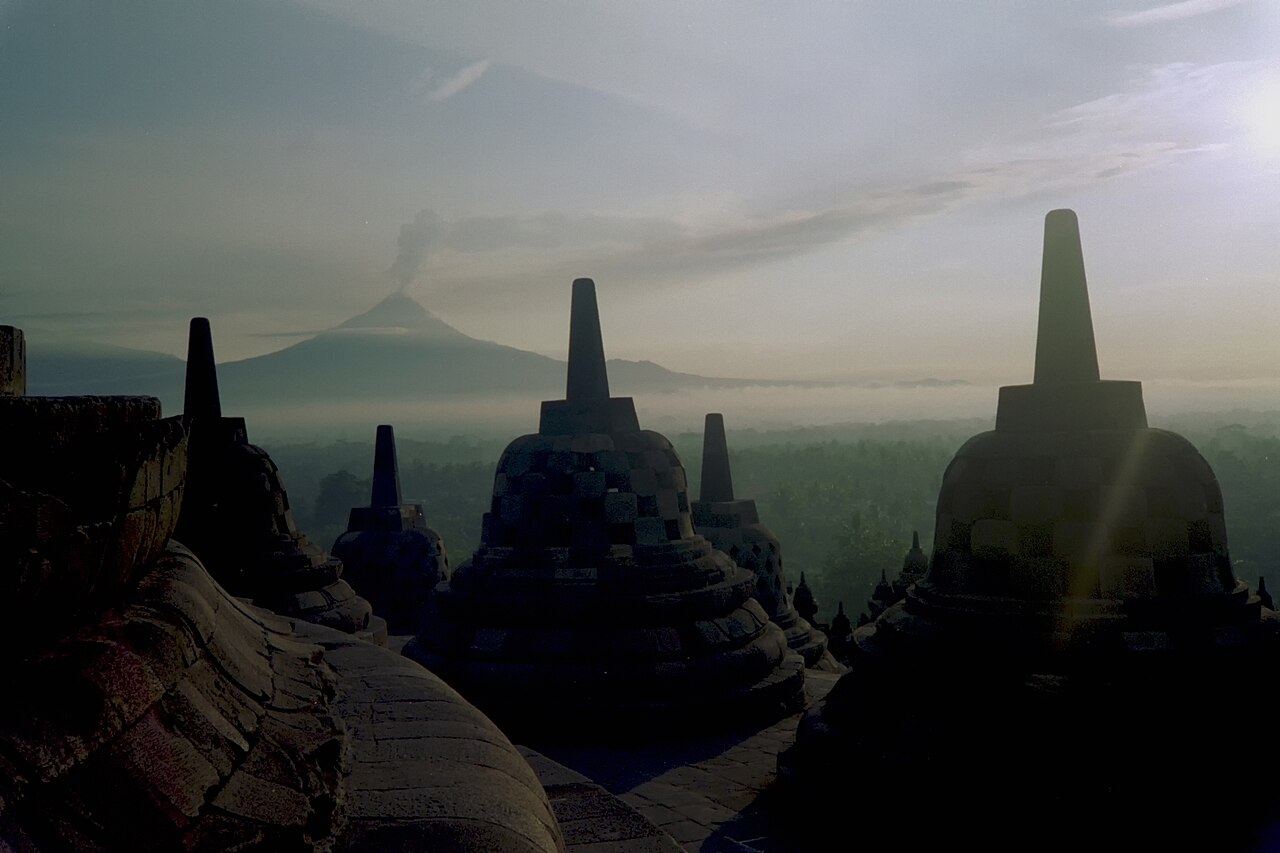
Borobudur
Magelang · Indonesia · temple
The world's largest Buddhist Temple: a ninth-century mandala in stone on Java's Kedu Plain, nine terraces rising through the three realms to 72 latticed stupas, each sheltering a seated Buddha.
 Buddhism
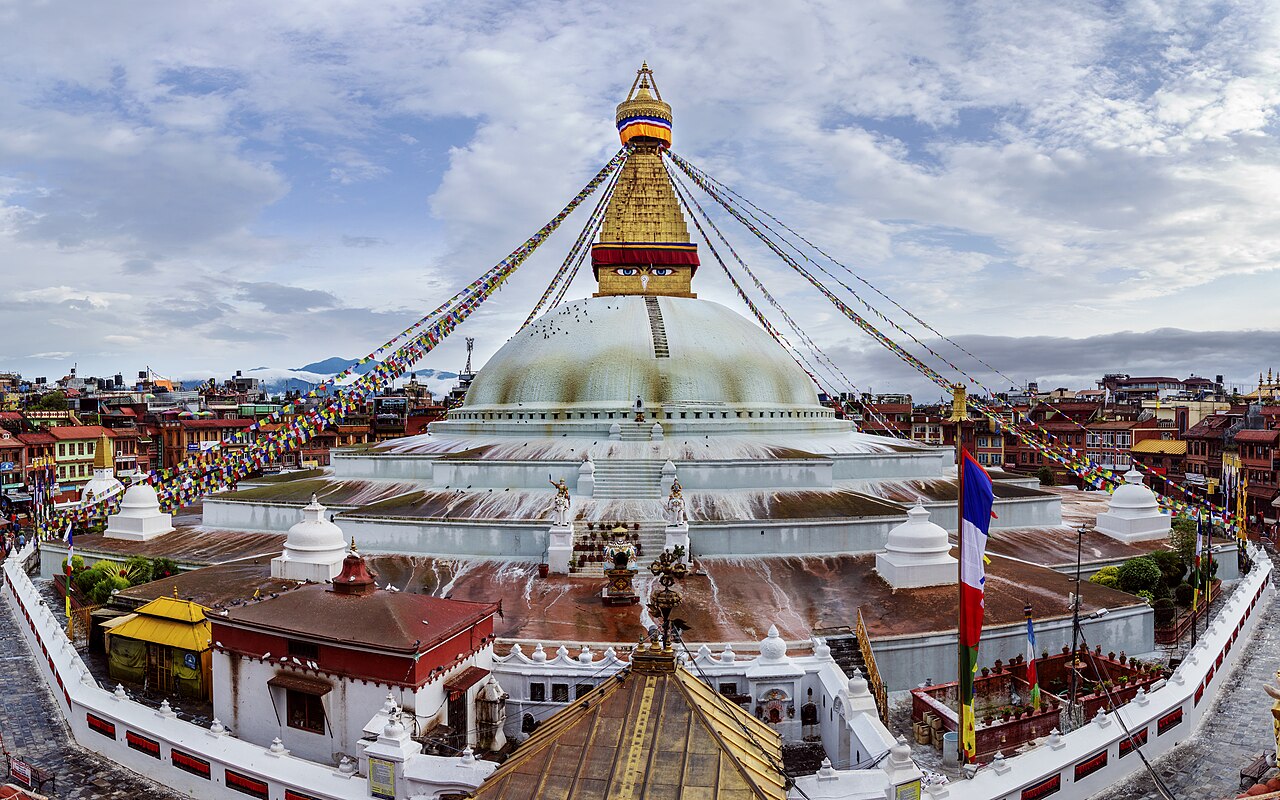
Boudhanath Stupa
Kathmandu · Nepal · stupa
The largest spherical stupa in Nepal, its all-seeing Buddha eyes watching over the kora walked daily by the Tibetan Buddhist community of Boudha, the heart of Vajrayana practice in the Kathmandu Valley.