Mangi-Tungi
Mangi Tungi · Shri Digamber Jain Siddha Kshetra Mangi Tungi · Mangi-Tungiji
About
Mangi-Tungi rises as twin pinnacles on a single Sahyadri ridge, with Mangi crowning the western height at 1,324 metres and Tungi the eastern at 1,331 metres. Set near Tahrabad about 125 kilometres from Nashik in Maharashtra, the peak has been venerated for centuries by the Digambara Jain community as a Siddha Kshetra, a gateway through which liberated souls are said to have passed into perfect freedom.
A pilgrim's climb of around 3,500 steps leads to caves dedicated to Tirthankaras such as Mahavira, Rishabhanatha, Shantinatha, and Parshvanatha. Images of the Jinas are carved in padmasana and kayotsarga, joined by figures of Yaksha and Yakshini attendants. Some idols carry dates as early as 595 CE, and a fourteenth-century inscription survives in the Adinath cave.
Tradition holds that Ram, Hanuman, Sugriva, and a vast company of Jain monks attained moksha at Mangi-Tungi, and the Nirvanakand records that ninety-nine crore monks crossed into final liberation here. The Mangi hill carries seven Temples and ten caves, while Tungi bears five Temples and the caves of Chandraprabhu and Rama.
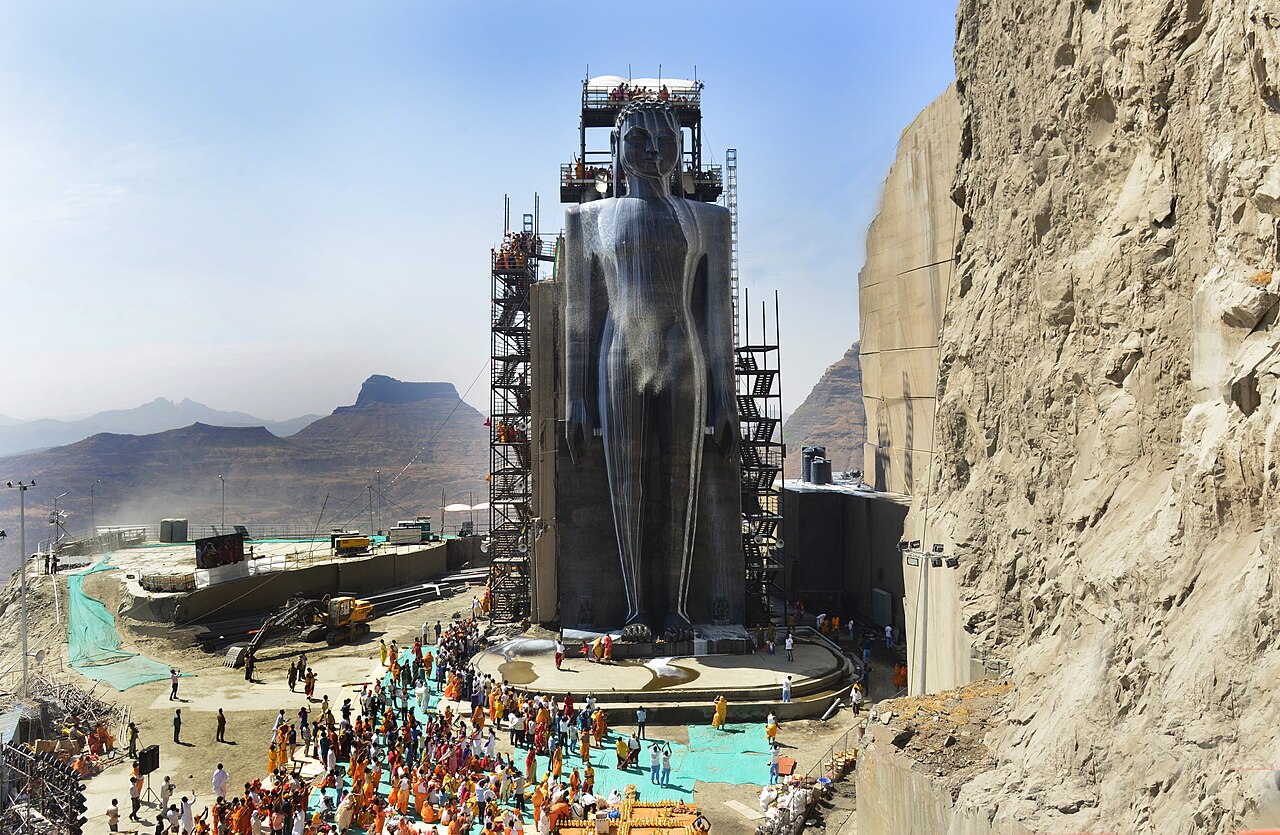
In February 2016 the Statue of Ahimsa, a 108-foot monolithic image of Rishabhanatha, was consecrated after twenty years of work begun in 1996 under the inspiration of Gyanmati Mataji and Chandanamati Mataji. Recognised by the Guinness Book of World Records as the tallest Jain idol in the world, it now draws pilgrims to the annual Kartik fair.
History
Digambara Jain tradition has venerated these twin peaks, Mangi and Tungi, for centuries as a Siddha Kshetra, a gateway through which liberated souls are said to have passed. Caves and shrines were carved into the rock across many centuries; the oldest dated idol on the hill carries an inscription placing it in 595 CE, and a further inscription of 1343 CE survives in the Adinath cave. In February 2016, after twenty years of work begun in 1996 under the inspiration of the Jain nun Gyanmati Mataji, the Statue of Ahimsa was consecrated on the hillside, a 108-foot monolithic image of Lord Rishabhanatha recognised by the Guinness Book of World Records as the tallest Jain idol in the world.
Significance
Tradition holds that Ram, Hanuman, Sugriva and a vast company of Jain monks attained moksha at Mangi-Tungi, and the site is honoured across Maharashtra's Jain community as one of the state's foremost pilgrimage destinations. The Statue of Ahimsa now embodies the tradition's central teaching of non-violence in stone, drawing pilgrims from across the world to the hillside where it was carved.
Architecture
Rock-cut Digambara Jain cave shrines across two hill summits, with a modern monolithic colossus carved directly into the cliff face
Visiting
Hours
Hours not listed.
Contact
No contact details listed yet.
Engage with Mangi-Tungi
Through the four pathways
Seva सेवा — Service
Offer your time and skills here. The following opportunities are open at Mangi-Tungi:
No Seva offerings listed yet.
Sādhana साधना — Practice
Learn the worship and practice associated with Mangi-Tungi:
No Sādhana offerings listed yet.
Sandhāna सन्धान — Wisdom
Unite with the wisdom of this tradition:
No Sandhāna offerings listed yet.
Sādhya साध्य — Giving
Support this sacred place according to your means:
No Sādhya offerings listed yet.
All giving flows directly to Mangi-Tungi. Adisthan does not take a commission.
Festivals & Events
- Nov
Kartik Fair
24 November 2026 · annual
An annual fair held by the Digambara Jain community each Kartik, when pilgrims climb the hill's roughly 3,500 steps in great numbers to honour the Tirthankaras enshrined in its caves and the Statue of Ahimsa.
Gallery
Related sacred places
 Jainism
Adinatha Temple
Khajuraho · India · temple
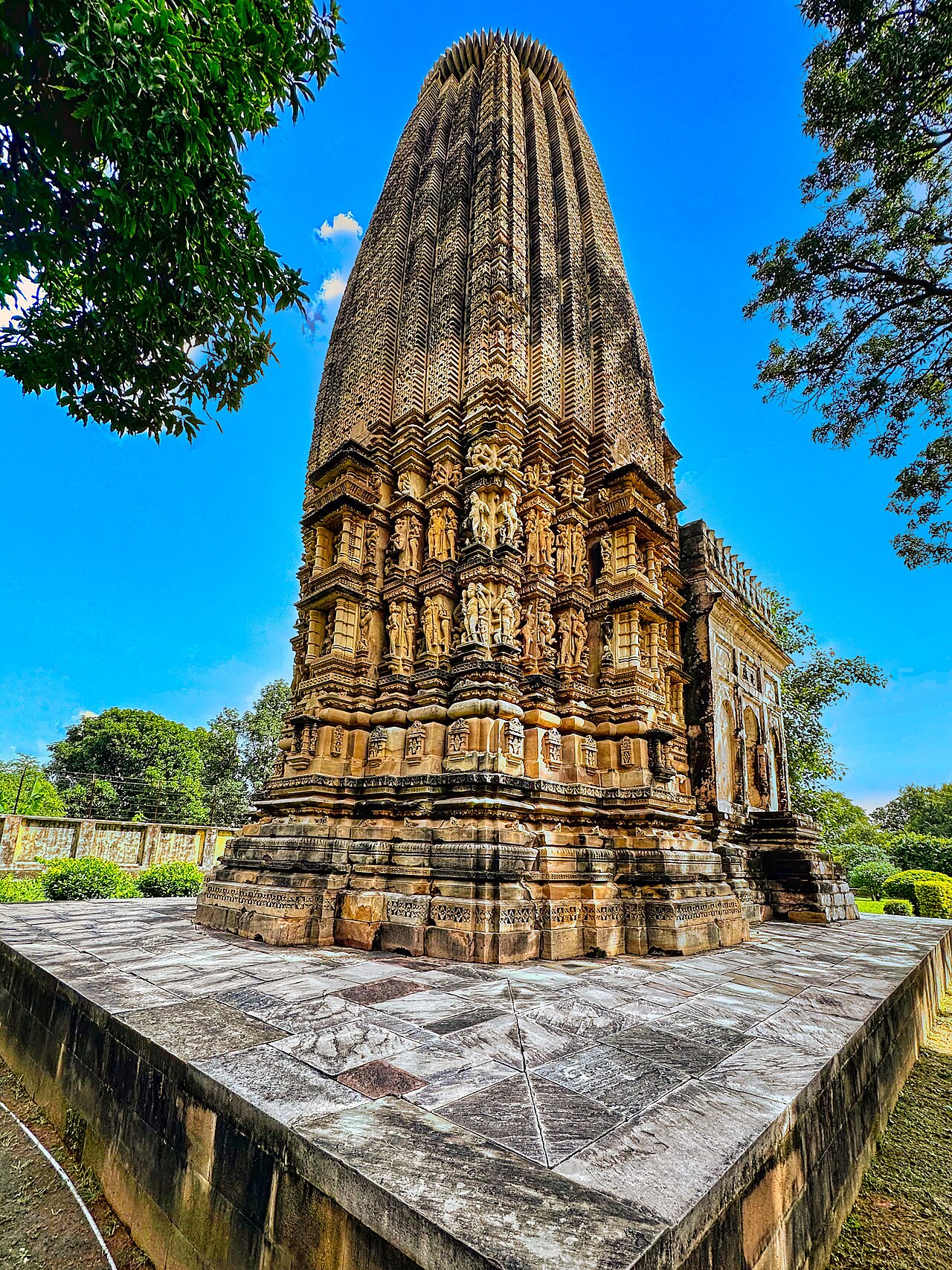
A Digambara Jain shrine within Khajuraho's Eastern Group of Temples, dedicated to Lord Adinatha, the first tirthankara, its curvilinear sandstone tower carved in the late eleventh century for a Hindu patron before passing into Jain hands.
 Jainism
Aharji
Aharji · India · temple
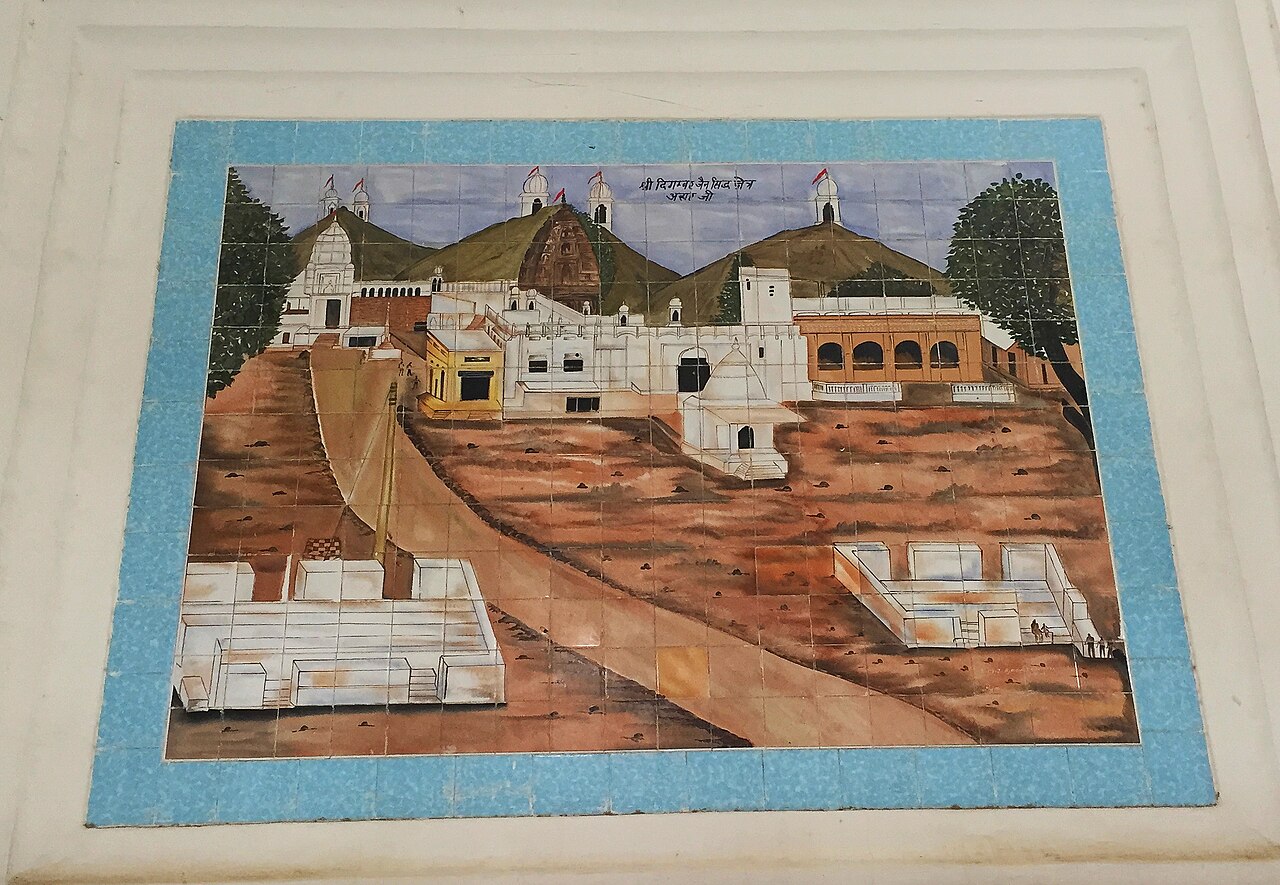
A Digambara Jain tirtha in the Bundelkhand region of Madhya Pradesh, where an eighteen-foot Chandella-era colossus of Lord Shantinatha stands in silent meditation at the heart of a Temple complex raised across three centuries.
 Jainism
Ahinsa Sthal
New Delhi · India · temple
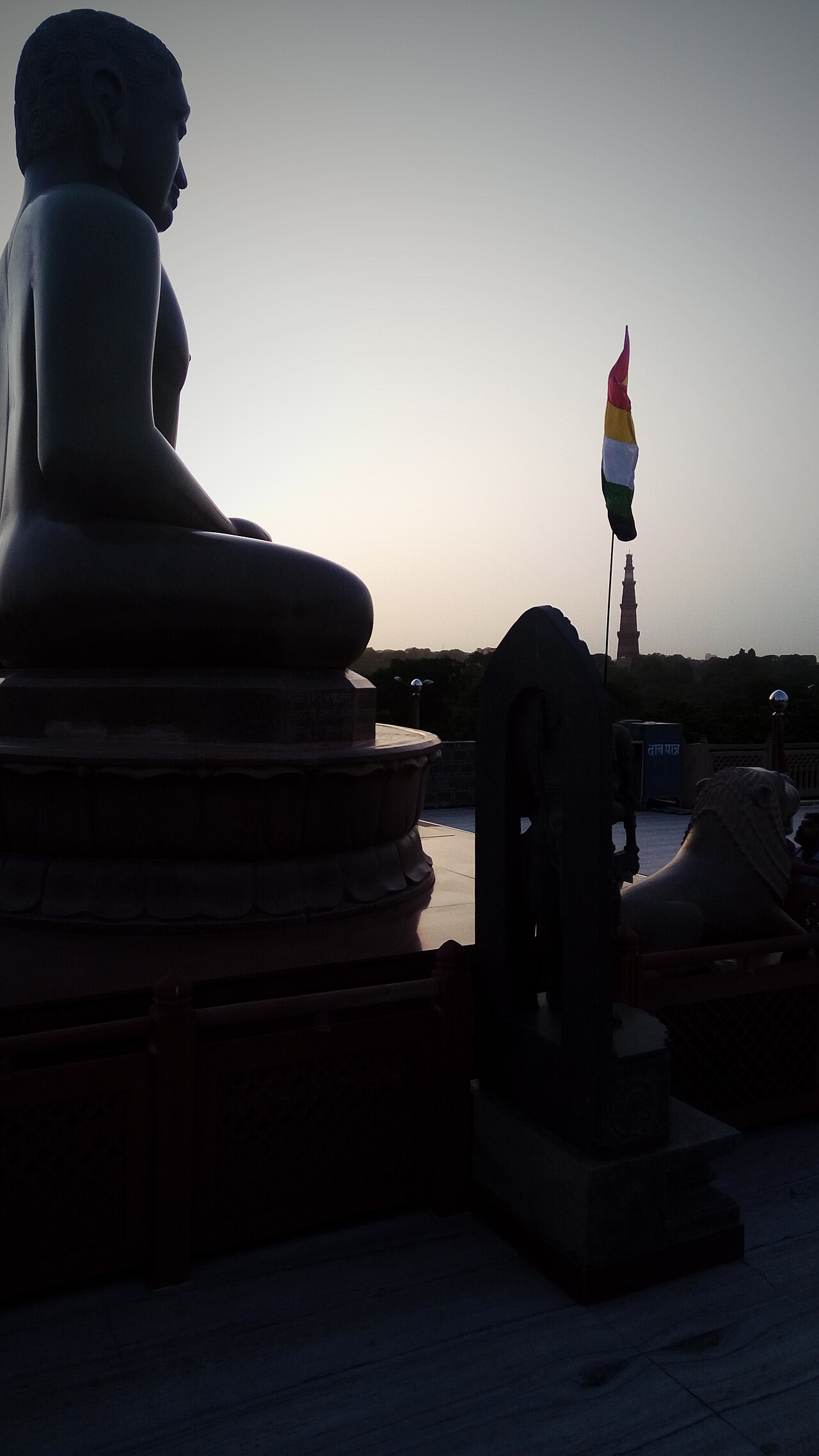
A modern Digambara Jain shrine on a terrace in Mehrauli, New Delhi, built in 1980 around a colossal granite image of Lord Mahavira seated in deep meditation, its very name declaring the tradition's central vow: ahimsa, harmlessness toward every living being.
 Jainism
Ajmer Jain Temple
Ajmer · India · temple
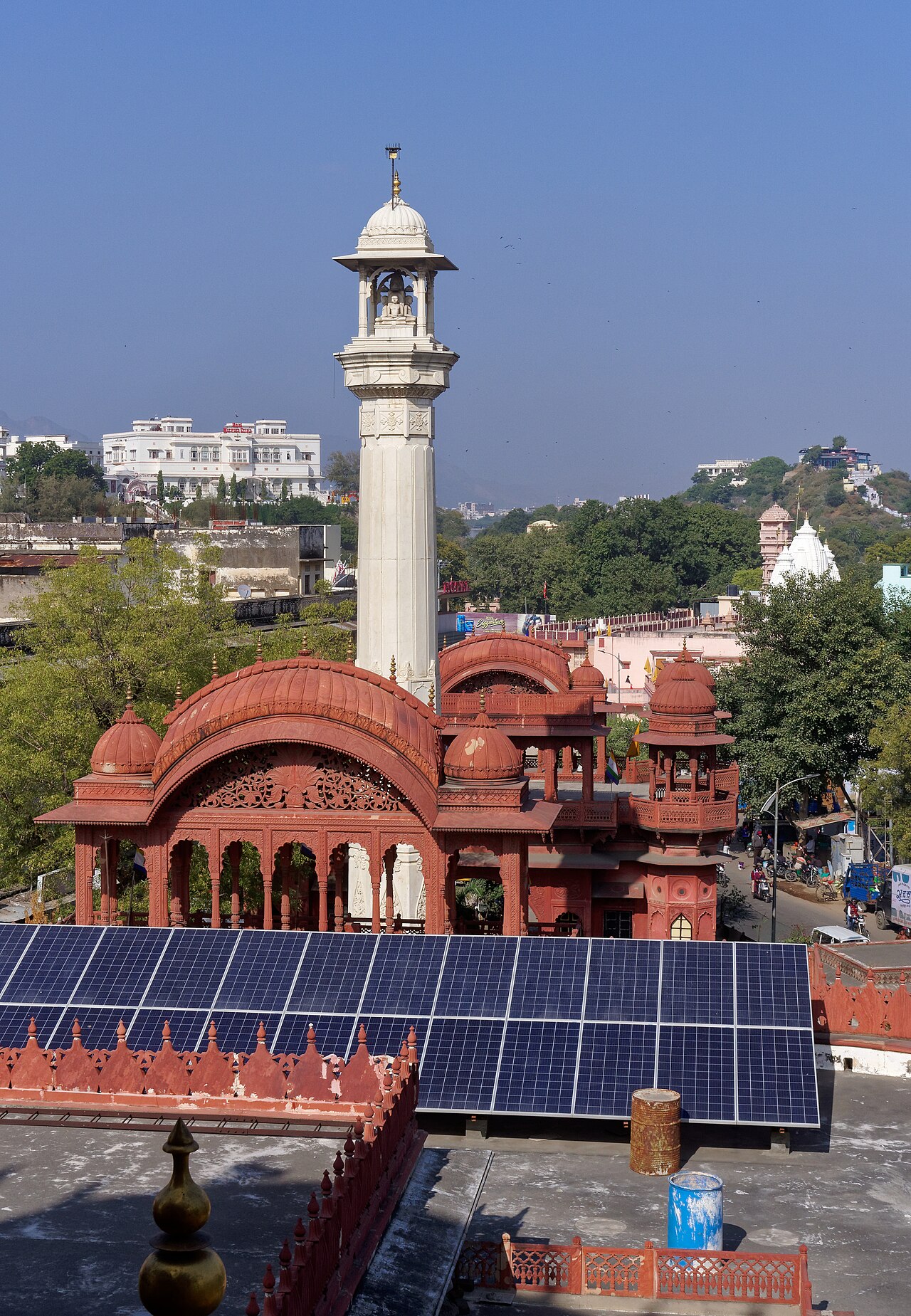
Popularly called Soniji Ki Nasiyan or the Red Temple, this Digambara Jain Temple on Prithviraj Marg in Ajmer pairs a red sandstone sanctuary, crowned by an eighty two foot marble pillar, with a golden upper hall whose gilded tableaux retell the life of Lord Rishabhdev, the first tirthankara.
 Jainism
Akkana Basadi
Shravanabelagola · India · temple
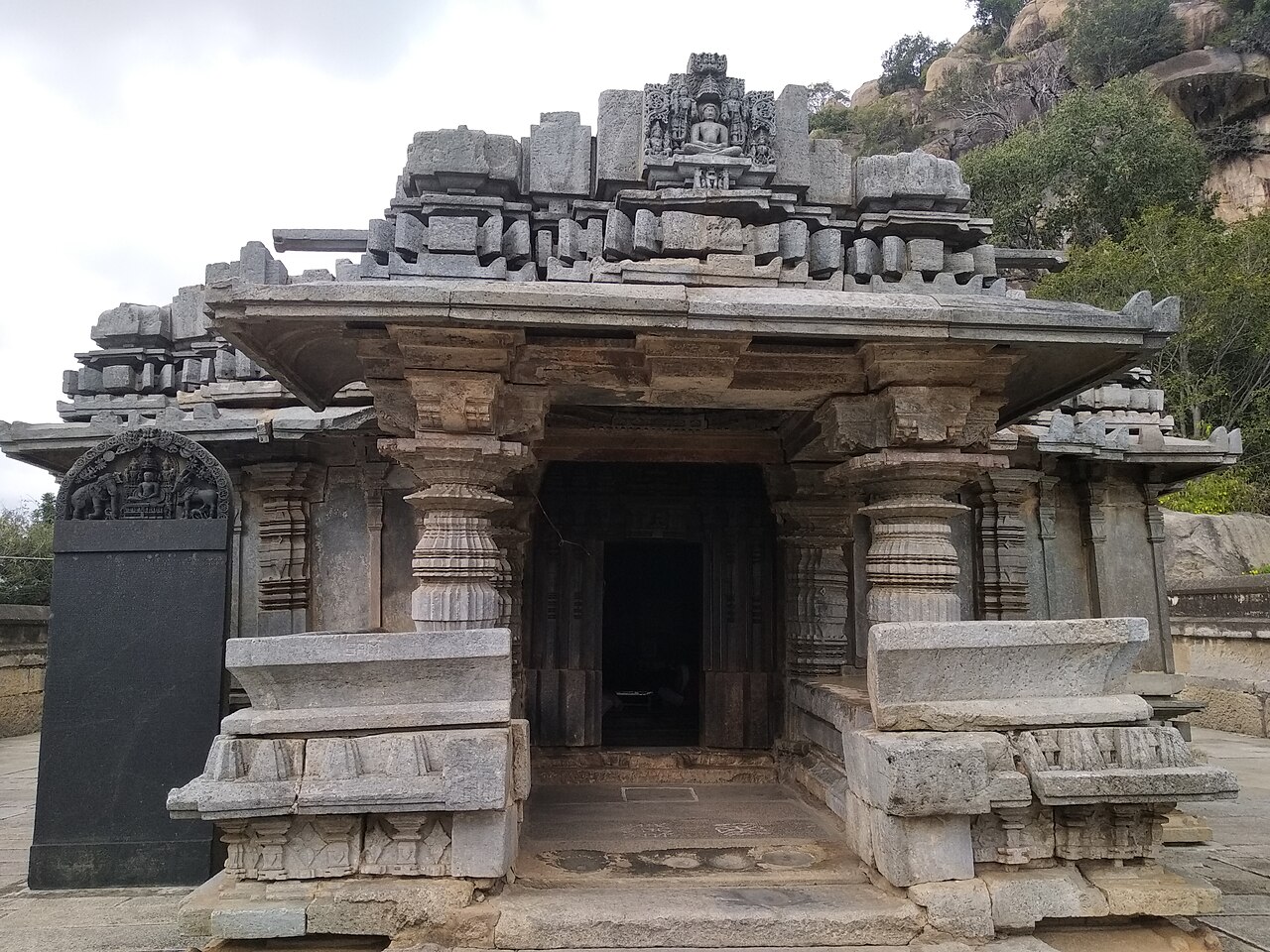
Consecrated in 1181 CE on Chandragiri hill at Shravanabelagola, Karnataka, Akkana Basadi is a Hoysala-era Jain basadi raised by the devout laywoman Achiyakka in honour of Tirthankara Parshvanatha, its deliberately plain stone walls and lathe-turned pillars a quiet expression of Jain austerity.
 Jainism
Bawangaja
Bawangaja · India · temple
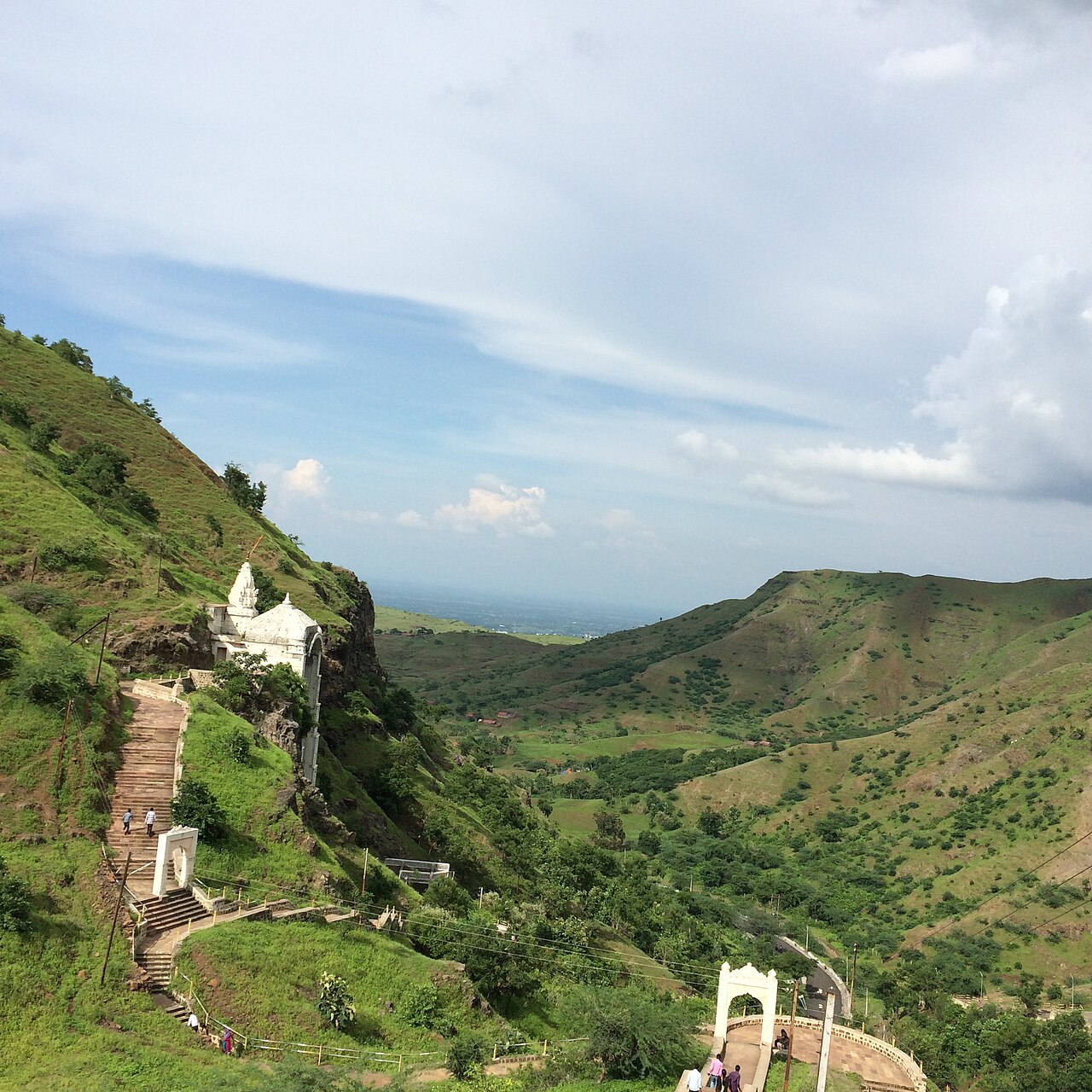
A Digambara Jain tirtha in the Satpura hills of Barwani district, Madhya Pradesh, where an 84-foot monolithic image of Lord Rishabhanatha (Adinatha), the first Tirthankara, stands carved directly from the mountain.