Marichi Temple
About
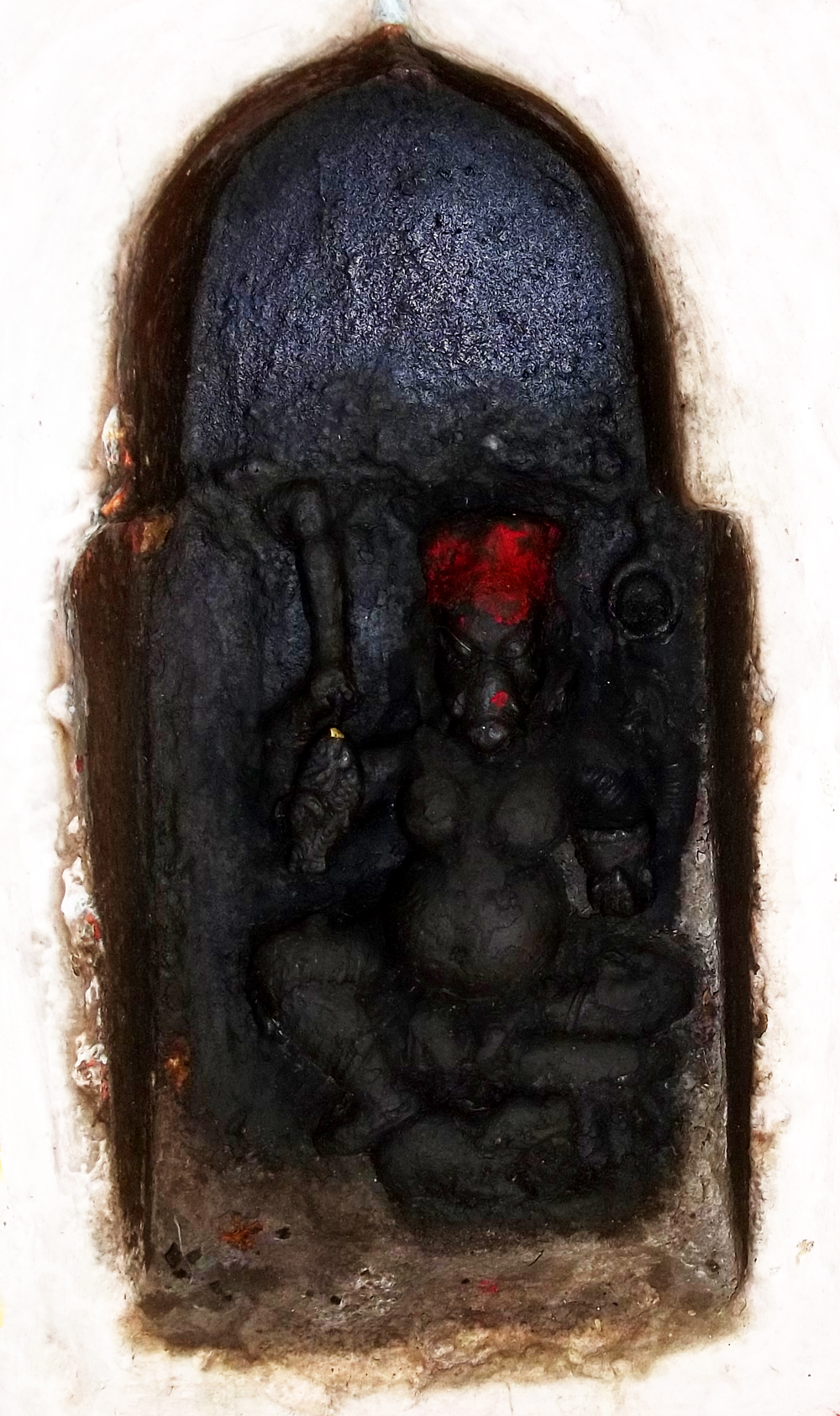
Nestled approximately nine kilometres north of Sajanagada along the road connecting Nilagiri to Mayurbhanj, the Marichi Temple stands as a quietly remarkable meeting point of traditions in Baleswar district, Odisha. Built in the pidha vimana architectural style characteristic of Odishan temple-craft, the structure is a newer construction, yet it serves as the custodian of a remarkable collection of images whose roots reach back roughly a thousand years.
Within the garbhagriha, the sanctum sanctorum, three icons from the late eleventh century hold court. The principal object of daily veneration is identified as Goddess Durga, and immediately beside her stands the Mahayana Buddhist goddess Marici, for whom the Temple takes its name, attended on either side by two companion goddesses. Elsewhere in the complex, devotees encounter a four-armed form of Goddess Varahi, a beautifully rendered figure of the Buddha in the bhumisparśa mudrā (the earth-touching gesture of his enlightenment), a Jain tīrthaṅkara or liberated spiritual teacher, and the bodhisattva Avalokiteśvara, compassion embodied in Buddhist iconography.
Scholars attribute the commissioning of these stone images to the Somavamsi Keshari dynasty, rulers who presided over a cultural milieu in which Hindu Śāktism, Jainism, and Vajrayāna Buddhism coexisted and conversed. The Temple's calendar is marked most vividly by Durga Puja, a festival celebrated with particular fervour here, drawing worshippers who venerate the divine feminine in her many forms across these intertwined traditions.
History
The sculptural programme of the Marichi Temple is believed to date from the late eleventh century, a period when the Somavamsi Keshari dynasty held sway over this region of Odisha. Under their patronage, artisans rendered images that drew from at least three distinct religious currents, Hindu tantra, Jainism, and Mahayana Buddhism, suggesting a court culture open to multiple contemplative lineages. The present Temple structure itself is a modern pidha vimana building erected to house and honour this older inheritance, ensuring these centuries-old icons remain within an active devotional context rather than simply a museum setting.
Significance
The Marichi Temple holds an uncommon position among sacred sites: it is simultaneously a living Hindu shrine, where daily worship is offered to Goddess Durga and tantric imagery is venerated, and a repository of Buddhist and Jain devotional art of genuine antiquity. The presence of the Mahayana goddess Marici alongside Avalokiteśvara and a Jain tīrthaṅkara beside Hindu forms of the divine speaks to the religious pluralism that flourished in mediaeval Odisha. For devotees of any of these traditions, and for scholars of South Asian religious history, the Temple offers a rare window into a moment when boundaries between traditions were more porous and the sacred was experienced as richly, multiply inhabited.
Visiting
Engage with Marichi Temple
Through the four pathways
Seva सेवा — Service
Offer your time and skills here. The following opportunities are open at Marichi Temple:
No Seva offerings listed yet.
Sādhana साधना — Practice
Learn the worship and practice associated with Marichi Temple:
No Sādhana offerings listed yet.
Sandhāna सन्धान — Wisdom
Unite with the wisdom of this tradition:
No Sandhāna offerings listed yet.
Sādhya साध्य — Giving
Support this sacred place according to your means:
No Sādhya offerings listed yet.
All giving flows directly to Marichi Temple. Adisthan does not take a commission.
Gallery
Related sacred places
 Buddhism
Angkor Wat
Siem Reap · Cambodia · temple
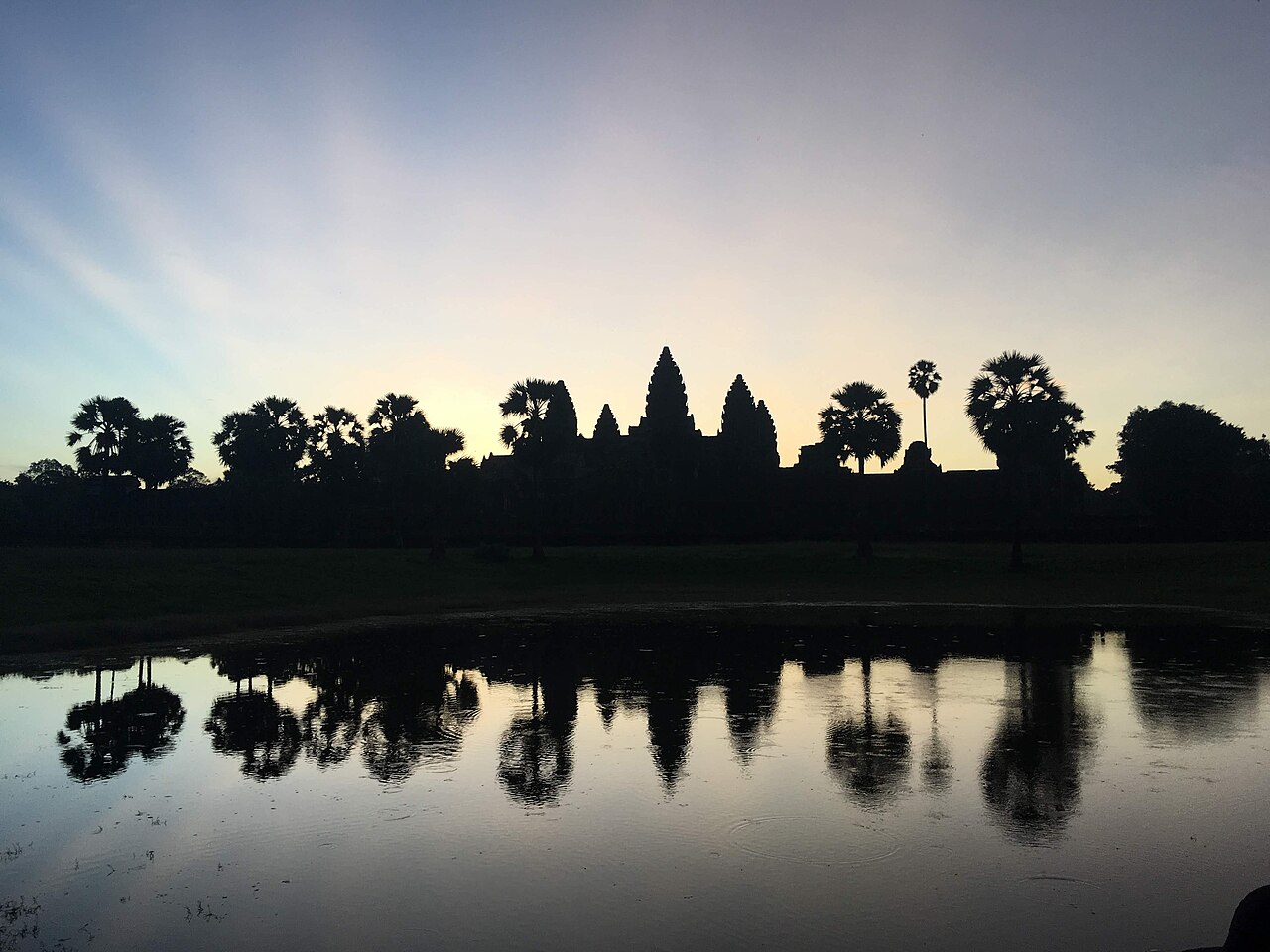
The largest religious monument on earth, built for Lord Vishnu by Suryavarman II in the 12th century and in continuous worship ever since: a living Theravada Buddhist Temple whose five towers stand on the Cambodian flag.
 Buddhism
Bangka Lungshan Temple
Taipei (Wanhua) · Taiwan · temple
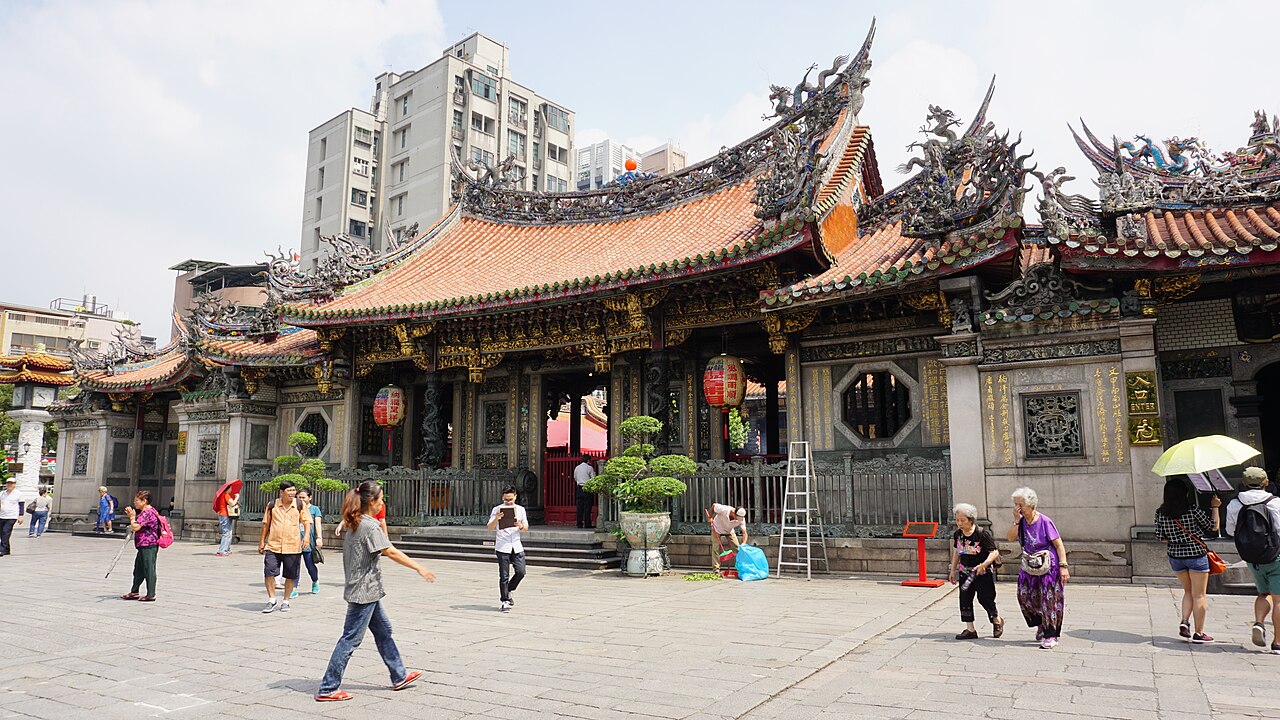
Taipei's mother Temple to Guanshiyin, founded by Fujian settlers in 1738 in the old Bangka quarter: a front hall to the bodhisattva of compassion and a rear hall of more than a hundred Taoist and folk gods, whose Guanyin statue survived the 1945 bombing intact.
 Buddhism
Bengal Buddhist Association
Kolkata · India · monastery
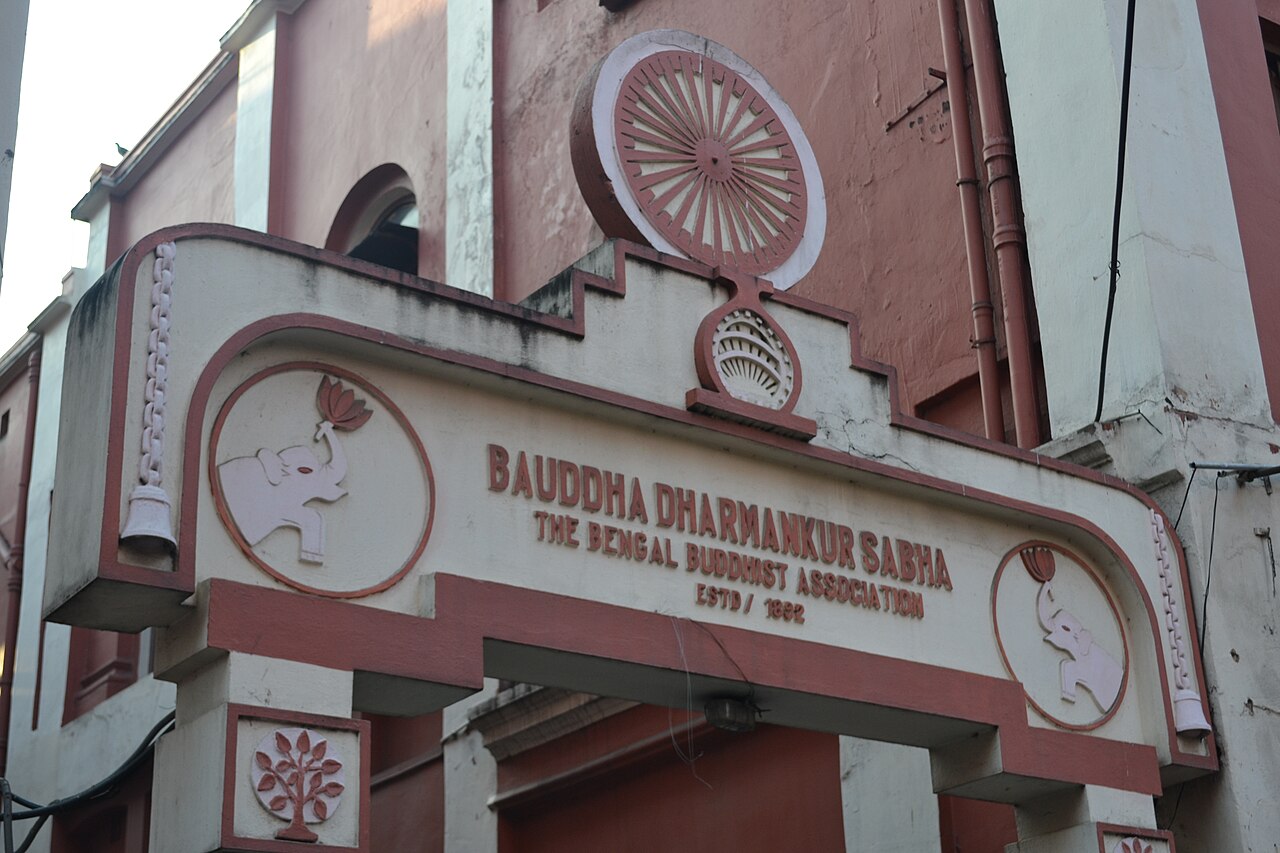
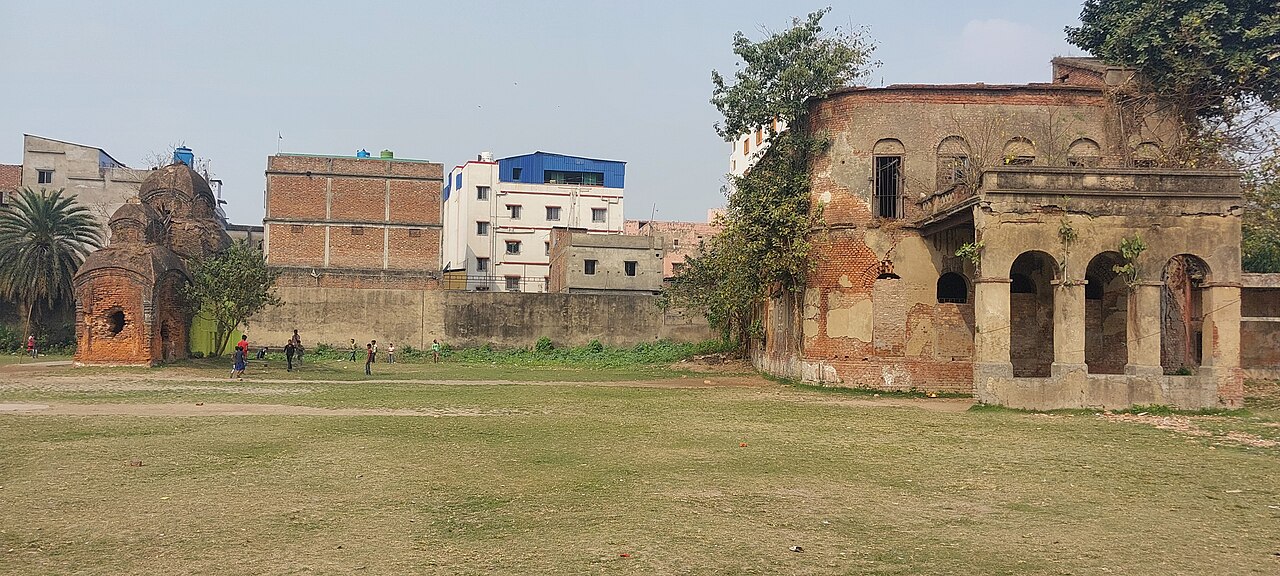
Founded in Kolkata in 1892 by Kripasaran Mahasthavir, the Bengal Buddhist Association, known in Bengali as Bauddha Dharmankur Sabha, raised the Dharmankur Vihara at Bow Barracks in 1903 and has worked for over a century to revive the Dharma in eastern India.
 Buddhism
Bhot Bagan Math
Ghusuri · India · monastery
A brick monastery on the Hooghly riverside at Ghusuri, Howrah, founded in 1776 as the first Tibetan Buddhist religious foundation on the plains of India and still known popularly as Mahakal Math for the Tibetan deity images once installed in its sanctum.
 Buddhism
Borobudur
Magelang · Indonesia · temple
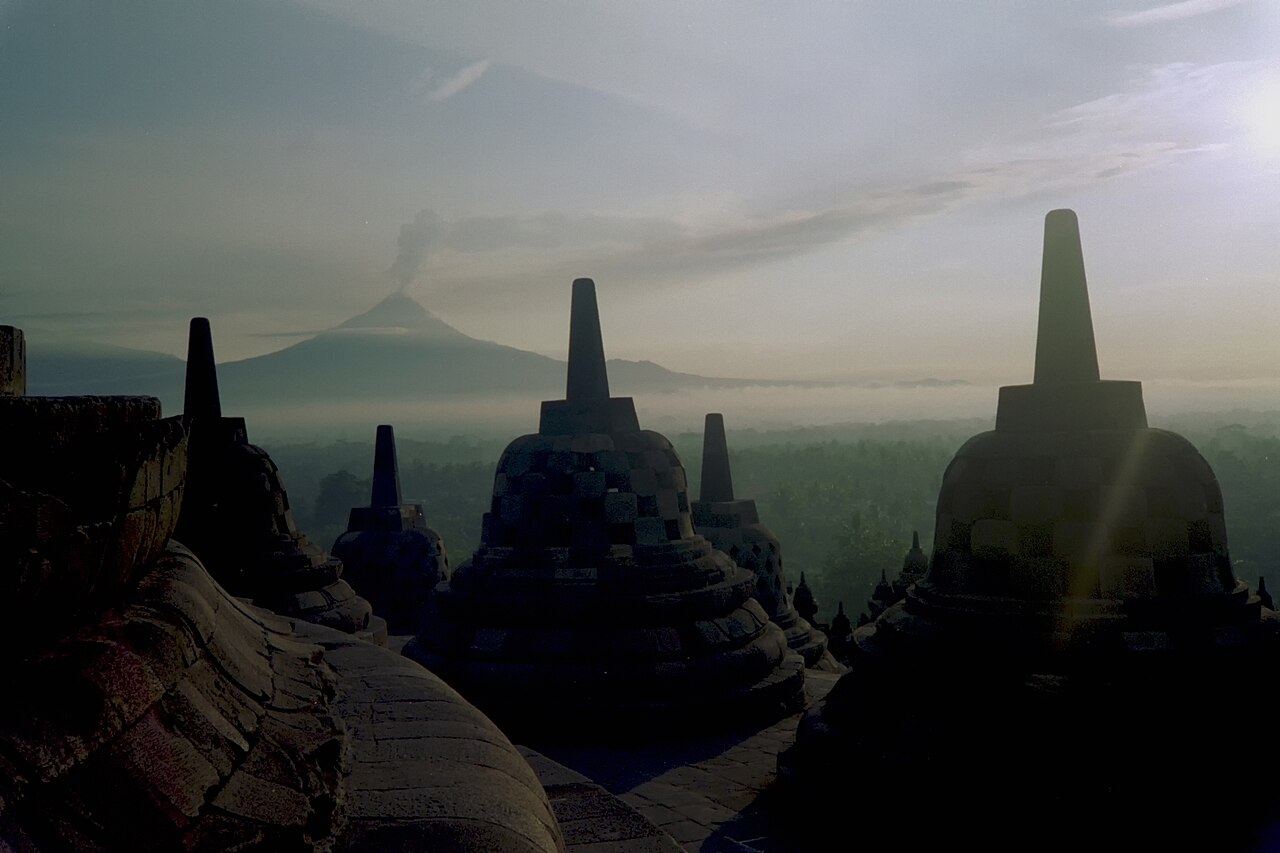
The world's largest Buddhist Temple: a ninth-century mandala in stone on Java's Kedu Plain, nine terraces rising through the three realms to 72 latticed stupas, each sheltering a seated Buddha.
 Buddhism
Boudhanath Stupa
Kathmandu · Nepal · stupa
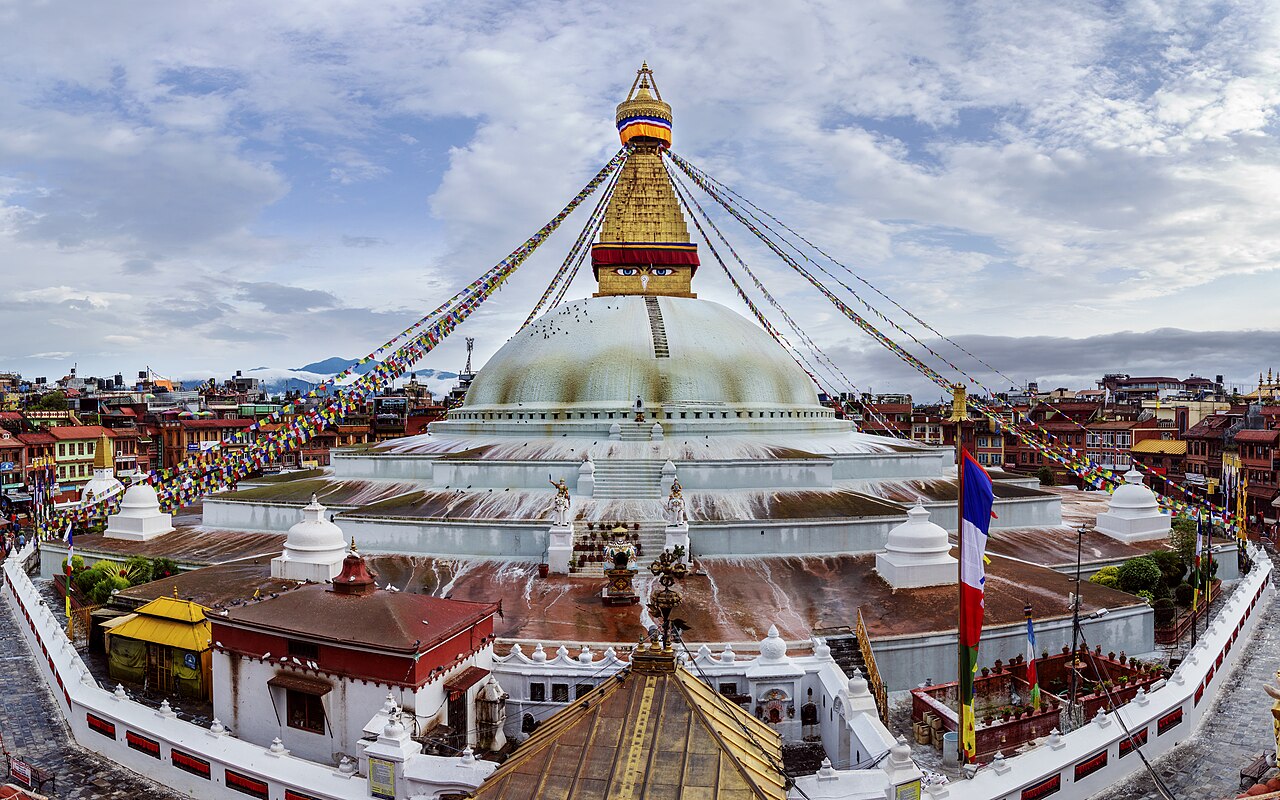
The largest spherical stupa in Nepal, its all-seeing Buddha eyes watching over the kora walked daily by the Tibetan Buddhist community of Boudha, the heart of Vajrayana practice in the Kathmandu Valley.