
Menüçehr Mosque
Menucihr Mosque · Manuchihr Mosque · Ebu'l Menüçehr Camii
About
The Menucihr Mosque, sometimes written Manucehr Mosque, stands within the remains of Ani, the once-great medieval capital that now lies in eastern Turkey close to the Armenian frontier. The mosque was raised between 1072 and 1086 by Manuchihr ibn Shavur of the Kurdish Shaddadid dynasty, which governed the city after its passing from Byzantine and Armenian rule.
For centuries the mosque has held its place among the ruins of Ani as one of the earliest surviving examples of Islamic religious architecture in Anatolia. Its survival amid the wider archaeological landscape of the city continues to draw scholars and visitors who seek out the layered history of a place where Christian, Islamic, and Zoroastrian traditions once met.
A restoration of the mosque was begun in June 2020, opening a new chapter in the care of the building and the conservation of the wider city of Ani as a UNESCO-recognised heritage site.
History
The Seljuks took Ani in 1064 under Sultan Alp Arslan, and within a generation Şeddadoğlu Ebu'l Menüçehr raised this mosque, generally dated between 1072 and 1086, on the order of Sultan Malik Shah I, building a deep three-aisled prayer hall with a domed bay before the mihrab and a minaret of square base and octagonal shaft at the northwest corner. The mosque stood through the city's long decline into ruin, its western inscription lost to time, until Turkey's Ministry of Culture and Tourism signed a restoration protocol with regional development authorities in June 2020. The restoration returned the mosque to worship for the first time in centuries, with prayer resuming there in 2021.
Significance
Ani's mosque, church and cathedral still stand within sight of one another on this UNESCO World Heritage site, a landscape where Christian, Islamic and Zoroastrian traditions once met on the frontier between Anatolia and the Caucasus. Registered as a protected immovable cultural property, the Menüçehr Mosque is honoured as the oldest surviving mosque built by Turks in Anatolia, and its restoration to worship allows the call to prayer to sound again over the Aras gorge.
Architecture
Seljuk mosque architecture: deep three-aisled hypostyle hall, domed bay before the mihrab, geometric brick-vaulted ceilings, octagonal-shaft minaret on a square base
Visiting
Hours
Hours not listed.
Contact
No contact details listed yet.
Engage with Menüçehr Mosque
Through the four pathways
Seva सेवा — Service
Offer your time and skills here. The following opportunities are open at Menüçehr Mosque:
No Seva offerings listed yet.
Sādhana साधना — Practice
Learn the worship and practice associated with Menüçehr Mosque:
No Sādhana offerings listed yet.
Sandhāna सन्धान — Wisdom
Unite with the wisdom of this tradition:
No Sandhāna offerings listed yet.
Sādhya साध्य — Giving
Support this sacred place according to your means:
No Sādhya offerings listed yet.
All giving flows directly to Menüçehr Mosque. Adisthan does not take a commission.
Gallery
Related sacred places
 Islam
IslamAbu'l-Fida Mosque
Hama · Syria · mosque
A fourteenth-century Ayyubid mausoleum and Mamluk-era congregational mosque on the banks of the Orontes in Hama, Syria, known locally as the Mosque of the Serpents for the carved pillars at its windows.
 Islam
IslamAdhai Din Ka Jhonpra
Ajmer · India · mosque
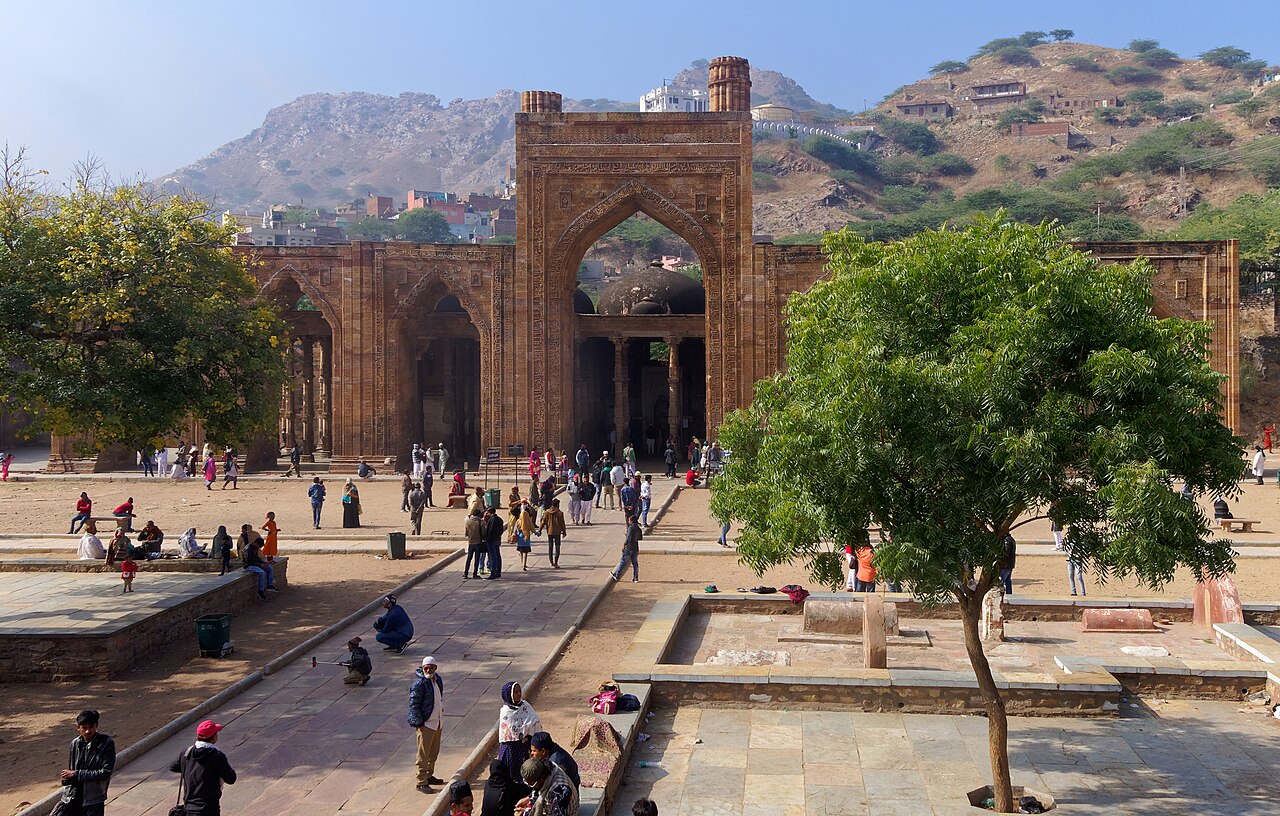
The oldest surviving monument in Ajmer and among the earliest Indo-Islamic mosques in India, its 1199 CE prayer hall and Iltutmish's 1213 CE arched screen rise on 344 pillars carved by Hindu and Jain craftsmen from earlier Temples.
 Islam
IslamAdina Mosque
Pandua · India · mosque
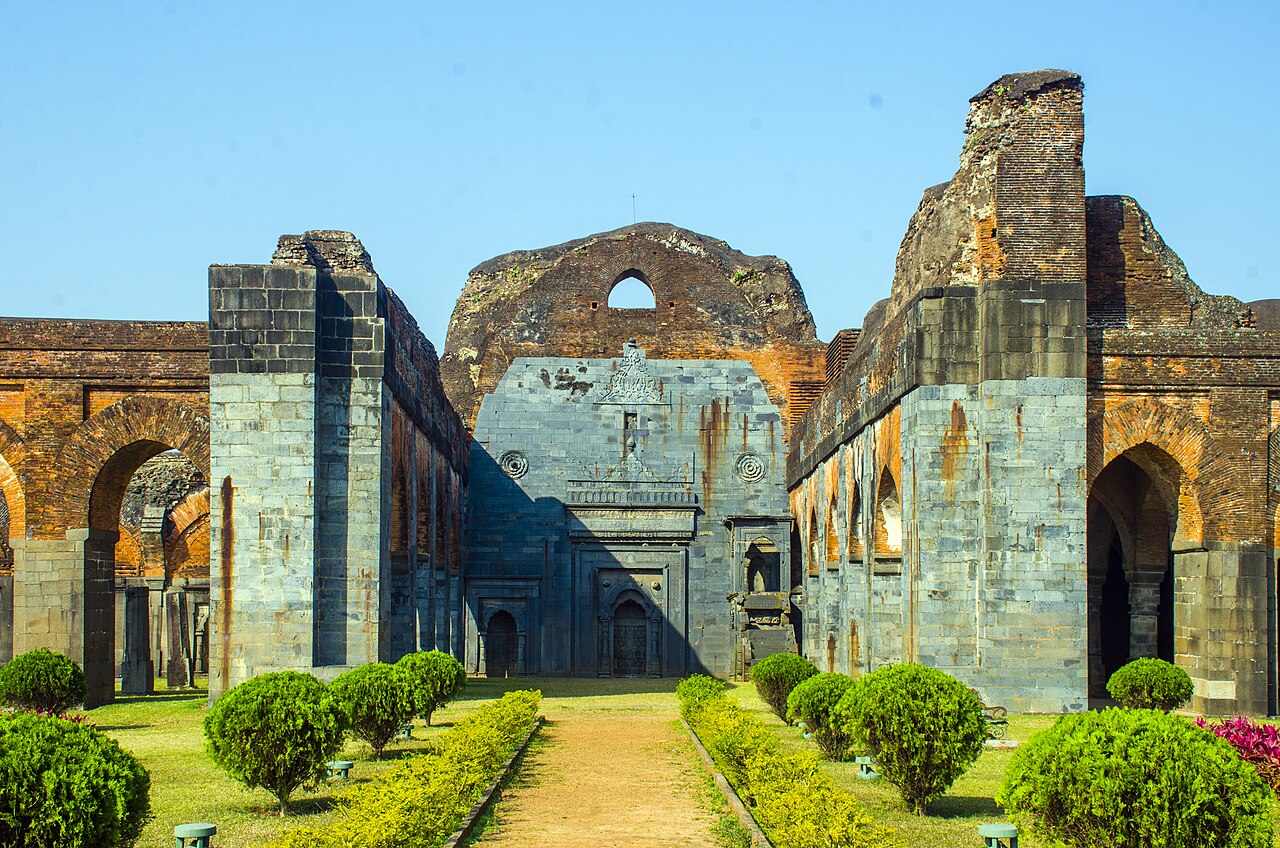
Once the largest mosque on the Indian subcontinent, the Adina Mosque at Pandua in West Bengal was raised by Sultan Sikandar Shah between 1373 and 1375 as the congregational mosque of the Bengal Sultanate, and holds his tomb within its western wall.
 Islam
IslamAjmer Sharif Dargah
Ajmer · India · dargah
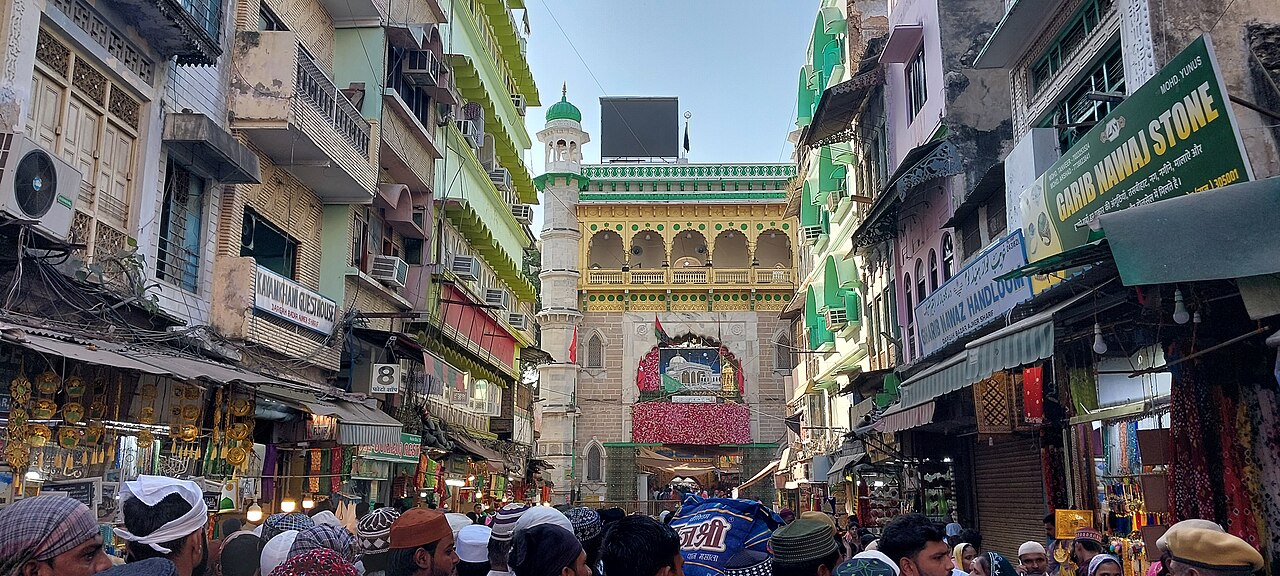
The tomb of Hazrat Khwaja Moinuddin Chishti, Gharib Nawaz, the benefactor of the poor, and the principal Sufi dargah of South Asia, where pilgrims of every community have offered chadars and shared the sweet rice of the great deghs for eight centuries.
Akbarabadi Mosque
Delhi · India · mosque
A mosque raised in 1650 by Akbarabadi Begum, a wife of the Mughal emperor Shah Jahan, in the walled city of Shahjahanabad, demolished by British forces in the aftermath of the 1857 Uprising and today marked only by disputed, unexcavated remains beneath Netaji Subhash Park in Old Delhi.
 Islam
IslamAlamgir Mosque
Varanasi · India · mosque
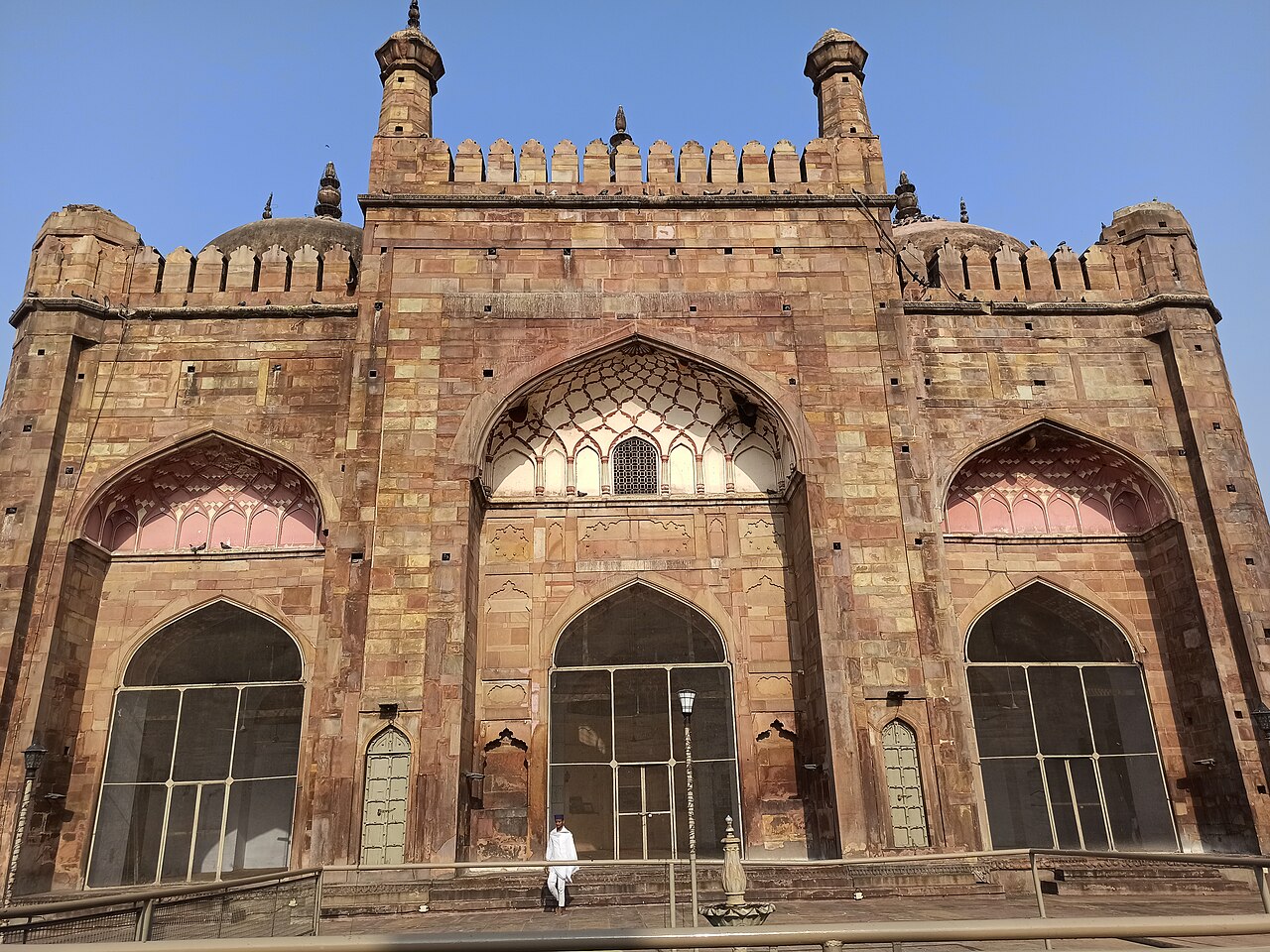
Raised in 1669 by the Mughal emperor Aurangzeb on the high bank above Panchganga Ghat in Varanasi, the Alamgir Mosque stands where wide stone steps meet the Ganges, its domes and surviving corner turret rising over a site earlier accounts describe as the Hindu Temple of Bindu Madhava.