
Meoto Iwa
Married Couple Rocks · Wedded Rocks · 夫婦岩
About
Meoto Iwa, the Married Couple Rocks, are a religiously significant rock formation in Shinto belief, a particular form of the older Iwakura tradition in which large stones are honoured as the seats of kami. The most renowned pair stands offshore from Futami-ga-ura in Ise, Mie Prefecture, where two stacks rise from the sea before the Futami Okitama Shrine.
In the teaching held here, the rocks embody the union of the creator kami Izanagi and Izanami, and so celebrate the marriage of man and woman, the harmony of household life, and the continuity of family generations. The larger of the two, regarded as male, bears a small torii at its summit. The pair is joined by a great shimenawa woven of rice straw, five strands of forty kilograms each, replaced several times each year in a special rite.
Futami Okitama Shrine itself is dedicated to Sarutahiko Okami and the imperial food goddess Ukanomitama, and its grounds are populated by countless statues of frogs. The site lies near the Grand Shrine of Ise, the most sacred place of purification in Shinto. At dawn in midsummer the sun appears to rise between the two rocks, while Mount Fuji shows on the far horizon.
From Edo-period ukiyo-e woodblocks to the present day, Meoto Iwa has stood as a symbol of marital bliss, safe passage at sea, and the bountiful catch, embodying the wider Shinto concept of duality in which Utsushi-yo and Tokoyo are held together as one.
History
Futami Okitama Shrine, whose grounds face the two rocks, traces its founding to the reign of Emperor Yuryaku in the fifth century and was reorganised in its present form in 1876 following the Meiji separation of Shinto and Buddhism. For some seven hundred years the shimenawa binding the rocks has been rewoven by hand, a rope some thirty-five metres long, replaced three times each year by priests and parishioners working with the tides.
Significance
Within the old Iwakura tradition that reveres great stones as the seats of kami, Meoto Iwa stands as a living witness that the divine dwells in the natural world, and the torii atop the larger rock marks the pair as a threshold between the human and the sacred. Near the summer solstice the sun is said to rise directly between the two rocks at dawn, and the shrine marks the day with the Geshisai, its summer solstice festival.
Architecture
Natural rock formation (Iwakura); no built structure beyond the sacred shimenawa rope and a small torii atop the larger rock
Visiting
Daily worship
| Shrine office hours | 09:00 to 16:00 |
Hours
Hours not listed.
Engage with Meoto Iwa
Through the four pathways
Seva सेवा — Service
Offer your time and skills here. The following opportunities are open at Meoto Iwa:
No Seva offerings listed yet.
Sādhana साधना — Practice
Learn the worship and practice associated with Meoto Iwa:
No Sādhana offerings listed yet.
Sandhāna सन्धान — Wisdom
Unite with the wisdom of this tradition:
No Sandhāna offerings listed yet.
Sādhya साध्य — Giving
Support this sacred place according to your means:
No Sādhya offerings listed yet.
All giving flows directly to Meoto Iwa. Adisthan does not take a commission.
Festivals & Events
- Sept
Oshimenawa-hari Shinji (Sacred Rope Renewal)
5 September 2026 · annual
Priests and parishioners haul a new shimenawa across the two rocks by hand, a thirty-five metre rope of twisted rice straw, in a rite recorded for some seven hundred years and repeated three times every year.
- Jun
Geshisai (Summer Solstice Festival)
21 June 2027 · annual
Held before dawn as the solstice sun rises to appear directly between the two rocks, this festival marks the height of summer at the shrine that faces Meoto Iwa.
Gallery
Related sacred places
 Shinto
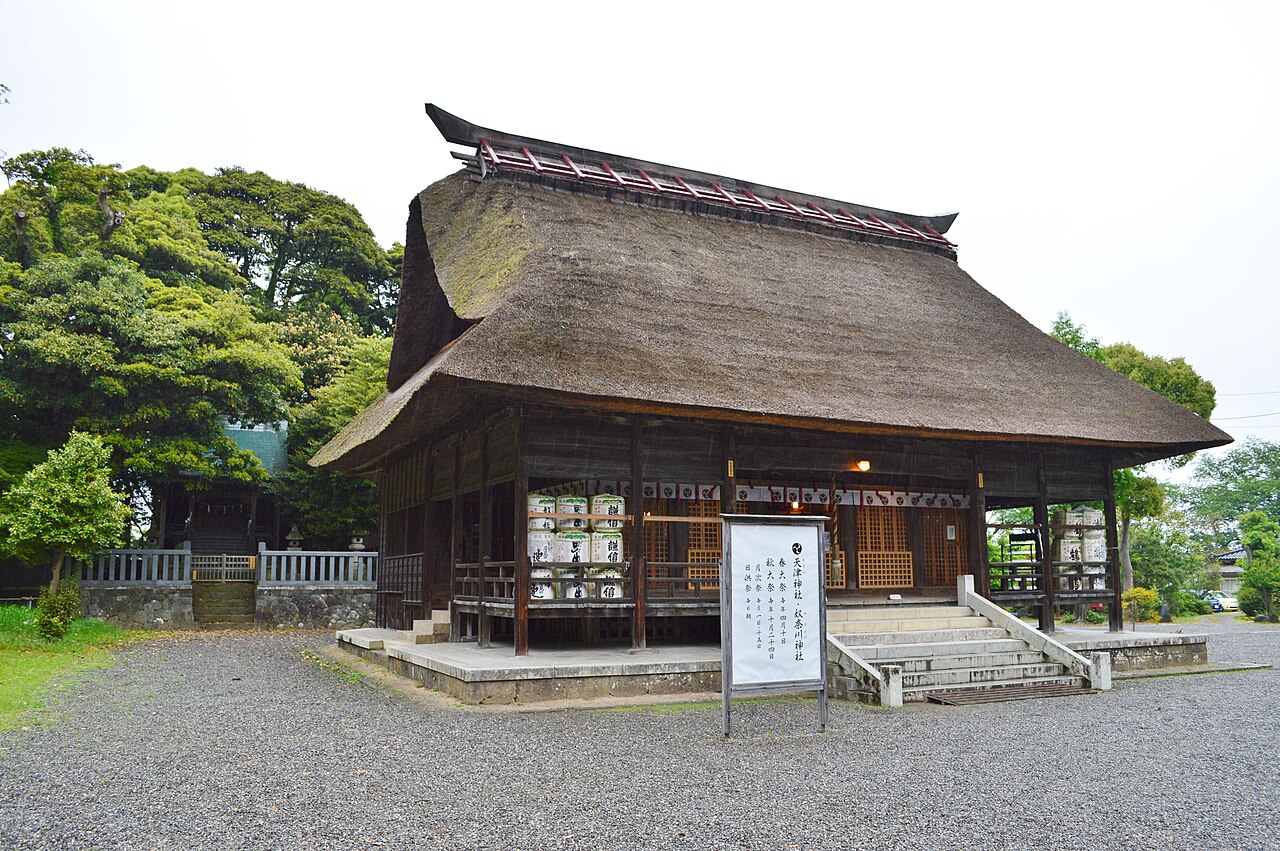
Amatsu Shrine
Itoigawa · Japan · shrine
A venerable jinja in the Ichinomiya quarter of Itoigawa on Japan's Sea of Japan coast, one of three shrines that each claim to have been the ichinomiya, the foremost shrine, of the old province of Echigo.
 Shinto
Fujisaki Hachimangū
Kumamoto · Japan · shrine
Fujisaki Hachimangū is a Shinto shrine in the heart of Kumamoto's Chūō ward, enshrining Hachiman as Emperor Ōjin together with Empress Jingū and the Sumiyoshi Sanjin, and revered for over a thousand years as guardian kami of the Higo region.
 Shinto
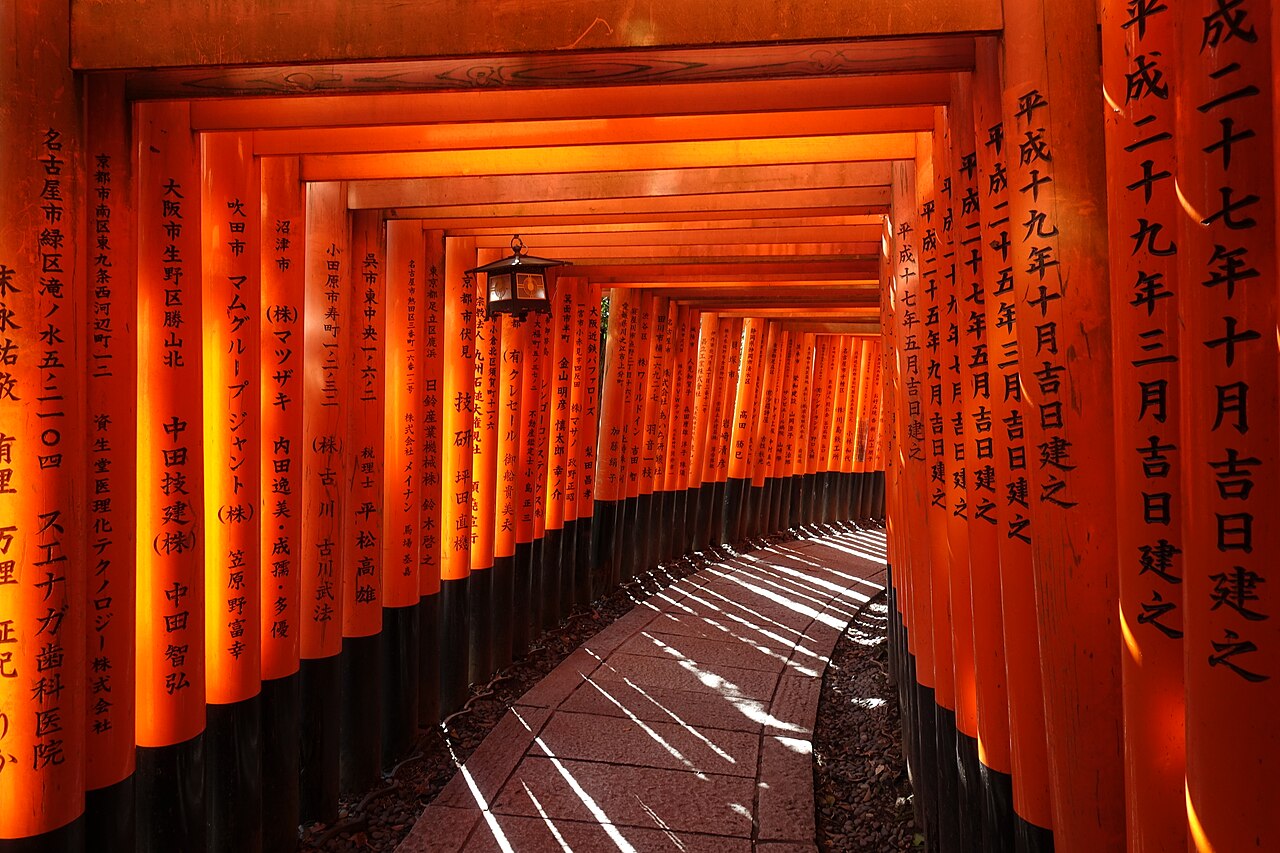
Fushimi Inari Taisha
Kyoto · Japan · shrine
The head shrine of Japan's roughly 30,000 Inari shrines, where some 10,000 vermilion torii climb sacred Mount Inari and white fox messengers watch every path.
 Shinto
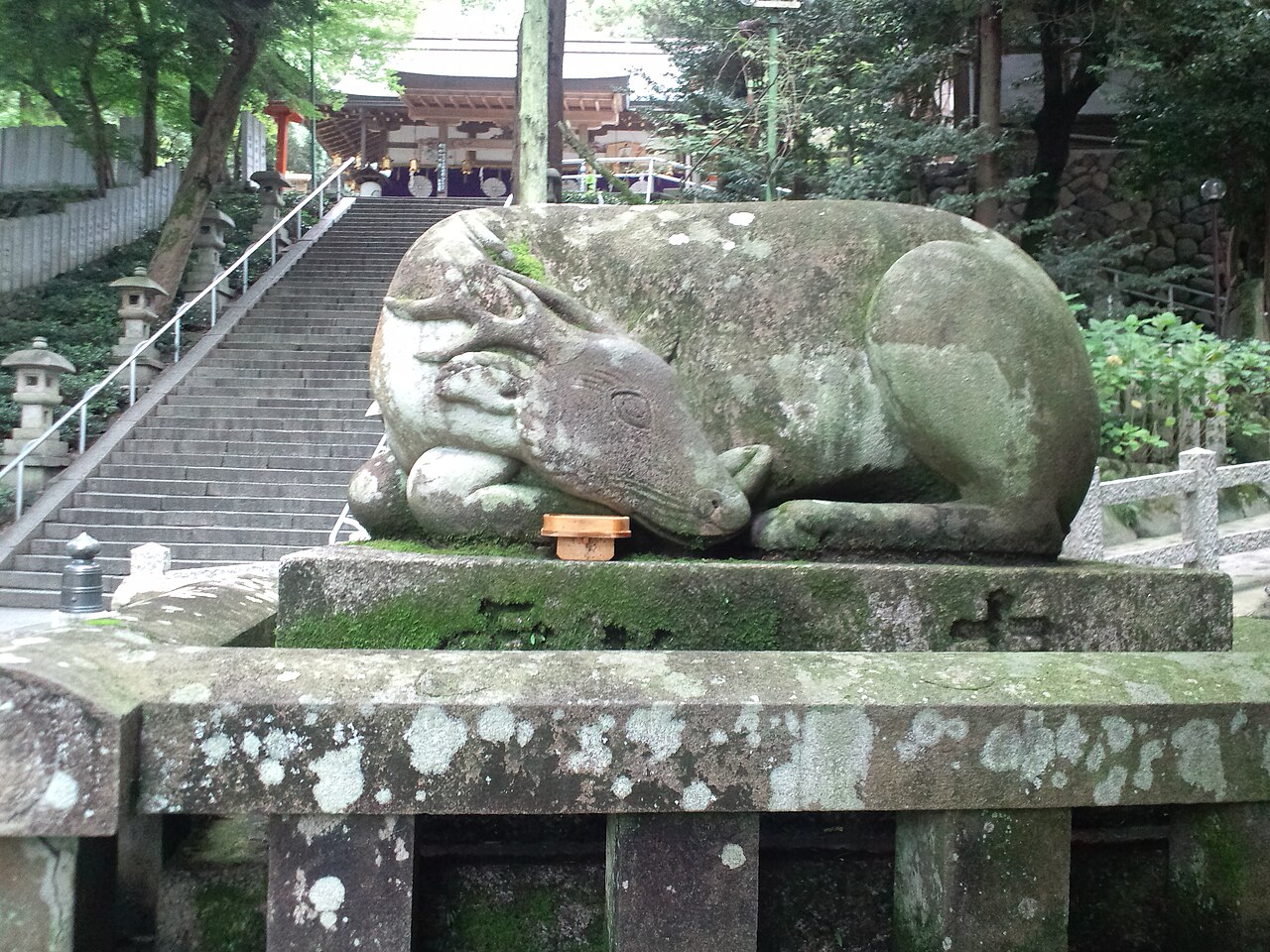
Hiraoka Shrine
Higashiosaka · Japan · shrine
The Ichinomiya, or foremost shrine, of the old province of Kawachi, set on the wooded western slope of the Ikoma range, where the ancestral kami of the Fujiwara clan were worshipped centuries before two of them were carried east to found Nara's Kasuga Taisha.
 Shinto
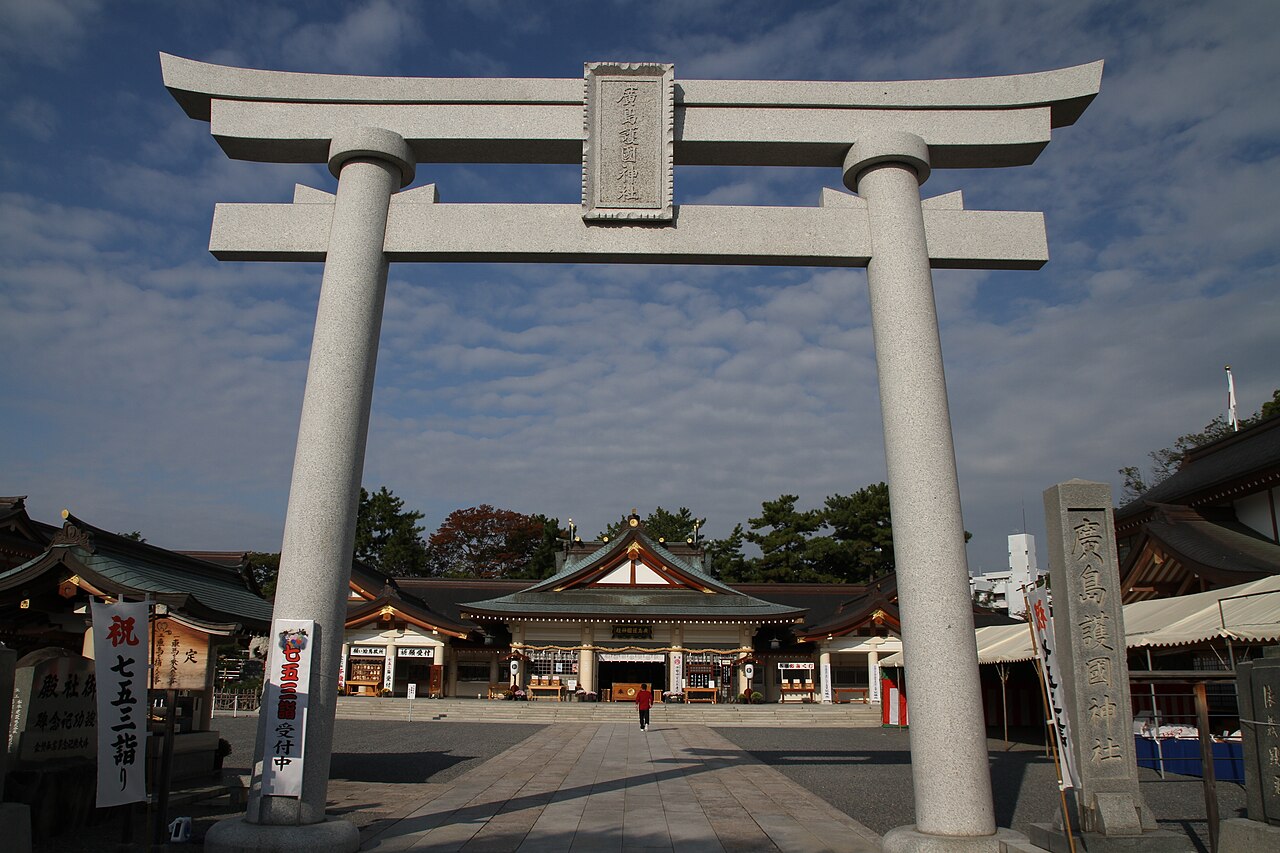
Hiroshima Gokoku Shrine
Hiroshima · Japan · shrine
A Shinto shrine within the grounds of Hiroshima Castle honouring the war dead of Hiroshima, destroyed in the atomic bombing of 1945 and rebuilt by the city's own citizens in the years that followed.
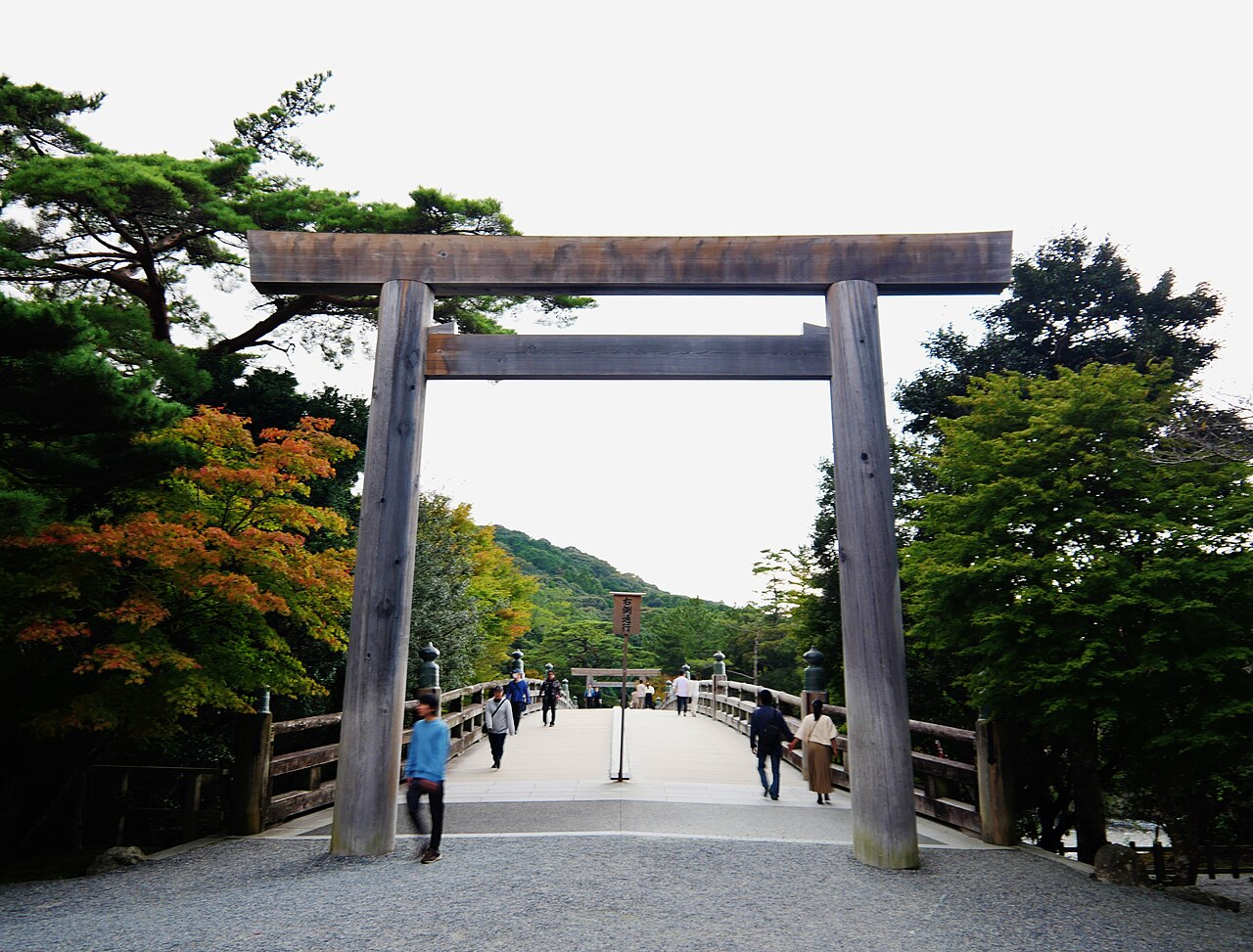 Shinto
Ise Jingu (Ise Grand Shrine)
Ise · Japan · shrine
The most venerable sanctuary of Shinto: 125 shrines in the forests of Ise, where Amaterasu-Omikami dwells at the Naiku and Toyouke-Omikami at the Geku, and the whole sanctuary is rebuilt anew every twenty years.