Mesih Mehmed Pasha Mosque
Mesih Mehmed Paşa Camii · Mesih Ali Pasha Camii
About
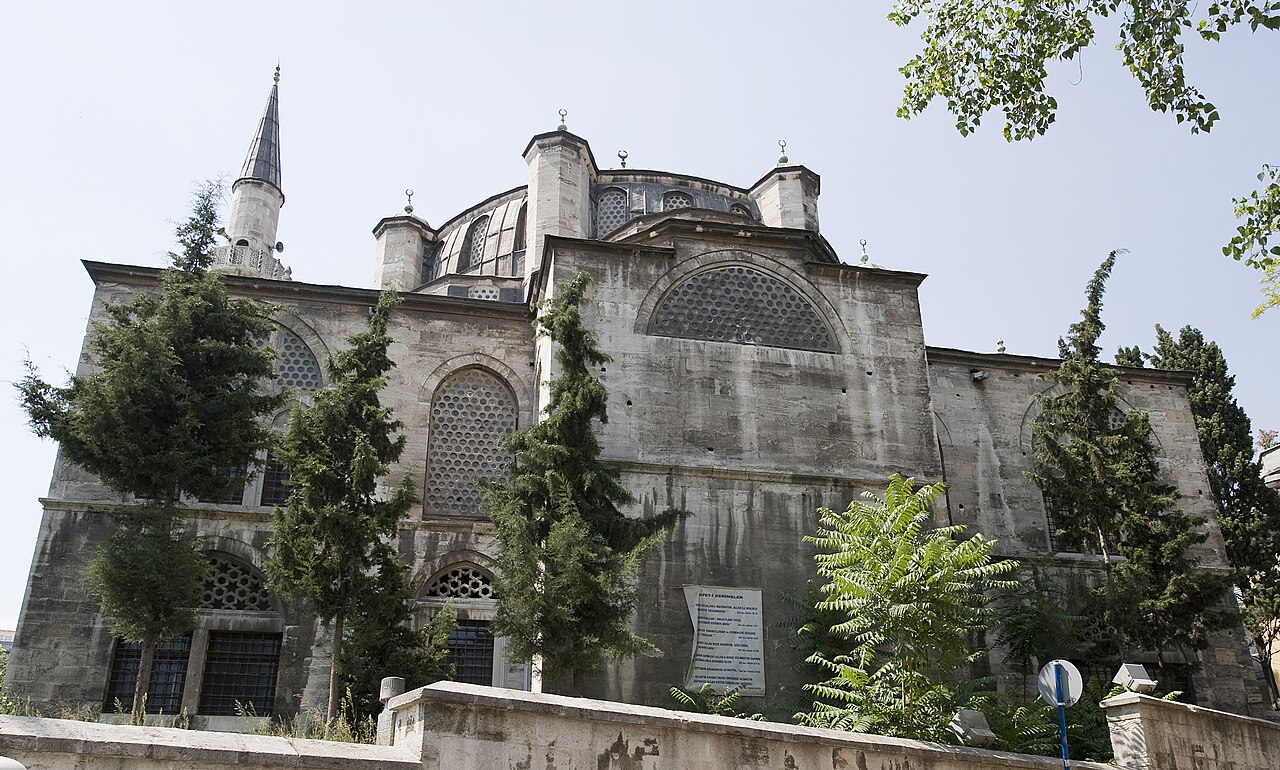
The Mesih Mehmed Pasha Mosque, in Turkish the Mesih Mehmed Pasa Camii, stands in the historic Fatih district of Istanbul. It was commissioned in 1584 by the eunuch statesman Mesih Mehmed Pasha while he served as third vizier under Sultan Murad III, and was completed in AH 994, the year 1585-86. The foundation inscription on the building and a second on the triple ablution fountain at the perimeter wall both carry that date.
The mosque is traditionally counted among the works of Mimar Sinan, though his involvement remains a question for scholars: Sinan was on pilgrimage to Mecca in 1584, during which time the royal architect Mehmed Subasi acted in his place. Sinan included the mosque in an early draft of his autobiography but omitted it from a later version.
Built on a sloping site, the mosque rests its western flank on a vaulted substructure of shops, the eastern side opening onto a forecourt arcaded on three sides with pillared galleries. The north facade carries a double portico of five arches, and the lead-covered main dome, 12.8 metres across, rises on a drum of twenty-four windows braced by eight turrets, with five half-domes forming the exedras.
At the centre of the forecourt, in place of the customary fountain, lies the grave of Mesih Pasha himself. He had obtained permission to be buried beside his foundation in 1587 and died in 1589, his tomb completing the ensemble of the mosque he had endowed.
History
Mesih Mehmed Pasha, a former governor-general of Egypt who rose to grand vizier under Sultan Murad III, commissioned the mosque in 1584 and lived to see it completed within two years. The building is traditionally counted among the works of the imperial architect Mimar Sinan, though Sinan was on pilgrimage to Mecca during much of its construction and left its supervision to the royal architect Mehmed Subaşı. A stone plaque still set above the entrance records the foundation in Turkish as Mesih Ali Paşa Camii, a variant of the founder's name, with the construction date given as the Hijri year 994, corresponding to 1585 in the Gregorian calendar. Mesih Pasha secured permission to be buried in the forecourt of his own mosque, in place of the customary ablution fountain, and his grave has rested there since his death in 1589.
Significance
The mosque stands among the late foundations of the Sinan era, its dome of nearly thirteen metres carried on a drum of twenty four windows and braced by eight turrets built to answer the demands of a difficult, sloping urban plot. It remains a working Friday mosque in the heart of historic Fatih, still called to prayer over the same ground its founder chose for his own resting place.
Architecture
Ottoman imperial mosque architecture of the Sinan school; single dome plan with a vaulted shop substructure on a sloping site
Visiting
Hours
Hours not listed.
Contact
No contact details listed yet.
Engage with Mesih Mehmed Pasha Mosque
Through the four pathways
Seva सेवा — Service
Offer your time and skills here. The following opportunities are open at Mesih Mehmed Pasha Mosque:
No Seva offerings listed yet.
Sādhana साधना — Practice
Learn the worship and practice associated with Mesih Mehmed Pasha Mosque:
No Sādhana offerings listed yet.
Sandhāna सन्धान — Wisdom
Unite with the wisdom of this tradition:
No Sandhāna offerings listed yet.
Sādhya साध्य — Giving
Support this sacred place according to your means:
No Sādhya offerings listed yet.
All giving flows directly to Mesih Mehmed Pasha Mosque. Adisthan does not take a commission.
Gallery
Related sacred places
 Islam
IslamAbu'l-Fida Mosque
Hama · Syria · mosque
A fourteenth-century Ayyubid mausoleum and Mamluk-era congregational mosque on the banks of the Orontes in Hama, Syria, known locally as the Mosque of the Serpents for the carved pillars at its windows.
 Islam
IslamAdhai Din Ka Jhonpra
Ajmer · India · mosque
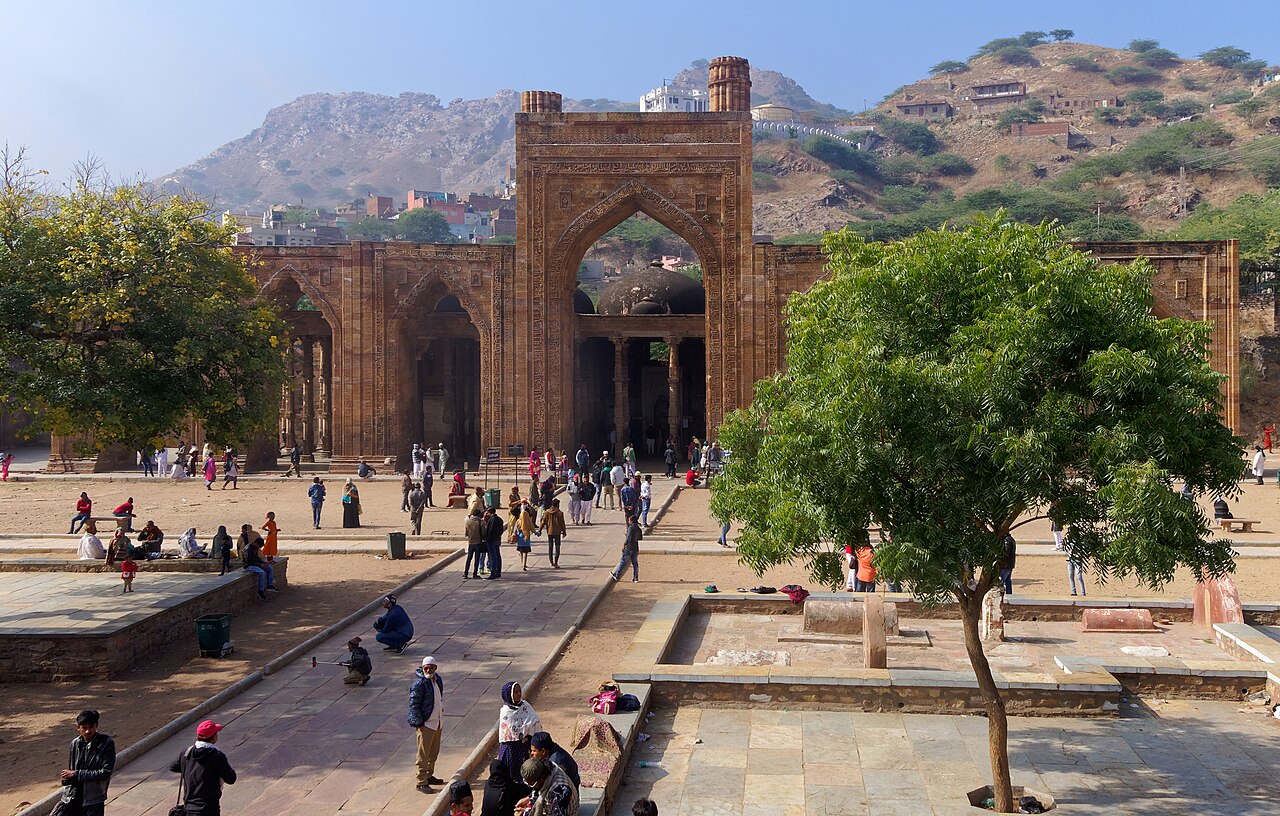
The oldest surviving monument in Ajmer and among the earliest Indo-Islamic mosques in India, its 1199 CE prayer hall and Iltutmish's 1213 CE arched screen rise on 344 pillars carved by Hindu and Jain craftsmen from earlier Temples.
 Islam
IslamAdina Mosque
Pandua · India · mosque
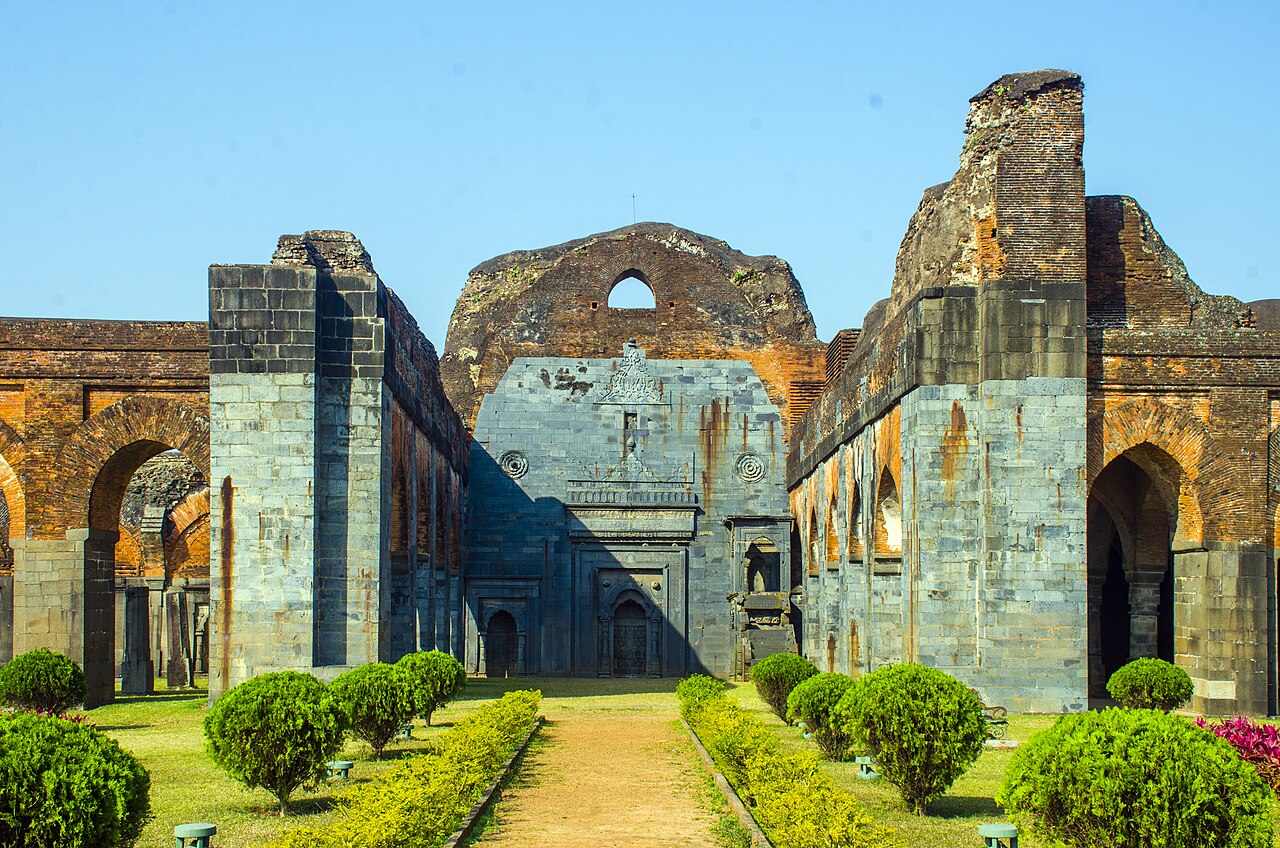
Once the largest mosque on the Indian subcontinent, the Adina Mosque at Pandua in West Bengal was raised by Sultan Sikandar Shah between 1373 and 1375 as the congregational mosque of the Bengal Sultanate, and holds his tomb within its western wall.
 Islam
IslamAjmer Sharif Dargah
Ajmer · India · dargah
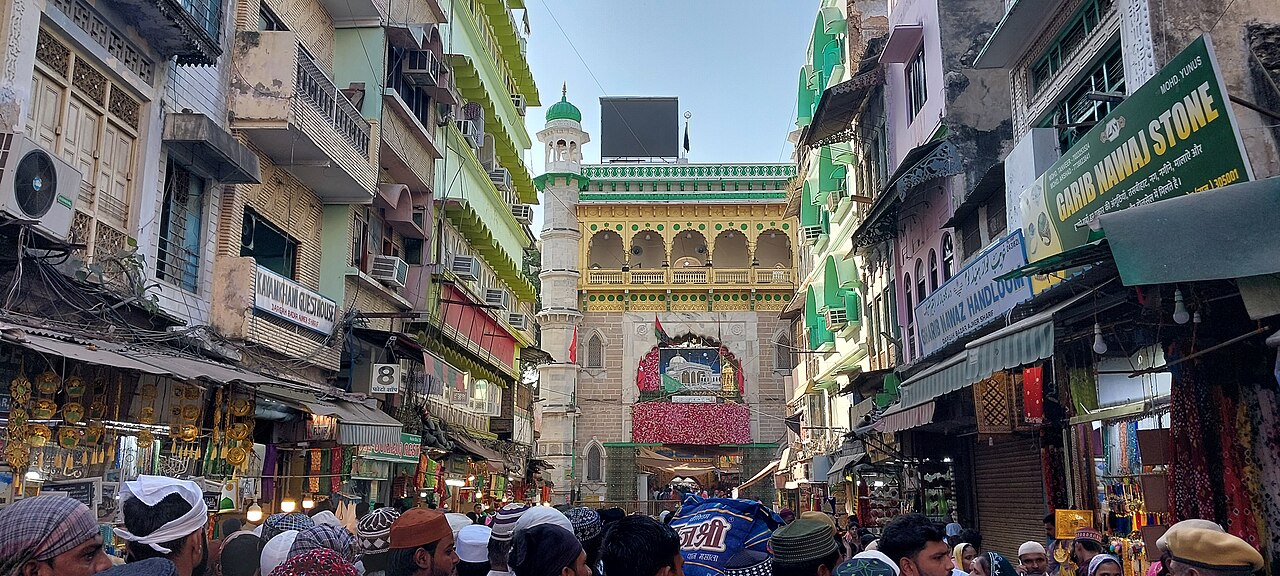
The tomb of Hazrat Khwaja Moinuddin Chishti, Gharib Nawaz, the benefactor of the poor, and the principal Sufi dargah of South Asia, where pilgrims of every community have offered chadars and shared the sweet rice of the great deghs for eight centuries.
Akbarabadi Mosque
Delhi · India · mosque
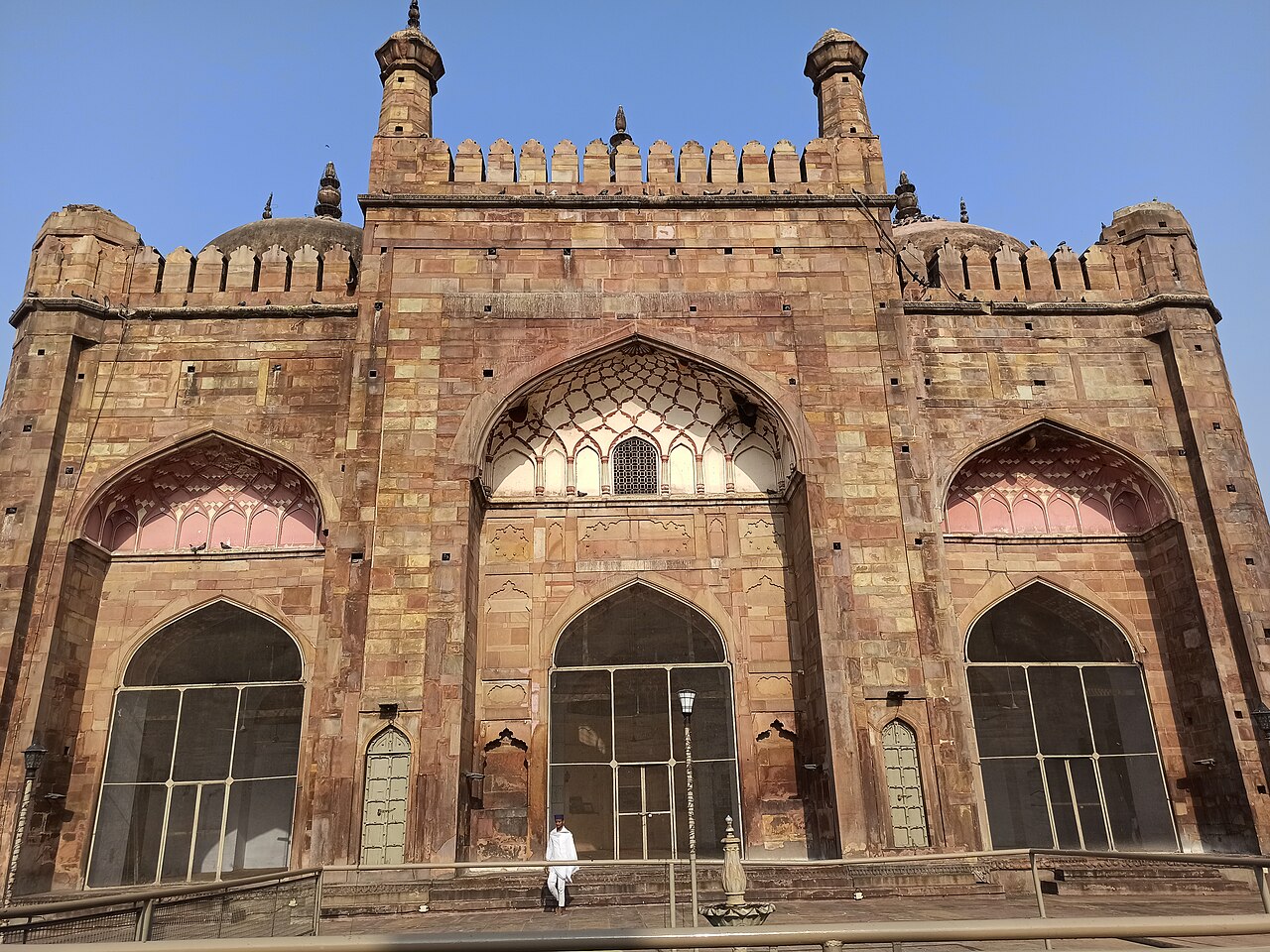
A mosque raised in 1650 by Akbarabadi Begum, a wife of the Mughal emperor Shah Jahan, in the walled city of Shahjahanabad, demolished by British forces in the aftermath of the 1857 Uprising and today marked only by disputed, unexcavated remains beneath Netaji Subhash Park in Old Delhi.
 Islam
IslamAlamgir Mosque
Varanasi · India · mosque
Raised in 1669 by the Mughal emperor Aurangzeb on the high bank above Panchganga Ghat in Varanasi, the Alamgir Mosque stands where wide stone steps meet the Ganges, its domes and surviving corner turret rising over a site earlier accounts describe as the Hindu Temple of Bindu Madhava.