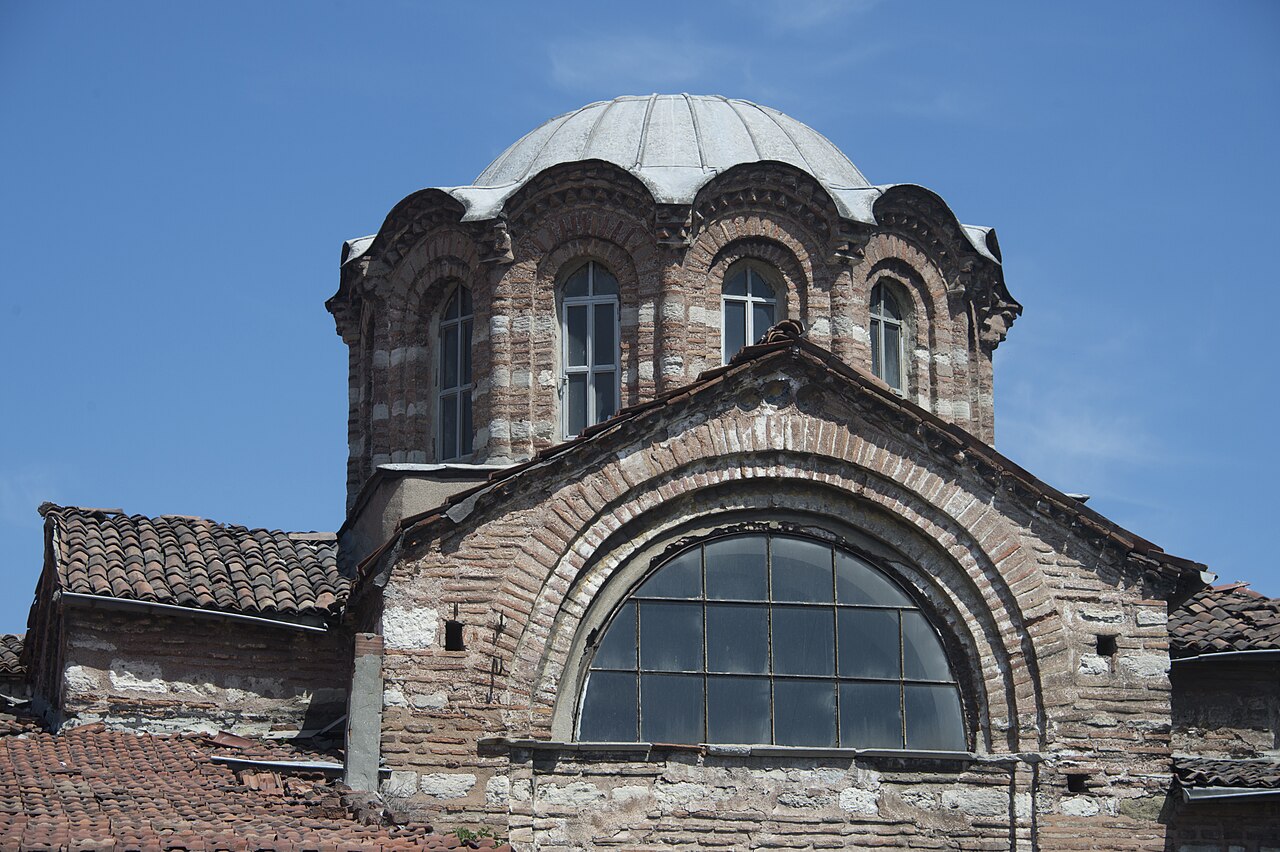
Molla Gürani Mosque
Vefa Kilise Camii · Church-Mosque of Vefa · Church of St. Theodore (hypothesized original dedication)
About
The Molla Gurani Mosque, also known as the Church-Mosque of Vefa, occupies a complex of buildings in Istanbul that originally stood as an Eastern Orthodox church before its conversion to Islamic worship after the Ottoman conquest of Constantinople. The earlier dedication of the church is uncertain, though some scholars have suggested it may have been dedicated to Hagios Theodoros.
The surviving structure is regarded as one of the most significant examples of Comnenian and Palaiologan architecture from the era of Byzantine Constantinople. Its masonry, vaulting, and decorative programme carry the marks of the late centuries of the city's Christian life, when artistic patronage flowered under the Komnenos and Palaiologos imperial houses.
With the Ottoman conquest, the church was given a new life as a mosque, and the building has continued in that role ever since. Today it stands as both a place of Islamic prayer and a witness to the layered Christian and Muslim heritage of the historic peninsula of Istanbul.
History
Before the Ottoman conquest of Constantinople in 1453, the building stood as an Eastern Orthodox church, though which saint it honoured is no longer certain. Some scholars have proposed Hagios Theodoros, the church of Saint Theodore, while others hold the dedication is unrecoverable. Its brickwork and vaulting, raised across the later Byzantine centuries under the Komnenos and Palaiologos dynasties, place it among the finer surviving examples of that architecture anywhere in the city. After the conquest the Ottomans converted the church for Muslim prayer, and it came to carry the name of the scholar and jurist Molla Gürani. The building has continued in that role ever since, its Byzantine dome and Ottoman minaret standing side by side over the same walls.
Significance
Few buildings in Istanbul carry so plainly the layered history of the city, a Byzantine church's cross domed silhouette still visible beneath the addition of an Ottoman minaret and mihrab. It functions today as a neighbourhood mosque, its own walled cemetery of Ottoman era headstones set beneath the trees that shade the honeycombed stone windows of its Byzantine walls, a single ground that has carried both Christian and Muslim devotion across nine centuries.
Architecture
Byzantine Komnenian to Palaiologan ecclesiastical architecture, adapted for Islamic prayer with the addition of a minaret and mihrab
Visiting
Hours
Hours not listed.
Contact
No contact details listed yet.
Engage with Molla Gürani Mosque
Through the four pathways
Seva सेवा — Service
Offer your time and skills here. The following opportunities are open at Molla Gürani Mosque:
No Seva offerings listed yet.
Sādhana साधना — Practice
Learn the worship and practice associated with Molla Gürani Mosque:
No Sādhana offerings listed yet.
Sandhāna सन्धान — Wisdom
Unite with the wisdom of this tradition:
No Sandhāna offerings listed yet.
Sādhya साध्य — Giving
Support this sacred place according to your means:
No Sādhya offerings listed yet.
All giving flows directly to Molla Gürani Mosque. Adisthan does not take a commission.
Gallery
Related sacred places
 Islam
IslamAbu'l-Fida Mosque
Hama · Syria · mosque
A fourteenth-century Ayyubid mausoleum and Mamluk-era congregational mosque on the banks of the Orontes in Hama, Syria, known locally as the Mosque of the Serpents for the carved pillars at its windows.
 Islam
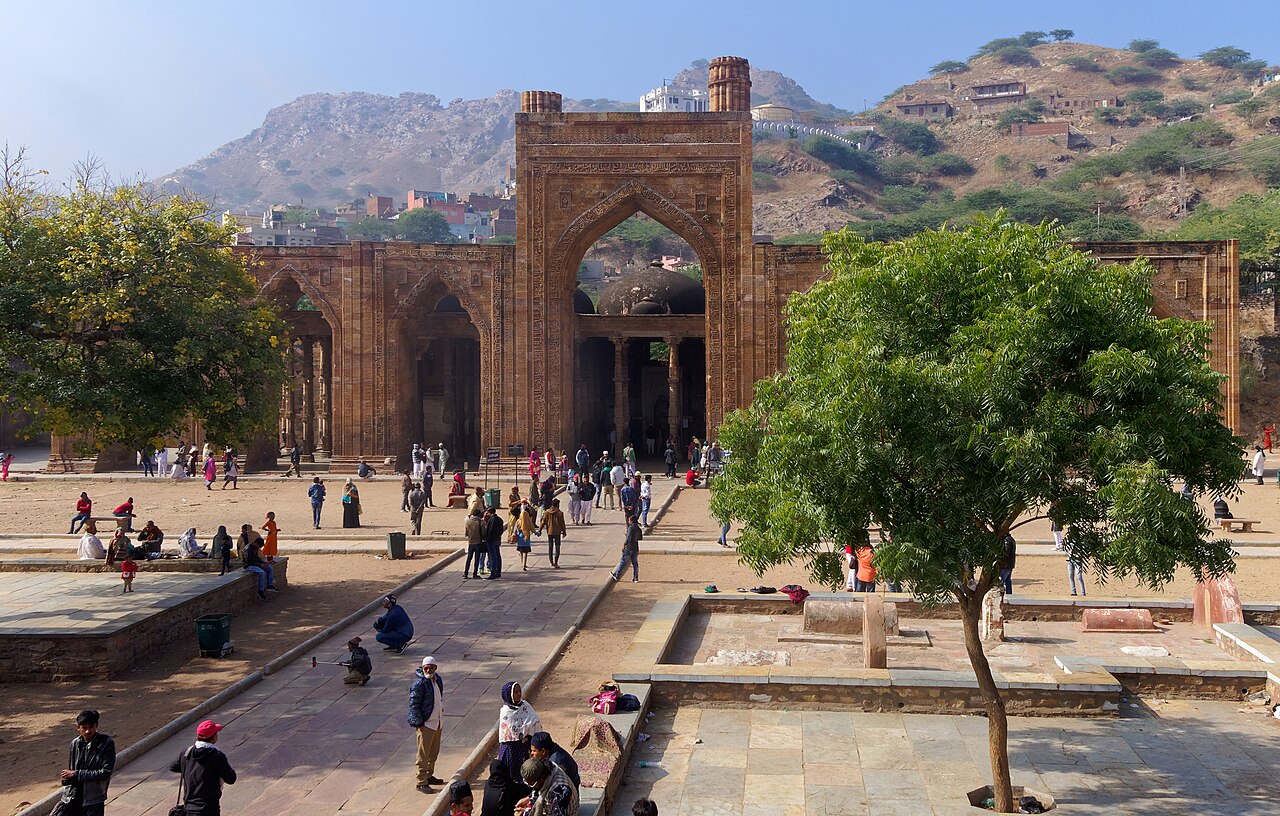
IslamAdhai Din Ka Jhonpra
Ajmer · India · mosque
The oldest surviving monument in Ajmer and among the earliest Indo-Islamic mosques in India, its 1199 CE prayer hall and Iltutmish's 1213 CE arched screen rise on 344 pillars carved by Hindu and Jain craftsmen from earlier Temples.
 Islam
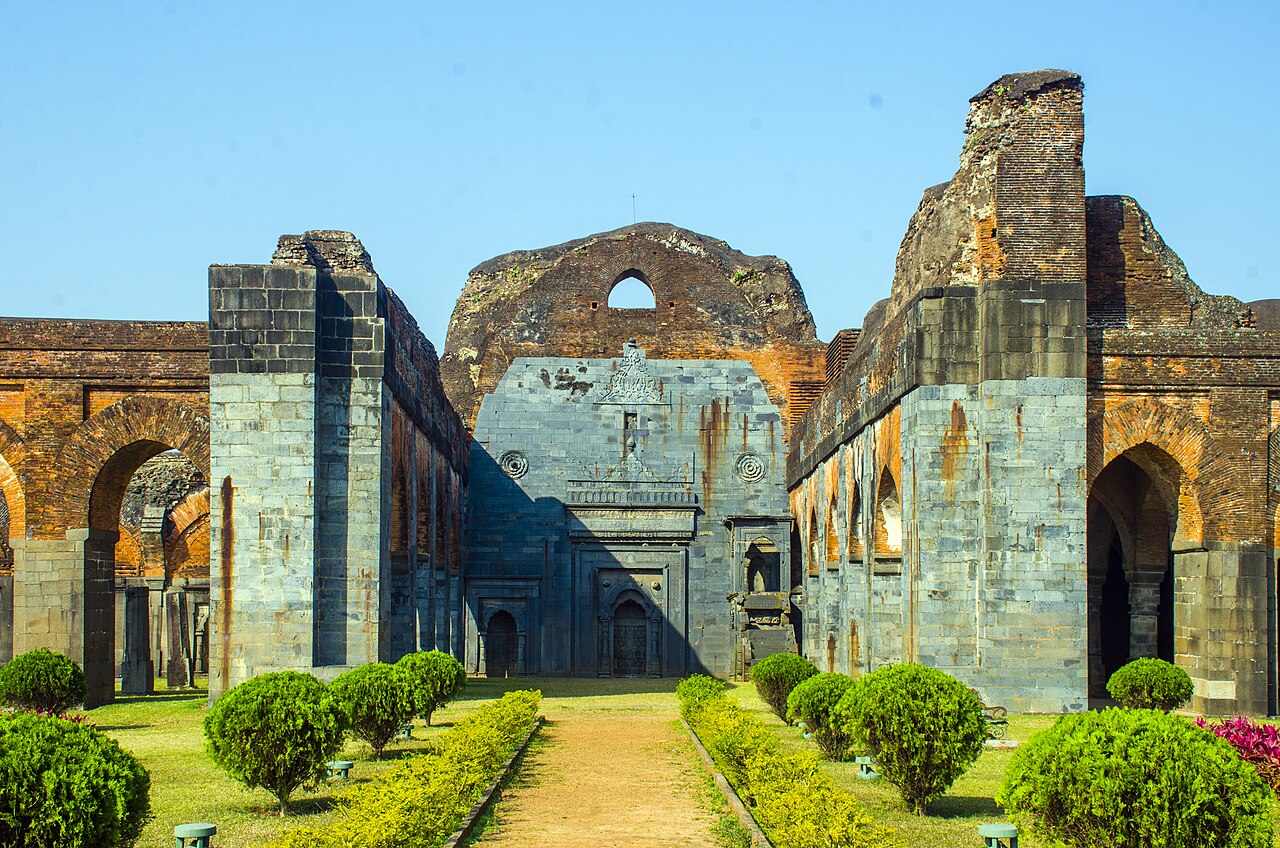
IslamAdina Mosque
Pandua · India · mosque
Once the largest mosque on the Indian subcontinent, the Adina Mosque at Pandua in West Bengal was raised by Sultan Sikandar Shah between 1373 and 1375 as the congregational mosque of the Bengal Sultanate, and holds his tomb within its western wall.
 Islam
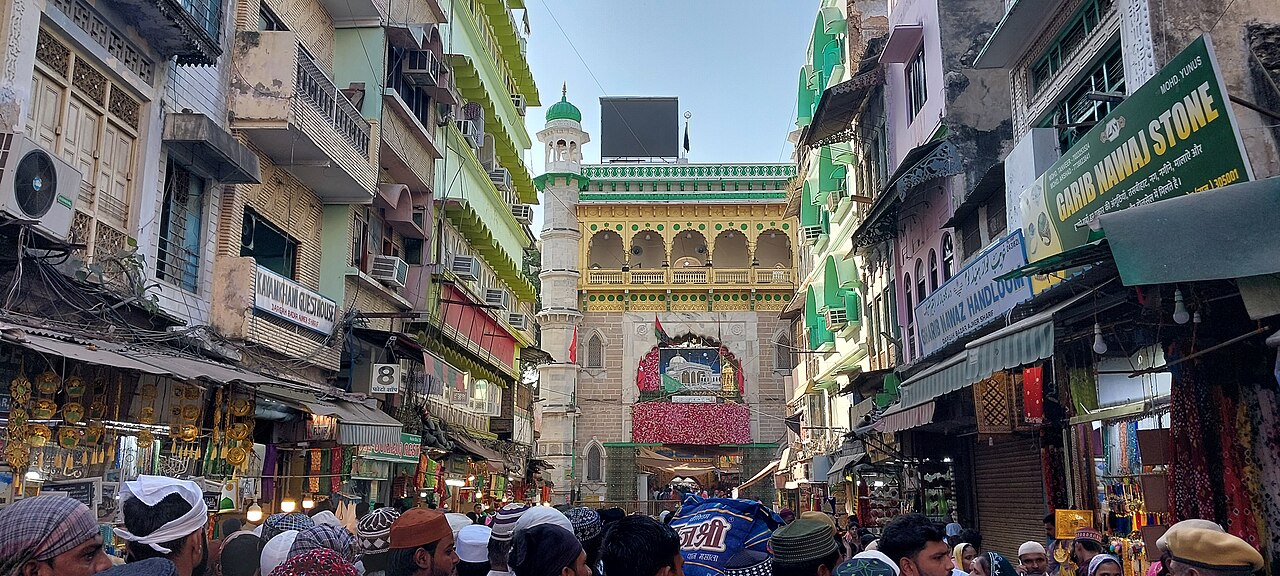
IslamAjmer Sharif Dargah
Ajmer · India · dargah
The tomb of Hazrat Khwaja Moinuddin Chishti, Gharib Nawaz, the benefactor of the poor, and the principal Sufi dargah of South Asia, where pilgrims of every community have offered chadars and shared the sweet rice of the great deghs for eight centuries.
Akbarabadi Mosque
Delhi · India · mosque
A mosque raised in 1650 by Akbarabadi Begum, a wife of the Mughal emperor Shah Jahan, in the walled city of Shahjahanabad, demolished by British forces in the aftermath of the 1857 Uprising and today marked only by disputed, unexcavated remains beneath Netaji Subhash Park in Old Delhi.
 Islam
IslamAlamgir Mosque
Varanasi · India · mosque
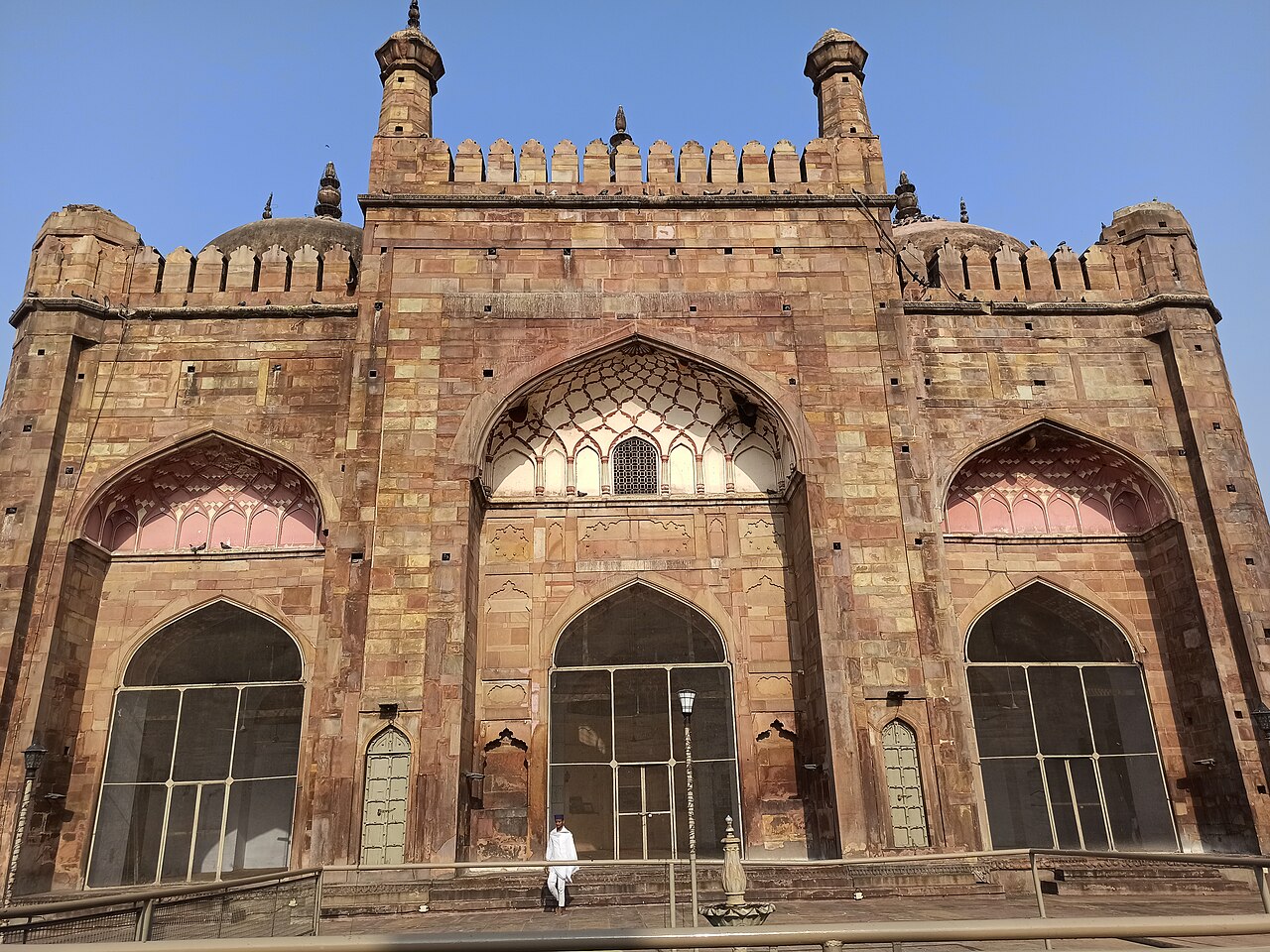
Raised in 1669 by the Mughal emperor Aurangzeb on the high bank above Panchganga Ghat in Varanasi, the Alamgir Mosque stands where wide stone steps meet the Ganges, its domes and surviving corner turret rising over a site earlier accounts describe as the Hindu Temple of Bindu Madhava.