
Nakhoda Masjid
Nakhoda Mosque
About
Nakhoda Masjid commands the Chitpur quarter of Kolkata's Burrabazar trading district, occupying a prominent corner where Zakaria Street meets Rabindra Sarani. It serves as the principal Friday mosque for the city's Muslim community, drawing worshippers from across West Bengal and beyond for daily prayers and the great congregations of Eid.
The mosque belongs to the Hanafi school of Sunni jurisprudence, one of the four classical legal traditions within Sunni Islam, known historically for its considered approach to reasoning and community welfare. This affiliation shapes the rhythms of worship, the calls to prayer, and the manner in which religious law is observed within the congregation.
Construction of the mosque concluded in 1926, lending it a heritage of nearly a century. Its position deep within one of India's most storied commercial districts means that the mosque has long been woven into the daily fabric of Kolkata, a place of stillness at the centre of constant movement, where the call to prayer rings out over bustling lanes and the scent of frankincense drifts through the crowd.
History
The Cutchi Memon merchant community built the mosque on the site of two earlier mosques, reconstructing it between 1926 and 1935 under the builders Mackintosh Burn and Co. in a style modelled on the Jama Masjid of Delhi, with a gateway echoing the Buland Darwaza at Fatehpur Sikri. It has served as Kolkata's foremost Friday mosque ever since, its call to prayer sounding five times a day over one of the city's oldest and busiest trading districts.
Significance
Nakhoda Masjid stands as the communal anchor of West Bengal's Muslim population, drawing worshippers from across the city and beyond for jumu'ah and for the great Eid congregations, when prayers spill from the courtyard into the surrounding streets. The mosque is maintained by the Cutchi Memon Jamat trustees through property rents and community giving, without government or public donations, a continuity of self-support that has held since its founding.
Architecture
Indo-Saracenic, modelled on the Jama Masjid of Delhi with a gateway recalling the Buland Darwaza at Fatehpur Sikri
Visiting
Hours
Hours not listed.
Contact
No contact details listed yet.
Engage with Nakhoda Masjid
Through the four pathways
Seva सेवा — Service
Offer your time and skills here. The following opportunities are open at Nakhoda Masjid:
No Seva offerings listed yet.
Sādhana साधना — Practice
Learn the worship and practice associated with Nakhoda Masjid:
No Sādhana offerings listed yet.
Sandhāna सन्धान — Wisdom
Unite with the wisdom of this tradition:
No Sandhāna offerings listed yet.
Sādhya साध्य — Giving
Support this sacred place according to your means:
No Sādhya offerings listed yet.
All giving flows directly to Nakhoda Masjid. Adisthan does not take a commission.
Festivals & Events
- Mar
Eid al-Fitr
10 March 2027 · annual
The festival breaking the Ramadan fast, when the courtyard and the streets around Zakaria Street fill with worshippers for the Eid prayer, among the largest gatherings of Kolkata's Muslim community each year.
- May
Eid al-Adha
17 May 2027 · annual
The festival of sacrifice, marked with congregational prayer at the mosque and, for those able, the qurbani offering that follows.
Gallery
Related sacred places
 Islam
IslamAbu'l-Fida Mosque
Hama · Syria · mosque
A fourteenth-century Ayyubid mausoleum and Mamluk-era congregational mosque on the banks of the Orontes in Hama, Syria, known locally as the Mosque of the Serpents for the carved pillars at its windows.
 Islam
IslamAdhai Din Ka Jhonpra
Ajmer · India · mosque
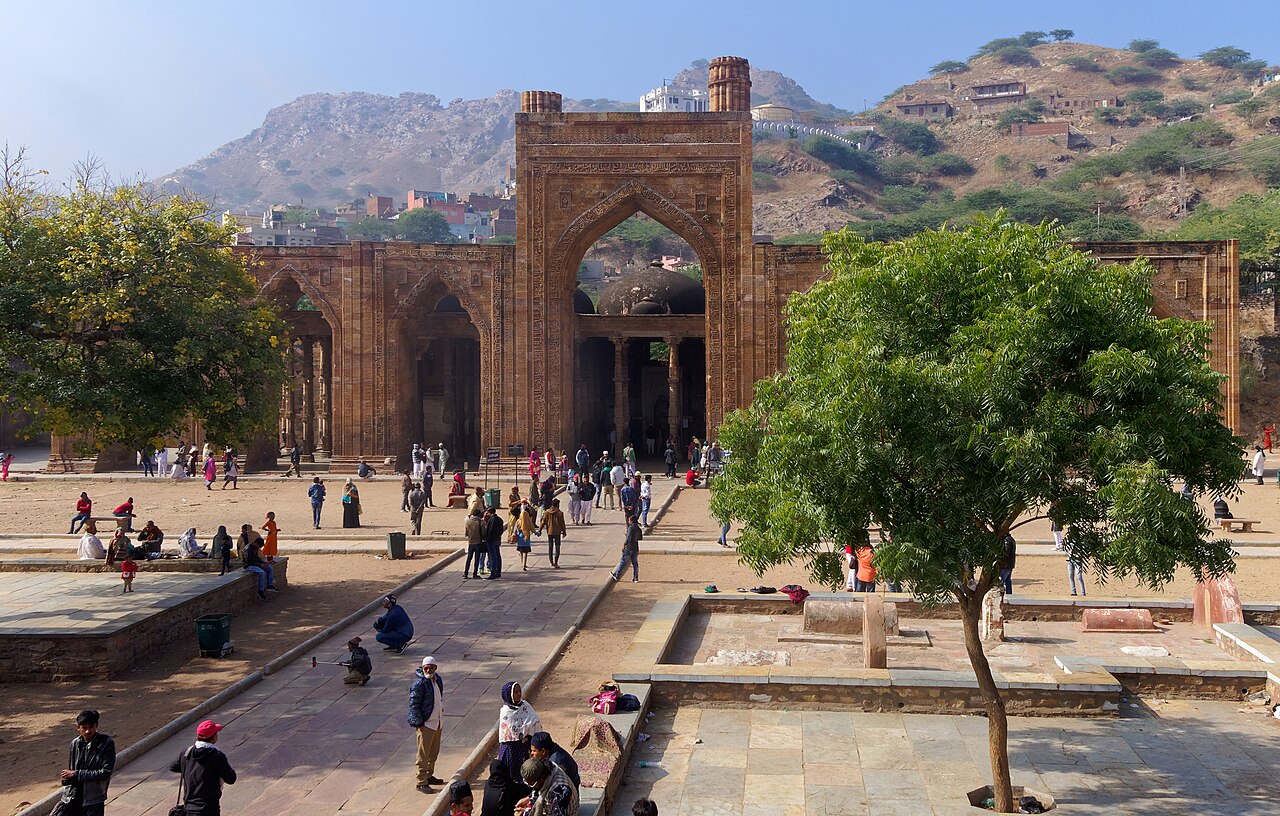
The oldest surviving monument in Ajmer and among the earliest Indo-Islamic mosques in India, its 1199 CE prayer hall and Iltutmish's 1213 CE arched screen rise on 344 pillars carved by Hindu and Jain craftsmen from earlier Temples.
 Islam
IslamAdina Mosque
Pandua · India · mosque
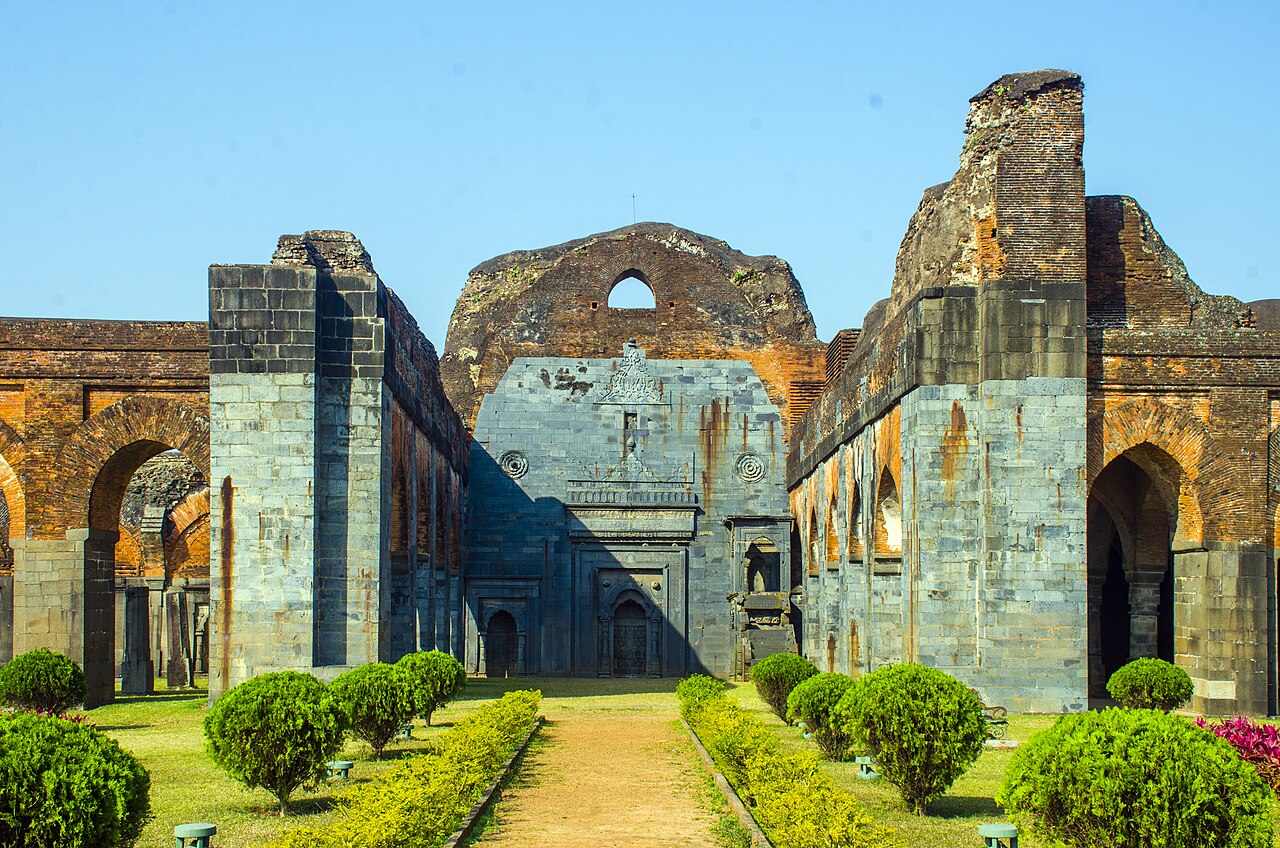
Once the largest mosque on the Indian subcontinent, the Adina Mosque at Pandua in West Bengal was raised by Sultan Sikandar Shah between 1373 and 1375 as the congregational mosque of the Bengal Sultanate, and holds his tomb within its western wall.
 Islam
IslamAjmer Sharif Dargah
Ajmer · India · dargah
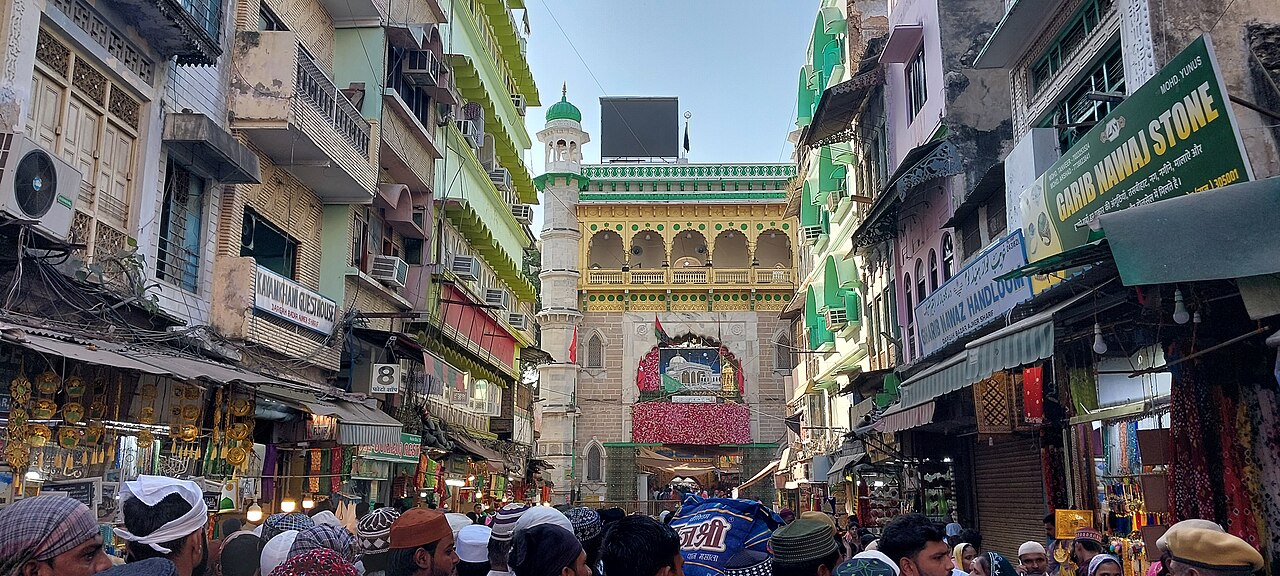
The tomb of Hazrat Khwaja Moinuddin Chishti, Gharib Nawaz, the benefactor of the poor, and the principal Sufi dargah of South Asia, where pilgrims of every community have offered chadars and shared the sweet rice of the great deghs for eight centuries.
Akbarabadi Mosque
Delhi · India · mosque
A mosque raised in 1650 by Akbarabadi Begum, a wife of the Mughal emperor Shah Jahan, in the walled city of Shahjahanabad, demolished by British forces in the aftermath of the 1857 Uprising and today marked only by disputed, unexcavated remains beneath Netaji Subhash Park in Old Delhi.
 Islam
IslamAlamgir Mosque
Varanasi · India · mosque
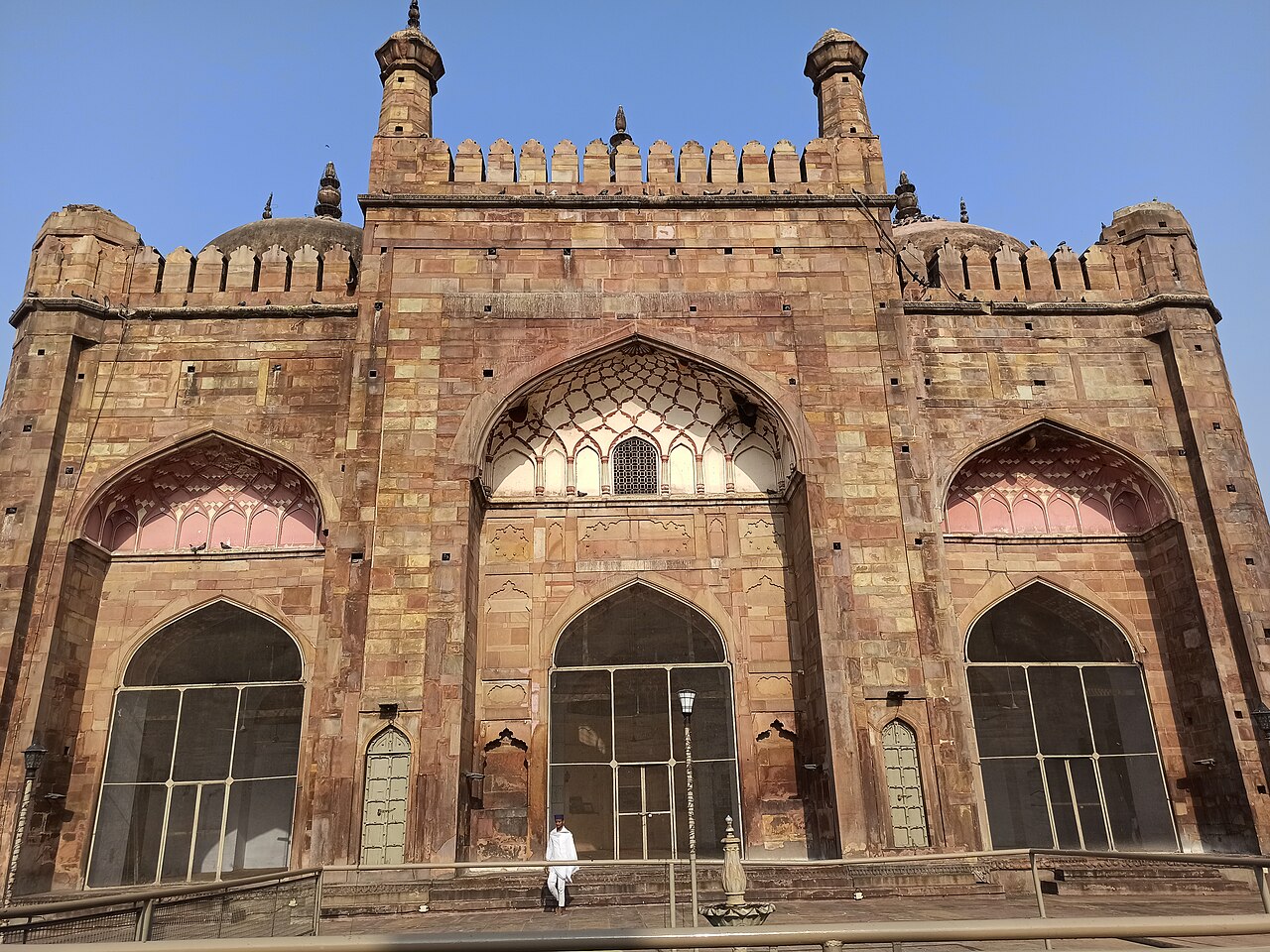
Raised in 1669 by the Mughal emperor Aurangzeb on the high bank above Panchganga Ghat in Varanasi, the Alamgir Mosque stands where wide stone steps meet the Ganges, its domes and surviving corner turret rising over a site earlier accounts describe as the Hindu Temple of Bindu Madhava.