Nehanurpatti
About
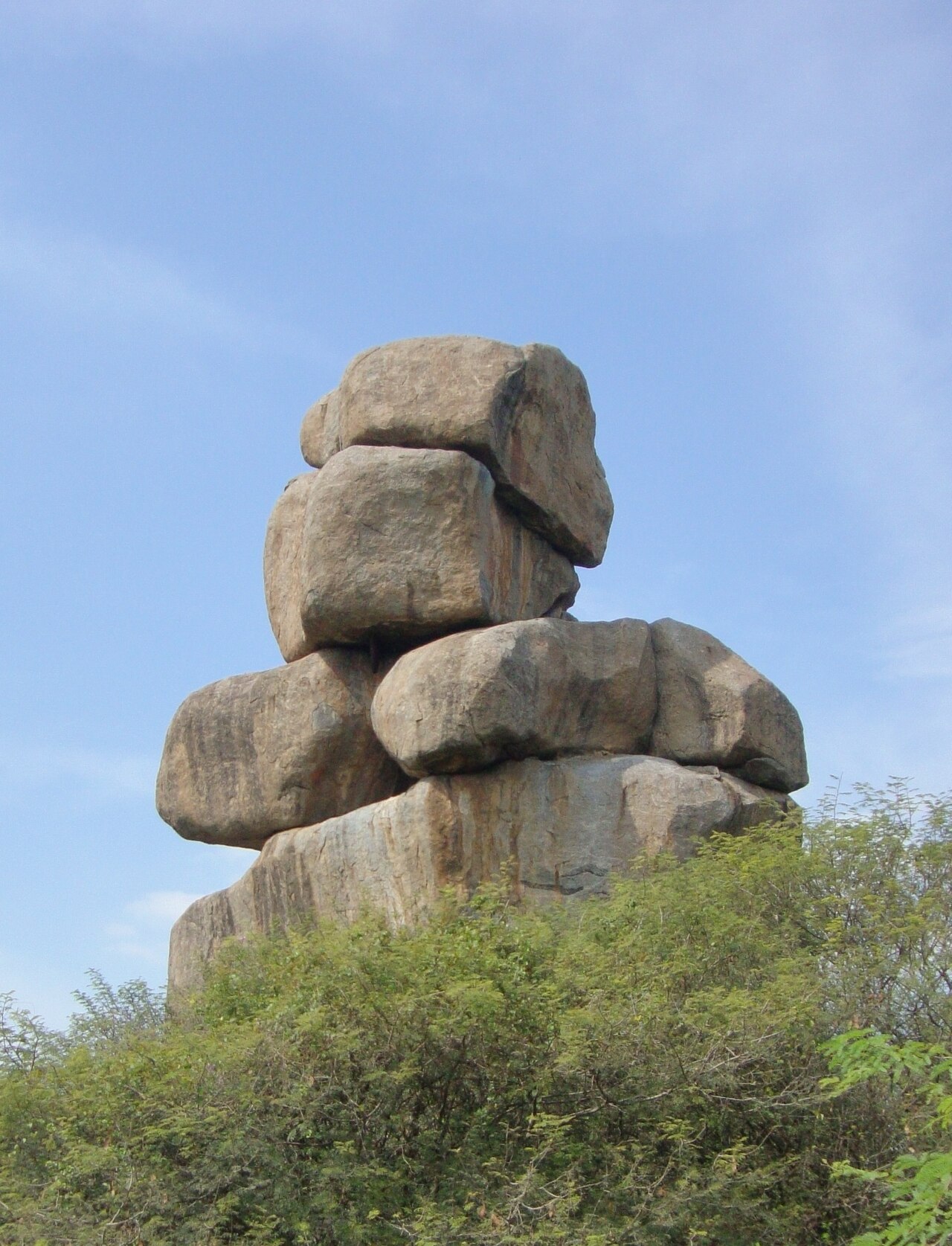
Nestled roughly six kilometres to the northeast of Gingee in Villuppuram district, the agricultural village of Neganur Patti carries within it a remarkable trace of Tamil Jain antiquity. Its defining natural landmark is the Adukkankal hillock, whose name in Tamil speaks plainly of its form: adukku meaning "to pile up" and kal meaning "stone," evoking the impression of great rocks stacked atop one another by an ancient and patient hand.
At the base of this rocky formation, two cave shelters open on either side. Within each cave, flat stone surfaces survive that scholars identify as rest-beds once used by Jain ascetic monks during their mendicant wanderings through this region of South India. A small seasonal pond lies beside one of the caves, adding to the sense of a site where quiet spiritual life once took root in a natural setting. Regrettably, portions of the cave floors have suffered damage from later construction activity, underscoring the need for protective measures.
The hillock also preserves a register of prehistoric rock art. Paintings rendered in white, likely prepared from lime, depict human figures on the cave walls and have been dated to approximately 1000 BCE. No animals appear among the painted forms; some images have faded to near-invisibility with the passage of millennia, while others retain enough clarity to convey the presence of an early human community for whom this place held meaning.
History
The Adukkankal site entered the modern scholarly record in 1992, when archaeologist S. Rajavelu identified Tamil-Brahmi letters inscribed on the rock face. These characters have been dated to the fourth century CE and carry a dedicatory message recording that a woman named Sekkanthanni, identified as the mother of one Sekkanthi of Perumpugozh village, established a dwelling or resting place at this site. The inscription reads: "Perum pogazh sekkanthi thayiyuru sekkanthanni se vitha palli." Researchers interpret Sekkanthanni as likely a female Jain saint, and the village of Perumpogazh she is associated with is thought to correspond to the present-day settlement of Perumpugai, situated close to Neganur Patti. Taken together, the inscription, the stone beds, and the cave environment paint a picture of an active Jain monastic presence in this landscape during the early centuries of the Common Era.
Significance
Neganur Patti's Adukkankal hillock stands as a layered testament to the deep-rooted presence of Jainism across Tamil Nadu, a tradition whose traces here span from prehistoric rock art through early medieval stone inscription. For those drawn to the Jain path, the site connects the contemporary pilgrim to generations of renunciant monks who sought shelter and practice within these natural caves, and to the devout women and men who honoured those monks by creating enduring memorials in stone. The Tamil-Brahmi inscription commemorating Sekkanthanni is a rare surviving witness to female Jain religious agency in ancient South India, lending the site particular resonance within the broader history of Jain communities in the Tamil-speaking world.
Visiting
Engage with Nehanurpatti
Through the four pathways
Seva सेवा — Service
Offer your time and skills here. The following opportunities are open at Nehanurpatti:
No Seva offerings listed yet.
Sādhana साधना — Practice
Learn the worship and practice associated with Nehanurpatti:
No Sādhana offerings listed yet.
Sandhāna सन्धान — Wisdom
Unite with the wisdom of this tradition:
No Sandhāna offerings listed yet.
Sādhya साध्य — Giving
Support this sacred place according to your means:
No Sādhya offerings listed yet.
All giving flows directly to Nehanurpatti. Adisthan does not take a commission.
Gallery
Related sacred places
 Jainism
Adinatha Temple
Khajuraho · India · temple
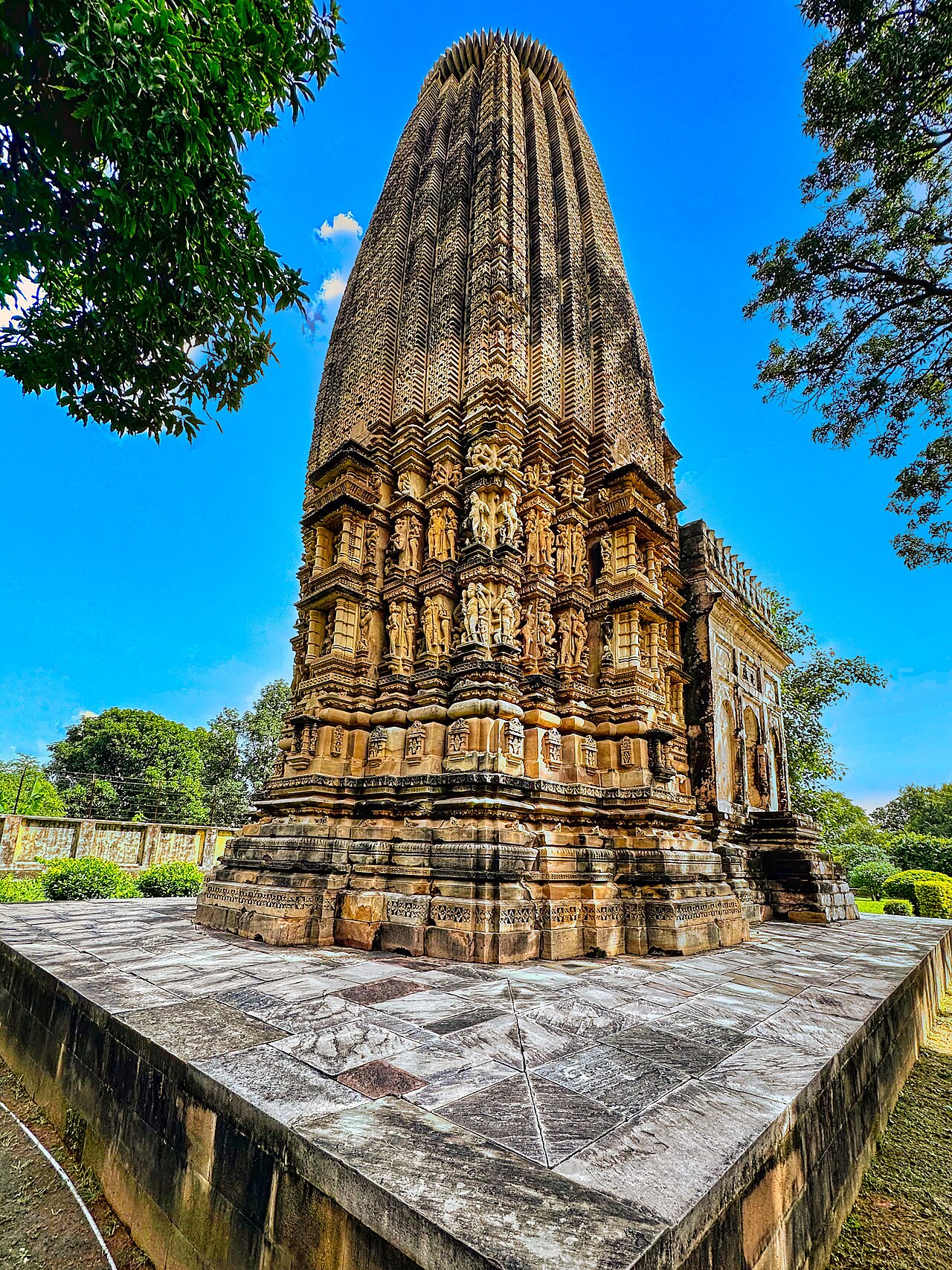
A Digambara Jain shrine within Khajuraho's Eastern Group of Temples, dedicated to Lord Adinatha, the first tirthankara, its curvilinear sandstone tower carved in the late eleventh century for a Hindu patron before passing into Jain hands.
 Jainism
Aharji
Aharji · India · temple
A Digambara Jain tirtha in the Bundelkhand region of Madhya Pradesh, where an eighteen-foot Chandella-era colossus of Lord Shantinatha stands in silent meditation at the heart of a Temple complex raised across three centuries.
 Jainism
Ahinsa Sthal
New Delhi · India · temple
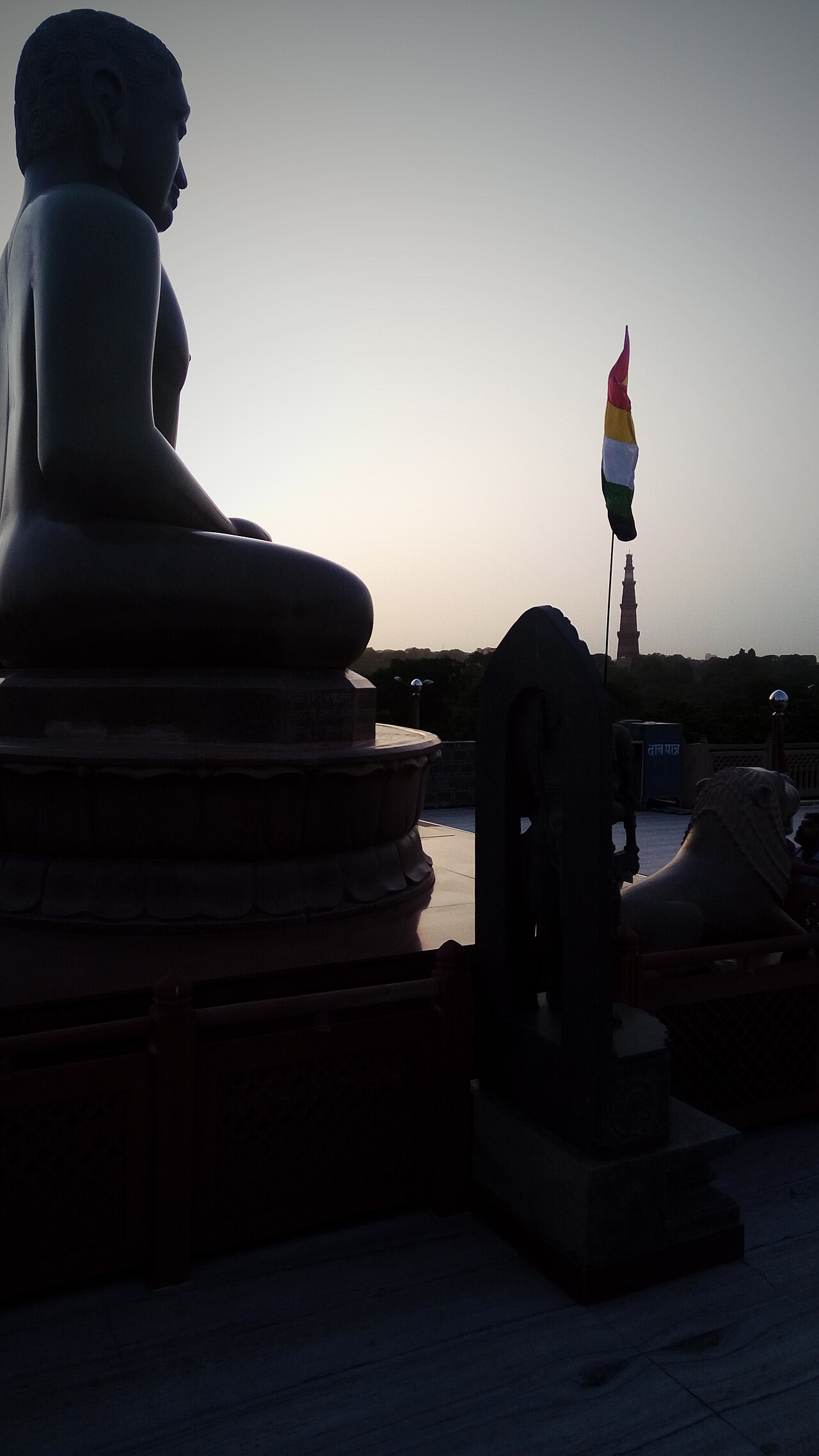
A modern Digambara Jain shrine on a terrace in Mehrauli, New Delhi, built in 1980 around a colossal granite image of Lord Mahavira seated in deep meditation, its very name declaring the tradition's central vow: ahimsa, harmlessness toward every living being.
 Jainism
Ajmer Jain Temple
Ajmer · India · temple
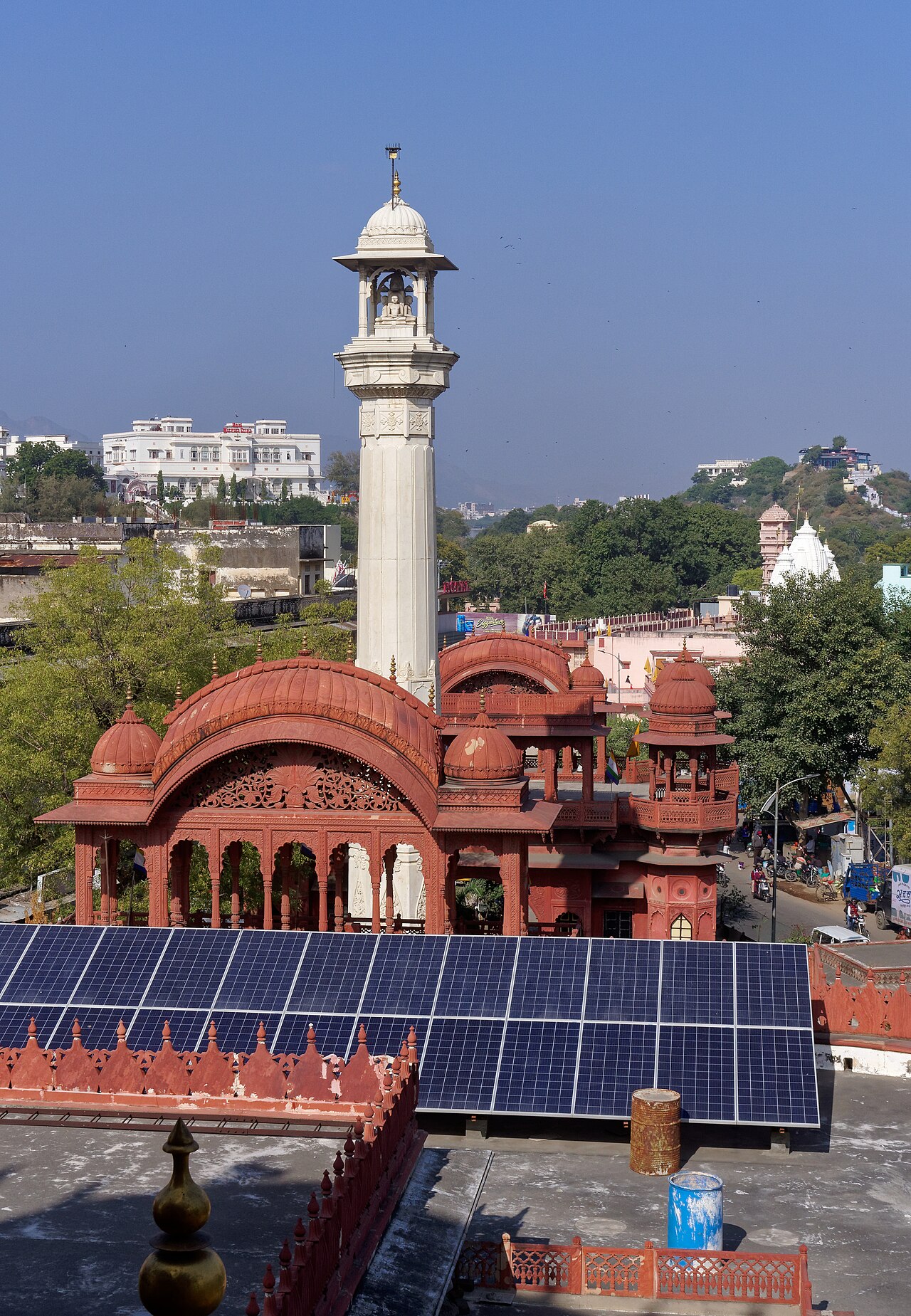
Popularly called Soniji Ki Nasiyan or the Red Temple, this Digambara Jain Temple on Prithviraj Marg in Ajmer pairs a red sandstone sanctuary, crowned by an eighty two foot marble pillar, with a golden upper hall whose gilded tableaux retell the life of Lord Rishabhdev, the first tirthankara.
 Jainism
Akkana Basadi
Shravanabelagola · India · temple
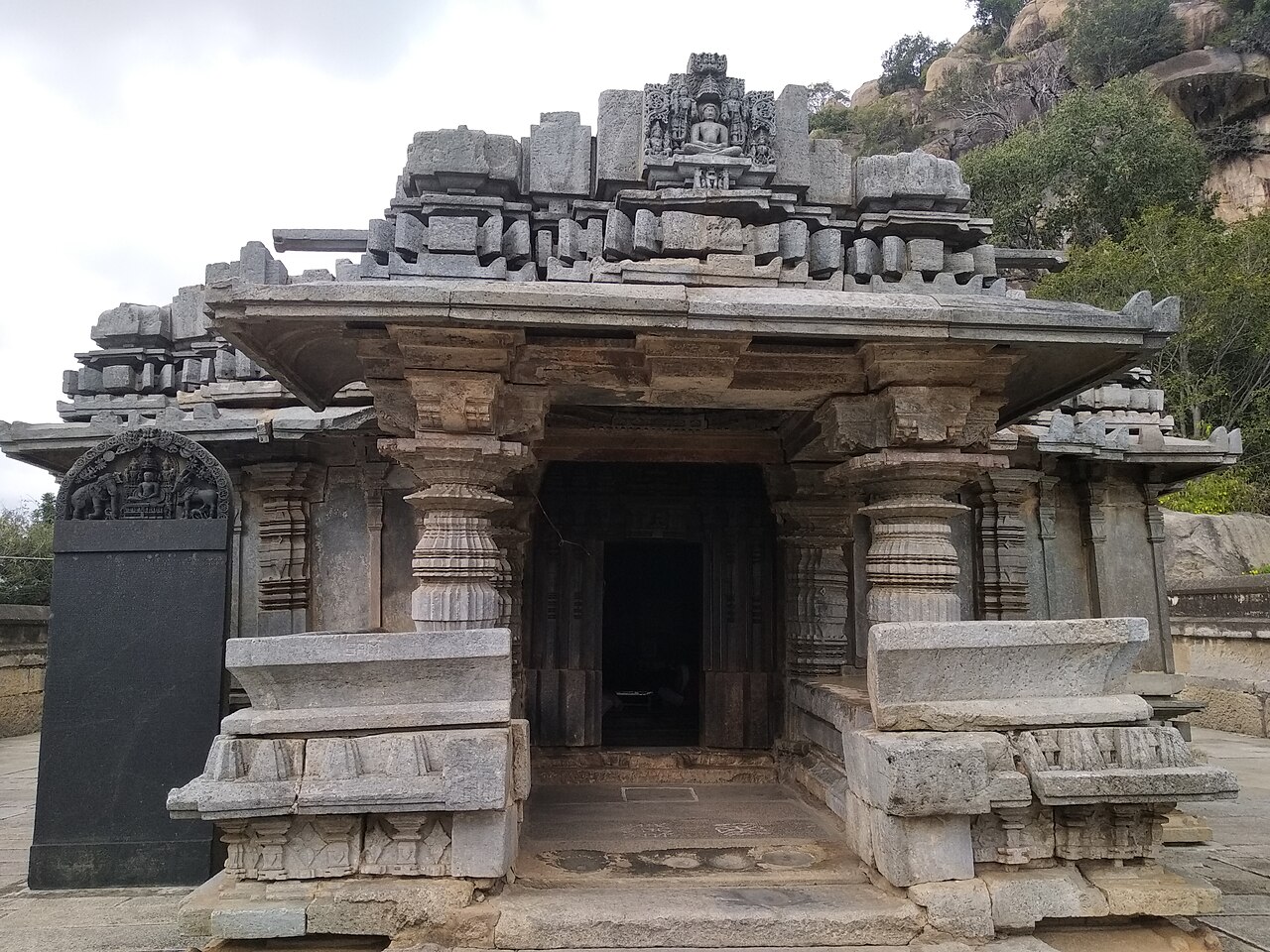
Consecrated in 1181 CE on Chandragiri hill at Shravanabelagola, Karnataka, Akkana Basadi is a Hoysala-era Jain basadi raised by the devout laywoman Achiyakka in honour of Tirthankara Parshvanatha, its deliberately plain stone walls and lathe-turned pillars a quiet expression of Jain austerity.
 Jainism
Bawangaja
Bawangaja · India · temple
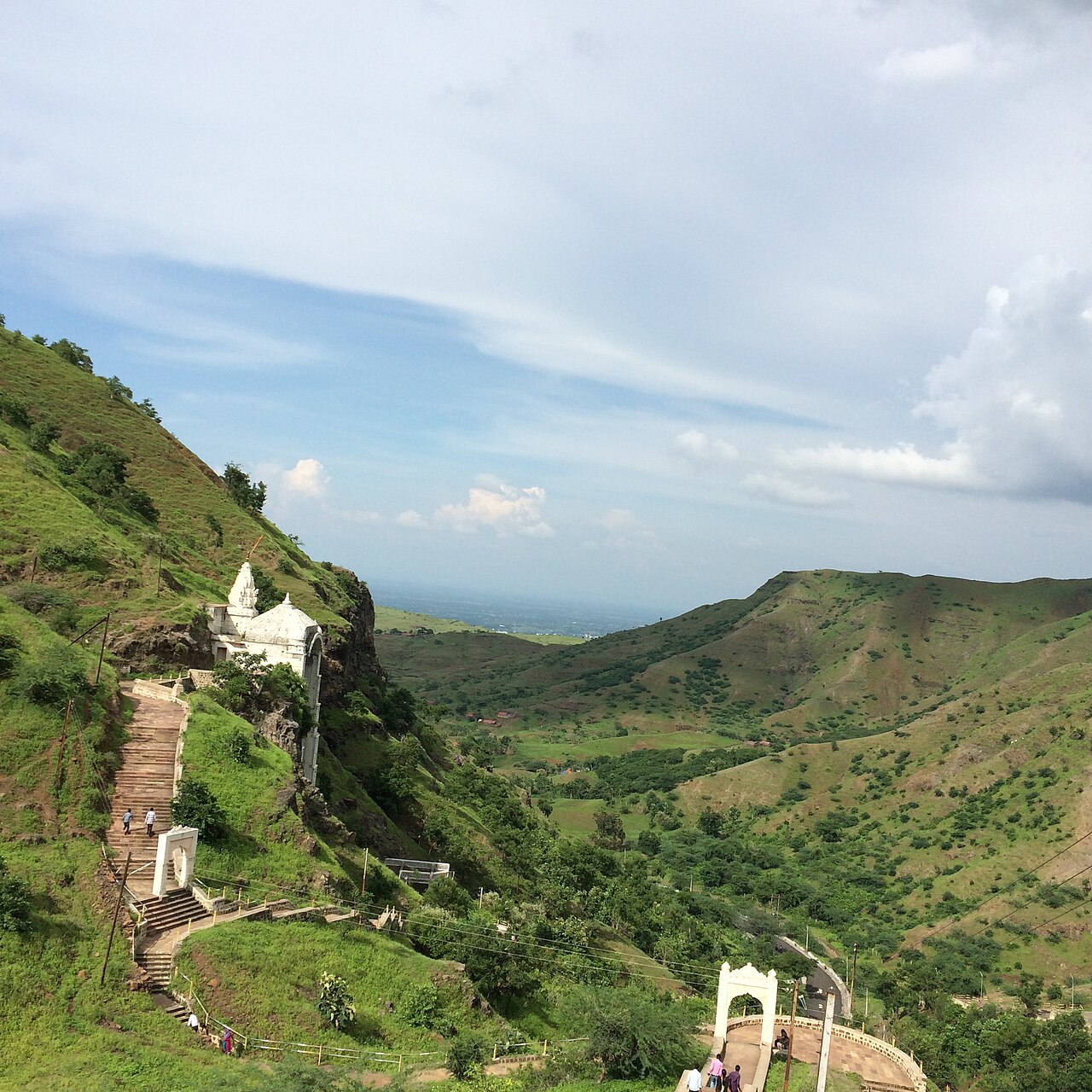
A Digambara Jain tirtha in the Satpura hills of Barwani district, Madhya Pradesh, where an 84-foot monolithic image of Lord Rishabhanatha (Adinatha), the first Tirthankara, stands carved directly from the mountain.