Olive Shrine
About
Nestled among the silver-leafed olive groves of Shōdoshima, the Olive Shrine (峰俐富神社, also written オリーブ神社) occupies a singular place in the landscape of Japanese sacred architecture. Located within the protected bounds of Setonaikai National Park in Kagawa Prefecture, the shrine sits on an island whose warm climate and maritime light have made olive cultivation a defining feature of local life.
What sets this jinja apart immediately is its architectural form: the structure does not follow the timber-and-thatch conventions of most Shinto shrines but instead takes shape as a meticulous rendering of a classical Greek Temple. A stepped stone stylobate supports a row of Doric columns beneath a full entablature with triglyphs, and bronze reliefs fill the triangular pediment, elements drawn directly from the vocabulary of ancient Hellenic sacred building.
The deliberate fusion of two ancient sacred traditions, Japanese Shinto and Greek antiquity, gives the shrine an atmosphere unlike almost any other place of worship in Japan. Surrounded by the gentle industry of olive harvest and framed by the quiet waters of the Inland Sea, it invites contemplation on the unexpected connections across cultures and centuries.
History
The shrine was established in 1973, its founding coinciding with the mature growth of Shōdoshima's olive industry, which had been cultivated on the island since the early twentieth century. The choice to model it on a Greek Temple reflects the cultural bridge the island had drawn between its own Mediterranean-like climate and the ancient Mediterranean world from which the olive itself originates.
Significance
The Olive Shrine holds a quiet devotional significance as a place where Shinto reverence meets an acknowledgment of the olive's deep roots in world sacred history. An annual festival with Greek-themed observances celebrates this meeting of traditions, drawing visitors who come to honor both the spiritual and agricultural heritage of Shōdoshima within the serene embrace of Setonaikai National Park.
Visiting
Engage with Olive Shrine
Through the four pathways
Seva सेवा — Service
Offer your time and skills here. The following opportunities are open at Olive Shrine:
No Seva offerings listed yet.
Sādhana साधना — Practice
Learn the worship and practice associated with Olive Shrine:
No Sādhana offerings listed yet.
Sandhāna सन्धान — Wisdom
Unite with the wisdom of this tradition:
No Sandhāna offerings listed yet.
Sādhya साध्य — Giving
Support this sacred place according to your means:
No Sādhya offerings listed yet.
All giving flows directly to Olive Shrine. Adisthan does not take a commission.
Related sacred places
 Shinto
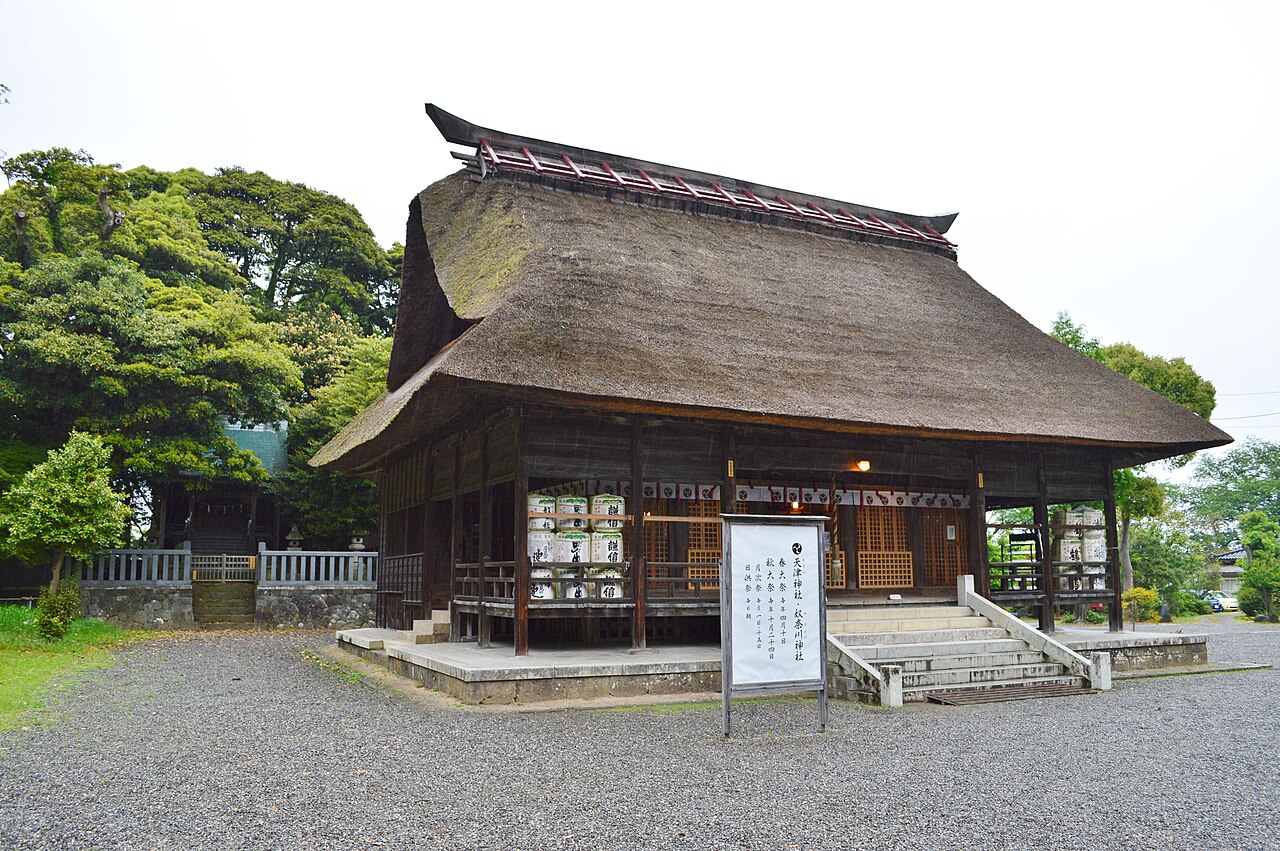
Amatsu Shrine
Itoigawa · Japan · shrine
A venerable jinja in the Ichinomiya quarter of Itoigawa on Japan's Sea of Japan coast, one of three shrines that each claim to have been the ichinomiya, the foremost shrine, of the old province of Echigo.
 Shinto
Fujisaki Hachimangū
Kumamoto · Japan · shrine
Fujisaki Hachimangū is a Shinto shrine in the heart of Kumamoto's Chūō ward, enshrining Hachiman as Emperor Ōjin together with Empress Jingū and the Sumiyoshi Sanjin, and revered for over a thousand years as guardian kami of the Higo region.
 Shinto
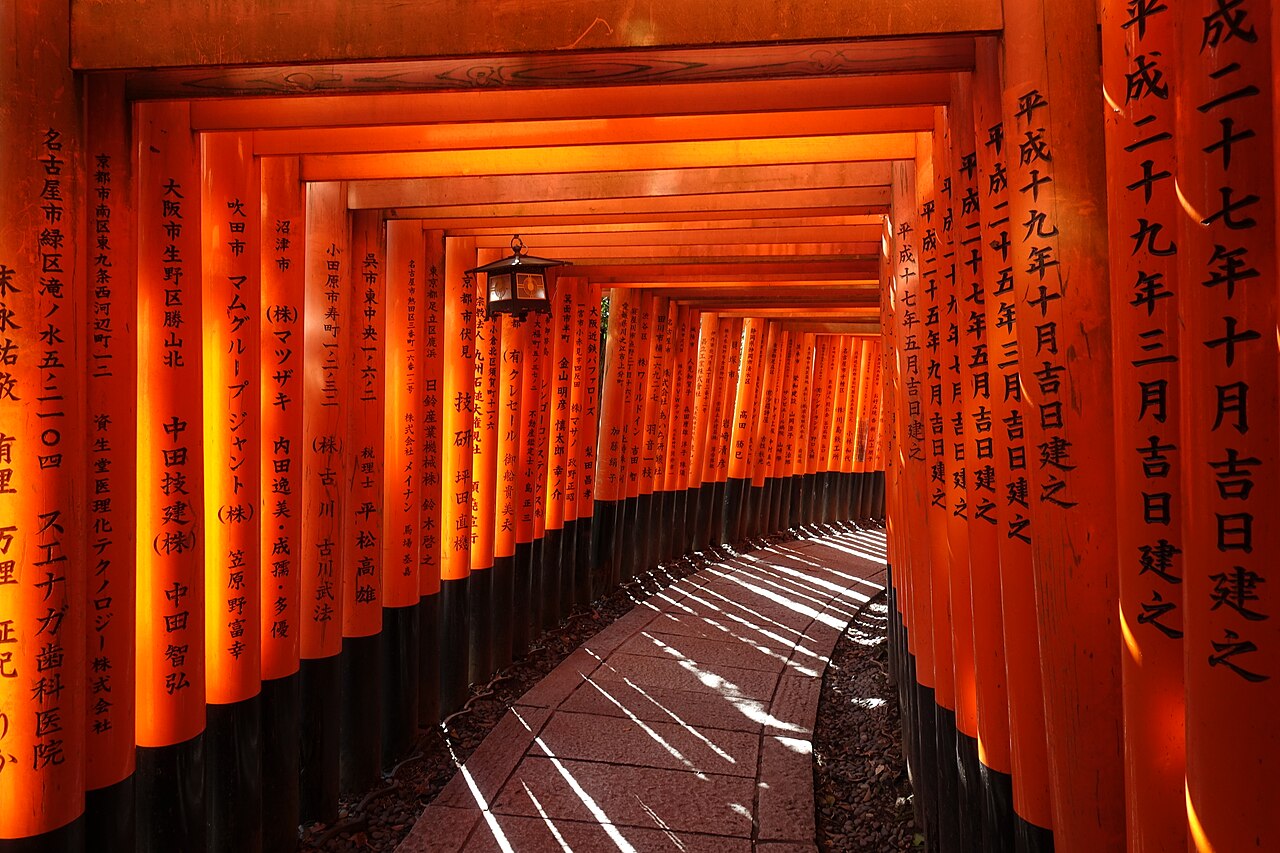
Fushimi Inari Taisha
Kyoto · Japan · shrine
The head shrine of Japan's roughly 30,000 Inari shrines, where some 10,000 vermilion torii climb sacred Mount Inari and white fox messengers watch every path.
 Shinto
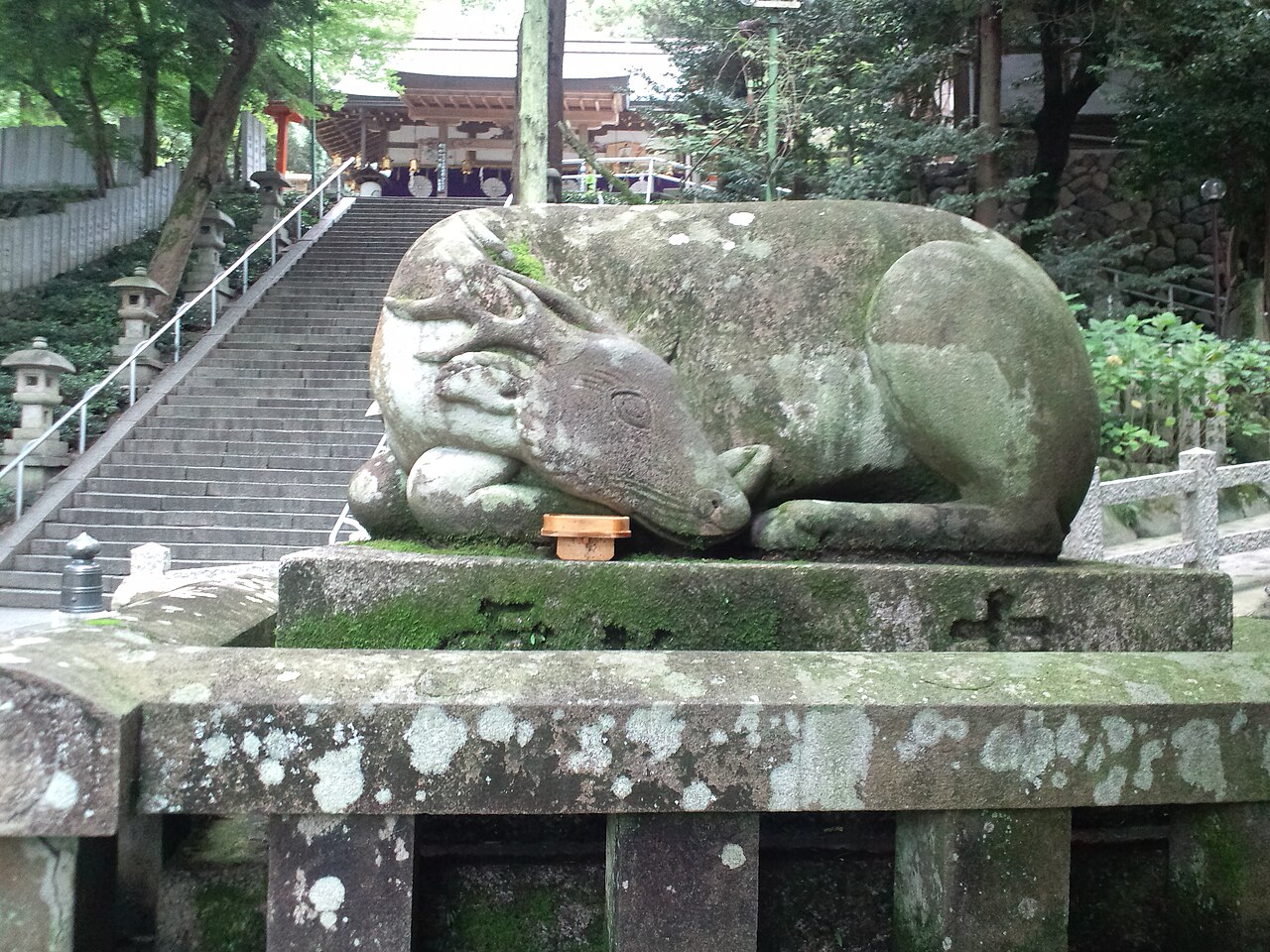
Hiraoka Shrine
Higashiosaka · Japan · shrine
The Ichinomiya, or foremost shrine, of the old province of Kawachi, set on the wooded western slope of the Ikoma range, where the ancestral kami of the Fujiwara clan were worshipped centuries before two of them were carried east to found Nara's Kasuga Taisha.
 Shinto
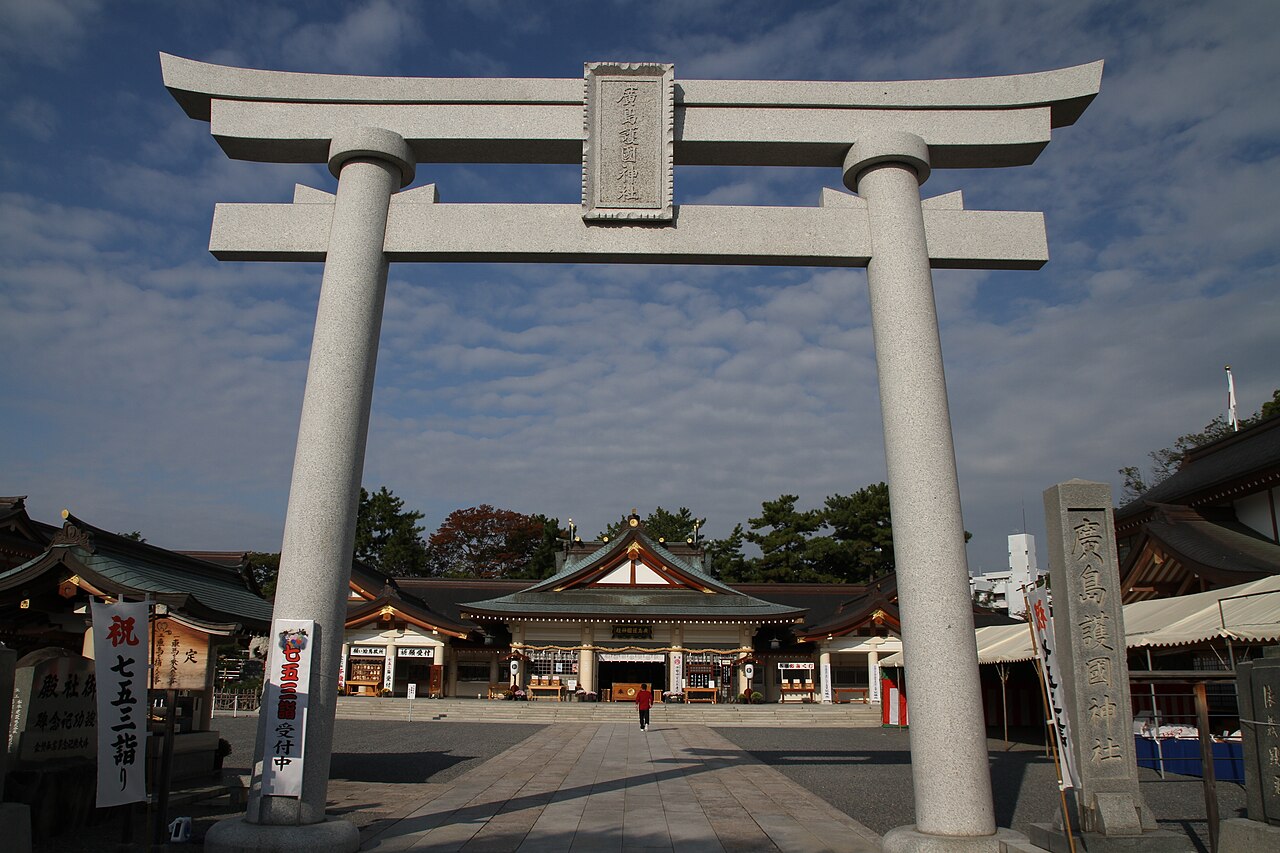
Hiroshima Gokoku Shrine
Hiroshima · Japan · shrine
A Shinto shrine within the grounds of Hiroshima Castle honouring the war dead of Hiroshima, destroyed in the atomic bombing of 1945 and rebuilt by the city's own citizens in the years that followed.
 Shinto
Ise Jingu (Ise Grand Shrine)
Ise · Japan · shrine
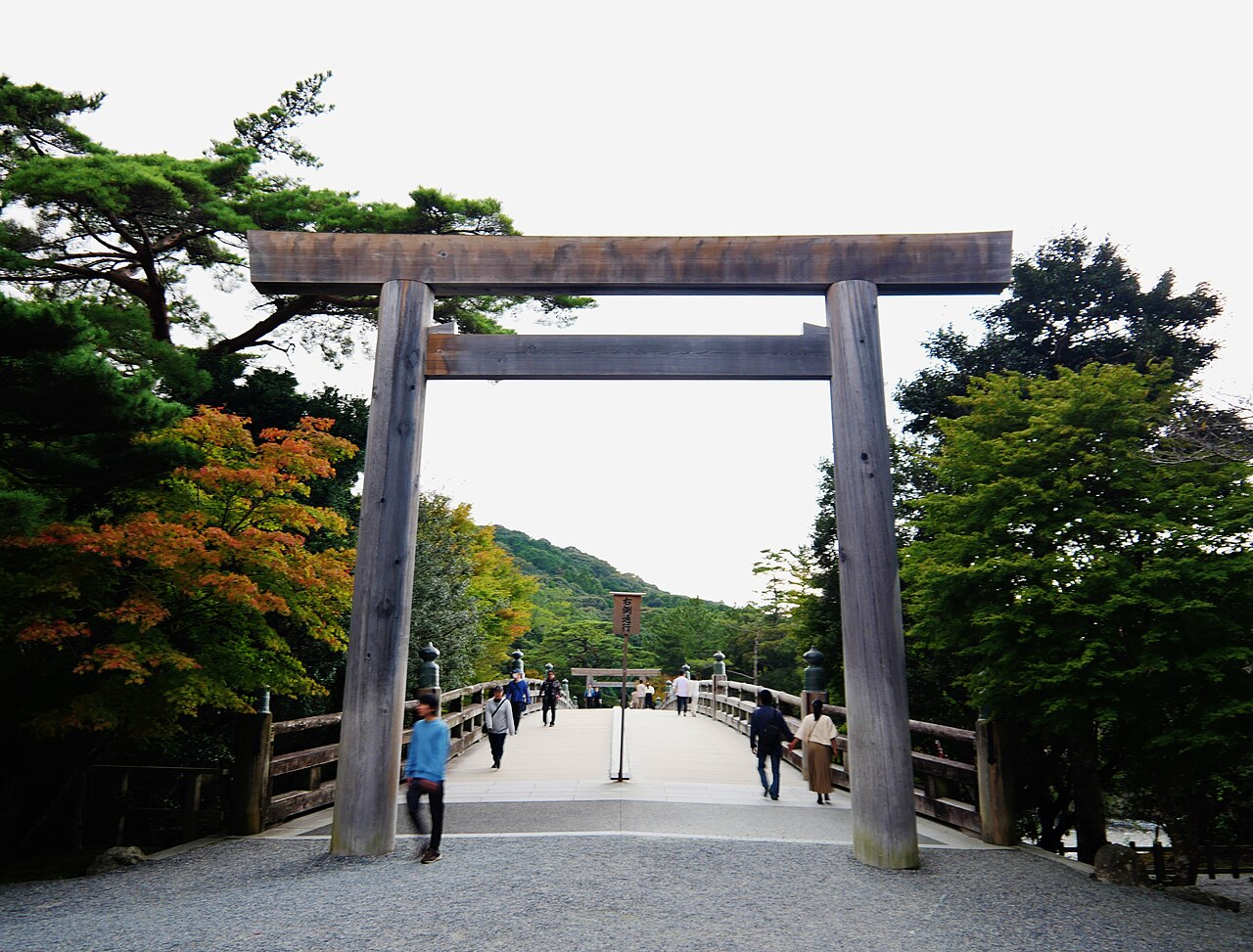
The most venerable sanctuary of Shinto: 125 shrines in the forests of Ise, where Amaterasu-Omikami dwells at the Naiku and Toyouke-Omikami at the Geku, and the whole sanctuary is rebuilt anew every twenty years.