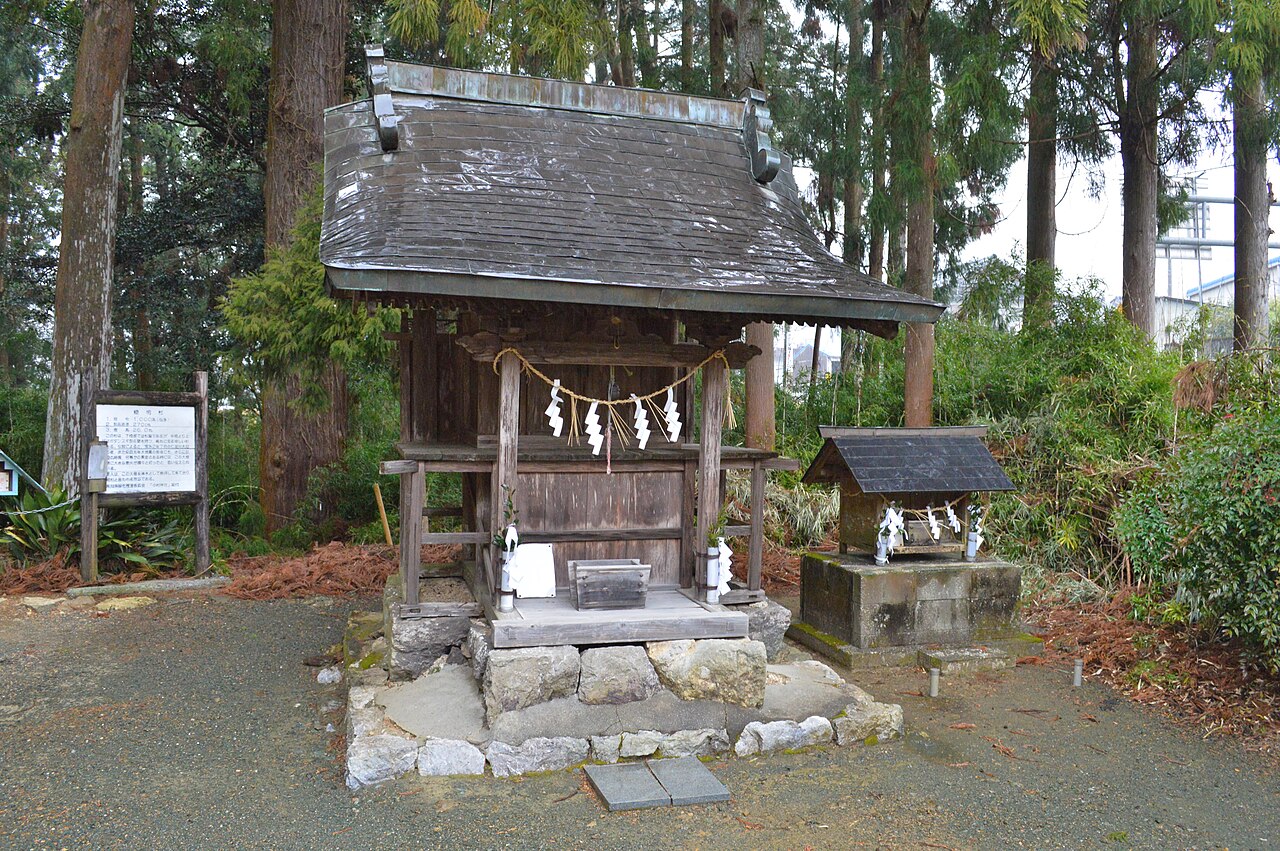
Omura Shrine
Omura-jinja · 小村神社 · Komura Shrine (a common misspelling)
About
Omura Jinja stands quietly in the village of Hidaka in the Takaoka District of Kochi Prefecture on Shikoku. The shrine traces its founding to 587, though the present shaden, the main building, dates to 1705. Behind the main hall rises the Botansugi, a Japanese cedar designated a natural monument and held to be a thousand years old, whose canopy is said in legend to shine in times of crisis, earning the further name Tomyo-sugi or eternal flame cedar.
The shintai, the object in which the kami is felt to dwell, is a sword: the National Treasure kondoso kanto tachi goshirae, a gilt bronze tachi with a ring pommel offered to Kunitokotachi by the Kusakabe clan at the time of the shrine's founding. The straight, double-edged blade dates to the late Kofun period and is said to be the oldest Japanese object passed down from generation to generation. It is brought out for public veneration once a year, at the grand festival on 15 November.
Among its other treasures the shrine preserves two late Heian wooden masks of Bodhisattvas designated as Important Cultural Properties, two mirrors with a Horai design honoured as prefectural cultural properties, a piece of Sue ware, two bronze hoko, a vertical painting attributed to Ono no Michikaze, and a munafuda ridge tag from 1240. Nine painted hengaku votive plaques of the Thirty-Six Poets and a tanzaku with waka by Emperor Go-Nara are also kept here.
History
Tradition places the shrine's founding in 587, though the present shaden dates only to 1705, its honden, heiden and haiden joined in a cross-shaped plan under a copper roof that Hidaka villagers liken to a dragonfly in flight. Its shintai, the object in which the kami is felt to dwell, is a gilt bronze tachi sword with a ring pommel, offered to the god Kunitokotachi by the Kusakabe clan at the time of the shrine's founding and dated by scholars to the late Kofun period, making it, by tradition, the oldest Japanese object handed down without interruption from generation to generation.
Significance
Ranked for centuries as Tosa Province's second shrine after Tosa Jinja itself, Omura Shrine keeps a National Treasure sword that leaves its case only once each year, at the fifteenth of November grand festival, when it is shown to the public before the community. Behind the main hall stands the Botansugi, a Japanese cedar reckoned a thousand years old and said in legend to glow at times of crisis, a reminder of the older Shinto reverence for sacred trees as dwellings of the unseen.
Architecture
Edo-period Shinto shrine architecture; the 1705 honden, heiden and haiden form a single cross-shaped ('dragonfly') plan under a nagare-zukuri copper roof
Visiting
Hours
Hours not listed.
Contact
No contact details listed yet.
Engage with Omura Shrine
Through the four pathways
Seva सेवा — Service
Offer your time and skills here. The following opportunities are open at Omura Shrine:
No Seva offerings listed yet.
Sādhana साधना — Practice
Learn the worship and practice associated with Omura Shrine:
No Sādhana offerings listed yet.
Sandhāna सन्धान — Wisdom
Unite with the wisdom of this tradition:
No Sandhāna offerings listed yet.
Sādhya साध्य — Giving
Support this sacred place according to your means:
No Sādhya offerings listed yet.
All giving flows directly to Omura Shrine. Adisthan does not take a commission.
Festivals & Events
- Nov
Autumn Grand Festival (Reitaisai)
15 November 2026 · annual
Hidaka village's own November festival, when the shrine's National Treasure sword leaves its case for the only public viewing of the year, alongside a divine procession, mochi throwing, and traditional performance.
Gallery
Related sacred places
 Shinto
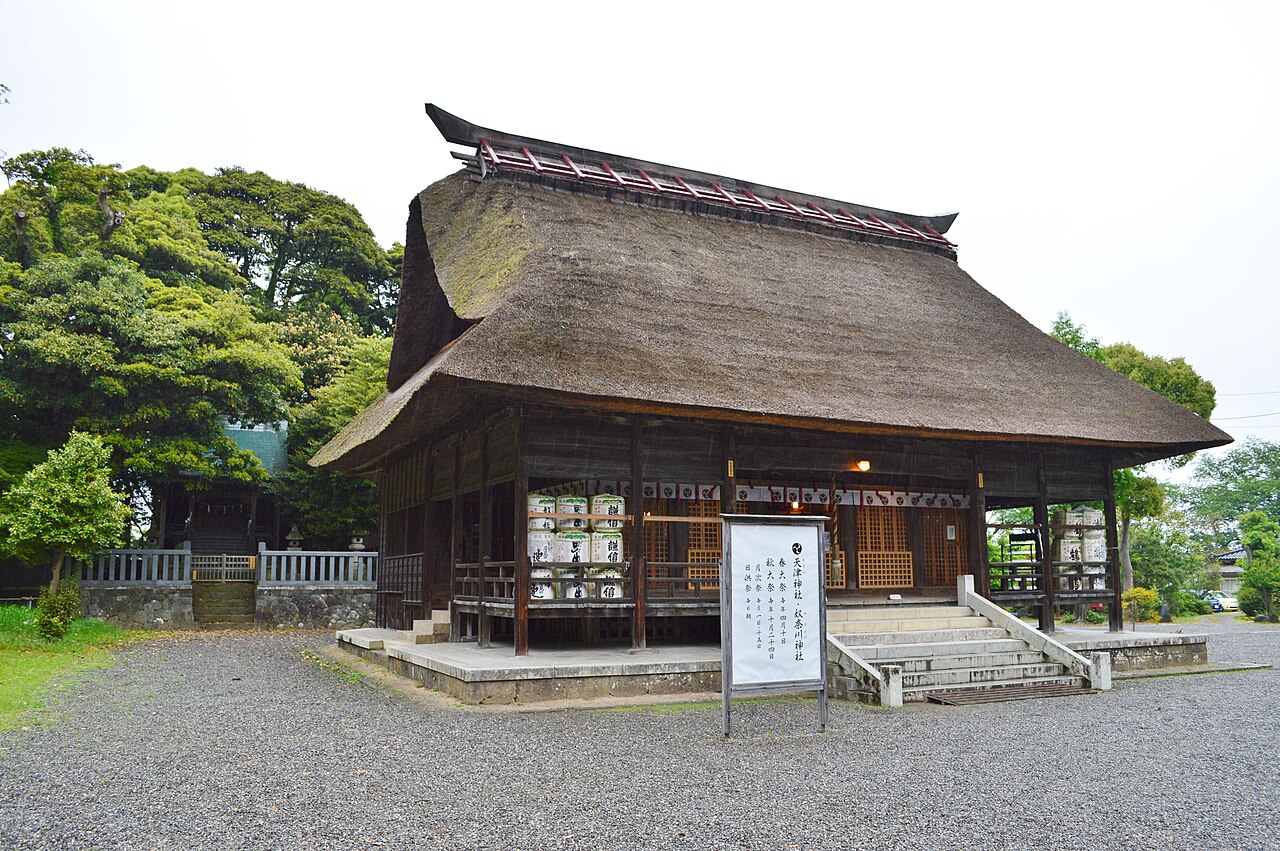
Amatsu Shrine
Itoigawa · Japan · shrine
A venerable jinja in the Ichinomiya quarter of Itoigawa on Japan's Sea of Japan coast, one of three shrines that each claim to have been the ichinomiya, the foremost shrine, of the old province of Echigo.
 Shinto
Fujisaki Hachimangū
Kumamoto · Japan · shrine
Fujisaki Hachimangū is a Shinto shrine in the heart of Kumamoto's Chūō ward, enshrining Hachiman as Emperor Ōjin together with Empress Jingū and the Sumiyoshi Sanjin, and revered for over a thousand years as guardian kami of the Higo region.
 Shinto
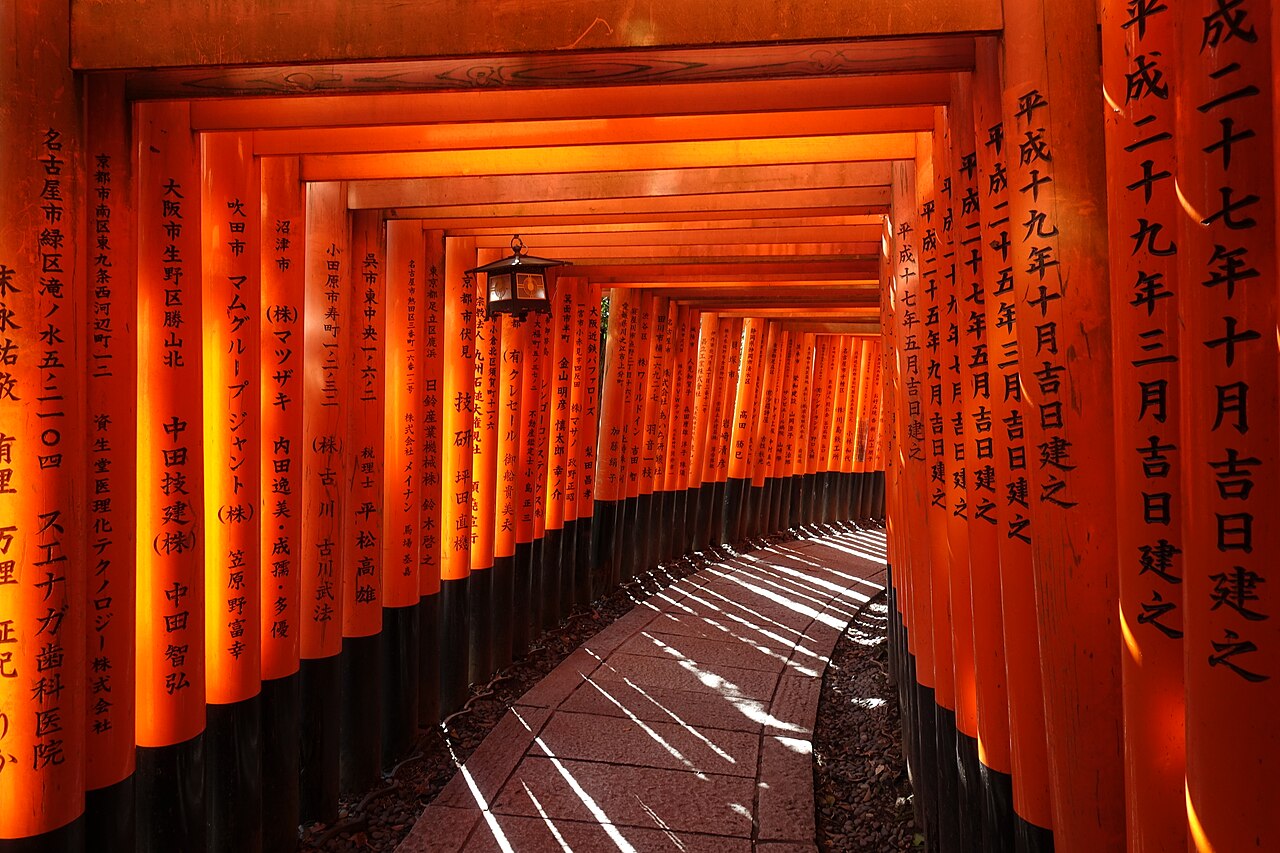
Fushimi Inari Taisha
Kyoto · Japan · shrine
The head shrine of Japan's roughly 30,000 Inari shrines, where some 10,000 vermilion torii climb sacred Mount Inari and white fox messengers watch every path.
 Shinto
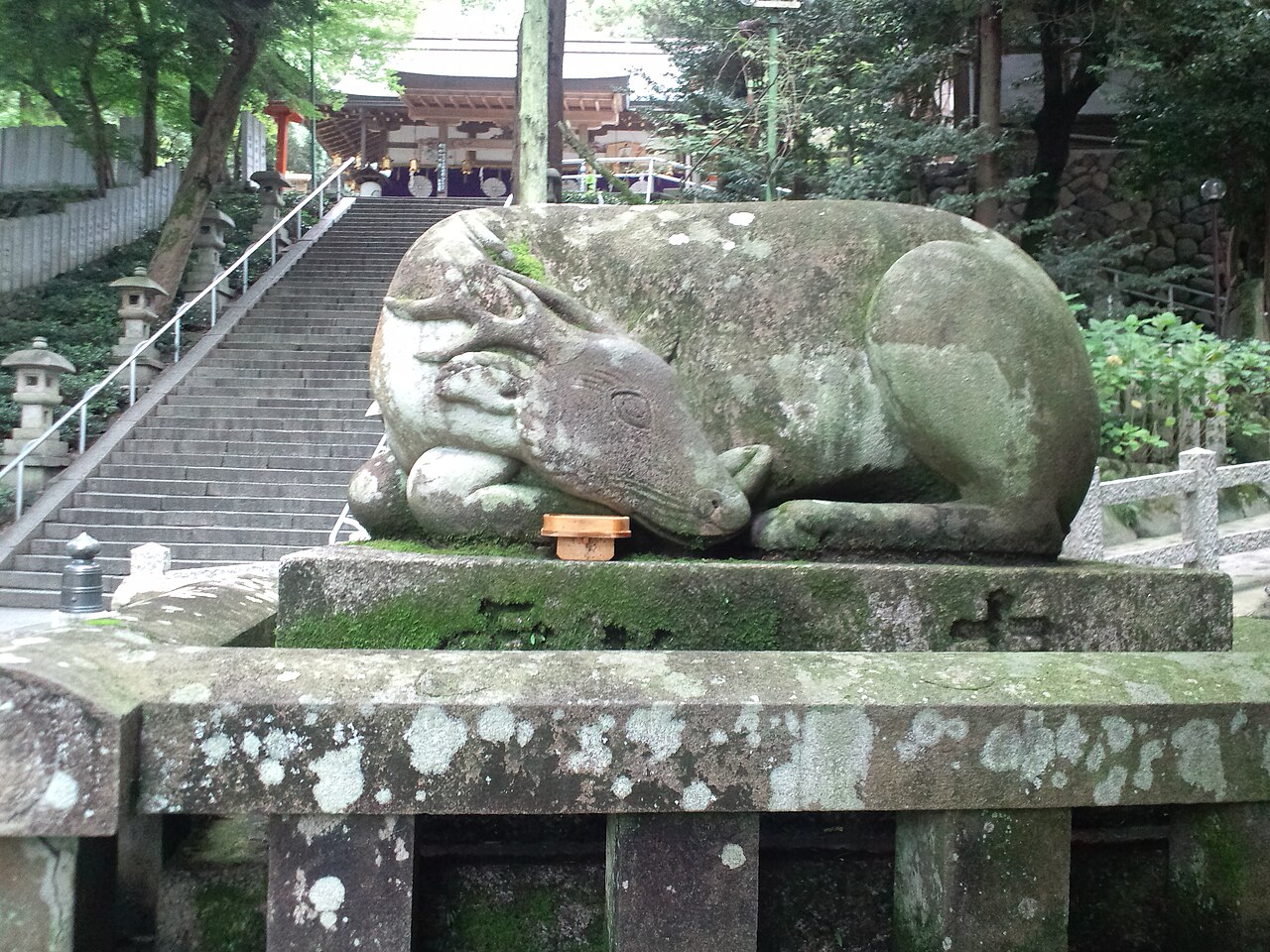
Hiraoka Shrine
Higashiosaka · Japan · shrine
The Ichinomiya, or foremost shrine, of the old province of Kawachi, set on the wooded western slope of the Ikoma range, where the ancestral kami of the Fujiwara clan were worshipped centuries before two of them were carried east to found Nara's Kasuga Taisha.
 Shinto
Hiroshima Gokoku Shrine
Hiroshima · Japan · shrine
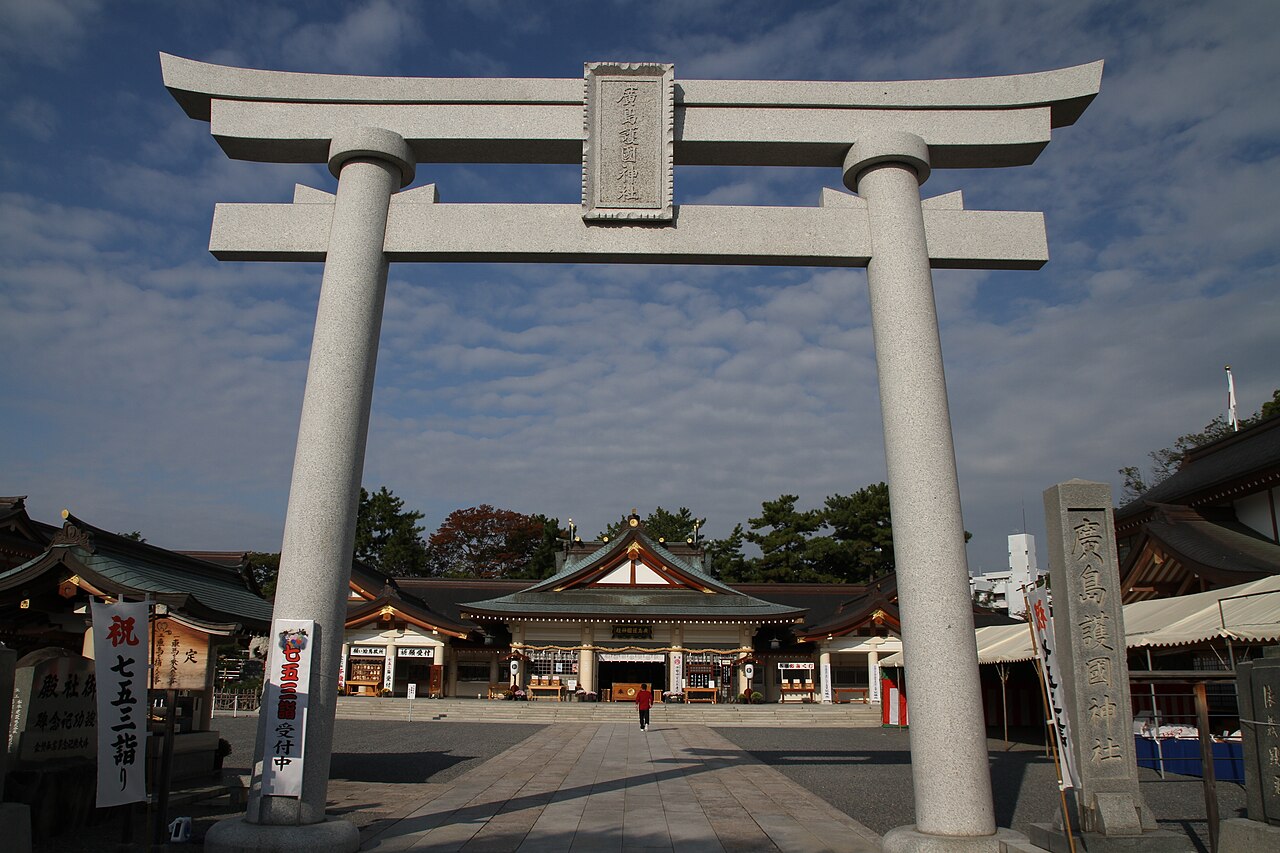
A Shinto shrine within the grounds of Hiroshima Castle honouring the war dead of Hiroshima, destroyed in the atomic bombing of 1945 and rebuilt by the city's own citizens in the years that followed.
 Shinto
Ise Jingu (Ise Grand Shrine)
Ise · Japan · shrine
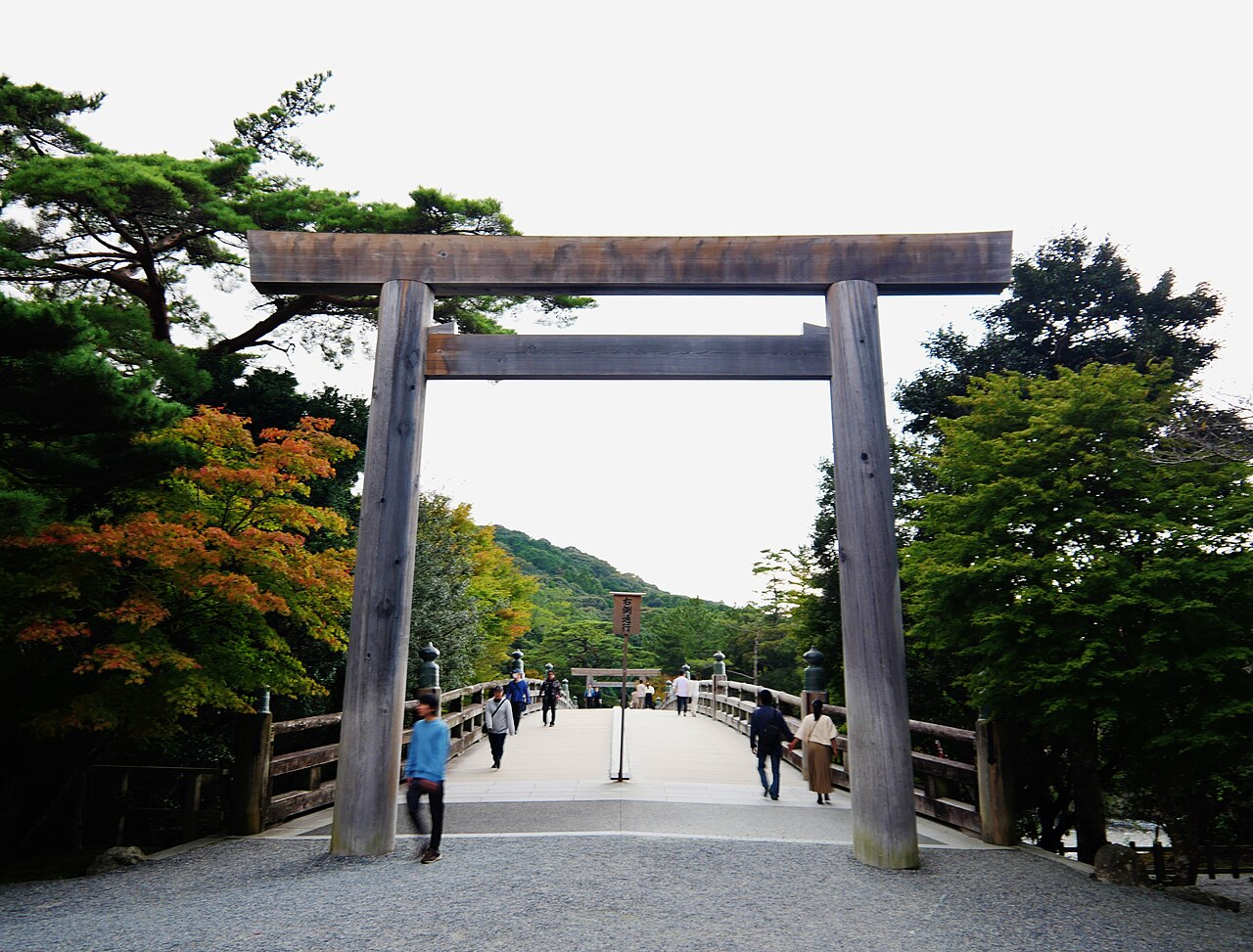
The most venerable sanctuary of Shinto: 125 shrines in the forests of Ise, where Amaterasu-Omikami dwells at the Naiku and Toyouke-Omikami at the Geku, and the whole sanctuary is rebuilt anew every twenty years.