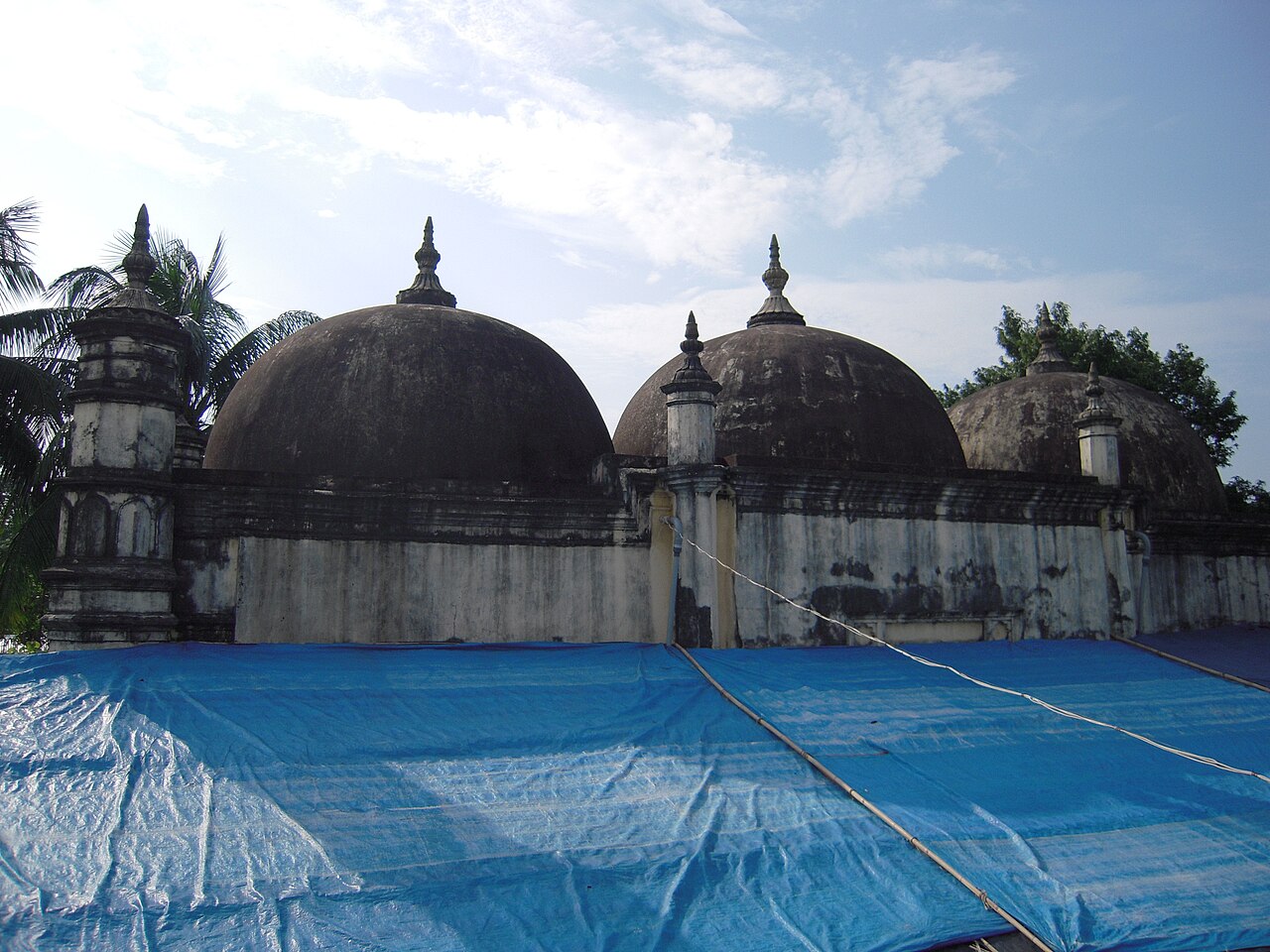
Panbari Mosque
Rangamati Mosque · Panbari Masjid
About
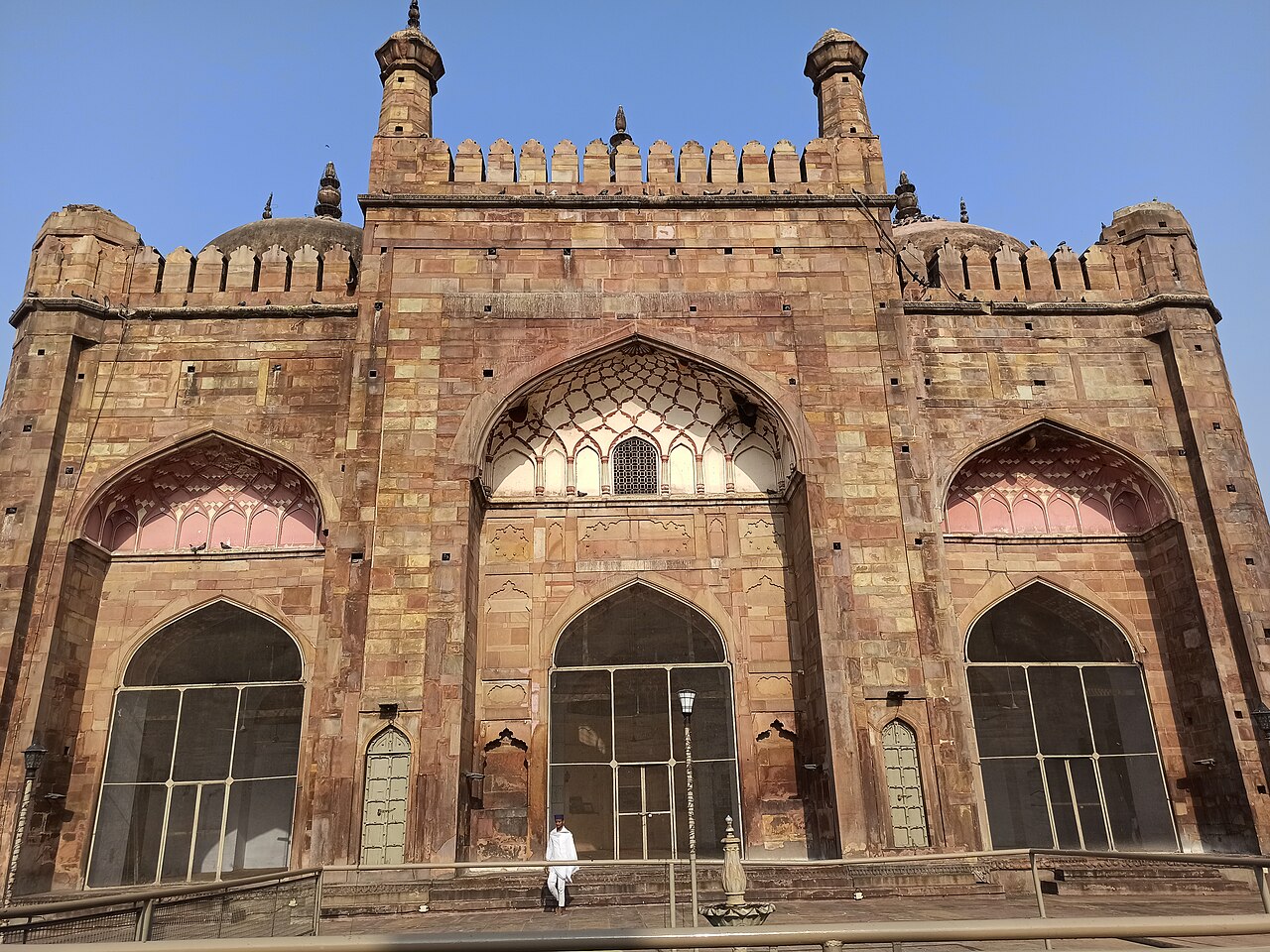
Standing approximately 25 kilometres east of Dhubri town along National Highway 17, the Panbari Mosque, locally also called the Rangamati Mosque, is widely considered the oldest mosque remaining in Assam. Its three domes rise with quiet authority over the surrounding landscape, embodying the refined building traditions that flourished under the Sultanate of Bengal during the 1400s and 1500s.
The mosque's architecture offers a window into a moment when Bengal's Muslim rulers extended their cultural and spiritual reach into the borderlands of northeast India. The three domes follow a form favoured by Sultanate builders, and the quality of workmanship here has long attracted scholarly attention as a surviving marker of that era's achievement.
Within the wider complex stand an eidgah and a deep well, both believed to be as old as the mosque itself. A broad paved courtyard and a minaret were added at a later period, giving the site a layered character that speaks to centuries of continued use and incremental care. With capacity for around 150 worshippers, the mosque remains an active place of prayer rather than merely a monument.
History
Scholars generally attribute the mosque to Sultan Alauddin Husain Shah of Bengal, dating its construction to between 1493 and 1519 CE and linking it to his forces' Conquest of Kamata in 1498, though a minority view instead credits Mir Jumla II, the Mughal governor of Bengal, during his 1662 campaign into Assam. The mosque, its adjoining eidgah, and a deep well of the same era served as a prayer hall for soldiers garrisoned at this frontier post before the site was gradually overtaken by forest. In 1928 a villager gathering firewood glimpsed its minarets through the tree cover, and word of the rediscovery reached the Nawab of Dhaka, who sent a party that confirmed the mosque still stood.
Significance
Local memory also holds that villagers cleared the mosque from the forest on Panbari hill roughly two centuries ago and resumed prayer there, and it is venerated today as a holy shrine by Muslim communities across western Assam. Protected by the Archaeological Survey of India as a monument of national importance, the mosque remains an active place of prayer with capacity for around 150 worshippers, maintained by a local management committee and supported by donors across religious lines.
Architecture
Bengal Sultanate three-domed mosque architecture
Visiting
Hours
Hours not listed.
Contact
No contact details listed yet.
Address
Engage with Panbari Mosque
Through the four pathways
Seva सेवा — Service
Offer your time and skills here. The following opportunities are open at Panbari Mosque:
No Seva offerings listed yet.
Sādhana साधना — Practice
Learn the worship and practice associated with Panbari Mosque:
No Sādhana offerings listed yet.
Sandhāna सन्धान — Wisdom
Unite with the wisdom of this tradition:
No Sandhāna offerings listed yet.
Sādhya साध्य — Giving
Support this sacred place according to your means:
No Sādhya offerings listed yet.
All giving flows directly to Panbari Mosque. Adisthan does not take a commission.
Gallery
Related sacred places
 Islam
IslamAbu'l-Fida Mosque
Hama · Syria · mosque
A fourteenth-century Ayyubid mausoleum and Mamluk-era congregational mosque on the banks of the Orontes in Hama, Syria, known locally as the Mosque of the Serpents for the carved pillars at its windows.
 Islam
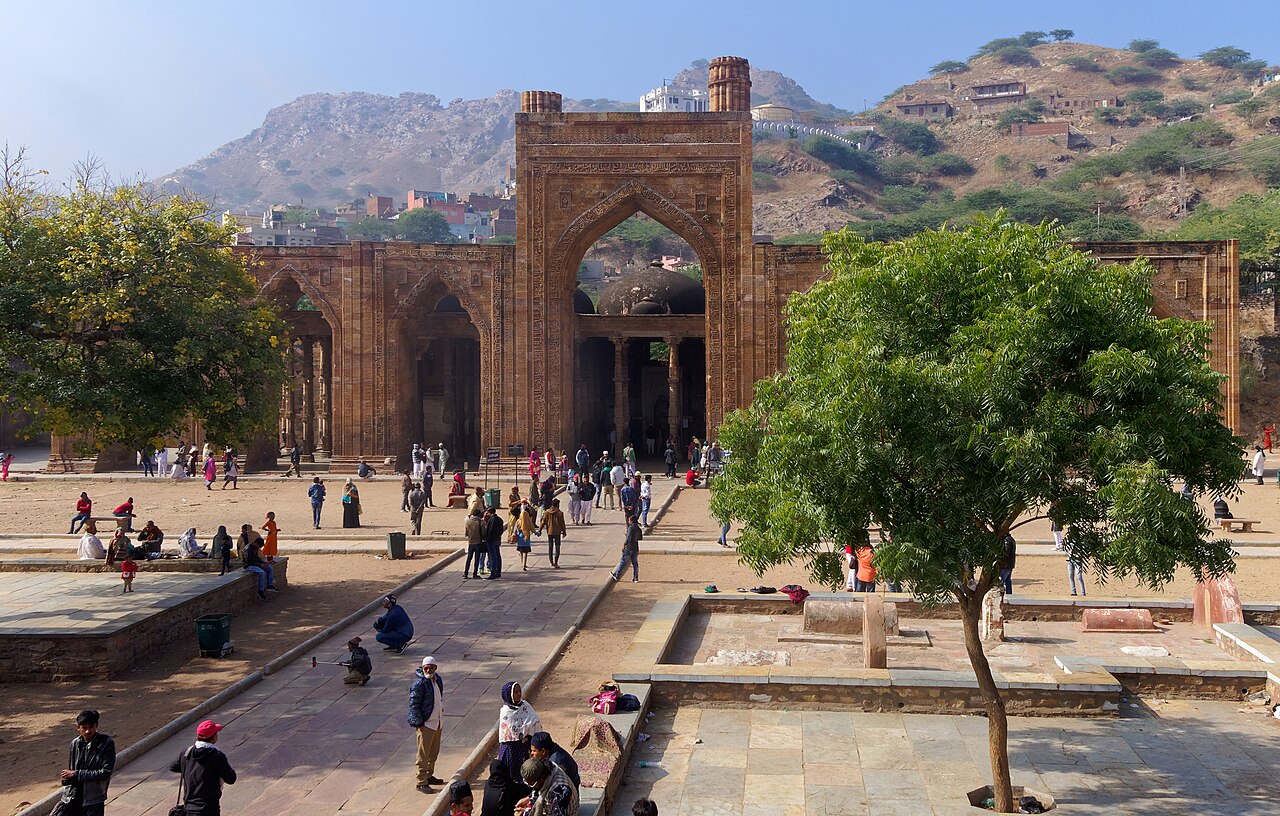
IslamAdhai Din Ka Jhonpra
Ajmer · India · mosque
The oldest surviving monument in Ajmer and among the earliest Indo-Islamic mosques in India, its 1199 CE prayer hall and Iltutmish's 1213 CE arched screen rise on 344 pillars carved by Hindu and Jain craftsmen from earlier Temples.
 Islam
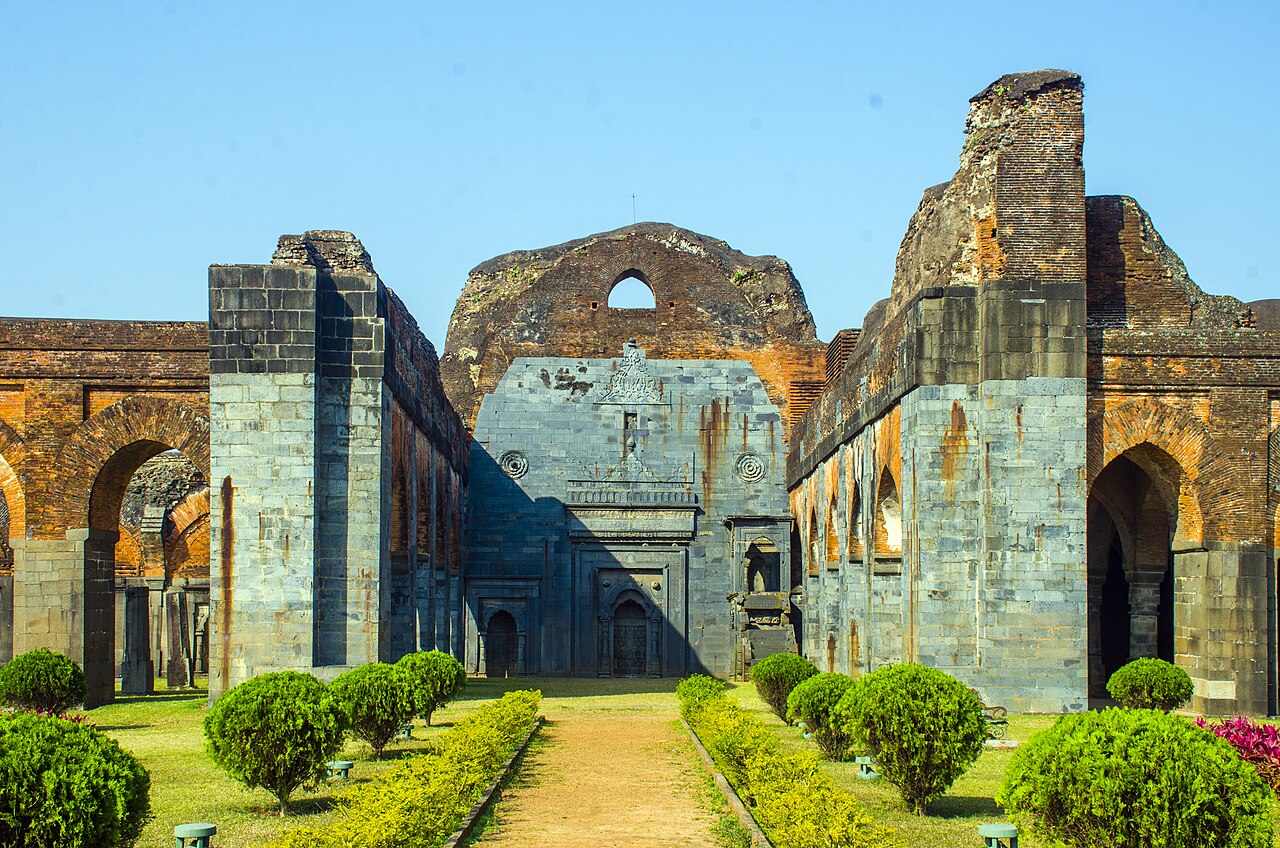
IslamAdina Mosque
Pandua · India · mosque
Once the largest mosque on the Indian subcontinent, the Adina Mosque at Pandua in West Bengal was raised by Sultan Sikandar Shah between 1373 and 1375 as the congregational mosque of the Bengal Sultanate, and holds his tomb within its western wall.
 Islam
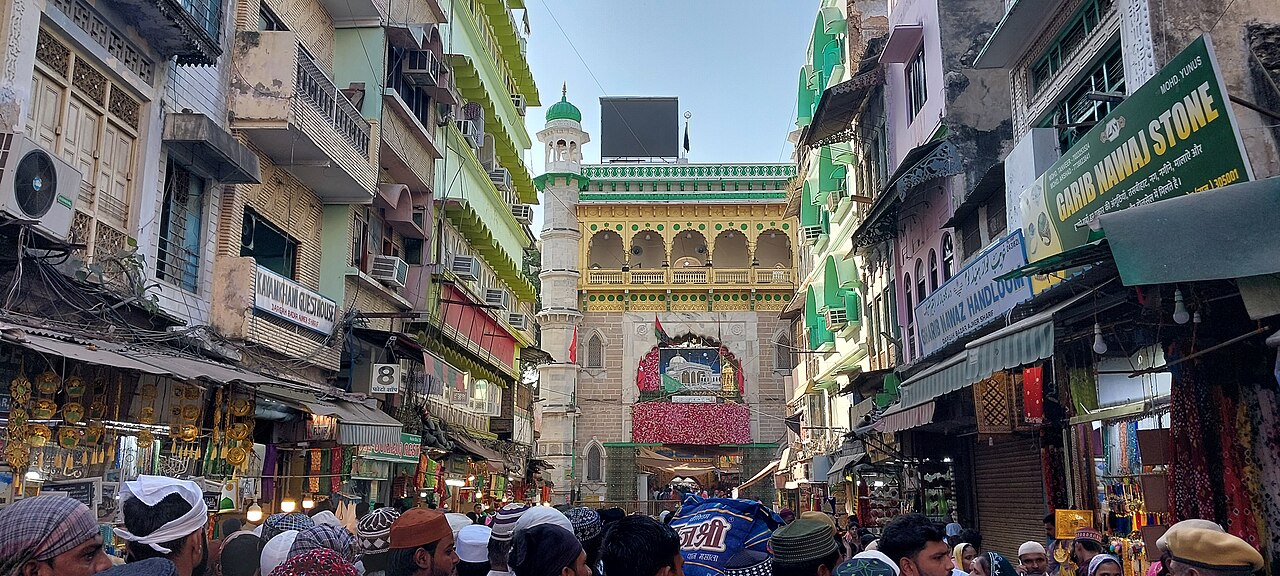
IslamAjmer Sharif Dargah
Ajmer · India · dargah
The tomb of Hazrat Khwaja Moinuddin Chishti, Gharib Nawaz, the benefactor of the poor, and the principal Sufi dargah of South Asia, where pilgrims of every community have offered chadars and shared the sweet rice of the great deghs for eight centuries.
Akbarabadi Mosque
Delhi · India · mosque
A mosque raised in 1650 by Akbarabadi Begum, a wife of the Mughal emperor Shah Jahan, in the walled city of Shahjahanabad, demolished by British forces in the aftermath of the 1857 Uprising and today marked only by disputed, unexcavated remains beneath Netaji Subhash Park in Old Delhi.
 Islam
IslamAlamgir Mosque
Varanasi · India · mosque
Raised in 1669 by the Mughal emperor Aurangzeb on the high bank above Panchganga Ghat in Varanasi, the Alamgir Mosque stands where wide stone steps meet the Ganges, its domes and surviving corner turret rising over a site earlier accounts describe as the Hindu Temple of Bindu Madhava.