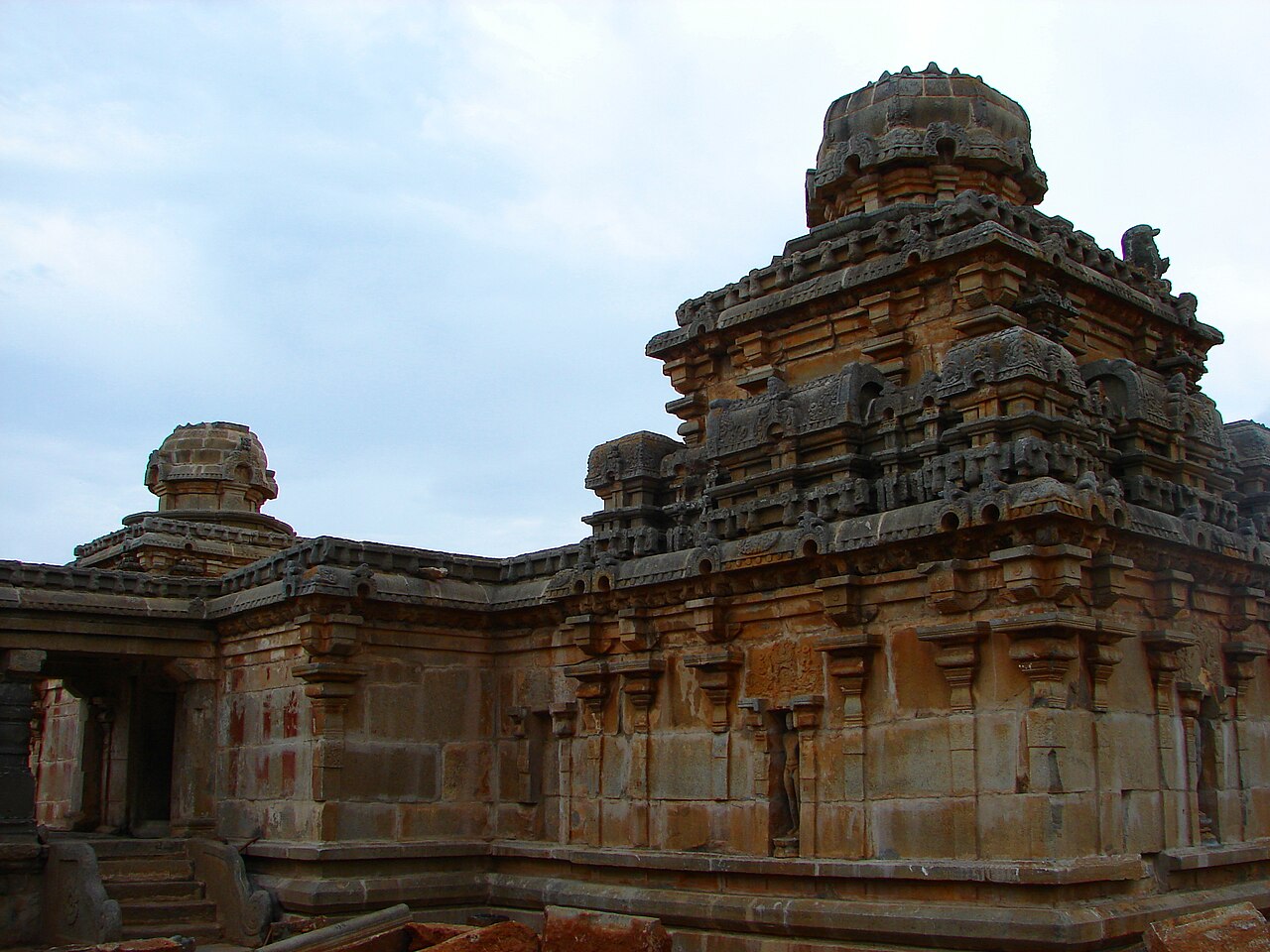
Panchakuta Basadi, Kambadahalli
Panchakoota Basadi · Kambadahalli Jain Temple
About
Panchakuta Basadi, also called Panchakoota Basadi, gathers a cluster of Jain shrines on the edge of Kambadahalli village in the Mandya district of Karnataka, about eighteen kilometres from the great Jain pilgrimage town of Shravanabelagola. It is often praised as one of the finest expressions of the Western Ganga branch of Dravidian Temple architecture.
Historians offer two dates for the complex. K. R. Srinivasan places it in the ninth and tenth centuries under the Western Ganga dynasty, while I. K. Sarma proposes an earlier eighth-century origin based on traces of Pallava, Pandya, and Chalukya-Pallava influence. Inscriptions record renovations under the Hoysala empire, and the Archaeological Survey of India today protects the basadi as a national monument.
The village name itself means village of the pillar in Kannada, drawn from the great Brahmadeva pillar set before the Temple. Its base carries looped garland decoration, and at its summit sits an east-facing image of the Yakshi Siddhayika. The complex was built in two phases: first as a trikutachala of three shrines, the central one facing north with a Brahmachhanda griva-shikhara, the western bearing the Rudrachhanda and the eastern the Vishnuchhanda tower forms, each opening into a common navaranga supported by four ornate pillars.
The central shrine houses Adinatha, the first Tirthankara, while the western and eastern shrines honour Shantinatha and Neminatha. The Ashtadikpalakas guard the thresholds with their consorts and vehicles, and the complex is rich in Yaksha and Yakshi sculpture of the Western Ganga and Hoysala periods.
History
Scholars date the complex to the eighth century under I. K. Sarma's reading of its early Pallava and Chalukya influences, or to the ninth and tenth centuries under K. R. Srinivasan's later dating, with inscriptions recording further renovation during the Hoysala era. The complex takes its village's name, Kambadahalli, village of the pillar, from the tall Brahmadeva pillar that stands before it, its base carved with looped garlands and its summit crowned by an image of the Yakshi Siddhayika. Today the Archaeological Survey of India protects the basadi as a monument of national importance.
Significance
Three shrines share one roof here: the central sanctum honours Lord Adinatha, the first Tirthankara, while the flanking shrines hold Lord Shantinatha and Lord Neminatha. Guardian figures of the eight directions stand watch at the thresholds, and the walls carry sculpture of the Yakshas and Yakshis of the Western Ganga and Hoysala periods, a rare gathering of Jain architectural artistry in southern Karnataka.
Architecture
Western Ganga Dravidian Temple architecture; trikutachala (three-shrine) plan with a later lateral twin-shrine addition
Visiting
Hours
Hours not listed.
Contact
No contact details listed yet.
Engage with Panchakuta Basadi, Kambadahalli
Through the four pathways
Seva सेवा — Service
Offer your time and skills here. The following opportunities are open at Panchakuta Basadi, Kambadahalli:
No Seva offerings listed yet.
Sādhana साधना — Practice
Learn the worship and practice associated with Panchakuta Basadi, Kambadahalli:
No Sādhana offerings listed yet.
Sandhāna सन्धान — Wisdom
Unite with the wisdom of this tradition:
No Sandhāna offerings listed yet.
Sādhya साध्य — Giving
Support this sacred place according to your means:
No Sādhya offerings listed yet.
All giving flows directly to Panchakuta Basadi, Kambadahalli. Adisthan does not take a commission.
Gallery
Related sacred places
 Jainism
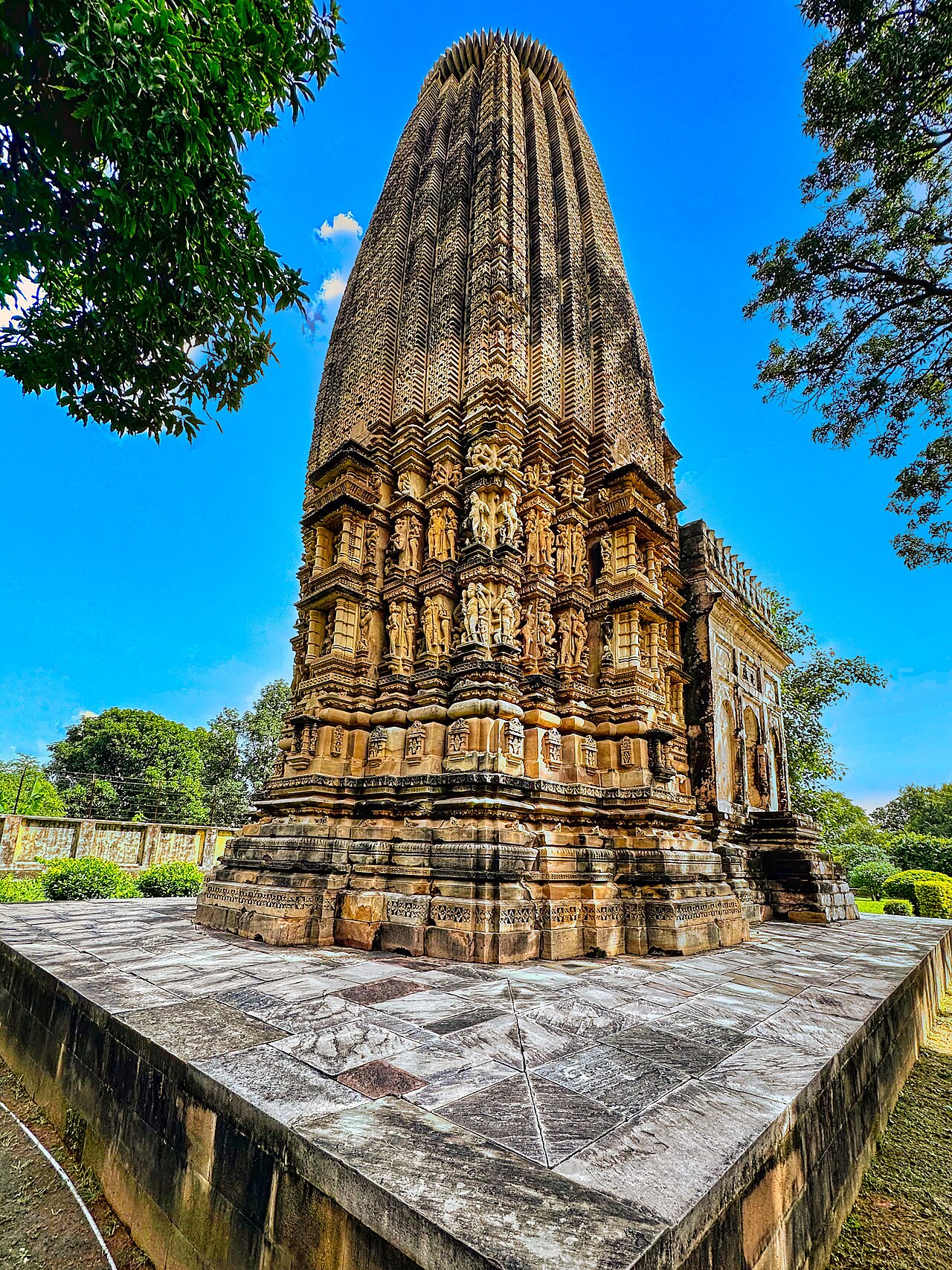
Adinatha Temple
Khajuraho · India · temple
A Digambara Jain shrine within Khajuraho's Eastern Group of Temples, dedicated to Lord Adinatha, the first tirthankara, its curvilinear sandstone tower carved in the late eleventh century for a Hindu patron before passing into Jain hands.
 Jainism
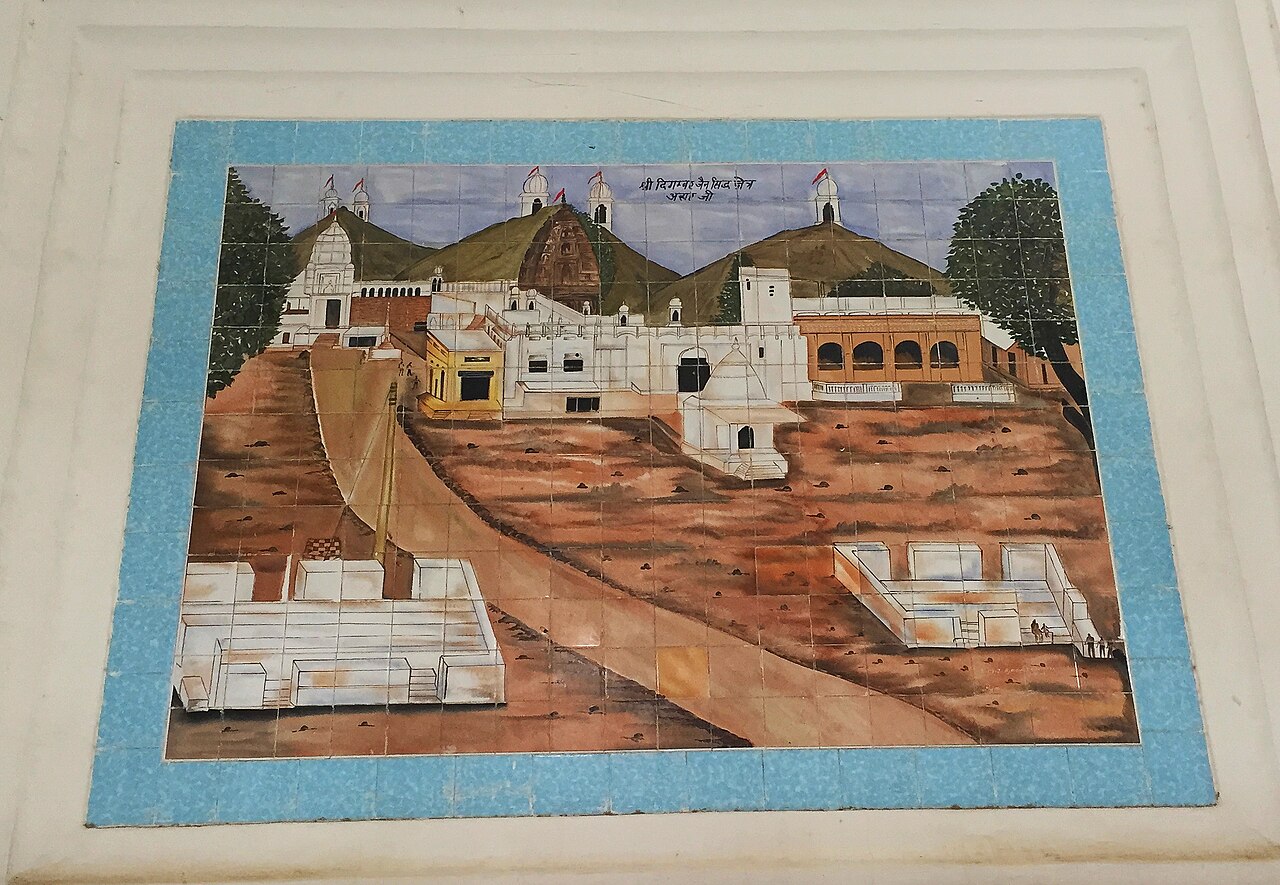
Aharji
Aharji · India · temple
A Digambara Jain tirtha in the Bundelkhand region of Madhya Pradesh, where an eighteen-foot Chandella-era colossus of Lord Shantinatha stands in silent meditation at the heart of a Temple complex raised across three centuries.
 Jainism
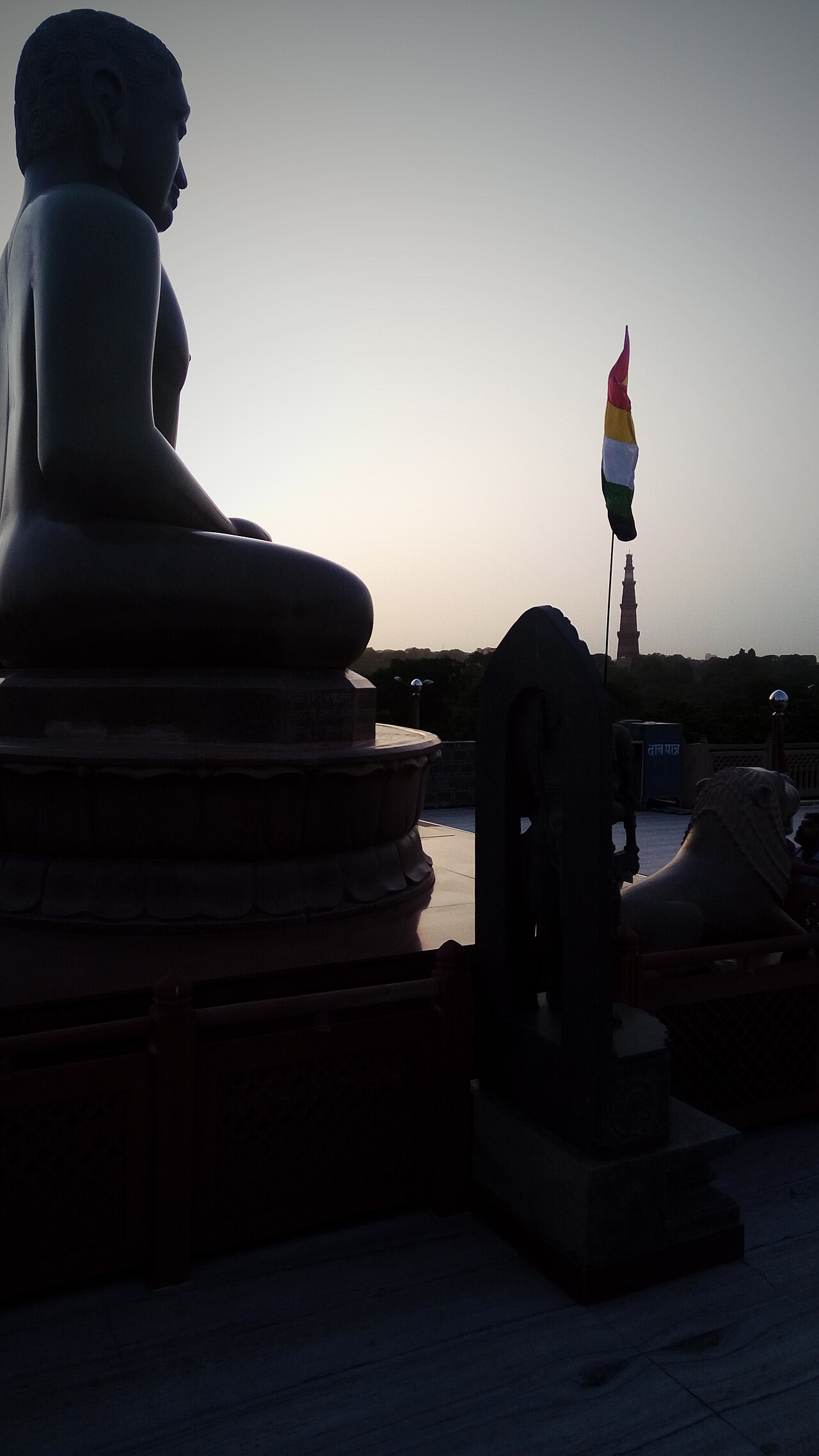
Ahinsa Sthal
New Delhi · India · temple
A modern Digambara Jain shrine on a terrace in Mehrauli, New Delhi, built in 1980 around a colossal granite image of Lord Mahavira seated in deep meditation, its very name declaring the tradition's central vow: ahimsa, harmlessness toward every living being.
 Jainism
Ajmer Jain Temple
Ajmer · India · temple
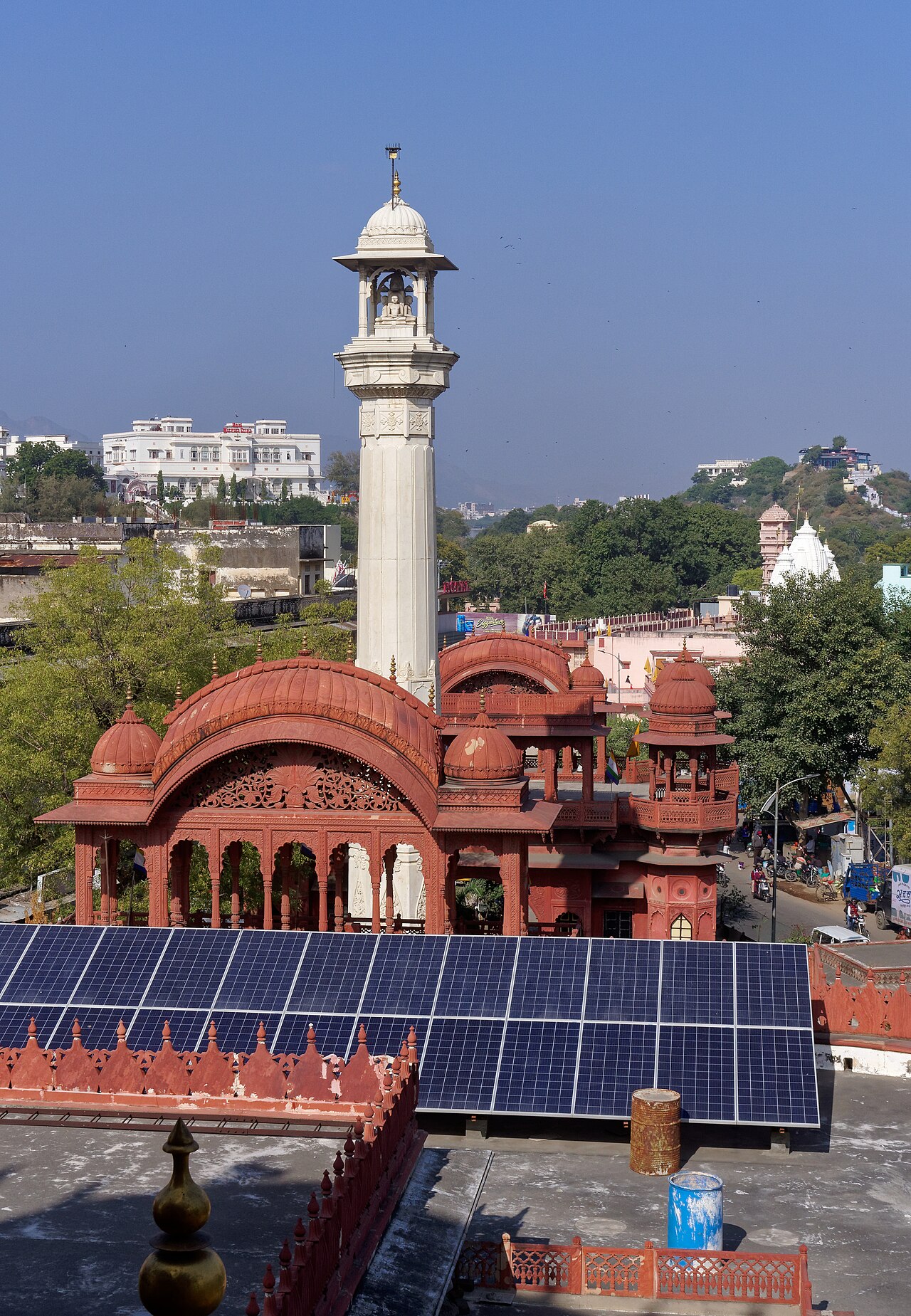
Popularly called Soniji Ki Nasiyan or the Red Temple, this Digambara Jain Temple on Prithviraj Marg in Ajmer pairs a red sandstone sanctuary, crowned by an eighty two foot marble pillar, with a golden upper hall whose gilded tableaux retell the life of Lord Rishabhdev, the first tirthankara.
 Jainism
Akkana Basadi
Shravanabelagola · India · temple
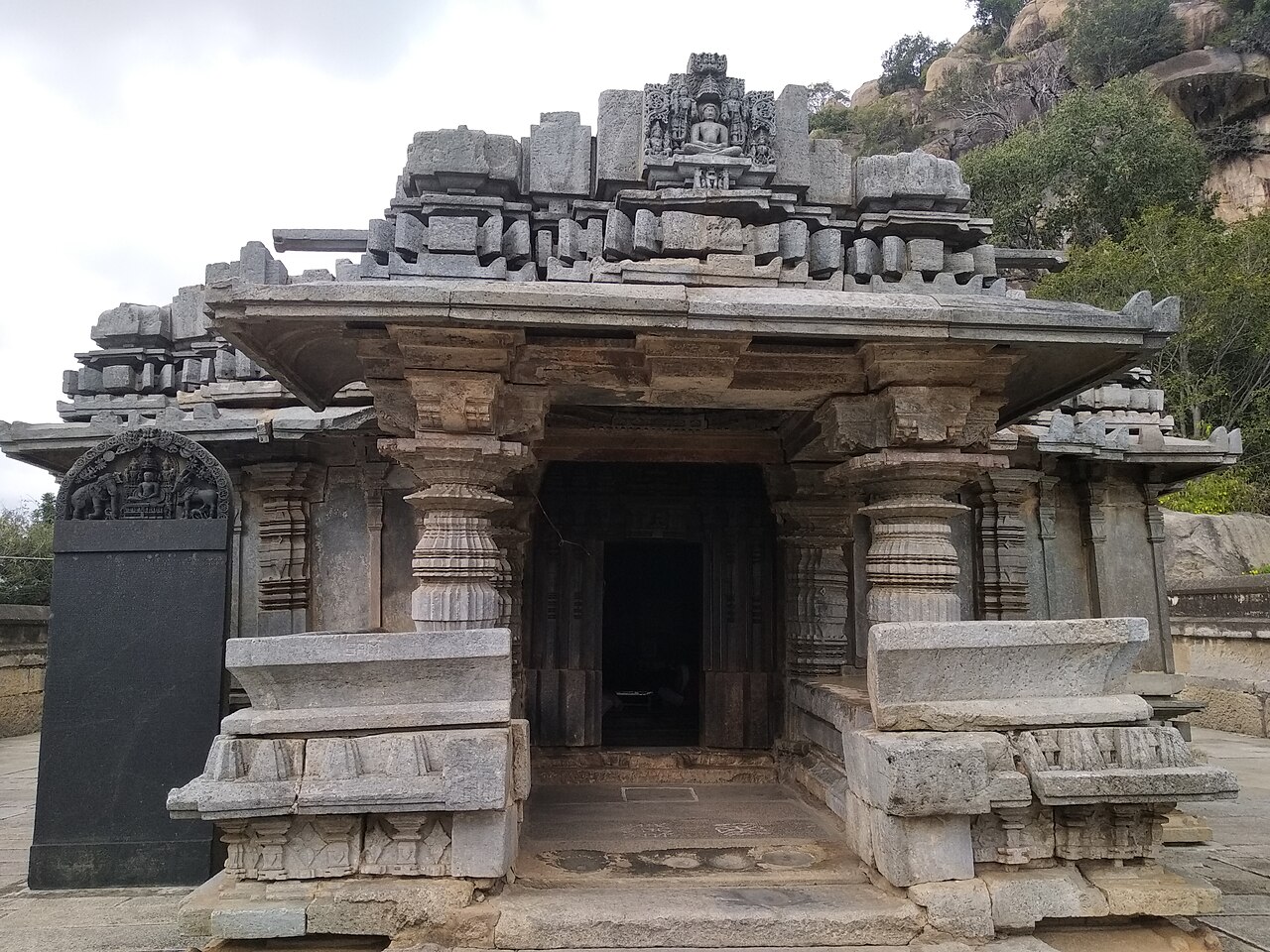
Consecrated in 1181 CE on Chandragiri hill at Shravanabelagola, Karnataka, Akkana Basadi is a Hoysala-era Jain basadi raised by the devout laywoman Achiyakka in honour of Tirthankara Parshvanatha, its deliberately plain stone walls and lathe-turned pillars a quiet expression of Jain austerity.
 Jainism
Bawangaja
Bawangaja · India · temple
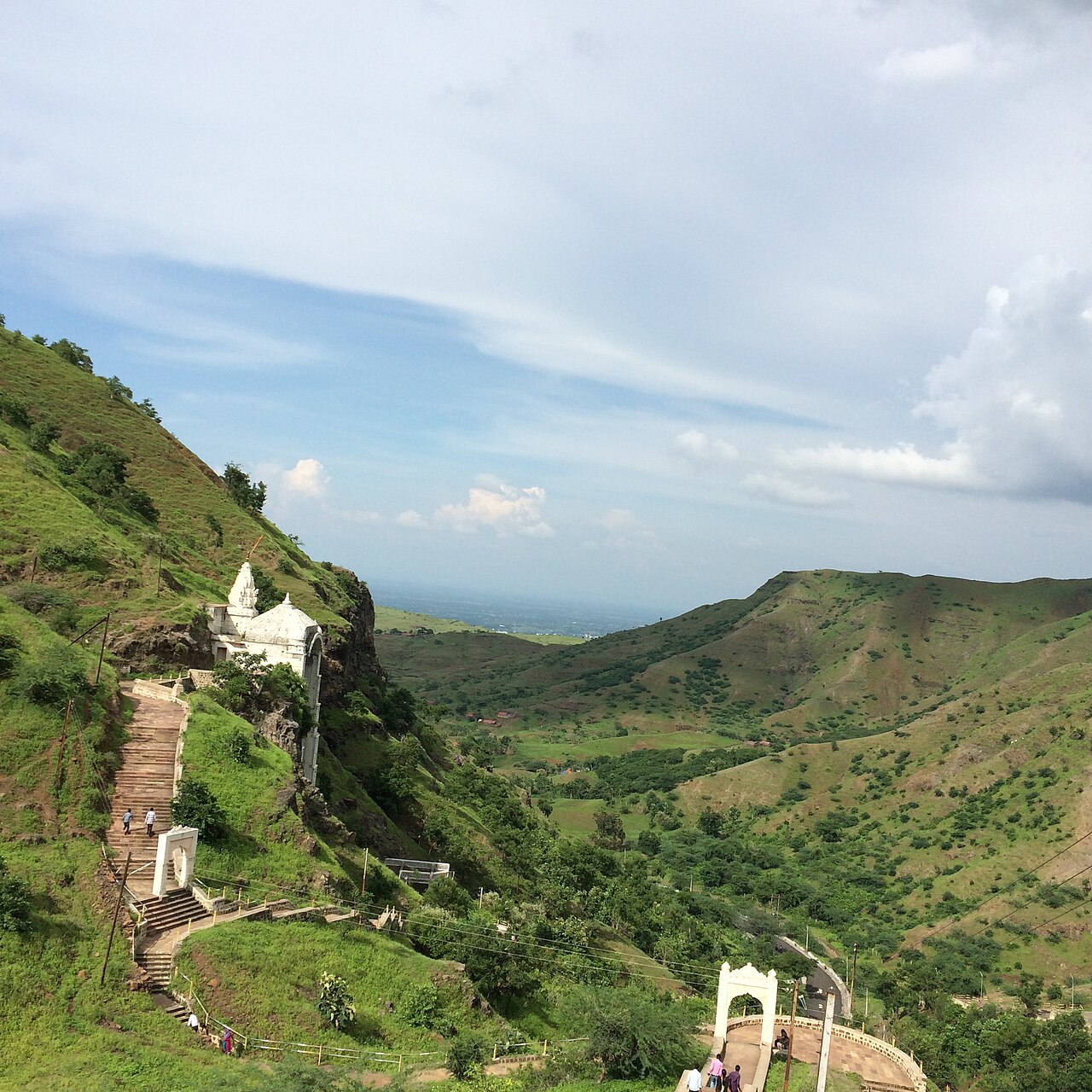
A Digambara Jain tirtha in the Satpura hills of Barwani district, Madhya Pradesh, where an 84-foot monolithic image of Lord Rishabhanatha (Adinatha), the first Tirthankara, stands carved directly from the mountain.