
Parshvanatha Temple
Parshvanatha Temple, Khajuraho · Parshwanath Mandir · Parsvanatha Jain Temple
About
Rising above the eastern group at Khajuraho, the Pārśvanātha Mandir is the grandest among the Jain shrines of this celebrated complex. Scholars believe a prominent Jain family commissioned it sometime between 950 and 970 CE, during Chandela king Dhanga's reign, though the original dedication was almost certainly to Adinatha rather than to Parshvanatha, after whom the Temple is now named. A Parshvanatha idol was installed in the main sanctum only in 1860, while an Adinatha image was relocated to a secondary shrine at the rear. The site forms part of the Khajuraho Group of Monuments, a UNESCO World Heritage property recognized for the outstanding artistic, architectural, and cultural testimony it preserves from the Chandela era.
In plan the Temple is oblong, with projecting porches at both east and west ends. Moving inward, a visitor passes through an entrance porch, a small anteroom, a large columned hall (maṇḍapa), a vestibule, and finally the sanctum. The porch ceiling is adorned with chain and floral motifs flanked by a pair of intertwined flying vidyādharas. Inside the maṇḍapa, the door-lintel carries a ten-armed Chakreshvarī mounted on a Garuḍa, attendant of the Jina Adinatha, and the sanctum walls display further Jina sculptures.
The exterior presents three horizontal bands of stone carving. Figures of surasundarīs (graceful celestial women), flying couples, dancers, musicians, and divine beings populate these registers. Notably, despite the building's Digambara affiliation, the outer surface also celebrates Vaishnavaite subjects: Vishnu with Lakshmi, Rama with Sita, Balarama with Revati, Parashurama, Hanuman, Brahma, and scenes from the Yamalarjuna episode of Krishna's life appear among the carvings. The sculptural style closely resembles that of the nearby Lakshmana Temple in modelling and proportion, though the Pārśvanātha Mandir omits the explicit erotic imagery characteristic of that shrine.
At the entrance a carved inscription presents the celebrated Jaina magic square, a 4×4 grid using numbers 1 through 16 in which every row, column, and main diagonal sums to 34, as do each corner 2×2 sub-square and the central 2×2 sub-square. The grid is also pandiagonal, meaning broken diagonals yield the same total. This places it among the oldest verified most-perfect magic squares anywhere in the world. The Archaeological Survey of India has designated the Temple a Monument of National Importance.
History
Built between 950 and 970 CE during the reign of the Chandela king Dhanga, an inscription dated 954 CE on the Temple's door jamb records the gifts of a devotee named Pahila, who endowed several gardens to the shrine. The earliest image enshrined in the sanctum was Lord Adinatha, and when the archaeologist Alexander Cunningham visited in 1852 he found the sanctum empty. In 1860 an image of Lord Parshvanatha was installed in the main sanctum, giving the Temple its present name, while the earlier Adinatha image was moved to a smaller shrine at the rear.
Significance
The Temple's outer walls carry three bands of carving that include Vaishnavaite figures such as Vishnu and Maa Lakshmi, Rama and Sita, and scenes from the life of Sri Krishna, an unusual crossing of traditions on a Digambara Jain sanctuary. Its entrance inscription also holds one of the oldest known most-perfect magic squares in the world, a four-by-four grid whose every row, column, and diagonal sums to thirty-four. Together with the neighbouring Jain and Hindu shrines, it forms part of the UNESCO-inscribed Khajuraho Group of Monuments.
Architecture
Central Indian Nagara Temple architecture of the Chandela era; the largest of Khajuraho's Jain Temples, with an oblong plan and projecting porches at both ends
Visiting
Hours
Hours not listed.
Contact
No contact details listed yet.
Engage with Parshvanatha Temple
Through the four pathways
Seva सेवा — Service
Offer your time and skills here. The following opportunities are open at Parshvanatha Temple:
No Seva offerings listed yet.
Sādhana साधना — Practice
Learn the worship and practice associated with Parshvanatha Temple:
No Sādhana offerings listed yet.
Sandhāna सन्धान — Wisdom
Unite with the wisdom of this tradition:
No Sandhāna offerings listed yet.
Sādhya साध्य — Giving
Support this sacred place according to your means:
No Sādhya offerings listed yet.
All giving flows directly to Parshvanatha Temple. Adisthan does not take a commission.
Festivals & Events
- Apr
Mahavir Jayanti
18 April 2027 · annual
The birth anniversary of Lord Mahavira, the twenty-fourth and final Tirthankara, observed by the Jain community with processions, Temple decoration, and readings from Jain scripture.
Gallery
Related sacred places
 Jainism
Adinatha Temple
Khajuraho · India · temple
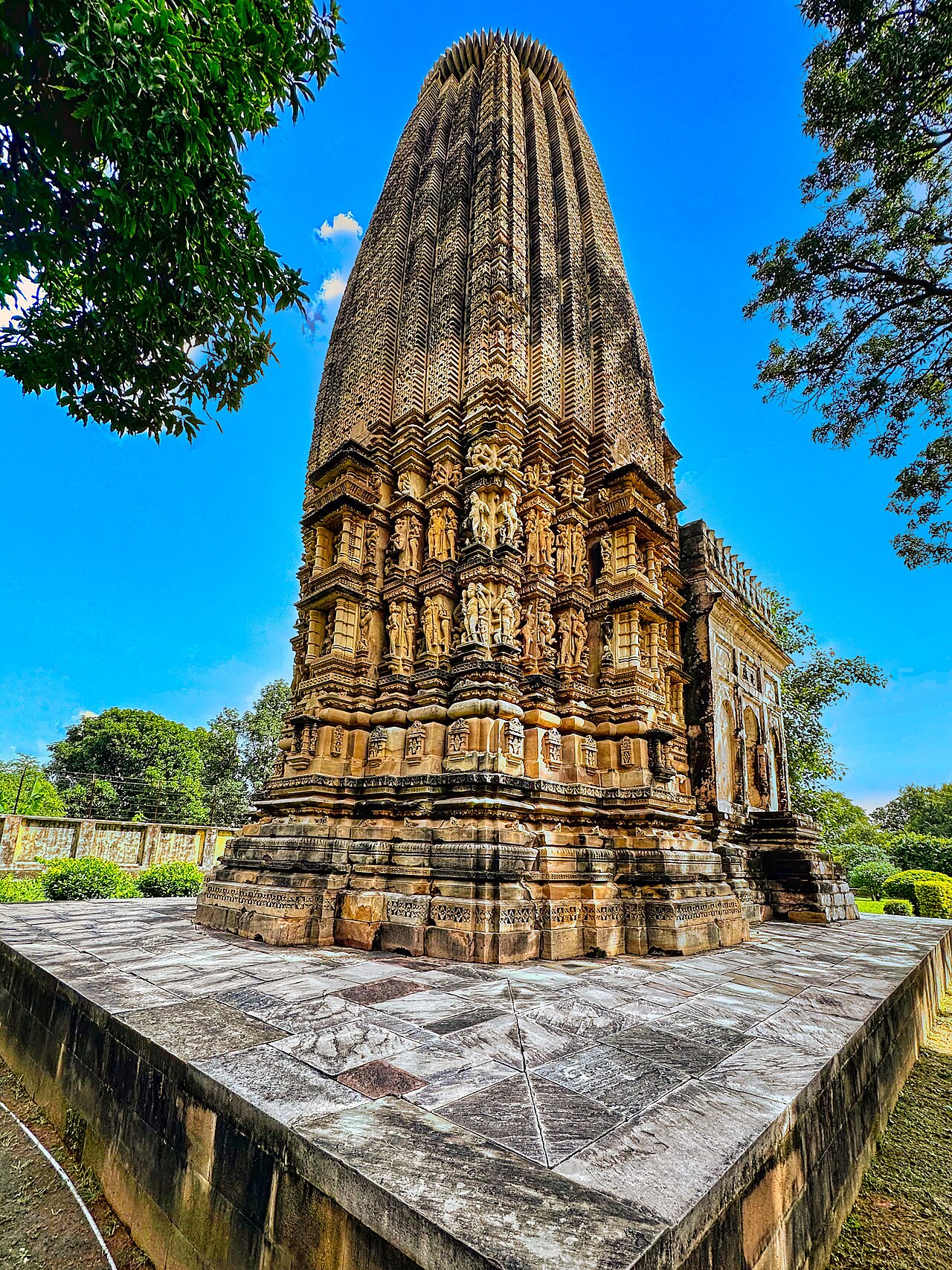
A Digambara Jain shrine within Khajuraho's Eastern Group of Temples, dedicated to Lord Adinatha, the first tirthankara, its curvilinear sandstone tower carved in the late eleventh century for a Hindu patron before passing into Jain hands.
 Jainism
Aharji
Aharji · India · temple
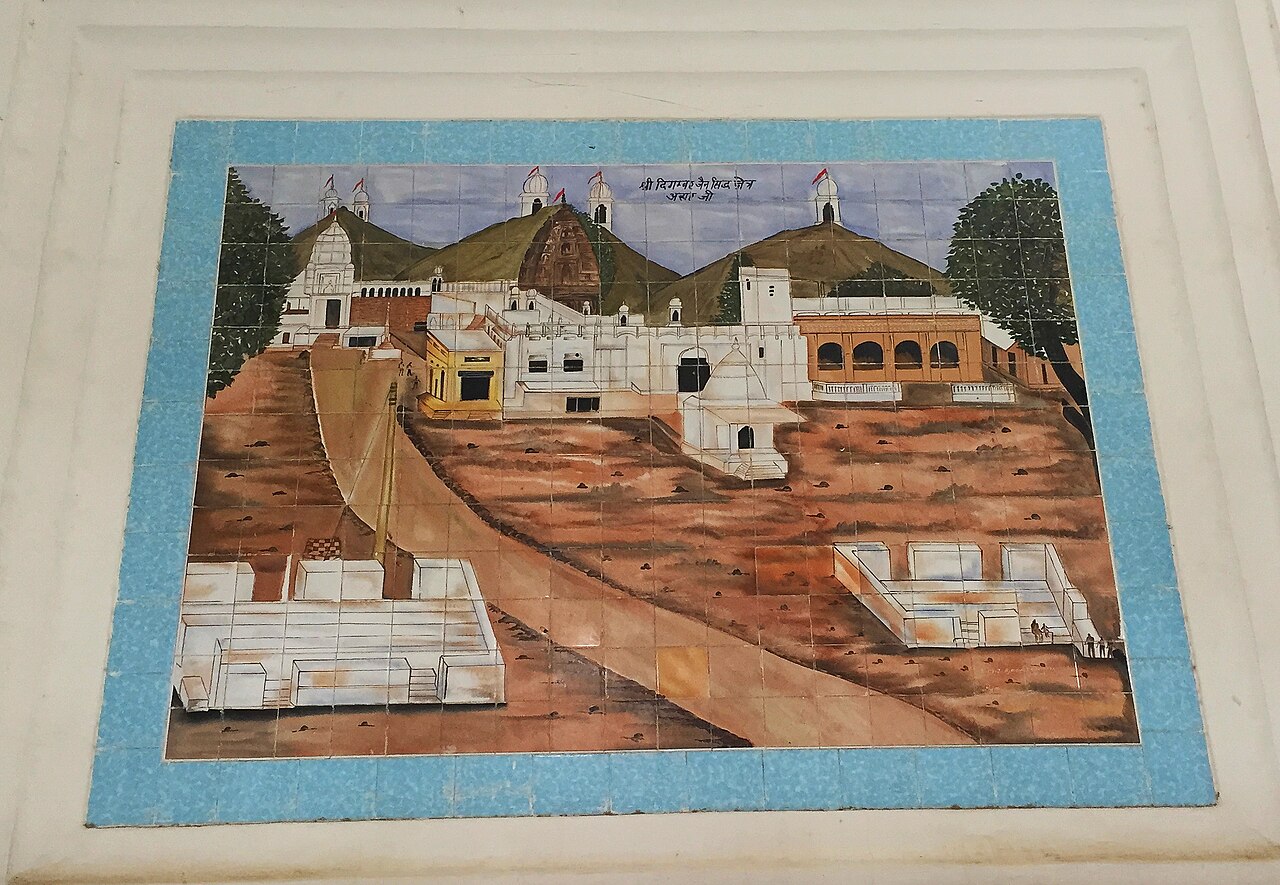
A Digambara Jain tirtha in the Bundelkhand region of Madhya Pradesh, where an eighteen-foot Chandella-era colossus of Lord Shantinatha stands in silent meditation at the heart of a Temple complex raised across three centuries.
 Jainism
Ahinsa Sthal
New Delhi · India · temple
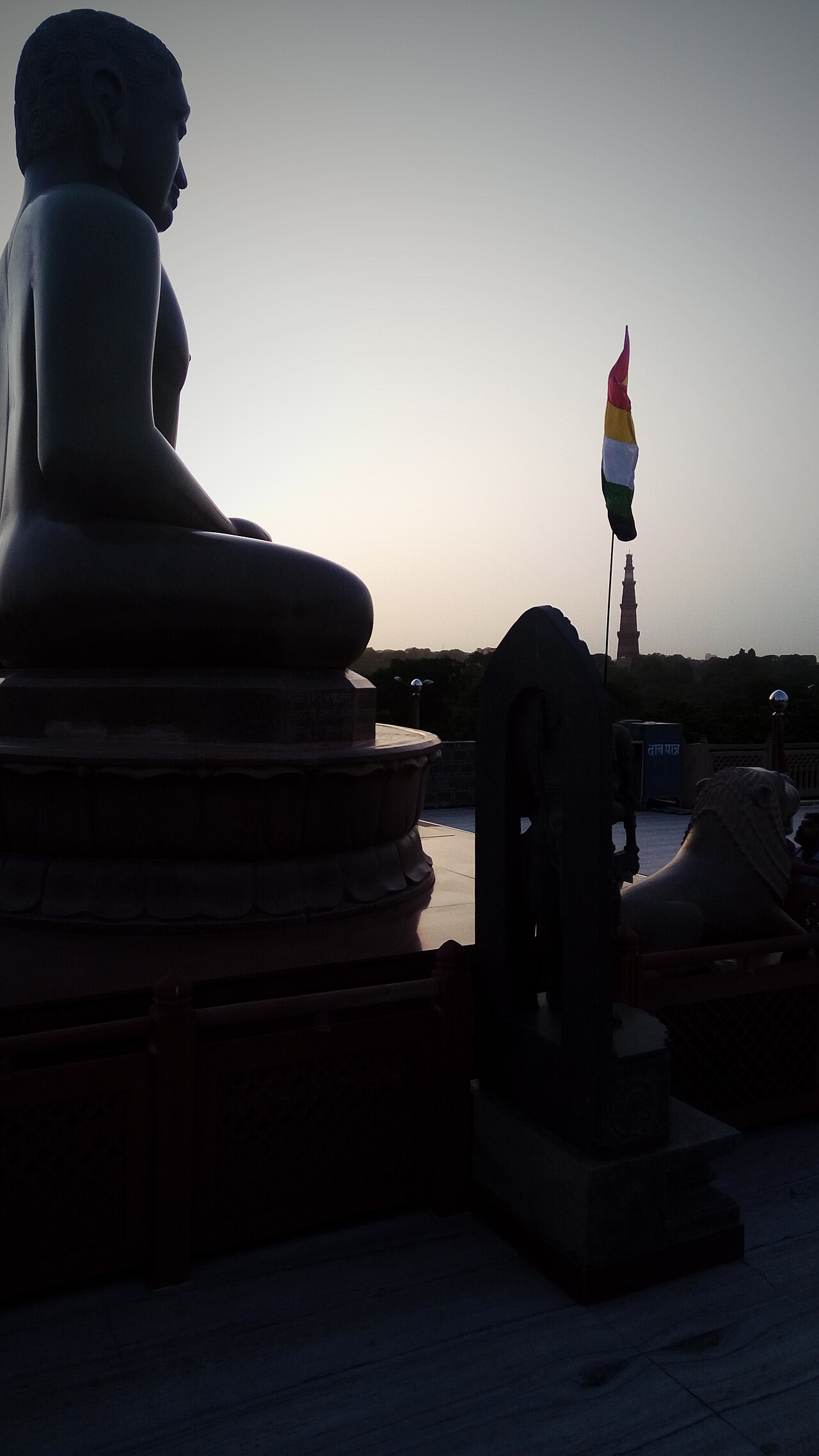
A modern Digambara Jain shrine on a terrace in Mehrauli, New Delhi, built in 1980 around a colossal granite image of Lord Mahavira seated in deep meditation, its very name declaring the tradition's central vow: ahimsa, harmlessness toward every living being.
 Jainism
Ajmer Jain Temple
Ajmer · India · temple
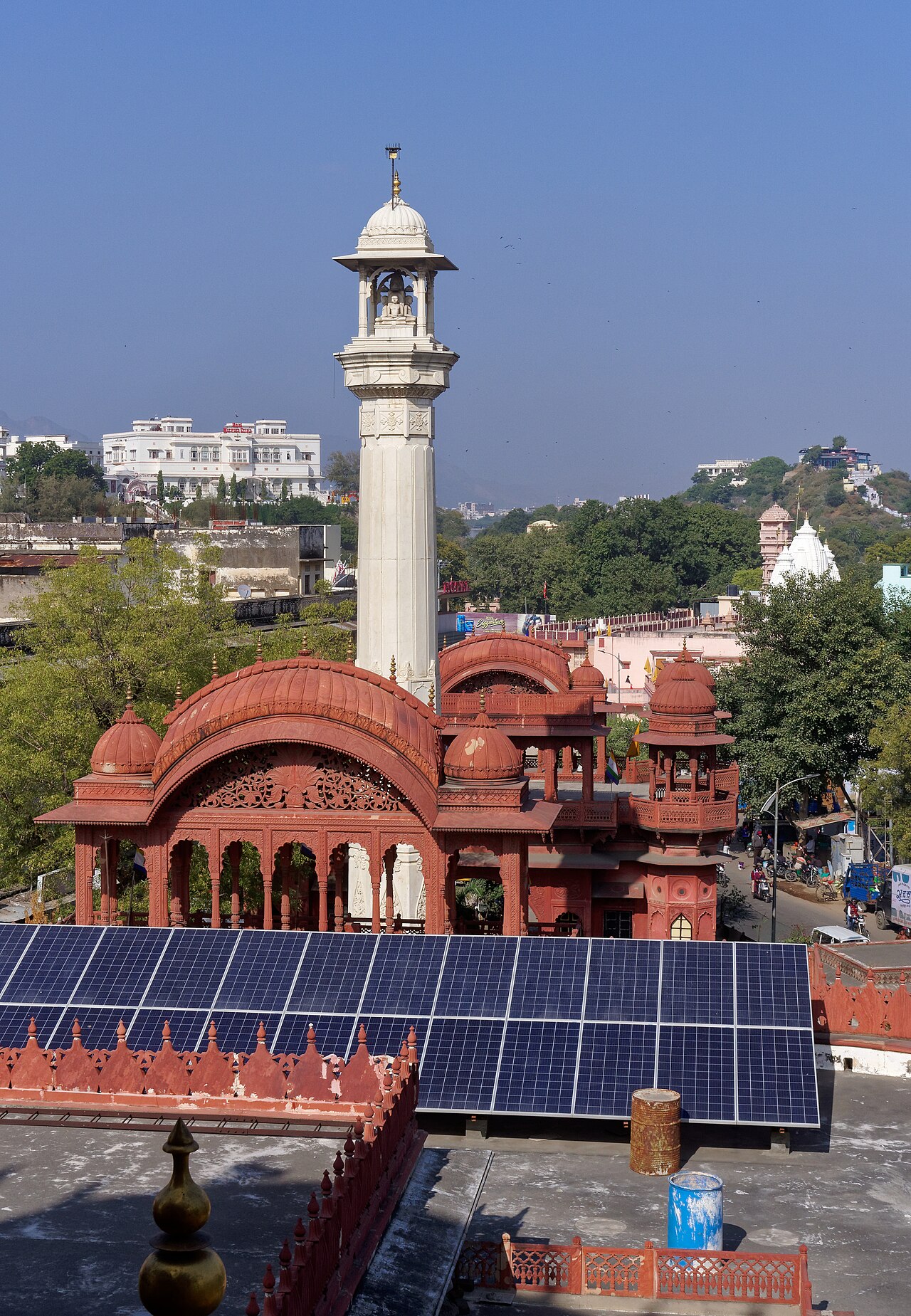
Popularly called Soniji Ki Nasiyan or the Red Temple, this Digambara Jain Temple on Prithviraj Marg in Ajmer pairs a red sandstone sanctuary, crowned by an eighty two foot marble pillar, with a golden upper hall whose gilded tableaux retell the life of Lord Rishabhdev, the first tirthankara.
 Jainism
Akkana Basadi
Shravanabelagola · India · temple
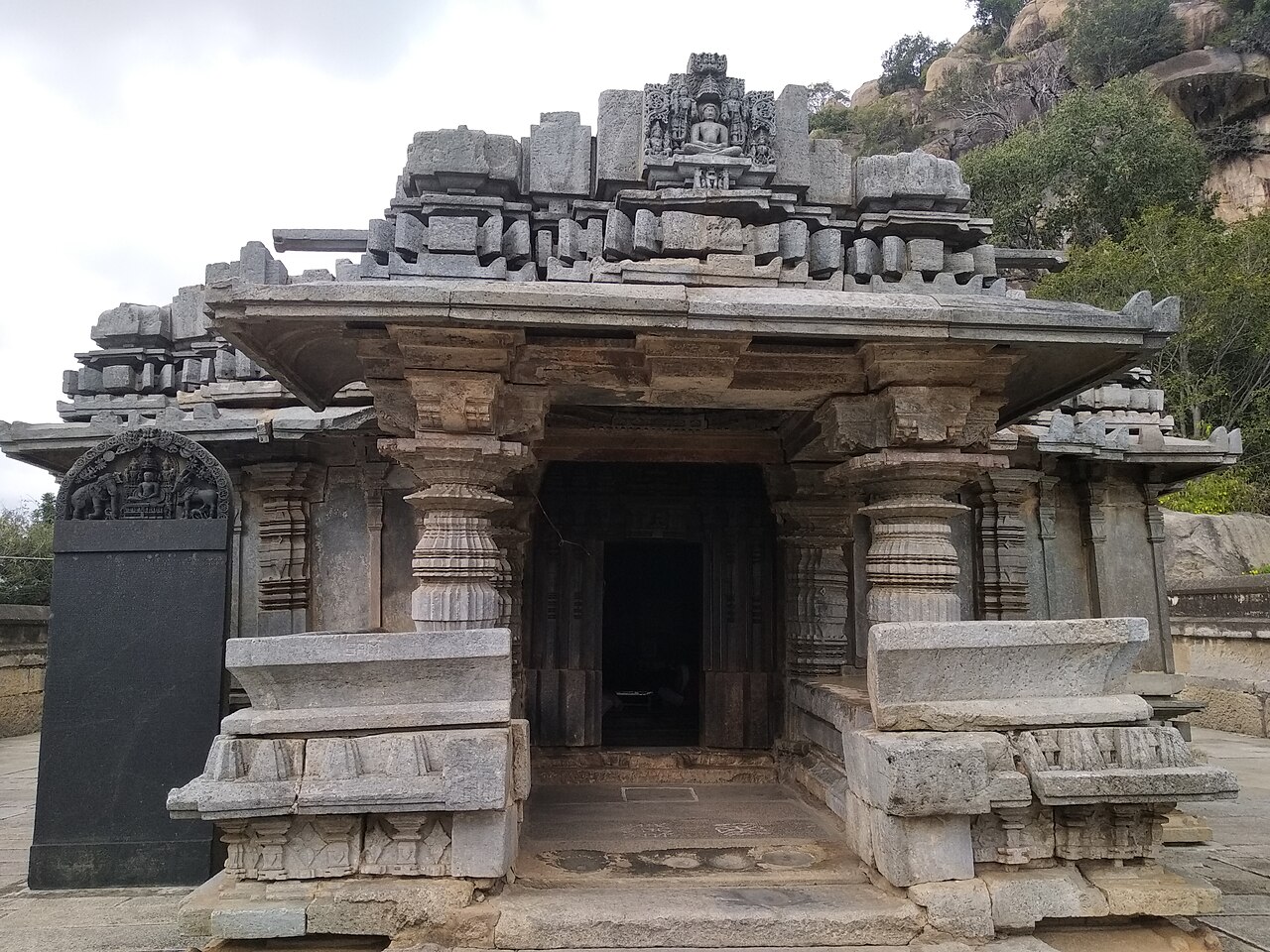
Consecrated in 1181 CE on Chandragiri hill at Shravanabelagola, Karnataka, Akkana Basadi is a Hoysala-era Jain basadi raised by the devout laywoman Achiyakka in honour of Tirthankara Parshvanatha, its deliberately plain stone walls and lathe-turned pillars a quiet expression of Jain austerity.
 Jainism
Bawangaja
Bawangaja · India · temple
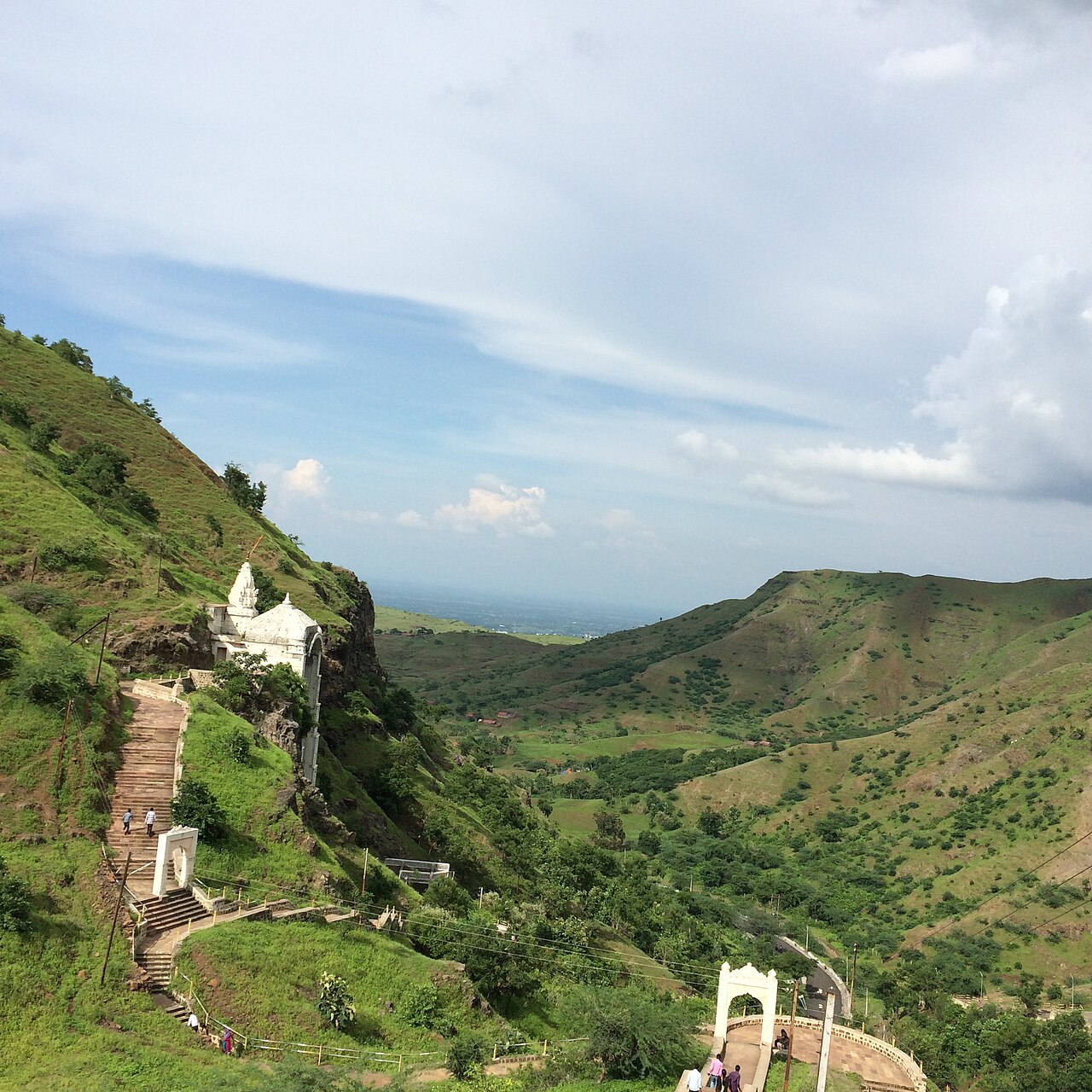
A Digambara Jain tirtha in the Satpura hills of Barwani district, Madhya Pradesh, where an 84-foot monolithic image of Lord Rishabhanatha (Adinatha), the first Tirthankara, stands carved directly from the mountain.