Pemayangtse Monastery
Pemayangtse Gompa · Tsangkhang (original shrine name)
About
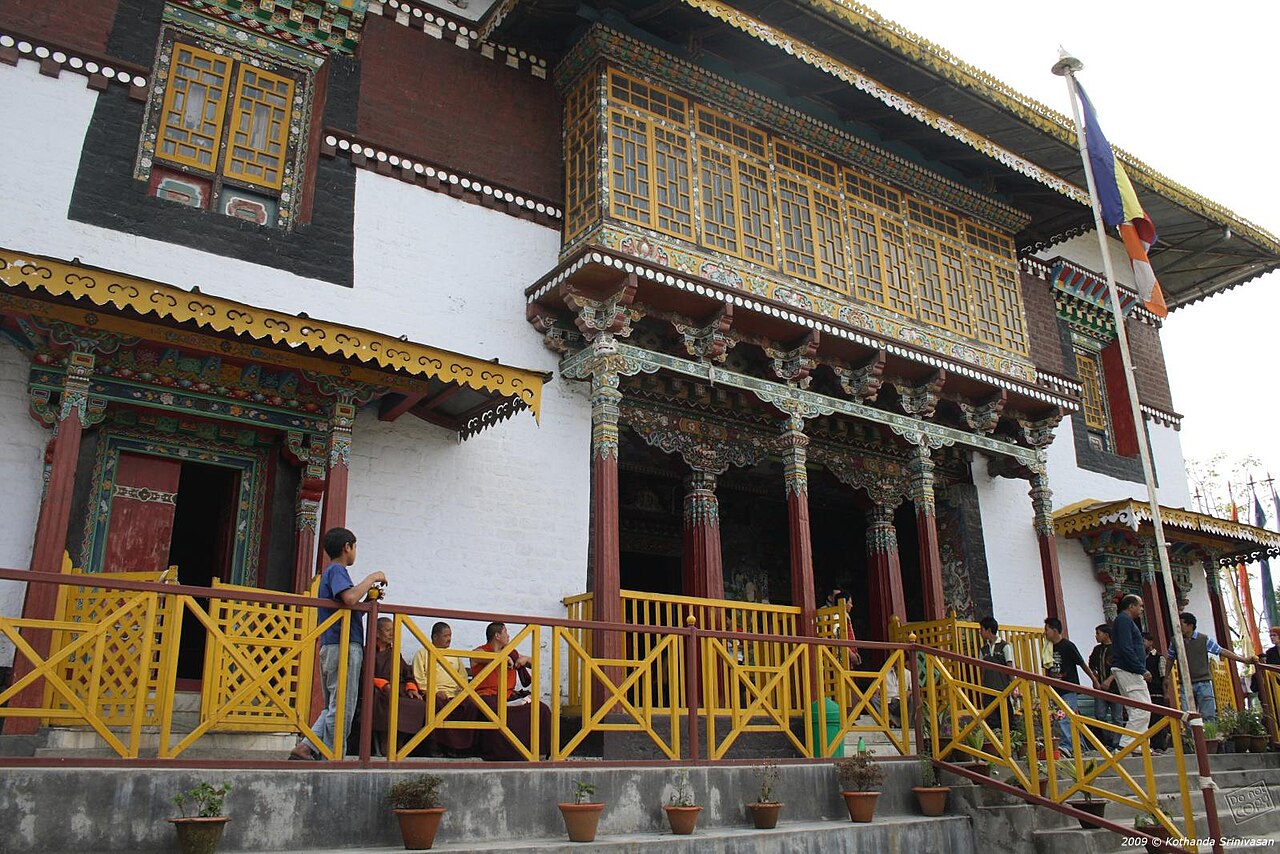
Set at an elevation of 2,085 metres against a dramatic backdrop of snow-laden peaks, Pemayangtse Monastery stands as the spiritual heart of the Nyingma order in Sikkim. The name itself, translated as "Perfect Sublime Lotus", carries doctrinal weight: tradition holds it corresponds to one of the four vital centres of the human body. Its three-storied structure encloses walls adorned with devotional paintings and sculpted images of saints and Rinpoches honoured across multiple floors, while a spacious prayer hall known as the Dukhang features vividly decorated doors and windows rendered in Tibetan artistic style.
The presiding figure venerated here is Padmasambhava, revered as Guru Rinpoche, the eighth-century master who carried the Vajrayāna teachings into Tibet and who established the Nyingma lineage. Within the monastery his image appears in the wrathful form of Dorje Bhurpa Vajrakīla, depicted with multiple heads and arms, alongside representations of his two consorts and his eight fierce emanations. Paintings nearby fill the walls with visions of rainbows, celestial beings, and a complete assembly of Buddhas and Bodhisattvas; one elaborate sculptural structure within the complex, crafted by Dungzin Rinpoche over five years, gives concentrated form to this panoramic cosmology.
Surrounding the monastery are well-tended gardens and the residential quarters of the community of monks, a community drawn exclusively from the Bhutia people of Sikkim. Only monks from Pemayangtse hold the honoured designation ta-tshang, meaning "pure lineage," a rank requiring celibacy and adherence to strict physical standards of ordination that have been maintained without interruption since the monastery's founding. The compound overlooks the evocative ruins of Rabdentse, the former royal capital, lending the site a quality of layered time that few sacred places possess.
History
Lama Lhatsun Chempo conceived and founded the monastery in 1647, beginning as a small lhakhang before it was enlarged in 1705 under the patronage of the third Chogyal Chakdor Namgyal and the scholar-monk Khenchen Rolpai Dorjee, and consecrated in 1710. Earthquakes in 1913 and 1960 damaged the structure, and the monastery has undergone repeated conservation since, including chains anchoring its roof against monsoon winds. The head lama here once held the privilege of anointing Sikkim's Chogyals with consecrated water, a mark of the monastery's standing at the centre of the kingdom's religious life.
Significance
As the seat of the Nyingma order in Sikkim, Pemayangtse holds authority over its affiliated monasteries across the state, and only its monks carry the title ta-tshang, meaning pure lineage, a rank of celibate ordination maintained since the monastery's founding. Its main image of Guru Rinpoche, Padmasambhava, appears in the wrathful form of Dorje Phurba, and the monastery anchors a pilgrimage circuit that runs from Dubdi Monastery through Tashiding to the holy lake of Khecheopalri.
Architecture
Traditional Sikkimese Tibetan Buddhist monastery architecture; three-storied lhakhang
Visiting
Hours
Hours not listed.
Contact
No contact details listed yet.
Engage with Pemayangtse Monastery
Through the four pathways
Seva सेवा — Service
Offer your time and skills here. The following opportunities are open at Pemayangtse Monastery:
No Seva offerings listed yet.
Sādhana साधना — Practice
Learn the worship and practice associated with Pemayangtse Monastery:
No Sādhana offerings listed yet.
Sandhāna सन्धान — Wisdom
Unite with the wisdom of this tradition:
No Sandhāna offerings listed yet.
Sādhya साध्य — Giving
Support this sacred place according to your means:
No Sādhya offerings listed yet.
All giving flows directly to Pemayangtse Monastery. Adisthan does not take a commission.
Gallery
Related sacred places
 Buddhism
Angkor Wat
Siem Reap · Cambodia · temple
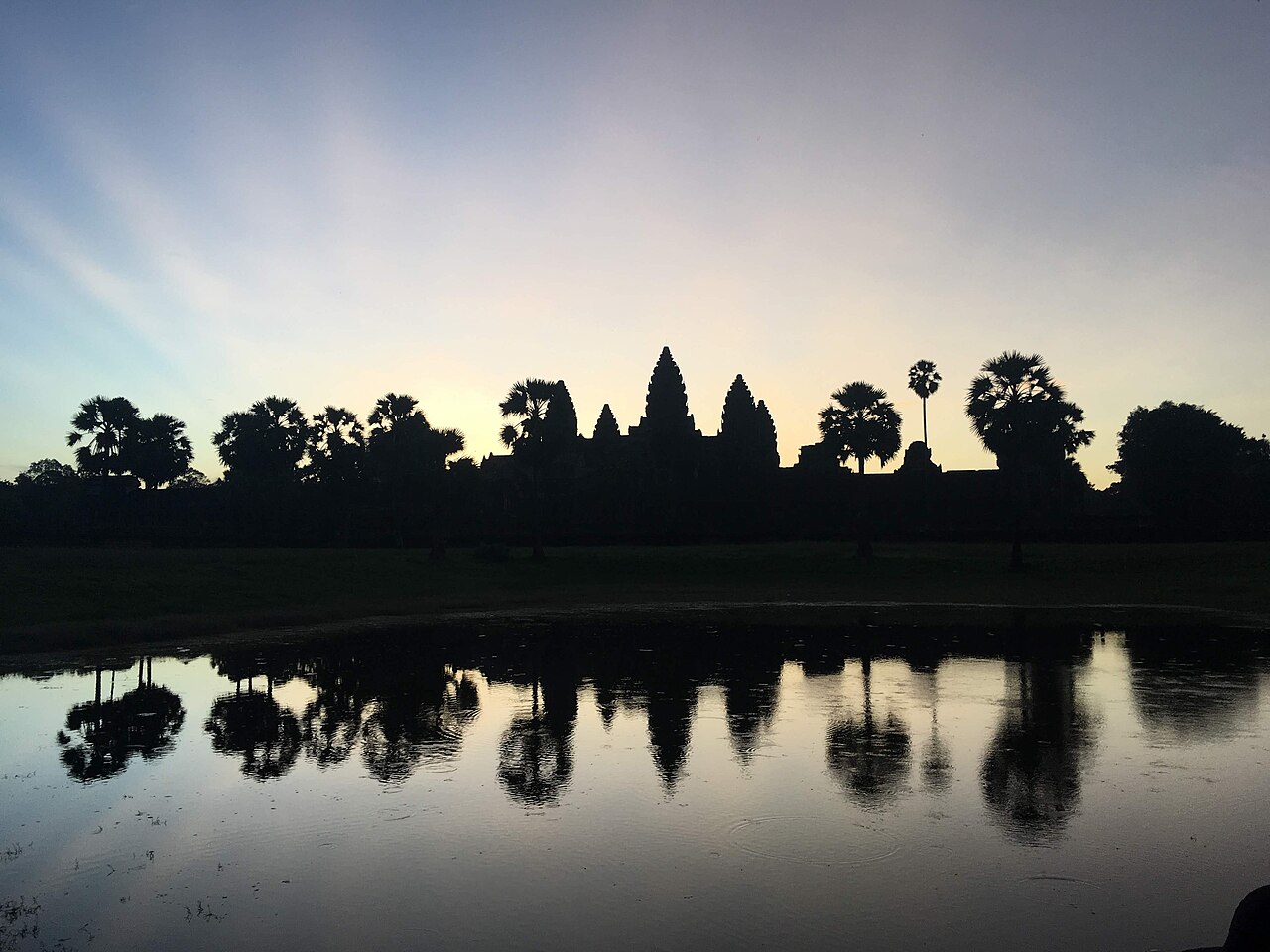
The largest religious monument on earth, built for Lord Vishnu by Suryavarman II in the 12th century and in continuous worship ever since: a living Theravada Buddhist Temple whose five towers stand on the Cambodian flag.
 Buddhism
Bangka Lungshan Temple
Taipei (Wanhua) · Taiwan · temple
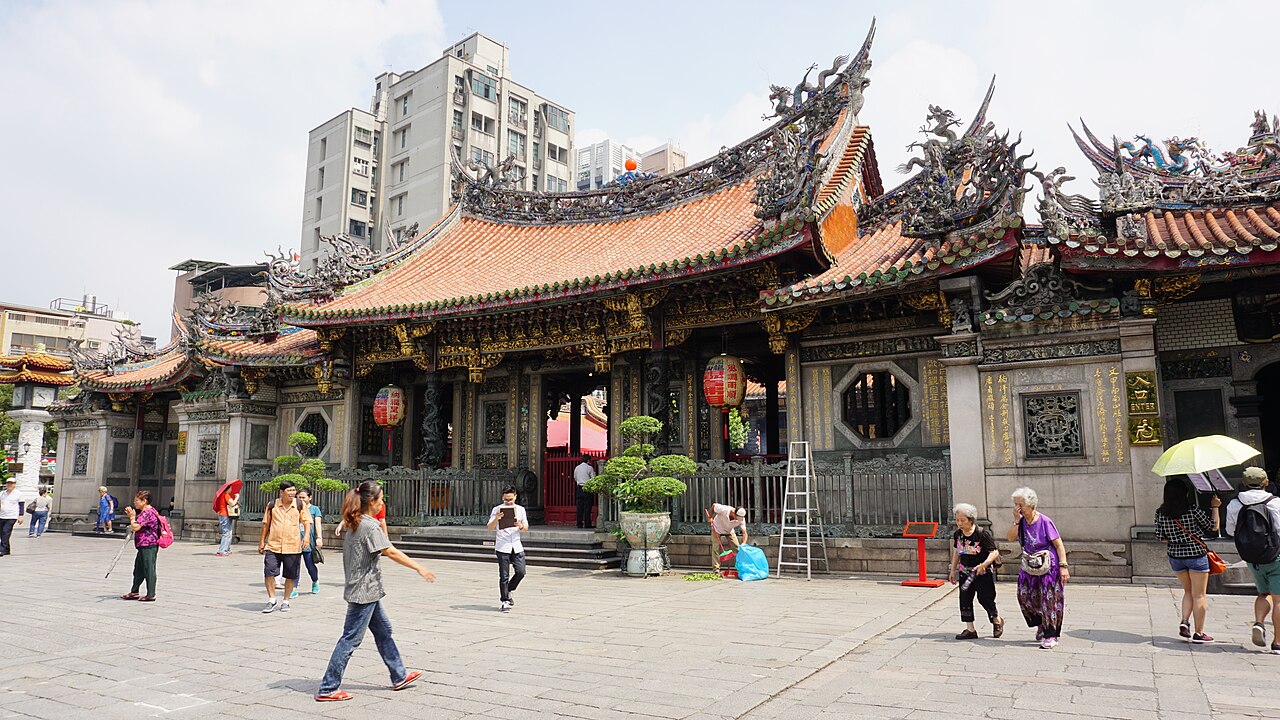
Taipei's mother Temple to Guanshiyin, founded by Fujian settlers in 1738 in the old Bangka quarter: a front hall to the bodhisattva of compassion and a rear hall of more than a hundred Taoist and folk gods, whose Guanyin statue survived the 1945 bombing intact.
 Buddhism
Bengal Buddhist Association
Kolkata · India · monastery
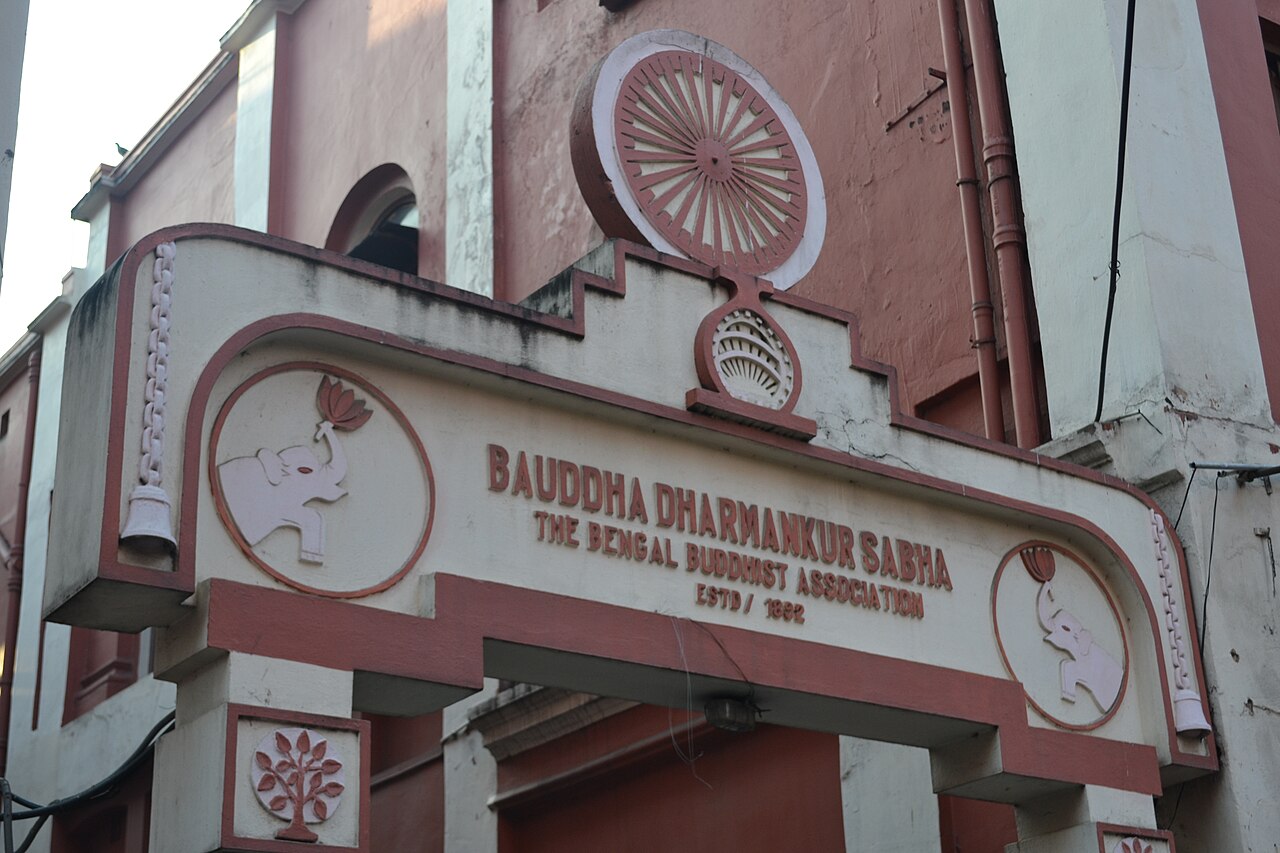
Founded in Kolkata in 1892 by Kripasaran Mahasthavir, the Bengal Buddhist Association, known in Bengali as Bauddha Dharmankur Sabha, raised the Dharmankur Vihara at Bow Barracks in 1903 and has worked for over a century to revive the Dharma in eastern India.
 Buddhism
Bhot Bagan Math
Ghusuri · India · monastery
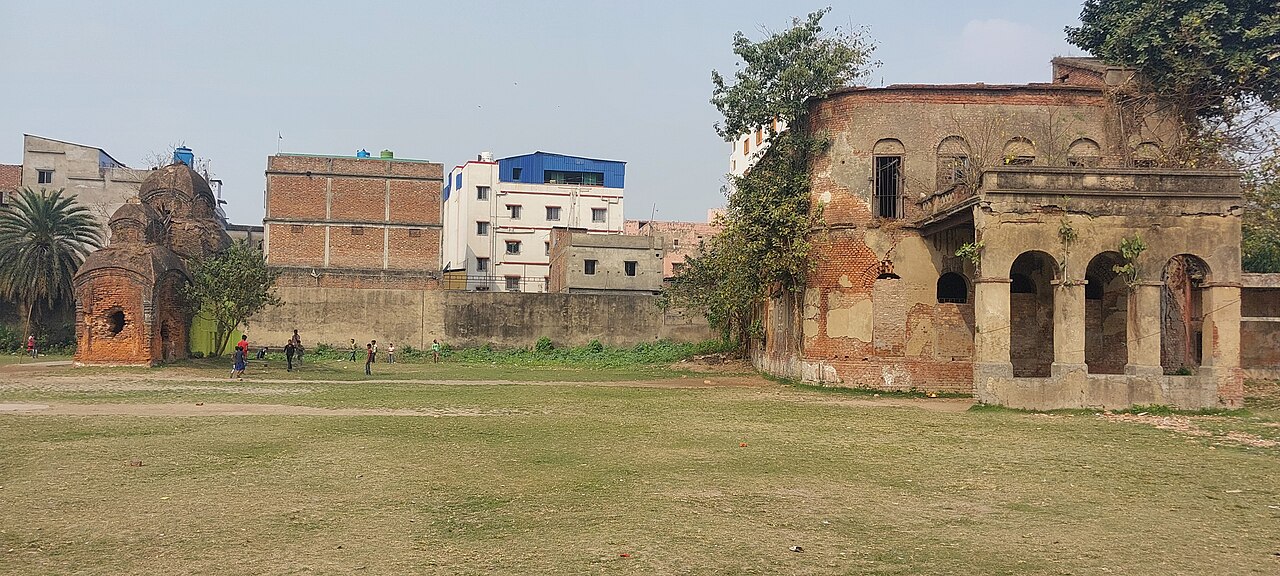
A brick monastery on the Hooghly riverside at Ghusuri, Howrah, founded in 1776 as the first Tibetan Buddhist religious foundation on the plains of India and still known popularly as Mahakal Math for the Tibetan deity images once installed in its sanctum.
 Buddhism
Borobudur
Magelang · Indonesia · temple
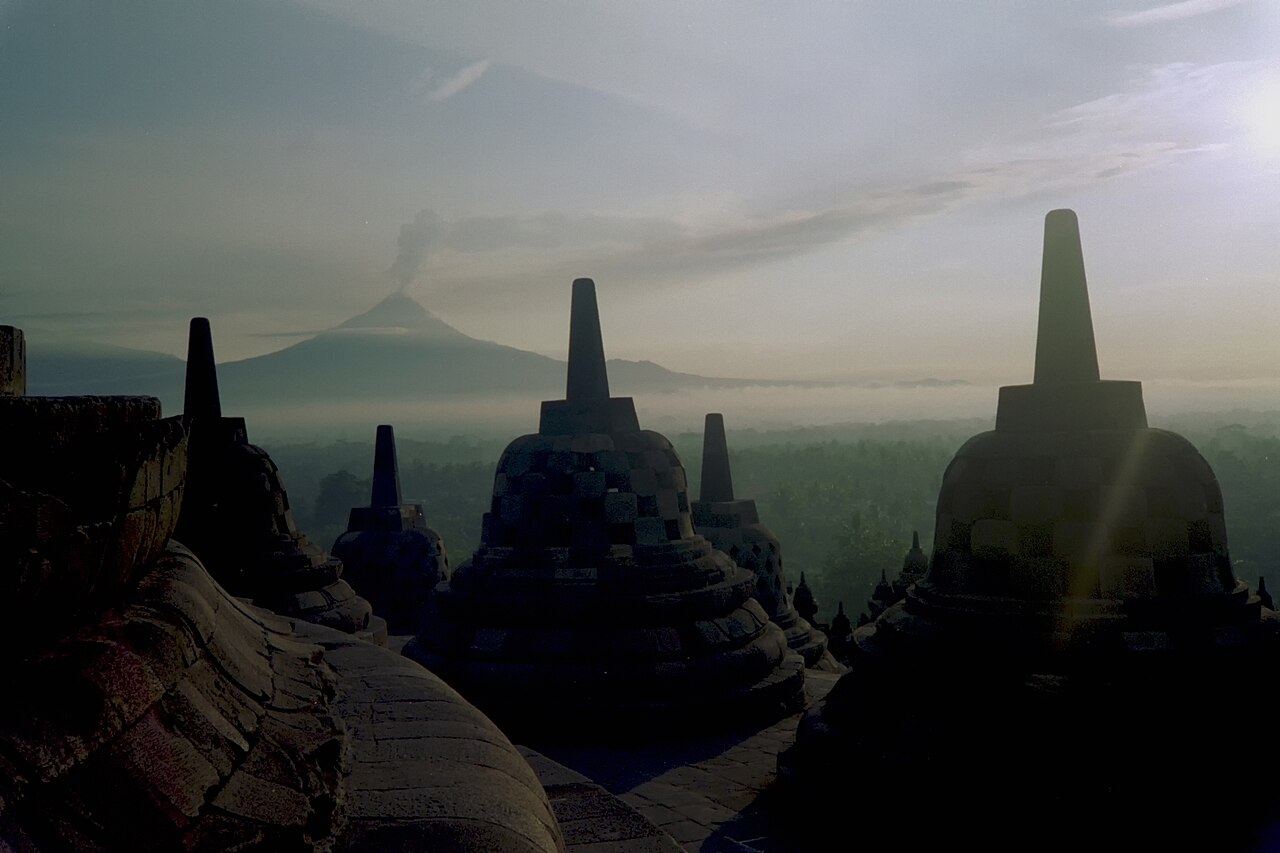
The world's largest Buddhist Temple: a ninth-century mandala in stone on Java's Kedu Plain, nine terraces rising through the three realms to 72 latticed stupas, each sheltering a seated Buddha.
 Buddhism
Boudhanath Stupa
Kathmandu · Nepal · stupa
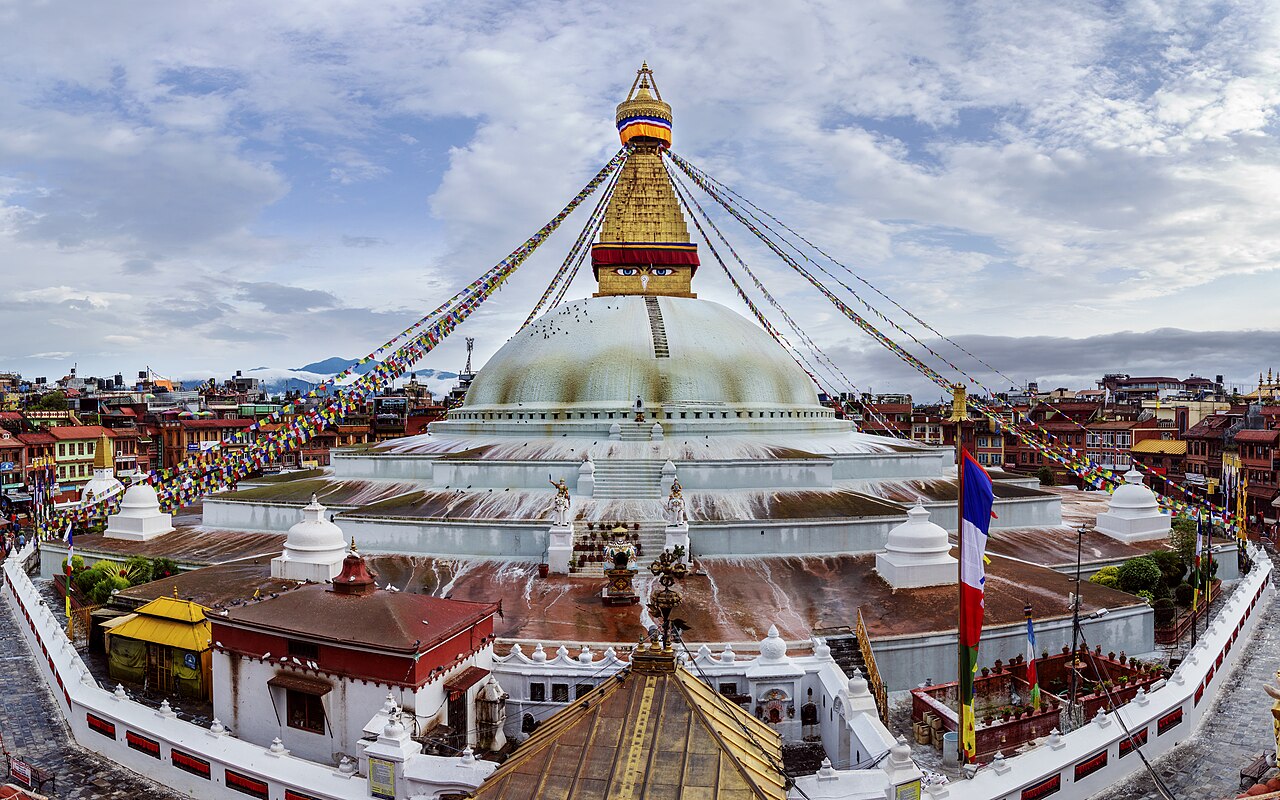
The largest spherical stupa in Nepal, its all-seeing Buddha eyes watching over the kora walked daily by the Tibetan Buddhist community of Boudha, the heart of Vajrayana practice in the Kathmandu Valley.