
Qolsharif Mosque
Qol Şärif Mosque · Kul Sharif Mosque · Kol Sharif Mosque
About
The Qol Şärif Mosque, known in Tatar as Qol Şärif mäçete and in Russian as Mechet' Kul-Sharif, rises from the Kazan Kremlin in the heart of Tatarstan, its silhouette a constellation of slender minarets and luminous domes set against the Volga skyline. The mosque serves as both a living place of Islamic devotion for the Tatar people and a symbol of cultural renewal for the Republic of Tatarstan within the Russian Federation.
The architecture draws the eye upward through a composition of minarets whose forms recall both the tent-like spires of Tatar medieval tradition and the cupola shapes associated with that lost original structure. The building's scale was celebrated at the time of its opening as placing it among the foremost houses of Muslim prayer on the European continent, excepting Istanbul, and the grandeur of the interior matches the ambition of its exterior.
To stand within the Kazan Kremlin and face the mosque is to encounter a place weighted with memory, of a community's faith, of a centuries-long absence, and of a deliberate act of restoration. The building invites both prayer and reflection, carrying within its stones the story of a tradition that endured through destruction and returned in a new century with renewed purpose.
History
A mosque bearing Qol Sharif's name stood on this ground in the sixteenth century, serving the Khanate of Kazan until Ivan the Terrible's forces destroyed it in the 1552 siege, killing Qol Sharif and many of his students as they defended the city. The site held no mosque for more than four centuries afterward. The President of Tatarstan signed the decree to rebuild it on 13 November 1995, construction began the following year, and the new mosque was consecrated on 24 July 2005, timed to the millennium of Kazan's founding.
Significance
The mosque stands as the clearest living sign of the Tatar people's Muslim identity recovered after centuries of absence, its very presence inside the Kremlin an act of remembrance for Qol Sharif and those who died beside him. Set a short walk from the Kremlin's Orthodox Annunciation Cathedral within a single UNESCO World Heritage enclosure, it gives Islam and Christianity equal ground in the telling of Kazan's history.
Architecture
Contemporary Tatar mosque architecture recalling Kazan khanate forms; white marble cladding, a turquoise ribbed dome, and four 55-metre minarets
Visiting
Hours
Hours not listed.
Engage with Qolsharif Mosque
Through the four pathways
Seva सेवा — Service
Offer your time and skills here. The following opportunities are open at Qolsharif Mosque:
No Seva offerings listed yet.
Sādhana साधना — Practice
Learn the worship and practice associated with Qolsharif Mosque:
No Sādhana offerings listed yet.
Sandhāna सन्धान — Wisdom
Unite with the wisdom of this tradition:
No Sandhāna offerings listed yet.
Sādhya साध्य — Giving
Support this sacred place according to your means:
No Sādhya offerings listed yet.
All giving flows directly to Qolsharif Mosque. Adisthan does not take a commission.
Gallery
Related sacred places
 Islam
IslamAbu'l-Fida Mosque
Hama · Syria · mosque
A fourteenth-century Ayyubid mausoleum and Mamluk-era congregational mosque on the banks of the Orontes in Hama, Syria, known locally as the Mosque of the Serpents for the carved pillars at its windows.
 Islam
IslamAdhai Din Ka Jhonpra
Ajmer · India · mosque
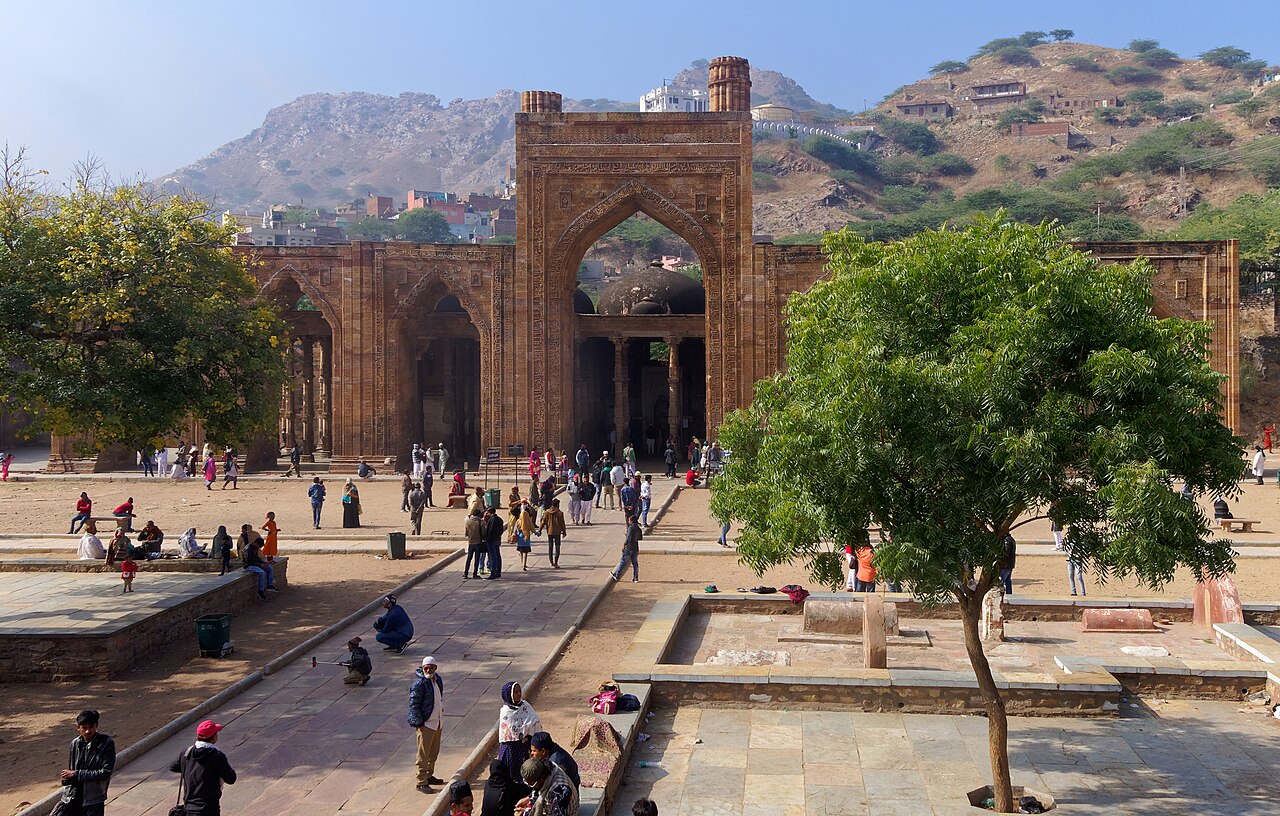
The oldest surviving monument in Ajmer and among the earliest Indo-Islamic mosques in India, its 1199 CE prayer hall and Iltutmish's 1213 CE arched screen rise on 344 pillars carved by Hindu and Jain craftsmen from earlier Temples.
 Islam
IslamAdina Mosque
Pandua · India · mosque
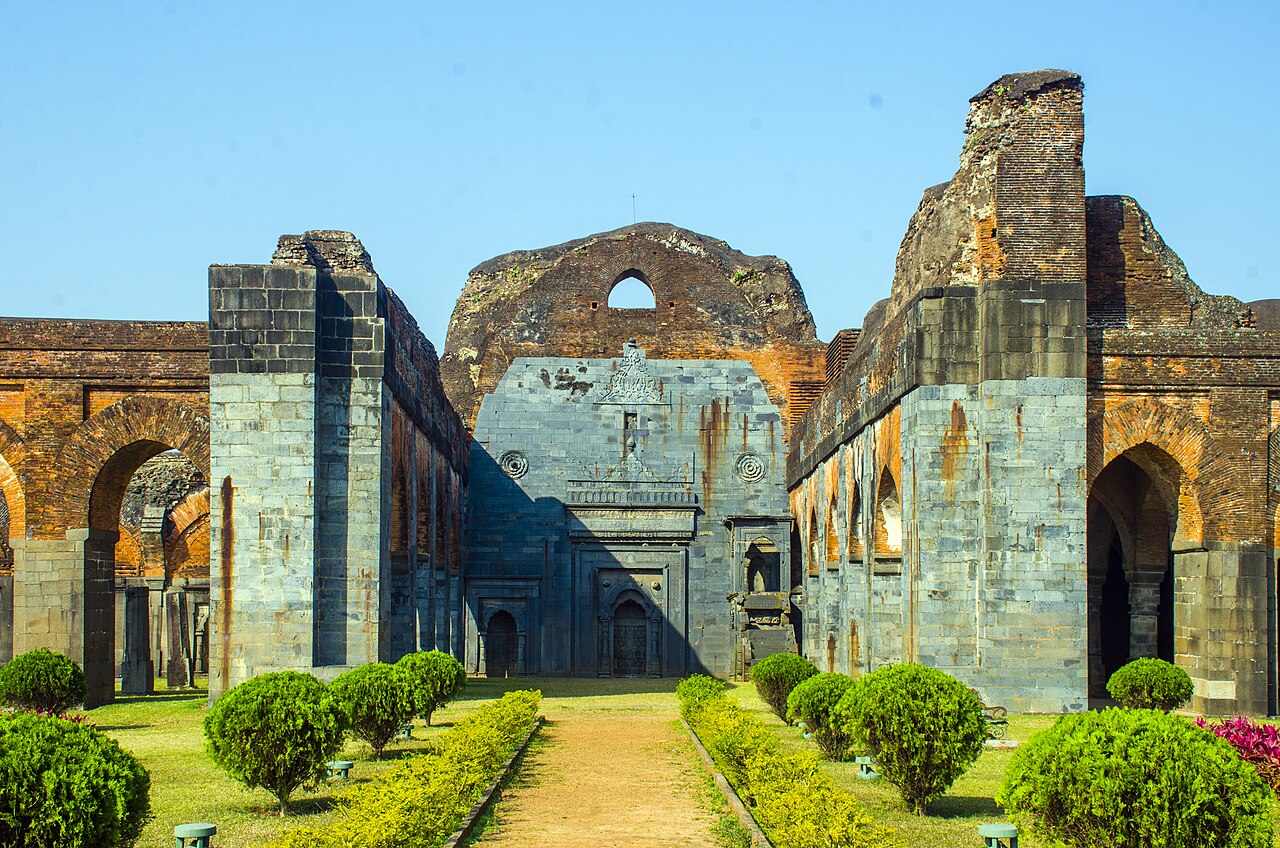
Once the largest mosque on the Indian subcontinent, the Adina Mosque at Pandua in West Bengal was raised by Sultan Sikandar Shah between 1373 and 1375 as the congregational mosque of the Bengal Sultanate, and holds his tomb within its western wall.
 Islam
IslamAjmer Sharif Dargah
Ajmer · India · dargah
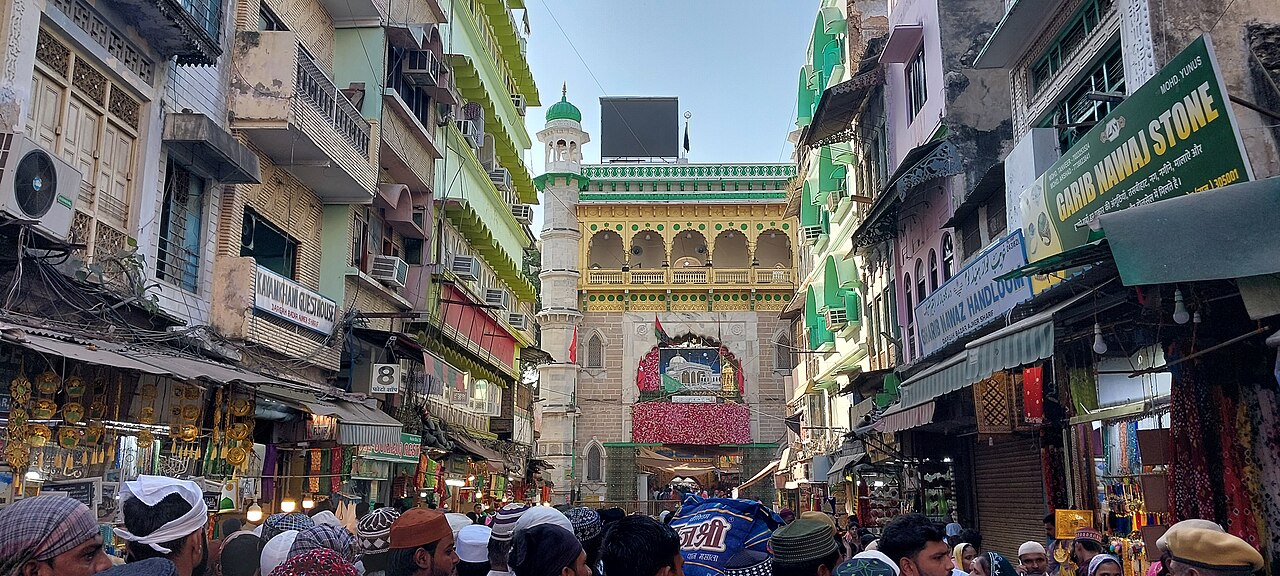
The tomb of Hazrat Khwaja Moinuddin Chishti, Gharib Nawaz, the benefactor of the poor, and the principal Sufi dargah of South Asia, where pilgrims of every community have offered chadars and shared the sweet rice of the great deghs for eight centuries.
Akbarabadi Mosque
Delhi · India · mosque
A mosque raised in 1650 by Akbarabadi Begum, a wife of the Mughal emperor Shah Jahan, in the walled city of Shahjahanabad, demolished by British forces in the aftermath of the 1857 Uprising and today marked only by disputed, unexcavated remains beneath Netaji Subhash Park in Old Delhi.
 Islam
IslamAlamgir Mosque
Varanasi · India · mosque
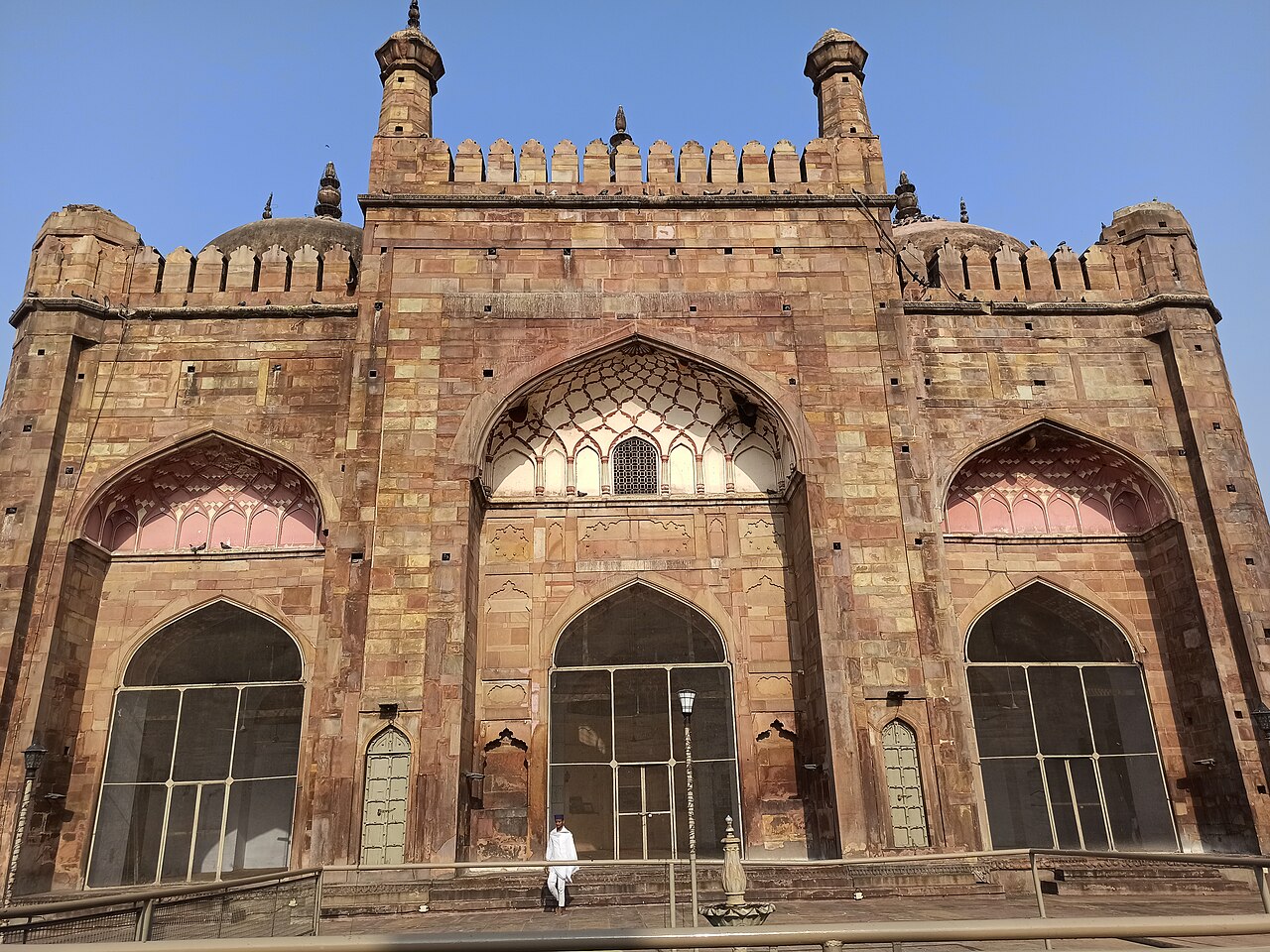
Raised in 1669 by the Mughal emperor Aurangzeb on the high bank above Panchganga Ghat in Varanasi, the Alamgir Mosque stands where wide stone steps meet the Ganges, its domes and surviving corner turret rising over a site earlier accounts describe as the Hindu Temple of Bindu Madhava.