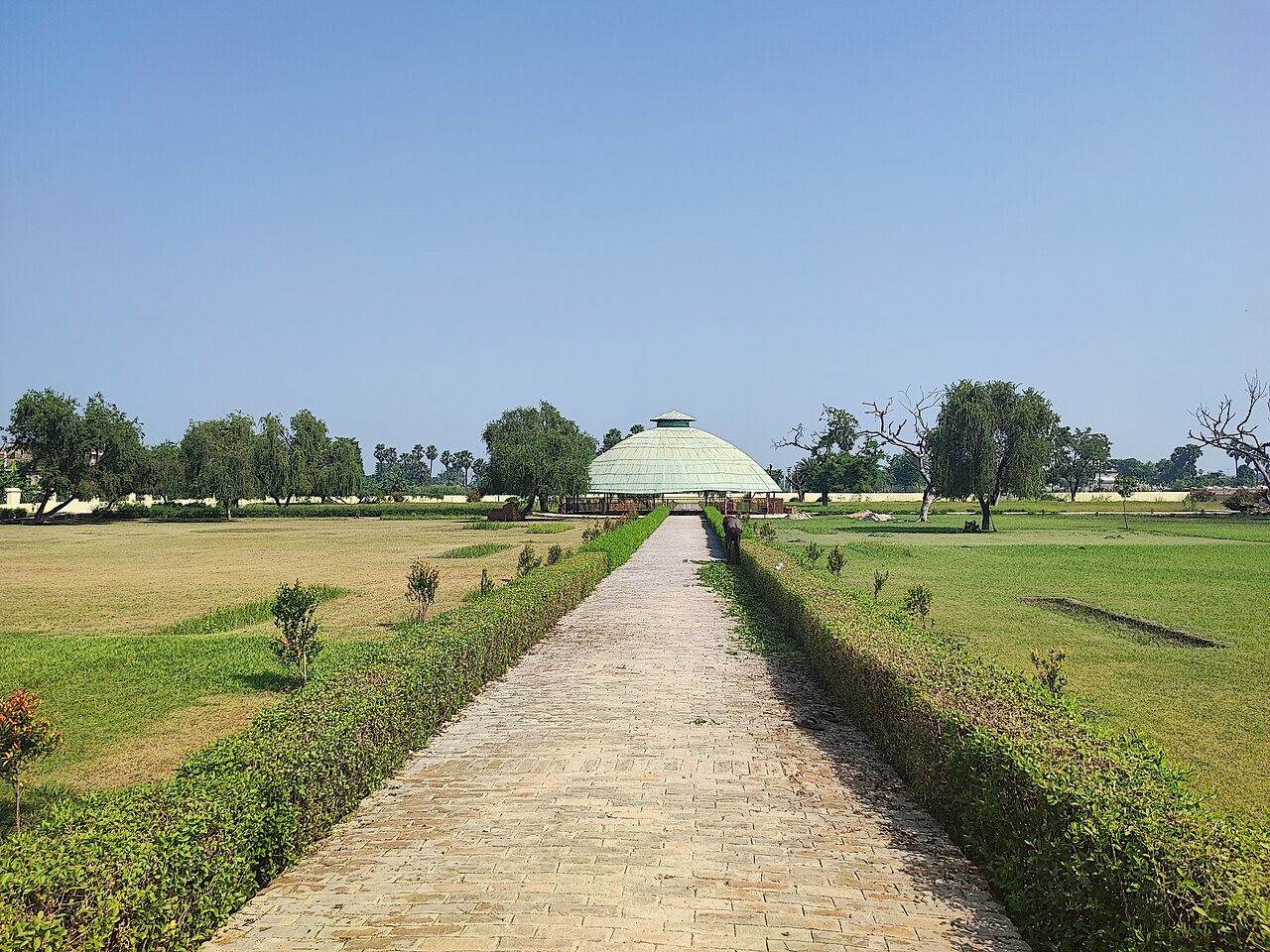
Relic Stupa of Vaishali
Buddha Relic Stupa · Buddha's Relic Stupa, Vaishali · Stupa 1, Vaishali
About
Rising from the fertile plains of Bihar, the Relic Stupa of Vaishali stands as a witness to one of the most pivotal moments in Buddhist history. Fashioned from brick with a clay interior, the mound was commissioned by the Licchavi people, then rulers of Vaishali, to house a portion of the sacred physical remains of the Buddha following his parinirvāṇa. Archaeological evidence places its origins around the fifth century BCE, making it the most ancient stupa confirmed through excavation.
The structure's form evolved through successive phases of enlargement. In its final shape it encompassed four projecting platforms aligned with the cardinal directions, likely provided so that devotees could approach from any bearing to place offerings. The original base measured roughly twenty-six feet across; what survives today is modest in scale yet immense in what it represents, a community's act of devotion at the very threshold of the Dharma's spread across the world.
Since 2010, the stupa has been included on India's tentative list for UNESCO World Heritage recognition, grouped among the country's Silk Road sites. Though time and flooding have weathered the mound, its presence on the Bihar plain retains the quiet gravity of a place where faith, in its earliest organised form, was given permanent shape in earth and fired clay.
History
Vaishali was the capital of the Licchavi republic, and Sri Lankan sources including the Mahaparinibbana Sutta record that the Licchavis were among those given a portion of the Buddha's cremated remains after his parinirvana around the fifth century BCE. They raised a stupa of clay over their share, enlarging it in three phases over the centuries that followed, until a final layer of brickwork was added in the Mauryan period. Excavations carried out here in 1958 uncovered a relic casket holding ashy earth, a fragment of gold leaf, two glass beads, a small conch, and a punch marked copper coin, evidence more consistent with cremation ash than with bone, and confirmed that the relics themselves had been removed at some later date, a detail that fits the tradition that the Emperor Ashoka redistributed the Buddha's relics across the subcontinent in the third century BCE. The excavated casket has been kept at the Patna Museum since 1972.
Significance
As the earliest stupa confirmed by archaeology, the mound at Vaishali anchors the earliest living memory of the Buddha's physical presence in the world, a place where a community's grief and devotion took permanent form in earth and fired clay. Since 2010 it has stood on India's tentative list for UNESCO World Heritage status among the country's Silk Road sites. For the pilgrim, the stupa is less a ruin than a threshold: the point where the Dharma passed from a living teacher into the keeping of those who loved him.
Architecture
Ancient Indian earthen stupa architecture: a clay-core mound faced in brick, with four platforms set to the cardinal directions
Visiting
Hours
Hours not listed.
Contact
No contact details listed yet.
Address
Engage with Relic Stupa of Vaishali
Through the four pathways
Seva सेवा — Service
Offer your time and skills here. The following opportunities are open at Relic Stupa of Vaishali:
No Seva offerings listed yet.
Sādhana साधना — Practice
Learn the worship and practice associated with Relic Stupa of Vaishali:
No Sādhana offerings listed yet.
Sandhāna सन्धान — Wisdom
Unite with the wisdom of this tradition:
No Sandhāna offerings listed yet.
Sādhya साध्य — Giving
Support this sacred place according to your means:
No Sādhya offerings listed yet.
All giving flows directly to Relic Stupa of Vaishali. Adisthan does not take a commission.
Festivals & Events
- May
Buddha Purnima (Vesak)
20 May 2027 · annual
The full-moon anniversary of the Buddha's birth, enlightenment, and parinirvana, observed at Vaishali's Buddhist sites with prayer, chanting, and pilgrimage.
Gallery
Related sacred places
 Buddhism
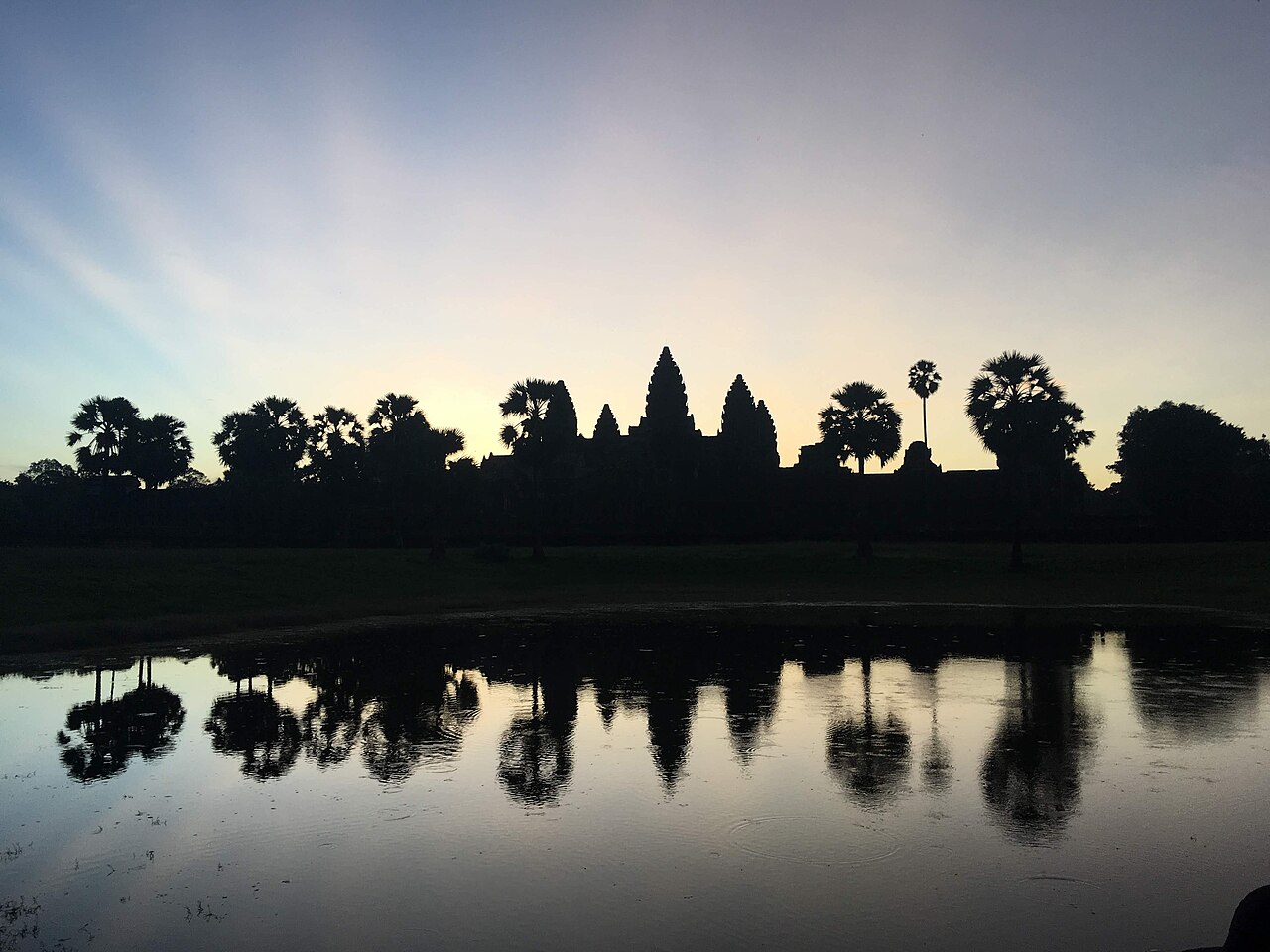
Angkor Wat
Siem Reap · Cambodia · temple
The largest religious monument on earth, built for Lord Vishnu by Suryavarman II in the 12th century and in continuous worship ever since: a living Theravada Buddhist Temple whose five towers stand on the Cambodian flag.
 Buddhism
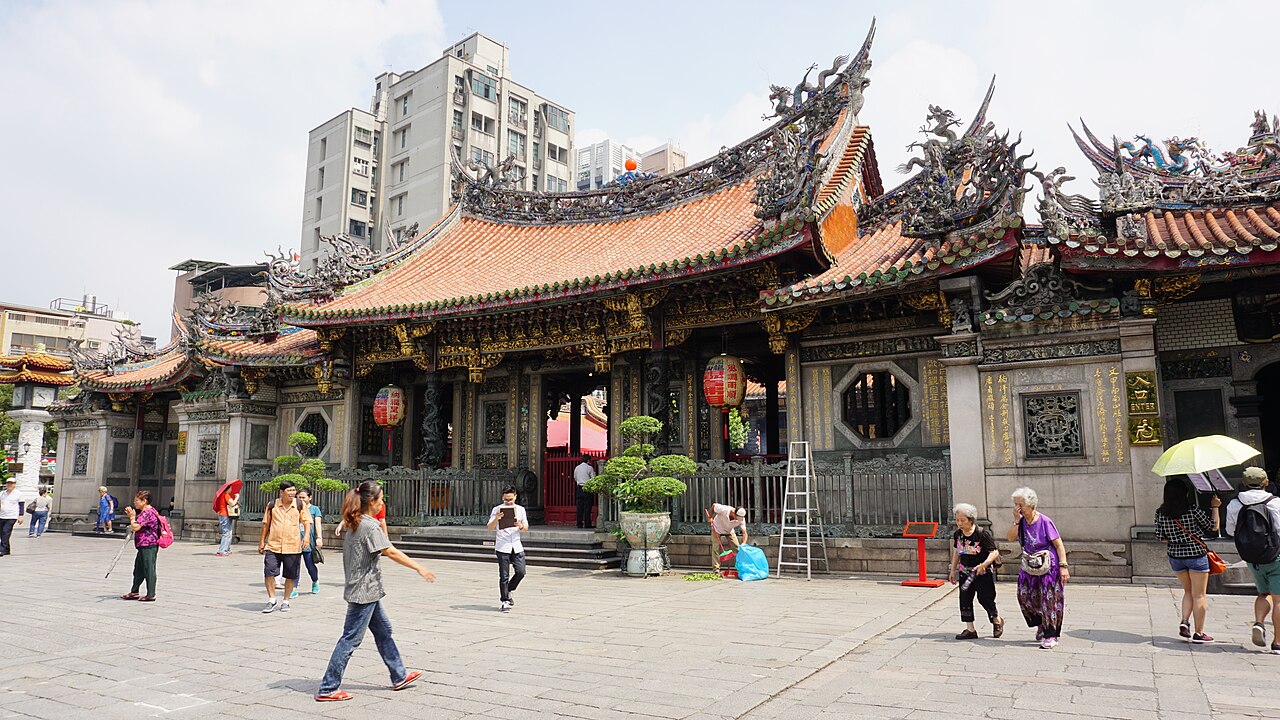
Bangka Lungshan Temple
Taipei (Wanhua) · Taiwan · temple
Taipei's mother Temple to Guanshiyin, founded by Fujian settlers in 1738 in the old Bangka quarter: a front hall to the bodhisattva of compassion and a rear hall of more than a hundred Taoist and folk gods, whose Guanyin statue survived the 1945 bombing intact.
 Buddhism
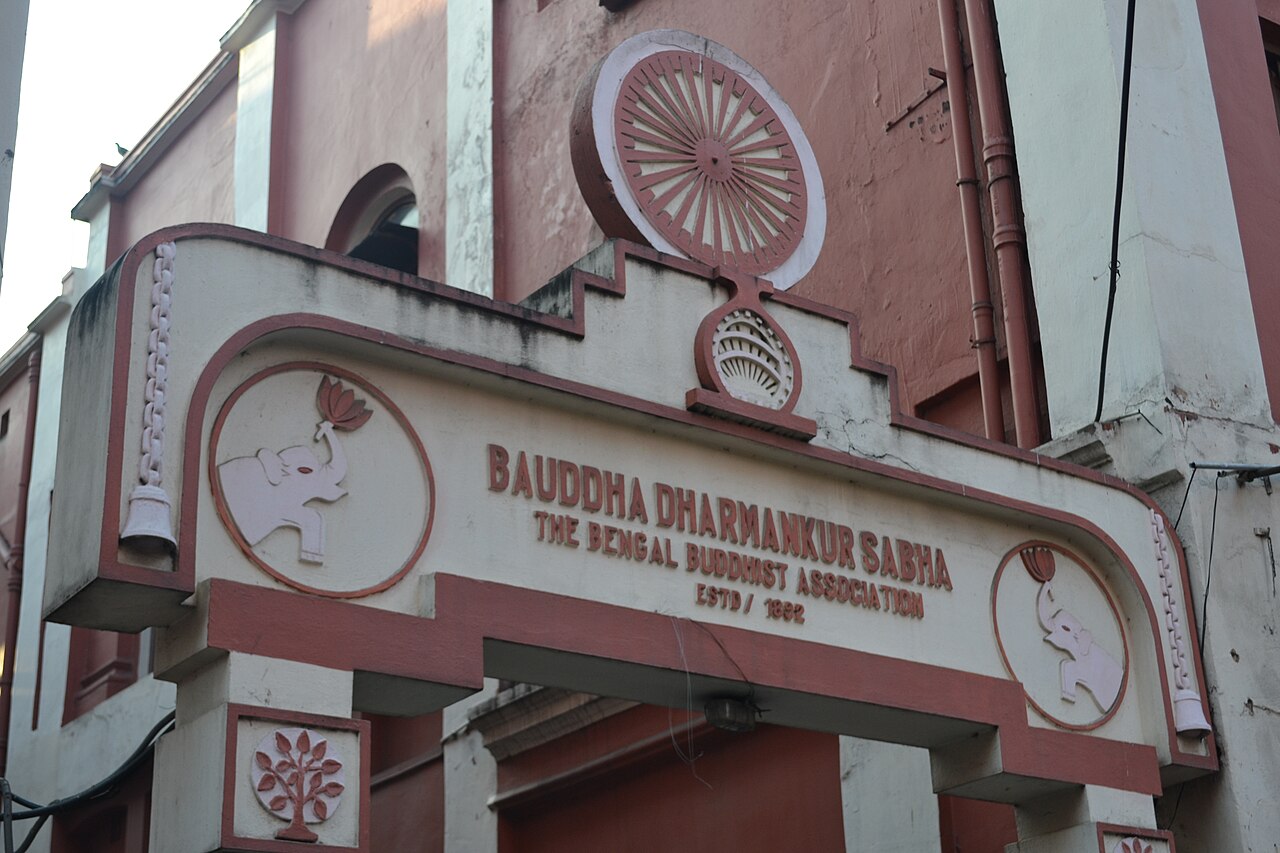
Bengal Buddhist Association
Kolkata · India · monastery
Founded in Kolkata in 1892 by Kripasaran Mahasthavir, the Bengal Buddhist Association, known in Bengali as Bauddha Dharmankur Sabha, raised the Dharmankur Vihara at Bow Barracks in 1903 and has worked for over a century to revive the Dharma in eastern India.
 Buddhism
Bhot Bagan Math
Ghusuri · India · monastery
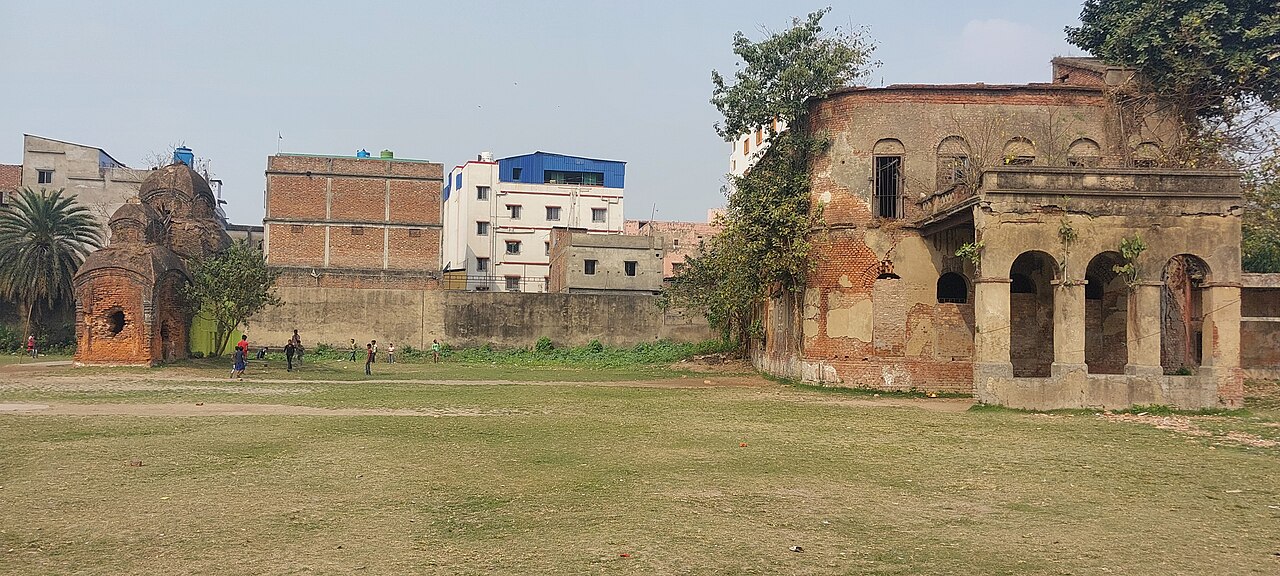
A brick monastery on the Hooghly riverside at Ghusuri, Howrah, founded in 1776 as the first Tibetan Buddhist religious foundation on the plains of India and still known popularly as Mahakal Math for the Tibetan deity images once installed in its sanctum.
 Buddhism
Borobudur
Magelang · Indonesia · temple
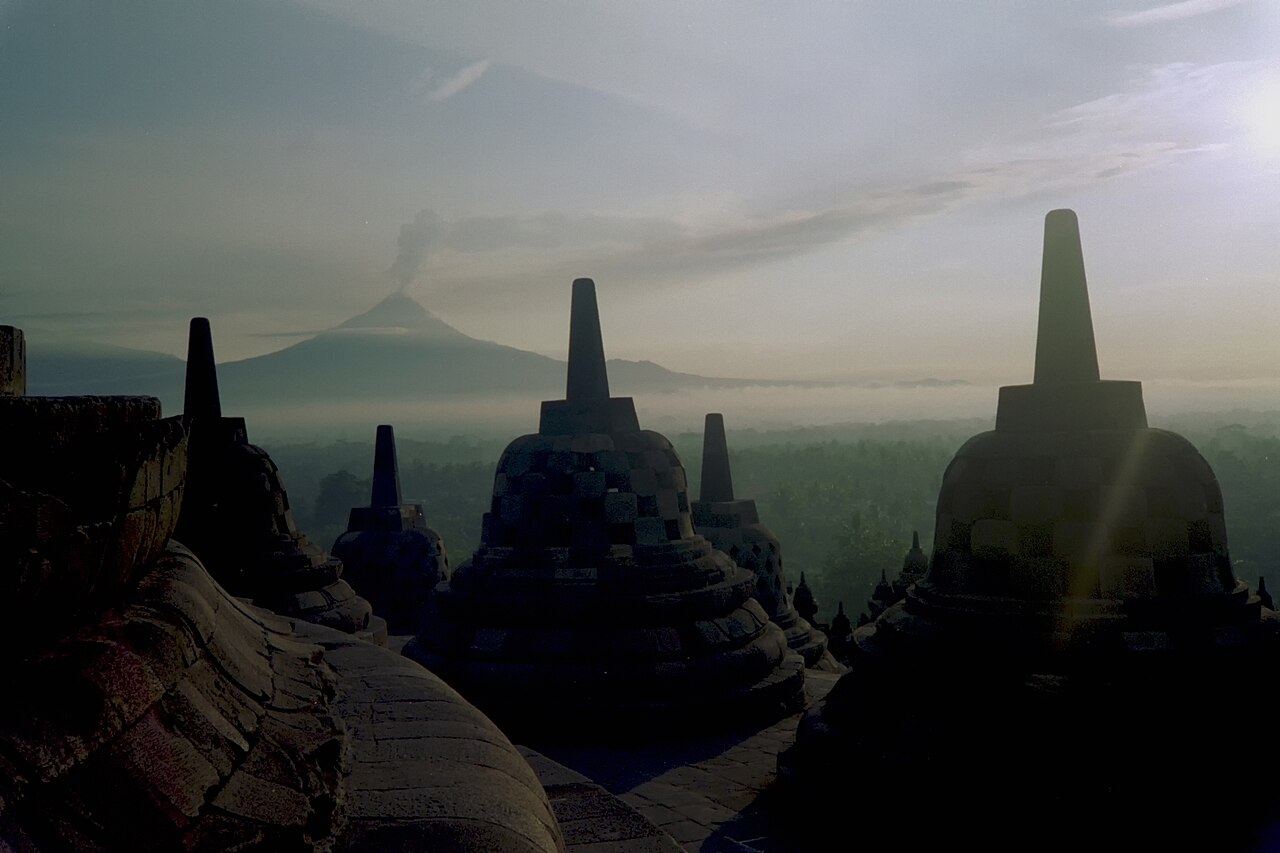
The world's largest Buddhist Temple: a ninth-century mandala in stone on Java's Kedu Plain, nine terraces rising through the three realms to 72 latticed stupas, each sheltering a seated Buddha.
 Buddhism
Boudhanath Stupa
Kathmandu · Nepal · stupa
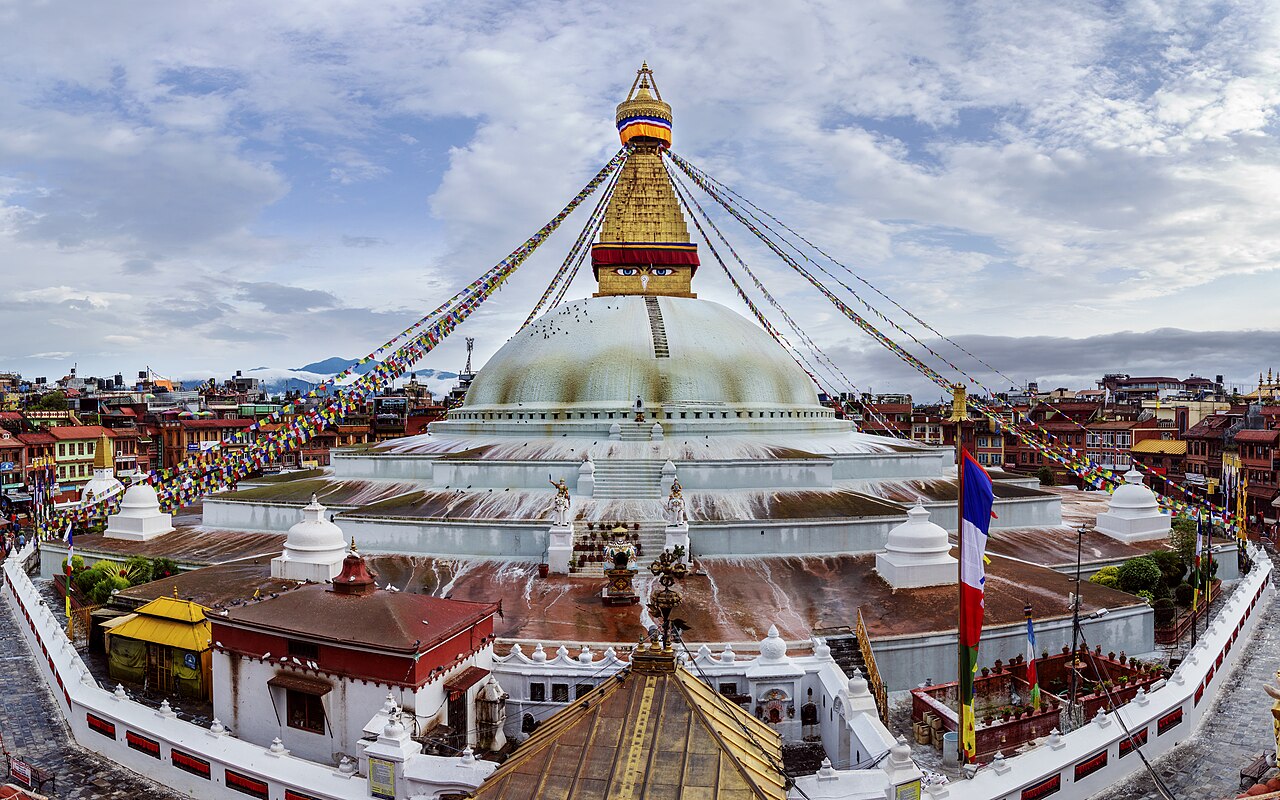
The largest spherical stupa in Nepal, its all-seeing Buddha eyes watching over the kora walked daily by the Tibetan Buddhist community of Boudha, the heart of Vajrayana practice in the Kathmandu Valley.