
Rinchenpong Monastery
Sang Ngag Yangtse Monastery · Richenpong Monastery
About
Rinchenpong Monastery crowns a ridge above two neighbouring settlements, Kaluk and Rinchenpong (also spelled Richenpong), in West Sikkim, India, at an elevation approaching 1,700 metres (5,500 ft). The journey to reach it becomes its own pilgrimage: from the main Rinchenpong bazaar a mountain trail climbs through maize fields to a fork in the path, where one branch curves toward Poison Pokhri, a small lake whose name commemorates local resistance to foreign incursion, and the other ascends a staircase of stone steps to the monastery gate. Colourful prayer flags line the entrance, and the outer walls are set with spinning prayer wheels that murmur blessings for those who pass. Inside, child lamas go about their studies, for the monastery also serves as a school for novice monastics.
The main hall rewards those who make the climb with extraordinarily fine craftsmanship: the entrance doors and window surrounds carry intricate painted and carved ornamentation in many colours. At the heart of the shrine rests a remarkable Adi-Buddha image, the Primordial Buddha, depicted in blue and unadorned, shown in the Yab-Yum posture: seated in meditation while in embrace with a female consort. In Buddhist iconography this union of the masculine and feminine principles points to the inseparability of compassion and wisdom, form and emptiness. Photography inside the hall has been suspended in recent years out of respect for the sanctity of the image. From the monastery terrace, panoramic vistas stretch across the forested ridges of West Sikkim.
History
The monastery, also known as Sang Ngag Yangtse Monastery, was founded in 1730 by the Ngadakpa Lama in the village that took its name, beginning with a community of around ninety-eight lamas. It ranks as the third oldest monastic foundation in Sikkim, its early centuries coinciding with the consolidation of Tibetan Buddhist culture across the young Sikkimese kingdom. The path to the monastery still passes Poison Pokhri, a small lake whose name recalls local resistance to foreign incursion, before climbing a stone staircase to the gate.
Significance
The monastery's great treasure is its image of the Adi-Buddha, the Primordial Buddha, shown here in the rare Yab-Yum form, seated in meditation in union with a consort, a teaching in stone and paint that the deepest reality unites wisdom and compassion, form and emptiness. Photography of the image has been set aside in recent years out of respect for its sanctity. As both monastery and school for novice monks, Rinchenpong carries its lineage forward not only in ritual but in the daily life of the children who study there.
Architecture
Traditional Sikkimese Buddhist monastery architecture (gompa), timber-framed with painted eaves over a whitewashed stone base
Visiting
Hours
Hours not listed.
Contact
No contact details listed yet.
Address
Engage with Rinchenpong Monastery
Through the four pathways
Seva सेवा — Service
Offer your time and skills here. The following opportunities are open at Rinchenpong Monastery:
No Seva offerings listed yet.
Sādhana साधना — Practice
Learn the worship and practice associated with Rinchenpong Monastery:
No Sādhana offerings listed yet.
Sandhāna सन्धान — Wisdom
Unite with the wisdom of this tradition:
No Sandhāna offerings listed yet.
Sādhya साध्य — Giving
Support this sacred place according to your means:
No Sādhya offerings listed yet.
All giving flows directly to Rinchenpong Monastery. Adisthan does not take a commission.
Gallery
Related sacred places
 Buddhism
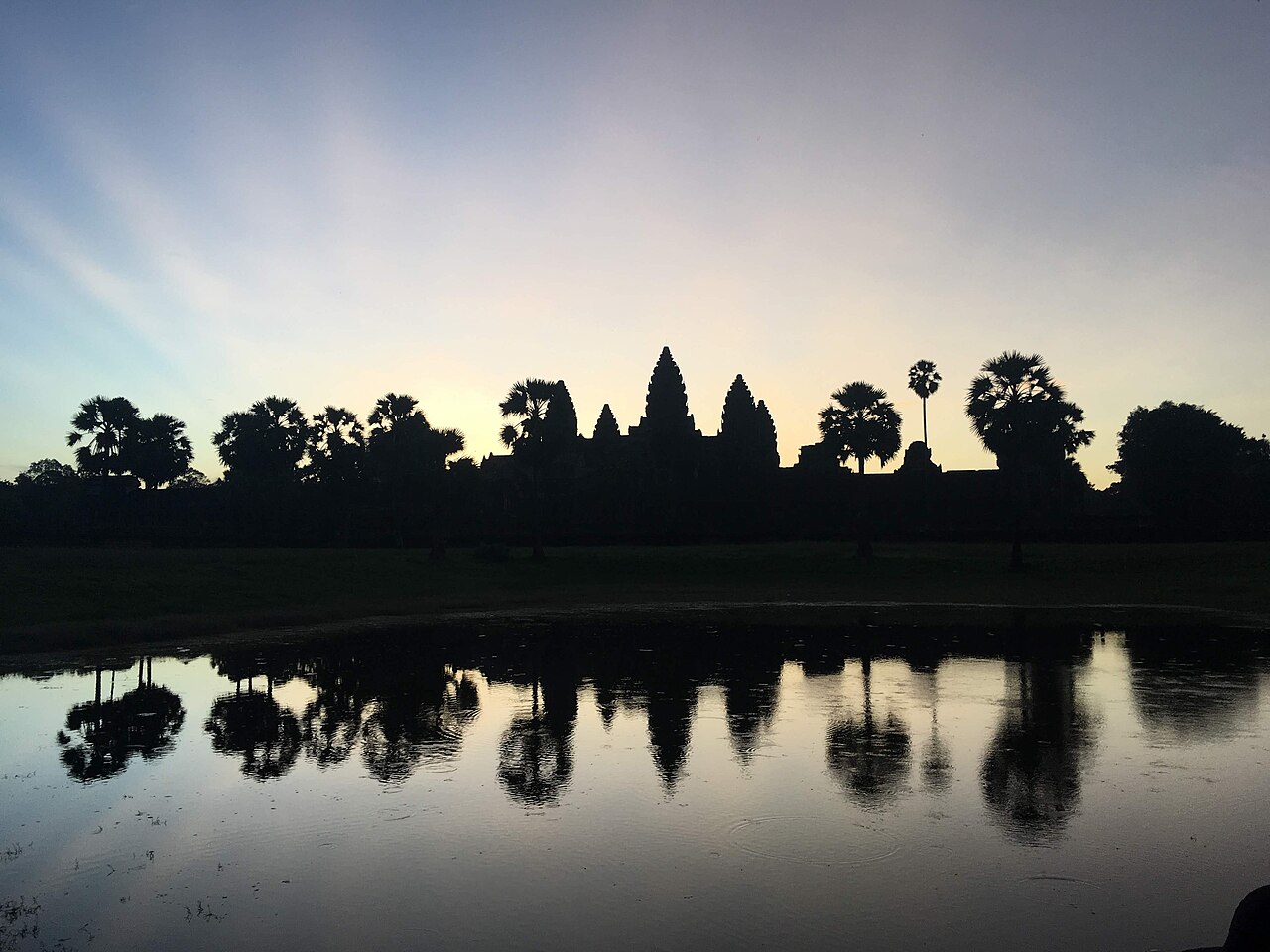
Angkor Wat
Siem Reap · Cambodia · temple
The largest religious monument on earth, built for Lord Vishnu by Suryavarman II in the 12th century and in continuous worship ever since: a living Theravada Buddhist Temple whose five towers stand on the Cambodian flag.
 Buddhism
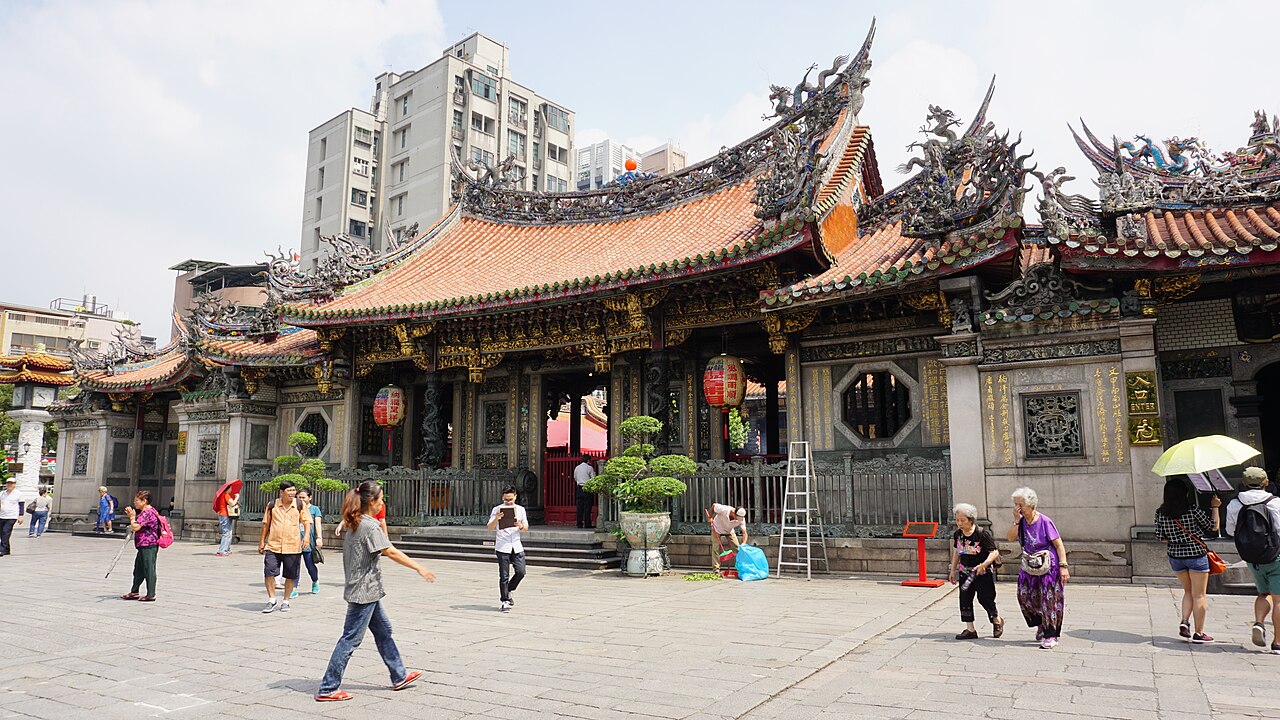
Bangka Lungshan Temple
Taipei (Wanhua) · Taiwan · temple
Taipei's mother Temple to Guanshiyin, founded by Fujian settlers in 1738 in the old Bangka quarter: a front hall to the bodhisattva of compassion and a rear hall of more than a hundred Taoist and folk gods, whose Guanyin statue survived the 1945 bombing intact.
 Buddhism
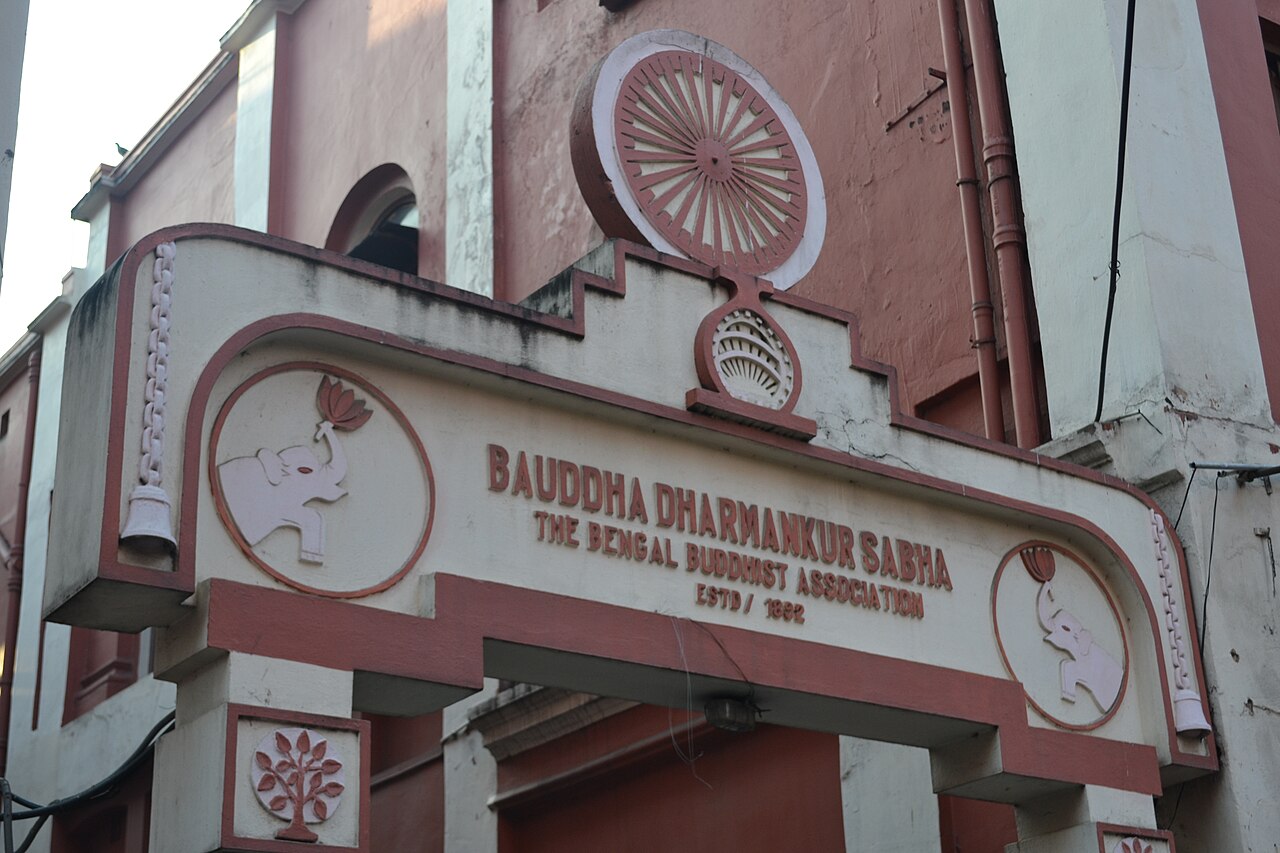
Bengal Buddhist Association
Kolkata · India · monastery
Founded in Kolkata in 1892 by Kripasaran Mahasthavir, the Bengal Buddhist Association, known in Bengali as Bauddha Dharmankur Sabha, raised the Dharmankur Vihara at Bow Barracks in 1903 and has worked for over a century to revive the Dharma in eastern India.
 Buddhism
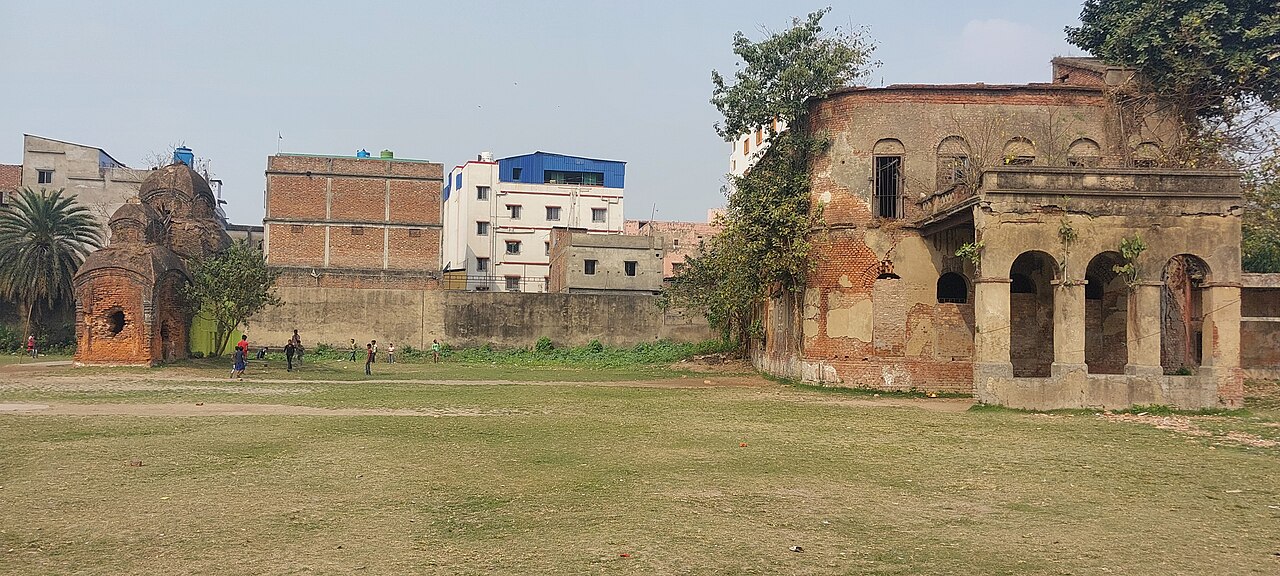
Bhot Bagan Math
Ghusuri · India · monastery
A brick monastery on the Hooghly riverside at Ghusuri, Howrah, founded in 1776 as the first Tibetan Buddhist religious foundation on the plains of India and still known popularly as Mahakal Math for the Tibetan deity images once installed in its sanctum.
 Buddhism
Borobudur
Magelang · Indonesia · temple
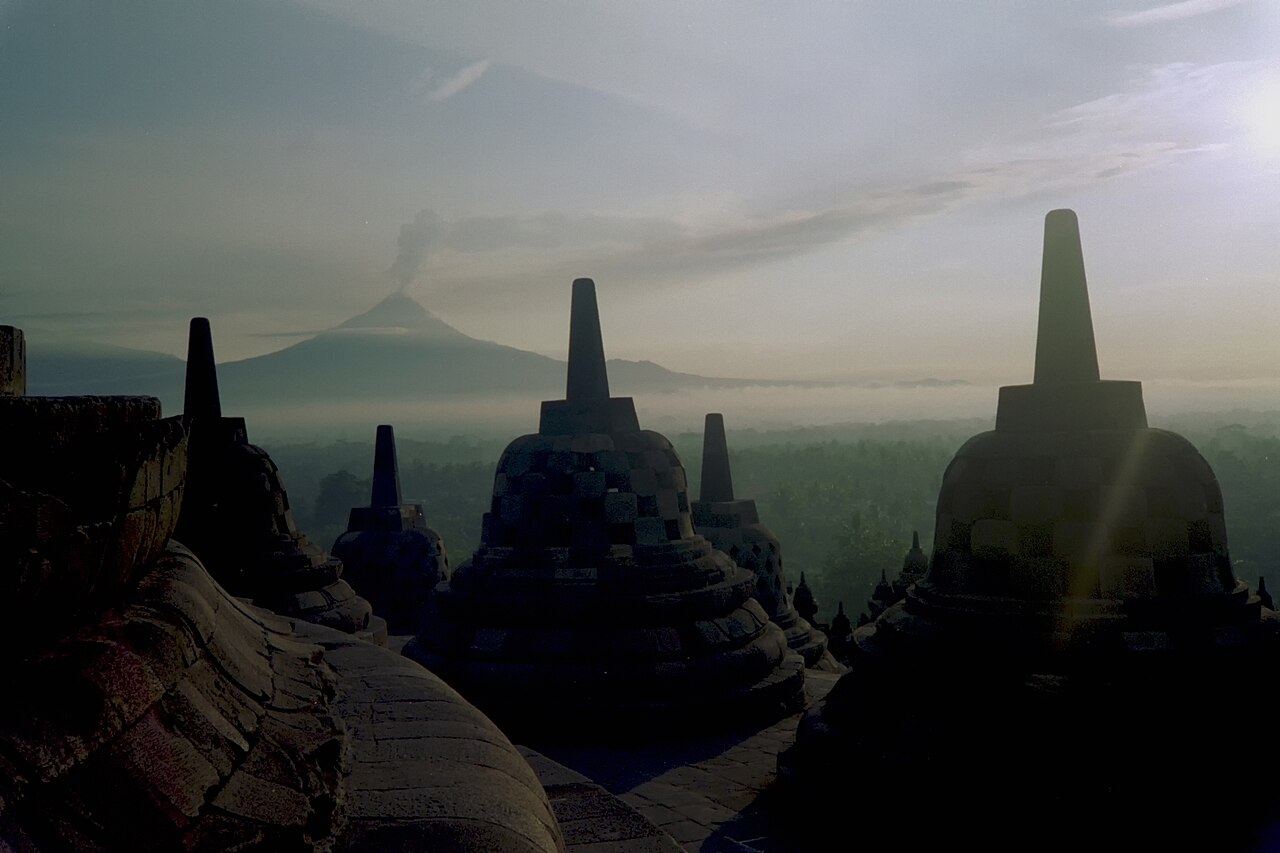
The world's largest Buddhist Temple: a ninth-century mandala in stone on Java's Kedu Plain, nine terraces rising through the three realms to 72 latticed stupas, each sheltering a seated Buddha.
 Buddhism
Boudhanath Stupa
Kathmandu · Nepal · stupa
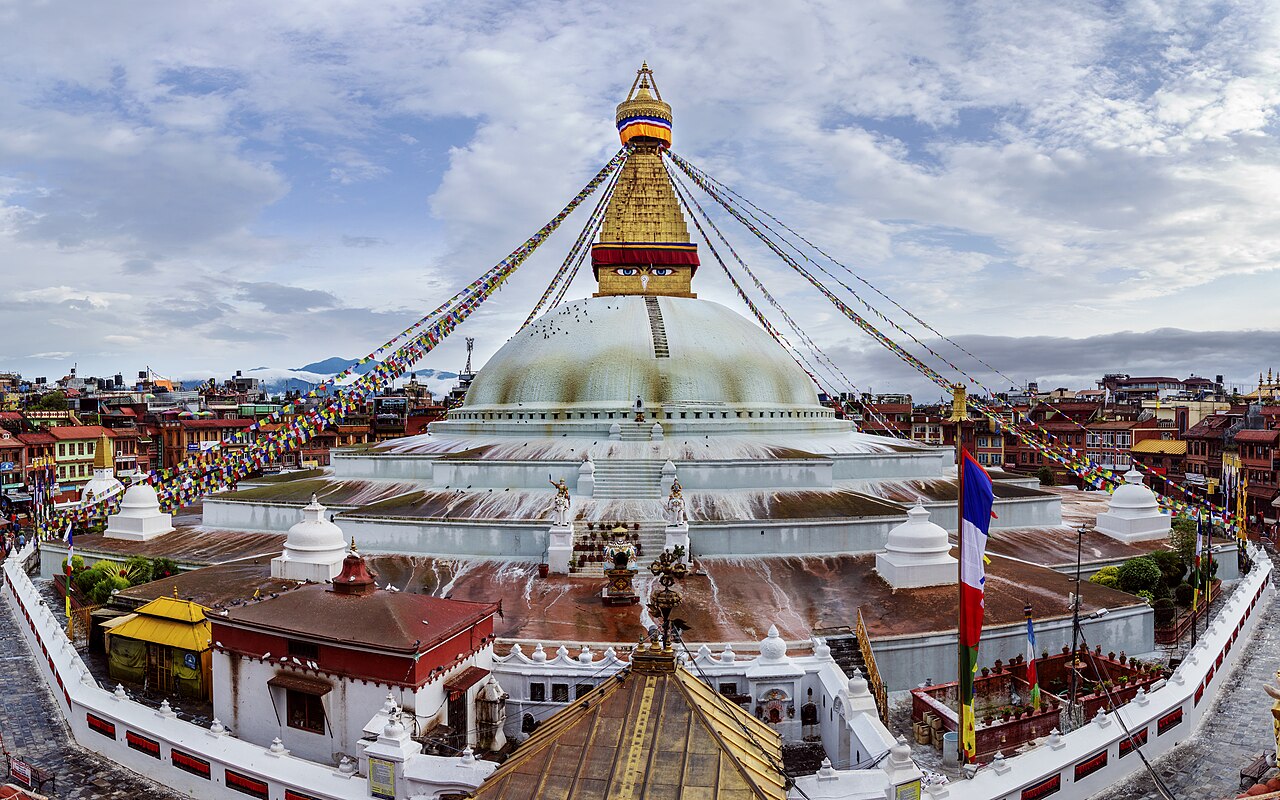
The largest spherical stupa in Nepal, its all-seeing Buddha eyes watching over the kora walked daily by the Tibetan Buddhist community of Boudha, the heart of Vajrayana practice in the Kathmandu Valley.