
Rishabhdeo
Kesariyaji Tirth · Rishabhdeo Jain Temple · Rikhabdeo · Dhulev · Kesariyaji
About
Rishabhdeo, also written Rikhabdeo and known locally as Dhulev, lies about sixty-five kilometres from Udaipur along the Udaipur-Ahmedabad road in southern Rajasthan. The town takes its name from Lord Rishabhanatha, the first Tirthankara of Jainism, whose great Temple here is among the most revered Jain pilgrimage centres in western India.
The Kesariyaji Tirth, often simply called the Main Temple, is honoured by both Digambara and Shvetambara traditions, and a 1966 judgement of the Rajasthan High Court confirmed it as a Shvetambara Jain Temple. The presiding deity is called Kesariaji because of the great offerings of saffron, keshar, brought by pilgrims across the centuries.
The Temple is regarded as one of the four principal religious institutions of Mewar, the kingdom long ruled from Udaipur by the Sisodia Maharanas. A traditional verse by Chatur Singhji Bavji invokes Eklingji, Girirajdhar, Rishabhdev, and Bhujchaar as the four dhams of Mewar, and the Shvetambara aarti by Mulchand sings of Dhuleva as a town made luminous by the lord's presence.
The Main Temple is said to have been raised in the eighth century. Its central image of Rishabhanatha, carved in black stone and seated in padmasana, rises about three and a half feet, set within an ashtadhatu parikar of twenty-three accompanying images. Above rise fifty-two pinnacles, raised in the symbolism of the fifty-two Temples of Nandishwar Dweep, with 1,100 carved pillars and fifty-two devakulikas within.
History
Tradition and inscription both point to deep age here: the Temple is generally dated to the eighth century CE, and a dedication inscription of Samvat 1431 (1374 CE) records a renovation of the garbhagriha and Khela Mandap under the Digambara pontiff Dharmakirti ji. The Temple takes its second name, Dhulev, from Dhuleva, a Bhil chieftain remembered as an early guardian of the shrine, and Bhil devotees still call the deity Kalababa. For centuries the Temple stood among the four principal religious institutions of Mewar, and the Sisodia Maharanas of Udaipur, restored to their throne with Jain support after the fall of Chittor, became devoted patrons; Maharana Fateh Singh presented a jewel-studded angi still used on special occasions.
Significance
Lord Rishabhanatha is honoured here as Kesariyaji, for the great offerings of saffron, keshar, that pilgrims have poured over the image across the centuries until the deity himself seemed to take on its colour. Few pilgrimage places in Rajasthan gather so many devotional streams into one act of worship: Digambara and Svetambara Jains, Hindu castes, and Bhil communities all bring their reverence to the same sanctum.
Architecture
Rajasthani Jain Temple architecture; fifty-two shrines (devakulikas) and pinnacles echoing the Temples of Nandishwar Dweep
Visiting
Daily worship
| Morning abhishek darshan | 07:55 to 09:10 | |
| Afternoon abhishek darshan | 14:00 to 15:10 |
Hours
Hours not listed.
Contact
No contact details listed yet.
Address
Engage with Rishabhdeo
Through the four pathways
Seva सेवा — Service
Offer your time and skills here. The following opportunities are open at Rishabhdeo:
No Seva offerings listed yet.
Sādhana साधना — Practice
Learn the worship and practice associated with Rishabhdeo:
No Sādhana offerings listed yet.
Sandhāna सन्धान — Wisdom
Unite with the wisdom of this tradition:
No Sandhāna offerings listed yet.
Sādhya साध्य — Giving
Support this sacred place according to your means:
No Sādhya offerings listed yet.
All giving flows directly to Rishabhdeo. Adisthan does not take a commission.
Gallery
Related sacred places
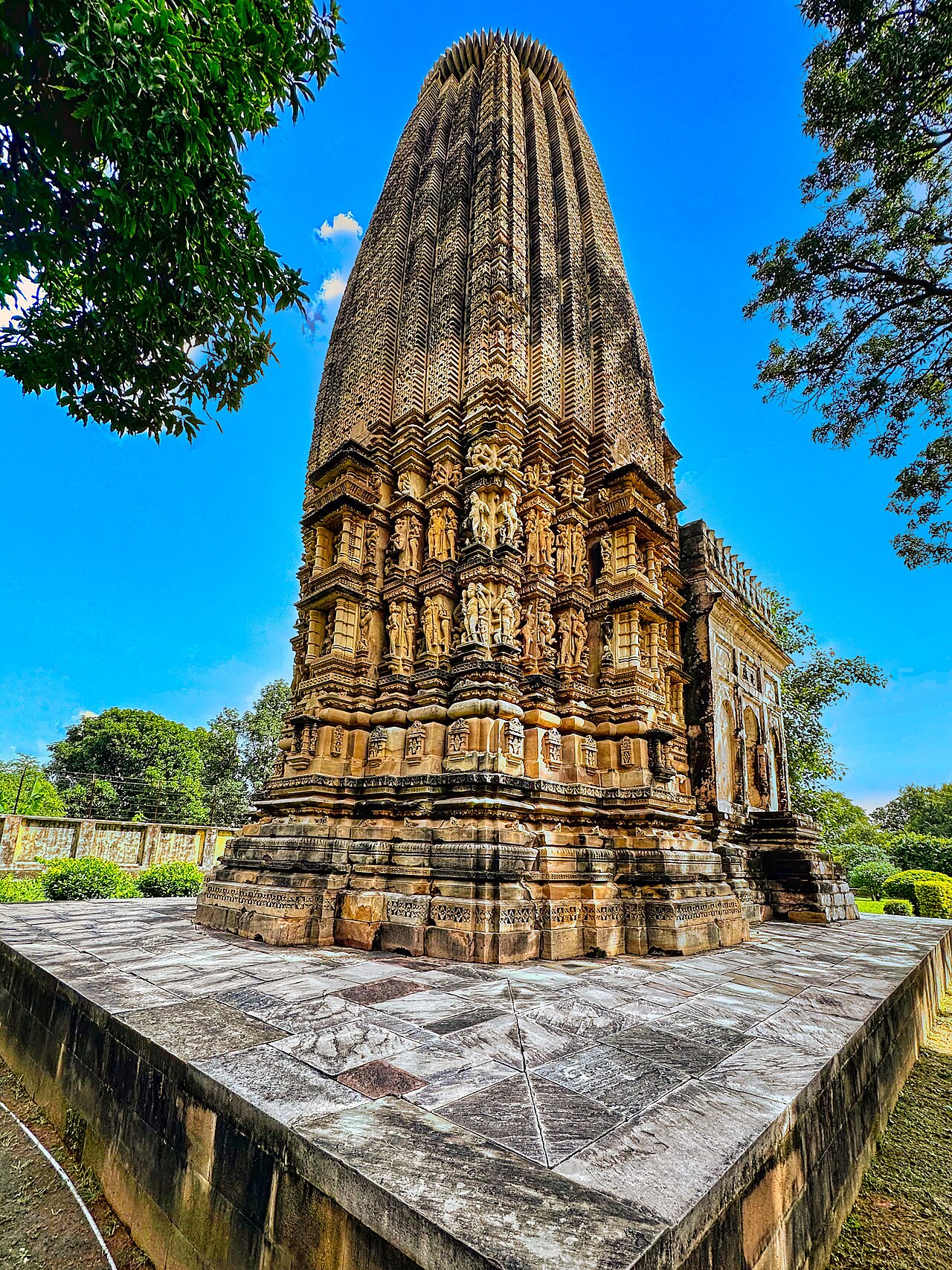 Jainism
Adinatha Temple
Khajuraho · India · temple
A Digambara Jain shrine within Khajuraho's Eastern Group of Temples, dedicated to Lord Adinatha, the first tirthankara, its curvilinear sandstone tower carved in the late eleventh century for a Hindu patron before passing into Jain hands.
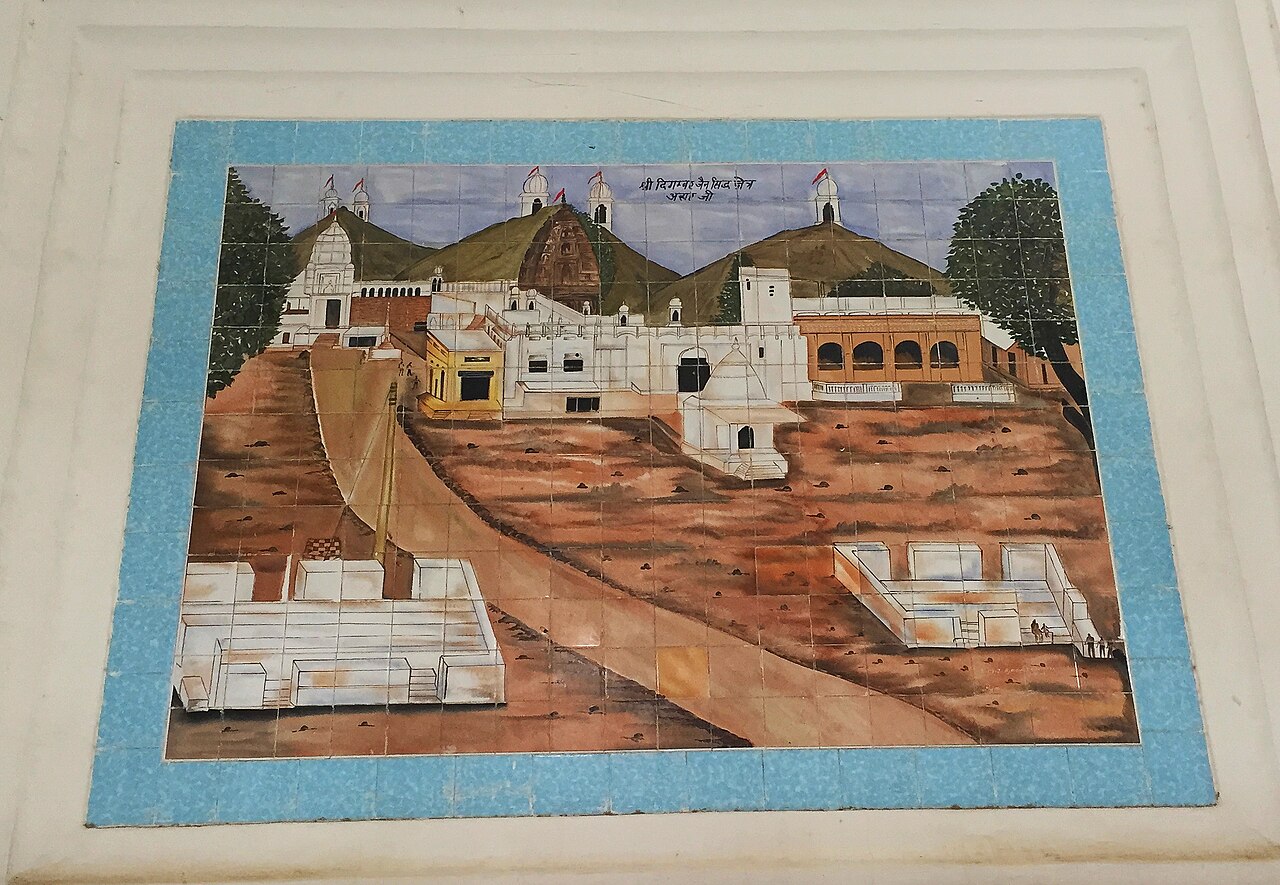 Jainism
Aharji
Aharji · India · temple
A Digambara Jain tirtha in the Bundelkhand region of Madhya Pradesh, where an eighteen-foot Chandella-era colossus of Lord Shantinatha stands in silent meditation at the heart of a Temple complex raised across three centuries.
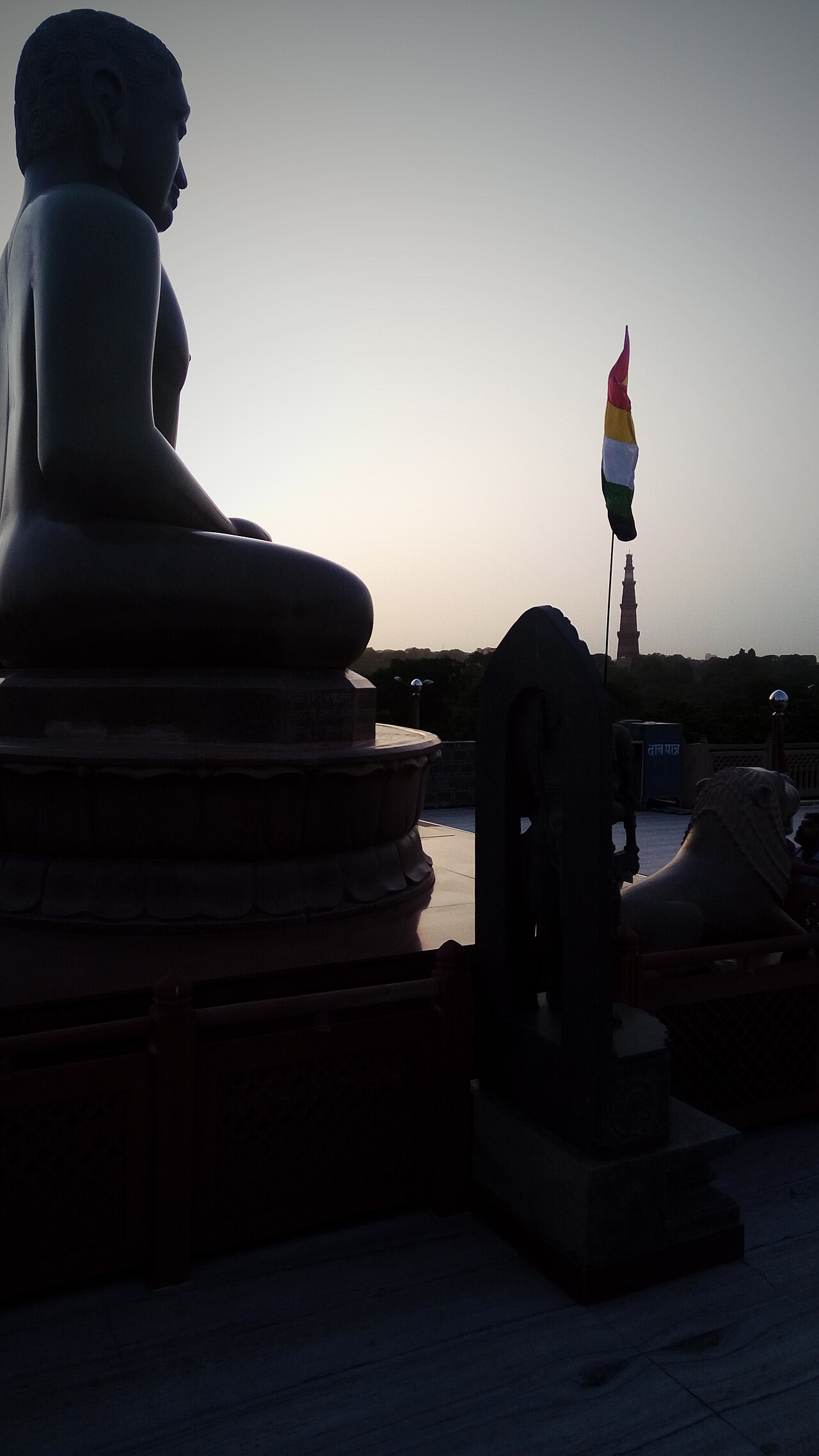 Jainism
Ahinsa Sthal
New Delhi · India · temple
A modern Digambara Jain shrine on a terrace in Mehrauli, New Delhi, built in 1980 around a colossal granite image of Lord Mahavira seated in deep meditation, its very name declaring the tradition's central vow: ahimsa, harmlessness toward every living being.
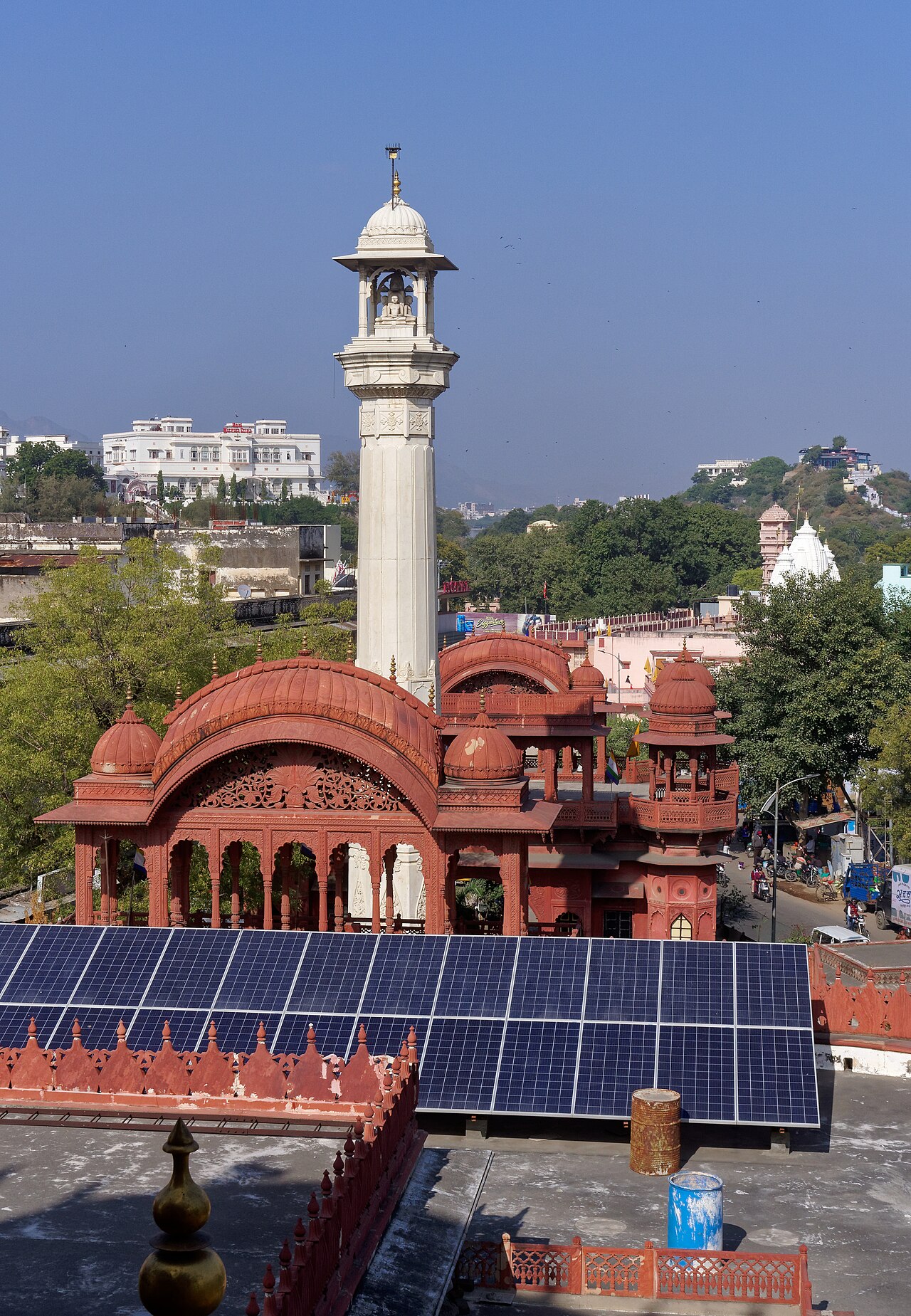 Jainism
Ajmer Jain Temple
Ajmer · India · temple
Popularly called Soniji Ki Nasiyan or the Red Temple, this Digambara Jain Temple on Prithviraj Marg in Ajmer pairs a red sandstone sanctuary, crowned by an eighty two foot marble pillar, with a golden upper hall whose gilded tableaux retell the life of Lord Rishabhdev, the first tirthankara.
 Jainism
Akkana Basadi
Shravanabelagola · India · temple
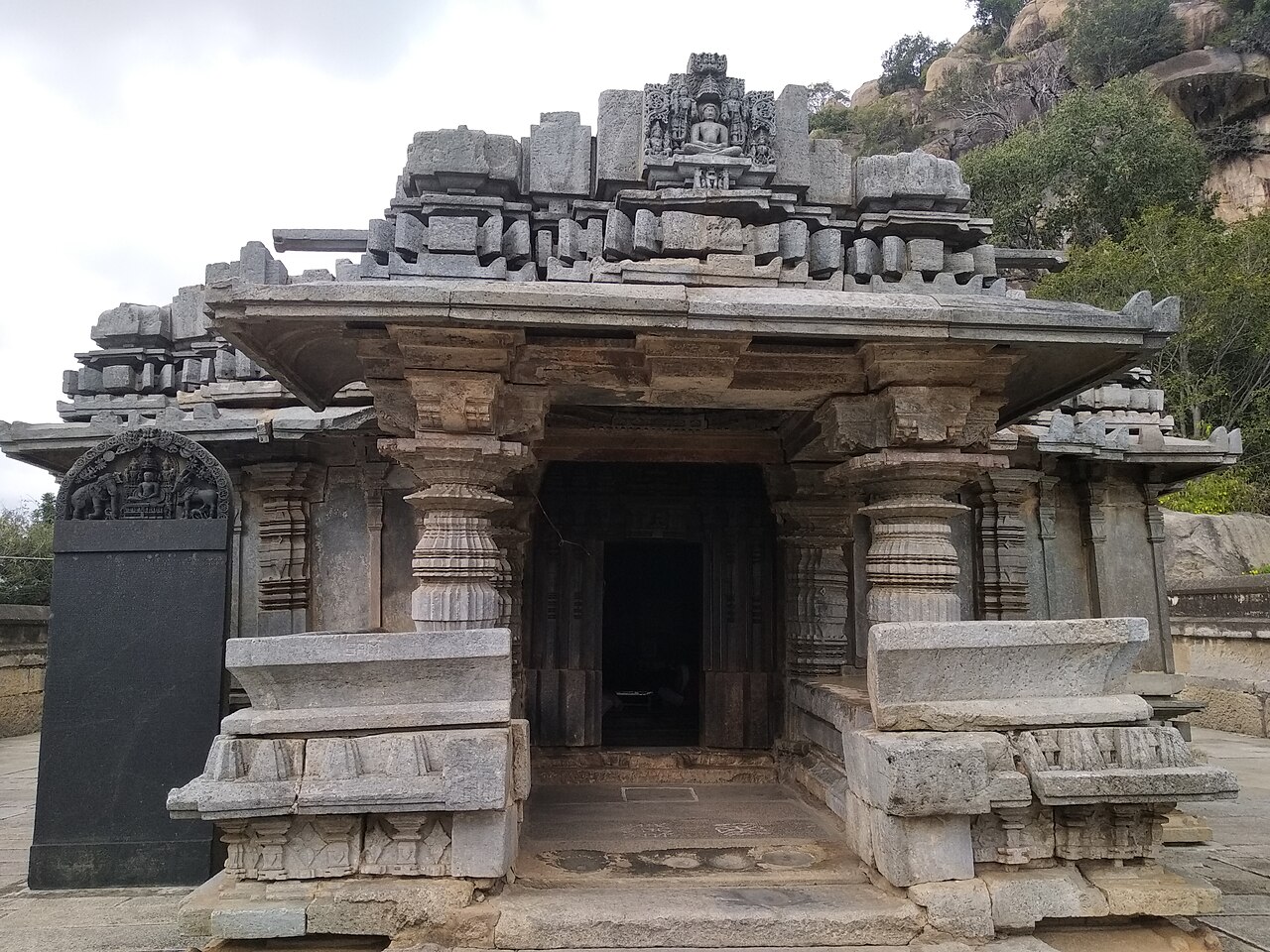
Consecrated in 1181 CE on Chandragiri hill at Shravanabelagola, Karnataka, Akkana Basadi is a Hoysala-era Jain basadi raised by the devout laywoman Achiyakka in honour of Tirthankara Parshvanatha, its deliberately plain stone walls and lathe-turned pillars a quiet expression of Jain austerity.
 Jainism
Bawangaja
Bawangaja · India · temple
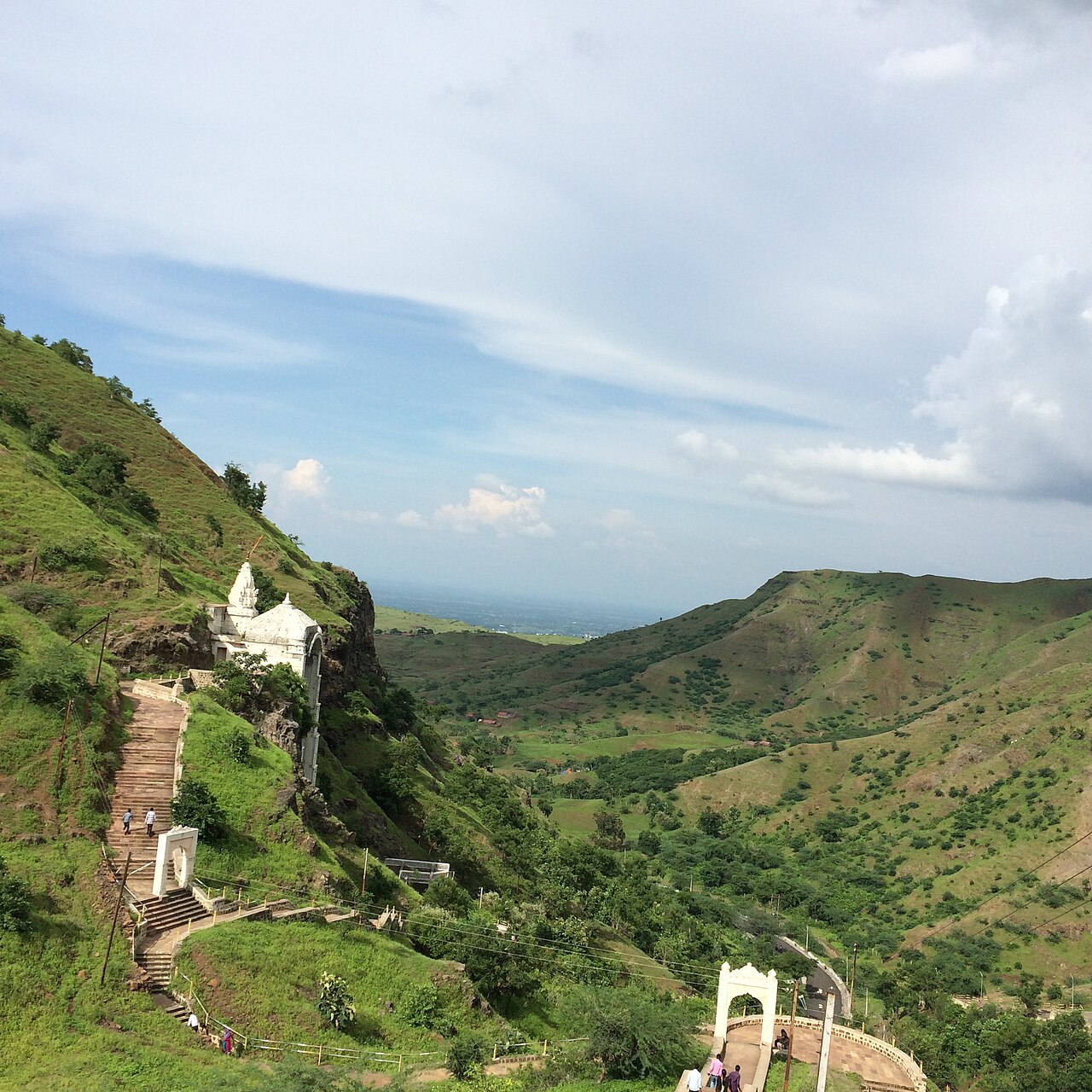
A Digambara Jain tirtha in the Satpura hills of Barwani district, Madhya Pradesh, where an 84-foot monolithic image of Lord Rishabhanatha (Adinatha), the first Tirthankara, stands carved directly from the mountain.