Saavira Kambada Basadi
Tribhuvana Tilaka Chudamani · Chandranatha Basadi · Thousand Pillar Temple · Hosa Basadi
About
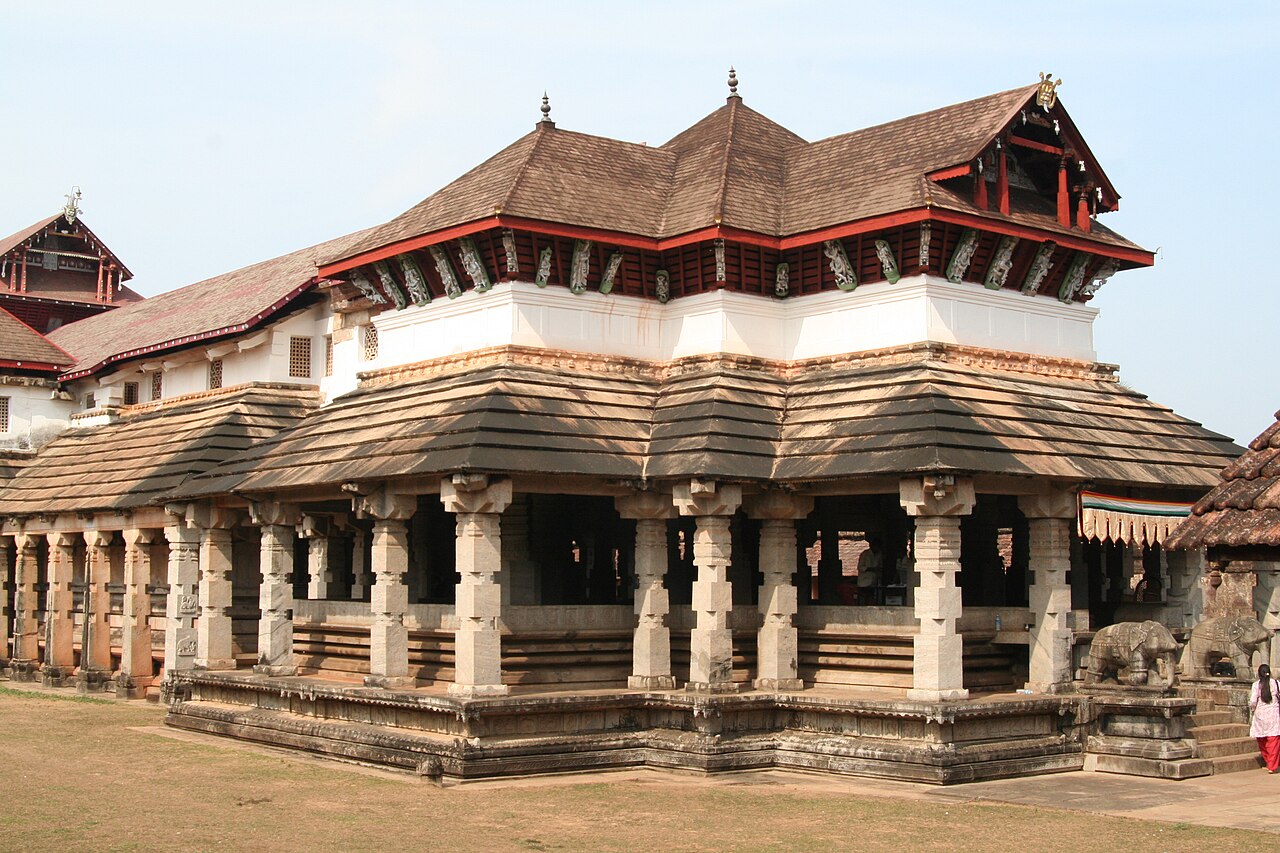
Rising in the Temple town of Moodabidri in Karnataka, the Saavira Kambada Basadi, whose Sanskrit honorific Tribhuvana Tilaka Cūḍāmaṇi translates as 'the crest-jewel that adorns the three worlds', is consecrated to the tirthankara Chandraprabha, also venerated here as Chandranatha Swami. At the heart of the garbhagṛha stands an eight-foot image of Chandranatha cast in pañchadhātu, the sacred alloy of five metals, drawing devotees from across the Jain world.
What sets this basadi apart from all others in Moodabidri, and indeed from most Temples in the region, is its extraordinary assembly of one thousand pillars, each carved with individual artistry so that no two columns are identical. These massive supports bear octagonal profiles reminiscent of turned wooden logs, and at least one column carries an epigraphic inscription. Seven maṇḍapas in the Vijayanagara style fill the complex, the central pair of column halls interlocking to form the principal maṇḍapa. The veranda roofing, sloping and clad in copper-coated wooden tiles, evokes the architectural idiom of Himalayan Temples to the north.
The interior surfaces reward close attention: wooden panels carry relief carvings of tīrthaṅkaras attended by elephants, guardian deities, and flower-bearing female figures, while bronze Jain images in ornate frames line the inner sanctum. Particularly remarkable among the carved columns are several depicting a dragon and a giraffe, images traced to commercial contact with China during the fifteenth century, a quiet testament to the trade routes that once passed through coastal Karnataka. Before the Temple stands a monolithic manastambha soaring to fifty feet, a freestanding victory pillar of singular presence.
History
The basadi was commissioned in 1430 by the local chieftain Devaraya Wodeyar and took thirty-one years to complete, with further additions and restoration carried out in 1962. Queen Nagala Devi of Karkala raised the monolithic manastambha that still stands before the entrance as her votive offering, and a sixteenth-century image of Nandishvara-dvipa within the shrine marks a further phase of devotional enrichment. Carvings on several of the hall's pillars, showing a dragon and a giraffe, recall Moodabidri's trade contact with China during the fifteenth century.
Significance
Moodabidri has long been called the Jain Kashi of the south for its eighteen basadis, and this Temple, formally titled Tribhuvana Tilaka Chudamani, is regarded as the finest among them. A bhattaraka seat bearing the title Charukeerthi continues to administer the Temple's religious life today, and the basadi is counted alongside Shravanabelagola, the Kamal Basadi, and the Brahma Jinalaya among Karnataka's foremost centres of Jain devotion.
Architecture
Vijayanagara-era Jain basadi architecture, a granite thousand-pillared hall of octagonal columns with copper-tiled sloping verandas recalling Himalayan Temple roofs, and a fifty-foot monolithic manastambha
Visiting
Hours
Hours not listed.
Contact
No contact details listed yet.
Engage with Saavira Kambada Basadi
Through the four pathways
Seva सेवा — Service
Offer your time and skills here. The following opportunities are open at Saavira Kambada Basadi:
No Seva offerings listed yet.
Sādhana साधना — Practice
Learn the worship and practice associated with Saavira Kambada Basadi:
No Sādhana offerings listed yet.
Sandhāna सन्धान — Wisdom
Unite with the wisdom of this tradition:
No Sandhāna offerings listed yet.
Sādhya साध्य — Giving
Support this sacred place according to your means:
No Sādhya offerings listed yet.
All giving flows directly to Saavira Kambada Basadi. Adisthan does not take a commission.
Festivals & Events
- Apr
Mahavir Jayanti
19 April 2027 · annual
The birth anniversary of Lord Mahavira, the twenty-fourth and final tirthankara, observed by Moodabidri's Jain community with processions, Temple decoration, and readings from Jain scripture.
- May
Akshaya Tritiya
9 May 2027 · annual
For Digambara Jains this day marks Lord Rishabhanatha's own breaking of a year-long fast with sugarcane juice, the origin of the ahara-dana almsgiving rite, observed across basadis of the Digambara tradition including this one.
Gallery
Related sacred places
 Jainism
Adinatha Temple
Khajuraho · India · temple
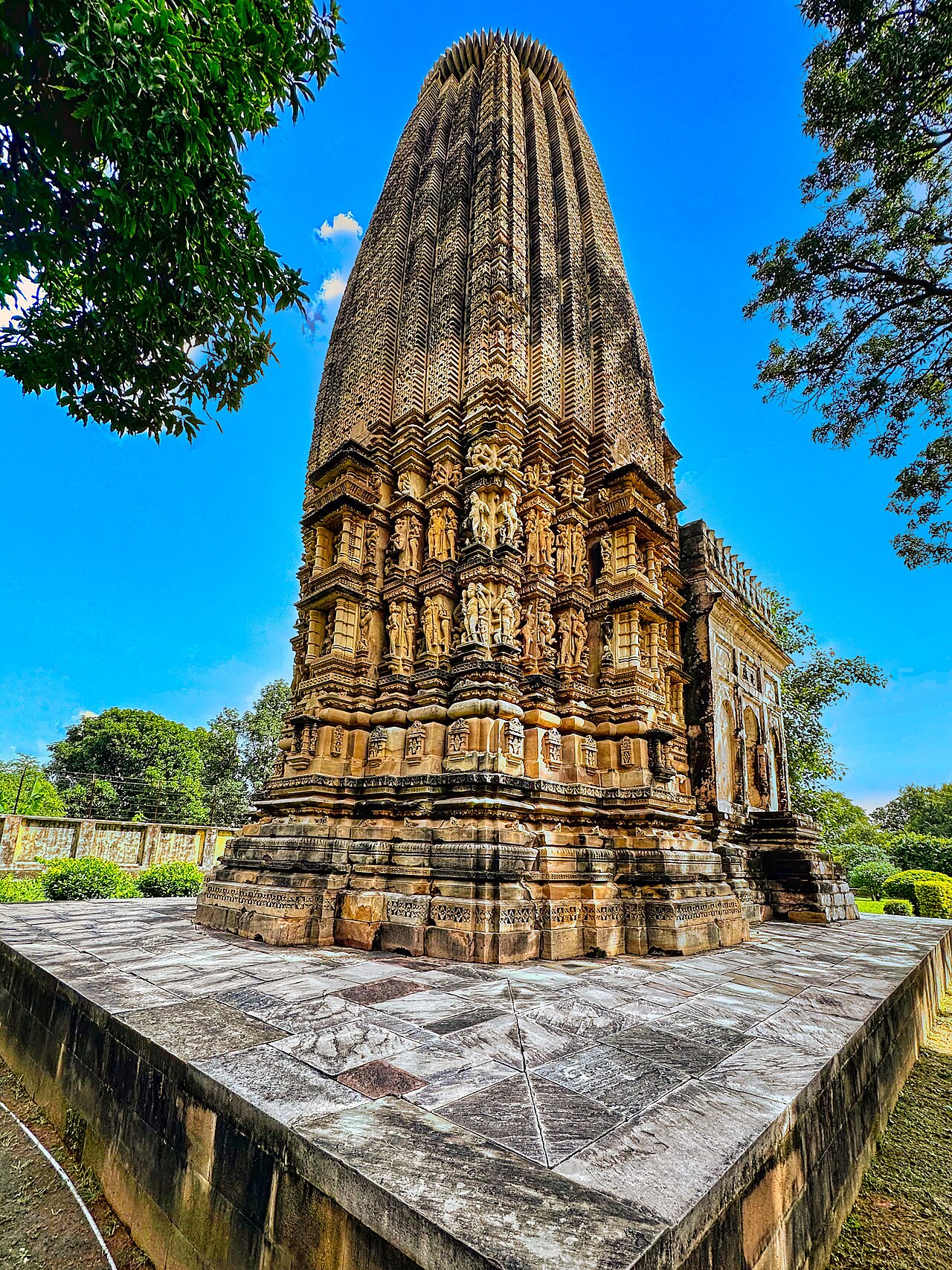
A Digambara Jain shrine within Khajuraho's Eastern Group of Temples, dedicated to Lord Adinatha, the first tirthankara, its curvilinear sandstone tower carved in the late eleventh century for a Hindu patron before passing into Jain hands.
 Jainism
Aharji
Aharji · India · temple
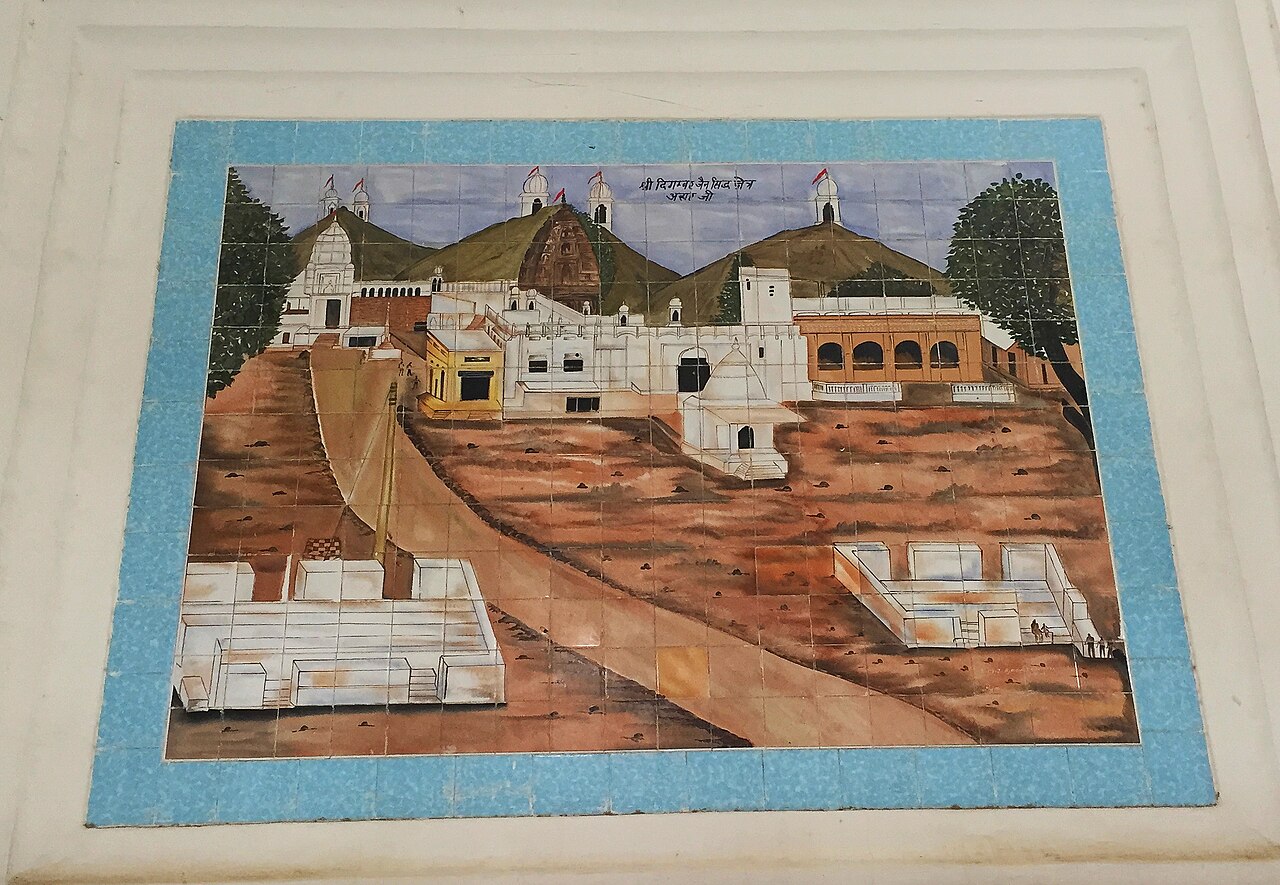
A Digambara Jain tirtha in the Bundelkhand region of Madhya Pradesh, where an eighteen-foot Chandella-era colossus of Lord Shantinatha stands in silent meditation at the heart of a Temple complex raised across three centuries.
 Jainism
Ahinsa Sthal
New Delhi · India · temple
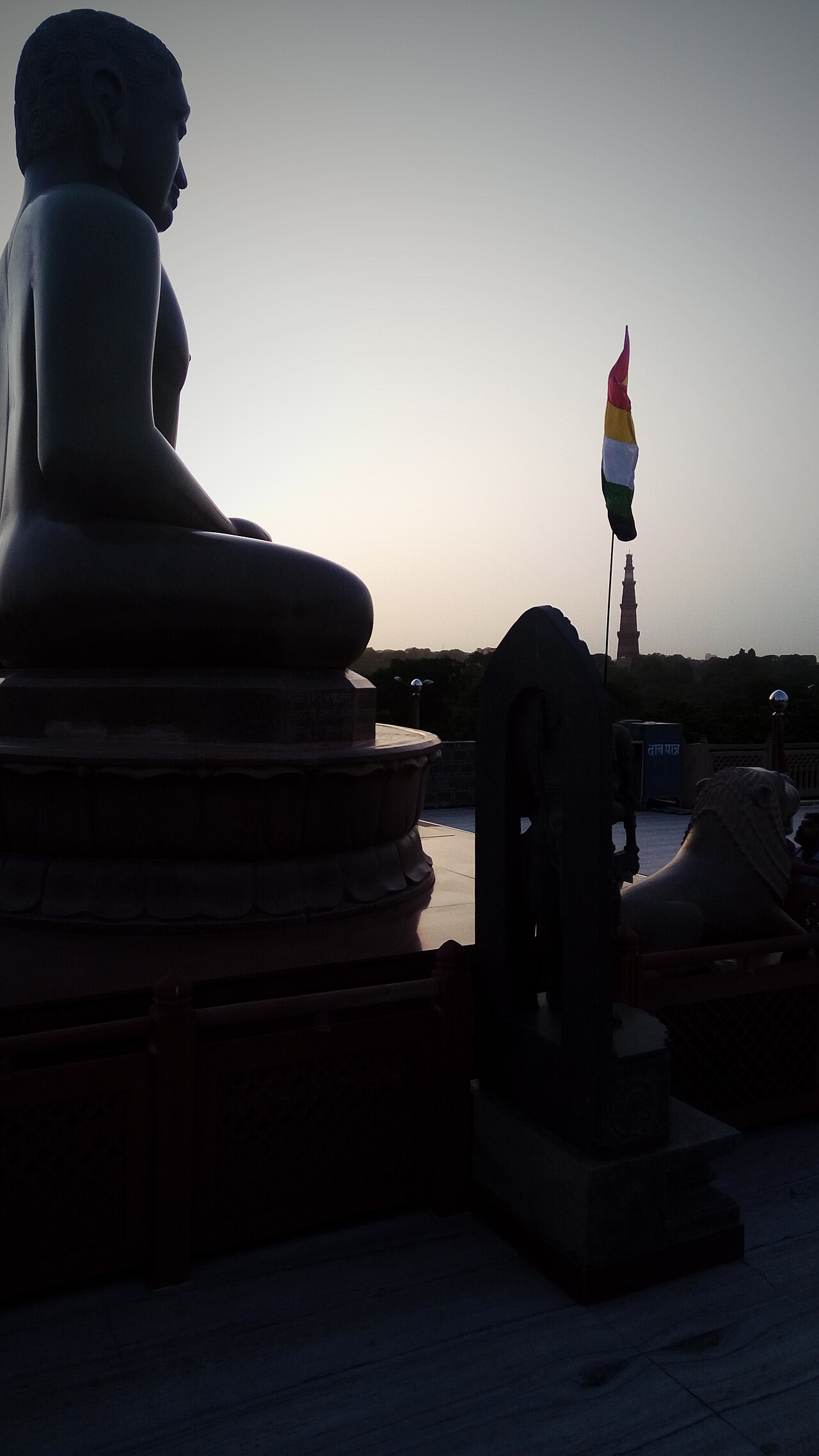
A modern Digambara Jain shrine on a terrace in Mehrauli, New Delhi, built in 1980 around a colossal granite image of Lord Mahavira seated in deep meditation, its very name declaring the tradition's central vow: ahimsa, harmlessness toward every living being.
 Jainism
Ajmer Jain Temple
Ajmer · India · temple
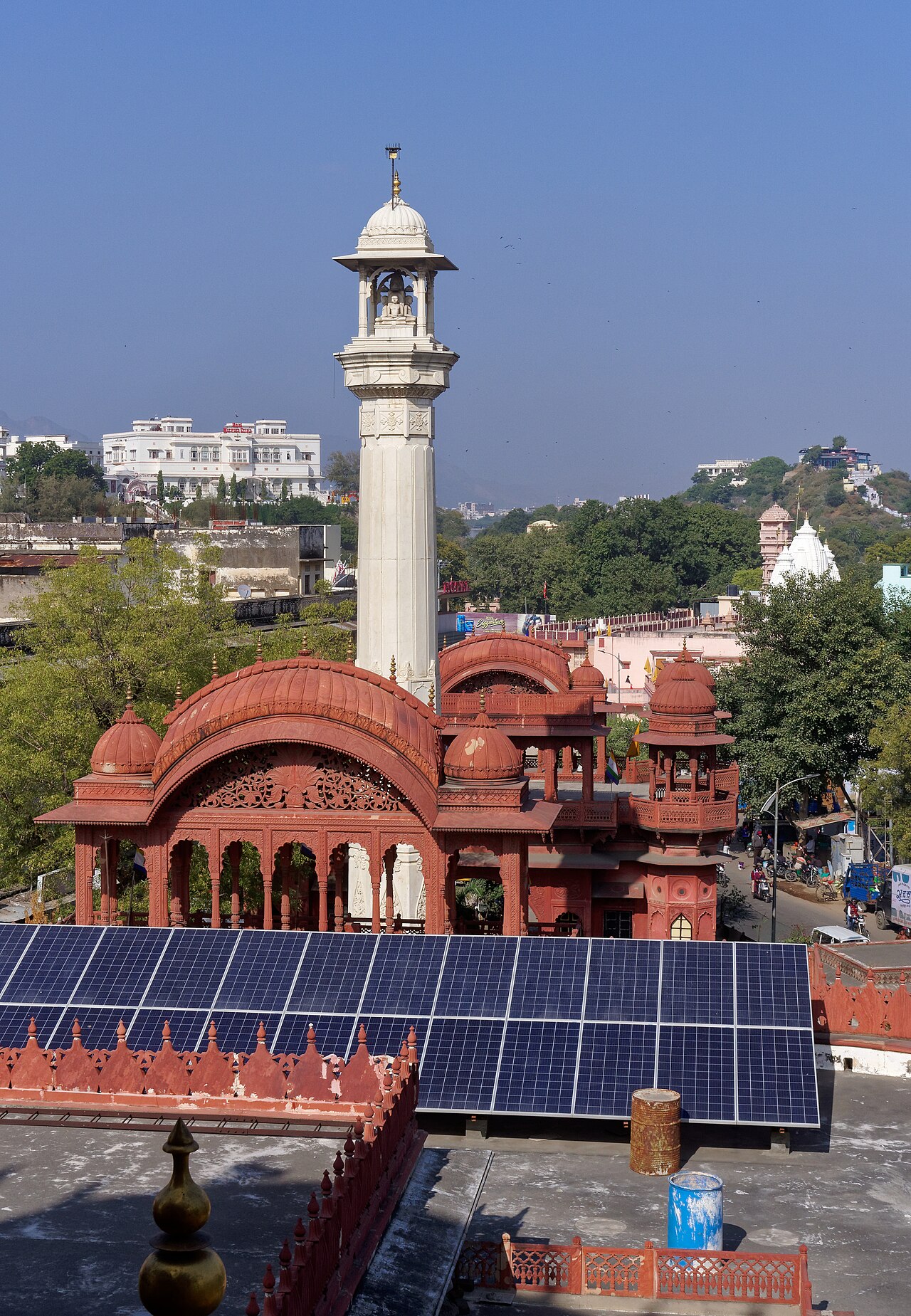
Popularly called Soniji Ki Nasiyan or the Red Temple, this Digambara Jain Temple on Prithviraj Marg in Ajmer pairs a red sandstone sanctuary, crowned by an eighty two foot marble pillar, with a golden upper hall whose gilded tableaux retell the life of Lord Rishabhdev, the first tirthankara.
 Jainism
Akkana Basadi
Shravanabelagola · India · temple
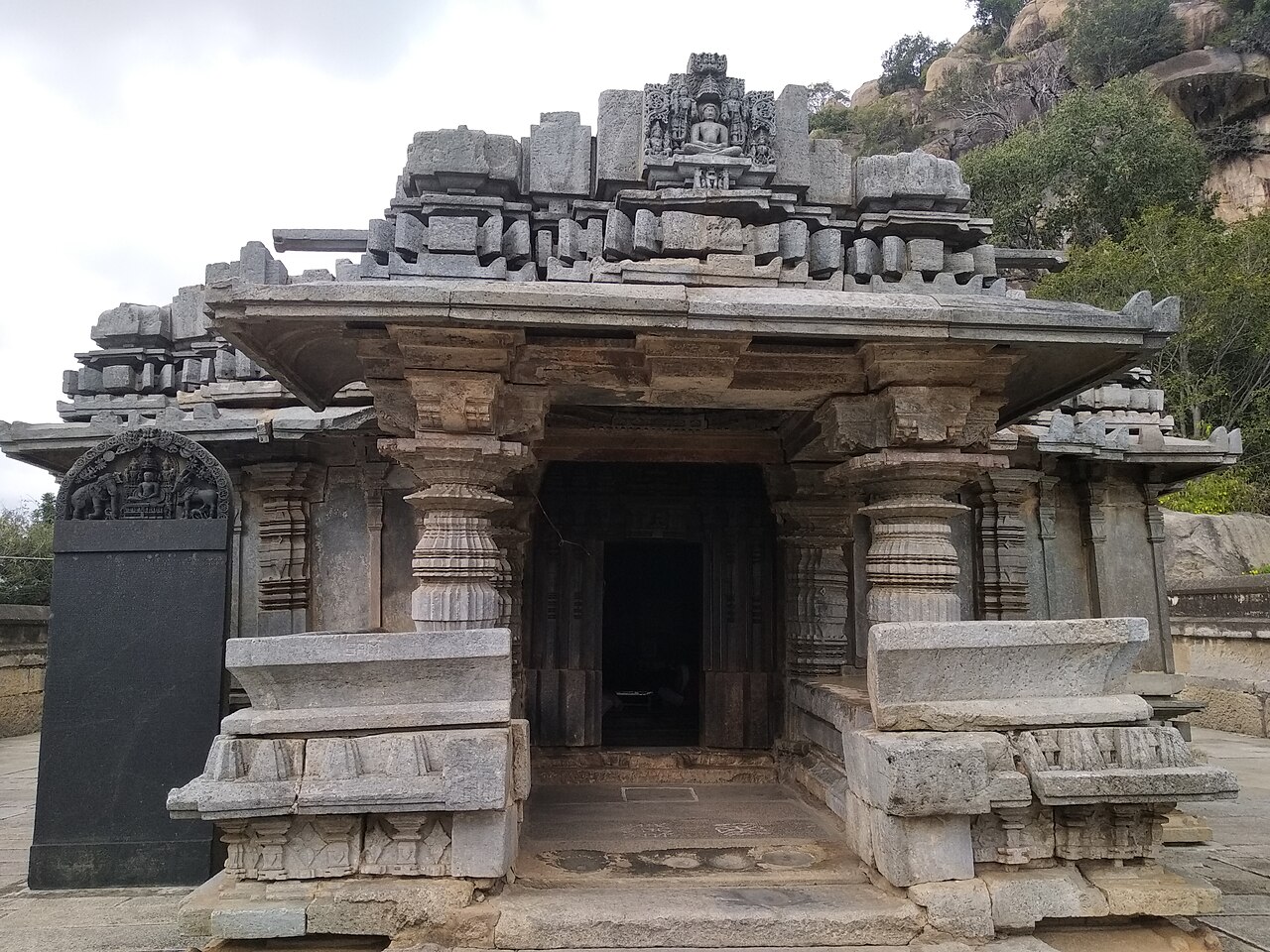
Consecrated in 1181 CE on Chandragiri hill at Shravanabelagola, Karnataka, Akkana Basadi is a Hoysala-era Jain basadi raised by the devout laywoman Achiyakka in honour of Tirthankara Parshvanatha, its deliberately plain stone walls and lathe-turned pillars a quiet expression of Jain austerity.
 Jainism
Bawangaja
Bawangaja · India · temple
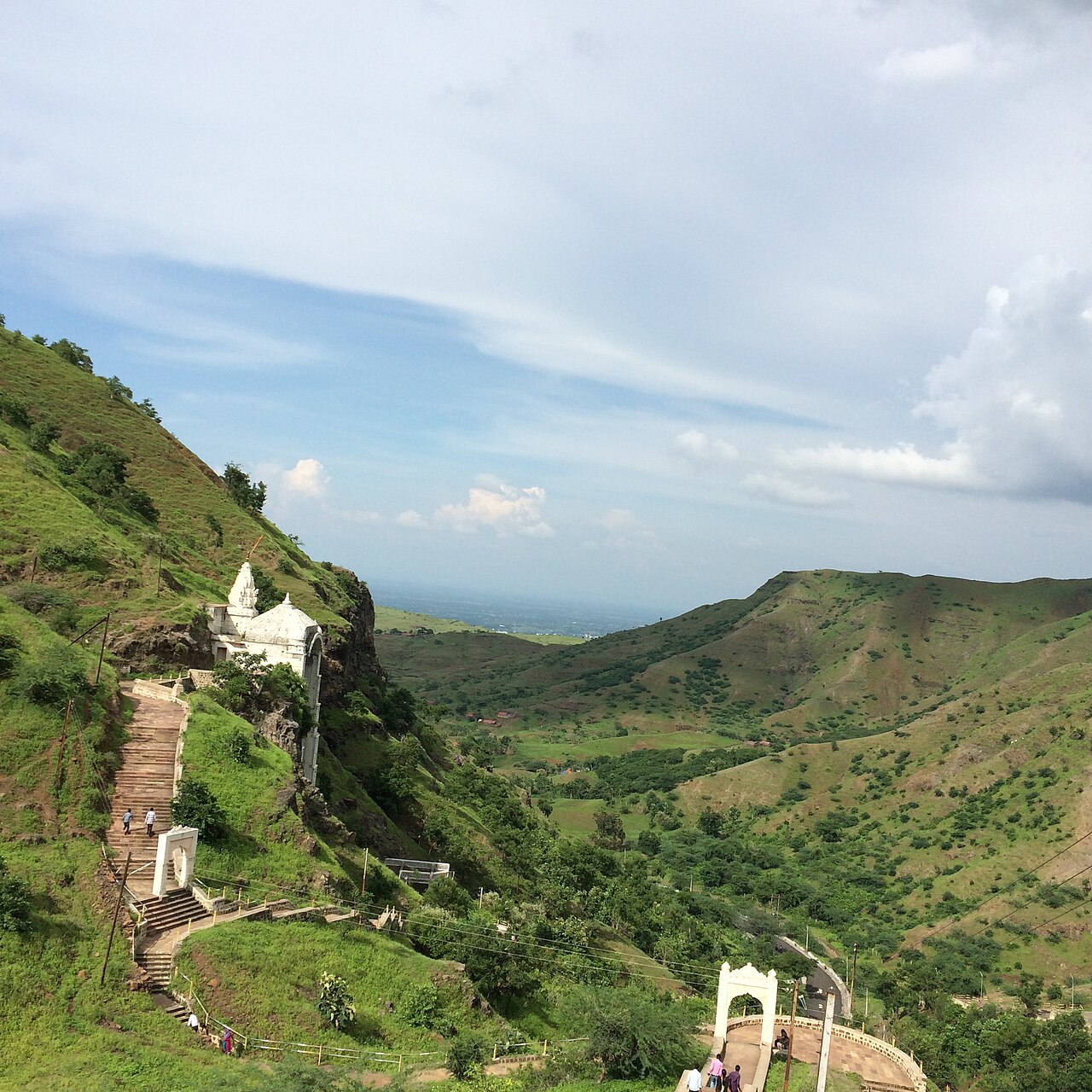
A Digambara Jain tirtha in the Satpura hills of Barwani district, Madhya Pradesh, where an 84-foot monolithic image of Lord Rishabhanatha (Adinatha), the first Tirthankara, stands carved directly from the mountain.