
Samukawa Shrine
寒川神社 · Samukawa Jinja · Ichinomiya of Sagami
About
Samukawa Jinja stands in the Miyayama neighbourhood of Samukawa town in Kōza District, Kanagawa Prefecture. As the ichinomiya, or foremost shrine, of the historic Sagami Province, it has long held a place of singular prominence among the sanctuaries of the Kantō region surrounding modern Tokyo.
The kami venerated at Samukawa is known collectively as Samukawa Daimyōjin, a unified divinity formed from the male Samukawa-hiko no mikoto and the female Samukawa-hime no mikoto. Worshippers approach the shrine in particular for protection against misfortunes connected with the eight directions, a form of guardianship known as happō-yoke for which Samukawa is uniquely renowned in Japan.
The shrine's origins are lost to antiquity. Tradition holds that imperial messengers were dispatched to the precinct during the reign of Emperor Yūryaku in the fifth century, while the earliest reliable written notice records a rebuilding in 727. By the time the Engishiki was compiled in 923, Samukawa was already classified as the sole Myōjin-taisha in Sagami.
The principal annual rite, the reisai, falls on the twentieth of September, and pilgrim flows swell sharply during New Year and around the equinoxes when devotees seek the shrine's directional blessings. Today the precinct remains one of the most frequented Shinto sites of greater Tokyo.
History
Written record places a rebuilding of the shrine in 727, with its name recurring in the Shoku Nihon Kōki entry for 846. By the time the Engishiki register was compiled in 923, Samukawa stood alone as Sagami province's only Myōjin-taisha, and its rank rose steadily under the patronage of provincial governors and, later, the samurai clans who governed the Kantō region. The kami enshrined here are venerated jointly as Samukawa Daimyōjin, a union of the god Samukawa-hiko no mikoto and the goddess Samukawa-hime no mikoto, though their deeper origin has been debated by scholars for generations.
Significance
Pilgrims travel to Samukawa from across Japan seeking happō-yoke, protection against misfortune that may come from any of the eight compass directions, a guardianship for which this shrine alone is renowned nationwide. As ichinomiya of former Sagami province, it remains one of the most visited Shinto sanctuaries near Tokyo, drawing close to two million worshippers in a year, most heavily at the New Year and around the solstices and equinoxes, when devotees come to have their year's direction blessed.
Architecture
Traditional Shinto shrine architecture; honden and haiden set within a wooded precinct
Visiting
Daily worship
| Gokitō (prayer rite) reception | 08:00 to 17:00 |
Hours
Hours not listed.
Contact
Engage with Samukawa Shrine
Through the four pathways
Seva सेवा — Service
Offer your time and skills here. The following opportunities are open at Samukawa Shrine:
No Seva offerings listed yet.
Sādhana साधना — Practice
Learn the worship and practice associated with Samukawa Shrine:
No Sādhana offerings listed yet.
Sandhāna सन्धान — Wisdom
Unite with the wisdom of this tradition:
No Sandhāna offerings listed yet.
Sādhya साध्य — Giving
Support this sacred place according to your means:
No Sādhya offerings listed yet.
All giving flows directly to Samukawa Shrine. Adisthan does not take a commission.
Festivals & Events
- Sept
Reisai
20 September 2026 · annual
The shrine's most important annual rite, when a grand ritual gives thanks for the kami's protecting virtue, attended by a formally dispatched imperial envoy.
- Nov
Niiname-sai
23 November 2026 · annual
An autumn thanksgiving rite in which the newly harvested rice of the year is offered to the kami in gratitude for the harvest.
- Feb
Kinen-sai
17 February 2027 · annual
A spring rite praying for a fruitful harvest and for the prosperity of industry in the year ahead, marked by the shrine's own Tauchi-mai ritual dance.
Gallery
Related sacred places
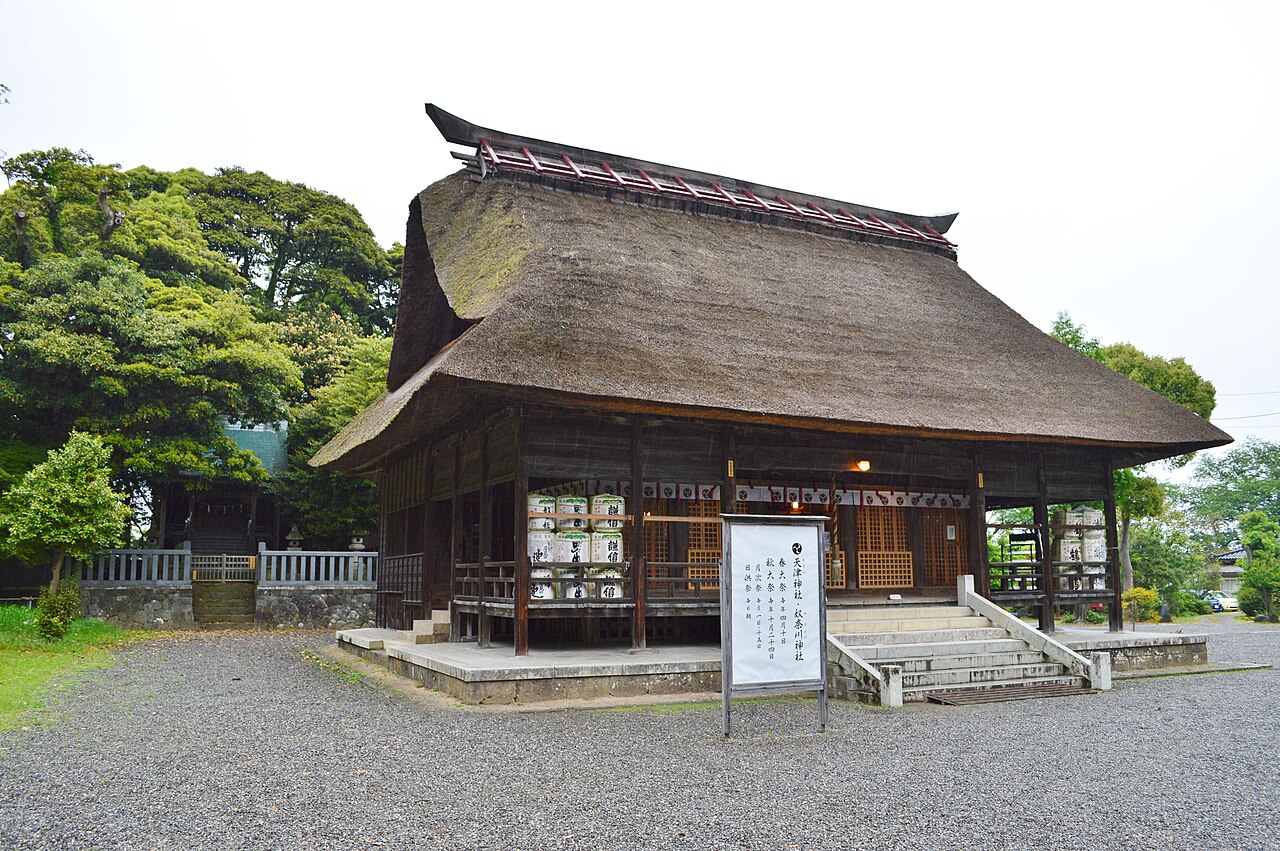 Shinto
Amatsu Shrine
Itoigawa · Japan · shrine
A venerable jinja in the Ichinomiya quarter of Itoigawa on Japan's Sea of Japan coast, one of three shrines that each claim to have been the ichinomiya, the foremost shrine, of the old province of Echigo.
 Shinto
Fujisaki Hachimangū
Kumamoto · Japan · shrine
Fujisaki Hachimangū is a Shinto shrine in the heart of Kumamoto's Chūō ward, enshrining Hachiman as Emperor Ōjin together with Empress Jingū and the Sumiyoshi Sanjin, and revered for over a thousand years as guardian kami of the Higo region.
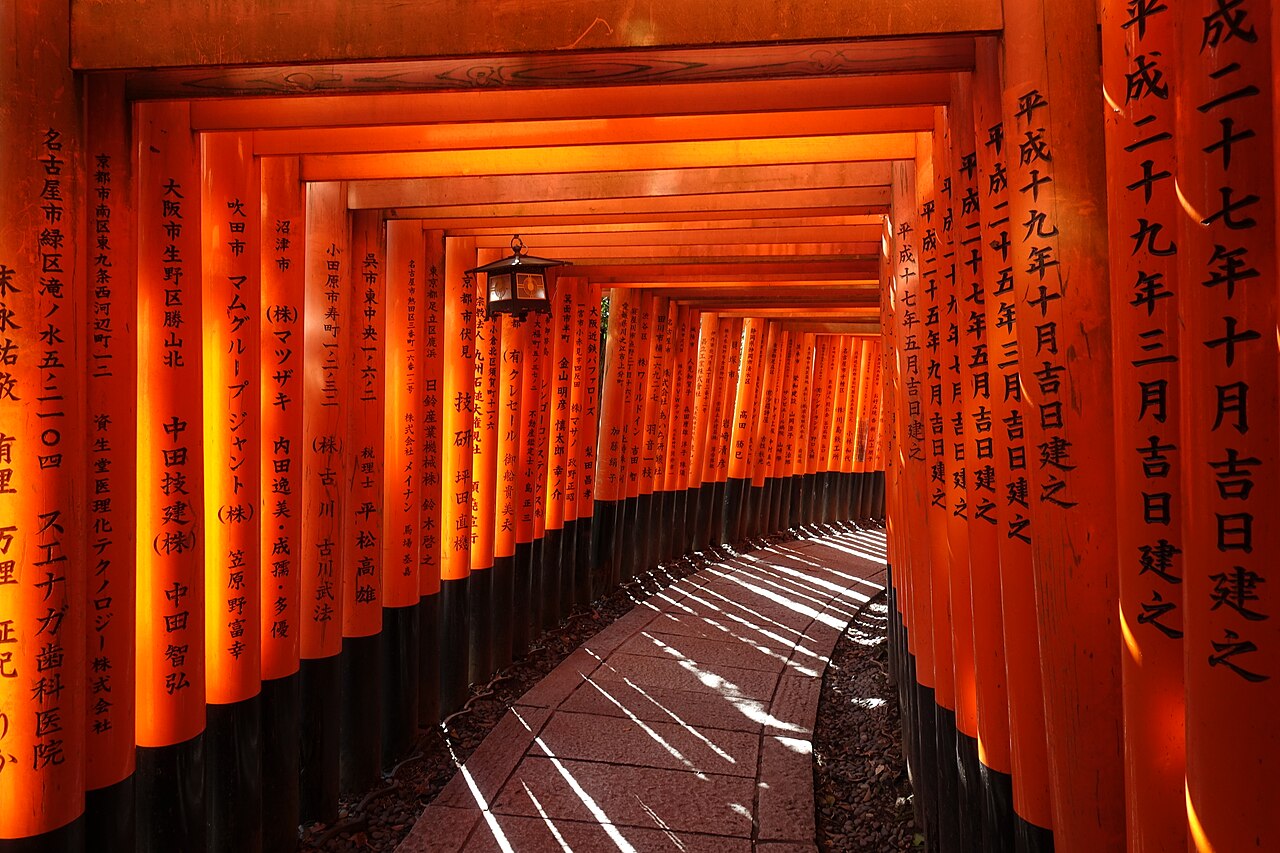 Shinto
Fushimi Inari Taisha
Kyoto · Japan · shrine
The head shrine of Japan's roughly 30,000 Inari shrines, where some 10,000 vermilion torii climb sacred Mount Inari and white fox messengers watch every path.
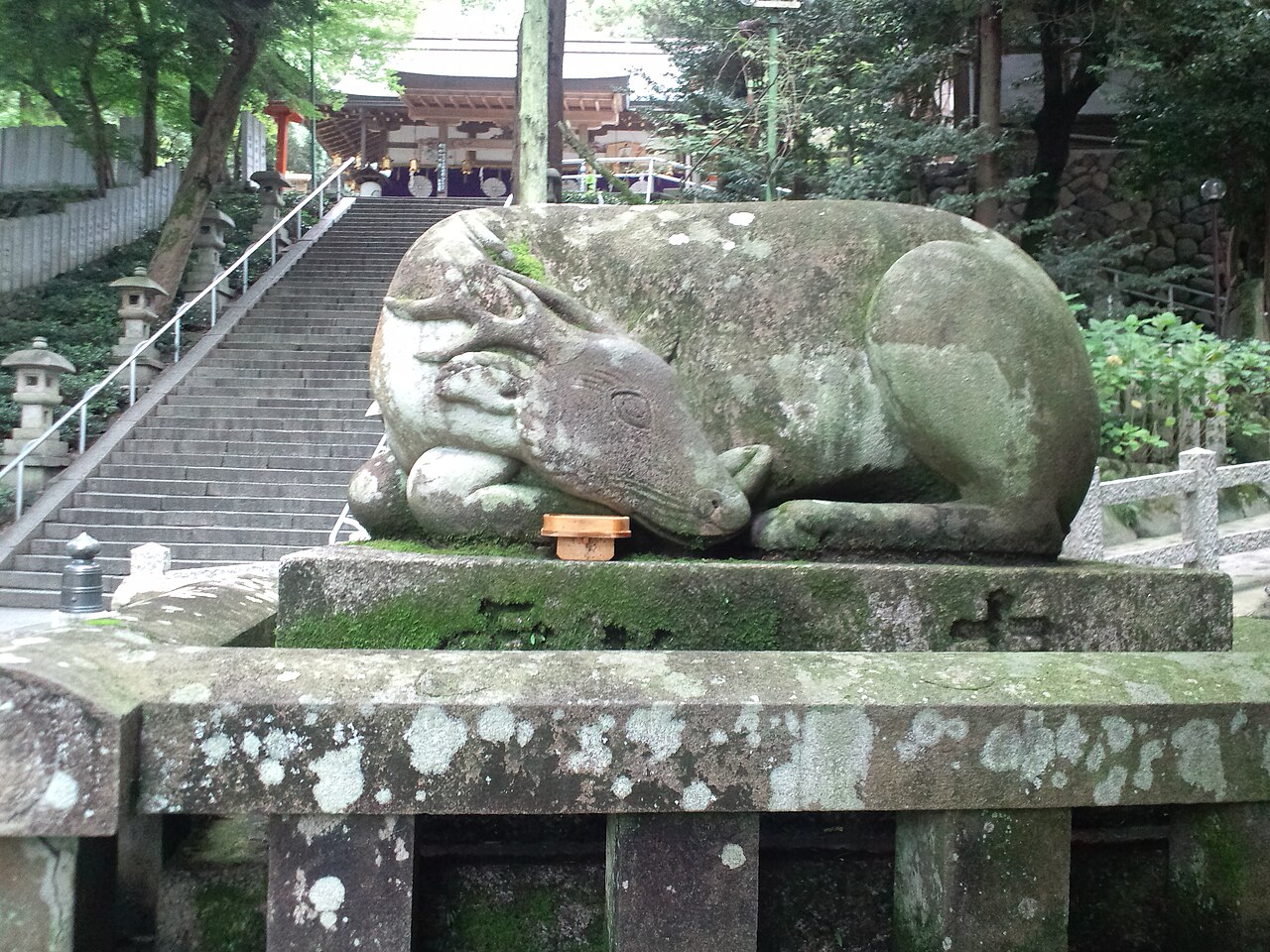 Shinto
Hiraoka Shrine
Higashiosaka · Japan · shrine
The Ichinomiya, or foremost shrine, of the old province of Kawachi, set on the wooded western slope of the Ikoma range, where the ancestral kami of the Fujiwara clan were worshipped centuries before two of them were carried east to found Nara's Kasuga Taisha.
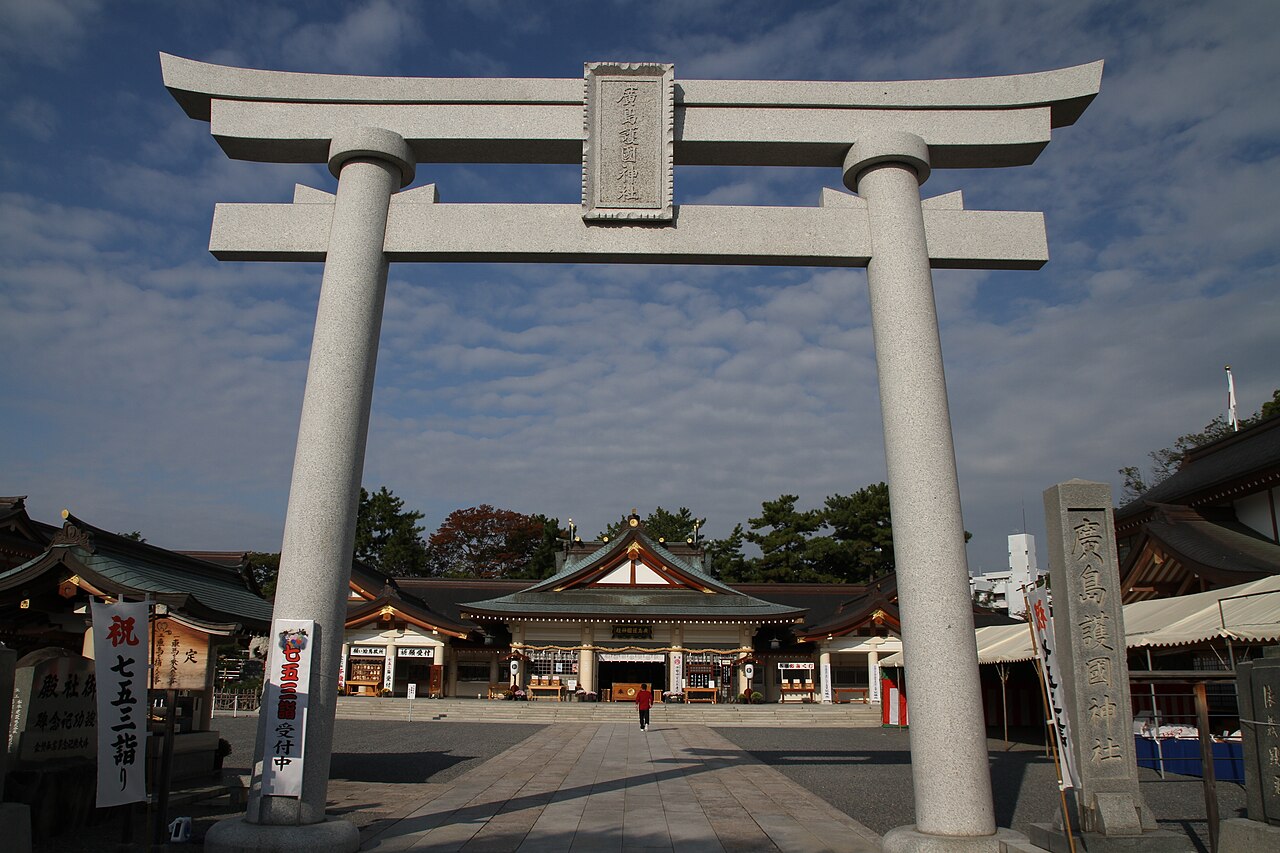 Shinto
Hiroshima Gokoku Shrine
Hiroshima · Japan · shrine
A Shinto shrine within the grounds of Hiroshima Castle honouring the war dead of Hiroshima, destroyed in the atomic bombing of 1945 and rebuilt by the city's own citizens in the years that followed.
 Shinto
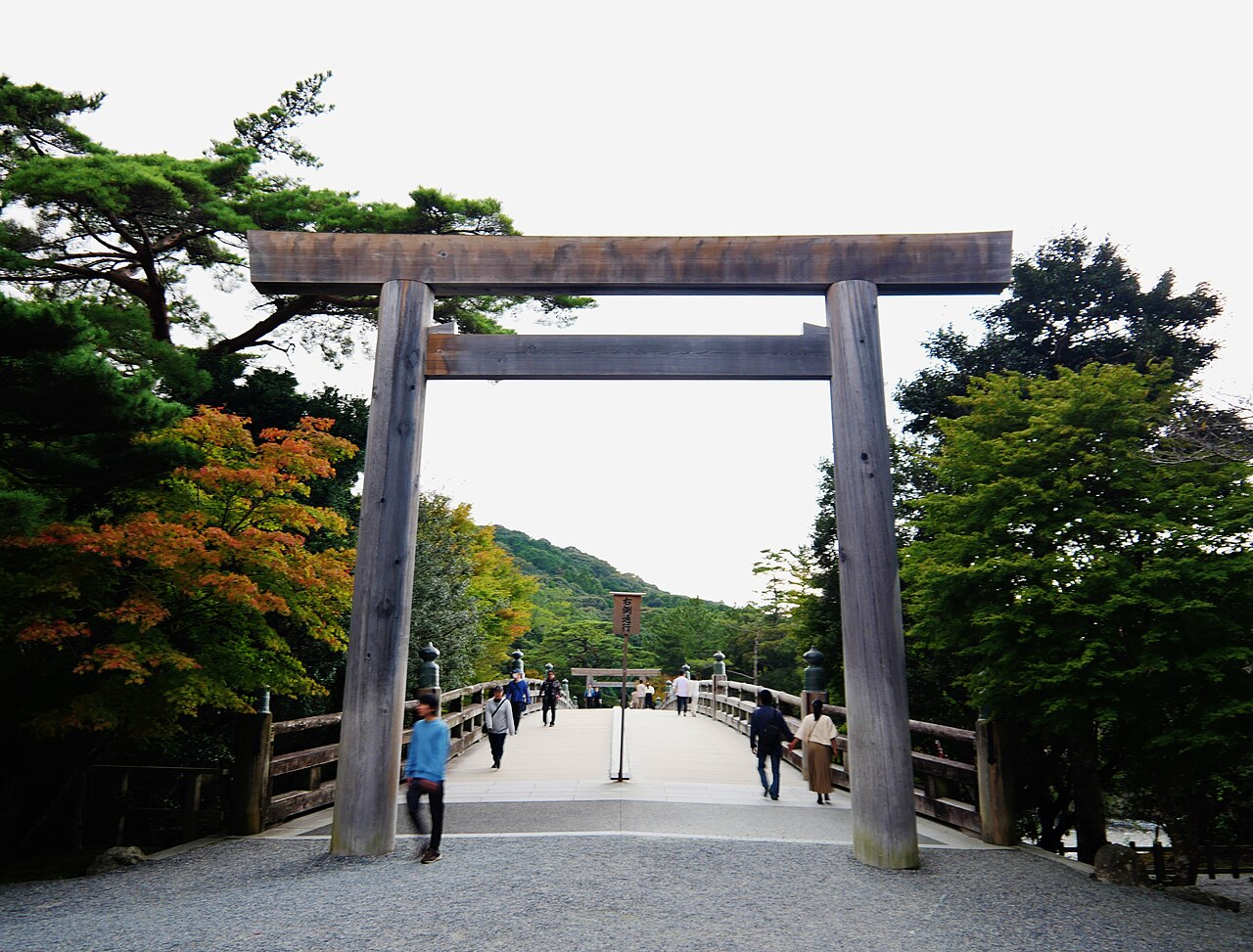
Ise Jingu (Ise Grand Shrine)
Ise · Japan · shrine
The most venerable sanctuary of Shinto: 125 shrines in the forests of Ise, where Amaterasu-Omikami dwells at the Naiku and Toyouke-Omikami at the Geku, and the whole sanctuary is rebuilt anew every twenty years.