Sendai Tōshō-gū
仙台東照宮 · Sendai Toshogu Shrine
About
Sendai Tōshōgū (仙台東照宮) stands in Sendai, Miyagi Prefecture, as a place of Shinto veneration dedicated to Tokugawa Ieyasu, the founder of the Edo-period shogunate who was posthumously enshrined as a divine figure. As one of a network of Tōshō-gū shrines spread across Japan, it holds a place of particular distinction in the Tōhoku region, drawing devotees who come to pay respects at a site where earthly power and sacred memory are woven together.
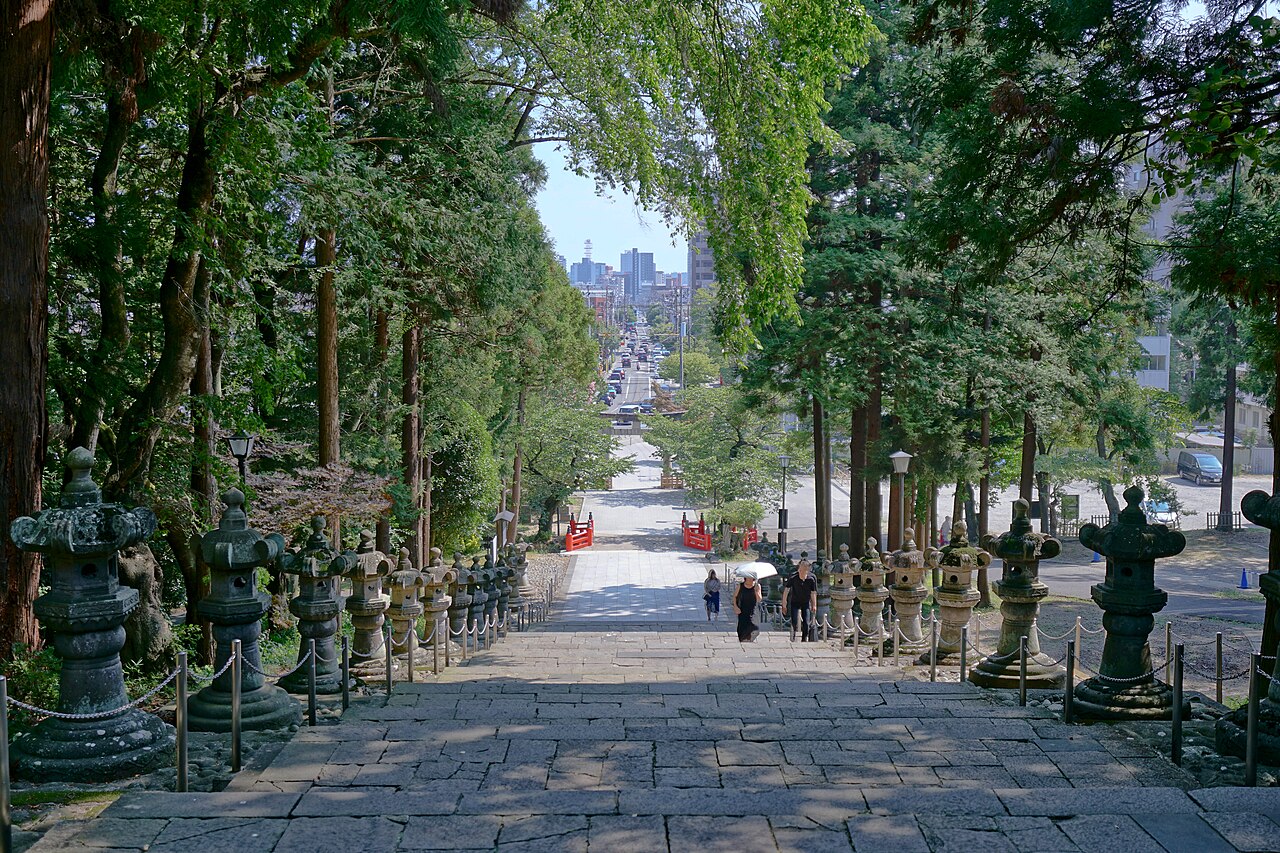
Five of the shrine's principal buildings date to 1654 and collectively bear the designation of Important Cultural Properties, reflecting both their architectural integrity and their cultural endurance across more than three and a half centuries. The approach to the sanctuary is lined with stone lanterns, lending the path a solemn, meditative quality. A kagura-dō, a hall for ritual dance offered to the kami, contributes to the sacred soundscape that has animated the precinct since the Edo period.
The shrine complex suffered damage to its torii and gates during the catastrophic 2011 Tōhoku earthquake and tsunami, a reminder that even enduring sacred places remain in relationship with the land and its forces. That the shrine continues to stand and welcome devotees after such an event speaks to the deep roots of care and reverence that sustain it.
History
Date Tadamune, second lord of the Sendai domain, founded the shrine in 1654 to enshrine Tokugawa Ieyasu, who had unified Japan and founded the Tokugawa shogunate earlier that century and who, upon his death, was deified and venerated as Tōshō Daigongen at Tōshō-gū shrines raised throughout the country. Five of Sendai's own buildings from that 1654 founding still stand and are recognised today as Important Cultural Properties. Through the Edo period the shrine's main festival fell on the seventeenth of September under the older name Sendai Matsuri; in 1879 the rite was fixed instead to the seventeenth of April, the date it has kept ever since. The torii and gates were damaged in the Tōhoku earthquake and tsunami of 2011.
Significance
As one sanctuary within the nationwide network of Tōshō-gū shrines, Sendai's own stands as the principal such site in the Tōhoku region, a place where the memory of a historical ruler and the presence of a venerated kami meet. Stone lanterns line the long approach to its gate, and its kagura-dō still stands ready for the dance offered to the kami, connecting worshippers today to rites unbroken since the seventeenth century. That the shrine endured the 2011 disaster and continues to welcome worshippers has given it, for the people of Sendai, a further meaning as a place of resilience.
Architecture
Edo-period Tōshō-gū shrine architecture; five structures from the 1654 founding are designated Important Cultural Properties
Visiting
Daily worship
| Gokitō (prayer rite) reception | 09:00 to 16:30 |
Hours
Hours not listed.
Contact
Engage with Sendai Tōshō-gū
Through the four pathways
Seva सेवा — Service
Offer your time and skills here. The following opportunities are open at Sendai Tōshō-gū:
No Seva offerings listed yet.
Sādhana साधना — Practice
Learn the worship and practice associated with Sendai Tōshō-gū:
No Sādhana offerings listed yet.
Sandhāna सन्धान — Wisdom
Unite with the wisdom of this tradition:
No Sandhāna offerings listed yet.
Sādhya साध्य — Giving
Support this sacred place according to your means:
No Sādhya offerings listed yet.
All giving flows directly to Sendai Tōshō-gū. Adisthan does not take a commission.
Festivals & Events
- Apr
Reisai
17 April 2027 · annual
The shrine's own annual rite, closed to general worshippers, held on the fixed date the shrine has kept since 1879.
Gallery
Related sacred places
 Shinto
Amatsu Shrine
Itoigawa · Japan · shrine
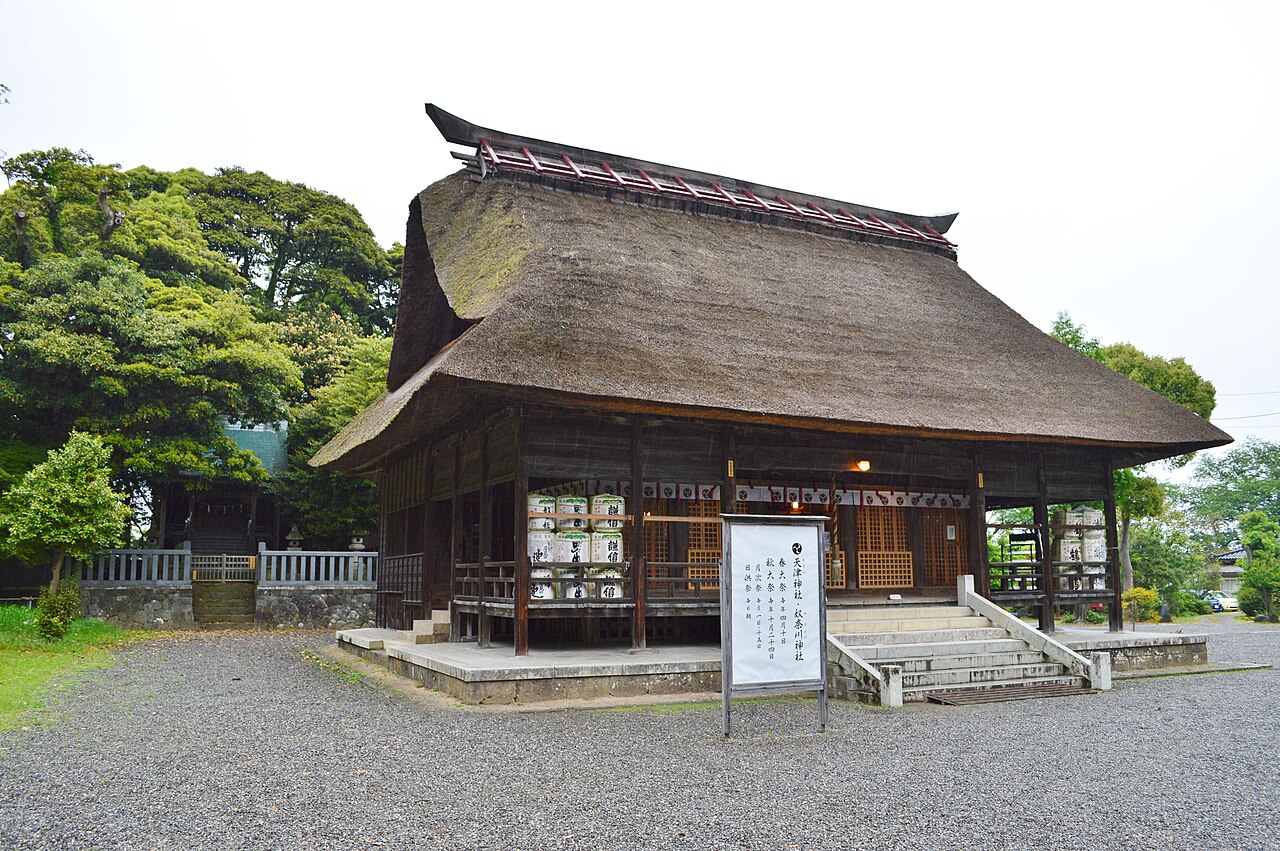
A venerable jinja in the Ichinomiya quarter of Itoigawa on Japan's Sea of Japan coast, one of three shrines that each claim to have been the ichinomiya, the foremost shrine, of the old province of Echigo.
 Shinto
Fujisaki Hachimangū
Kumamoto · Japan · shrine
Fujisaki Hachimangū is a Shinto shrine in the heart of Kumamoto's Chūō ward, enshrining Hachiman as Emperor Ōjin together with Empress Jingū and the Sumiyoshi Sanjin, and revered for over a thousand years as guardian kami of the Higo region.
 Shinto
Fushimi Inari Taisha
Kyoto · Japan · shrine
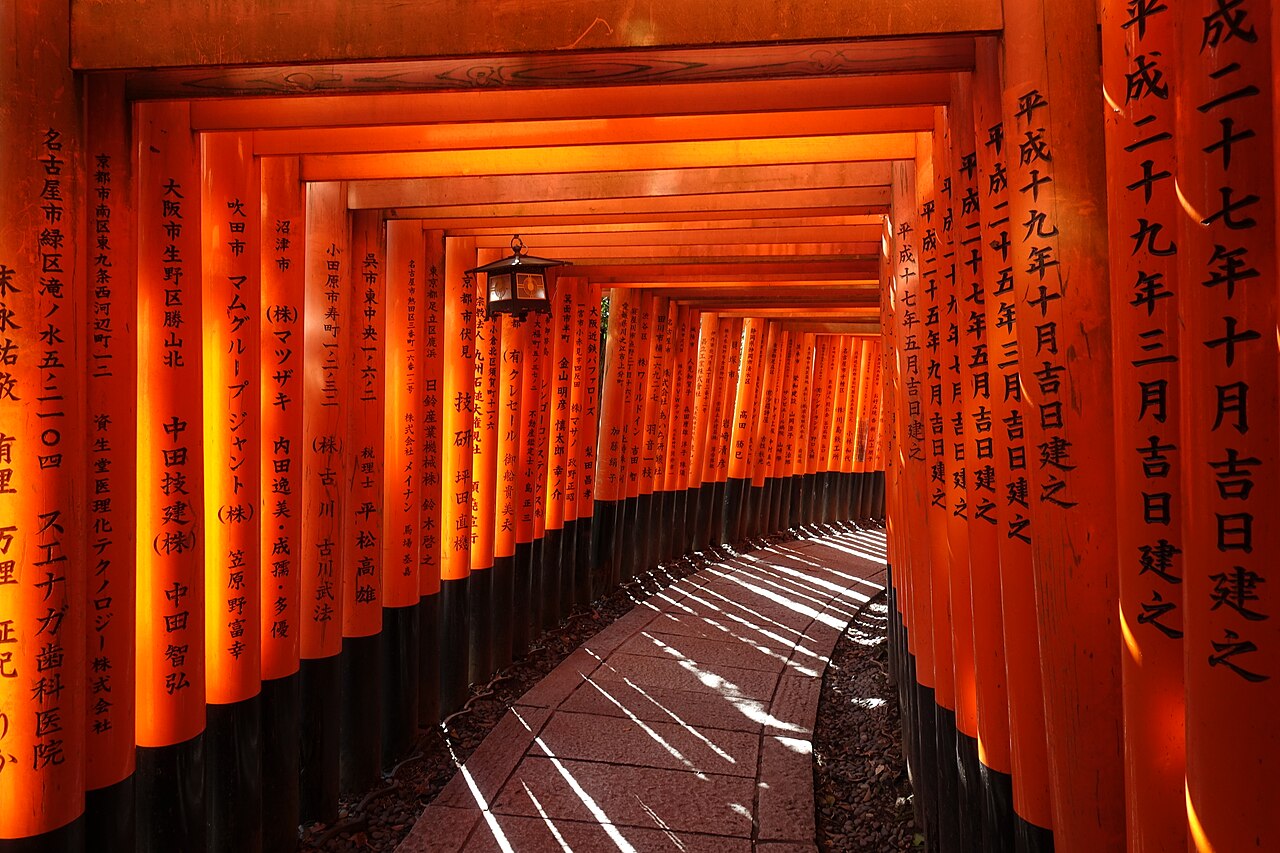
The head shrine of Japan's roughly 30,000 Inari shrines, where some 10,000 vermilion torii climb sacred Mount Inari and white fox messengers watch every path.
 Shinto
Hiraoka Shrine
Higashiosaka · Japan · shrine
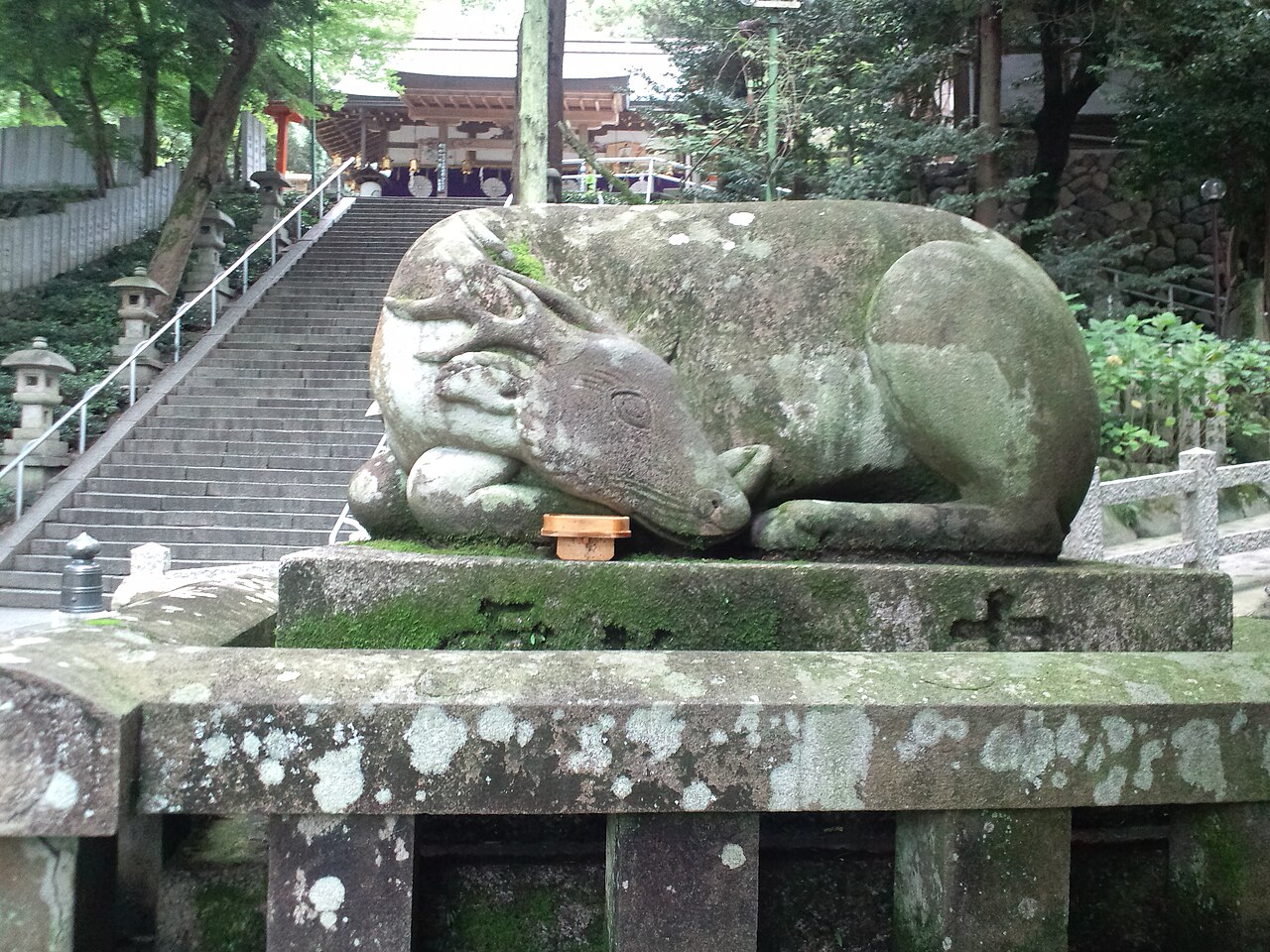
The Ichinomiya, or foremost shrine, of the old province of Kawachi, set on the wooded western slope of the Ikoma range, where the ancestral kami of the Fujiwara clan were worshipped centuries before two of them were carried east to found Nara's Kasuga Taisha.
 Shinto
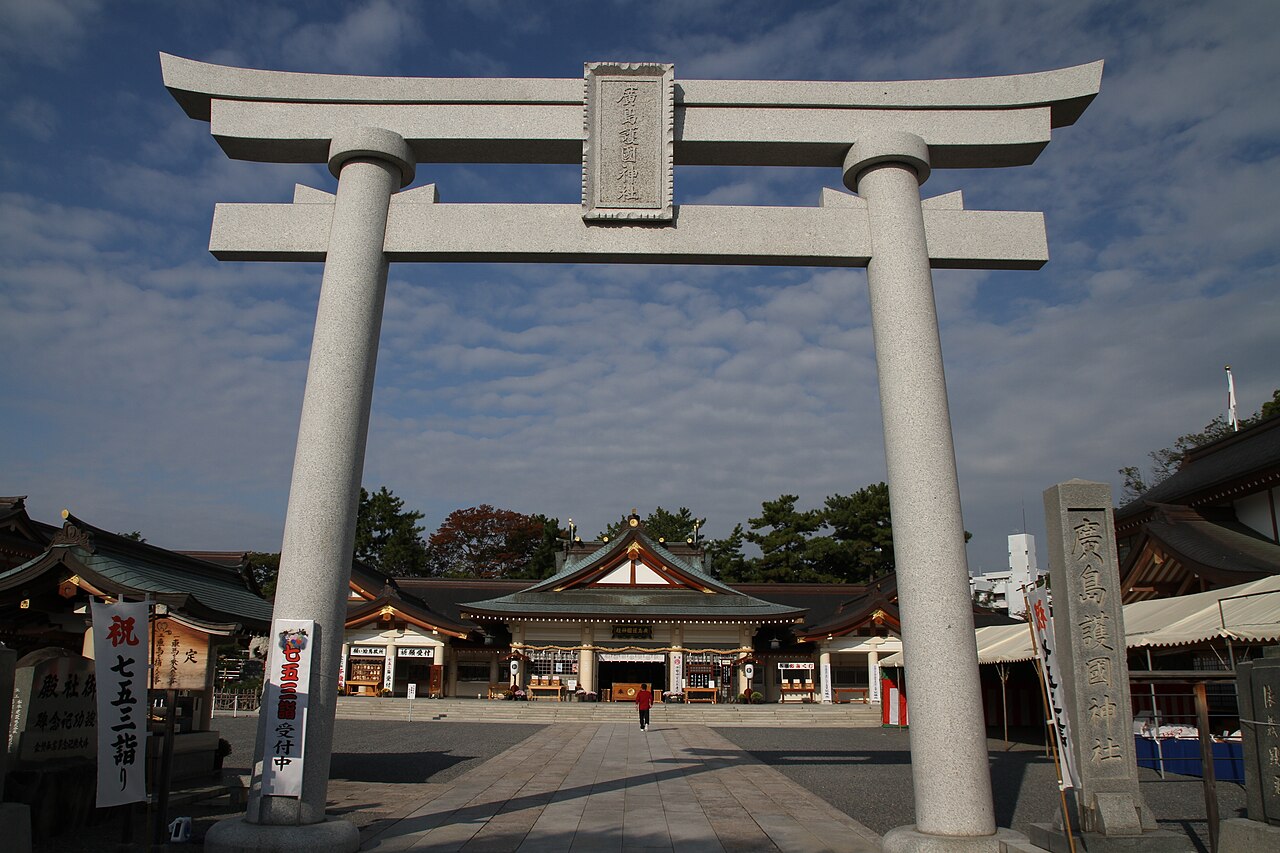
Hiroshima Gokoku Shrine
Hiroshima · Japan · shrine
A Shinto shrine within the grounds of Hiroshima Castle honouring the war dead of Hiroshima, destroyed in the atomic bombing of 1945 and rebuilt by the city's own citizens in the years that followed.
 Shinto
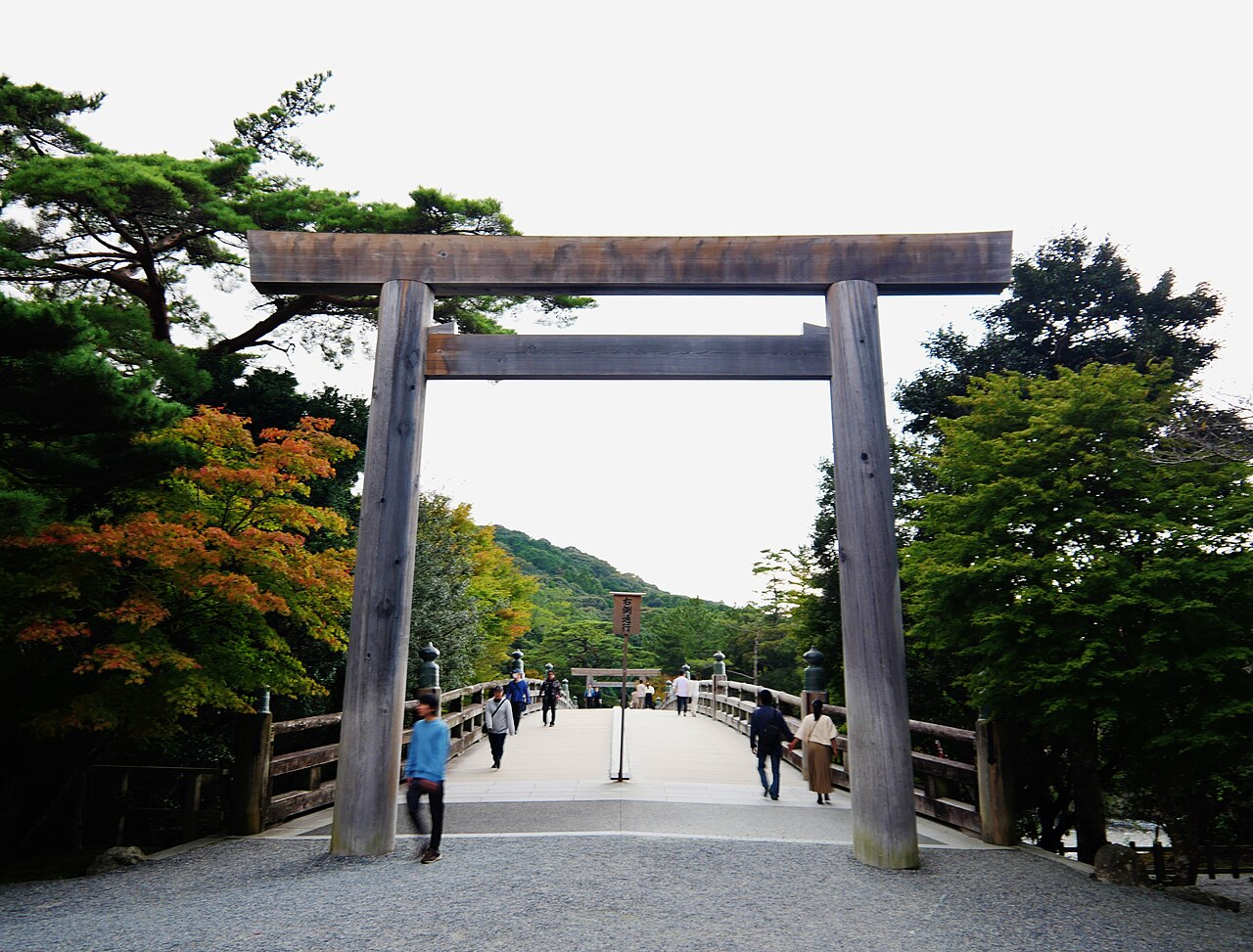
Ise Jingu (Ise Grand Shrine)
Ise · Japan · shrine
The most venerable sanctuary of Shinto: 125 shrines in the forests of Ise, where Amaterasu-Omikami dwells at the Naiku and Toyouke-Omikami at the Geku, and the whole sanctuary is rebuilt anew every twenty years.