Shanti Stupa
Shanti Stupa, Leh · Peace Pagoda, Leh
About
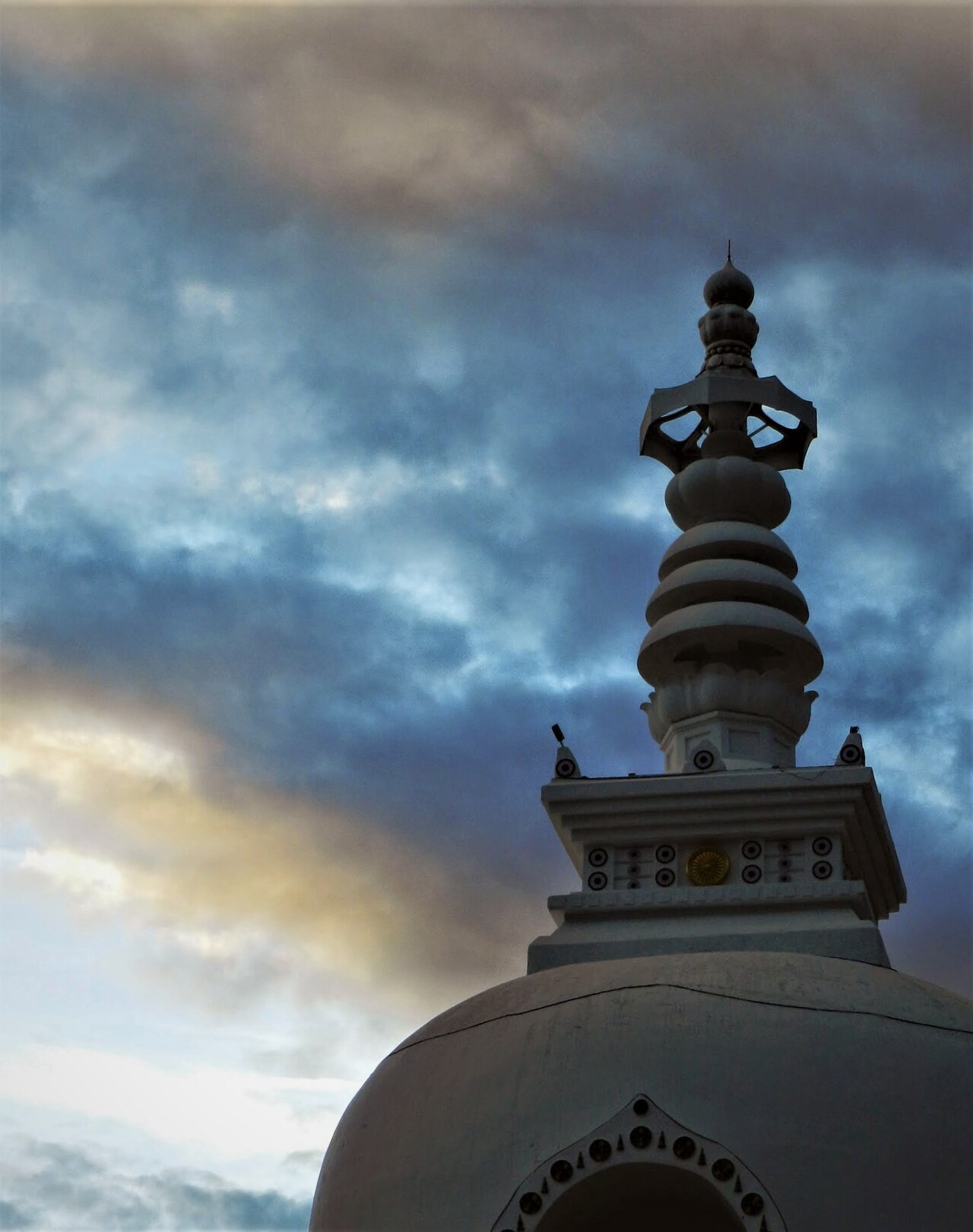
Shanti Stupa, whose name carries the Sanskrit meaning of "peace stūpa", rises above the town of Leh in the Union Territory of Ladakh, northern India, set against the dramatic backdrop of the Himalayan ranges. Positioned on a prominent hilltop at an elevation that commands sweeping views across the Indus valley, the structure embodies the Buddhist aspiration for inner and outer peace.
The stūpa follows the classical domed form that has served as one of Buddhism's most enduring architectural expressions, its whitewashed surface catching the high-altitude light and rendering it visible from considerable distances across the valley floor. The setting itself, austere mountain terrain, clear skies, and the quiet of elevation, lends the site a contemplative atmosphere that draws both Buddhist practitioners and those seeking stillness.
Completed and consecrated in 1991, Shanti Stupa belongs to a tradition of peace pagodas and memorial stūpas established in the latter decades of the twentieth century as expressions of reconciliation and non-violence. For the Buddhist communities of Ladakh, the site serves as a place of circumambulation, prayer, and renewal of commitment to the Dharma.
History
The stupa was raised in 1991 under the guidance of the Japanese Buddhist monk Bhikshu Gyomyo Nakamura, built to commemorate two thousand five hundred years since the Buddha's teaching first entered the world. Relics of the Buddha were enshrined at its base, and the Fourteenth Dalai Lama, Tenzin Gyatso, took part in its consecration. It stands within a far older landscape of Ladakhi Buddhist devotion, a modern offering set among monasteries and shrines that have kept the Dharma alive in this high Himalayan region for more than a thousand years.
Significance
From its hilltop in Chanspa, Shanti Stupa looks over Leh and the wide sweep of mountains beyond, its two circular tiers carved with the deer and the dharmachakra of the Buddha's first turning of the wheel of teaching, and a golden image of the Buddha set within the dome. Pilgrims and travellers alike climb its long stairway to circumambulate the white dome at dawn or at dusk, when the light on the Himalaya is at its most tender, and the stupa stands for Ladakh's Buddhist community as a living emblem of the peace at the heart of the Dharma.
Architecture
Modern Buddhist stupa architecture in the Japanese peace pagoda tradition; a two-tier circular platform beneath a white hemispherical dome and stepped spire
Visiting
Daily worship
| Open to visitors and pilgrims | 05:00 to 21:00 |
Hours
Hours not listed.
Contact
No contact details listed yet.
Engage with Shanti Stupa
Through the four pathways
Seva सेवा — Service
Offer your time and skills here. The following opportunities are open at Shanti Stupa:
No Seva offerings listed yet.
Sādhana साधना — Practice
Learn the worship and practice associated with Shanti Stupa:
No Sādhana offerings listed yet.
Sandhāna सन्धान — Wisdom
Unite with the wisdom of this tradition:
No Sandhāna offerings listed yet.
Sādhya साध्य — Giving
Support this sacred place according to your means:
No Sādhya offerings listed yet.
All giving flows directly to Shanti Stupa. Adisthan does not take a commission.
Gallery
Related sacred places
 Buddhism
Angkor Wat
Siem Reap · Cambodia · temple
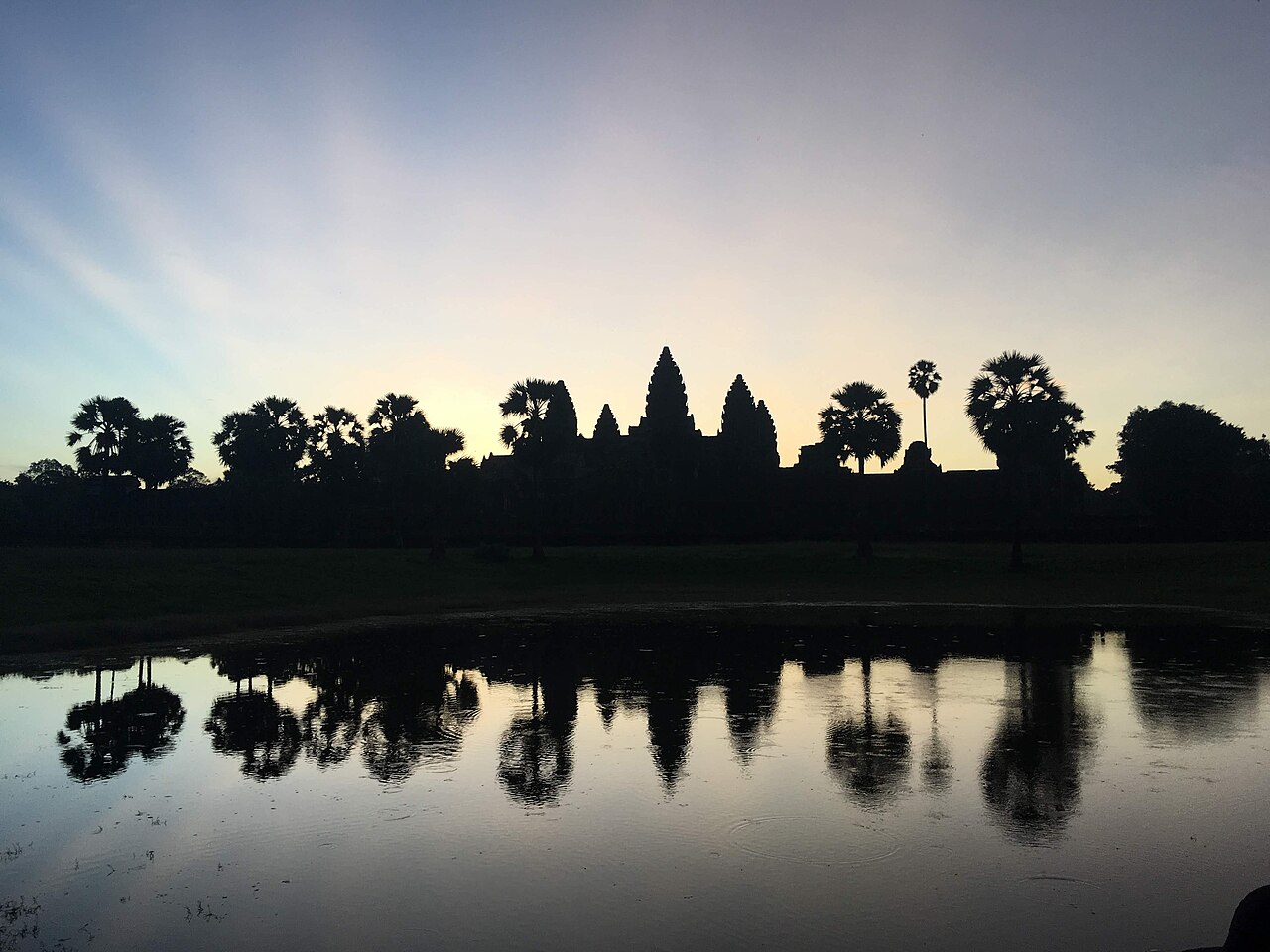
The largest religious monument on earth, built for Lord Vishnu by Suryavarman II in the 12th century and in continuous worship ever since: a living Theravada Buddhist Temple whose five towers stand on the Cambodian flag.
 Buddhism
Bangka Lungshan Temple
Taipei (Wanhua) · Taiwan · temple
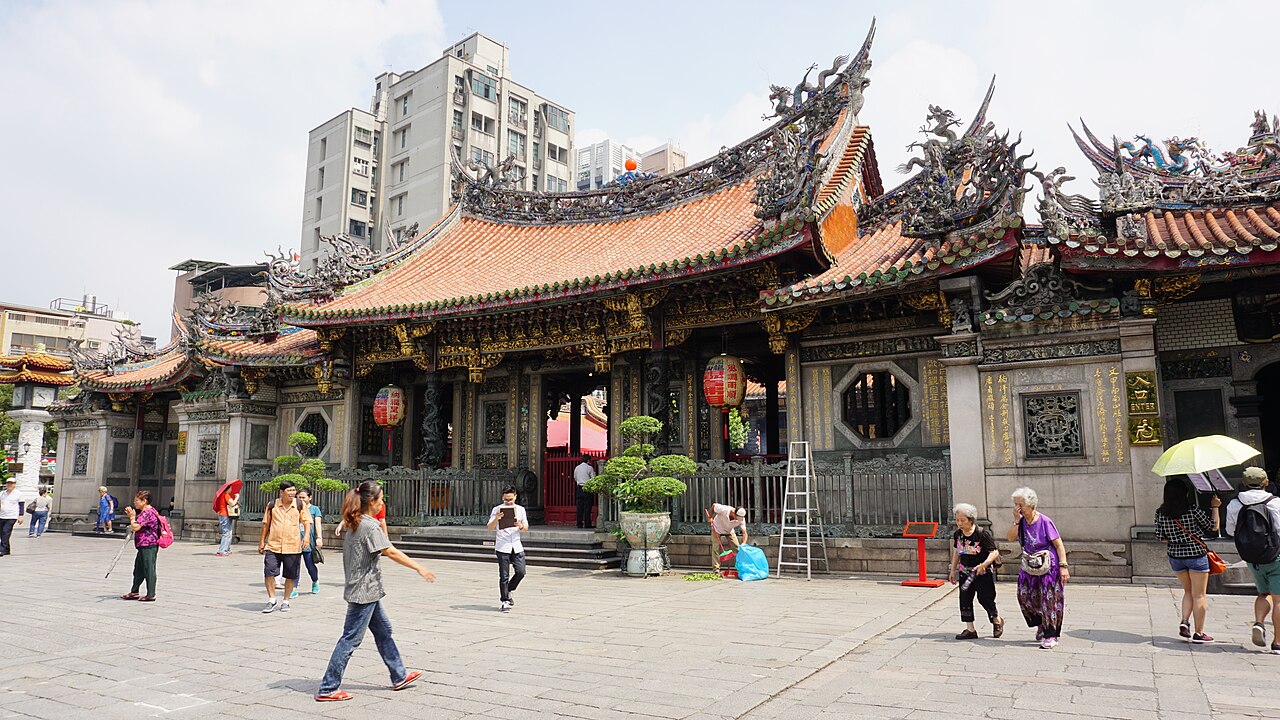
Taipei's mother Temple to Guanshiyin, founded by Fujian settlers in 1738 in the old Bangka quarter: a front hall to the bodhisattva of compassion and a rear hall of more than a hundred Taoist and folk gods, whose Guanyin statue survived the 1945 bombing intact.
 Buddhism
Bengal Buddhist Association
Kolkata · India · monastery
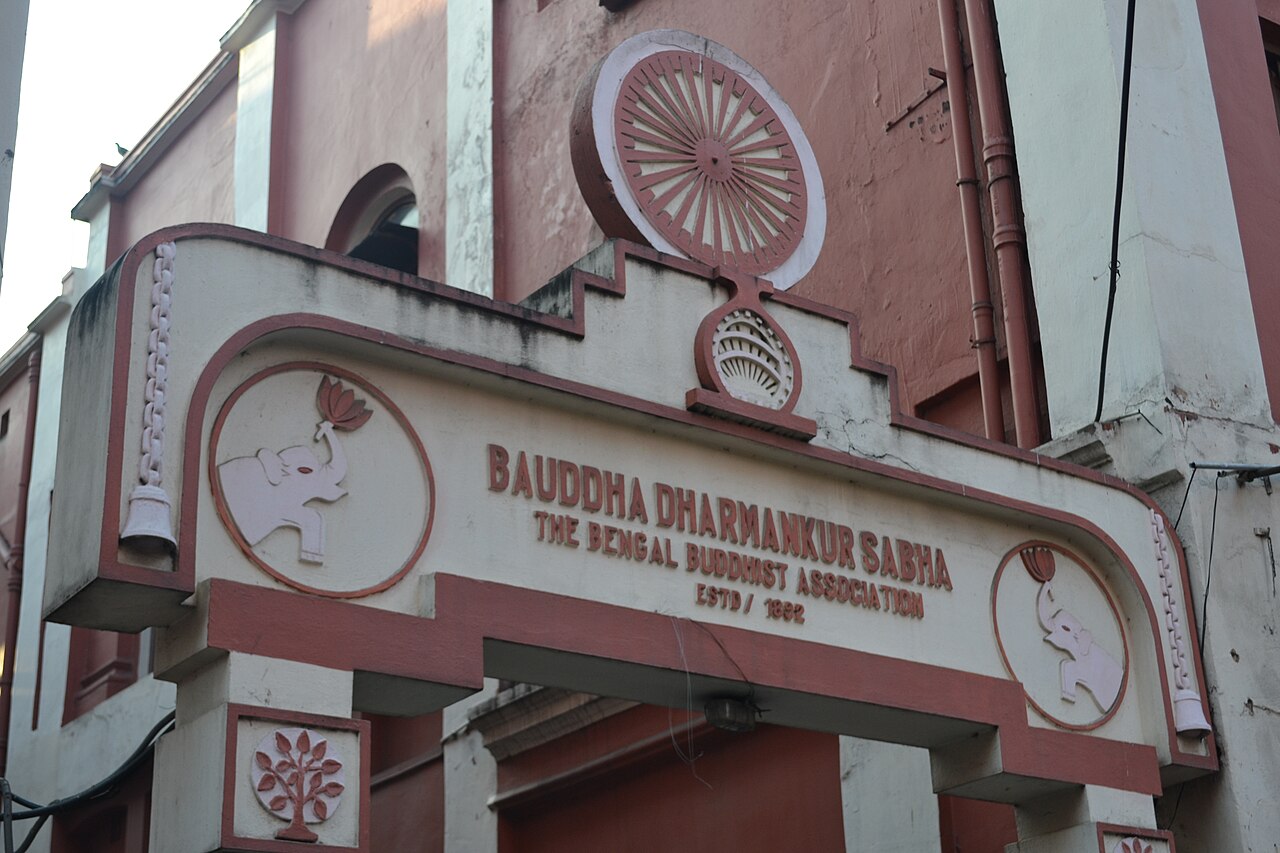
Founded in Kolkata in 1892 by Kripasaran Mahasthavir, the Bengal Buddhist Association, known in Bengali as Bauddha Dharmankur Sabha, raised the Dharmankur Vihara at Bow Barracks in 1903 and has worked for over a century to revive the Dharma in eastern India.
 Buddhism
Bhot Bagan Math
Ghusuri · India · monastery
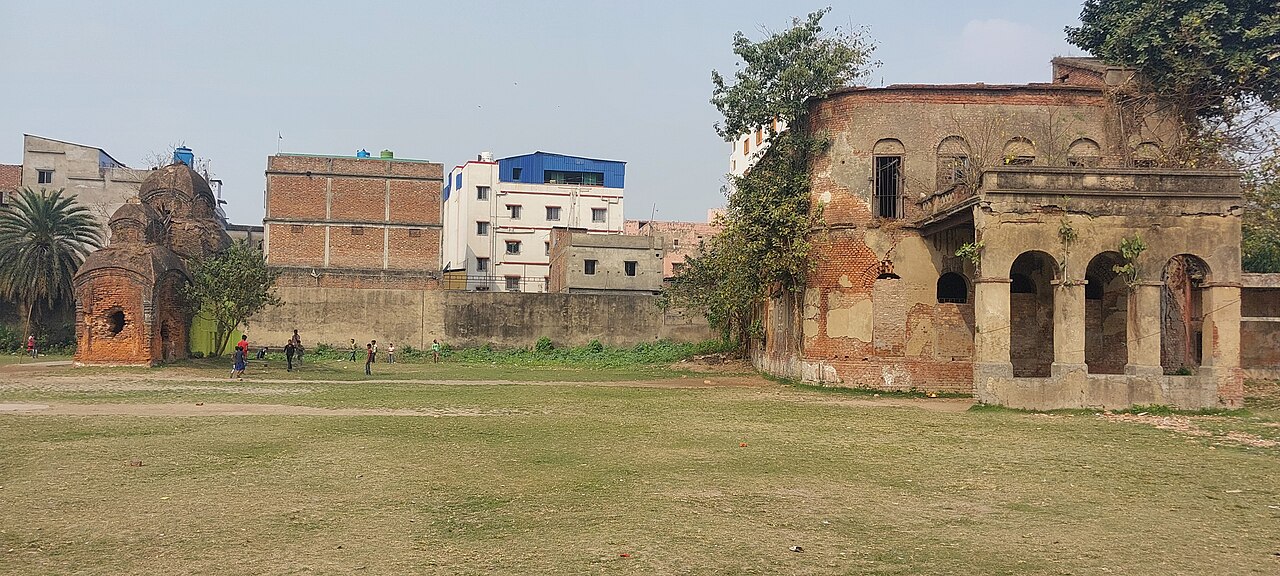
A brick monastery on the Hooghly riverside at Ghusuri, Howrah, founded in 1776 as the first Tibetan Buddhist religious foundation on the plains of India and still known popularly as Mahakal Math for the Tibetan deity images once installed in its sanctum.
 Buddhism
Borobudur
Magelang · Indonesia · temple
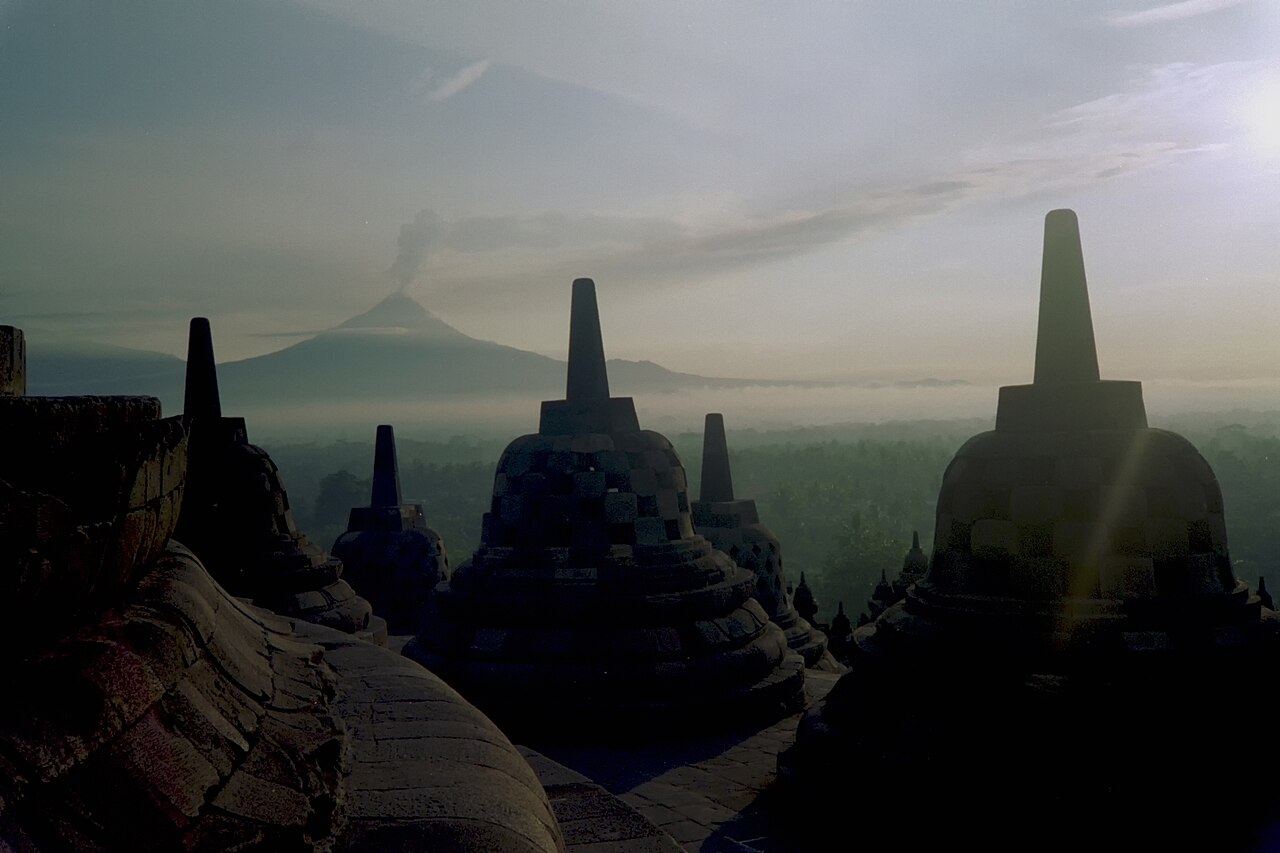
The world's largest Buddhist Temple: a ninth-century mandala in stone on Java's Kedu Plain, nine terraces rising through the three realms to 72 latticed stupas, each sheltering a seated Buddha.
 Buddhism
Boudhanath Stupa
Kathmandu · Nepal · stupa
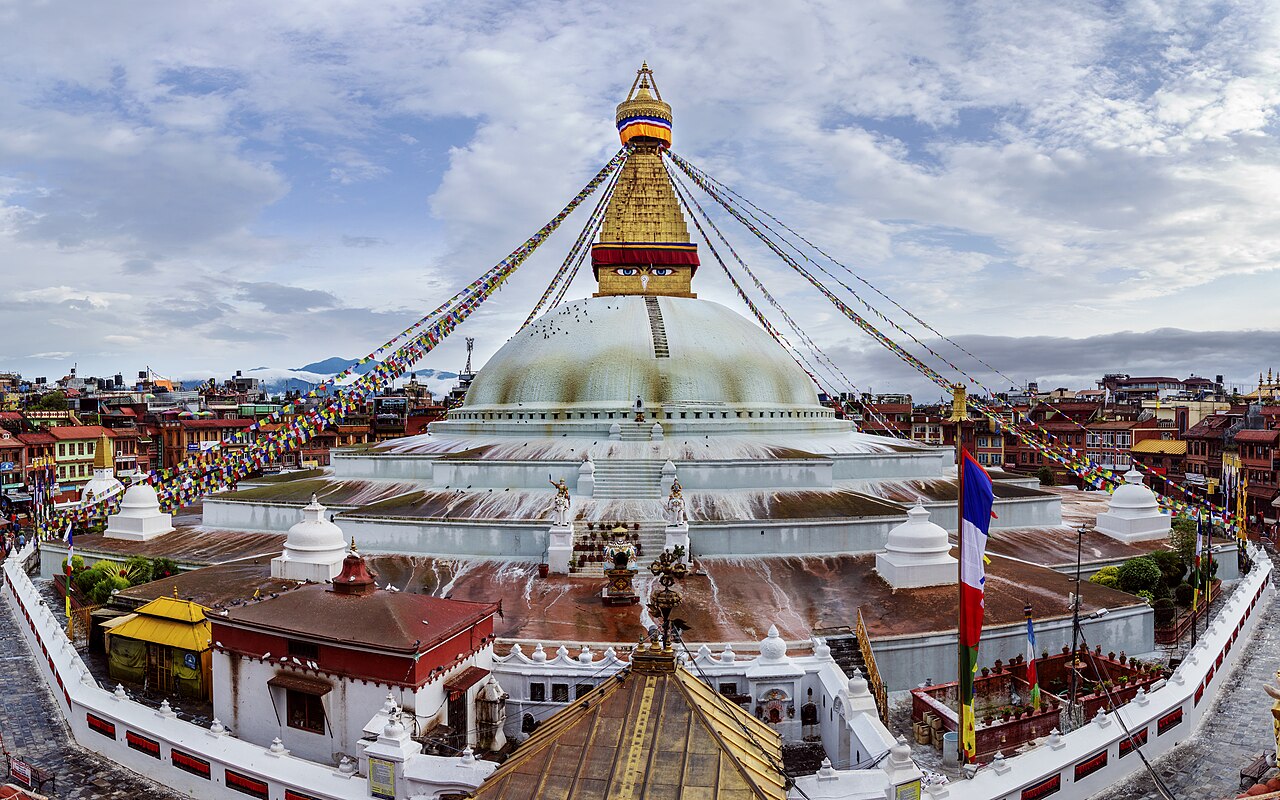
The largest spherical stupa in Nepal, its all-seeing Buddha eyes watching over the kora walked daily by the Tibetan Buddhist community of Boudha, the heart of Vajrayana practice in the Kathmandu Valley.