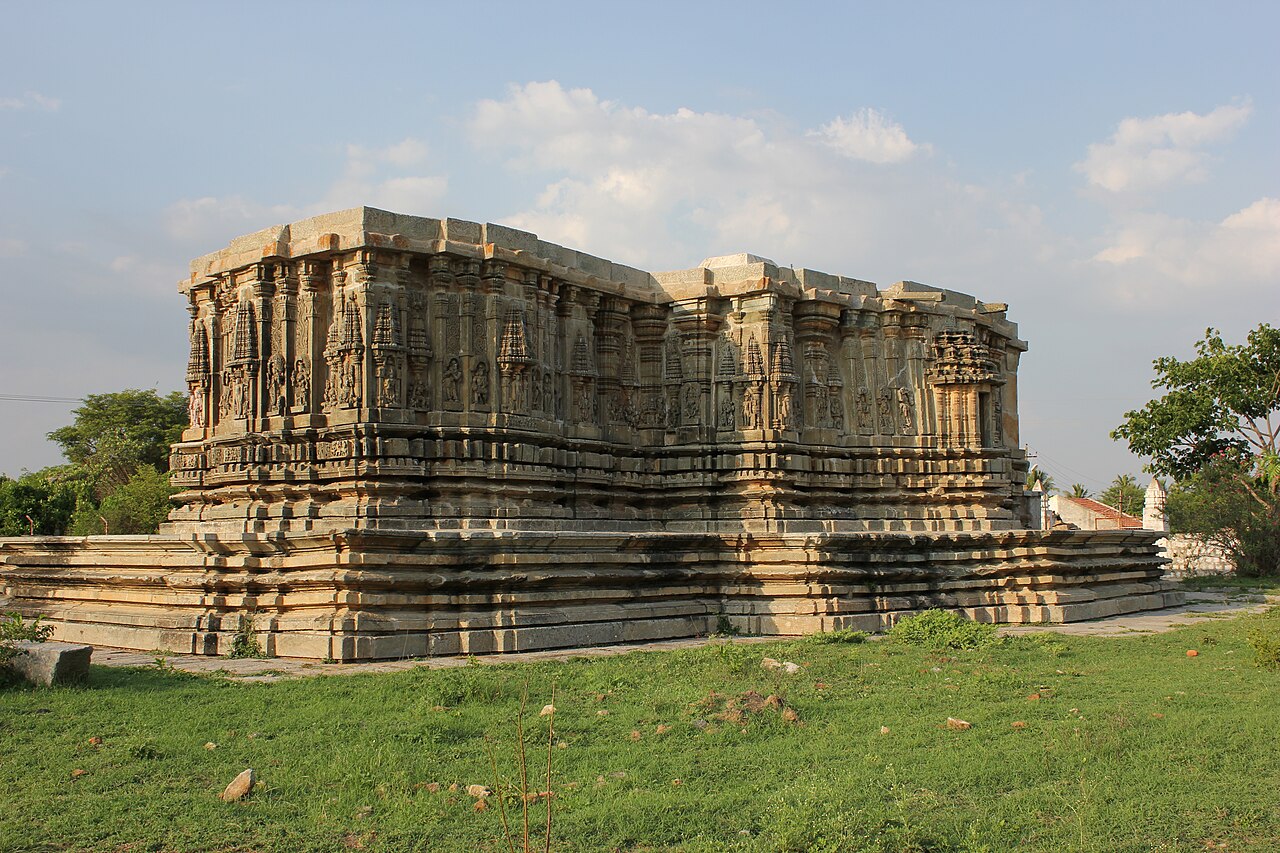
Shantinatha Basadi, Jinanathapura
Shanteshvara Basadi · Jinanathapura Basadi
About
Tucked within the historically resonant Temple village of Jinanathapura, sometimes rendered as Jainanathapura, near the great pilgrimage centre of Shravanabelagola, the Shantinatha Basadi (also known as Shanteshvara Basadi) is one of the quietly magnificent Jain shrines of Karnataka. The village itself falls within Channarayapatna taluk in Hassan district, and the basadi rises there as a testament to both Jain piety and the refined aesthetic sensibilities of the Hoysala era.
What distinguishes this basadi from many of its contemporaries is its exterior character. While Jain Temples of the period often favoured austerity, the nearby Akkana Basadi being a noted example, the Shantinatha Basadi departs from that restraint with bold, richly worked sculptural panels adorning its outer walls, an idiom more commonly encountered in the Hindu shrines patronised by Hoysala royalty. Art historian Adam Hardy characterises the structure as a single-shrine (vimana) composition with a closed mantapa; the building material throughout is soapstone, the medium prized across Karnataka for its suitability to fine carving. Gerard Foekema similarly notes its form as ekakuta, one shikhara tower rising over a single sanctum. The closed mantapa's ceiling rests on four lathe-turned pillars, a hallmark of Hoysala workmanship identified by Percy Brown. Notably absent, however, are the ornamental molding friezes that encircle the outer bases of most Hoysala Temples from the 12th and 13th centuries, making this basadi something of an anomaly within that tradition.
The interior walls remain unadorned, yet the lintel spanning the sanctum entrance commands attention: it carries five Jaina figures rendered as monks, with the central one a direct echo of the primary image within, Shantinatha enthroned upon a pedestal of seven tiers. The Archaeological Survey of India's Karnataka state division holds the monument under its protection.
History
Tradition holds that the village of Jinanathapura was founded in the early twelfth century by Ganga Raja, a military commander and devoted patron of Jain causes, during the reign of the Hoysala king Vishnuvardhana. The Shantinatha Basadi itself came later: a Kannada inscription carved into the pedestal of the seated Shantinatha image names its builder as Recana, a general and minister who served King Veera Ballala II, which places the basadi's construction closer to 1200 CE. A construction date of c. 1117 CE is widely repeated online, but Ballala II's own reign did not begin until 1173 CE, so that earlier figure is inconsistent with its own attribution and appears to be an error rather than a verified date. Recana's patronage reached beyond Jinanathapura to Jain Temples at Lakkundi and Arasikere as well.
Significance
The basadi holds an unusual place in Hoysala-era art: bands of richly carved figures, standing deities and shrine-forms wrap its outer walls, a vocabulary more commonly seen on the Hindu Temples the same royal court commissioned, appearing here in a Digambara Jain setting. Standing within the sacred orbit of Shravanabelagola, one of Jainism's great pilgrimage centres, Jinanathapura extends that landscape of devotion outward, and the basadi's plain interior walls give way to an elaborately carved sanctum lintel bearing five Jain monks, the central figure echoing Lord Shantinatha enthroned within on his tiered pedestal. For those who come to honour the Tirthankara whose very name carries the sense of peace, the stillness carved into this stone has drawn devotees for more than eight centuries.
Architecture
Hoysala Dravida Temple architecture; single-shrine (ekakuta) vimana with a closed mantapa carved in soapstone, exterior worked in horizontal bands of figural sculpture
Visiting
Hours
Hours not listed.
Contact
No contact details listed yet.
Address
Engage with Shantinatha Basadi, Jinanathapura
Through the four pathways
Seva सेवा — Service
Offer your time and skills here. The following opportunities are open at Shantinatha Basadi, Jinanathapura:
No Seva offerings listed yet.
Sādhana साधना — Practice
Learn the worship and practice associated with Shantinatha Basadi, Jinanathapura:
No Sādhana offerings listed yet.
Sandhāna सन्धान — Wisdom
Unite with the wisdom of this tradition:
No Sandhāna offerings listed yet.
Sādhya साध्य — Giving
Support this sacred place according to your means:
No Sādhya offerings listed yet.
All giving flows directly to Shantinatha Basadi, Jinanathapura. Adisthan does not take a commission.
Festivals & Events
- Apr
Mahavir Jayanti
19 April 2027 · annual
The birth anniversary of Lord Mahavira, the twenty-fourth and final Tirthankara, observed across the Digambara Jain community with processions, Temple decoration and readings from Jain scripture; devotees at Jinanathapura mark the day alongside the wider community of basadis around Shravanabelagola.
- May
Akshaya Tritiya
9 May 2027 · annual
The day Digambara Jains recall Lord Adinatha, the first Tirthankara, breaking a year-long fast with sugarcane juice, the origin of the ahara-dana almsgiving rite; at a basadi dedicated to Lord Shantinatha, the sixteenth Tirthankara, the day is kept as part of the shared Jain calendar rather than as an observance unique to this shrine.
Gallery
Related sacred places
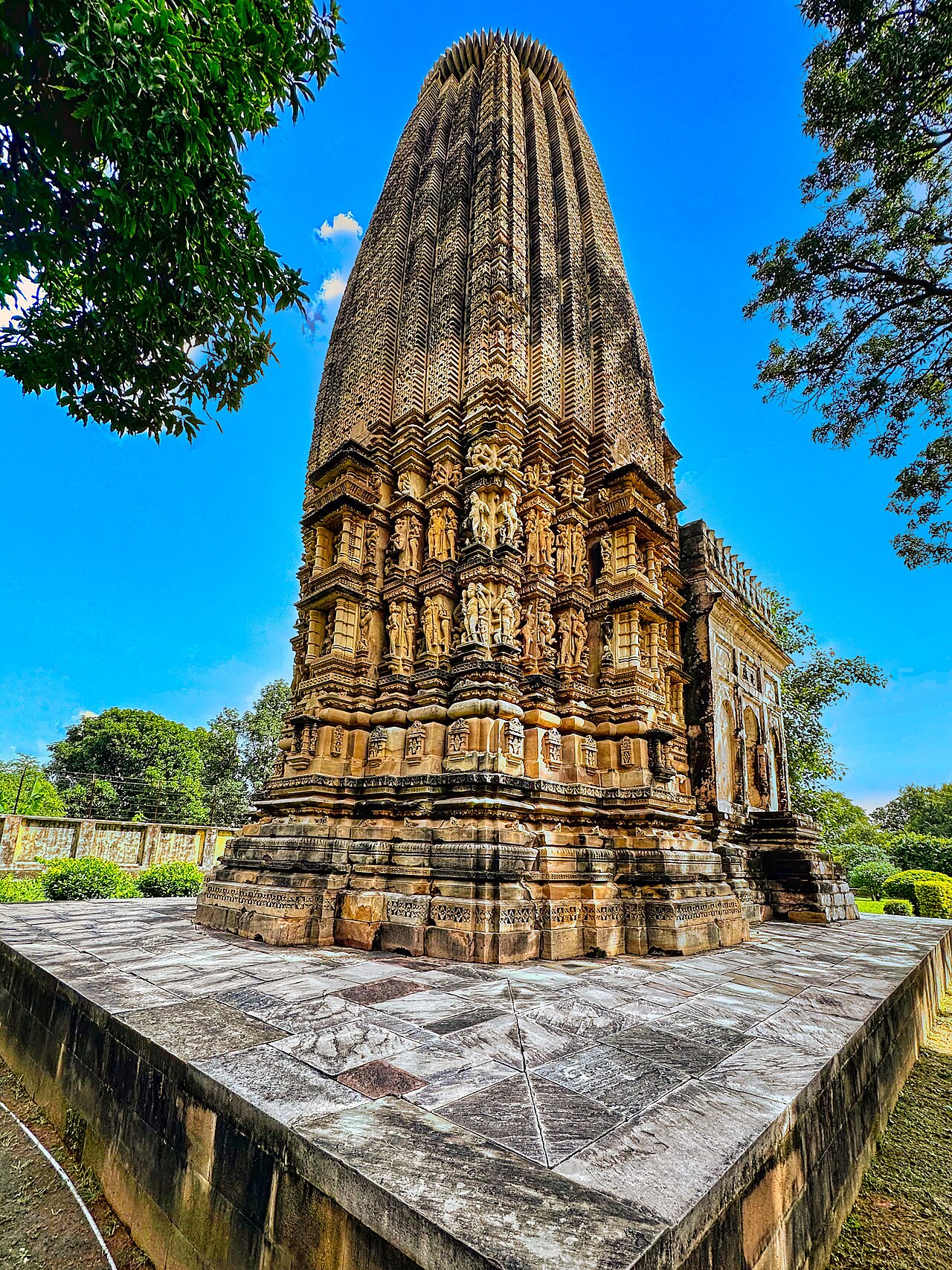 Jainism
Adinatha Temple
Khajuraho · India · temple
A Digambara Jain shrine within Khajuraho's Eastern Group of Temples, dedicated to Lord Adinatha, the first tirthankara, its curvilinear sandstone tower carved in the late eleventh century for a Hindu patron before passing into Jain hands.
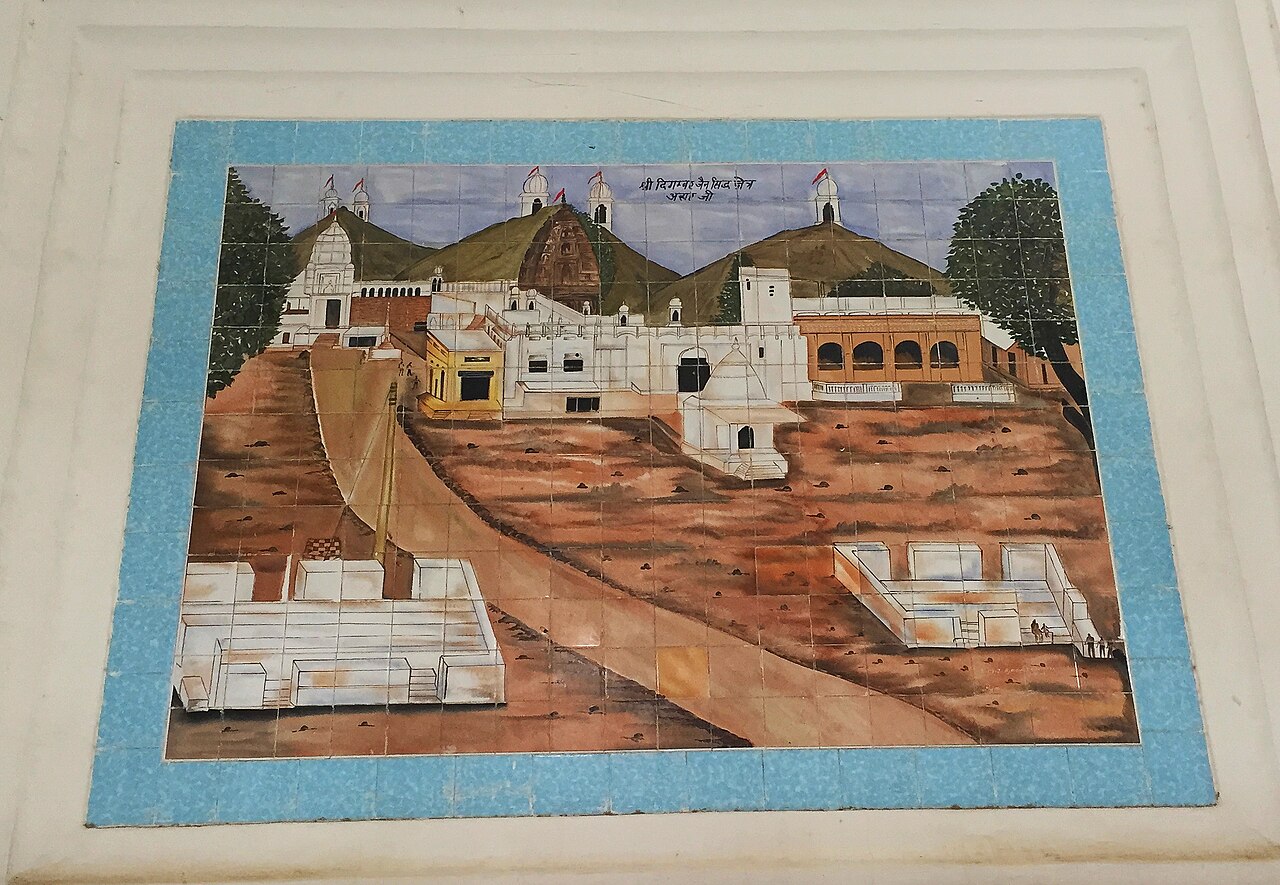 Jainism
Aharji
Aharji · India · temple
A Digambara Jain tirtha in the Bundelkhand region of Madhya Pradesh, where an eighteen-foot Chandella-era colossus of Lord Shantinatha stands in silent meditation at the heart of a Temple complex raised across three centuries.
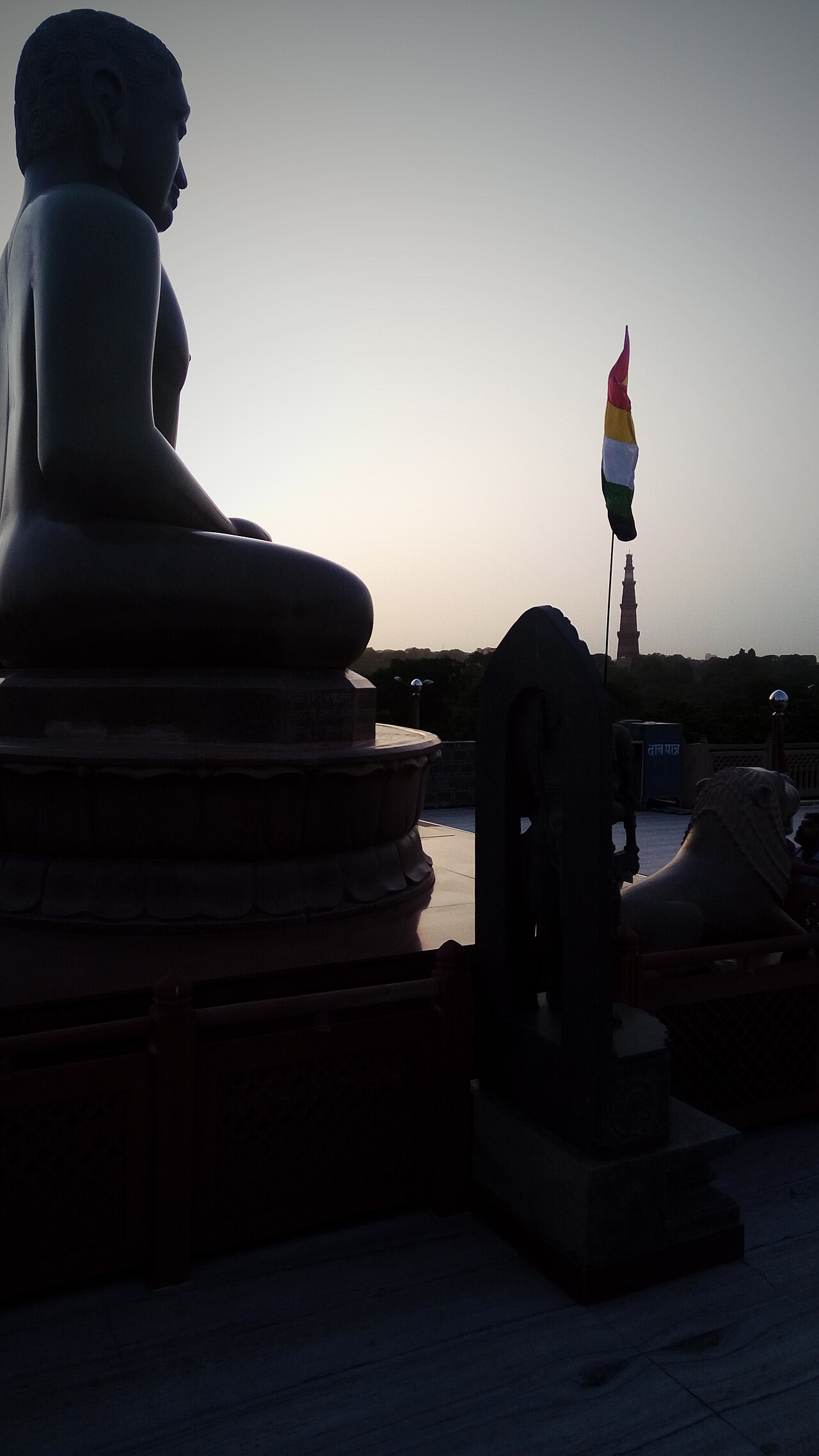 Jainism
Ahinsa Sthal
New Delhi · India · temple
A modern Digambara Jain shrine on a terrace in Mehrauli, New Delhi, built in 1980 around a colossal granite image of Lord Mahavira seated in deep meditation, its very name declaring the tradition's central vow: ahimsa, harmlessness toward every living being.
 Jainism
Ajmer Jain Temple
Ajmer · India · temple
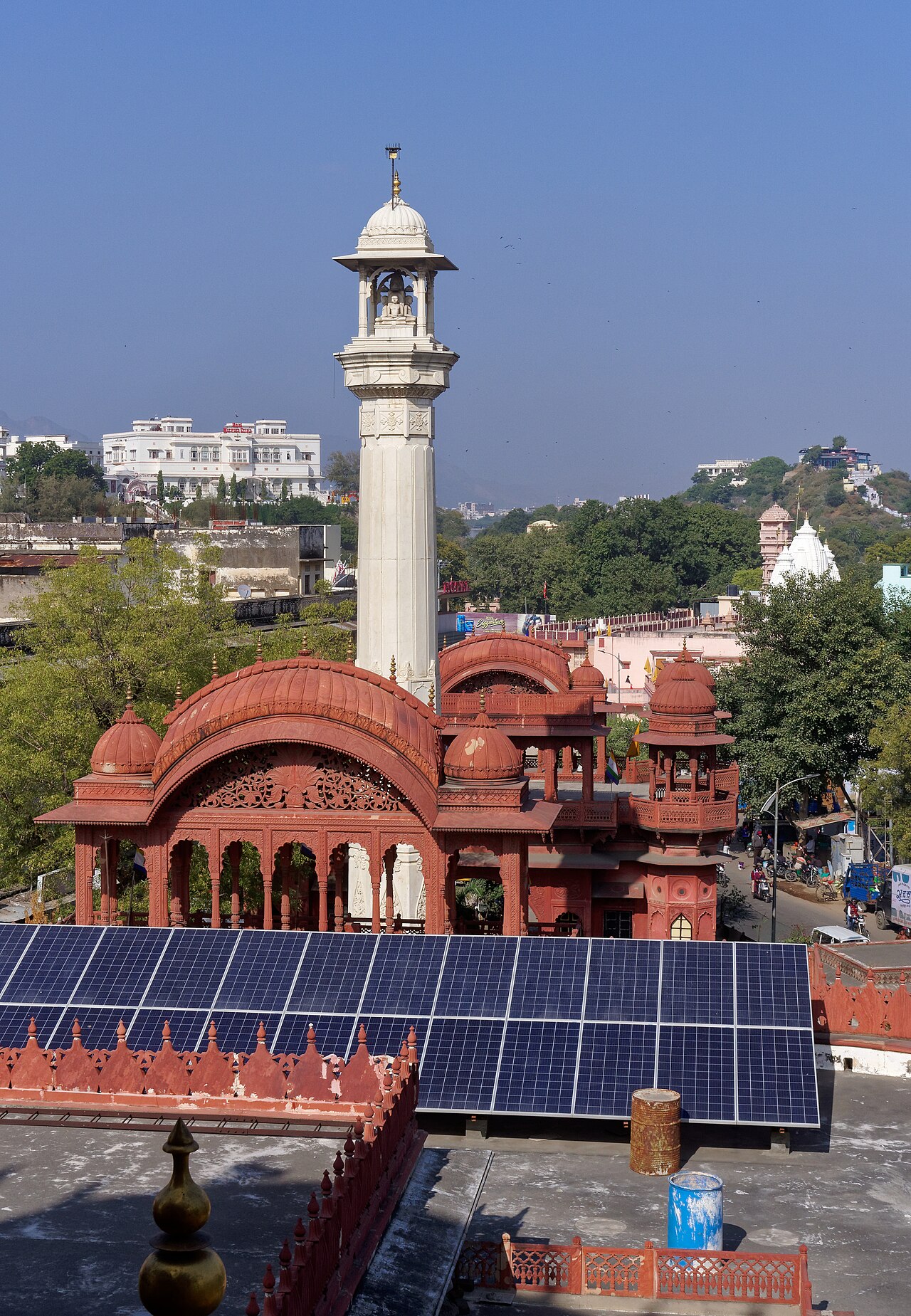
Popularly called Soniji Ki Nasiyan or the Red Temple, this Digambara Jain Temple on Prithviraj Marg in Ajmer pairs a red sandstone sanctuary, crowned by an eighty two foot marble pillar, with a golden upper hall whose gilded tableaux retell the life of Lord Rishabhdev, the first tirthankara.
 Jainism
Akkana Basadi
Shravanabelagola · India · temple
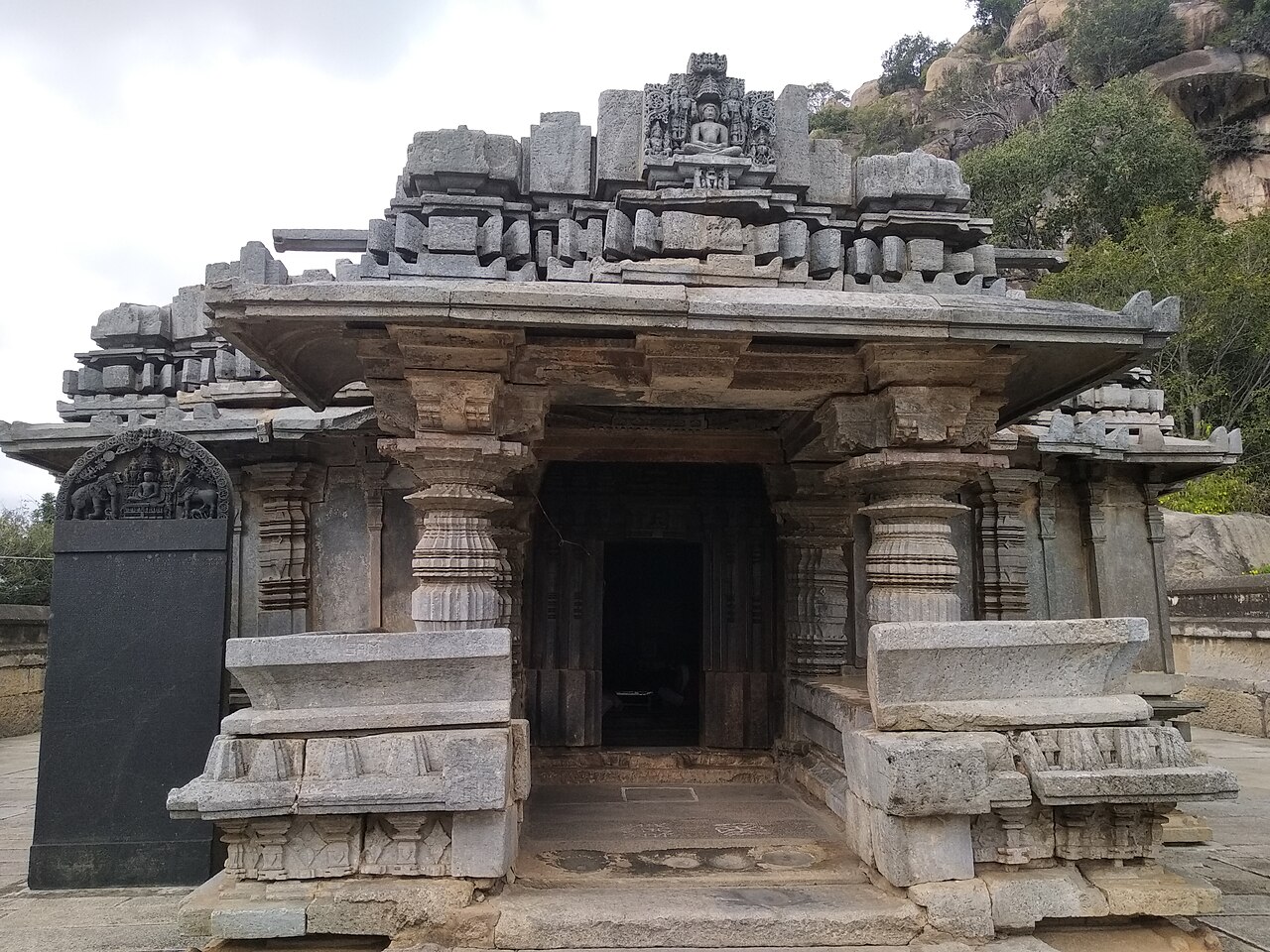
Consecrated in 1181 CE on Chandragiri hill at Shravanabelagola, Karnataka, Akkana Basadi is a Hoysala-era Jain basadi raised by the devout laywoman Achiyakka in honour of Tirthankara Parshvanatha, its deliberately plain stone walls and lathe-turned pillars a quiet expression of Jain austerity.
 Jainism
Bawangaja
Bawangaja · India · temple
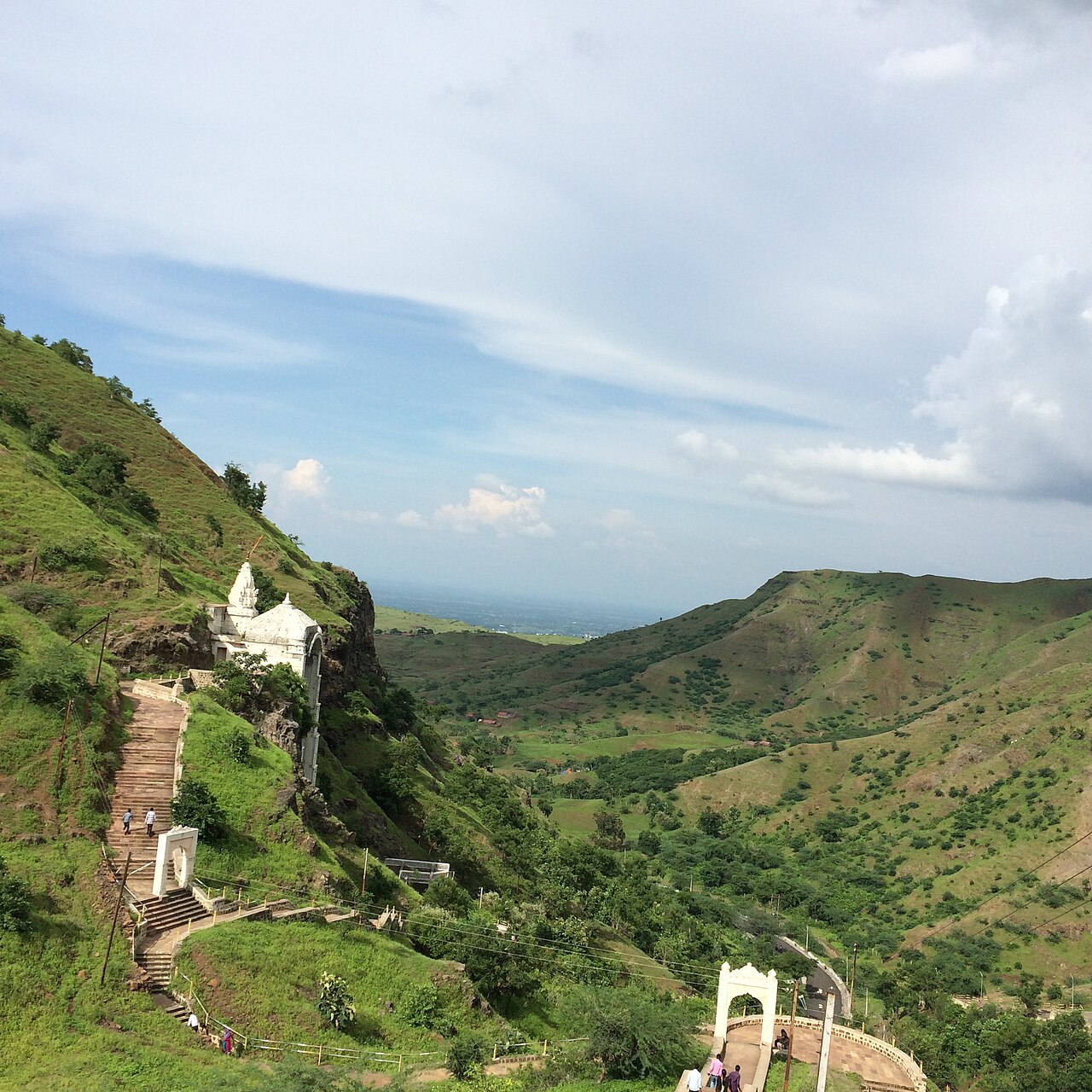
A Digambara Jain tirtha in the Satpura hills of Barwani district, Madhya Pradesh, where an 84-foot monolithic image of Lord Rishabhanatha (Adinatha), the first Tirthankara, stands carved directly from the mountain.