Shiogama Shrine
Shiogama Jinja · 鹽竈神社
About
Nestled in the coastal city of Shiogama in the Tōhoku region of northern Japan, Shiogama Jinja (鹽竈神社) stands as one of the most storied Shinto sanctuaries in the Tōhoku region. The shrine complex is the head jinja of several hundred affiliated shrines bearing the Shiogama name, scattered the length and breadth of the Japanese archipelago, a measure of the deep reverence in which its kami have long been held.
The deities enshrined here have, across many centuries, been regarded as protective presences for those who make their living upon the sea, fishermen above all, as well as for women expecting children. In a region where coastal life and its uncertainties have shaped communities for generations, the shrine has served as a place of petition, gratitude, and solace for those who commend their lives and livelihoods to the sea.
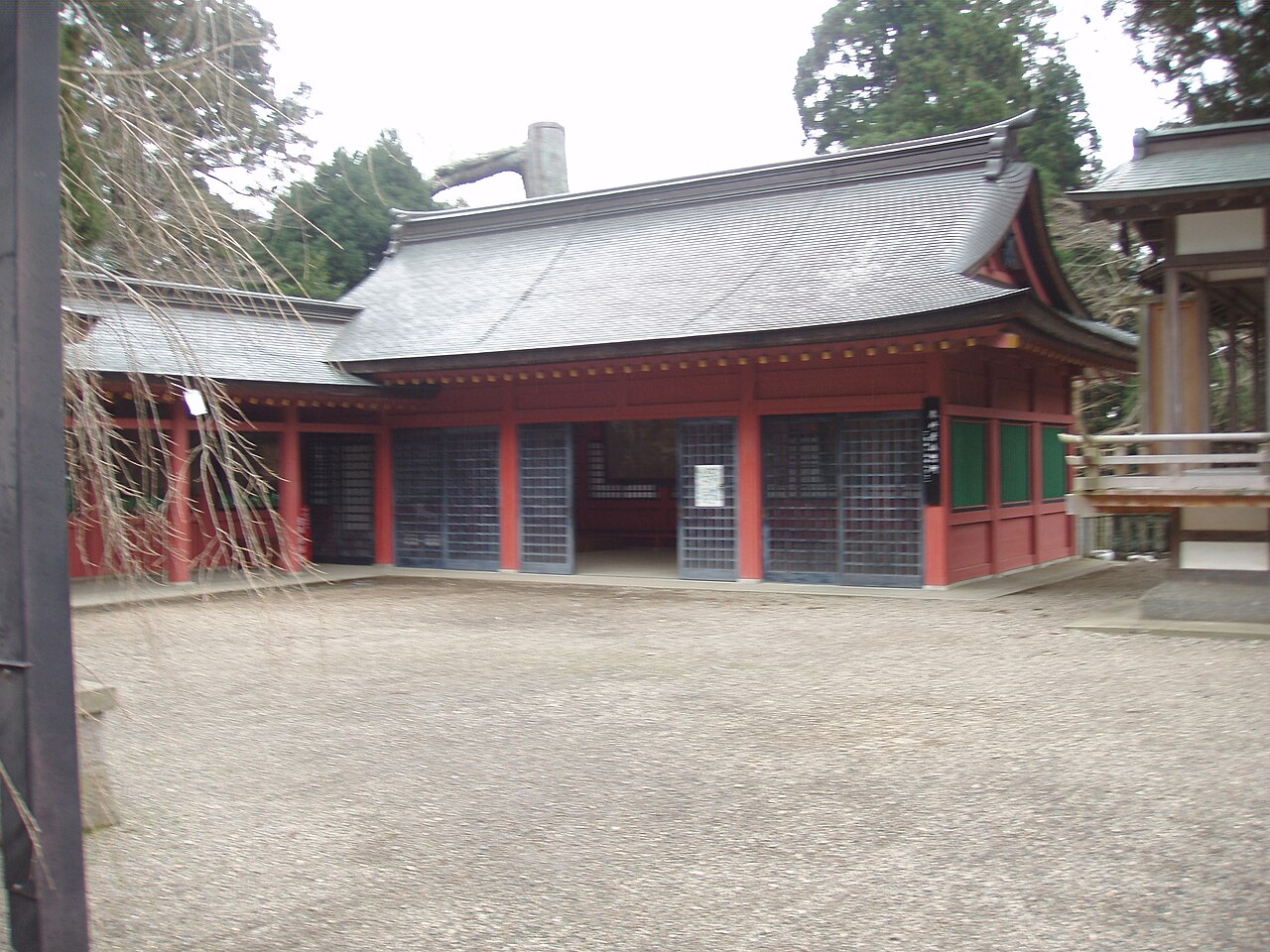
Among the shrine's many structures, fifteen individual buildings carry the designation of Important Cultural Property, a formal recognition of their architectural and historical value. The complex as a whole presents a dignified ensemble of traditional Shinto architecture, where weathered timber, curving rooflines, and the quiet of forested grounds combine to create an atmosphere of enduring sanctity.
History
Documentary record places Shiogama Jinja within the religious life of the Tōhoku region by the ninth century, making it among the older continuously attested Shinto sites in the north. Shrine tradition holds that the kami Shiotsuchi no Oji guided the warrior kami Takemikazuchi and Futsunushi to this coast at the command of Amaterasu, then remained behind to teach the people of Shiogama the art of drawing salt from seawater, a craft still echoed in the shrine's own name. Fifteen of the shrine's structures carry Japan's Important Cultural Property designation, recognising their continuity through successive eras.
Significance
The shrine's three kami are honoured in three separate sanctuaries: Shiotsuchi no Oji in the betsugu, flanked by the warrior deities Takemikazuchi and Futsunushi in the sagu and ugu. Fishermen and seafarers along the Tōhoku coast have long looked to this hill for protection, as have women awaiting childbirth, and the shrine's role as head of a network of several hundred Shiogama shrines nationwide reflects how far that devotion has travelled. An iron lantern in the grounds, the Bunji lantern, was donated in 1187 and later admired by the poet Matsuo Basho on his journey through the deep north, a small witness to the shrine's long continuity.
Architecture
Traditional Shinto shrine architecture in vermillion-lacquered timber under grey tiled roofs, its halls and subsidiary buildings spread across a wooded hilltop precinct
Visiting
Hours
Hours not listed.
Contact
Engage with Shiogama Shrine
Through the four pathways
Seva सेवा — Service
Offer your time and skills here. The following opportunities are open at Shiogama Shrine:
No Seva offerings listed yet.
Sādhana साधना — Practice
Learn the worship and practice associated with Shiogama Shrine:
No Sādhana offerings listed yet.
Sandhāna सन्धान — Wisdom
Unite with the wisdom of this tradition:
No Sandhāna offerings listed yet.
Sādhya साध्य — Giving
Support this sacred place according to your means:
No Sādhya offerings listed yet.
All giving flows directly to Shiogama Shrine. Adisthan does not take a commission.
Festivals & Events
- Jul
Shiogama Minato Matsuri (Port Festival)
20 July 2026 · annual
One of Japan's three great sea festivals, when the shrine's mikoshi are carried down to the harbour and paraded across the water on flower-decked boats accompanied by a flotilla of fishing vessels, held each year on Marine Day itself.
- Jul
Reisai (Annual Festival)
10 July 2027 · annual
The shrine's own grand annual festival, marked with the ceremonial presentation of offerings from the Association of Shinto Shrines; observed on 10 July.
Gallery
Related sacred places
 Shinto
Amatsu Shrine
Itoigawa · Japan · shrine
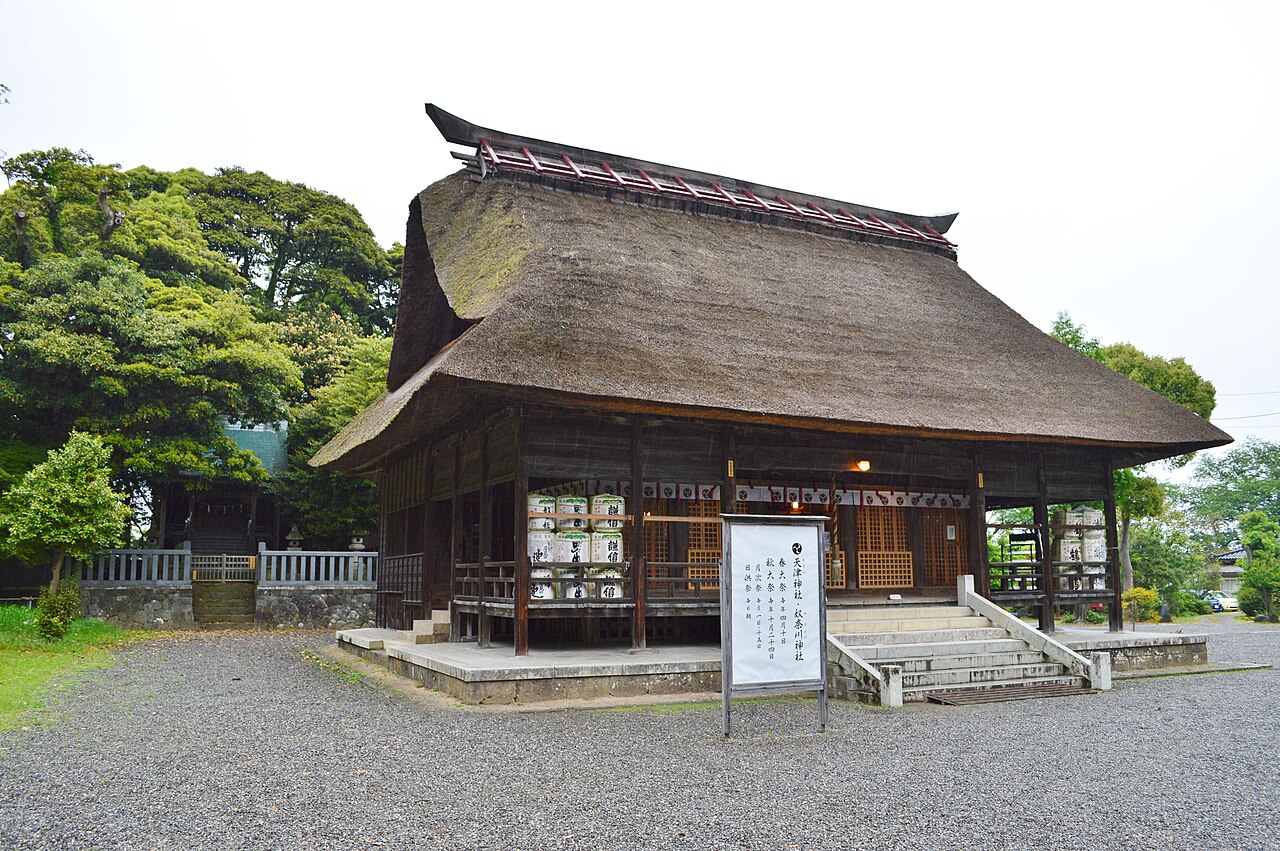
A venerable jinja in the Ichinomiya quarter of Itoigawa on Japan's Sea of Japan coast, one of three shrines that each claim to have been the ichinomiya, the foremost shrine, of the old province of Echigo.
 Shinto
Fujisaki Hachimangū
Kumamoto · Japan · shrine
Fujisaki Hachimangū is a Shinto shrine in the heart of Kumamoto's Chūō ward, enshrining Hachiman as Emperor Ōjin together with Empress Jingū and the Sumiyoshi Sanjin, and revered for over a thousand years as guardian kami of the Higo region.
 Shinto
Fushimi Inari Taisha
Kyoto · Japan · shrine
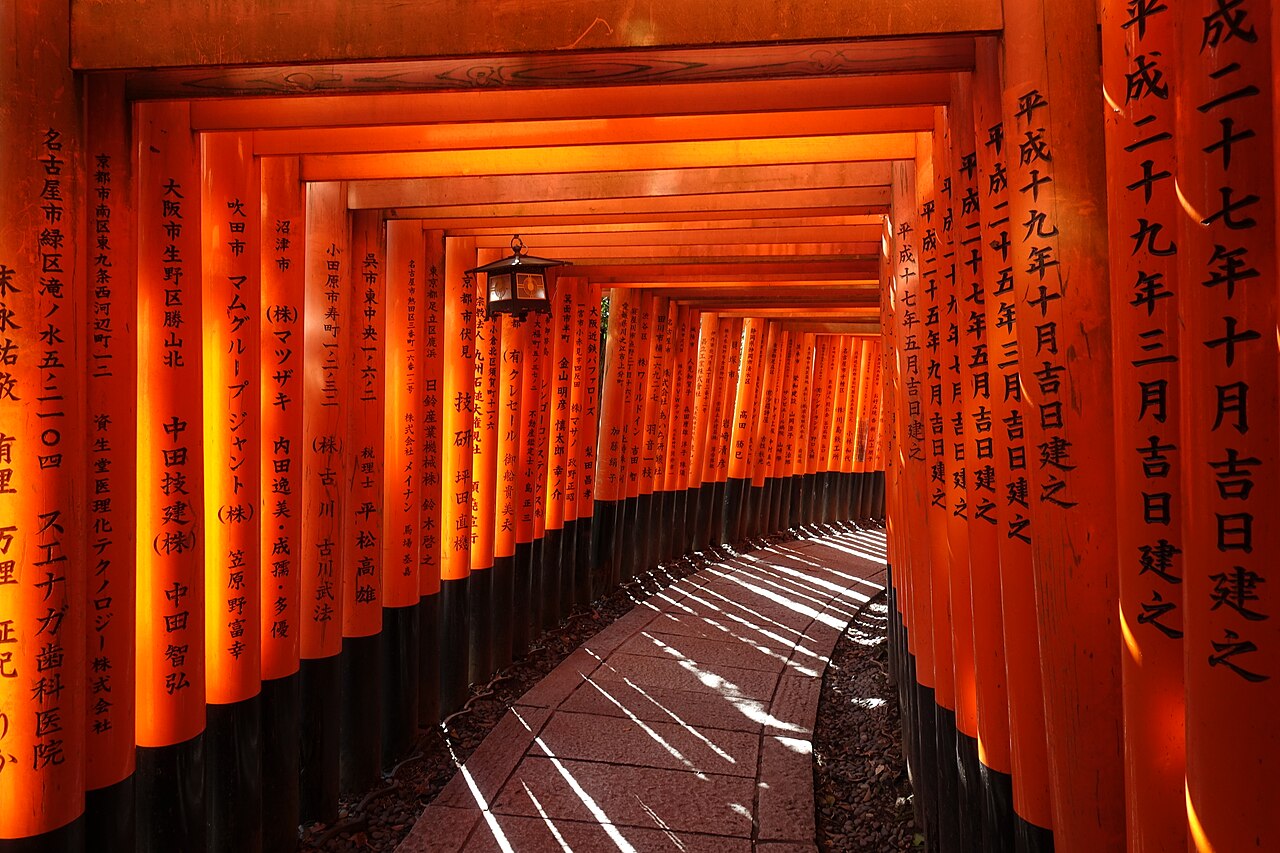
The head shrine of Japan's roughly 30,000 Inari shrines, where some 10,000 vermilion torii climb sacred Mount Inari and white fox messengers watch every path.
 Shinto
Hiraoka Shrine
Higashiosaka · Japan · shrine
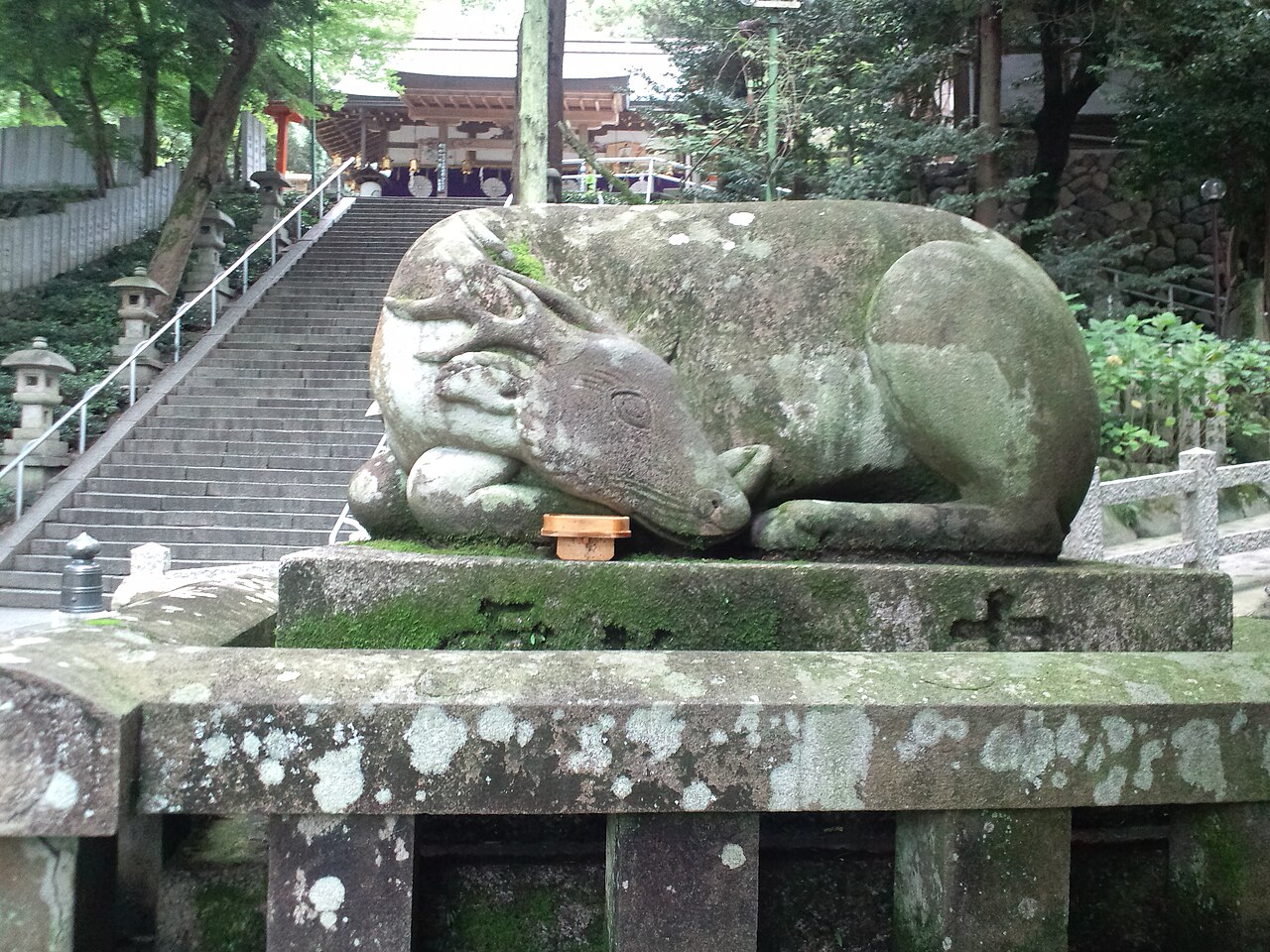
The Ichinomiya, or foremost shrine, of the old province of Kawachi, set on the wooded western slope of the Ikoma range, where the ancestral kami of the Fujiwara clan were worshipped centuries before two of them were carried east to found Nara's Kasuga Taisha.
 Shinto
Hiroshima Gokoku Shrine
Hiroshima · Japan · shrine
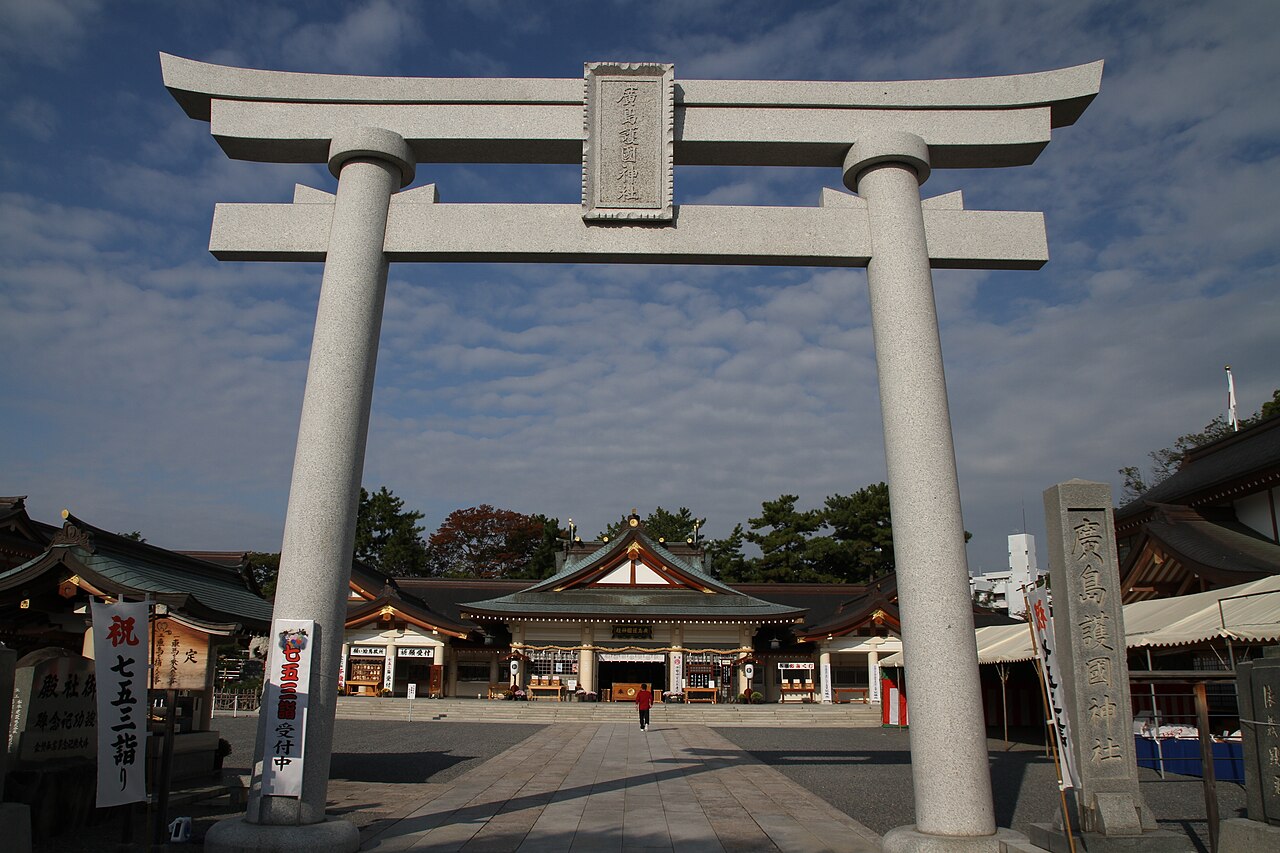
A Shinto shrine within the grounds of Hiroshima Castle honouring the war dead of Hiroshima, destroyed in the atomic bombing of 1945 and rebuilt by the city's own citizens in the years that followed.
 Shinto
Ise Jingu (Ise Grand Shrine)
Ise · Japan · shrine
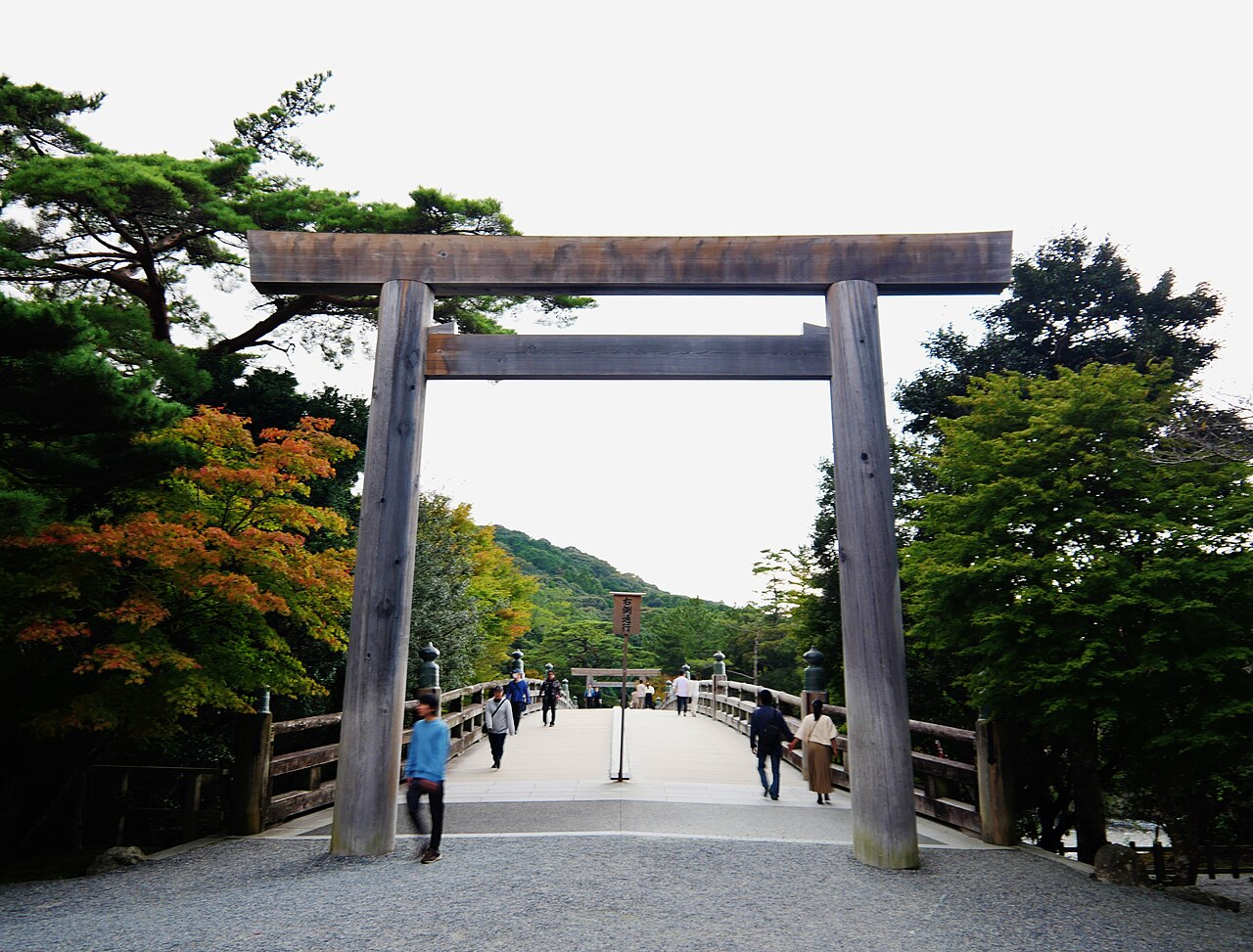
The most venerable sanctuary of Shinto: 125 shrines in the forests of Ise, where Amaterasu-Omikami dwells at the Naiku and Toyouke-Omikami at the Geku, and the whole sanctuary is rebuilt anew every twenty years.