Shri Shail
About
Shri Shri Mahalakshmi Bhairabi Griba Maha Peetha stands in Joinpur village, in the Dakshin Surma area near Gotatikar, a short distance southeast of Sylhet town in Bangladesh. It is counted among the Shakta pithas, the scattered shrines across the subcontinent believed to mark where portions of the Goddess Sati's body came to rest. Here the presiding Goddess takes the name Mahalakshmi, while the accompanying form of Bhairava is known as Sambaranand.
The sanctuary belongs to a wider constellation of pilgrimage sites, numbering fifty-one in traditional reckoning, one for each letter of the Sanskrit alphabet, spread through India, Bangladesh, Pakistan, Nepal, and Sri Lanka. Each of these pithas carries its own pairing of Shakti and Kalabhairava, and at this particular site devotees hold that Sati's neck descended to the earth.
For those who visit or study the Shakta tradition, this temple offers a living link to a story of grief transformed into sacred geography: a mother-goddess mourned by her husband, and mourned no longer, but honored instead across an entire subcontinent through shrines such as this one near Sylhet.
History
According to the shared legend of the Shakta pithas, Sati, the first wife of Shiva and an early incarnation of Parvati, was born to King Daksha and his queen. When her father excluded Shiva from a great sacrificial rite and insulted him before the assembled gods, Sati could not bear the dishonor done to her husband and gave up her own life in the sacrificial fire. Overcome with sorrow, Shiva carried her body across the world in the Tandava, a dance of devastating grief, until Vishnu, seeking to ease his anguish, released his discus, the Sudarshan Chakra, and cut Sati's body into pieces. Wherever a piece touched the ground, that ground was consecrated as a Shakti Pitha, home to shrines of both Sati and Shiva. Sati was later reborn as the daughter of the Himalayas, taking the name Parvati, and her birth on the fourteenth day of the bright half of Mrigashirsha is remembered in the observance of Shivaratri. At the Sylhet site, tradition holds that it was Sati's neck that fell to earth, giving rise to the temple now known as Shri Shail.
Significance
As one of the fifty-one Shakta pithas, the temple is regarded as a place where the divine feminine and the divine masculine are enshrined together, the Goddess honored here as Mahalakshmi alongside the Bhairava form Sambaranand. Its significance rests less on grandeur than on its place within a subcontinent-wide network of pilgrimage, each pitha understood as sanctified by the same original act of sorrow and devotion, drawing worshippers of Shakti from across Bangladesh and beyond.
Visiting
Engage with Shri Shail
Through the four pathways
Seva सेवा — Service
Offer your time and skills here. The following opportunities are open at Shri Shail:
No Seva offerings listed yet.
Sādhana साधना — Practice
Learn the worship and practice associated with Shri Shail:
No Sādhana offerings listed yet.
Sandhāna सन्धान — Wisdom
Unite with the wisdom of this tradition:
No Sandhāna offerings listed yet.
Sādhya साध्य — Giving
Support this sacred place according to your means:
No Sādhya offerings listed yet.
All giving flows directly to Shri Shail. Adisthan does not take a commission.
Related sacred places
 Hinduism
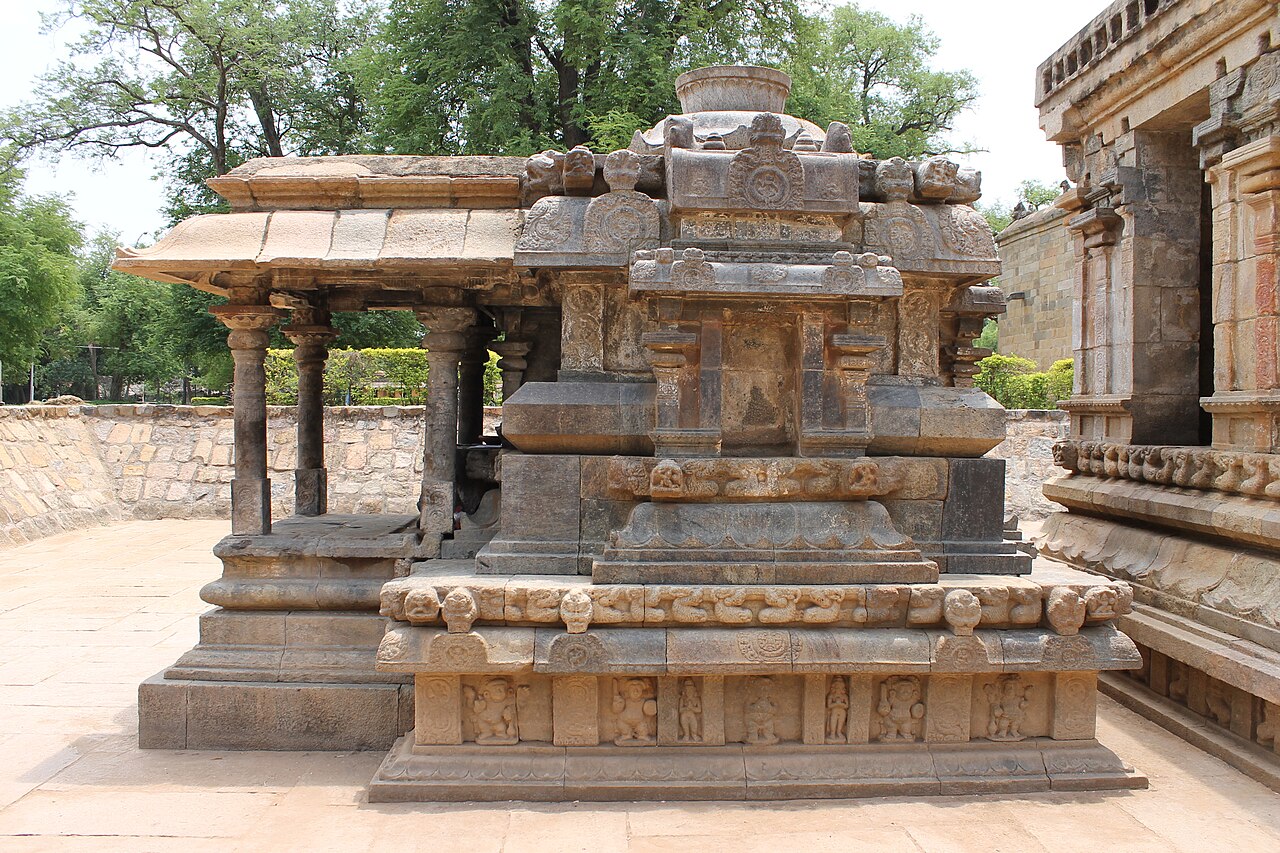
Airavatesvara Temple
· India · temple
A jewel of 12th-century Chola craftsmanship at Darasuram near Kumbakonam in Tamil Nadu, this Śaiva shrine dedicated to Lord Śiva stands among the UNESCO-listed Great Living Chola Temples for its extraordinary sculptural refinement.
Aisanyesvara Siva Temple
· India · temple
A living Śaiva temple from the thirteenth century, nestled near the western boundary of the great Lingarāja complex in Bhubaneswar, Odisha, where a Śivaliṅgam receives daily worship and the sacred rhythms of the liturgical year continue unbroken.
 Hinduism
Akhadachandi Temple
· India · temple
A 10th-century Hindu temple in the heart of Bhubaneswar's old town, Akhadachandi Temple stands on the southwestern shore of the sacred Bindusagar tank, honouring the goddess Mahiṣāsuramardinī in the ancient Kalinga style.
 Hinduism
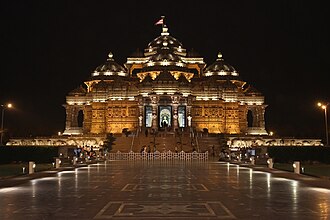
Akshardham
· India · temple
Swaminarayan Akshardham in Delhi is a vast Hindu mandir complex dedicated to devotion, learning, and harmony, drawing millions of pilgrims each year to its intricately carved sandstone and marble monument on the Yamuna's western bank.
 Hinduism
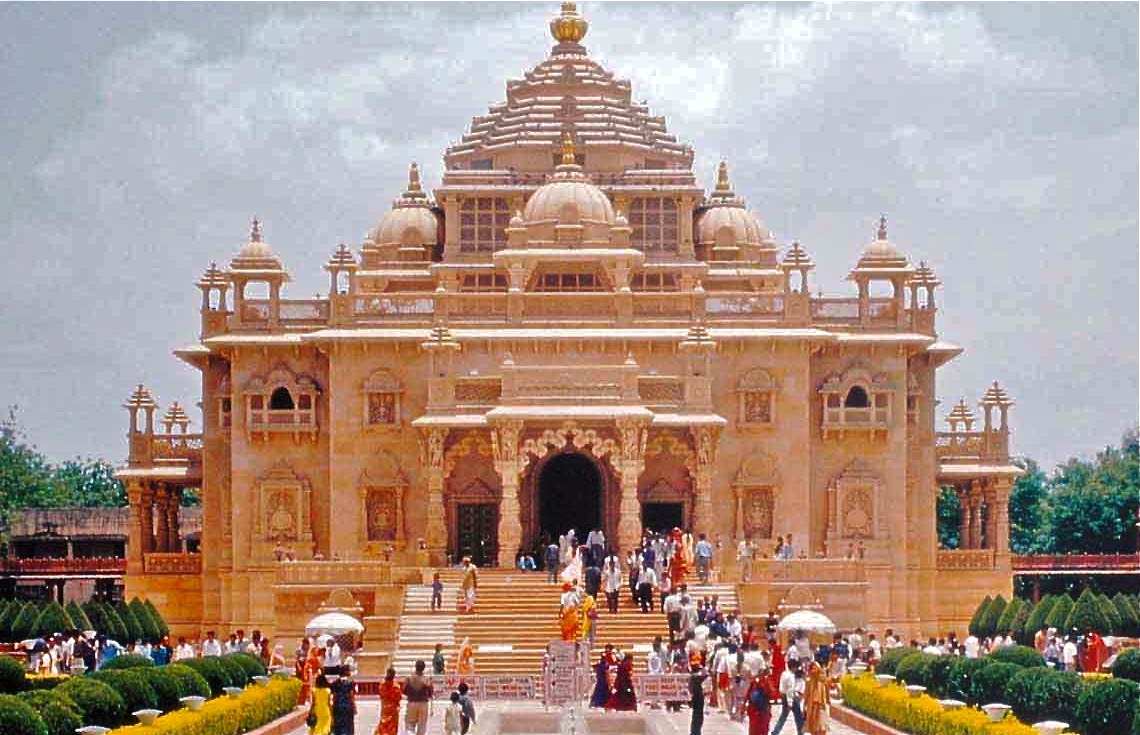
Akshardham (Gandhinagar)
· India · temple
A vast spiritual and cultural complex in Gujarat's capital, Gandhinagar, Swaminarayan Akshardham was conceived through the vision of Yogiji Maharaj and realized by Pramukh Swami Maharaj — a living testimony to the BAPS tradition's commitment to devotion, learning, and harmony.
 Hinduism
Alopi Devi Mandir
· India · temple
Alopi Devi Mandir is a Hindu temple in the Alopibagh neighborhood of Prayagraj, Uttar Pradesh, close to the sacred Sangam where the Ganges, the Yamuna, and the legendary Sarasvati are believed to converge.