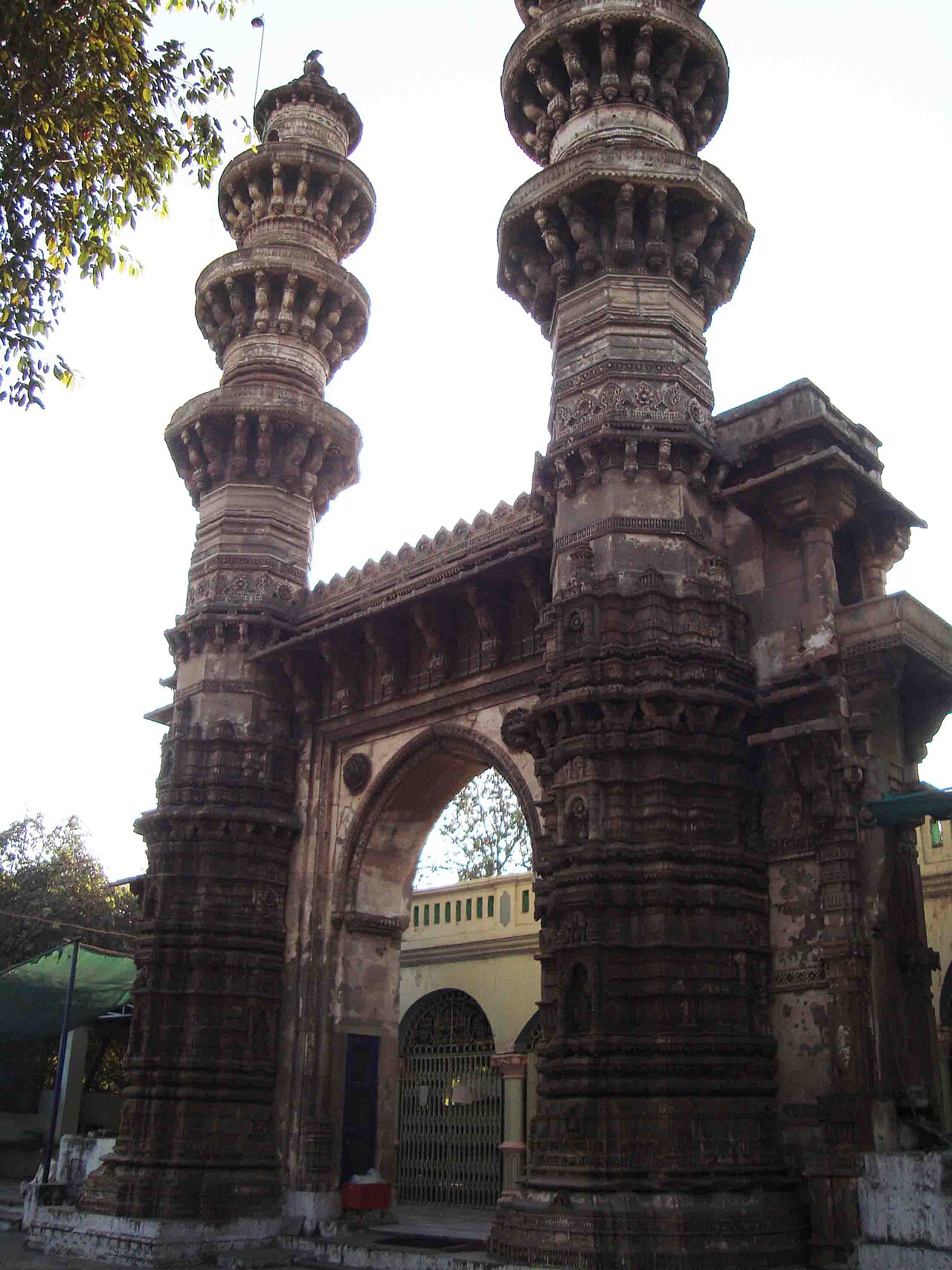
Sidi Bashir Mosque
Jhulta Minar · Shaking Minarets
About
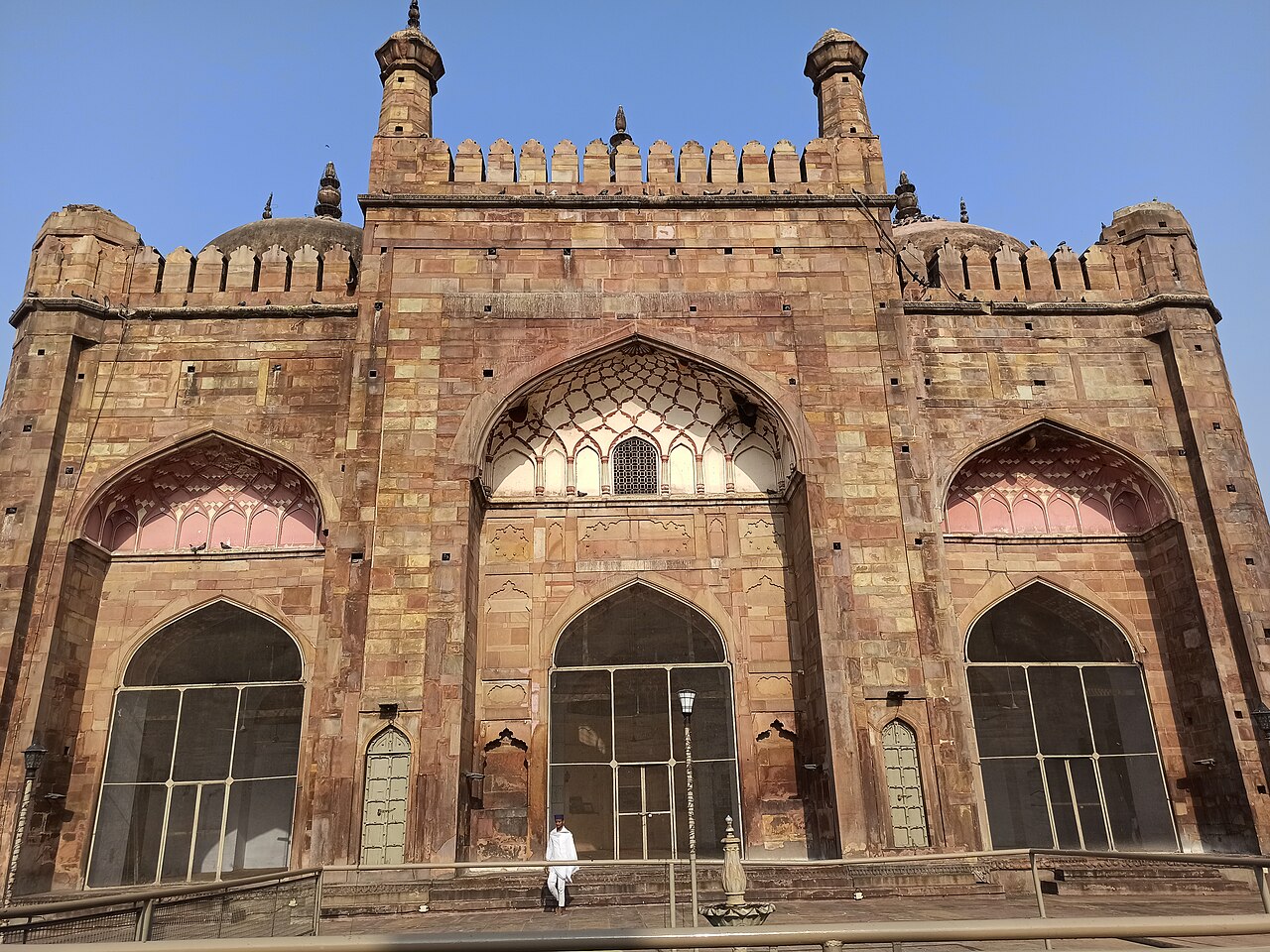
Standing near Ahmedabad Junction in Gujarat, India, the Sidi Bashir Mosque endures as a haunting fragment of the city's medieval Islamic heritage. Of the original structure, only the arched central gateway and two soaring minarets remain intact, enough to convey the grace and ambition of what was once a place of Sufi devotion. Declared a Monument of National Importance, these remnants carry within them both the memory of prayer and an enigma that has fascinated scholars and engineers alike.
The minarets, locally celebrated as Jhulta Minar (the Shaking Minarets), are the tallest of their kind in Ahmedabad. Each rises across three storeys adorned with elaborately carved balconies, their stonework still eloquent despite the damage sustained over centuries, particularly at their bases. What makes them truly singular is a phenomenon difficult to believe without witnessing it: applying a gentle force to the uppermost arc of one minaret causes it to sway, and after a brief interval of seconds, the adjacent minaret responds with its own vibration, while the connecting passage between them remains entirely still. The mechanism behind this sympathetic resonance has never been fully explained, though the layered construction of the minarets is thought to play a role.
The phenomenon was first formally documented in the nineteenth century by Monier M. Williams, an English scholar of Sanskrit. Folk tradition holds that the minarets were designed to function as sensitive indicators of seismic disturbance, giving the structure both spiritual and practical meaning. The minarets are robust enough to remain unmoved by fast-moving trains passing in close proximity, a testament to their structural integrity even in a ruined state.
History
The mosque is traditionally dated to 1452 CE, though the style of its surviving stonework points some historians closer to the end of Sultan Mahmud Begada's reign, around 1511 CE or later. Sources differ on its patron: some name Sidi Bashir, a household slave of Sultan Ahmed Shah, others the nobleman Malik Sarang at Mahmud Begada's court. Its congregational hall was destroyed in 1753 during fighting between Maratha forces and the Mughal governor Jawan Mard Khan, leaving only the arched gateway and its two flanking minarets standing. Public access to the minarets' interior stairways was closed after a fatal stampede at Delhi's Qutb Minar in 1981, a restriction that remains in place today.
Significance
As a former Sufi mosque, Sidi Bashir once held a devotional life shaped by inwardness and remembrance; that congregation is long gone, but the surviving minarets carry their own quiet wonder. A gentle push against the upper arc of either tower sets it swaying, and moments later its twin answers with a vibration of its own, while the archway joining them stays entirely still, a phenomenon first recorded in the nineteenth century by the Sanskrit scholar Monier Williams and still unexplained by engineers. Popular memory holds that the towers were built to sense the tremor of an earthquake before it struck, and the monument now stands among the protected landmarks of a city whose historic core was named a UNESCO World Heritage City in 2017.
Architecture
Gujarat Sultanate Indo-Islamic architecture; twin three-storey minarets with densely carved balconies flanking a central arched gateway
Visiting
Hours
Hours not listed.
Contact
No contact details listed yet.
Engage with Sidi Bashir Mosque
Through the four pathways
Seva सेवा — Service
Offer your time and skills here. The following opportunities are open at Sidi Bashir Mosque:
No Seva offerings listed yet.
Sādhana साधना — Practice
Learn the worship and practice associated with Sidi Bashir Mosque:
No Sādhana offerings listed yet.
Sandhāna सन्धान — Wisdom
Unite with the wisdom of this tradition:
No Sandhāna offerings listed yet.
Sādhya साध्य — Giving
Support this sacred place according to your means:
No Sādhya offerings listed yet.
All giving flows directly to Sidi Bashir Mosque. Adisthan does not take a commission.
Gallery
Related sacred places
 Islam
IslamAbu'l-Fida Mosque
Hama · Syria · mosque
A fourteenth-century Ayyubid mausoleum and Mamluk-era congregational mosque on the banks of the Orontes in Hama, Syria, known locally as the Mosque of the Serpents for the carved pillars at its windows.
 Islam
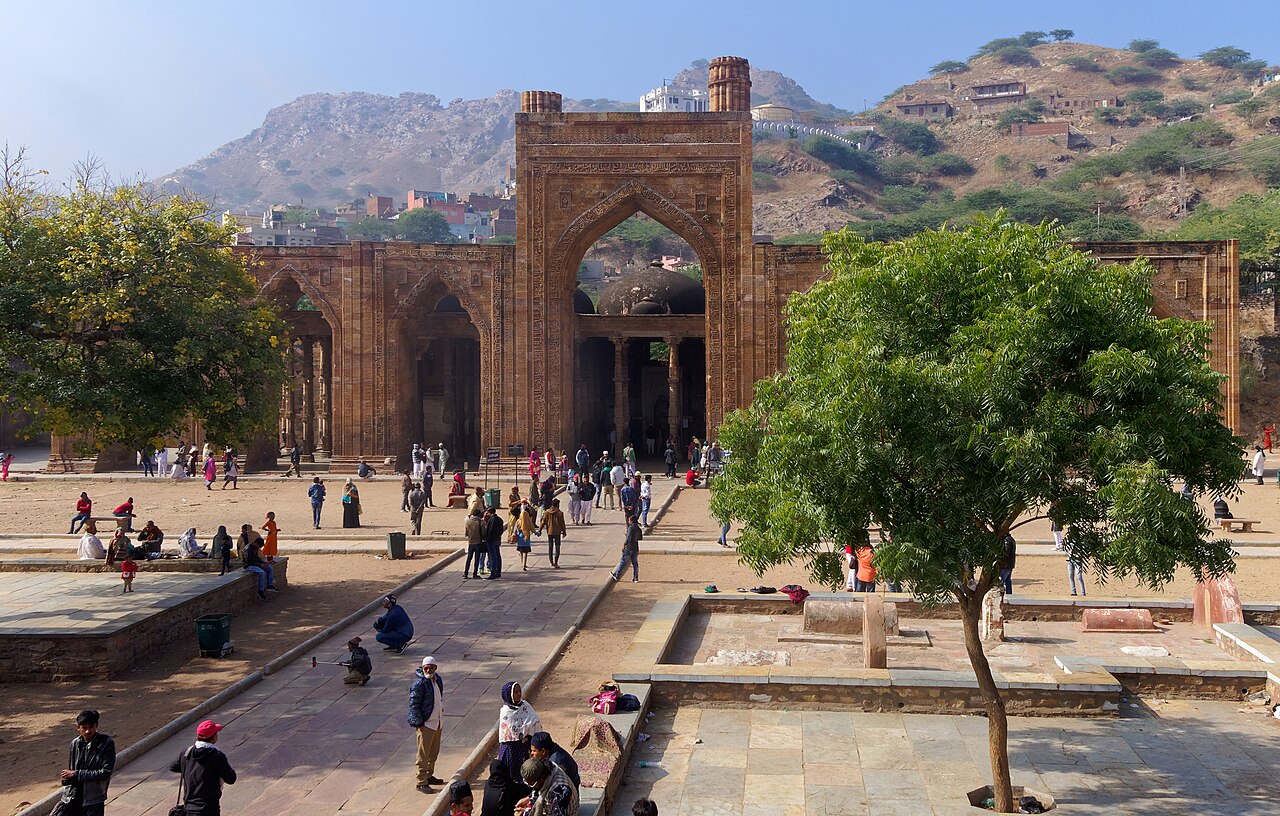
IslamAdhai Din Ka Jhonpra
Ajmer · India · mosque
The oldest surviving monument in Ajmer and among the earliest Indo-Islamic mosques in India, its 1199 CE prayer hall and Iltutmish's 1213 CE arched screen rise on 344 pillars carved by Hindu and Jain craftsmen from earlier Temples.
 Islam
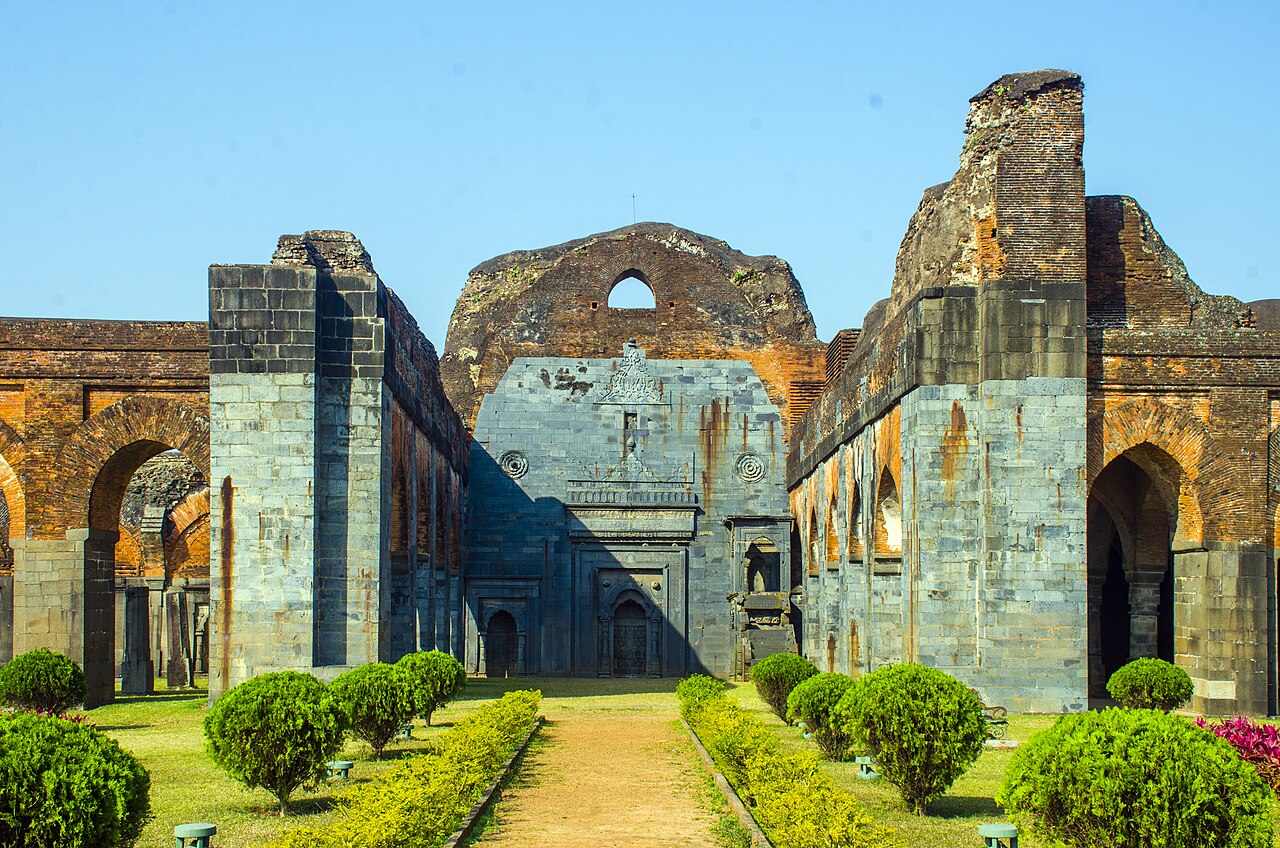
IslamAdina Mosque
Pandua · India · mosque
Once the largest mosque on the Indian subcontinent, the Adina Mosque at Pandua in West Bengal was raised by Sultan Sikandar Shah between 1373 and 1375 as the congregational mosque of the Bengal Sultanate, and holds his tomb within its western wall.
 Islam
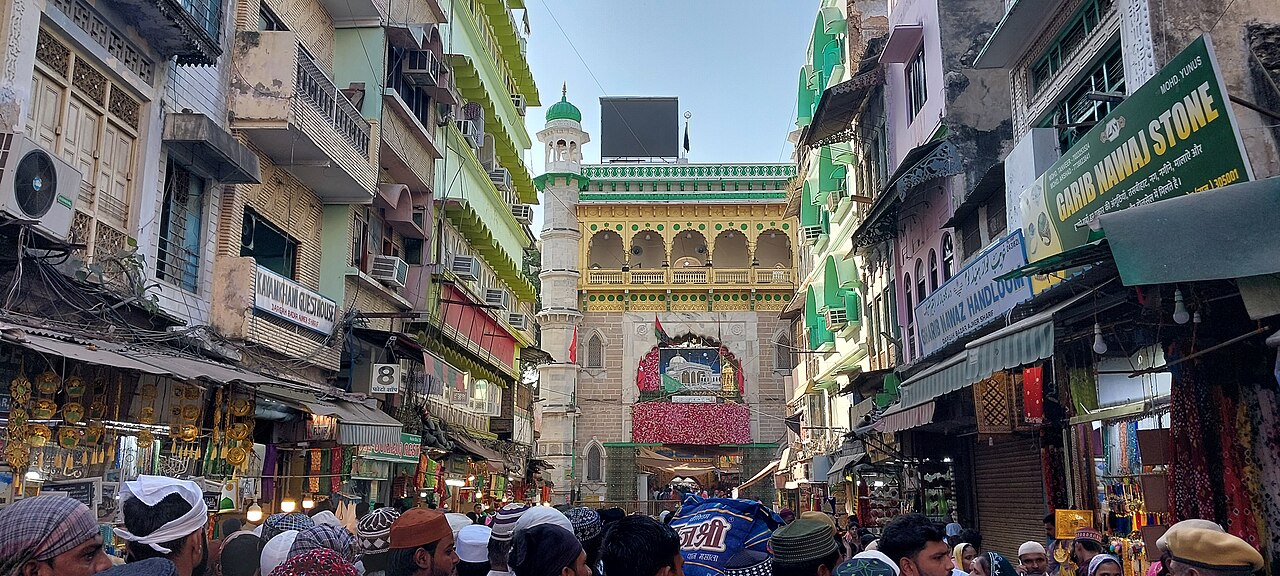
IslamAjmer Sharif Dargah
Ajmer · India · dargah
The tomb of Hazrat Khwaja Moinuddin Chishti, Gharib Nawaz, the benefactor of the poor, and the principal Sufi dargah of South Asia, where pilgrims of every community have offered chadars and shared the sweet rice of the great deghs for eight centuries.
Akbarabadi Mosque
Delhi · India · mosque
A mosque raised in 1650 by Akbarabadi Begum, a wife of the Mughal emperor Shah Jahan, in the walled city of Shahjahanabad, demolished by British forces in the aftermath of the 1857 Uprising and today marked only by disputed, unexcavated remains beneath Netaji Subhash Park in Old Delhi.
 Islam
IslamAlamgir Mosque
Varanasi · India · mosque
Raised in 1669 by the Mughal emperor Aurangzeb on the high bank above Panchganga Ghat in Varanasi, the Alamgir Mosque stands where wide stone steps meet the Ganges, its domes and surviving corner turret rising over a site earlier accounts describe as the Hindu Temple of Bindu Madhava.