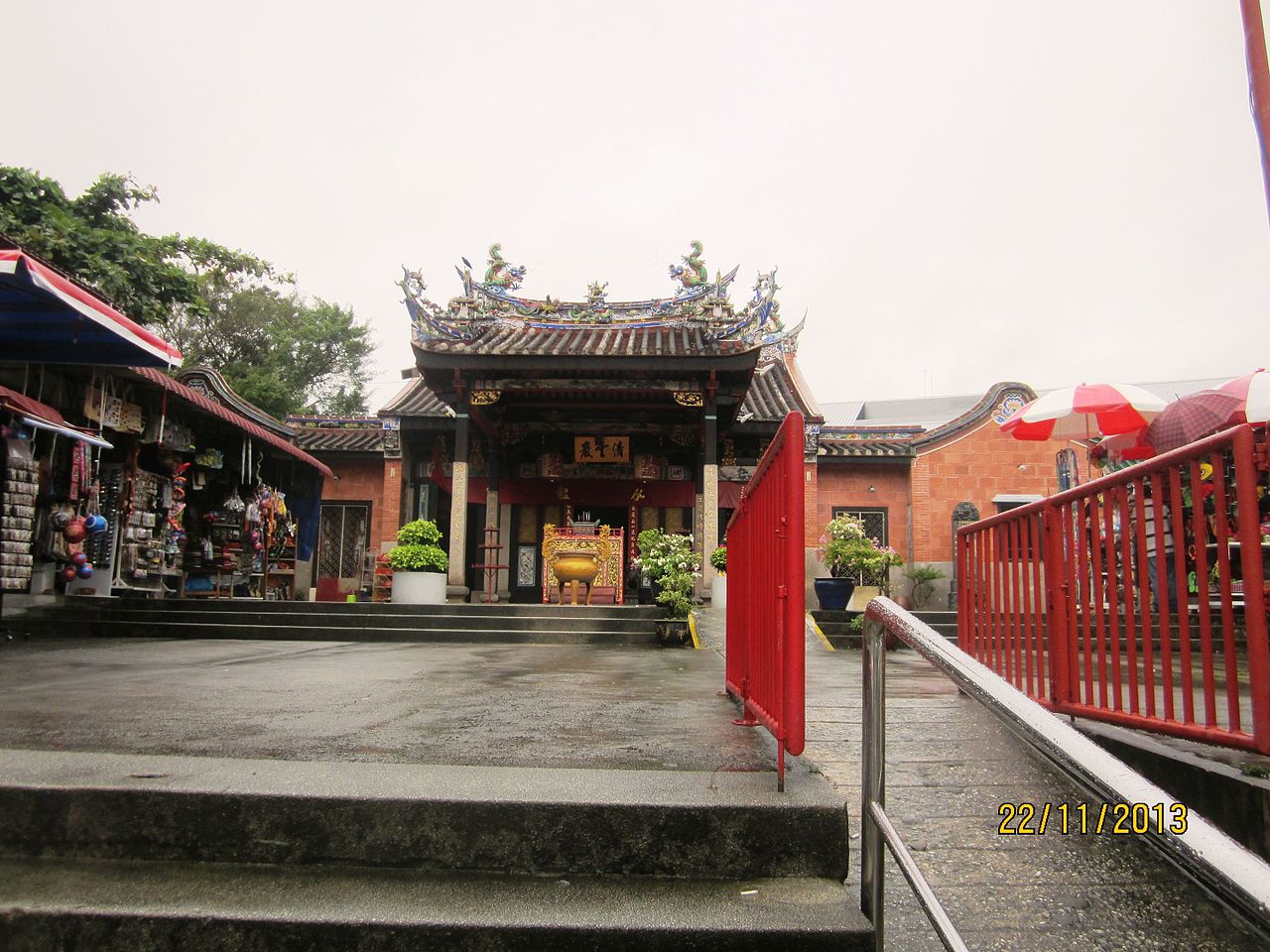
Snake Temple
Hock Hin Keong (福興宮) · Temple of the Azure Clouds · Ban Kah Lan
About
The Snake Temple, known in Chinese as Shé Miào and bearing the loftier title Temple of the Azure Clouds, stands in Bayan Lepas on the Malaysian island of Penang. The sanctuary is best known across Southeast Asia for the snakes that have made their home in its smoky inner halls, regarded by devotees as the reincarnated disciples of the deified Buddhist monk Chor Soo Kong, to whom the Temple is consecrated.
Chor Soo Kong, also called Master Qingshui, was a monk of the Song dynasty in southern China revered for his works of healing and for the gentle care he extended to creatures, including the snakes who took refuge in his hermitage. The Temple was raised in 1805 by the Chinese community of Penang to honour his memory, and tradition relates that once the building was completed, pit vipers appeared of their own accord and have remained ever since.
Pilgrims travel from across the Straits, from Singapore, Taiwan and southern China, to offer prayers and incense here, especially on the sixth day of the first lunar month, the saint's birthday. The halls are filled with the perfume of joss sticks and the quiet presence of the resident vipers coiled upon the altars and tree boughs.
The snakes are believed by tradition to be rendered docile by the sacred smoke, although for visitor safety they have been devenomed while keeping their fangs intact. Within the precinct stand two ancient brick wells known as the Dragon Eye Wells and two brass bells, and a small breeding centre established in 2005 helps to sustain the community of serpents.
History
Official Penang state tourism records date the Temple's founding to 1850, though Wikipedia and most heritage accounts place it earlier, in 1805, when Penang's Hokkien community raised a shrine to Chor Soo Kong, a healer monk of Song dynasty Fujian venerated as Master Qingshui. Tradition holds that soon after the building was completed, Wagler's pit vipers appeared of their own accord and have remained ever since, coiled along its rafters and altar rails. The Temple, formally named Hock Hin Keong, stands in what was once the settlement of Sungai Keluang, still known to Penang's Hokkien speakers as Ban Kah Lan.
Significance
Devotees travel from Singapore, Taiwan and southern China to burn incense here on Chor Soo Kong's birthday, the sixth day of the first lunar month. A snake breeding centre established in 2005 sustains the resident vipers, whose fangs remain intact even though they have been devenomed for visitor safety, a practical accommodation to a tradition of shelter that devotees trace back to Chor Soo Kong himself.
Architecture
Traditional Hokkien Chinese Temple architecture, a tiered dragon-ridge roofline in polychrome ceramic over a masonry hall
Visiting
Daily worship
| Daily opening hours | 07:00 to 18:00 |
Hours
Hours not listed.
Contact
No contact details listed yet.
Engage with Snake Temple
Through the four pathways
Seva सेवा — Service
Offer your time and skills here. The following opportunities are open at Snake Temple:
No Seva offerings listed yet.
Sādhana साधना — Practice
Learn the worship and practice associated with Snake Temple:
No Sādhana offerings listed yet.
Sandhāna सन्धान — Wisdom
Unite with the wisdom of this tradition:
No Sandhāna offerings listed yet.
Sādhya साध्य — Giving
Support this sacred place according to your means:
No Sādhya offerings listed yet.
All giving flows directly to Snake Temple. Adisthan does not take a commission.
Festivals & Events
- Feb
Chor Soo Kong's Birthday
11 February 2027 · annual
On the sixth day of the first lunar month, devotees from Penang, Singapore, Taiwan and southern China gather at the Temple to burn incense before the deified monk's image, filling its smoky halls with offerings in his honour.
Gallery
Related sacred places
 Buddhism
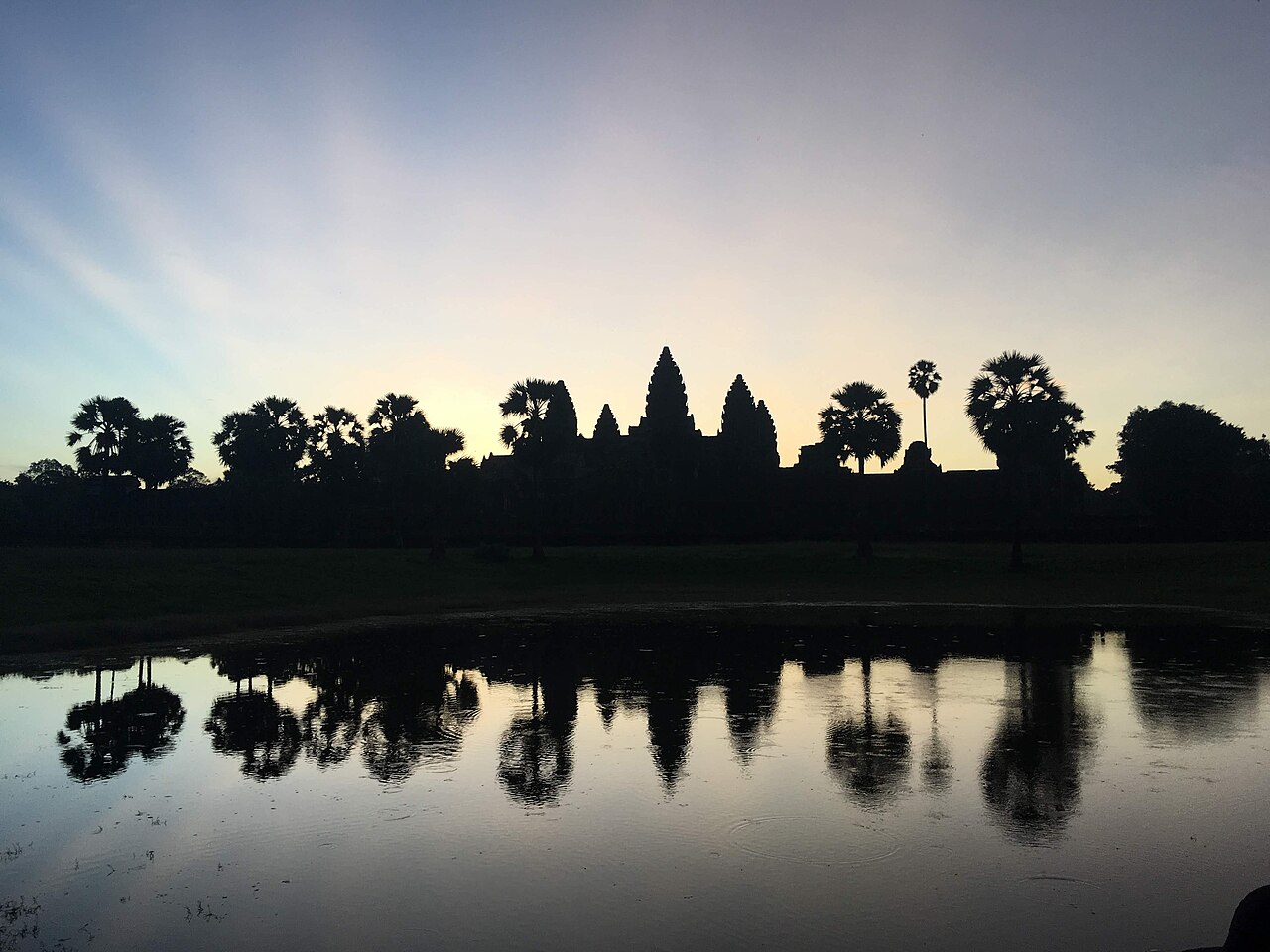
Angkor Wat
Siem Reap · Cambodia · temple
The largest religious monument on earth, built for Lord Vishnu by Suryavarman II in the 12th century and in continuous worship ever since: a living Theravada Buddhist Temple whose five towers stand on the Cambodian flag.
 Buddhism
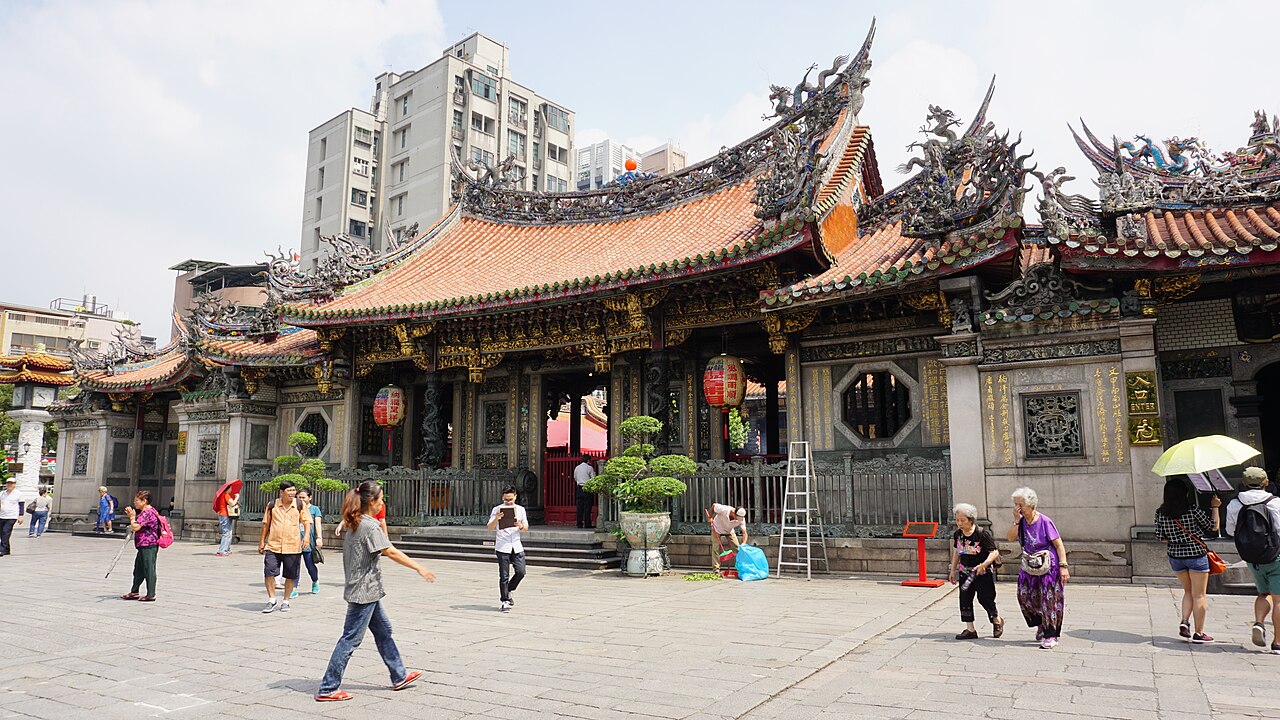
Bangka Lungshan Temple
Taipei (Wanhua) · Taiwan · temple
Taipei's mother Temple to Guanshiyin, founded by Fujian settlers in 1738 in the old Bangka quarter: a front hall to the bodhisattva of compassion and a rear hall of more than a hundred Taoist and folk gods, whose Guanyin statue survived the 1945 bombing intact.
 Buddhism
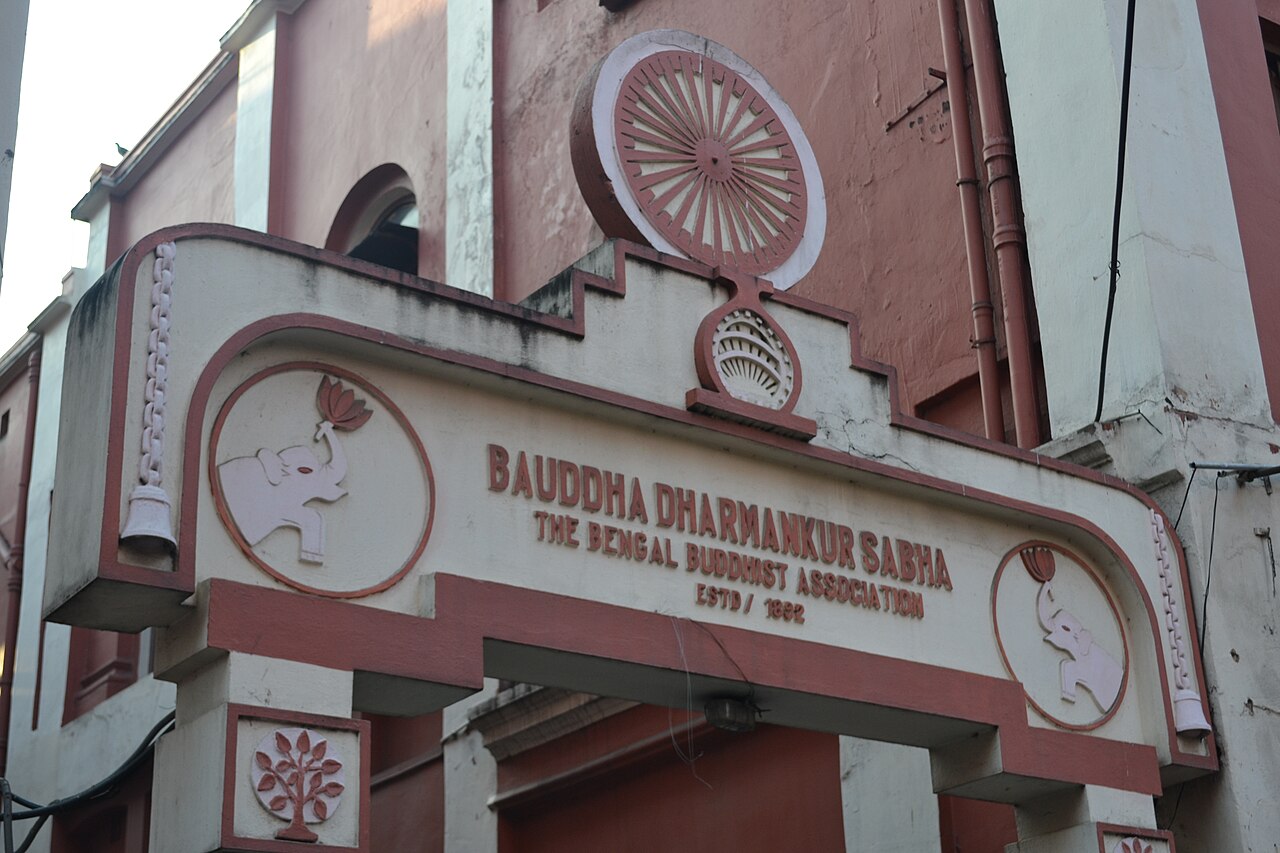
Bengal Buddhist Association
Kolkata · India · monastery
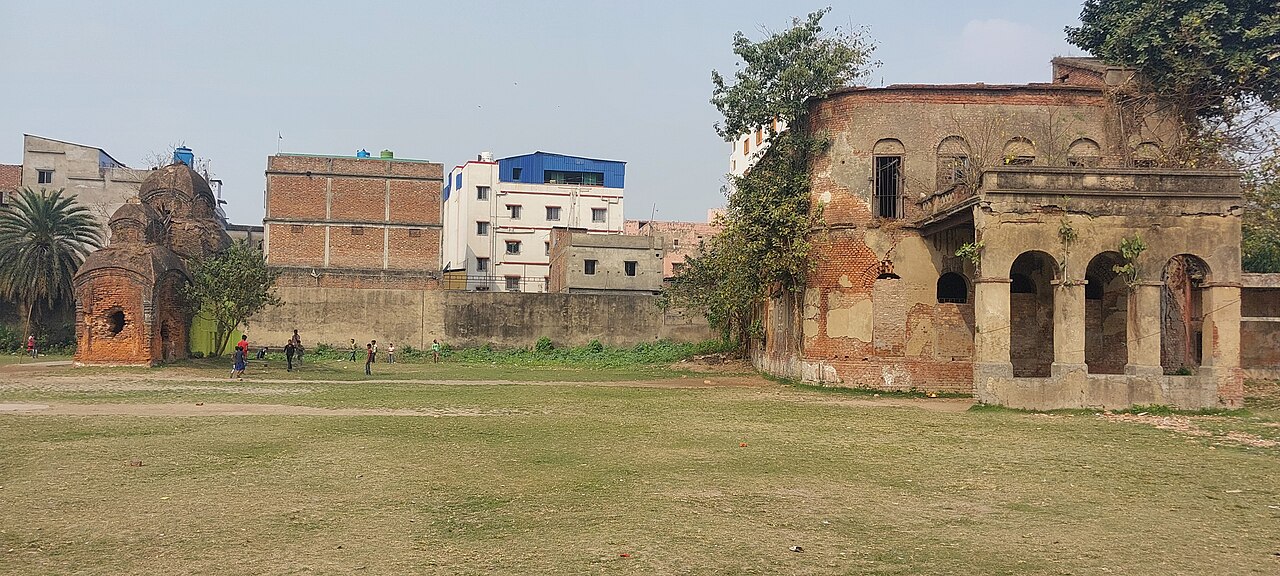
Founded in Kolkata in 1892 by Kripasaran Mahasthavir, the Bengal Buddhist Association, known in Bengali as Bauddha Dharmankur Sabha, raised the Dharmankur Vihara at Bow Barracks in 1903 and has worked for over a century to revive the Dharma in eastern India.
 Buddhism
Bhot Bagan Math
Ghusuri · India · monastery
A brick monastery on the Hooghly riverside at Ghusuri, Howrah, founded in 1776 as the first Tibetan Buddhist religious foundation on the plains of India and still known popularly as Mahakal Math for the Tibetan deity images once installed in its sanctum.
 Buddhism
Borobudur
Magelang · Indonesia · temple
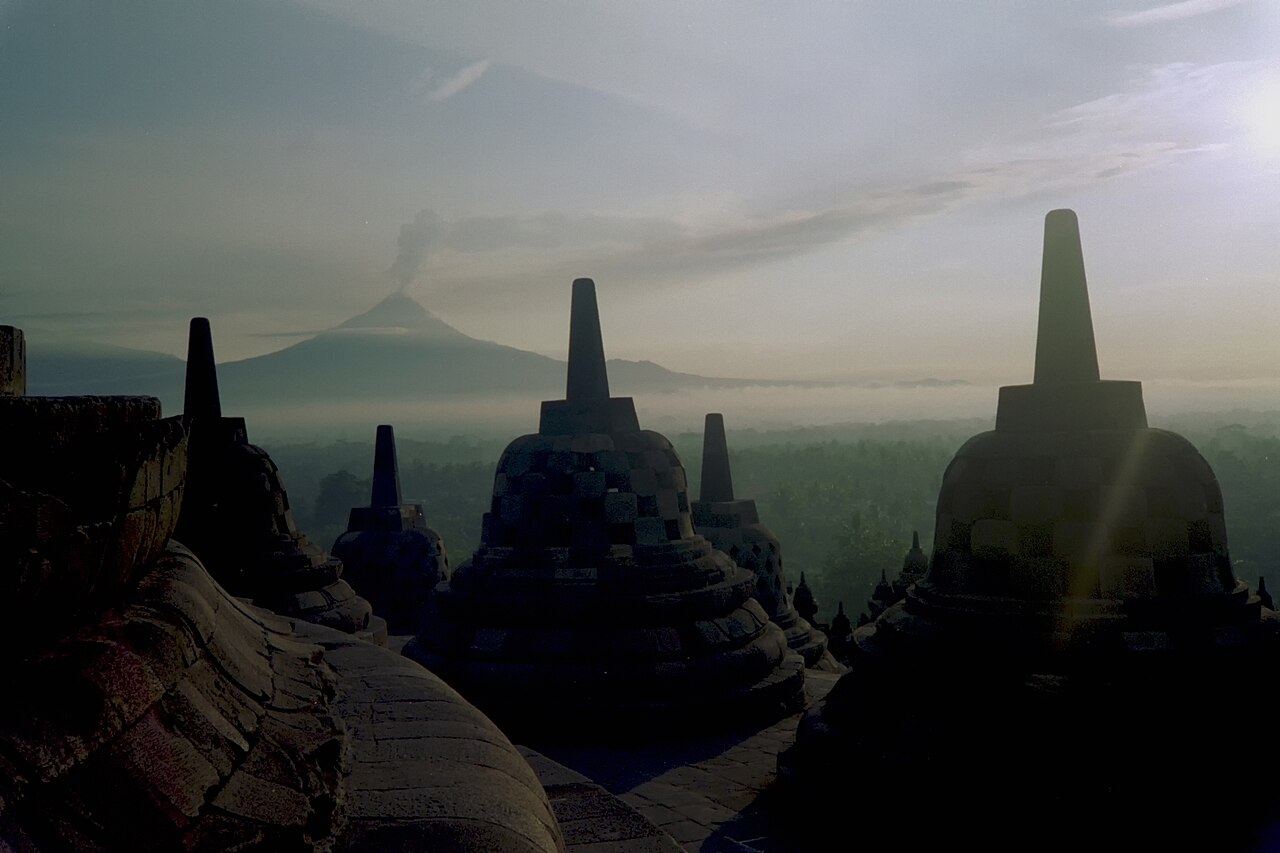
The world's largest Buddhist Temple: a ninth-century mandala in stone on Java's Kedu Plain, nine terraces rising through the three realms to 72 latticed stupas, each sheltering a seated Buddha.
 Buddhism
Boudhanath Stupa
Kathmandu · Nepal · stupa
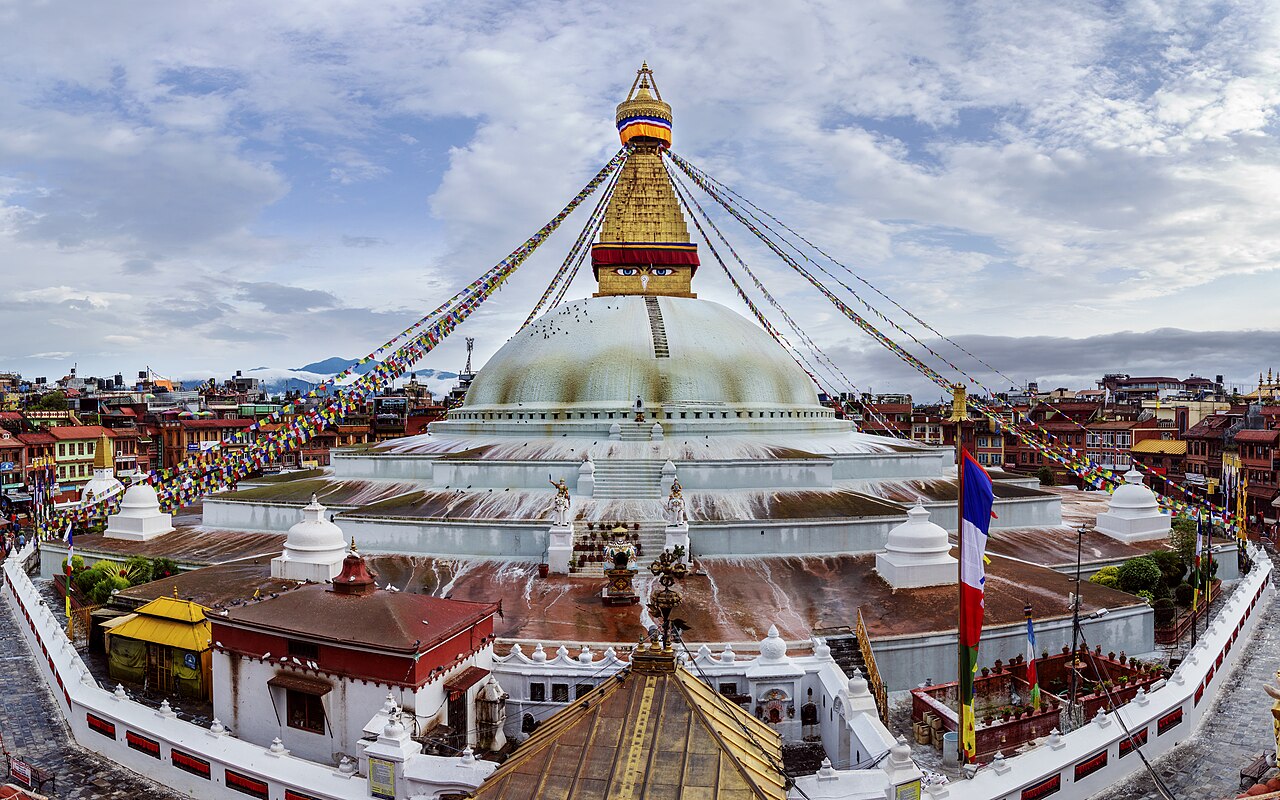
The largest spherical stupa in Nepal, its all-seeing Buddha eyes watching over the kora walked daily by the Tibetan Buddhist community of Boudha, the heart of Vajrayana practice in the Kathmandu Valley.