
Songyue Pagoda
嵩岳寺塔 (Sōngyuè Sìtǎ) · Pagoda of Songyue Temple · Songyue Si Ta
About
The Songyue Pagoda rises within the precincts of the Songyue Monastery upon the slopes of Mount Song in Henan province, central China. Raised in 523 CE during the Northern Wei dynasty, it is the earliest brick pagoda known to survive in China and one of the very few sixth-century pagodas of any kind to have withstood the passage of nearly fifteen centuries.
In 2010 the pagoda was inscribed on the UNESCO World Heritage List as part of the Historic Monuments of Dengfeng in the Centre of Heaven and Earth, a site gathering the sanctuaries built across Mount Song to mark what Chinese cosmology long regarded as the central axis of the world.
The form of the tower bears witness to the meeting of two traditions. From the rounded stupa of India the Songyue Pagoda inherits its tapering vertical profile and its function as a reliquary; from the architectural sensibilities of China it takes its sharp courses of brick and the suggestion of timber bracketing. The result is the twelve-sided shaft that distinguishes Songyue from later square or octagonal Chinese pagodas.
Rising about forty metres in height, the pagoda is built of yellow brick bonded with clay mortar, its perimeter narrowing as it ascends in a manner reminiscent of the stupas of Central Asia. The tower stands amid the wooded mountain landscape that has drawn Buddhist and Daoist hermits to Mount Song since the early medieval centuries, near the famed Shaolin Monastery.
History
Built in 523 CE during the Northern Wei dynasty, a period that also produced the rock-cut sanctuaries of Yungang and Longmen, the Songyue Pagoda is the earliest brick pagoda known to survive in China. Its twelve-sided profile, unique among Chinese pagodas, translates the rounded stupa form carried from India into a tower of sharp brick courses and fifteen closely set eaves. Its underground chambers once sheltered Buddhist relics, transcripts of scripture and images of the Buddha. In 2010 it was inscribed on the UNESCO World Heritage List as part of the Historic Monuments of Dengfeng, the Centre of Heaven and Earth.
Significance
Honoured as the prototype from which a long lineage of Chinese pagodas descended, the Songyue Pagoda preserves the earliest visible synthesis of Indian and Chinese sacred form still standing. It rises today within the wooded slopes of Mount Song, near the Shaolin Monastery, in a landscape that has drawn Buddhist and Daoist hermits for fifteen centuries.
Architecture
Northern Wei dynasty brick pagoda architecture, a twelve-sided tapering tower of fifteen close-set eaves blending the Indian stupa form with Chinese masonry technique
Visiting
Hours
Hours not listed.
Contact
No contact details listed yet.
Engage with Songyue Pagoda
Through the four pathways
Seva सेवा — Service
Offer your time and skills here. The following opportunities are open at Songyue Pagoda:
No Seva offerings listed yet.
Sādhana साधना — Practice
Learn the worship and practice associated with Songyue Pagoda:
No Sādhana offerings listed yet.
Sandhāna सन्धान — Wisdom
Unite with the wisdom of this tradition:
No Sandhāna offerings listed yet.
Sādhya साध्य — Giving
Support this sacred place according to your means:
No Sādhya offerings listed yet.
All giving flows directly to Songyue Pagoda. Adisthan does not take a commission.
Gallery
Related sacred places
 Buddhism
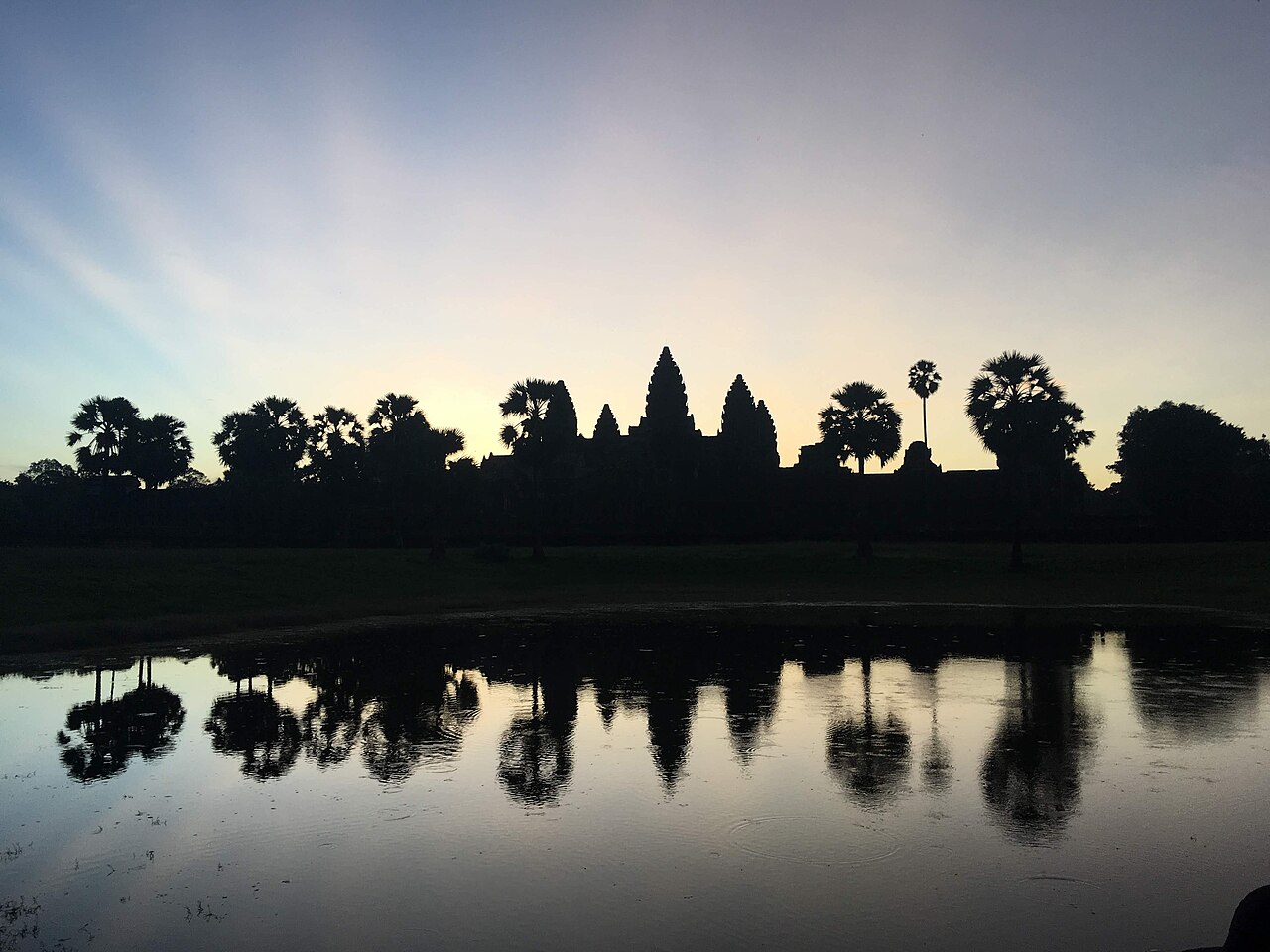
Angkor Wat
Siem Reap · Cambodia · temple
The largest religious monument on earth, built for Lord Vishnu by Suryavarman II in the 12th century and in continuous worship ever since: a living Theravada Buddhist Temple whose five towers stand on the Cambodian flag.
 Buddhism
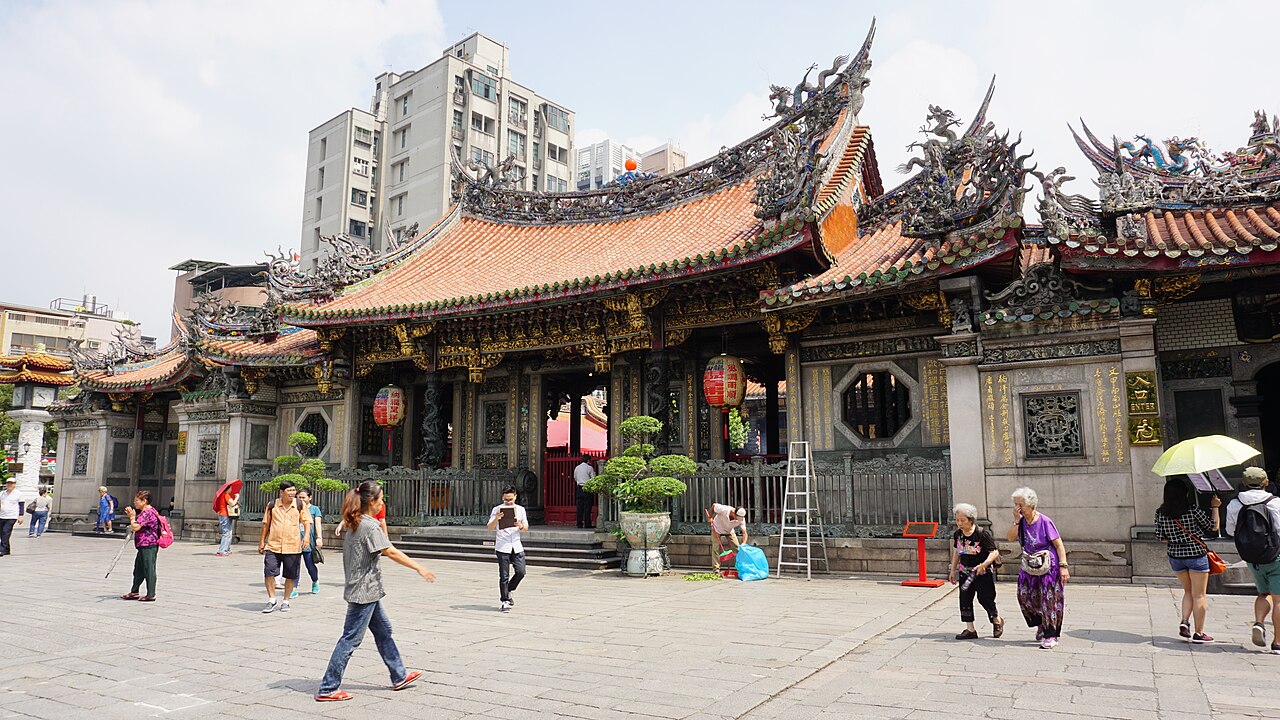
Bangka Lungshan Temple
Taipei (Wanhua) · Taiwan · temple
Taipei's mother Temple to Guanshiyin, founded by Fujian settlers in 1738 in the old Bangka quarter: a front hall to the bodhisattva of compassion and a rear hall of more than a hundred Taoist and folk gods, whose Guanyin statue survived the 1945 bombing intact.
 Buddhism
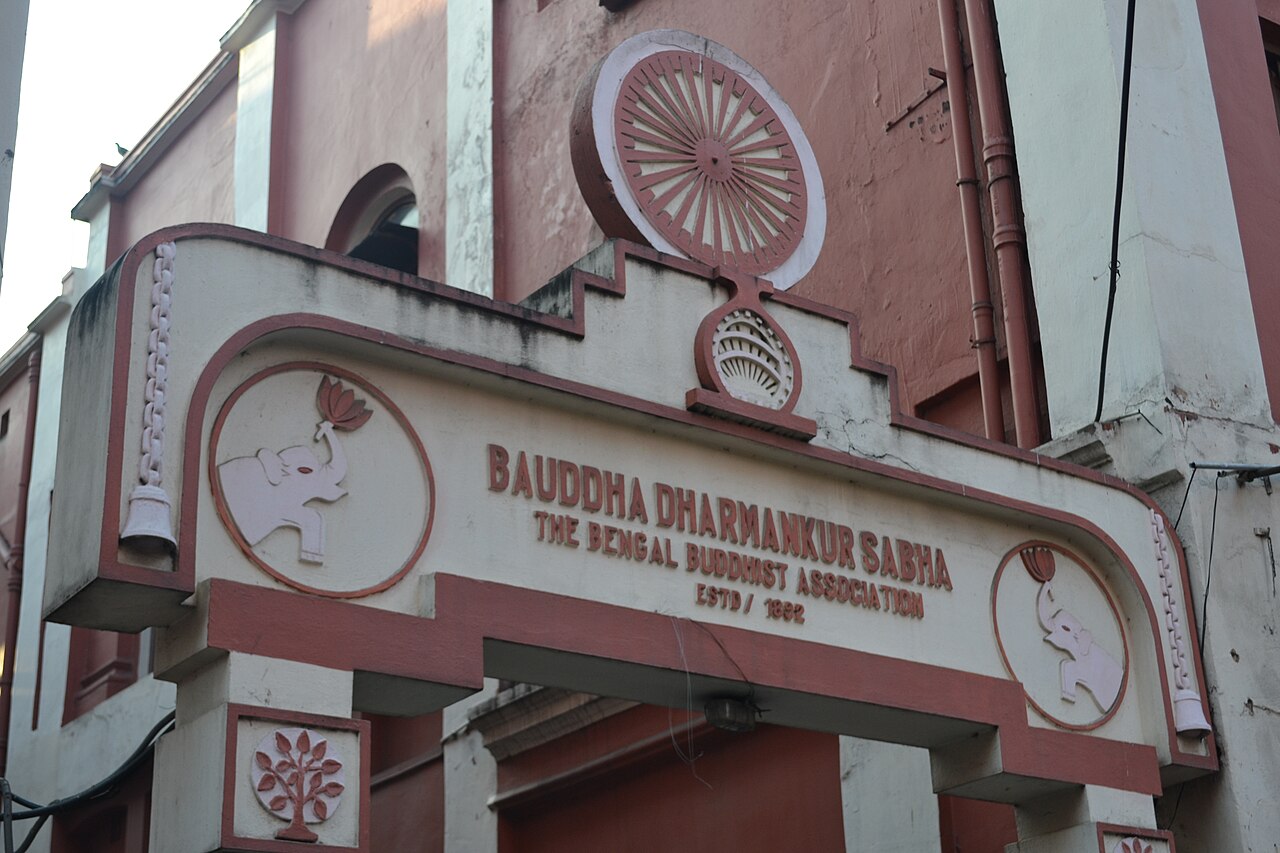
Bengal Buddhist Association
Kolkata · India · monastery
Founded in Kolkata in 1892 by Kripasaran Mahasthavir, the Bengal Buddhist Association, known in Bengali as Bauddha Dharmankur Sabha, raised the Dharmankur Vihara at Bow Barracks in 1903 and has worked for over a century to revive the Dharma in eastern India.
 Buddhism
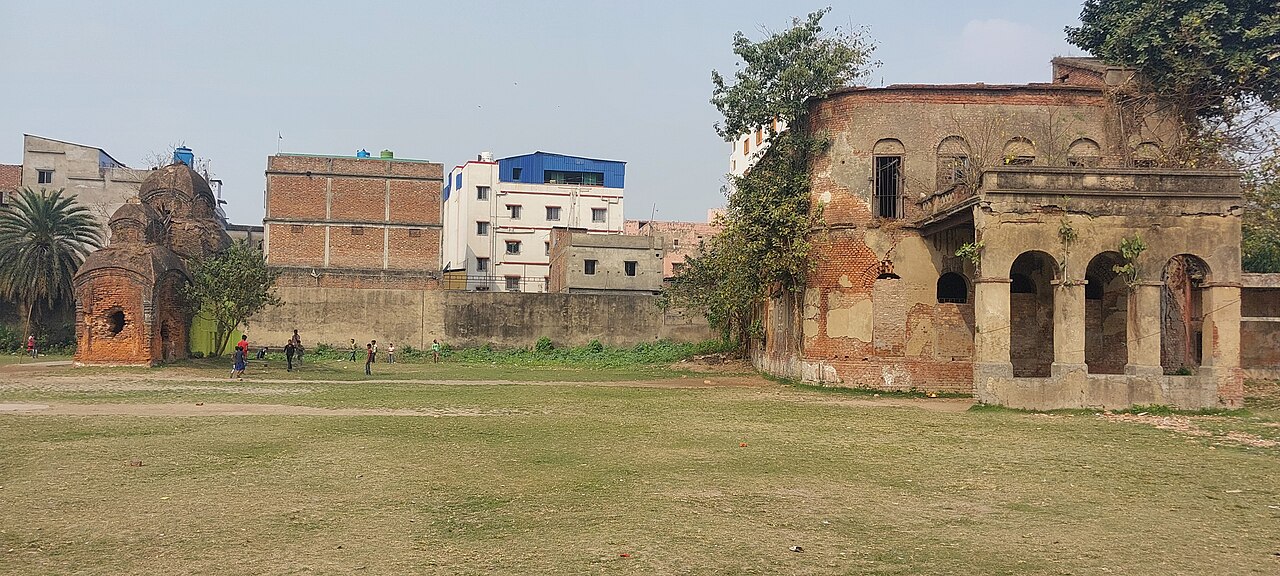
Bhot Bagan Math
Ghusuri · India · monastery
A brick monastery on the Hooghly riverside at Ghusuri, Howrah, founded in 1776 as the first Tibetan Buddhist religious foundation on the plains of India and still known popularly as Mahakal Math for the Tibetan deity images once installed in its sanctum.
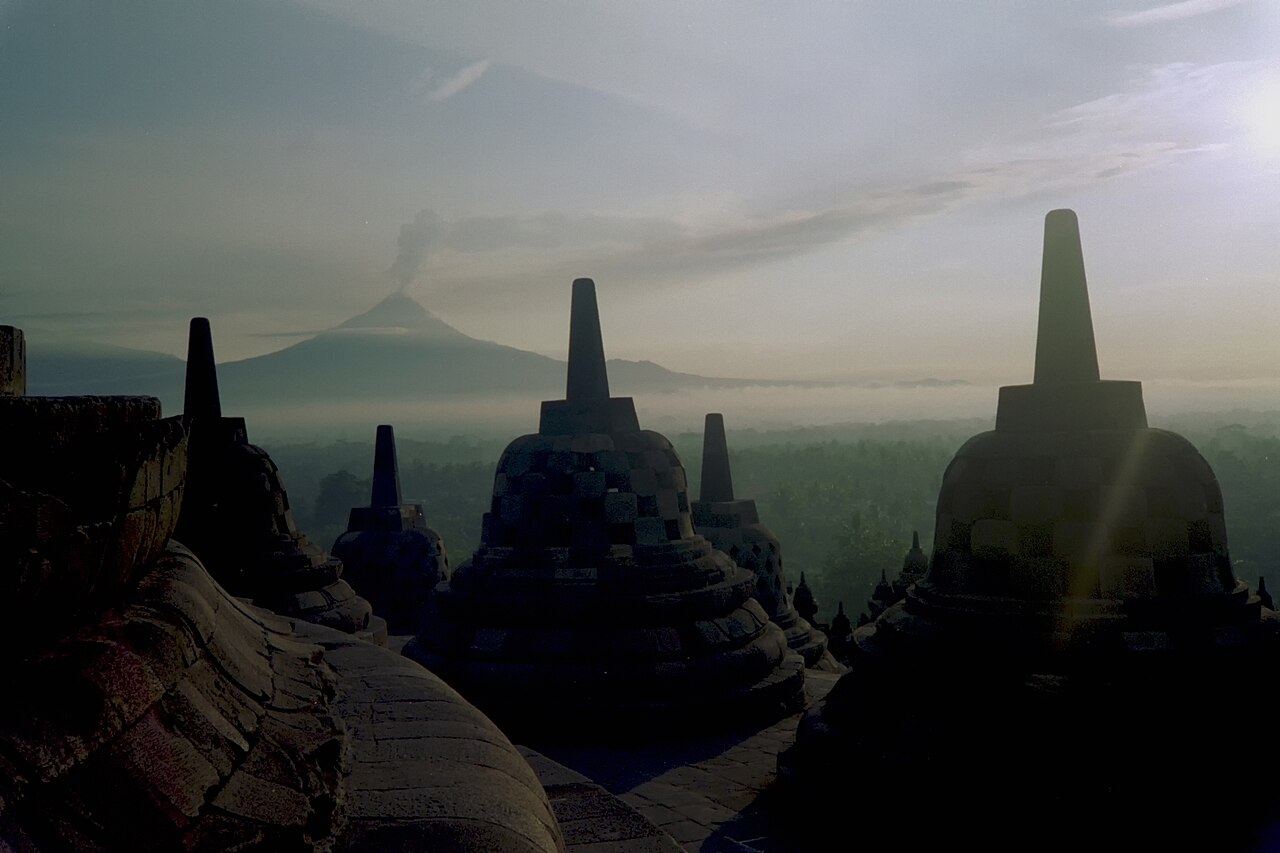 Buddhism
Borobudur
Magelang · Indonesia · temple
The world's largest Buddhist Temple: a ninth-century mandala in stone on Java's Kedu Plain, nine terraces rising through the three realms to 72 latticed stupas, each sheltering a seated Buddha.
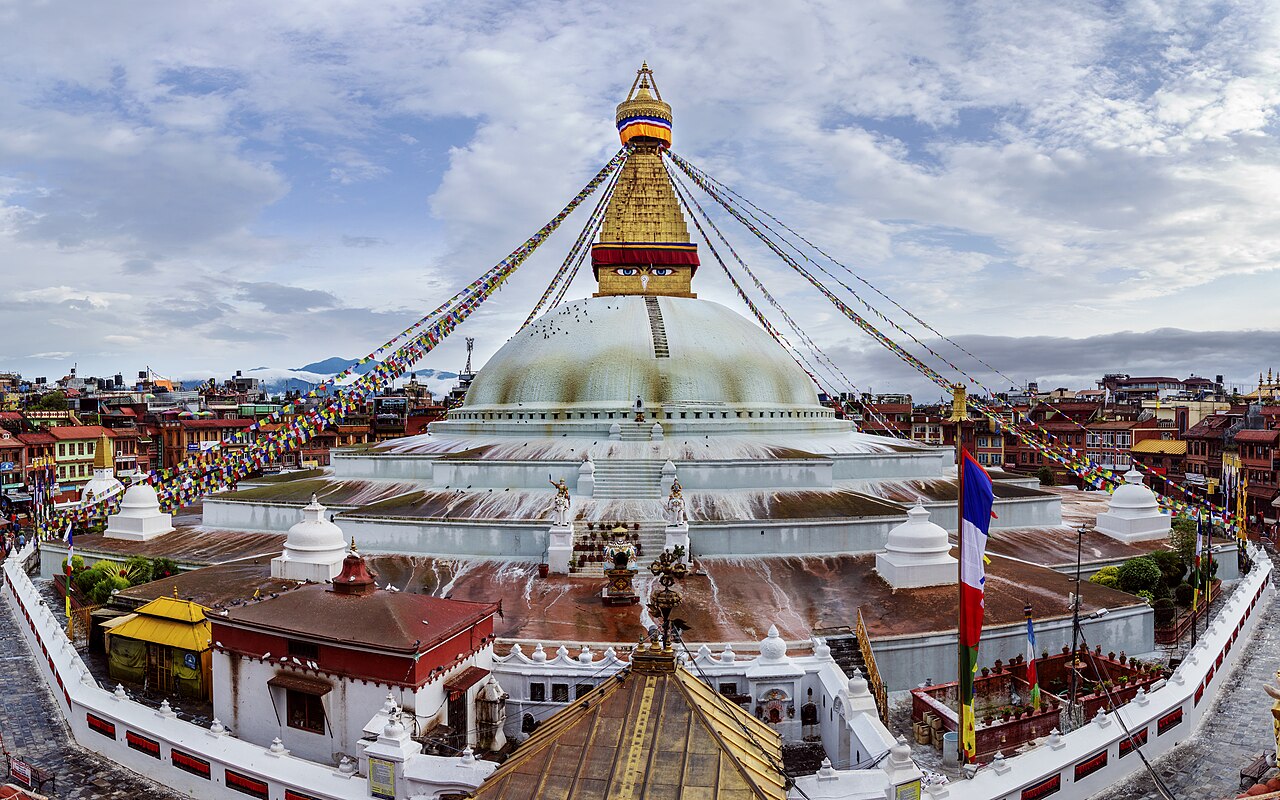 Buddhism
Boudhanath Stupa
Kathmandu · Nepal · stupa
The largest spherical stupa in Nepal, its all-seeing Buddha eyes watching over the kora walked daily by the Tibetan Buddhist community of Boudha, the heart of Vajrayana practice in the Kathmandu Valley.