
Sumiyoshi Shrine
住吉神社 · Sumiyoshi Jinja · Hakata Sumiyoshi Shrine
About
The Sumiyoshi Jinja of Hakata stands in the city of Fukuoka on the island of Kyushu and is honoured as one of the three foundational Sumiyoshi shrines of Japan, alongside the Sumiyoshi-taisha of Osaka and the Sumiyoshi Shrine of Shimonoseki. Sanctuaries bearing the Sumiyoshi name belong to a wide shrine network extending from Hokkaidō to the southern islands.
The kami enshrined are the three Sumiyoshi sanjin, the divinities Sokotsutsu no Onomikoto, Nakatsutsu no Onomikoto and Uwatsutsu no Onomikoto, born from the purification rites of Izanagi-no-Mikoto upon his return from Yomi. Together with Empress Jingū they are venerated as guardians of seafarers, fishermen and the safe passage of voyages.
The Hakata sanctuary's connection to the sea is woven into its setting, for the shrine has stood since antiquity near the great port through which Japan exchanged envoys, goods and learning with the Korean peninsula and the Chinese mainland.
The shrine continues to celebrate its principal annual festivals, including the autumn matsuri with its sumo wrestling rituals, the New Year hatsumōde drawing thousands of pilgrims, and the various rites of marine purification. The honden is a fine example of the distinctive Sumiyoshi-zukuri style of Shinto architecture, with its straight-roofed sanctuary derived from ancient cult halls.
History
The shrine's own record traces its worship into antiquity, and it is first named in the Shoku Nihongi in 737 CE, when offerings were made here to Chikushi Sumiyoshi during a season of tension with the Korean kingdom of Silla. Sanctuaries carrying the Sumiyoshi name spread from here across the country, and this Hakata shrine is counted with Sumiyoshi-taisha in Osaka and the Sumiyoshi shrine of Shimonoseki as one of Japan's three great Sumiyoshi sanctuaries, its own tradition holding it to be the eldest of the three. The present honden was raised in 1623 by the daimyo Kuroda Nagamasa, built in the archaic Sumiyoshi-zukuri style, a straight gabled roofline without the curve later styles adopted, its timbers painted vermilion beneath white walls. The Japanese state recognised the honden as a National Important Cultural Property in 1922, and ranked the shrine itself Kanpei-shosha, third grade of the Imperial shrines, in 1925.
Significance
The Sumiyoshi kami here are venerated above all as guardians of seafarers and of safe passage, a devotion rooted in this shrine's place beside the old port through which Hakata exchanged envoys, goods and learning with the Korean peninsula and mainland China across many centuries. Its Sumiyoshi-zukuri honden, among the oldest forms of shrine architecture still standing, lets worshippers today pray before a building whose plan predates the curved-roof styles that came to define most later shrines.
Architecture
Sumiyoshi-zukuri, among the oldest styles of Shinto shrine architecture: a straight-gabled honden without a curved roof, vermilion-painted pillars and white walls; honden built 1623, designated a National Important Cultural Property in 1922
Visiting
Daily worship
| Shrine reception office (授与所) | 09:00 to 17:00 |
Hours
Hours not listed.
Engage with Sumiyoshi Shrine
Through the four pathways
Seva सेवा — Service
Offer your time and skills here. The following opportunities are open at Sumiyoshi Shrine:
No Seva offerings listed yet.
Sādhana साधना — Practice
Learn the worship and practice associated with Sumiyoshi Shrine:
No Sādhana offerings listed yet.
Sandhāna सन्धान — Wisdom
Unite with the wisdom of this tradition:
No Sandhāna offerings listed yet.
Sādhya साध्य — Giving
Support this sacred place according to your means:
No Sādhya offerings listed yet.
All giving flows directly to Sumiyoshi Shrine. Adisthan does not take a commission.
Festivals & Events
- Oct
Reitaisai (Grand Festival)
13 October 2026 · annual
The shrine's principal annual festival, opening with a night rite on the 12th, its main day bringing a children's procession, yabusame mounted archery, and a sumo tournament for local schoolchildren, before the closing Nosai rite on the 14th.
- Nov
Bushasai
7 November 2026 · annual
An autumn archery rite performed for the peace of the nation and protection from disease.
- Feb
Setsubun-sai
3 February 2027 · annual
The seasonal turning between winter and spring, marked at the shrine with purification rites and the scattering of beans to drive away misfortune.
- Mar
Otasai
7 March 2027 · annual
A rice-planting festival asking the Sumiyoshi kami's blessing on the coming harvest.
- Apr
Shiohisai
3 April 2027 · annual
A festival for safety at sea and on the road, drawing on the Sumiyoshi kami's ancient role as guardians of mariners.
Gallery
Related sacred places
 Shinto
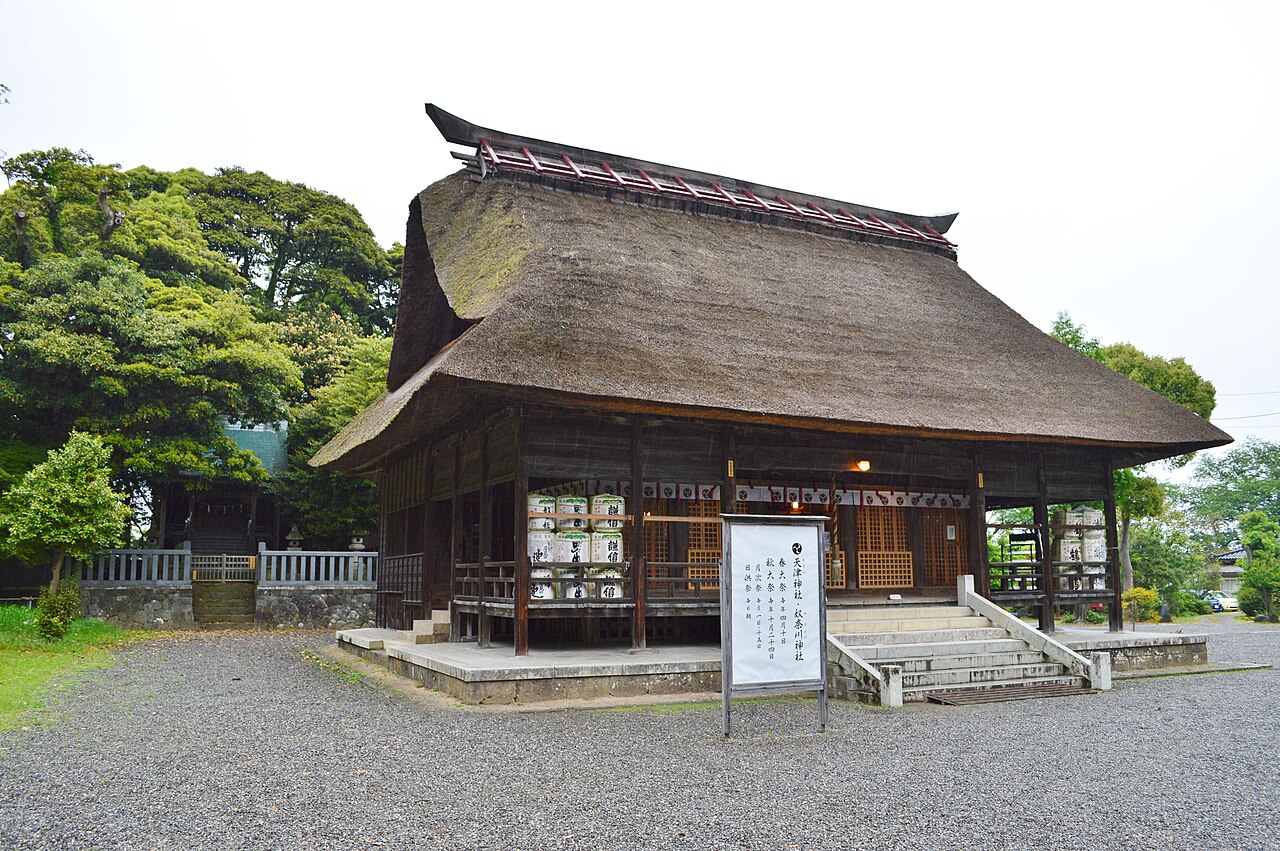
Amatsu Shrine
Itoigawa · Japan · shrine
A venerable jinja in the Ichinomiya quarter of Itoigawa on Japan's Sea of Japan coast, one of three shrines that each claim to have been the ichinomiya, the foremost shrine, of the old province of Echigo.
 Shinto
Fujisaki Hachimangū
Kumamoto · Japan · shrine
Fujisaki Hachimangū is a Shinto shrine in the heart of Kumamoto's Chūō ward, enshrining Hachiman as Emperor Ōjin together with Empress Jingū and the Sumiyoshi Sanjin, and revered for over a thousand years as guardian kami of the Higo region.
 Shinto
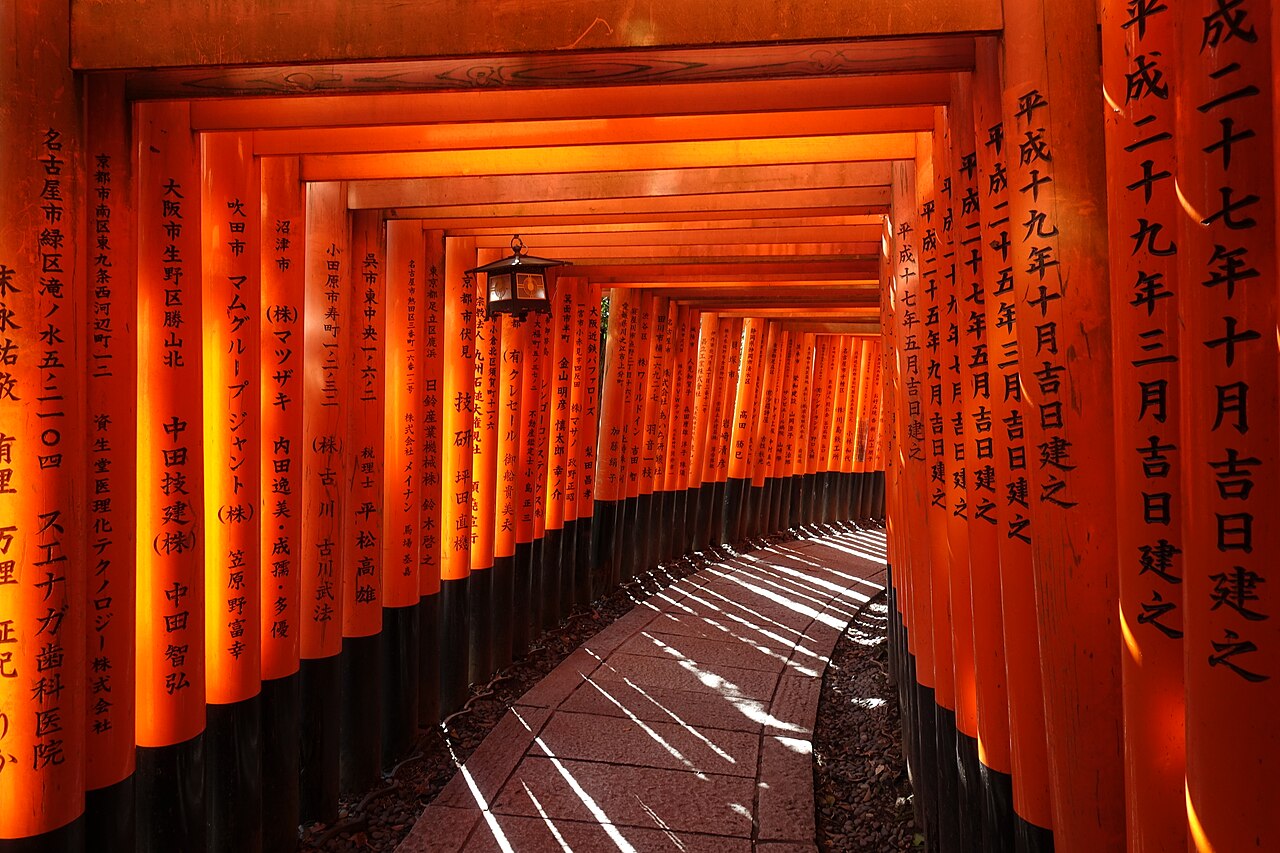
Fushimi Inari Taisha
Kyoto · Japan · shrine
The head shrine of Japan's roughly 30,000 Inari shrines, where some 10,000 vermilion torii climb sacred Mount Inari and white fox messengers watch every path.
 Shinto
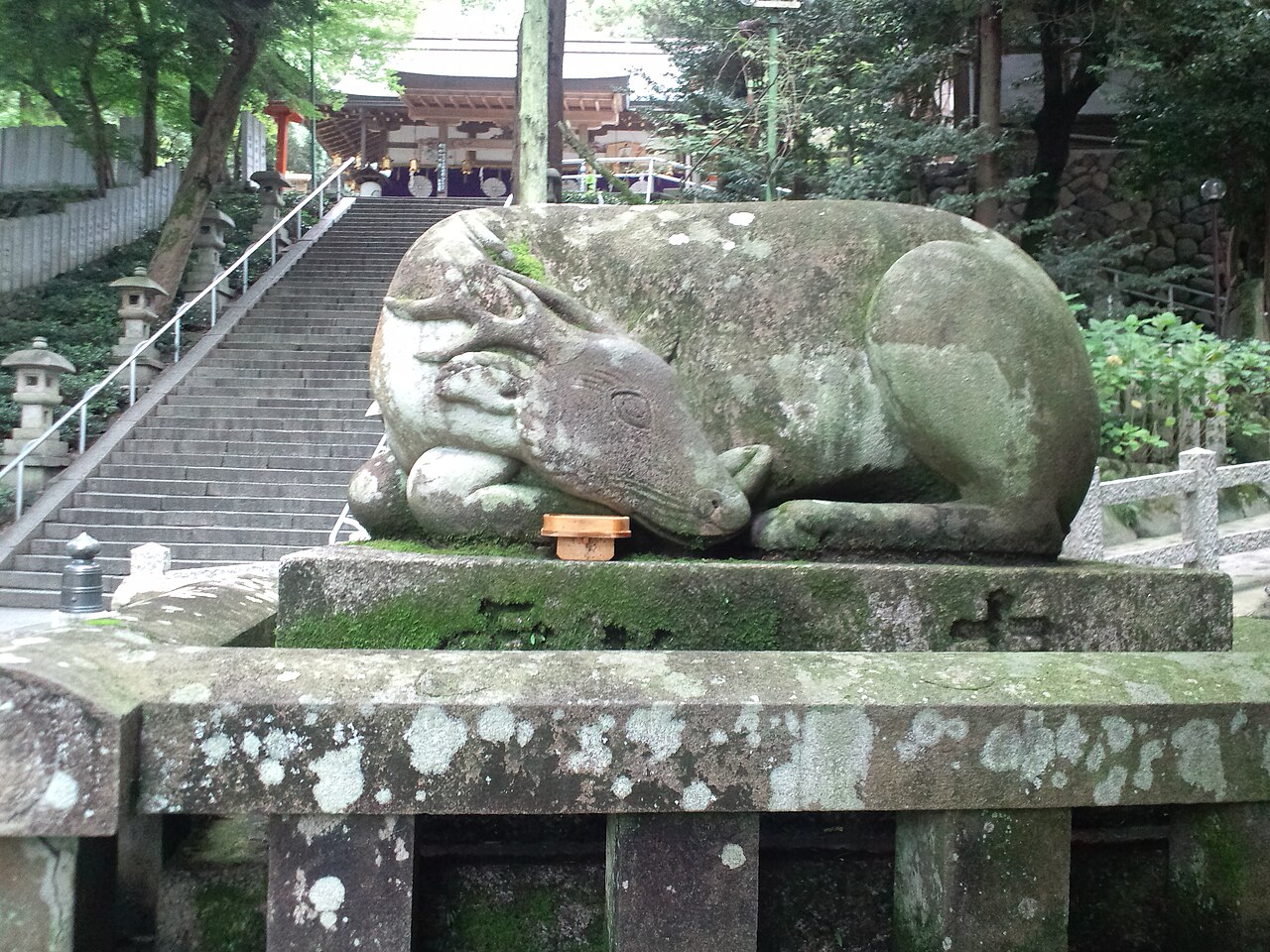
Hiraoka Shrine
Higashiosaka · Japan · shrine
The Ichinomiya, or foremost shrine, of the old province of Kawachi, set on the wooded western slope of the Ikoma range, where the ancestral kami of the Fujiwara clan were worshipped centuries before two of them were carried east to found Nara's Kasuga Taisha.
 Shinto
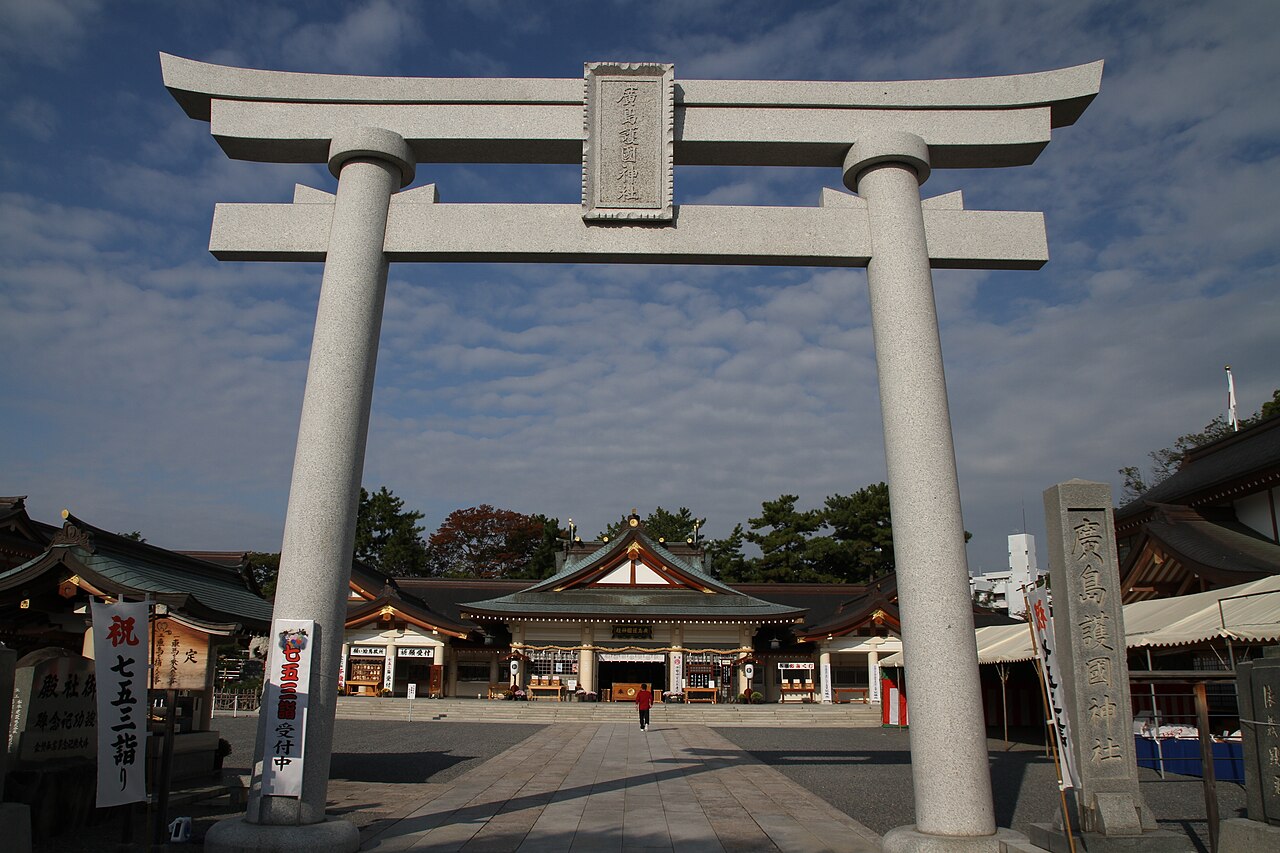
Hiroshima Gokoku Shrine
Hiroshima · Japan · shrine
A Shinto shrine within the grounds of Hiroshima Castle honouring the war dead of Hiroshima, destroyed in the atomic bombing of 1945 and rebuilt by the city's own citizens in the years that followed.
 Shinto
Ise Jingu (Ise Grand Shrine)
Ise · Japan · shrine
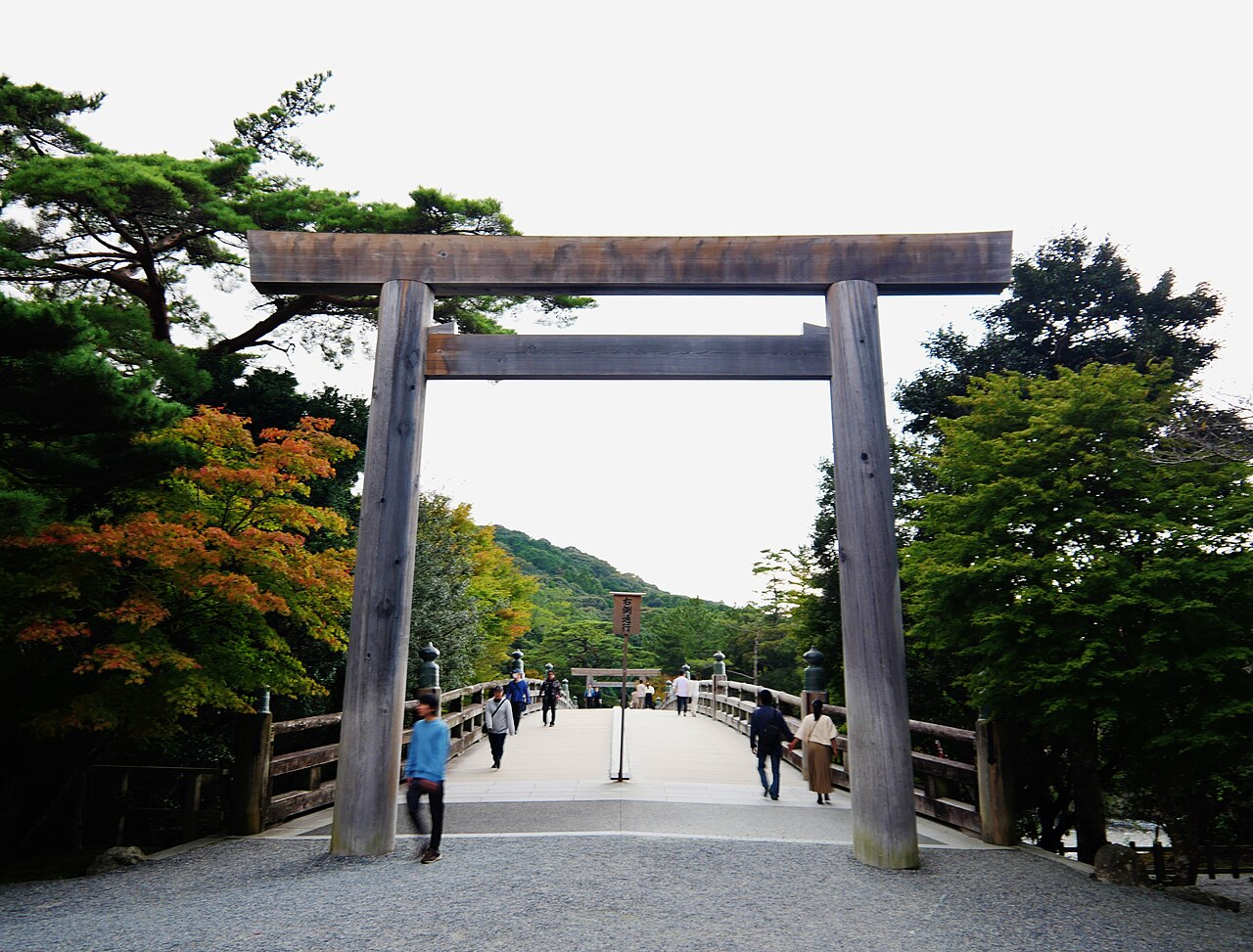
The most venerable sanctuary of Shinto: 125 shrines in the forests of Ise, where Amaterasu-Omikami dwells at the Naiku and Toyouke-Omikami at the Geku, and the whole sanctuary is rebuilt anew every twenty years.