
Suwa Shrine
Suwa Jinja · Nagasaki Suwa Shrine · Chinzei Taisha (鎮西大社) · O-Suwa-san
About
Suwa Jinja rises upon a wooded hill above the harbour city of Nagasaki on the island of Kyushu and is venerated as the principal Shinto shrine of the city. Its precincts are reached by a long flight of stone steps ascending through successive torii gates, opening upon halls dedicated to Suwa Daimyōjin, drawn from the great Suwa shrine network headed by Suwa-taisha in Nagano Prefecture.
The shrine was founded in the early seventeenth century to anchor Shinto identity in a city deeply marked by Portuguese Catholic missionary work in the preceding decades. As Japan entered the policy of seclusion under the Tokugawa shogunate, the shrine became a centre of religious renewal and civic gathering for the residents of Nagasaki, including the merchant community trading at Dejima.
Nagasaki Suwa Jinja is best known for the autumn Nagasaki Kunchi festival, observed from the seventh to the ninth of October. The festival features a remarkable parade of dances brought to the shrine by the city's neighbourhood guilds in turn, incorporating Chinese dragon dances, Dutch-themed shipboard pageants and traditional Japanese forms.
Throughout the rest of the year the shrine sustains the rhythms of daily Shinto observance, gathering visitors at the New Year, for life-cycle blessings and for the seasonal rites that link the urban community to the kami and to the wider Suwa network.
History
Suwa Shrine traces its founding to 1614, when a small marker was first raised on the mountainside to gather Nagasaki's scattered Shinto faithful at a time when Portuguese Catholic missionary activity had deeply reshaped the city's religious life. The priest Aoki Kenmotsu petitioned Nagasaki's magistrate to establish the shrine properly, and under his care as its first chief priest from 1632 the shrine grew, moving to its present site on Mount Tamazono in 1648. Fire later destroyed the shrine buildings, and the present halls were rebuilt in 1869 by imperial order. Suwa Shrine survived the atomic bombing of Nagasaki on 9 August 1945 largely intact.
Significance
Suwa Shrine unites three lines of kami under one roof: Takeminakata-no-kami with Yasakatome-no-kami of the Suwa lineage, drawn from the great Suwa Taisha network of Nagano Prefecture, the creator deities Izanagi-no-kami and Izanami-no-kami of its Morisaki lineage, and the three Sumiyoshi deities who watch over sailors and safe harbour, fitting devotion for a city built on maritime trade. Its autumn festival, Nagasaki Kunchi, held from 7 to 9 October, is designated an Important Intangible Folk Cultural Property of Japan and remains the clearest living expression of Nagasaki's centuries as Japan's one window onto the Chinese and Dutch worlds.
Architecture
Traditional Japanese Shinto shrine architecture approached by a stone stairway through a series of stone torii gates; the present halls date to an 1869 imperial-order reconstruction
Visiting
Hours
Hours not listed.
Contact
Engage with Suwa Shrine
Through the four pathways
Seva सेवा — Service
Offer your time and skills here. The following opportunities are open at Suwa Shrine:
No Seva offerings listed yet.
Sādhana साधना — Practice
Learn the worship and practice associated with Suwa Shrine:
No Sādhana offerings listed yet.
Sandhāna सन्धान — Wisdom
Unite with the wisdom of this tradition:
No Sandhāna offerings listed yet.
Sādhya साध्य — Giving
Support this sacred place according to your means:
No Sādhya offerings listed yet.
All giving flows directly to Suwa Shrine. Adisthan does not take a commission.
Festivals & Events
- Oct
Nagasaki Kunchi
7 October 2026 · annual
The shrine's grand autumn festival, in which each of Nagasaki's neighbourhood guilds takes its turn to bring a dance offering before Suwa Shrine, weaving Chinese dragon dances and model Dutch ships together with Japanese forms built over four centuries of the city's contact with the wider world.
Gallery
Related sacred places
 Shinto
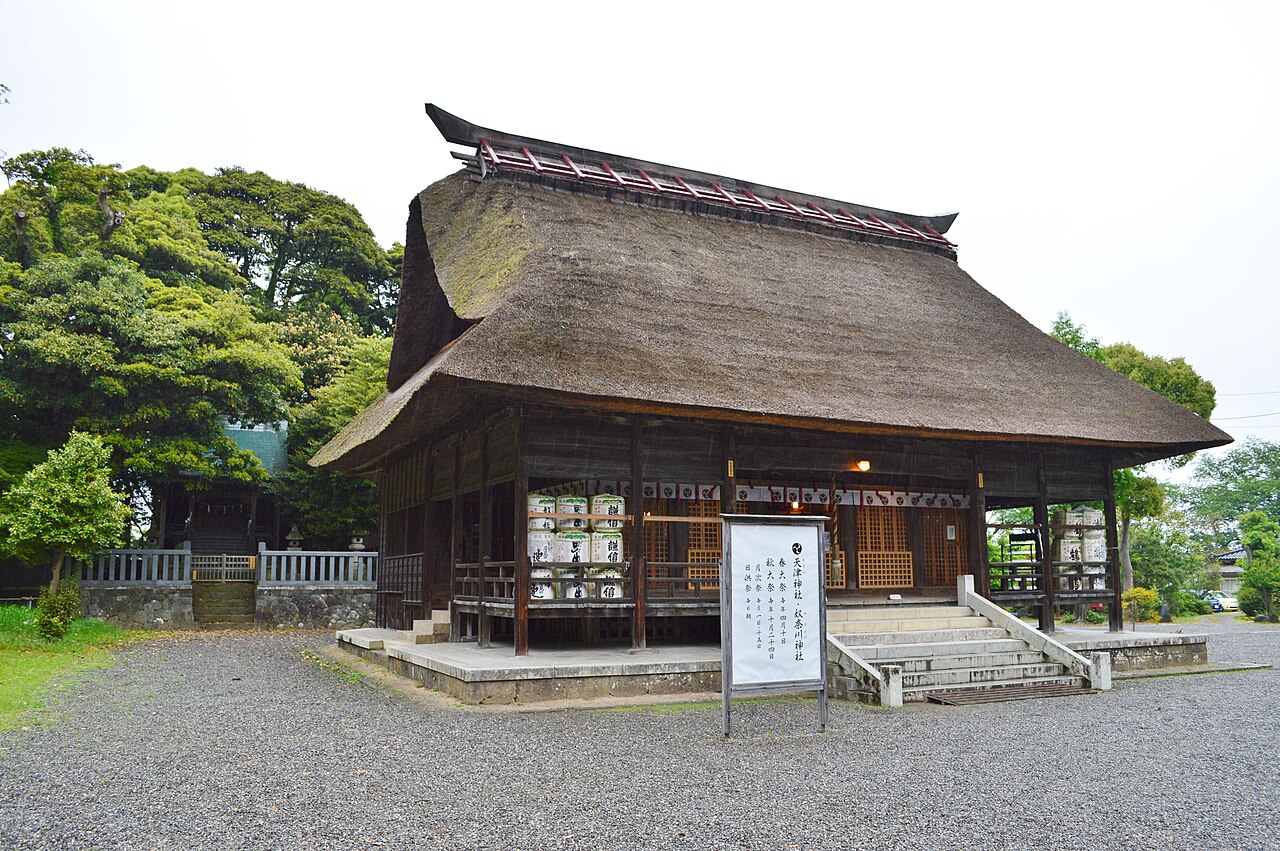
Amatsu Shrine
Itoigawa · Japan · shrine
A venerable jinja in the Ichinomiya quarter of Itoigawa on Japan's Sea of Japan coast, one of three shrines that each claim to have been the ichinomiya, the foremost shrine, of the old province of Echigo.
 Shinto
Fujisaki Hachimangū
Kumamoto · Japan · shrine
Fujisaki Hachimangū is a Shinto shrine in the heart of Kumamoto's Chūō ward, enshrining Hachiman as Emperor Ōjin together with Empress Jingū and the Sumiyoshi Sanjin, and revered for over a thousand years as guardian kami of the Higo region.
 Shinto
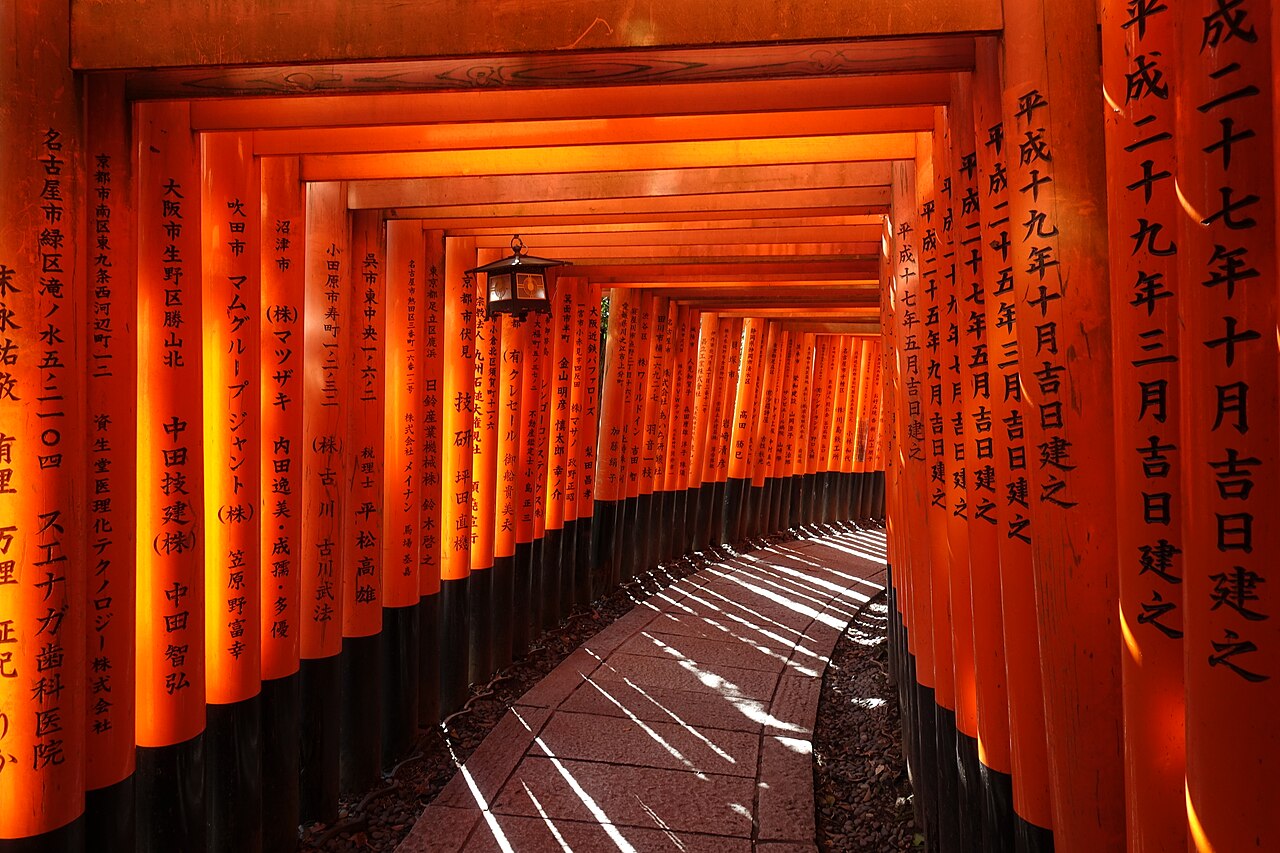
Fushimi Inari Taisha
Kyoto · Japan · shrine
The head shrine of Japan's roughly 30,000 Inari shrines, where some 10,000 vermilion torii climb sacred Mount Inari and white fox messengers watch every path.
 Shinto
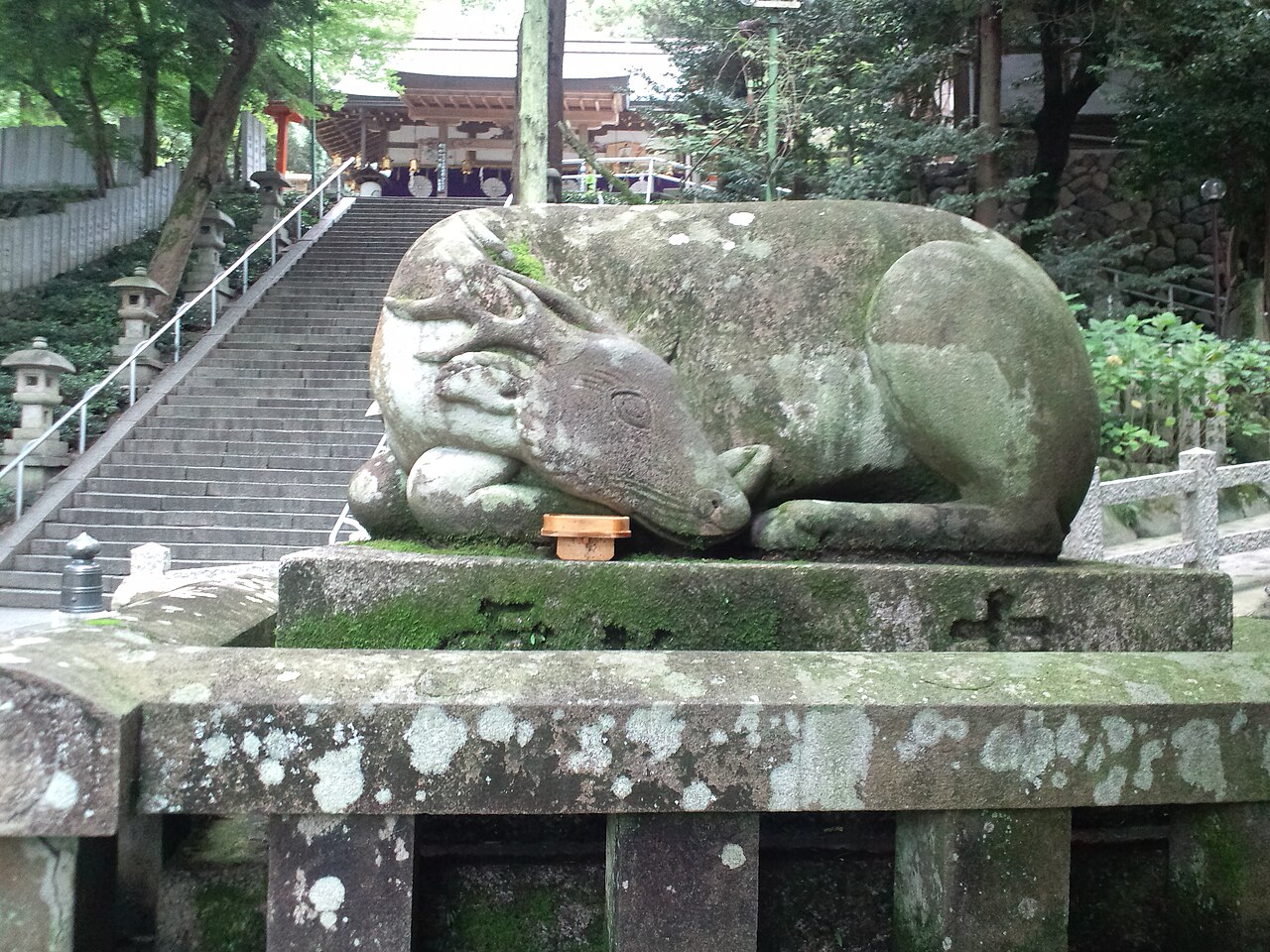
Hiraoka Shrine
Higashiosaka · Japan · shrine
The Ichinomiya, or foremost shrine, of the old province of Kawachi, set on the wooded western slope of the Ikoma range, where the ancestral kami of the Fujiwara clan were worshipped centuries before two of them were carried east to found Nara's Kasuga Taisha.
 Shinto
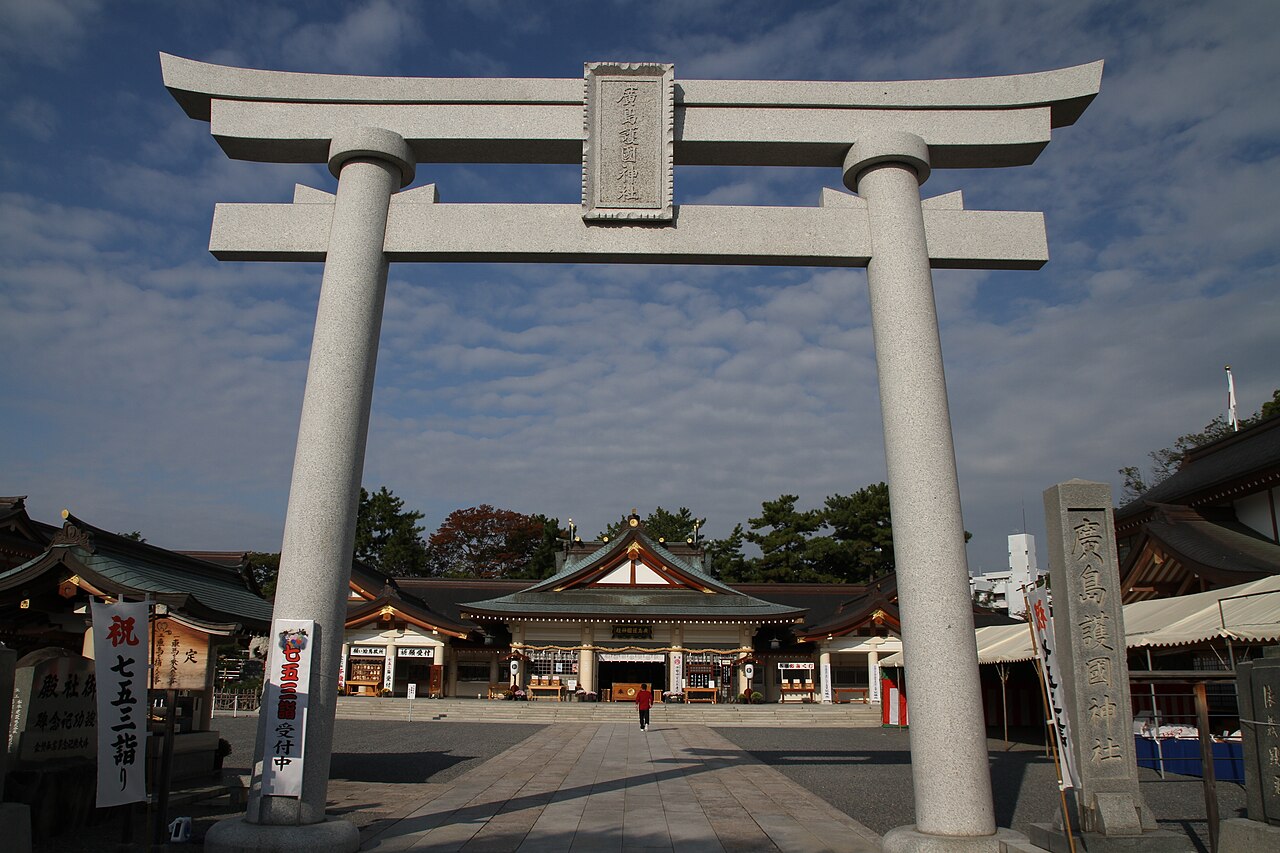
Hiroshima Gokoku Shrine
Hiroshima · Japan · shrine
A Shinto shrine within the grounds of Hiroshima Castle honouring the war dead of Hiroshima, destroyed in the atomic bombing of 1945 and rebuilt by the city's own citizens in the years that followed.
 Shinto
Ise Jingu (Ise Grand Shrine)
Ise · Japan · shrine
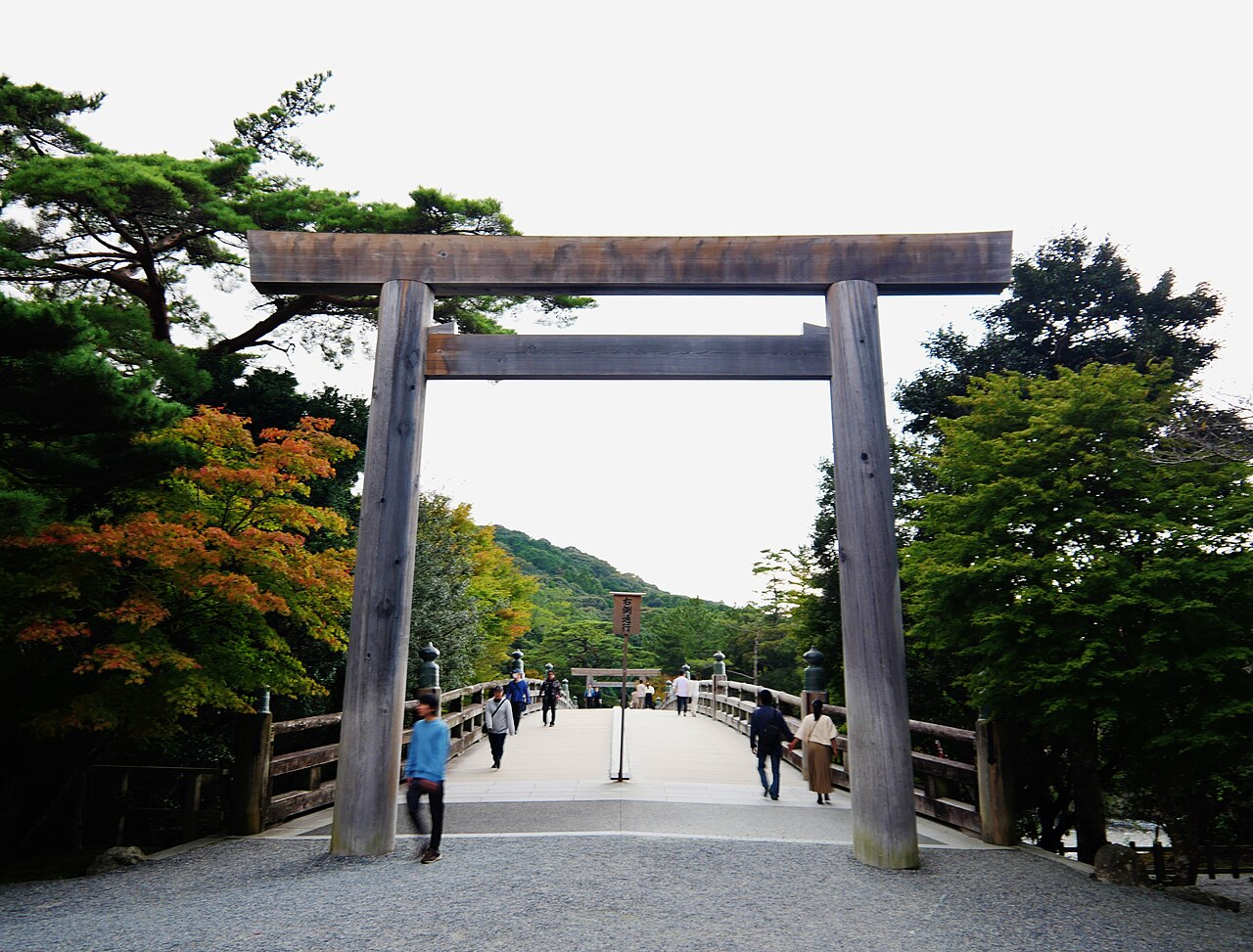
The most venerable sanctuary of Shinto: 125 shrines in the forests of Ise, where Amaterasu-Omikami dwells at the Naiku and Toyouke-Omikami at the Geku, and the whole sanctuary is rebuilt anew every twenty years.