
Tado Taisha
Tado Shrine · 多度大社 · Kitaise Daijingu (北伊勢大神宮, "Northern Ise Grand Shrine")
About
Tado Taisha stands quietly in the Tado-chō quarter of Kuwana city, tucked within Mie Prefecture on Japan's Kii Peninsula. Belonging to the Shinto tradition, the shrine's sacred precincts carry a quality of deep, unhurried reverence, a place where the everyday world seems to slow and the presence of the kami draws close.
The shrine counts among its treasures six Important Cultural Properties: five recognized at the national level and one designated by Mie Prefecture. This concentration of culturally significant structures speaks to the site's enduring role as a centre of devotional life and aesthetic care across many generations.
In an earlier era of formal shrine rankings, Tado Taisha held the distinguished grade of kokuhei taisha (国幣大社), placing it among the highest-ranked shrines in the modern classification system. Though that official hierarchy has since been dissolved, the shrine retains the weight of that heritage in the eyes of those who come to worship here.
History
Tado Taisha's founding date is not recorded, but its standing as a kokuhei taisha, a national shrine of the first rank, under Japan's modern system of ranked shrines before that hierarchy was dissolved in 1946, reflects centuries of prominence in the religious life of the Kuwana region. The shrine enshrines Amatsu Hikone no Mikoto, a son of Amaterasu Omikami, at its main hall, and his own son Ame no Mahitotsu no Mikoto at the auxiliary shrine, a kinship that has long led worshippers to pair a visit here with pilgrimage to Ise Jingu, giving the shrine its old byname, Kitaise Daijingu, the Northern Ise Grand Shrine. The Tado Matsuri traces its ritual to the Nanboku-cho period of the fourteenth century, was interrupted by warfare in 1571, and was revived in 1601 under Honda Tadakatsu, the Tokugawa general who then held the Kuwana domain; the rite has since passed from samurai sponsorship into the hands of the local community, which still supplies its riders today.
Significance
The shrine holds six Important Cultural Properties, five designated nationally and one by Mie Prefecture, a concentration that attests to sustained devotional patronage across many generations. Its sacred horse, Nishikiyama, is stabled on the grounds and shown to visitors at posted hours, a living link to the horseback rite performed each May. The Tado Matsuri itself, in which young men from the shrine's three sponsoring districts ride bareback up an earthen slope to clear a high wall, was designated a Mie Prefecture Intangible Folk Cultural Asset in 1978.
Architecture
Traditional Shinto shrine architecture; wooden halls set against a forested hillside, approached by a stone stairway from the main torii
Visiting
Daily worship
| Shrine reception hours | 08:30 to 17:00 | |
| Gokito (prayer rite) reception, no reservation needed | 09:00 to 16:30 |
Hours
Hours not listed.
Contact
Engage with Tado Taisha
Through the four pathways
Seva सेवा — Service
Offer your time and skills here. The following opportunities are open at Tado Taisha:
No Seva offerings listed yet.
Sādhana साधना — Practice
Learn the worship and practice associated with Tado Taisha:
No Sādhana offerings listed yet.
Sandhāna सन्धान — Wisdom
Unite with the wisdom of this tradition:
No Sandhāna offerings listed yet.
Sādhya साध्य — Giving
Support this sacred place according to your means:
No Sādhya offerings listed yet.
All giving flows directly to Tado Taisha. Adisthan does not take a commission.
Festivals & Events
- Aug
Natsumode Kento-sai (Summer Lantern Festival)
11 August 2026 · annual
An evening festival of dedicated lanterns lit across the shrine precincts each August, with a lantern-lighting rite, games and stalls held over two nights.
- Nov
Yabusame Festival
23 November 2026 · annual
A demonstration of mounted archery in the classical style, performed on the shrine grounds each autumn.
- May
Tado Matsuri
4 May 2027 · annual
The shrine's signature rite, in which young riders from three sponsoring districts send horses leaping up an earthen slope and over a two-metre wall, a custom revived in 1601 after Honda Tadakatsu restored the festival under Tokugawa rule.
Gallery
Related sacred places
 Shinto
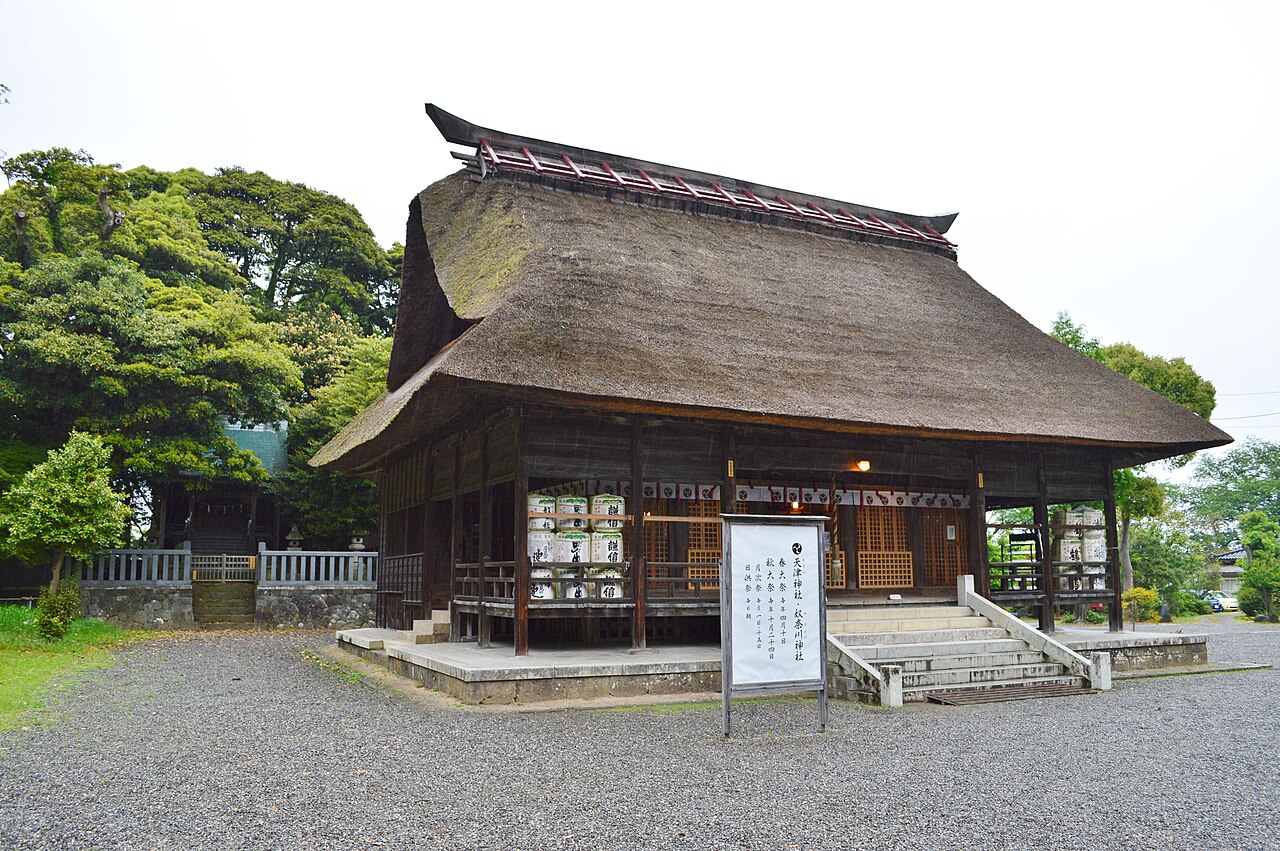
Amatsu Shrine
Itoigawa · Japan · shrine
A venerable jinja in the Ichinomiya quarter of Itoigawa on Japan's Sea of Japan coast, one of three shrines that each claim to have been the ichinomiya, the foremost shrine, of the old province of Echigo.
 Shinto
Fujisaki Hachimangū
Kumamoto · Japan · shrine
Fujisaki Hachimangū is a Shinto shrine in the heart of Kumamoto's Chūō ward, enshrining Hachiman as Emperor Ōjin together with Empress Jingū and the Sumiyoshi Sanjin, and revered for over a thousand years as guardian kami of the Higo region.
 Shinto
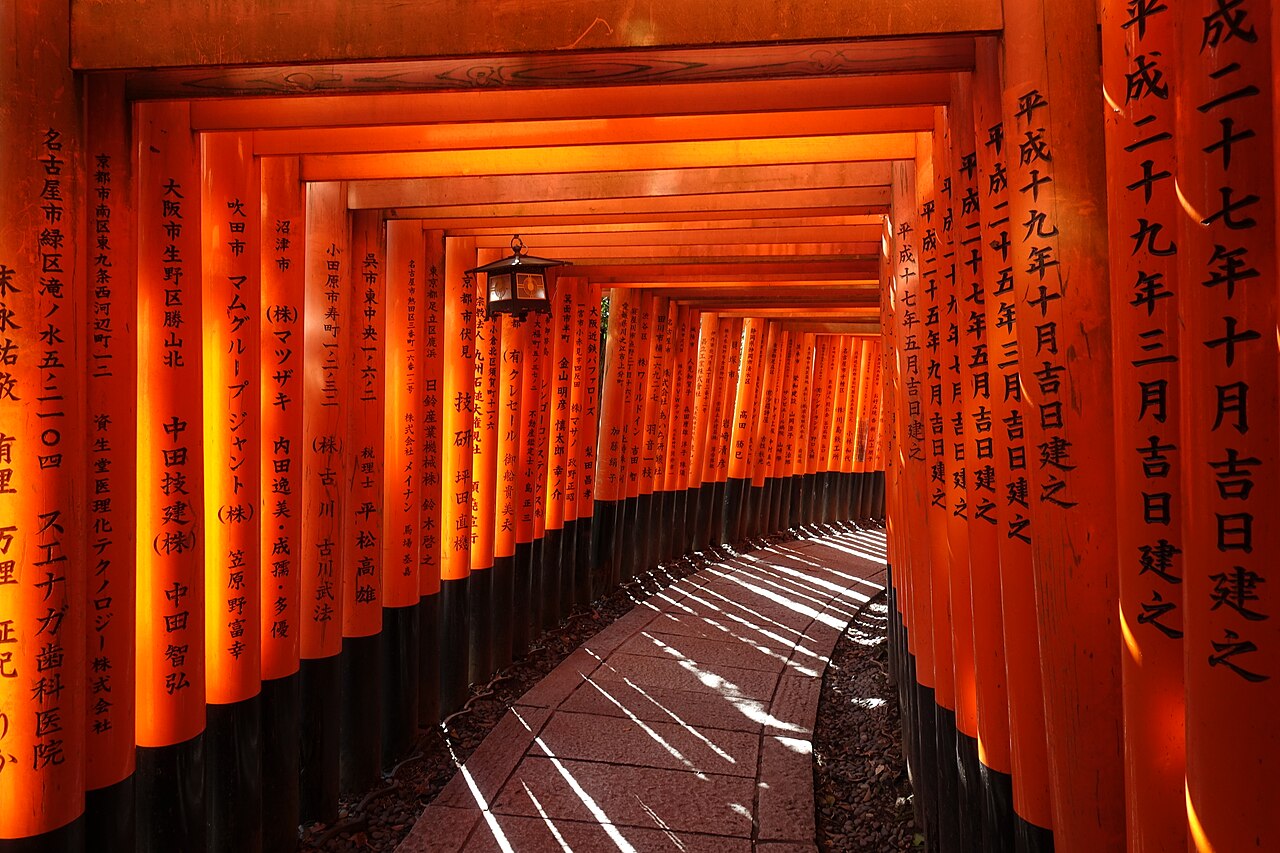
Fushimi Inari Taisha
Kyoto · Japan · shrine
The head shrine of Japan's roughly 30,000 Inari shrines, where some 10,000 vermilion torii climb sacred Mount Inari and white fox messengers watch every path.
 Shinto
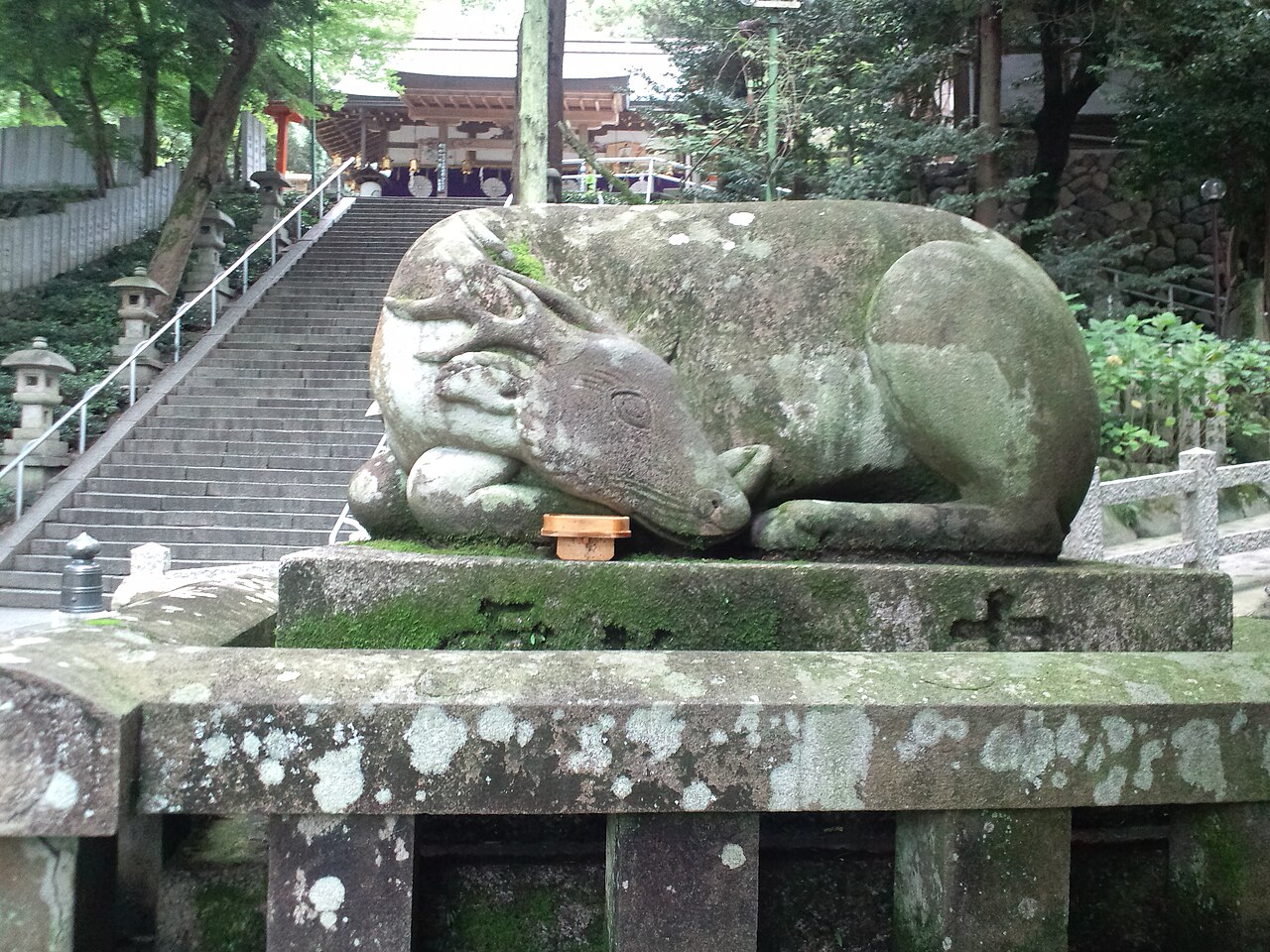
Hiraoka Shrine
Higashiosaka · Japan · shrine
The Ichinomiya, or foremost shrine, of the old province of Kawachi, set on the wooded western slope of the Ikoma range, where the ancestral kami of the Fujiwara clan were worshipped centuries before two of them were carried east to found Nara's Kasuga Taisha.
 Shinto
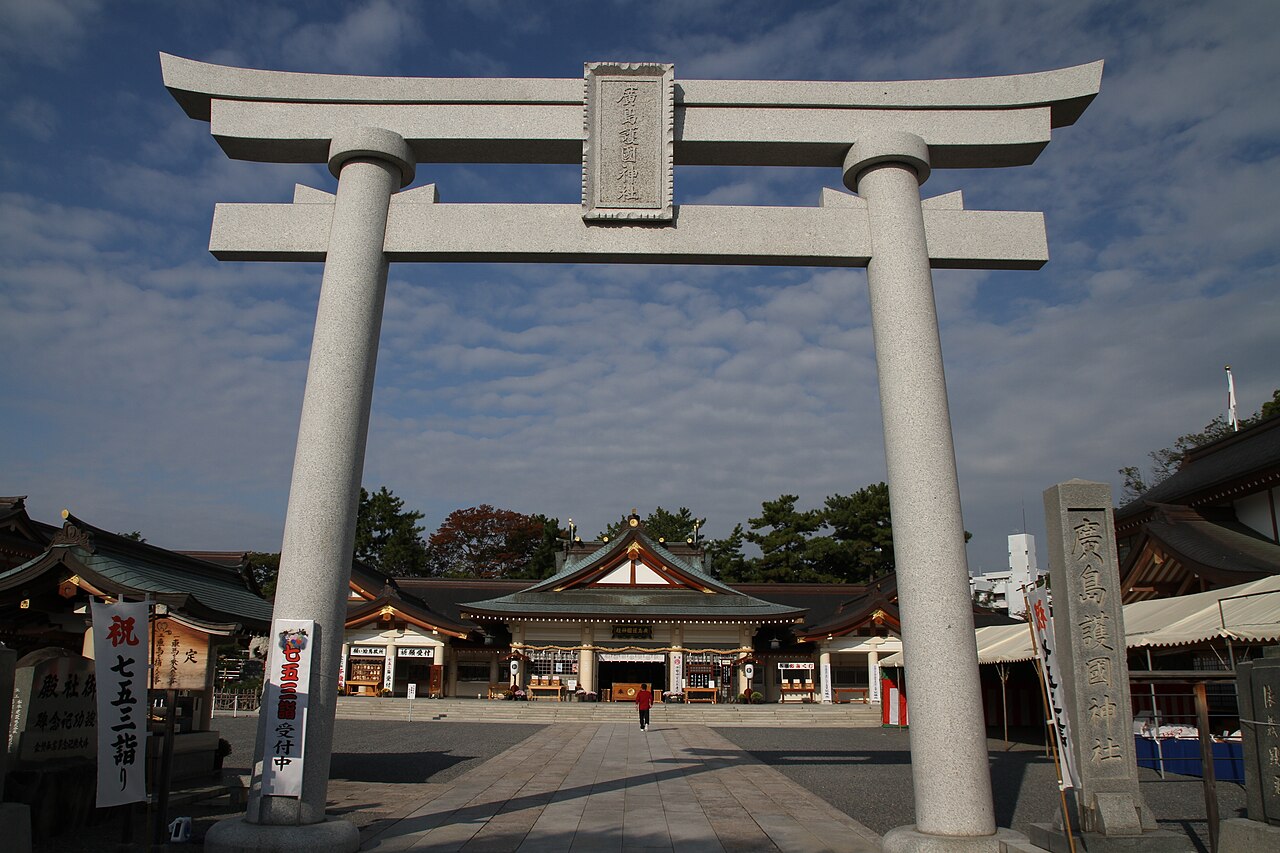
Hiroshima Gokoku Shrine
Hiroshima · Japan · shrine
A Shinto shrine within the grounds of Hiroshima Castle honouring the war dead of Hiroshima, destroyed in the atomic bombing of 1945 and rebuilt by the city's own citizens in the years that followed.
 Shinto
Ise Jingu (Ise Grand Shrine)
Ise · Japan · shrine
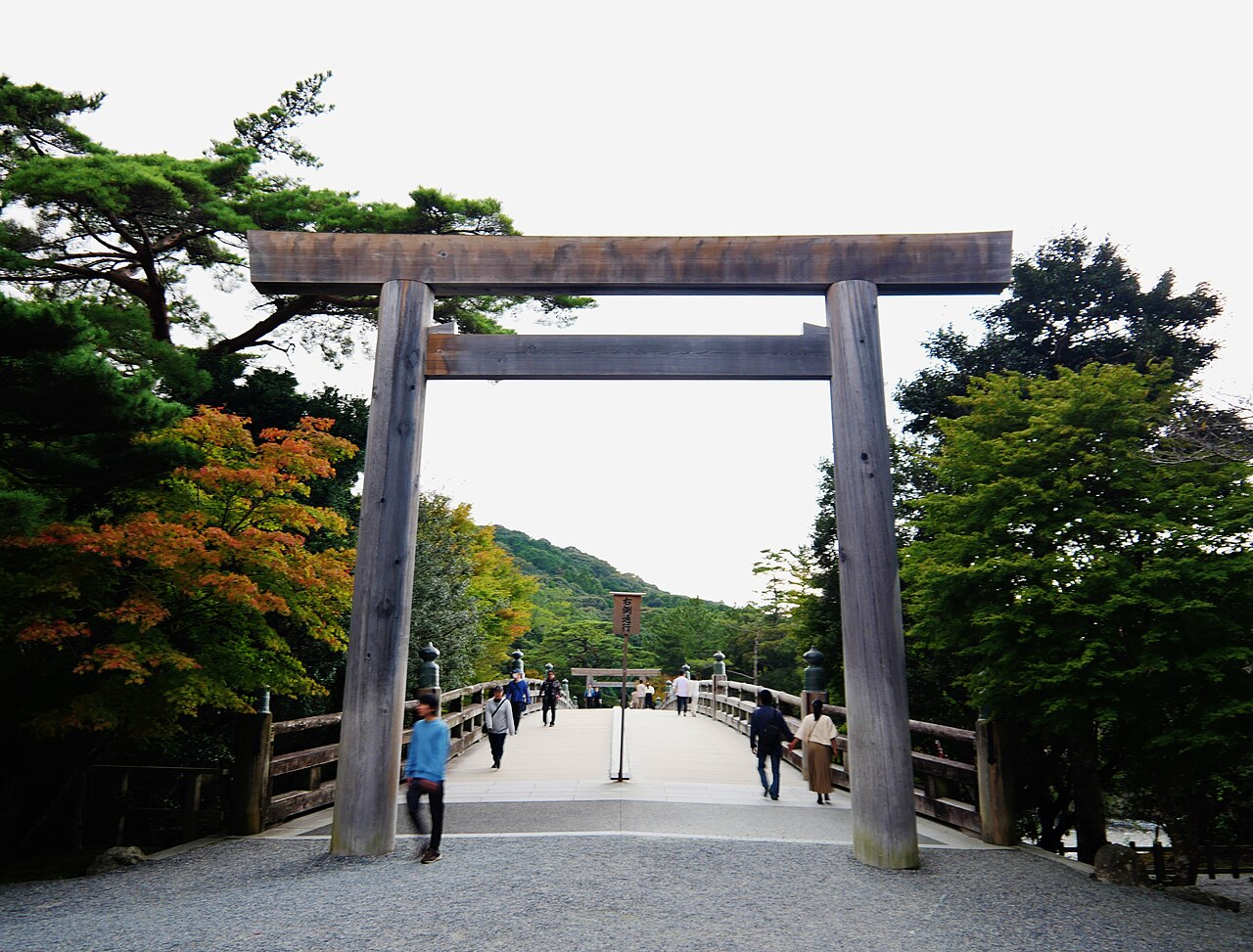
The most venerable sanctuary of Shinto: 125 shrines in the forests of Ise, where Amaterasu-Omikami dwells at the Naiku and Toyouke-Omikami at the Geku, and the whole sanctuary is rebuilt anew every twenty years.