
Tagata Shrine
Tagata Jinja · 田縣神社 · 田県神社
About
Tagata Jinja stands in Komaki City in Aichi Prefecture, near Nagoya, and is among the venerable rural shrines of the central Honshu plain. Its origins are lost in antiquity, but tradition holds that the sanctuary has stood here for more than fifteen hundred years, and it appears in the tenth-century Engishiki Jinmyōchō as a Myōjin Taisha.
The kami enshrined at Tagata are Mitoshi no Kami and the female deity Tamahime no Mikoto. Mitoshi is the son of the great agricultural kami Ōtoshi, grandson of Susanoo, and embodies the blessings of the harvest year. Tamahime is honoured as a princess of the Owari clan who returned to this region after her husband's death and laboured for the cultivation of the land.
The shrine is most widely known for the annual Hōnensai, the Harvest Festival, held on the fifteenth of March. The word hōnen means a prosperous year, and the rite celebrates the fertility of fields, families and all living things through processions and the carrying of carved wooden mikoshi.
A companion observance is kept at the nearby Ōagata Shrine the Sunday before, with complementary imagery of female generative power, so that the two shrines together honour the union from which all harvest and life proceed. Tagata's rites preserve a pre-modern agricultural Shinto sensibility that has weathered the changes of urban Japan with remarkable vitality.
History
The exact year of Tagata Shrine's founding has not been recorded, but tradition holds that worship has continued here for more than fifteen hundred years, and the shrine appears in the tenth century Engishiki Jinmyocho, the imperial register of that era, as a Myojin Taisha. The shrine enshrines Mitoshi no Kami, son of the agricultural kami Otoshi and grandson of Susanoo, together with Tamahime no Mikoto, honoured in local tradition as a princess of the Owari clan who returned to this district after her husband's death and gave herself to the cultivation of the land. Since ancient times the Honensai has been kept each spring to ask the kami's blessing on the harvest and on the fertility of family and field alike, joining Tagata to a small cluster of shrines in the Nagoya region that keep a related rite.
Significance
The Honensai carries a large wooden effigy, carved from Kiso cypress, by portable shrine from the nearby Shinmeisha Shrine to Tagata's own precincts, where prayers are offered for the year's grain and for the continuance of families and generations; the observance is recognised as an intangible folk cultural property of Komaki City. A companion rite kept the Sunday before at Oagata Shrine, with complementary imagery, completes the pairing by which this corner of Aichi honours the union from which harvest and life are held to proceed. The festival today draws visitors from across Japan and abroad, but its purpose within the shrine's own tradition remains what it has long been: a prayer, offered in the old agricultural language of fertility, for a prosperous year.
Architecture
Traditional Shinto shrine architecture; a wooden haiden (worship hall) with an irimoya-style curved gable roof
Visiting
Hours
Hours not listed.
Contact
Engage with Tagata Shrine
Through the four pathways
Seva सेवा — Service
Offer your time and skills here. The following opportunities are open at Tagata Shrine:
No Seva offerings listed yet.
Sādhana साधना — Practice
Learn the worship and practice associated with Tagata Shrine:
No Sādhana offerings listed yet.
Sandhāna सन्धान — Wisdom
Unite with the wisdom of this tradition:
No Sandhāna offerings listed yet.
Sādhya साध्य — Giving
Support this sacred place according to your means:
No Sādhya offerings listed yet.
All giving flows directly to Tagata Shrine. Adisthan does not take a commission.
Festivals & Events
- Mar
Honensai
15 March 2027 · annual
The shrine's harvest festival, in which a great phallic effigy of Kiso cypress is carried by portable shrine from Shinmeisha Shrine to Tagata Jinja in prayer for a bountiful harvest and for fertility in family and field, a rite of pre-modern agricultural Shinto still kept with full ceremony today.
Gallery
Related sacred places
 Shinto
Amatsu Shrine
Itoigawa · Japan · shrine
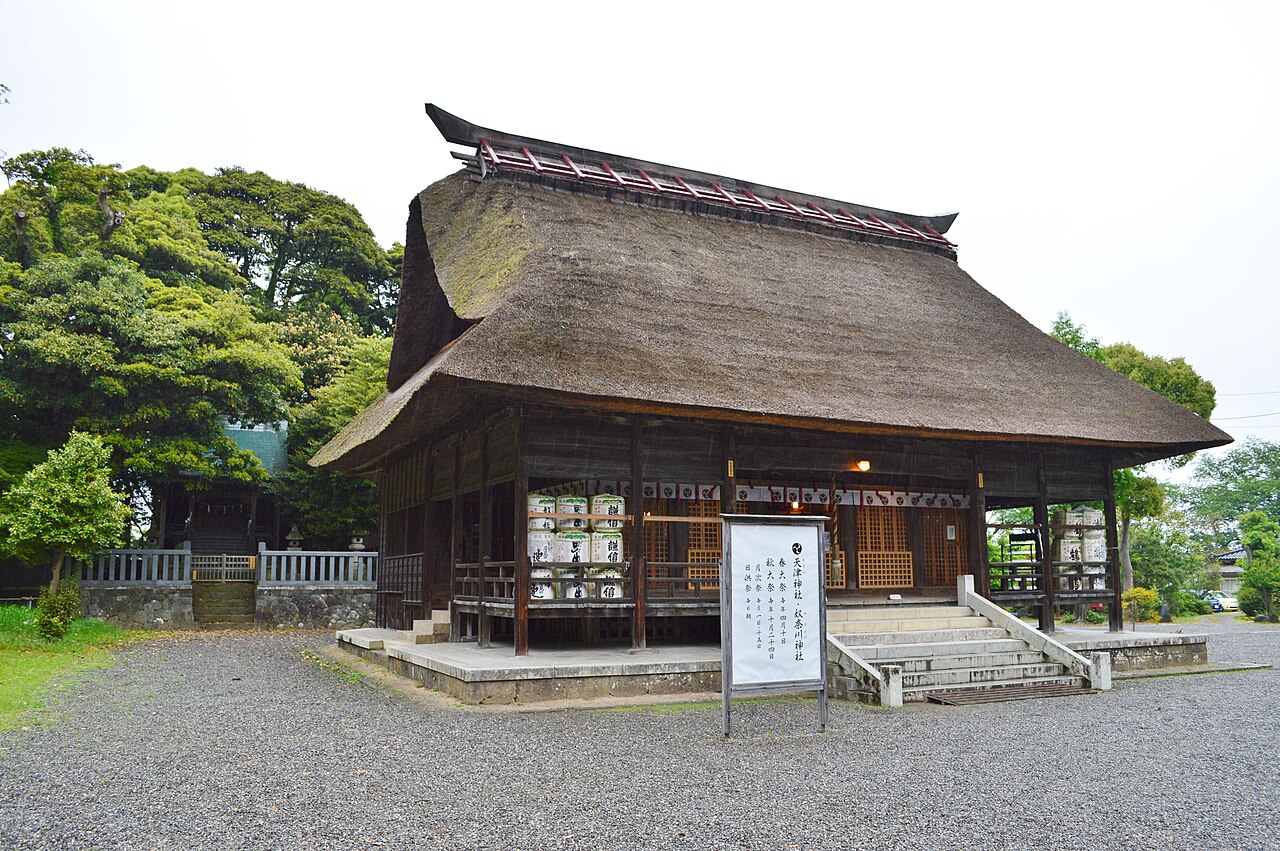
A venerable jinja in the Ichinomiya quarter of Itoigawa on Japan's Sea of Japan coast, one of three shrines that each claim to have been the ichinomiya, the foremost shrine, of the old province of Echigo.
 Shinto
Fujisaki Hachimangū
Kumamoto · Japan · shrine
Fujisaki Hachimangū is a Shinto shrine in the heart of Kumamoto's Chūō ward, enshrining Hachiman as Emperor Ōjin together with Empress Jingū and the Sumiyoshi Sanjin, and revered for over a thousand years as guardian kami of the Higo region.
 Shinto
Fushimi Inari Taisha
Kyoto · Japan · shrine
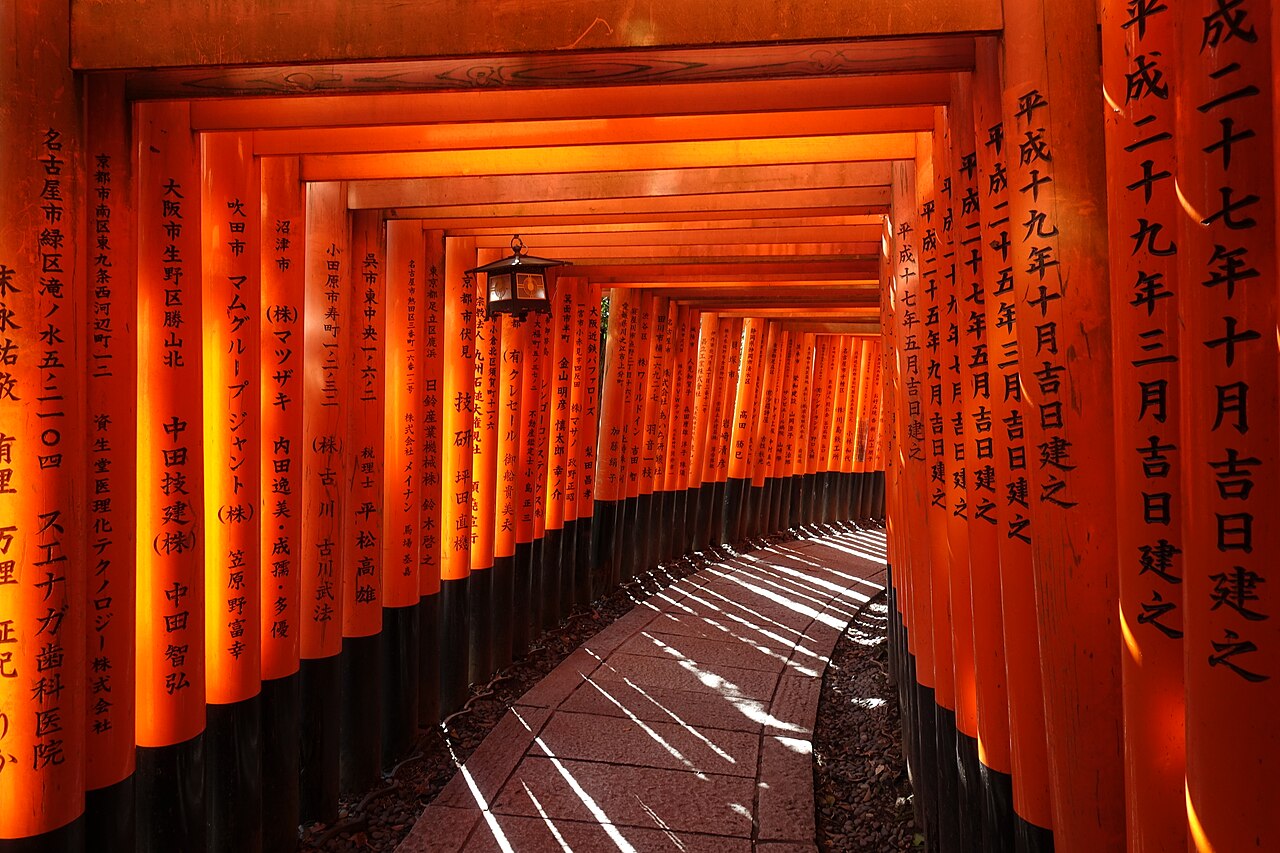
The head shrine of Japan's roughly 30,000 Inari shrines, where some 10,000 vermilion torii climb sacred Mount Inari and white fox messengers watch every path.
 Shinto
Hiraoka Shrine
Higashiosaka · Japan · shrine
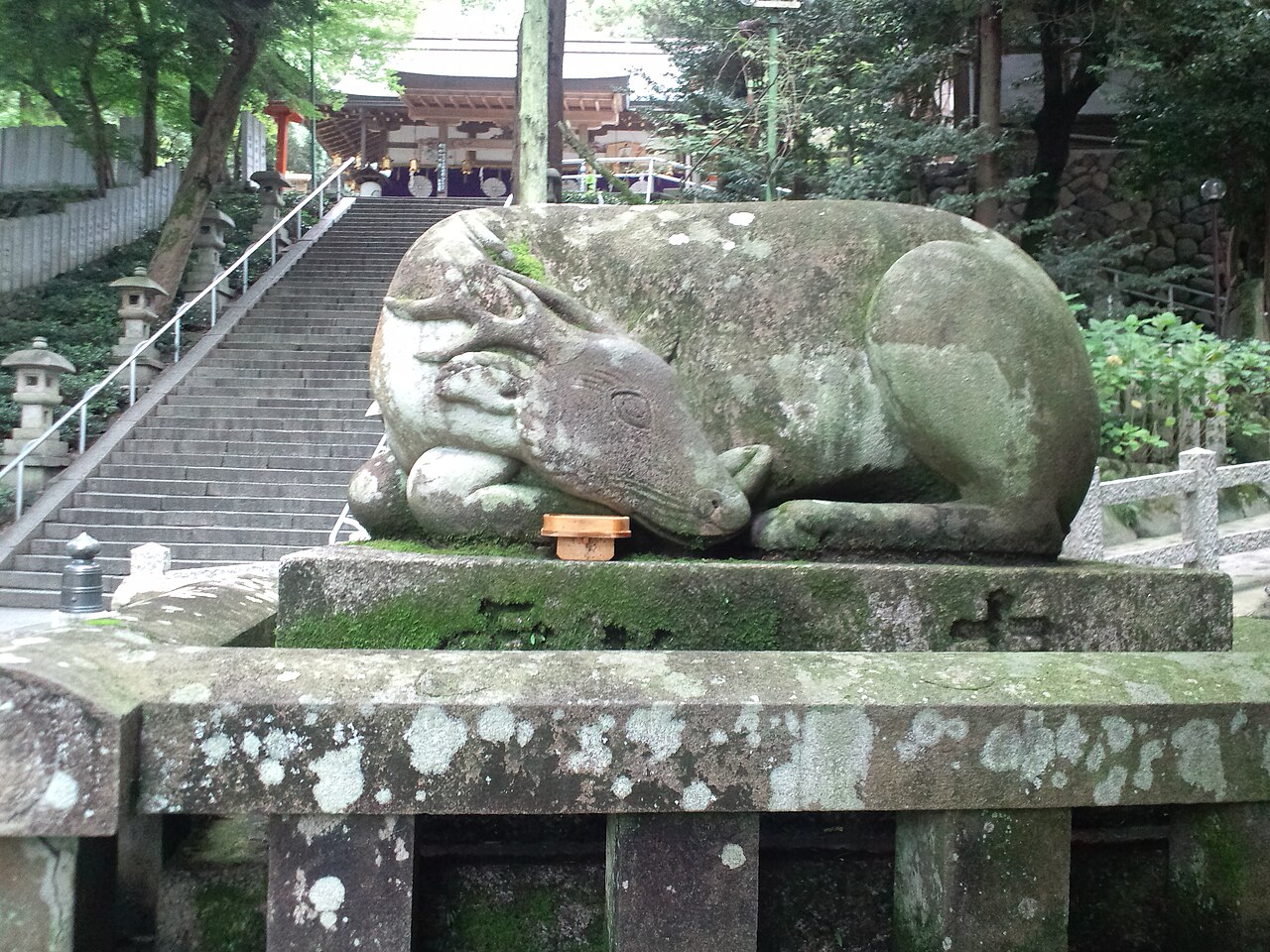
The Ichinomiya, or foremost shrine, of the old province of Kawachi, set on the wooded western slope of the Ikoma range, where the ancestral kami of the Fujiwara clan were worshipped centuries before two of them were carried east to found Nara's Kasuga Taisha.
 Shinto
Hiroshima Gokoku Shrine
Hiroshima · Japan · shrine
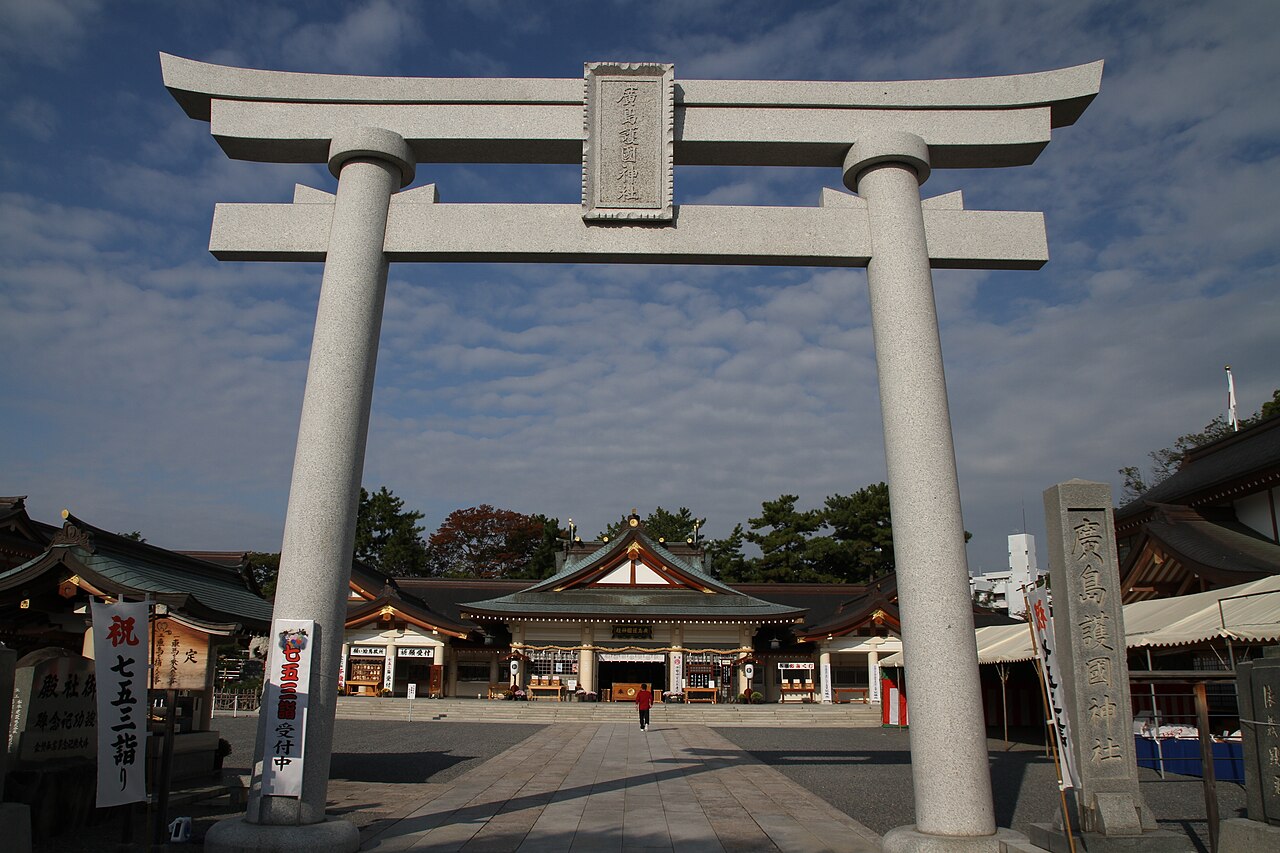
A Shinto shrine within the grounds of Hiroshima Castle honouring the war dead of Hiroshima, destroyed in the atomic bombing of 1945 and rebuilt by the city's own citizens in the years that followed.
 Shinto
Ise Jingu (Ise Grand Shrine)
Ise · Japan · shrine
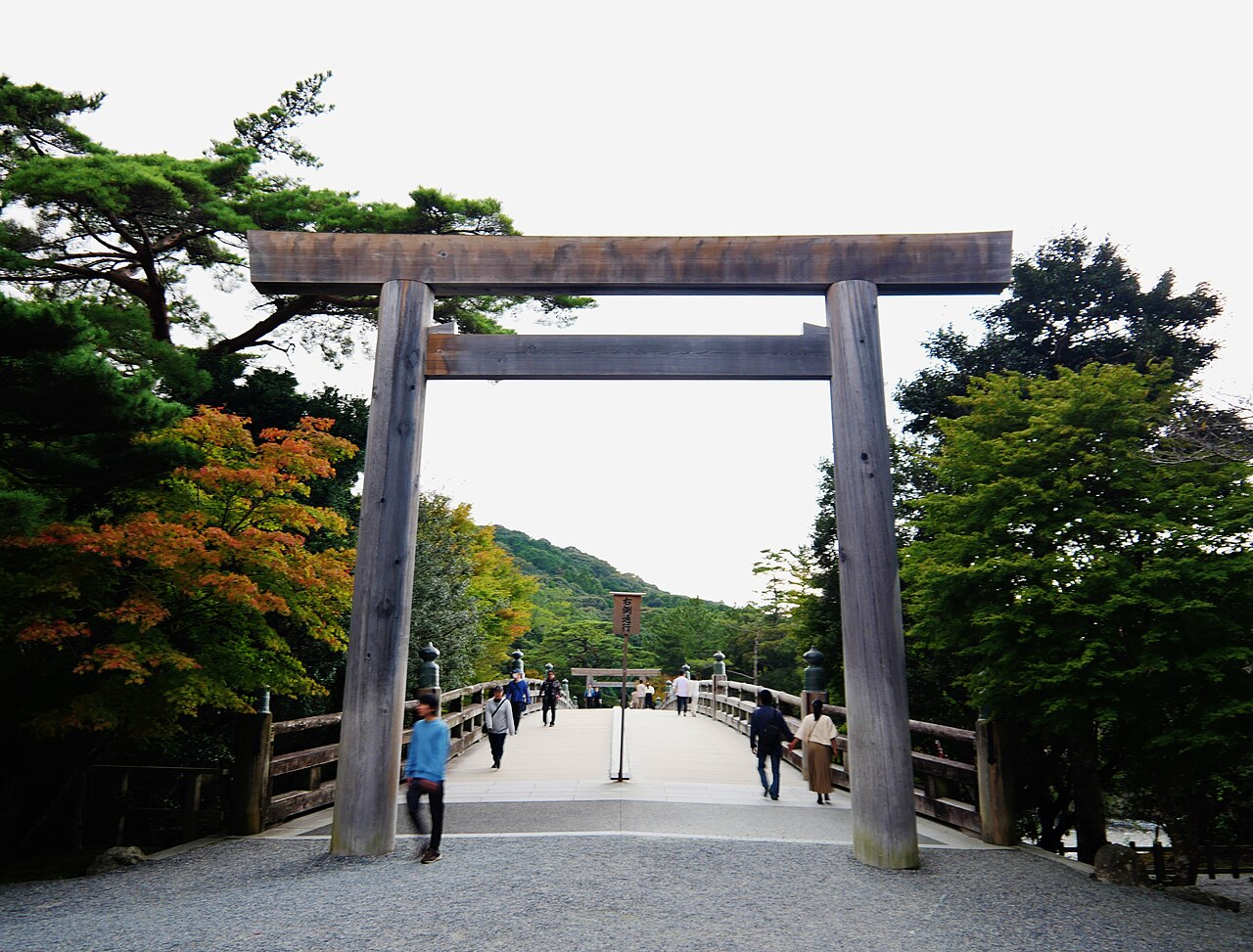
The most venerable sanctuary of Shinto: 125 shrines in the forests of Ise, where Amaterasu-Omikami dwells at the Naiku and Toyouke-Omikami at the Geku, and the whole sanctuary is rebuilt anew every twenty years.