
Taranga Jain Temple
Taranga Jain Tirth · Tarangiri · Tarangadh · Tarapur · Tarauri
About
Taranga is a celebrated Jain pilgrimage site nestled within the Aravalli hills of the Mehsana district of Gujarat, India. Set against the wooded slopes of the Taranga hill, the complex is dedicated principally to the second Tirthankara, Ajitnatha, and is honoured among the foremost ancient sanctuaries of the Jain dharma in western India.
The main Shwetambara Temple was constructed in the twelfth century by the Solanki king Kumarapala under the spiritual guidance of the great Acharya Hemachandra. Built of finely carved white marble, the sanctuary enshrines a magnificent image of Bhagavan Ajitnatha said to measure more than two metres in height, seated in the Padmasana posture.
The Taranga hill also hosts a separate Digambara complex of smaller but no less revered shrines, and the wider pilgrim circuit includes more than fourteen Temples scattered across the slopes. The Shwetambara Temple is included in the Pancha Tirth, the five principal pilgrimage centres of that tradition, alongside Shatrunjaya, Girnar, Ashtapada and Dilwara.
The name Taranga, drawn from the Sanskrit and Pali word for a wave, evokes the rippling forested ridges that surround the Temples. The shrines preserve some of the finest examples of medieval Maru-Gurjara architecture and are protected as monuments of national importance by the Archaeological Survey of India.
History
The tirtha's own on-site historical marker records the pilgrimage site's establishment in Vikram Samvat 1121, corresponding to 1065 CE, nearly a century before the standing marble Temple was raised; Wikipedia notes this same earlier date alongside the better documented construction date. The main Ajitnatha Temple itself is dated by the Archaeological Survey of India and allied scholarship to 1161 CE, built for King Kumarapala of the Solanki, or Chaulukya, dynasty after his teacher Acharya Hemachandra, one of medieval India's most renowned Jain scholar monks, guided him toward the Jain dharma. A separate Digambara complex of shrines grew alongside the Śvetāmbara Temples on the same hill, and according to the tirtha's own inscribed history the complex was last renovated in Vikram Samvat 2019, corresponding to 1963.
Significance
Taranga's Śvetāmbara compound of fourteen Temples is counted among the Pancha Tirth, the five principal Śvetāmbara pilgrimage centres, alongside Shatrunjaya, Girnar, Ashtapada and Dilwara, while five further Digambara shrines stand nearby, making the hill a shared ground of both great branches of Jain devotion. Within the sanctum a white marble image of Lord Ajitnatha, some two and three-quarter metres tall and seated in padmasana, is inlaid with precious stones; the surrounding shikhara, rising some 142 feet in three registers of bhumija-style miniature towers, is counted among the finest surviving expressions of Māru-Gurjara Temple architecture. The tirtha's own historical marker also records a natural rock-cleft on the hill above the main Temple, known locally as the Mokshabari, where pilgrims pass on their way to older shrines that crown the ridge.
Architecture
Māru-Gurjara (Solanki-era) Temple architecture in white marble; curvilinear shikhara with three registers of bhumija-style miniature towers rising to a sekhari-style summit
Visiting
Daily worship
| Open to visitors and pilgrims | 09:00 to 18:00 |
Hours
Hours not listed.
Contact
No contact details listed yet.
Engage with Taranga Jain Temple
Through the four pathways
Seva सेवा — Service
Offer your time and skills here. The following opportunities are open at Taranga Jain Temple:
No Seva offerings listed yet.
Sādhana साधना — Practice
Learn the worship and practice associated with Taranga Jain Temple:
No Sādhana offerings listed yet.
Sandhāna सन्धान — Wisdom
Unite with the wisdom of this tradition:
No Sandhāna offerings listed yet.
Sādhya साध्य — Giving
Support this sacred place according to your means:
No Sādhya offerings listed yet.
All giving flows directly to Taranga Jain Temple. Adisthan does not take a commission.
Gallery
Related sacred places
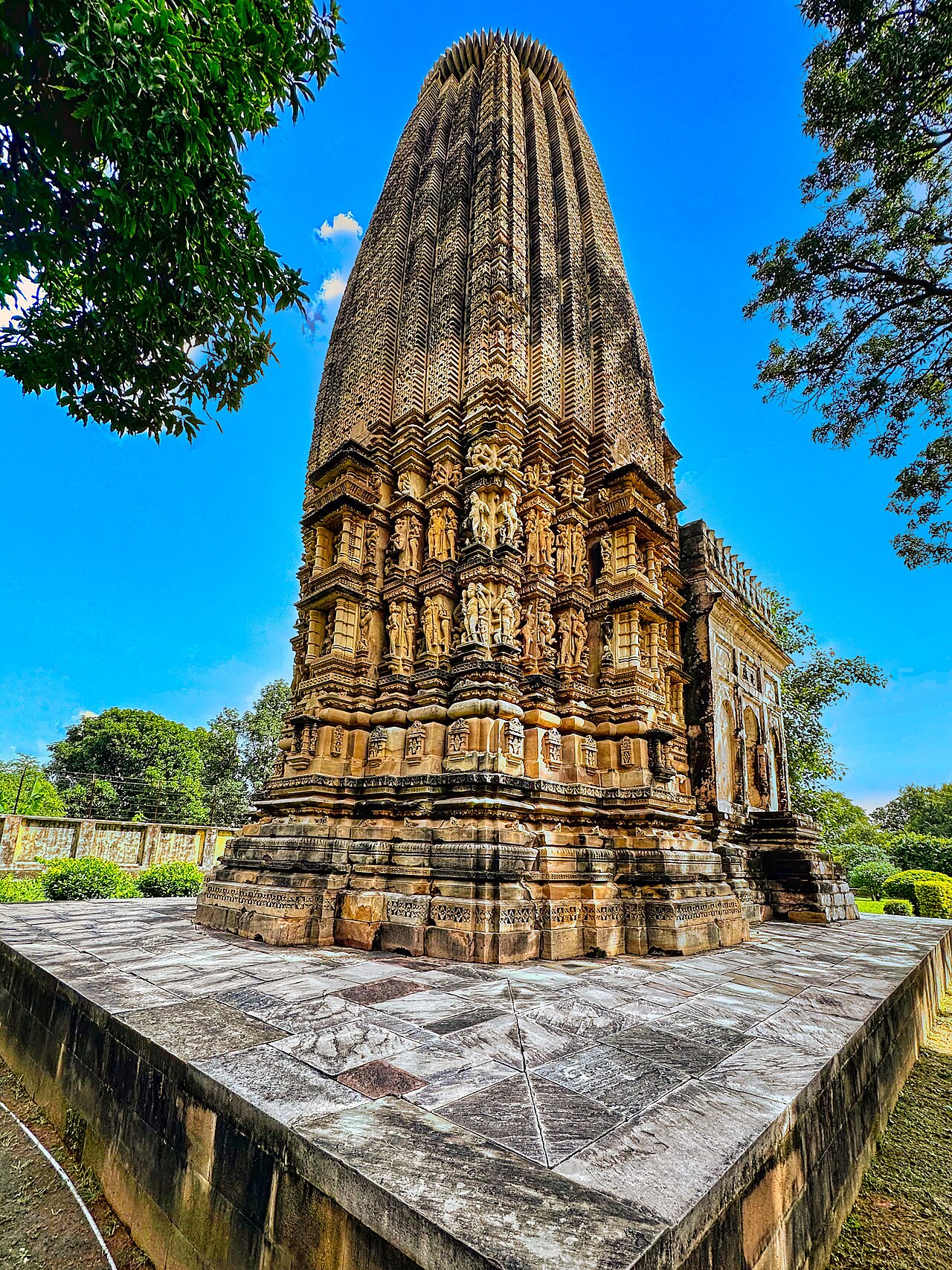 Jainism
Adinatha Temple
Khajuraho · India · temple
A Digambara Jain shrine within Khajuraho's Eastern Group of Temples, dedicated to Lord Adinatha, the first tirthankara, its curvilinear sandstone tower carved in the late eleventh century for a Hindu patron before passing into Jain hands.
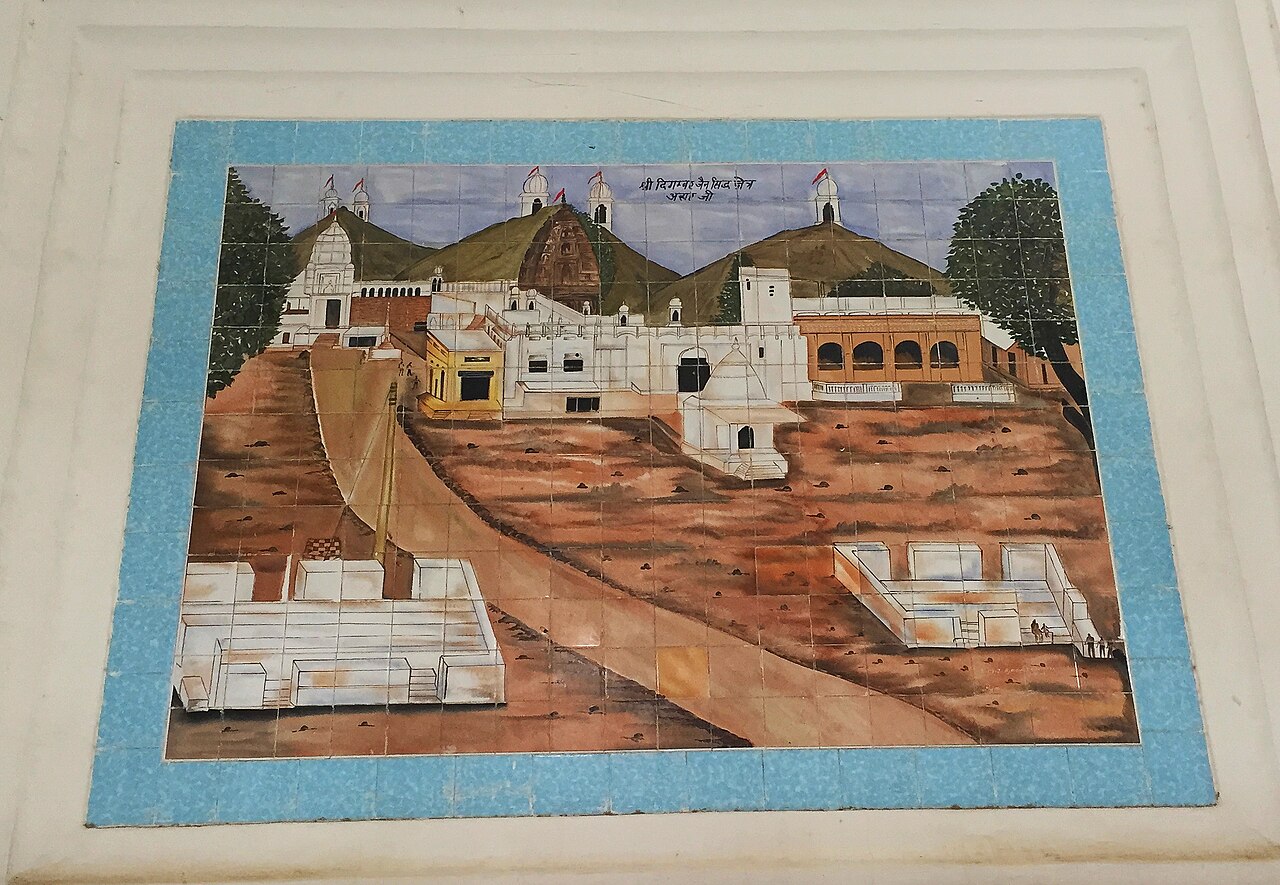 Jainism
Aharji
Aharji · India · temple
A Digambara Jain tirtha in the Bundelkhand region of Madhya Pradesh, where an eighteen-foot Chandella-era colossus of Lord Shantinatha stands in silent meditation at the heart of a Temple complex raised across three centuries.
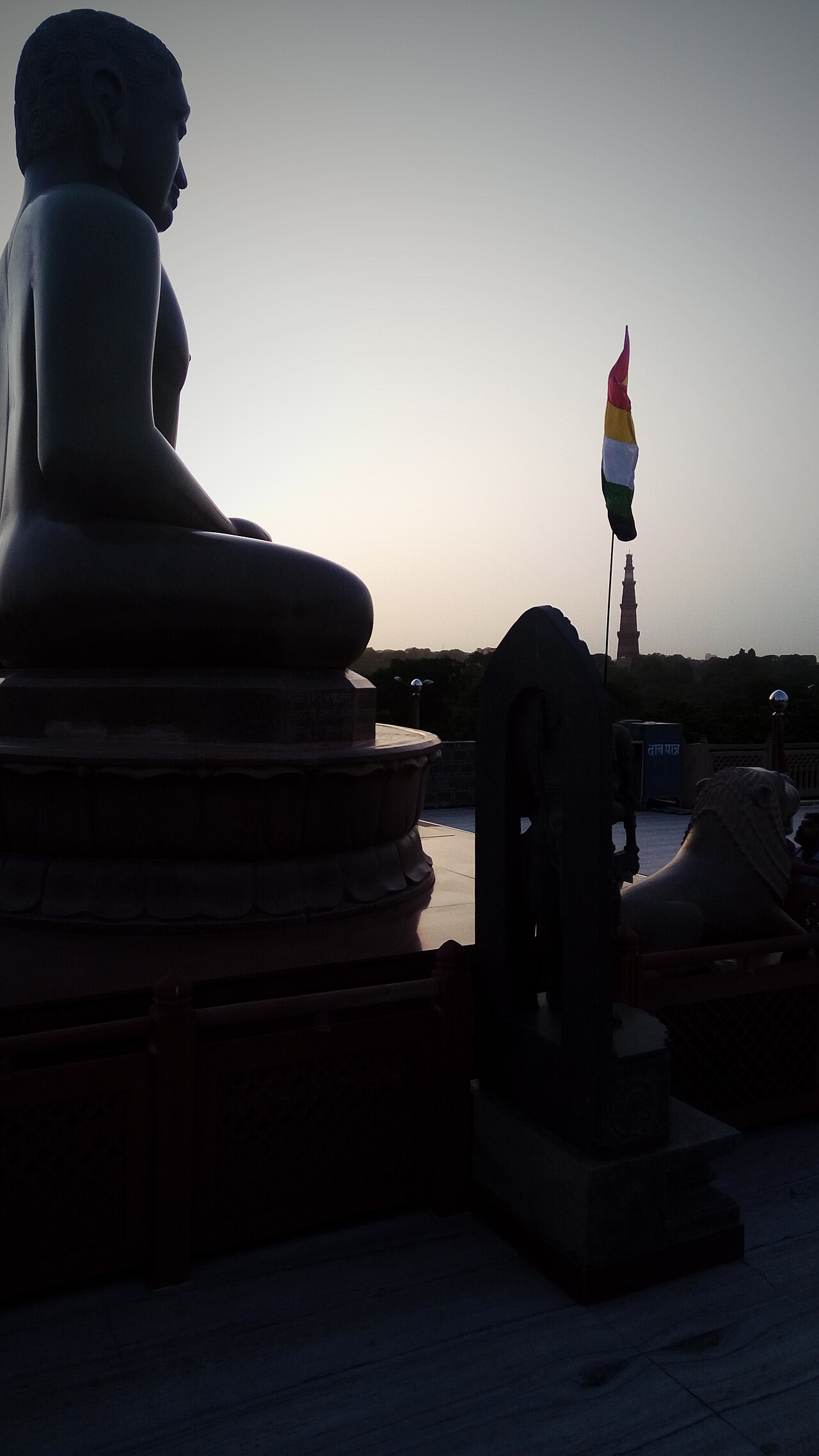 Jainism
Ahinsa Sthal
New Delhi · India · temple
A modern Digambara Jain shrine on a terrace in Mehrauli, New Delhi, built in 1980 around a colossal granite image of Lord Mahavira seated in deep meditation, its very name declaring the tradition's central vow: ahimsa, harmlessness toward every living being.
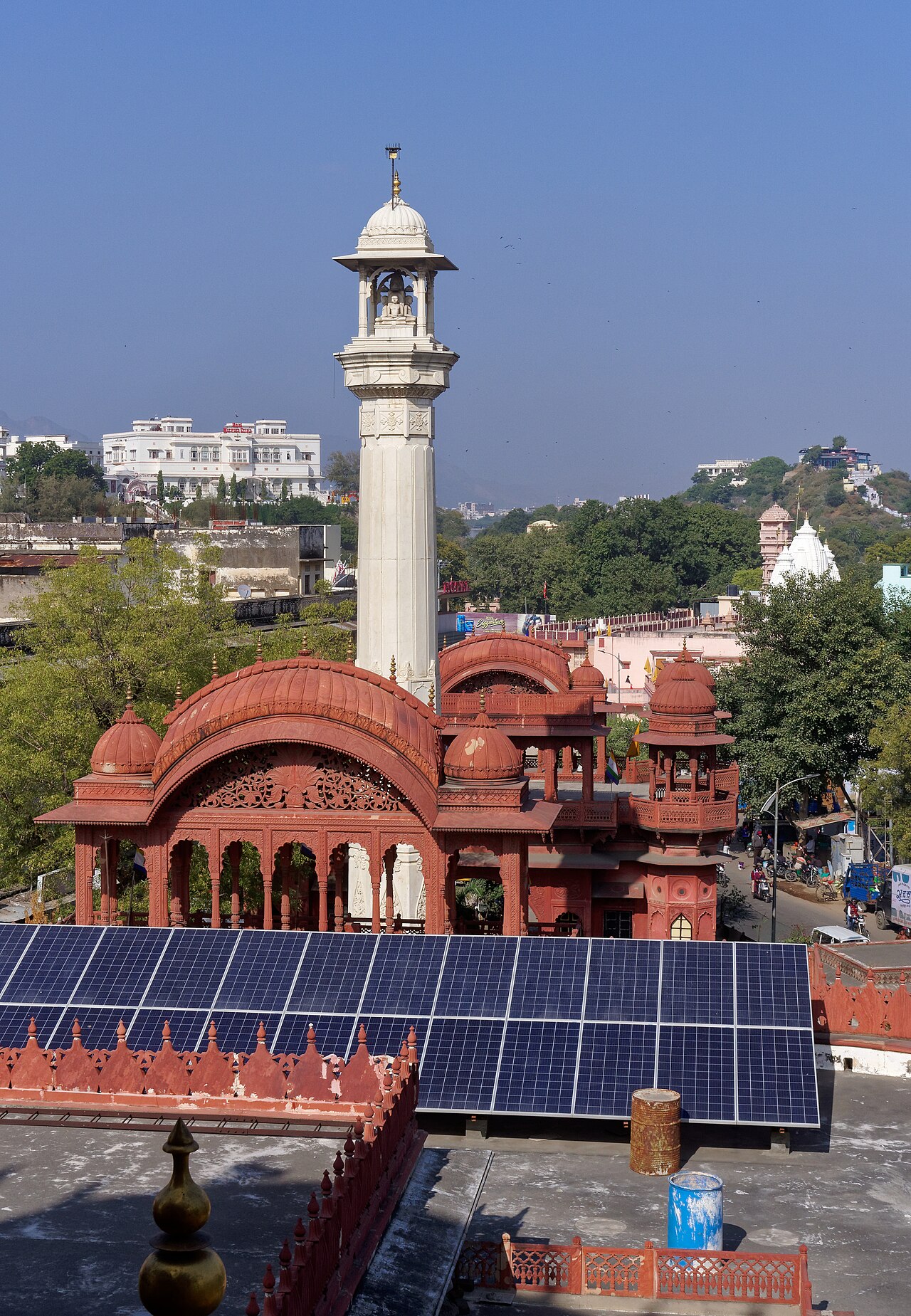 Jainism
Ajmer Jain Temple
Ajmer · India · temple
Popularly called Soniji Ki Nasiyan or the Red Temple, this Digambara Jain Temple on Prithviraj Marg in Ajmer pairs a red sandstone sanctuary, crowned by an eighty two foot marble pillar, with a golden upper hall whose gilded tableaux retell the life of Lord Rishabhdev, the first tirthankara.
 Jainism
Akkana Basadi
Shravanabelagola · India · temple
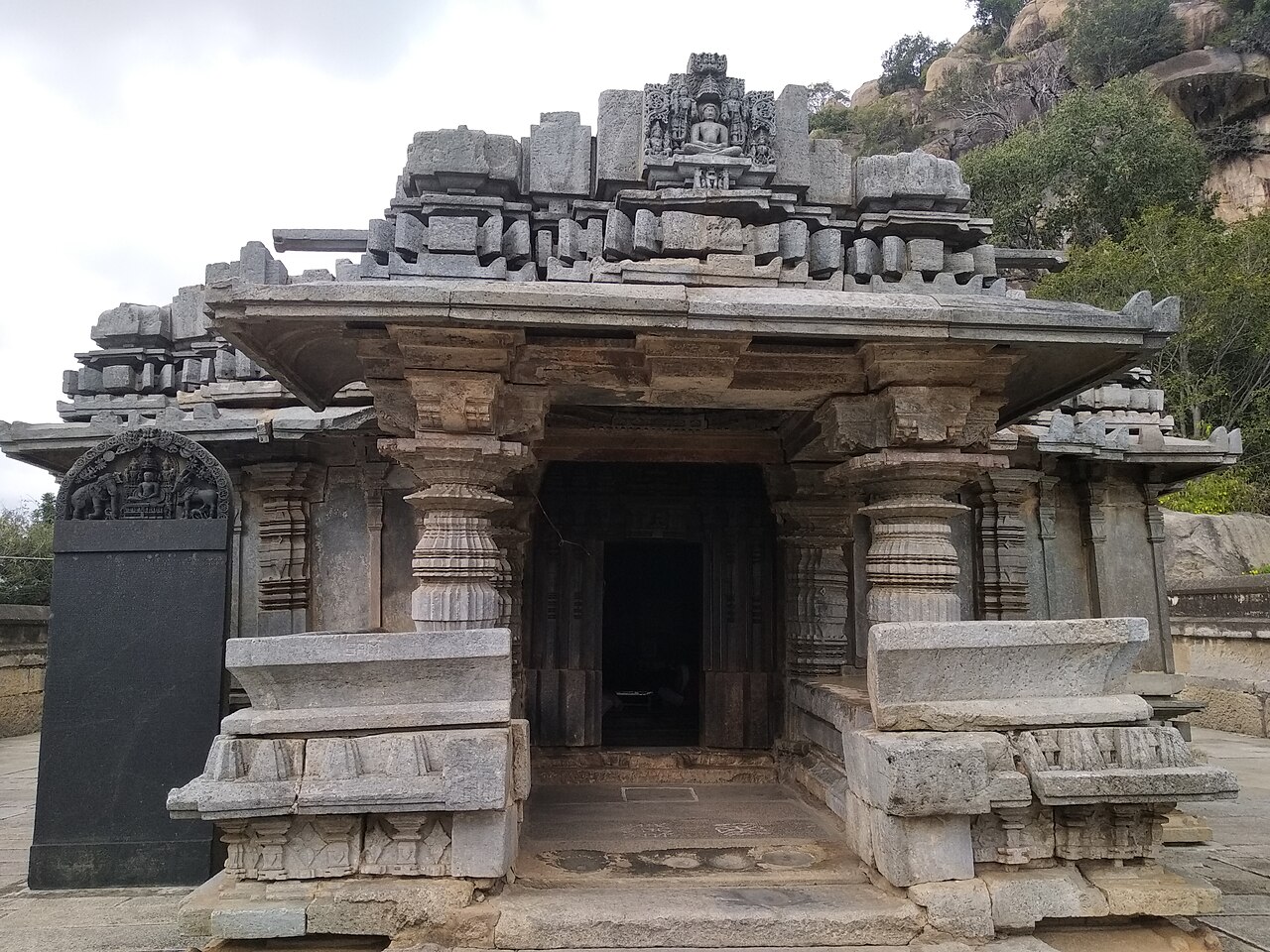
Consecrated in 1181 CE on Chandragiri hill at Shravanabelagola, Karnataka, Akkana Basadi is a Hoysala-era Jain basadi raised by the devout laywoman Achiyakka in honour of Tirthankara Parshvanatha, its deliberately plain stone walls and lathe-turned pillars a quiet expression of Jain austerity.
 Jainism
Bawangaja
Bawangaja · India · temple
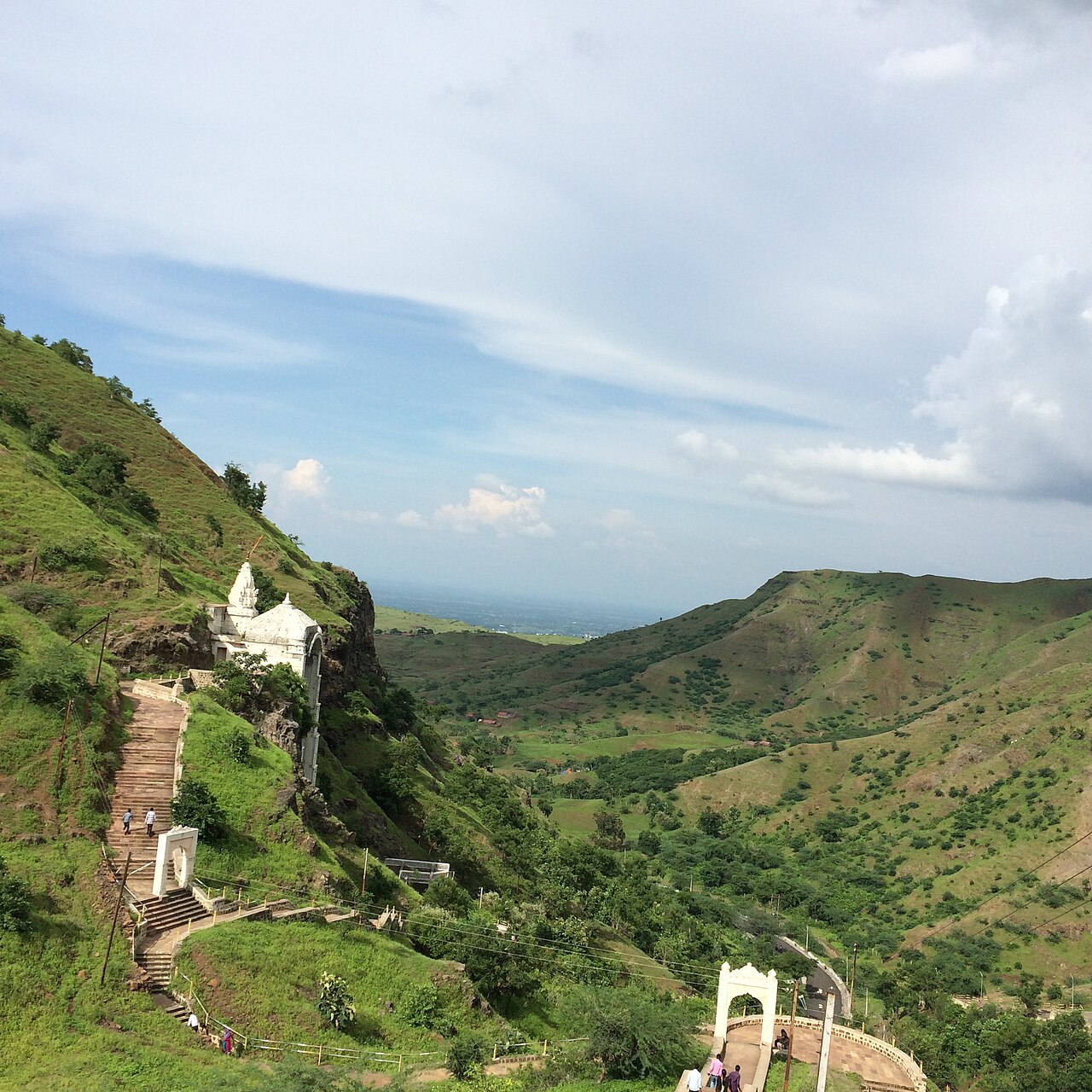
A Digambara Jain tirtha in the Satpura hills of Barwani district, Madhya Pradesh, where an 84-foot monolithic image of Lord Rishabhanatha (Adinatha), the first Tirthankara, stands carved directly from the mountain.