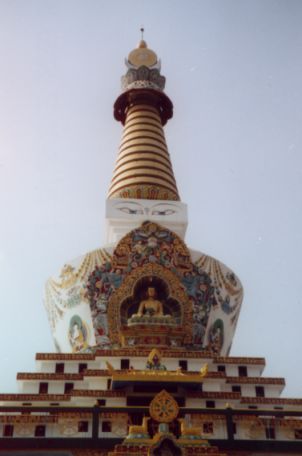
Tashi Gomang Shedra Buddhist Monastery
About
Tashi Gomang Shedra Buddhist Monastery, known also as Salugara Monastery, stands a short distance from the edge of Siliguri, roughly six kilometres beyond the city's boundaries, in the Indian state of West Bengal. Established through the devotion of Tibetan monks who carried their tradition across the mountains, the monastery belongs to the lineage of the Dalai Lama and serves as a living centre of Tibetan Buddhist practice in the foothills of the eastern Himalayan region.
The most striking feature of the complex is a stupa rising a hundred feet into the sky, a structure attributed to the renowned Tibetan Lama Kalu Rinpoche. Stupas of this kind function in Buddhist architecture not merely as landmarks but as repositories of sacred presence, vessels through which the merit of the Dharma radiates outward into the surrounding landscape. The monks who tend this sanctuary regard the stupa with deep reverence, believing it to enshrine five distinct categories of Buddhist relics, each representing an aspect of the awakened teachings.
The atmosphere of the monastery reflects the earnest, spare quality of Tibetan monastic life transplanted to the Indian plains, prayer flags catching the breeze, butter-lamp offerings flickering in the interior shrines, and the quiet constancy of monks keeping the rhythms of practice alive far from their homeland.
History
Salugara Monastery was founded by Tibetan monks who came to the Siliguri area as followers of the Dalai Lama, establishing a place of worship and communal monastic life on the outskirts of the city. The monastery grew around the inspiration of Kalu Rinpoche, the eminent Tibetan Buddhist teacher to whom the construction of its celebrated hundred-foot stupa is attributed. This stupa became the spiritual heart of the complex, drawing pilgrims and monastics alike and anchoring the community's identity within the broader landscape of Tibetan Buddhism practiced in exile and diaspora.
Significance
The monastery and its great stupa carry singular importance for the Tibetan Buddhist community settled in the Siliguri region and for pilgrims who make their way here from across the subcontinent. The stupa is held to contain five kinds of Buddhist relics, making it a site of concentrated spiritual merit and a focus for circumambulation, prostration, and prayer. For monks and lay devotees alike, Tashi Gomang Shedra represents both a refuge of practice and a living expression of the Tibetan Buddhist tradition preserved with care outside the Himalayan homeland from which its founders came.
Visiting
Engage with Tashi Gomang Shedra Buddhist Monastery
Through the four pathways
Seva सेवा — Service
Offer your time and skills here. The following opportunities are open at Tashi Gomang Shedra Buddhist Monastery:
No Seva offerings listed yet.
Sādhana साधना — Practice
Learn the worship and practice associated with Tashi Gomang Shedra Buddhist Monastery:
No Sādhana offerings listed yet.
Sandhāna सन्धान — Wisdom
Unite with the wisdom of this tradition:
No Sandhāna offerings listed yet.
Sādhya साध्य — Giving
Support this sacred place according to your means:
No Sādhya offerings listed yet.
All giving flows directly to Tashi Gomang Shedra Buddhist Monastery. Adisthan does not take a commission.
Gallery
Related sacred places
 Buddhism
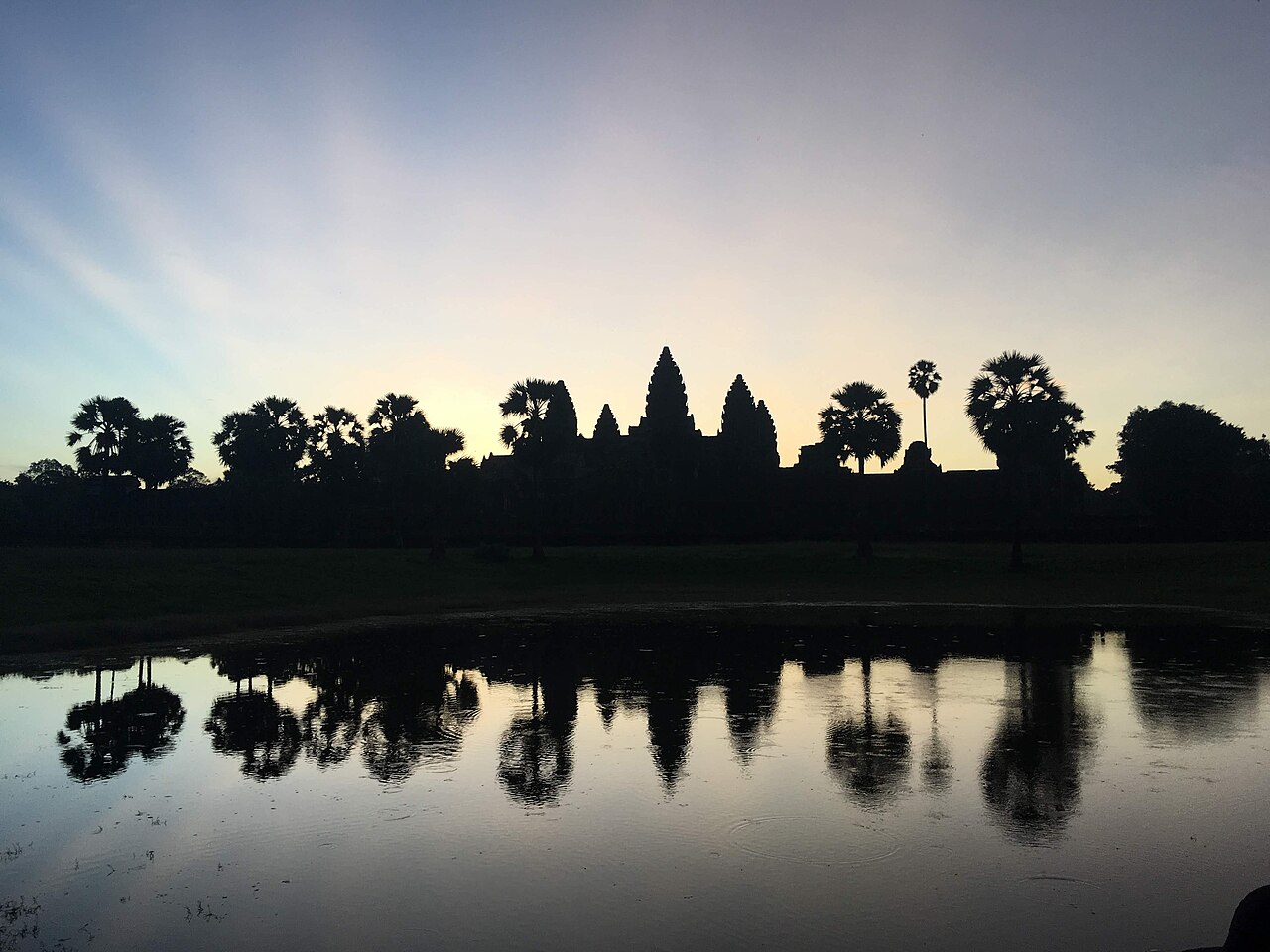
Angkor Wat
Siem Reap · Cambodia · temple
The largest religious monument on earth, built for Lord Vishnu by Suryavarman II in the 12th century and in continuous worship ever since: a living Theravada Buddhist Temple whose five towers stand on the Cambodian flag.
 Buddhism
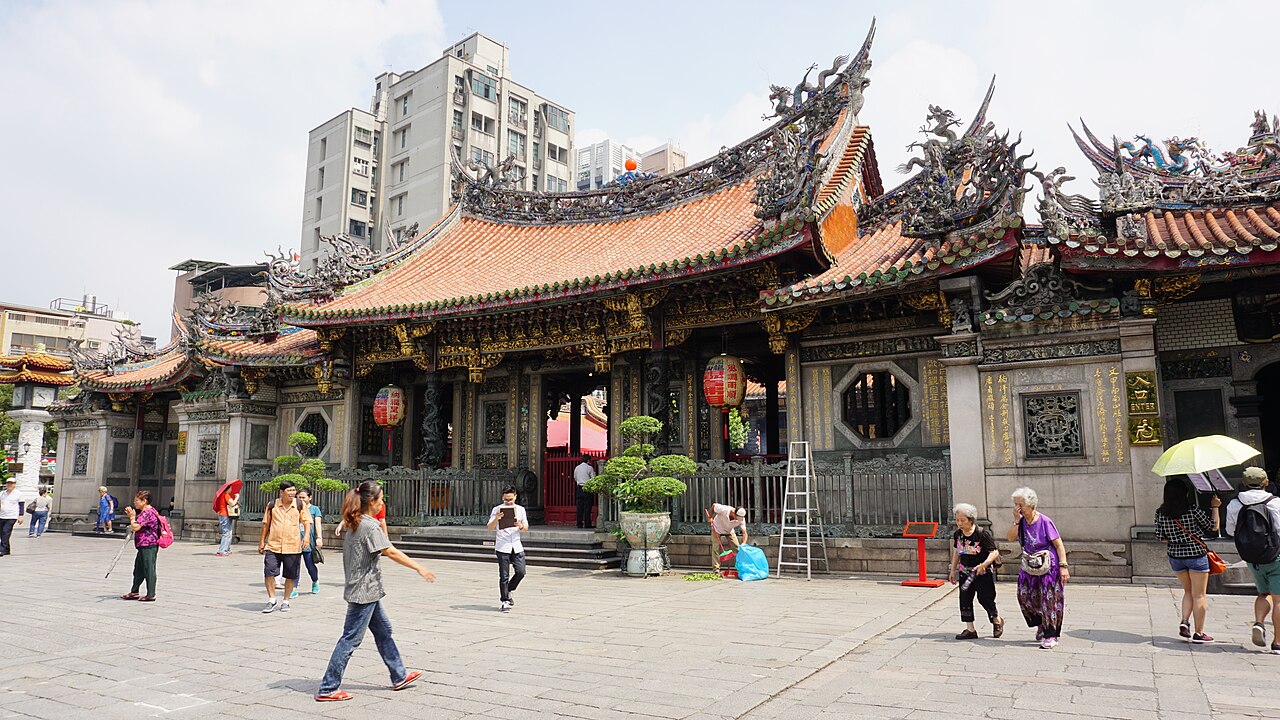
Bangka Lungshan Temple
Taipei (Wanhua) · Taiwan · temple
Taipei's mother Temple to Guanshiyin, founded by Fujian settlers in 1738 in the old Bangka quarter: a front hall to the bodhisattva of compassion and a rear hall of more than a hundred Taoist and folk gods, whose Guanyin statue survived the 1945 bombing intact.
 Buddhism
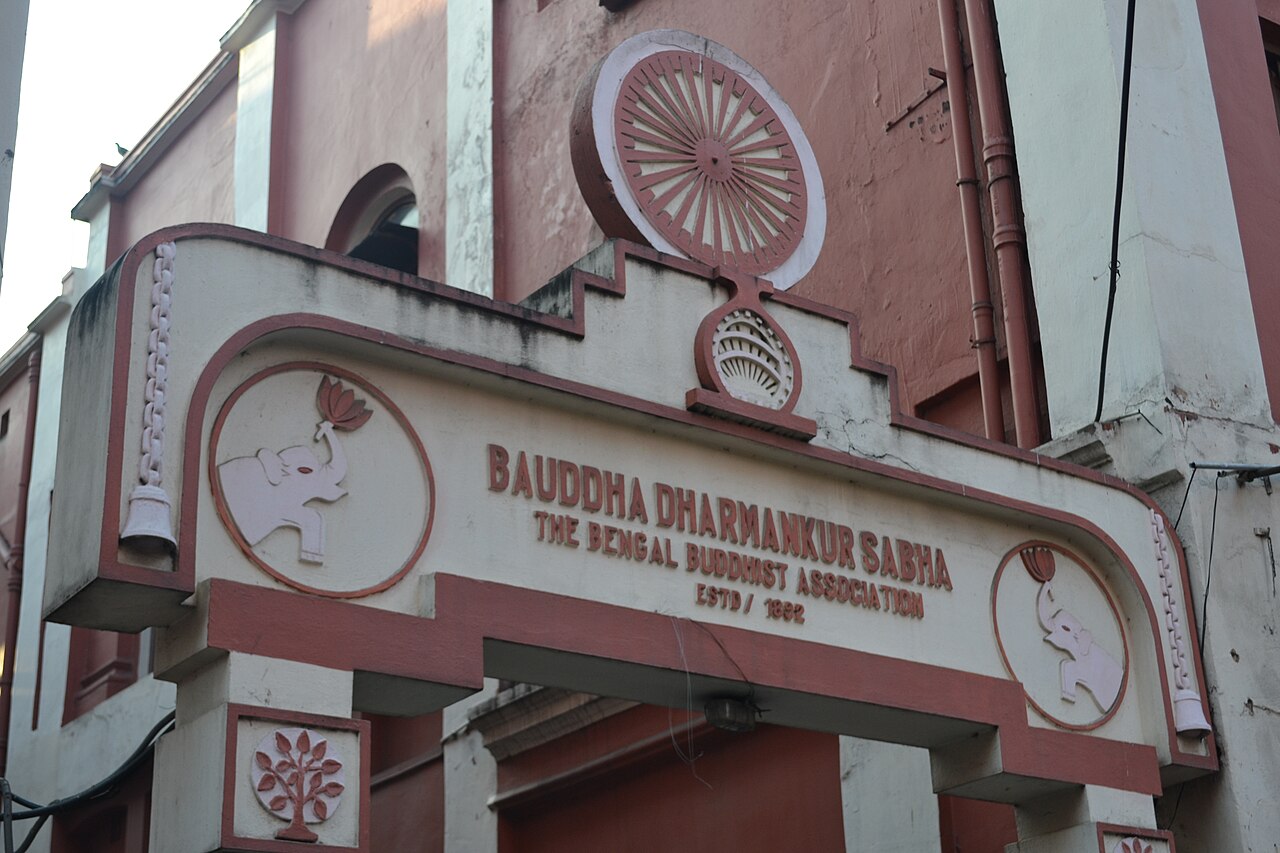
Bengal Buddhist Association
Kolkata · India · monastery
Founded in Kolkata in 1892 by Kripasaran Mahasthavir, the Bengal Buddhist Association, known in Bengali as Bauddha Dharmankur Sabha, raised the Dharmankur Vihara at Bow Barracks in 1903 and has worked for over a century to revive the Dharma in eastern India.
 Buddhism
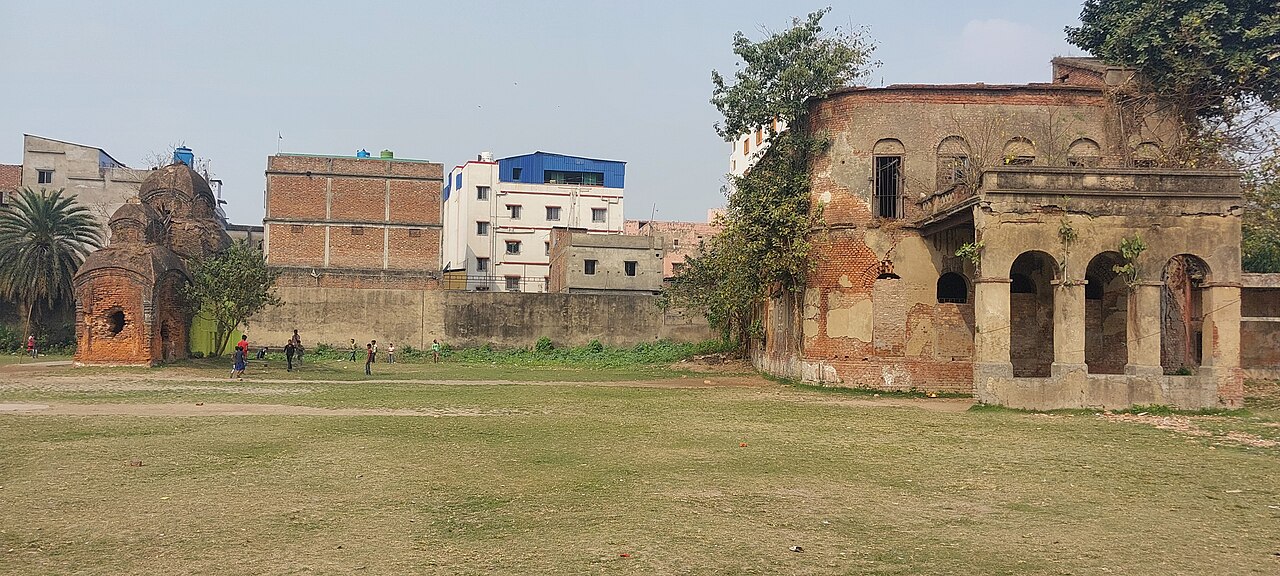
Bhot Bagan Math
Ghusuri · India · monastery
A brick monastery on the Hooghly riverside at Ghusuri, Howrah, founded in 1776 as the first Tibetan Buddhist religious foundation on the plains of India and still known popularly as Mahakal Math for the Tibetan deity images once installed in its sanctum.
 Buddhism
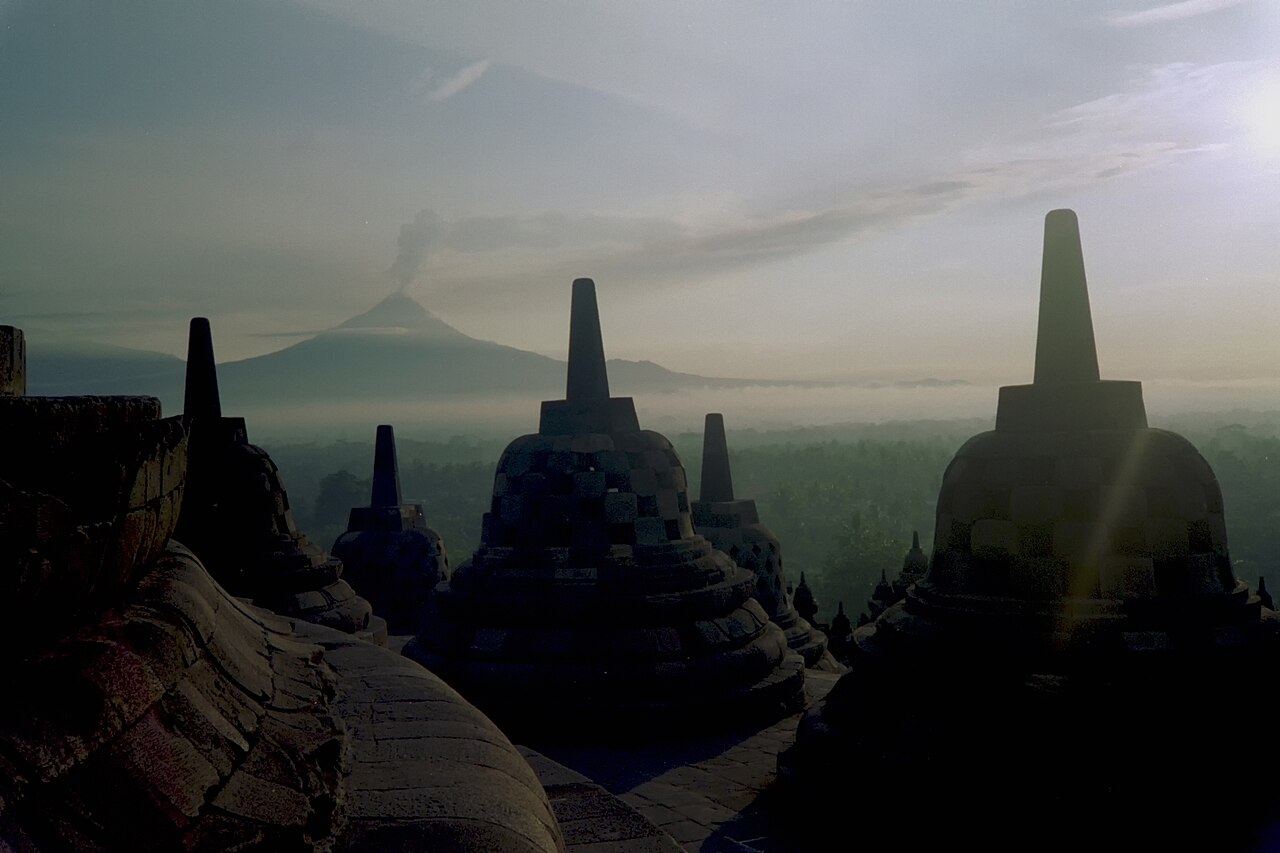
Borobudur
Magelang · Indonesia · temple
The world's largest Buddhist Temple: a ninth-century mandala in stone on Java's Kedu Plain, nine terraces rising through the three realms to 72 latticed stupas, each sheltering a seated Buddha.
 Buddhism
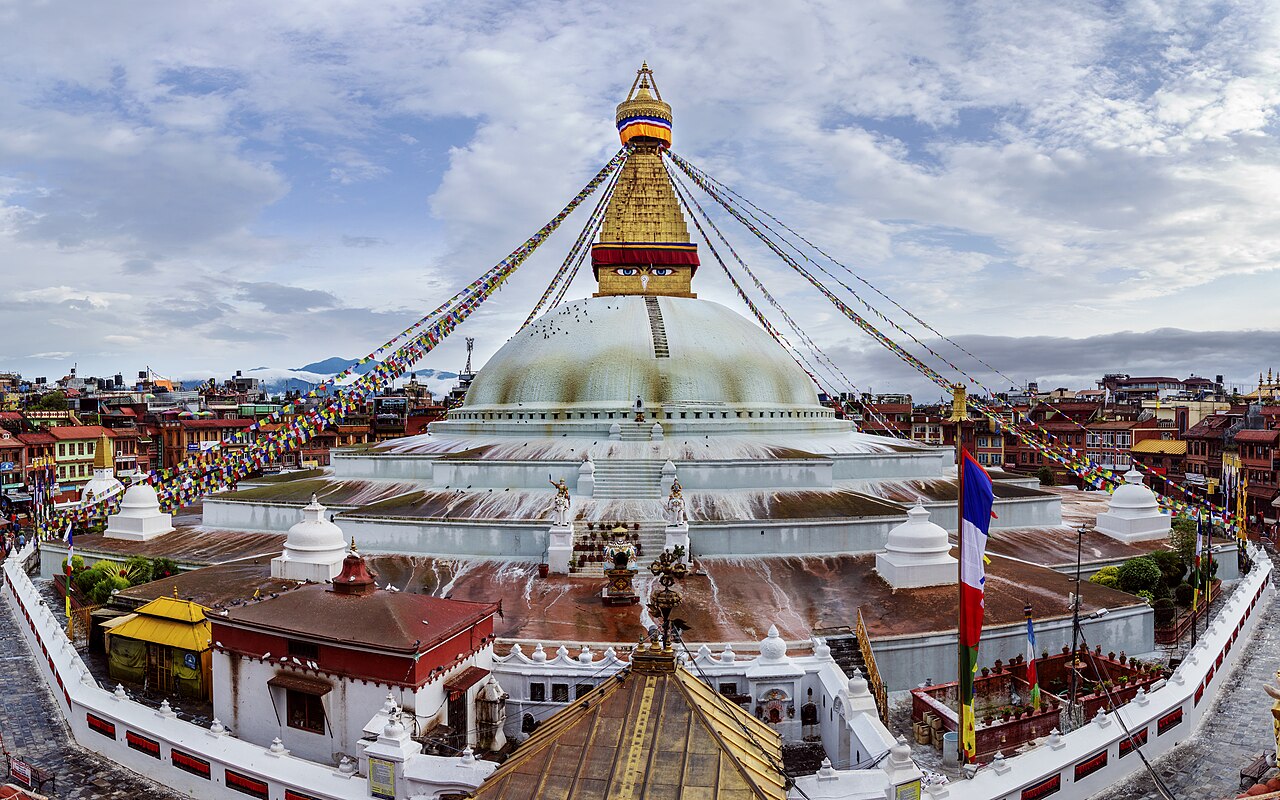
Boudhanath Stupa
Kathmandu · Nepal · stupa
The largest spherical stupa in Nepal, its all-seeing Buddha eyes watching over the kora walked daily by the Tibetan Buddhist community of Boudha, the heart of Vajrayana practice in the Kathmandu Valley.