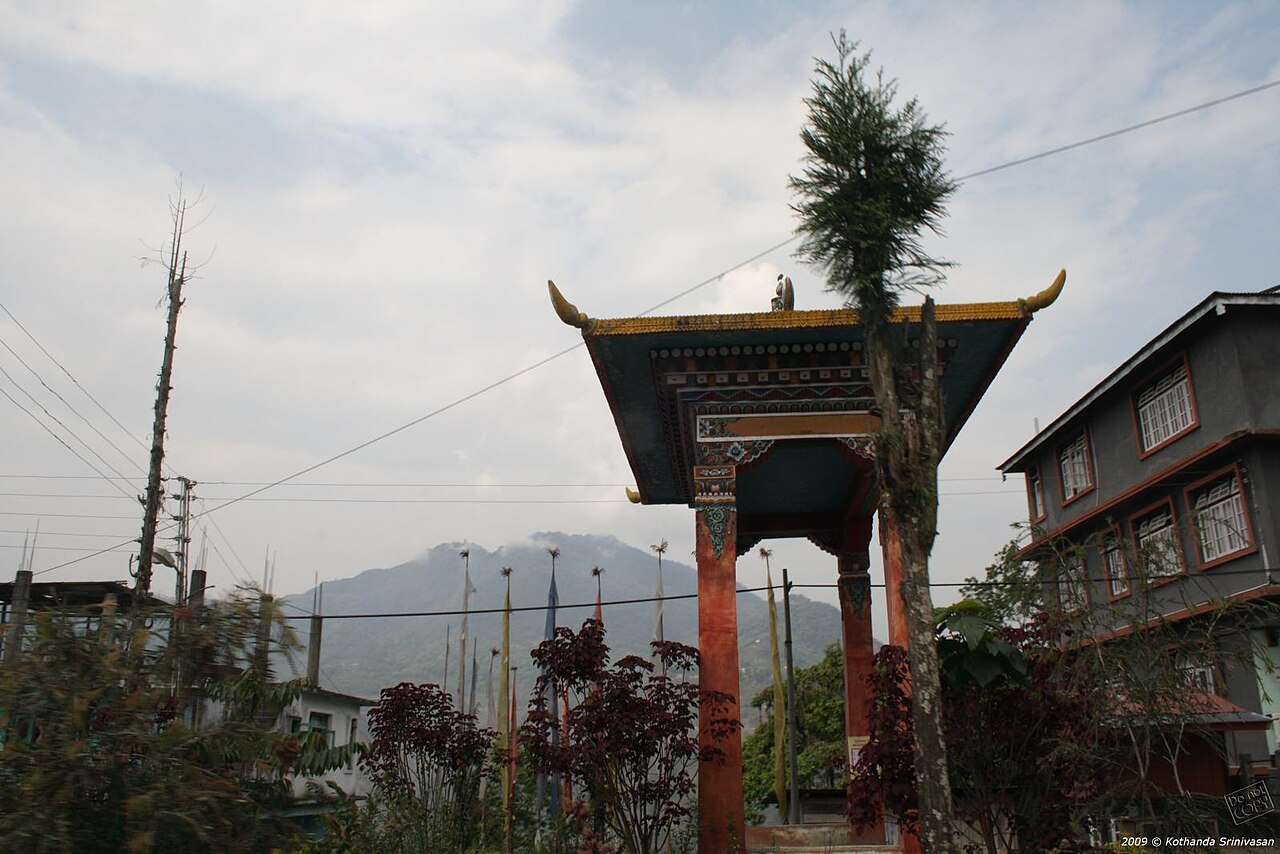
Tashiding Monastery
Drakkar Tashiding · Tashiding Gompa
About
Tashiding Monastery, known in Sikkimese as Drakkar Tashiding (བྲག་དཀར་བཀྲ་ཤིས་སྡིངས་), stands at an elevation of 1,465 metres on a curiously heart-shaped ridge between the Rathong Chu and Rangeet rivers, with Mt. Kanchenjunga rising behind it as a constant backdrop. The name Tashiding translates as "The Devoted Central Glory," a phrase that speaks to its position as the devotional axis around which the sacred geography of the surrounding region turns. The monastery belongs to the Nyingma sect of Tibetan Buddhism and enshrines the deity known as Tashiding as its principal sacred figure.
The monastic complex is arranged in five distinct areas, moving from the Sinem market at the ridge's lower edge up through prayer wheels and carved Mani stones, flagstones bearing the mantra "Om Mani Padme Hum" inscribed by the master craftsman Yanchong Lodil, to the main Chogyal Lhakhang, butter lamp houses, a quartet of chortens, and finally the Guru Lhakhang, the inner Temple dedicated to Guru Rinpoche. Ringing the grounds are 41 chortens of three sacred categories, those of Enlightenment, of Reconciliation, and of Great Miracle, housing the relics of Sikkim's Chogyals and Lamas. Among these stands the Thong-Wa-Rang-Dol chorten, whose very sight is said to confer liberation upon the beholder.
Four ancient meditation caves occupy the four cardinal directions around the monastery and town, each associated with Buddhist saints who sought solitary practice there. The broader pilgrimage circuit that includes Tashiding links it to Yuksam, Pemayangtse, the Norbugang Chorten, the Sanga Choeling Monastery, the Rabdentse ruins, and the sacred Khecheopalri Lake, situating the monastery within a living network of Sikkimese Buddhist heritage.
History
Tradition holds that in the seventeenth century three lamas who had just enthroned Sikkim's first Chogyal at Yuksam saw a shaft of light fall from Kanchenjunga onto this ridge, and Ngadak Sempa Chenpo raised a small lhakhang on the spot in 1641. The third Chogyal, Chakdor Namgyal, later enlarged it into a full monastery: Pedi Wangmo built the main Temple and its images, Lhatsun Chenpo raised the holy chortens, and the craftsman Yanchong Lodil carved the surrounding mani stones with the mantra Om Mani Padme Hum. A major renovation followed in 1717, and though the main Temple has since been rebuilt again, it still stands within the original ring of chortens that hold the relics of Sikkim's Chogyals and lamas.
Significance
Tashiding is encircled by nearly every major monastery and sacred site in Sikkim, which is why it is called the state's spiritual centre. At its heart is a sealed vase said to hold water consecrated by Guru Padmasambhava himself, opened once a year at the Bhumchu festival so the lamas can read the coming year's fortune in its level and clarity before resealing it for another twelve months.
Architecture
Sikkimese Nyingma monastic architecture: a Chogyal Lhakhang and butter-lamp houses ringed by 41 chortens, with the Guru Lhakhang as the innermost shrine
Visiting
Hours
Hours not listed.
Contact
No contact details listed yet.
Engage with Tashiding Monastery
Through the four pathways
Seva सेवा — Service
Offer your time and skills here. The following opportunities are open at Tashiding Monastery:
No Seva offerings listed yet.
Sādhana साधना — Practice
Learn the worship and practice associated with Tashiding Monastery:
No Sādhana offerings listed yet.
Sandhāna सन्धान — Wisdom
Unite with the wisdom of this tradition:
No Sandhāna offerings listed yet.
Sādhya साध्य — Giving
Support this sacred place according to your means:
No Sādhya offerings listed yet.
All giving flows directly to Tashiding Monastery. Adisthan does not take a commission.
Festivals & Events
- Mar
Bhumchu
22 March 2027 · annual
On the full moon of the first Tibetan month, the monastery's lamas unseal a vase said to hold water consecrated by Guru Padmasambhava, reading its level and clarity as an omen for Sikkim's coming year before sharing the water with the pilgrims who gather from across Sikkim, Nepal, and Bhutan.
Gallery
Related sacred places
 Buddhism
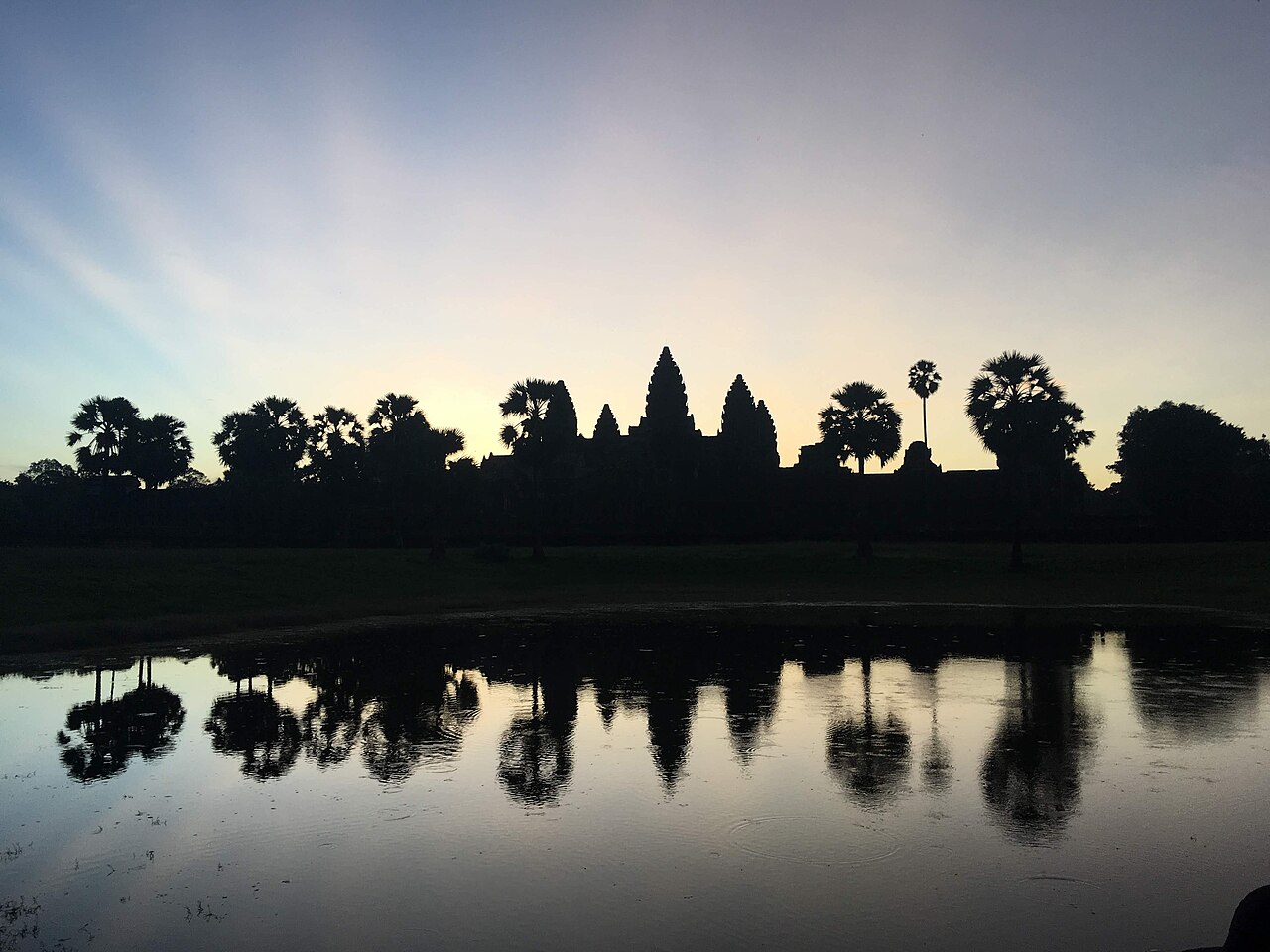
Angkor Wat
Siem Reap · Cambodia · temple
The largest religious monument on earth, built for Lord Vishnu by Suryavarman II in the 12th century and in continuous worship ever since: a living Theravada Buddhist Temple whose five towers stand on the Cambodian flag.
 Buddhism
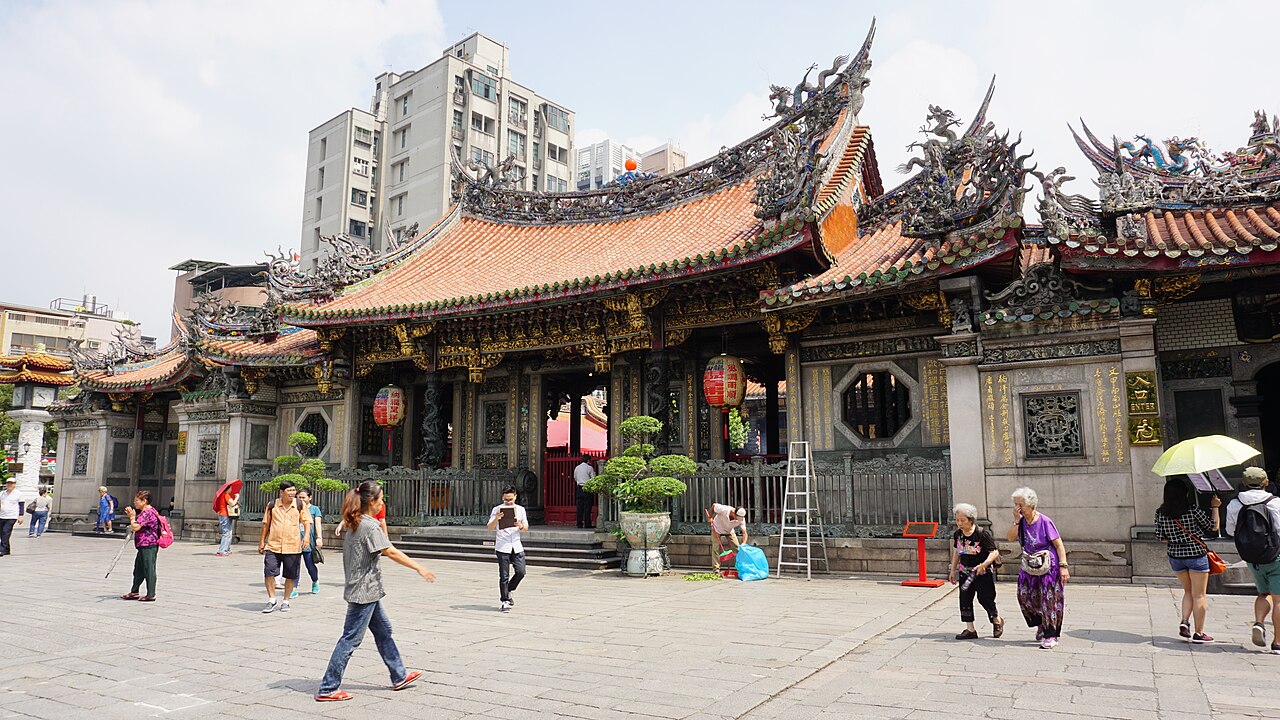
Bangka Lungshan Temple
Taipei (Wanhua) · Taiwan · temple
Taipei's mother Temple to Guanshiyin, founded by Fujian settlers in 1738 in the old Bangka quarter: a front hall to the bodhisattva of compassion and a rear hall of more than a hundred Taoist and folk gods, whose Guanyin statue survived the 1945 bombing intact.
 Buddhism
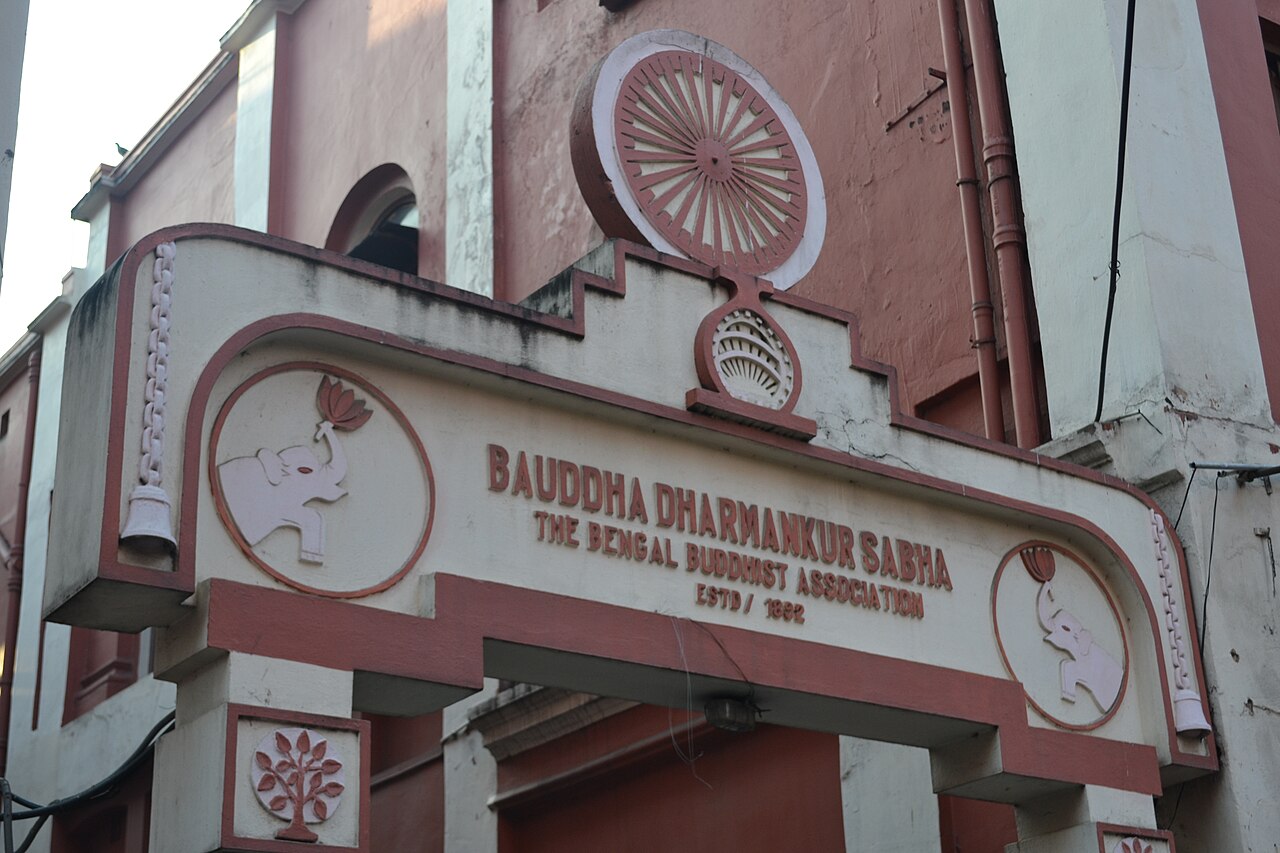
Bengal Buddhist Association
Kolkata · India · monastery
Founded in Kolkata in 1892 by Kripasaran Mahasthavir, the Bengal Buddhist Association, known in Bengali as Bauddha Dharmankur Sabha, raised the Dharmankur Vihara at Bow Barracks in 1903 and has worked for over a century to revive the Dharma in eastern India.
 Buddhism
Bhot Bagan Math
Ghusuri · India · monastery
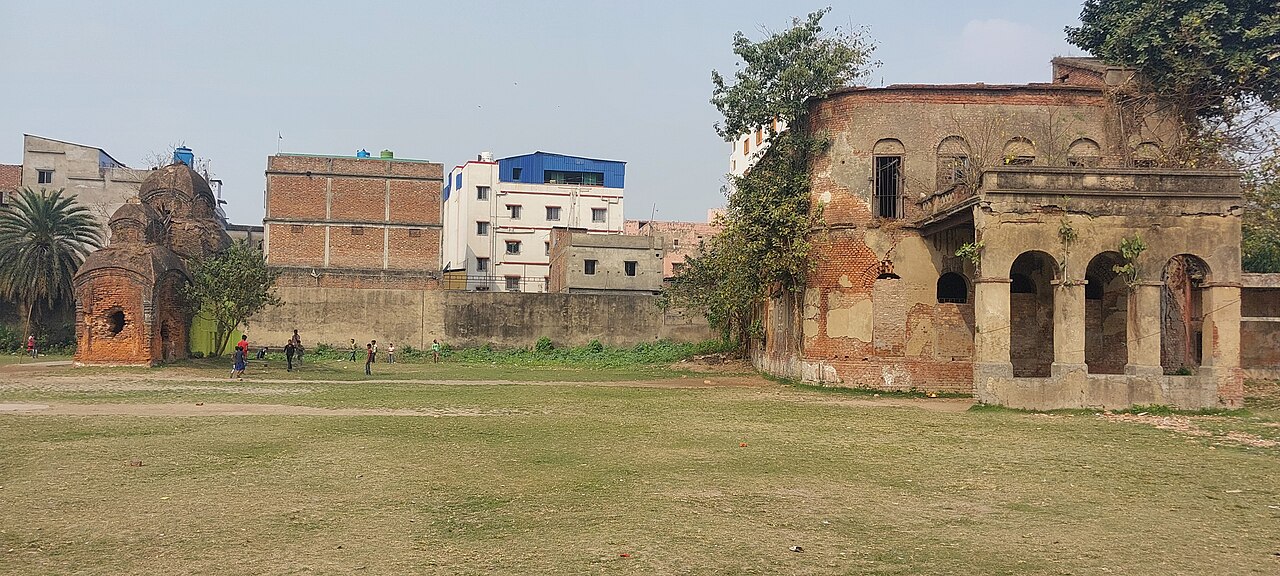
A brick monastery on the Hooghly riverside at Ghusuri, Howrah, founded in 1776 as the first Tibetan Buddhist religious foundation on the plains of India and still known popularly as Mahakal Math for the Tibetan deity images once installed in its sanctum.
 Buddhism
Borobudur
Magelang · Indonesia · temple
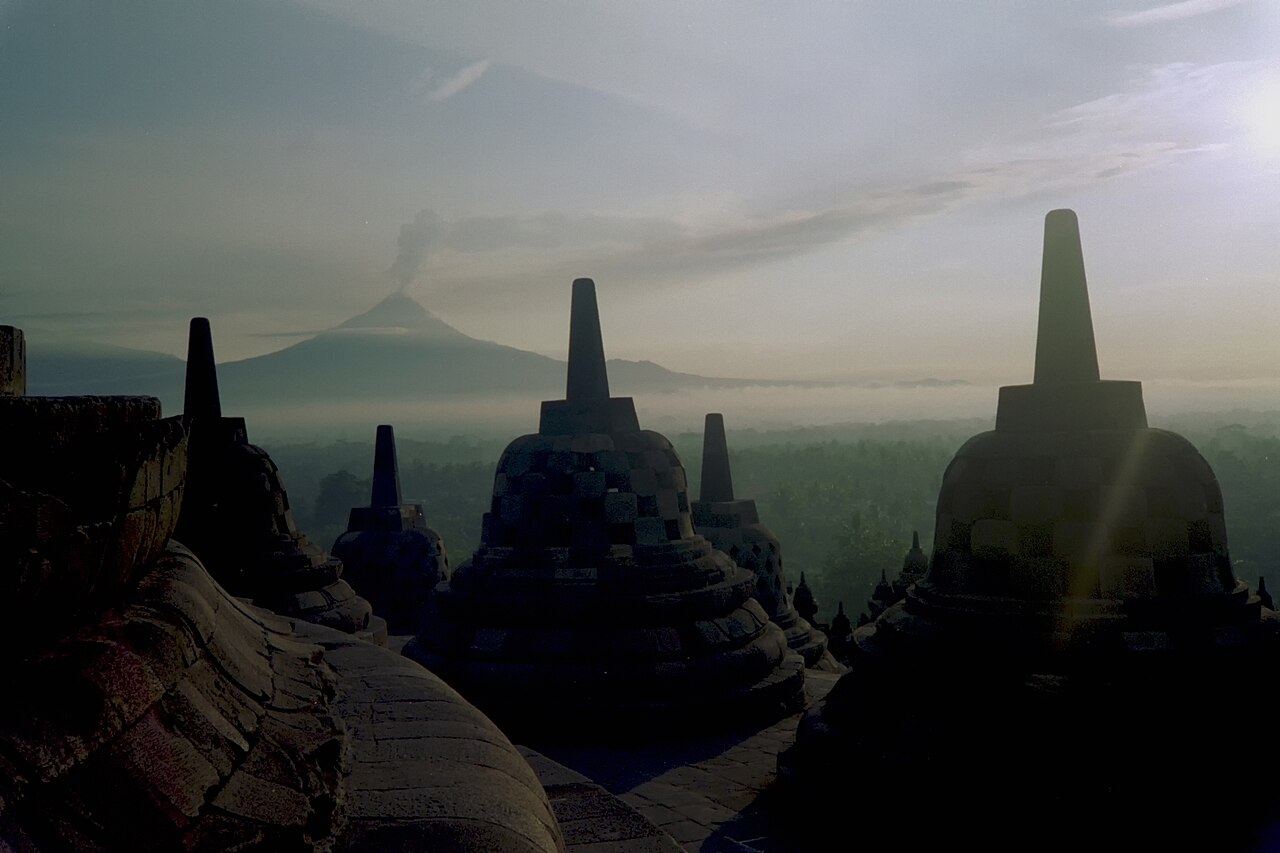
The world's largest Buddhist Temple: a ninth-century mandala in stone on Java's Kedu Plain, nine terraces rising through the three realms to 72 latticed stupas, each sheltering a seated Buddha.
 Buddhism
Boudhanath Stupa
Kathmandu · Nepal · stupa
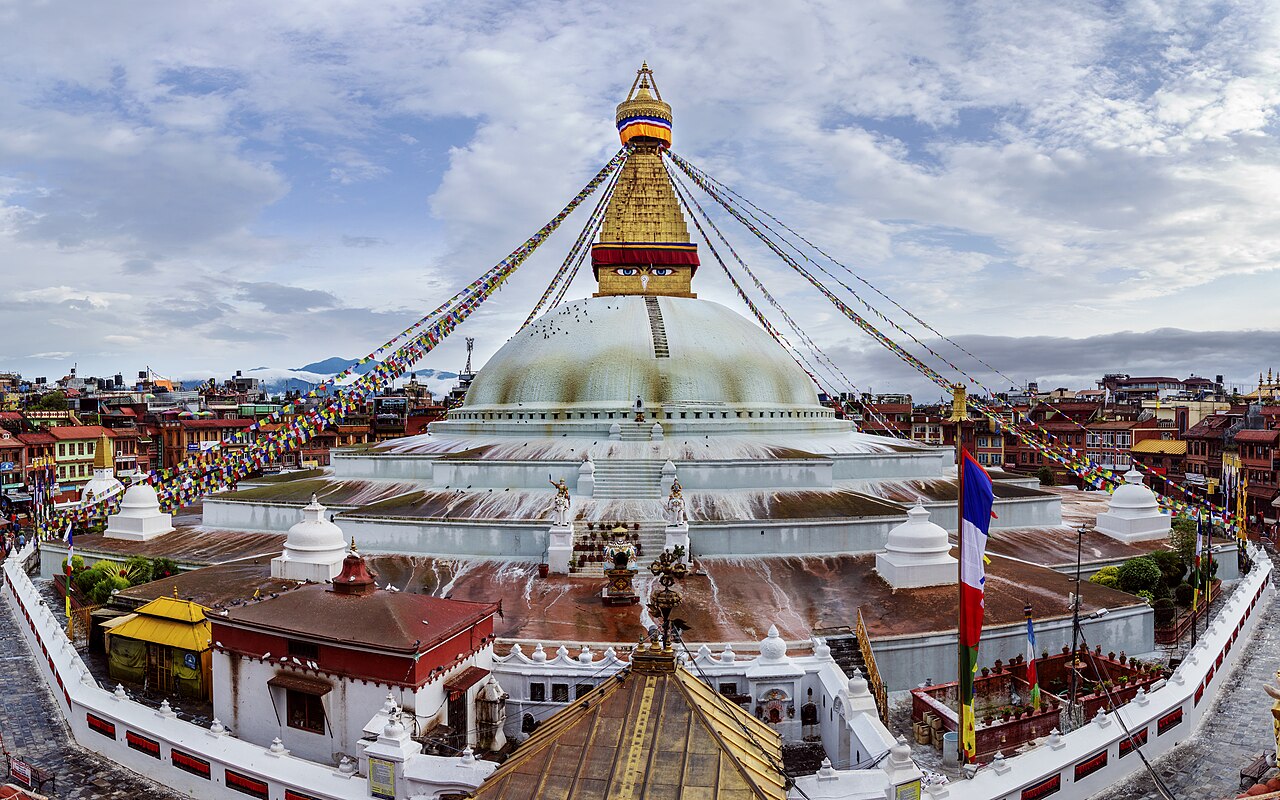
The largest spherical stupa in Nepal, its all-seeing Buddha eyes watching over the kora walked daily by the Tibetan Buddhist community of Boudha, the heart of Vajrayana practice in the Kathmandu Valley.