
Tipu Sultan Mosque
Tipu Sultan Shahi Mosque · Tipu Sultan Masjid · Dharmatala Mosque
About
Standing at 185 Dharmatala Street in the heart of Kolkata, the Tipu Sultan Shahi Mosque, formerly called the Dharmatala Mosque, occupies a singular place among the city's Islamic landmarks. Its name honours Tipu Sultan, the scholar-warrior ruler of Mysore who fell in battle against the British East India Company, and whose memory his family carried across the subcontinent into exile. The mosque is regarded as a site of both architectural and cultural heritage, drawing worshippers and those curious about the layered history embedded in its walls.
The building reflects the dignity of its patrons. Ghulam Mohammed, who commissioned it, used his own resources to acquire land in the commercial centre of Calcutta, then the colonial capital, and raised the mosque as a lasting presence in a city far removed from Mysore. An earlier sister mosque, the Tipu Sultan Masjid Tollygunge, had been completed in 1835 by the same patron, and both properties continue to be overseen by the Ghulam Mohammed Wakf Estate. The Tipu Sultan Shahi Masjid Protection and Welfare Committee, formed in the late 1980s, remains active in the mosque's daily affairs, having successfully negotiated repairs to structural damage caused by Kolkata Metro construction nearby.
History
Six years after Tipu Sultan fell defending Srirangapatna against the British East India Company in 1799, his family was exiled to Calcutta. His youngest son, Ghulam Mohammed, grew up in the city and in 1842 used his own resources to buy land at the heart of colonial Calcutta and raise this mosque in his father's name, a few years after an earlier mosque he had built at Tollygunge in 1835. Both mosques remain under the Ghulam Mohammed Wakf Estate. In the early 1980s, construction of the Kolkata Metro beneath the Esplanade damaged the building; the Tipu Sultan Shahi Masjid Protection and Welfare Committee, formed soon after by community members including Seraj Mubarki and Mohammad Sharfuddin, negotiated the repair and rebuilding of the damaged sections and continues to look after the mosque's affairs today.
Significance
For nearly two centuries the mosque has anchored daily prayer in the commercial heart of Kolkata, and its Friday congregation regularly fills the surrounding pavement at Esplanade. It stands as a son's tribute to a ruler still remembered across South Asia for resisting colonial conquest, and as evidence that a family stripped of its kingdom could still build something lasting in the city of its exile.
Architecture
Indo-Islamic architecture in a nineteenth-century Bengal idiom: a round-arched facade at street level beneath tiered octagonal minarets and ribbed green domes
Visiting
Hours
Hours not listed.
Contact
No contact details listed yet.
Address
Engage with Tipu Sultan Mosque
Through the four pathways
Seva सेवा — Service
Offer your time and skills here. The following opportunities are open at Tipu Sultan Mosque:
No Seva offerings listed yet.
Sādhana साधना — Practice
Learn the worship and practice associated with Tipu Sultan Mosque:
No Sādhana offerings listed yet.
Sandhāna सन्धान — Wisdom
Unite with the wisdom of this tradition:
No Sandhāna offerings listed yet.
Sādhya साध्य — Giving
Support this sacred place according to your means:
No Sādhya offerings listed yet.
All giving flows directly to Tipu Sultan Mosque. Adisthan does not take a commission.
Gallery
Related sacred places
 Islam
IslamAbu'l-Fida Mosque
Hama · Syria · mosque
A fourteenth-century Ayyubid mausoleum and Mamluk-era congregational mosque on the banks of the Orontes in Hama, Syria, known locally as the Mosque of the Serpents for the carved pillars at its windows.
 Islam
IslamAdhai Din Ka Jhonpra
Ajmer · India · mosque
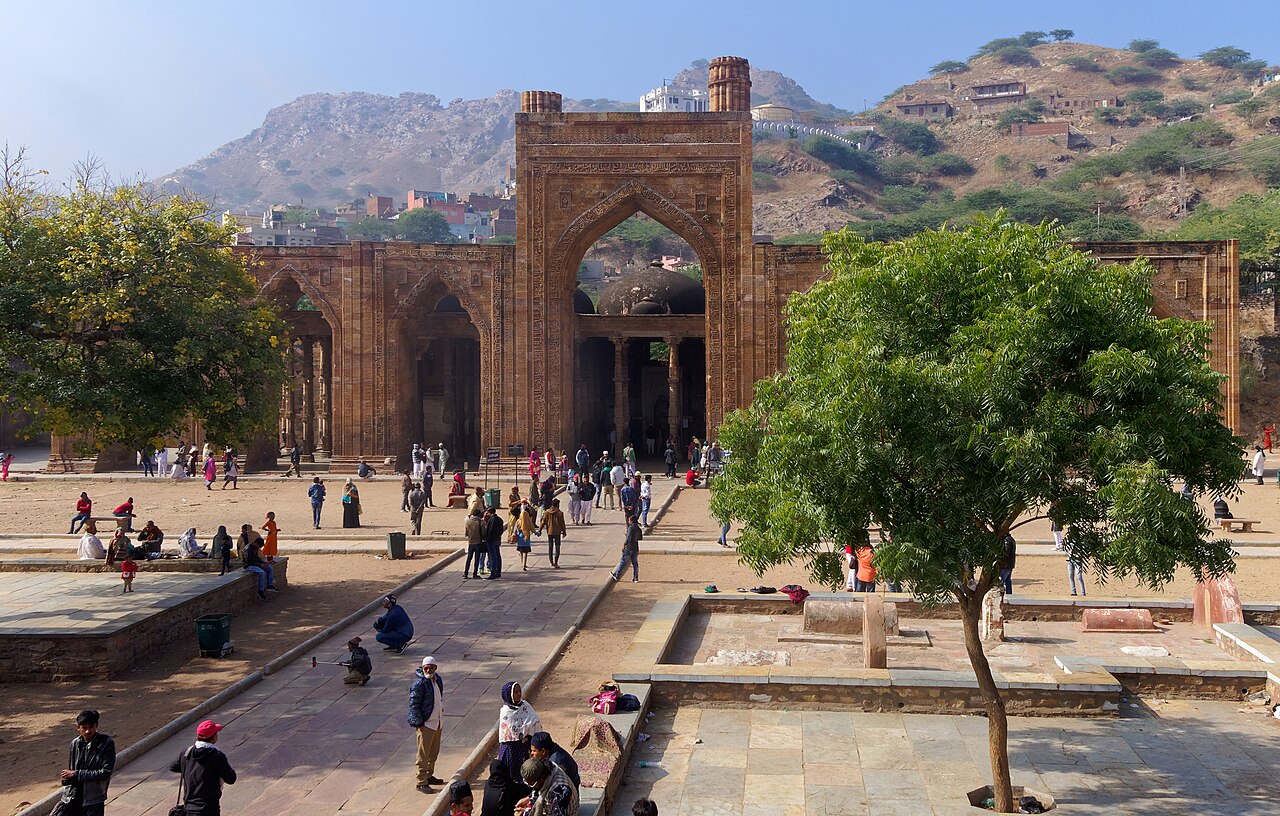
The oldest surviving monument in Ajmer and among the earliest Indo-Islamic mosques in India, its 1199 CE prayer hall and Iltutmish's 1213 CE arched screen rise on 344 pillars carved by Hindu and Jain craftsmen from earlier Temples.
 Islam
IslamAdina Mosque
Pandua · India · mosque
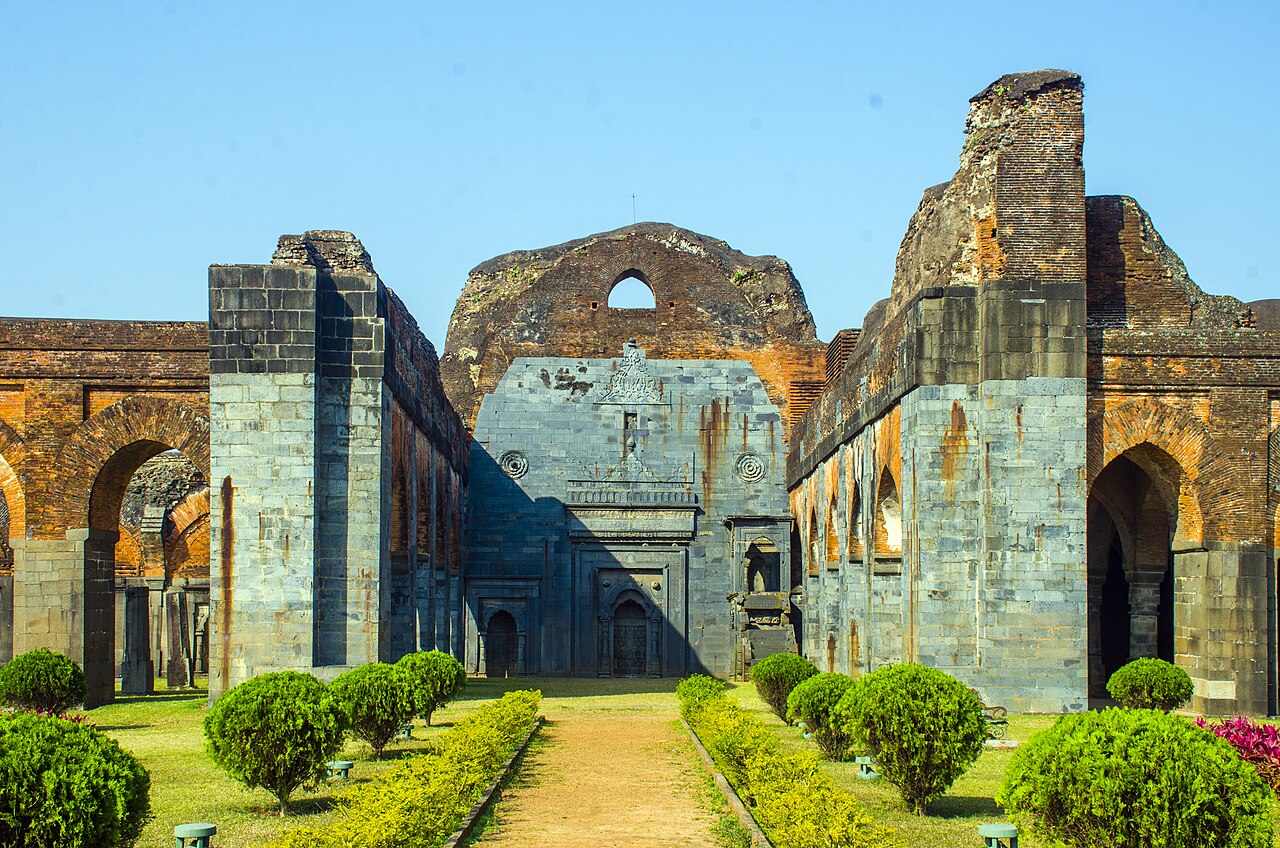
Once the largest mosque on the Indian subcontinent, the Adina Mosque at Pandua in West Bengal was raised by Sultan Sikandar Shah between 1373 and 1375 as the congregational mosque of the Bengal Sultanate, and holds his tomb within its western wall.
 Islam
IslamAjmer Sharif Dargah
Ajmer · India · dargah
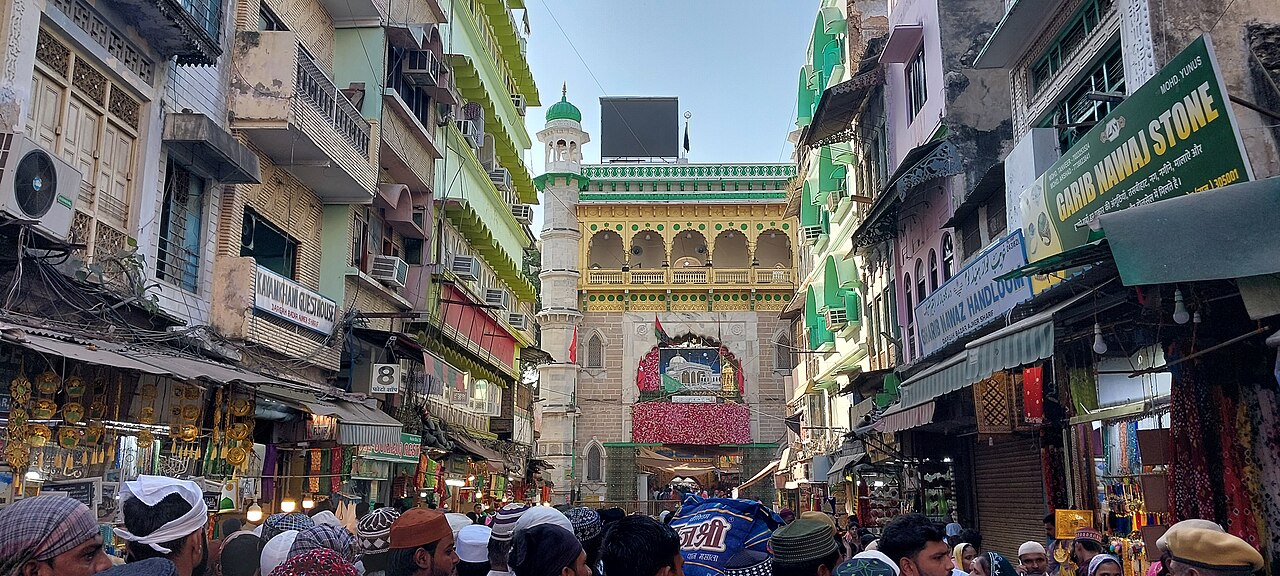
The tomb of Hazrat Khwaja Moinuddin Chishti, Gharib Nawaz, the benefactor of the poor, and the principal Sufi dargah of South Asia, where pilgrims of every community have offered chadars and shared the sweet rice of the great deghs for eight centuries.
Akbarabadi Mosque
Delhi · India · mosque
A mosque raised in 1650 by Akbarabadi Begum, a wife of the Mughal emperor Shah Jahan, in the walled city of Shahjahanabad, demolished by British forces in the aftermath of the 1857 Uprising and today marked only by disputed, unexcavated remains beneath Netaji Subhash Park in Old Delhi.
 Islam
IslamAlamgir Mosque
Varanasi · India · mosque
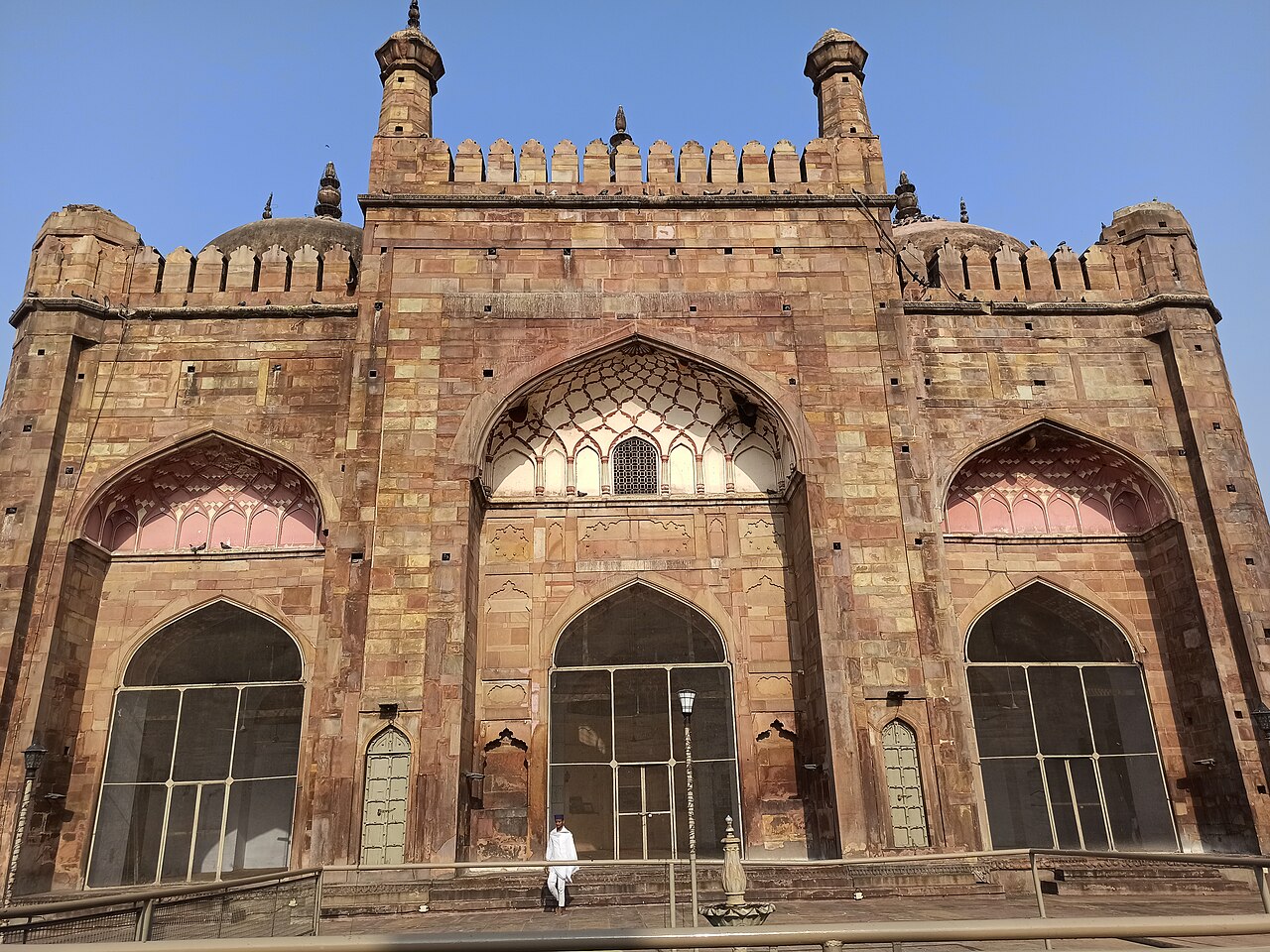
Raised in 1669 by the Mughal emperor Aurangzeb on the high bank above Panchganga Ghat in Varanasi, the Alamgir Mosque stands where wide stone steps meet the Ganges, its domes and surviving corner turret rising over a site earlier accounts describe as the Hindu Temple of Bindu Madhava.