Tirumalai
Arhasugiri · Engunavirai-Tirumalai · Arihantagiri · Tirumalai Jain Temple
About
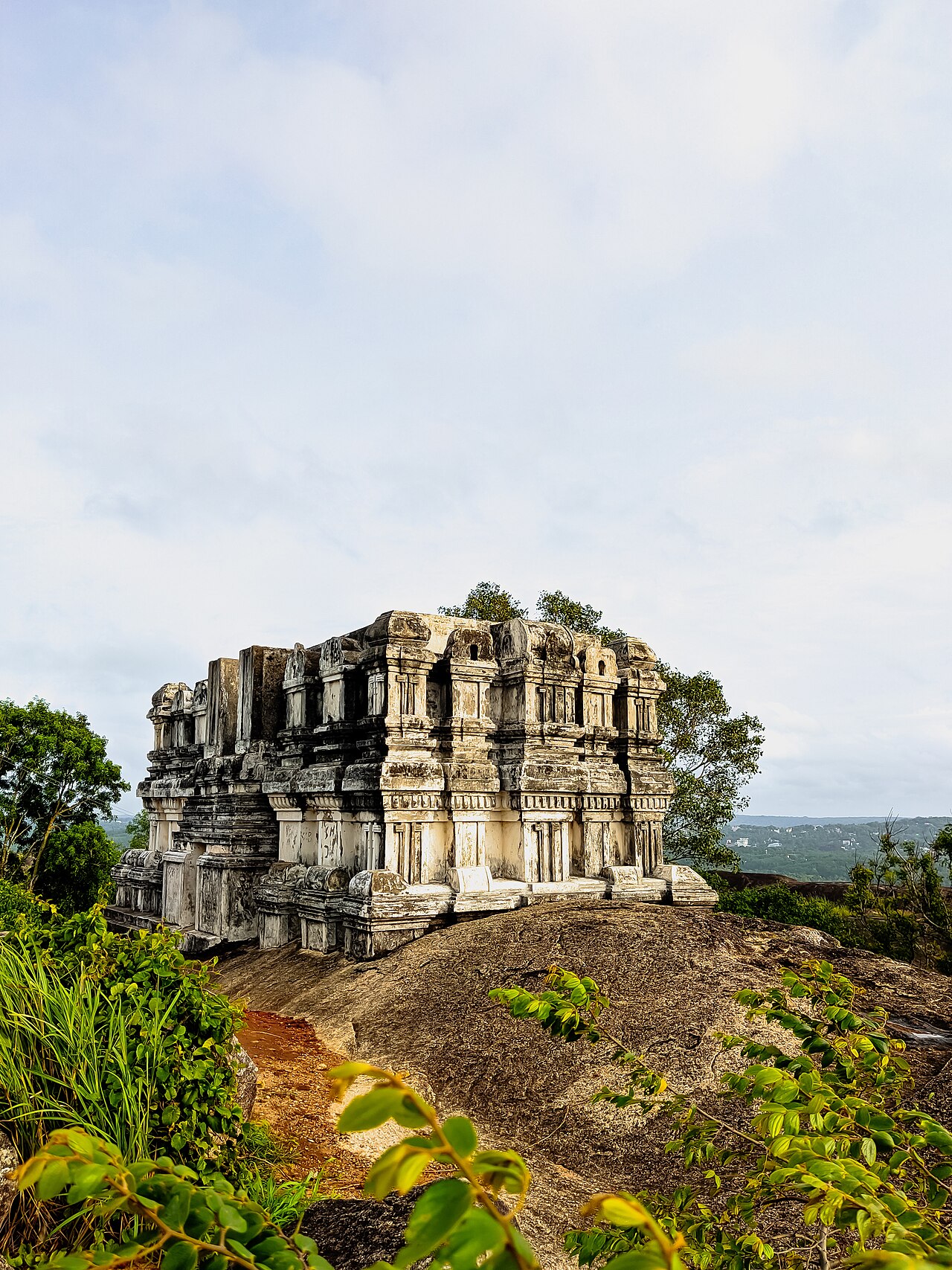
Rising northwest of Polur in Tamil Nadu, southeastern India, Tirumalai is a sacred hill that has drawn Jain devotees for more than a millennium. The site takes its name from Tamil words meaning 'the holy mountain,' and later acquired the Sanskrit epithet Arhasugiri, 'the excellent mountain of the Arhat', reflecting the deep reverence in which it has long been held. Three rock-cut caves, two constructed Temples, and a magnificent monolithic sculpture together form a complex of remarkable spiritual and artistic depth.
The centrepiece of the hilltop is the Kunthavai Jinalaya, a Temple that is partly excavated from the living rock and partly built within the cavern's embrace. It houses a monolithic standing image of the Tirthankara Neminatha carved to a height of 16.25 feet (4.95 m), making it the tallest Jain image in Tamil Nadu. The Temple walls are rich in sculpture and bas-relief, and the chamber also preserves footprints memorialising the nirvana of Jain monks. A second Temple to Mahavira was added to the west in the 16th century, and a third, dedicated to Parshvanath, followed in the 17th century.
The painted surfaces of the complex add a further dimension to its sanctity. Added between the 15th and 17th centuries, surviving murals include a striking depiction of Parshvanatha sheltered by a canopy of five serpent hoods, venerated by monks and laity, as well as images of Ambika and Bahubali. A composition showing the Samavasarana, the divine assembly of a Tirthankara, has been compared to the celebrated paintings at Shravanabelagola. The caves are under the protection of the Archaeological Survey of India, which continues to care for this layered heritage site.
History
Tradition holds that eight thousand Jain monks who had travelled south with the teacher Bhadrabahu undertook their final penance and attained nirvana on this hill, and the footprints of four revered acharyas, Vrishabhsenacharya, Samantabhadracharya, Varadattacharya Munivar, and Sri Vadeepa Simhasuri, are still preserved at the site. The great cavern at the hill's base was shaped around the 9th century CE and later divided into some thirty chambers; a late 10th century inscription names the hill Vaigai-Tirumalai after Vaigavur, the village at its foot. The Kunthavai Jinalaya, the Temple partly cut from the rock and partly built into the cavern, is said to have been commissioned in the 10th century by the Chola princess Kundavai, and an inscription dated 1024 CE records offerings made here by Rajendra Chola I. Temples to Mahavira and Parshvanatha were added in the 16th and 17th centuries, and murals from that period, including a Parshvanatha sheltered by five serpent hoods and a Samavasarana scene compared to the paintings at Shravanabelagola, survive on the cavern walls.
Significance
This Tirumalai should not be confused with Tirumala near Tirupati, the hill of the Venkateswara Temple in Andhra Pradesh; the two share only a similar-sounding name. This Tirumalai is a Digambara Jain sanctuary in Tiruvannamalai district, its sanctity resting on the monks believed to have found liberation here rather than on any single deity's shrine. The Archaeological Survey of India protects the caves, and the nearby Arahanthgiri Jain Math, established in August 1998, keeps the hill a place of living pilgrimage rather than a silent ruin.
Architecture
Rock-cut and structural Dravidian Jain architecture, partly excavated from the hill and partly built within the cavern, with later structural shrines added in the 16th and 17th centuries
Visiting
Hours
Hours not listed.
Contact
No contact details listed yet.
Engage with Tirumalai
Through the four pathways
Seva सेवा — Service
Offer your time and skills here. The following opportunities are open at Tirumalai:
No Seva offerings listed yet.
Sādhana साधना — Practice
Learn the worship and practice associated with Tirumalai:
No Sādhana offerings listed yet.
Sandhāna सन्धान — Wisdom
Unite with the wisdom of this tradition:
No Sandhāna offerings listed yet.
Sādhya साध्य — Giving
Support this sacred place according to your means:
No Sādhya offerings listed yet.
All giving flows directly to Tirumalai. Adisthan does not take a commission.
Gallery
Related sacred places
 Jainism
Adinatha Temple
Khajuraho · India · temple
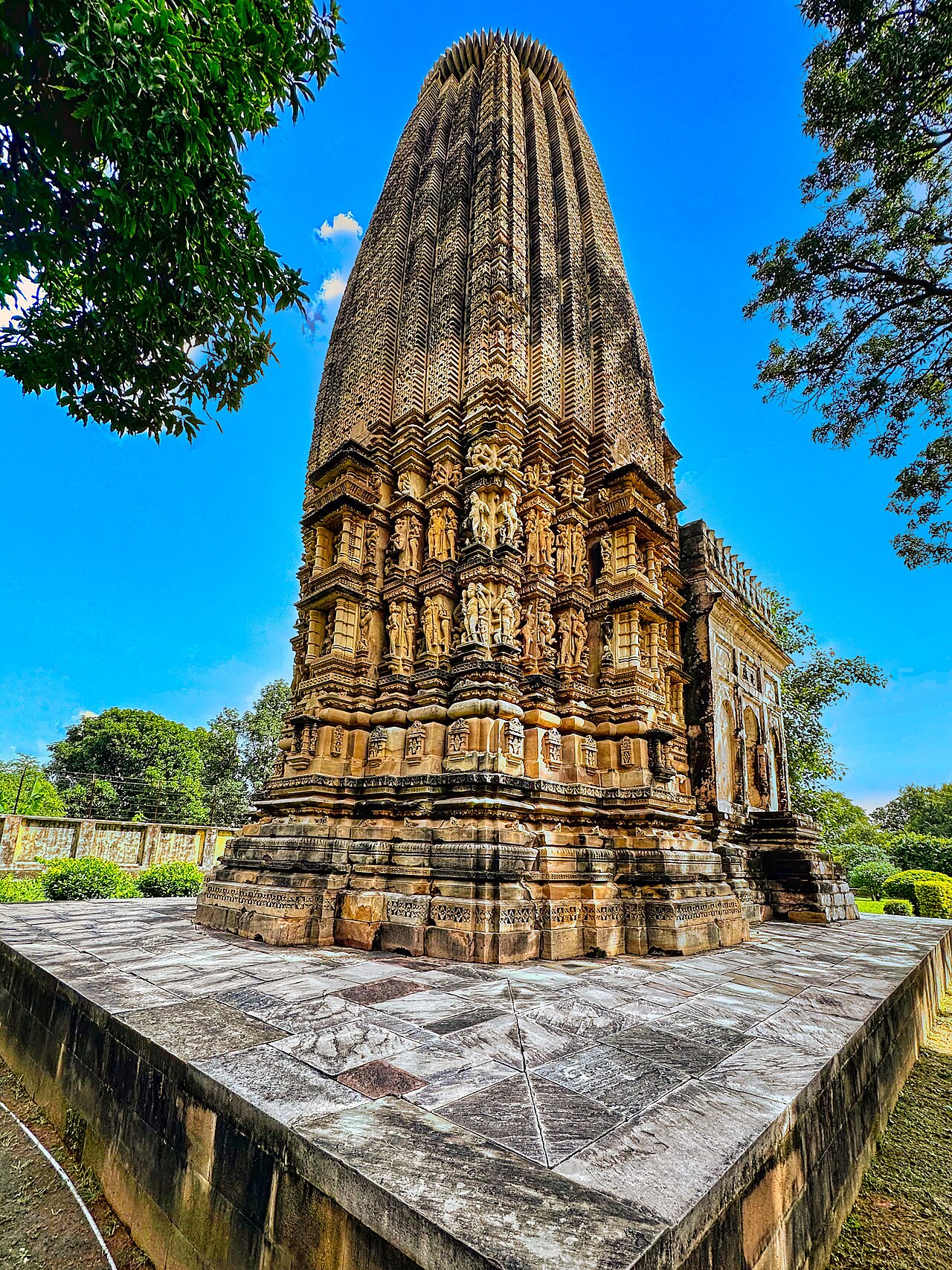
A Digambara Jain shrine within Khajuraho's Eastern Group of Temples, dedicated to Lord Adinatha, the first tirthankara, its curvilinear sandstone tower carved in the late eleventh century for a Hindu patron before passing into Jain hands.
 Jainism
Aharji
Aharji · India · temple
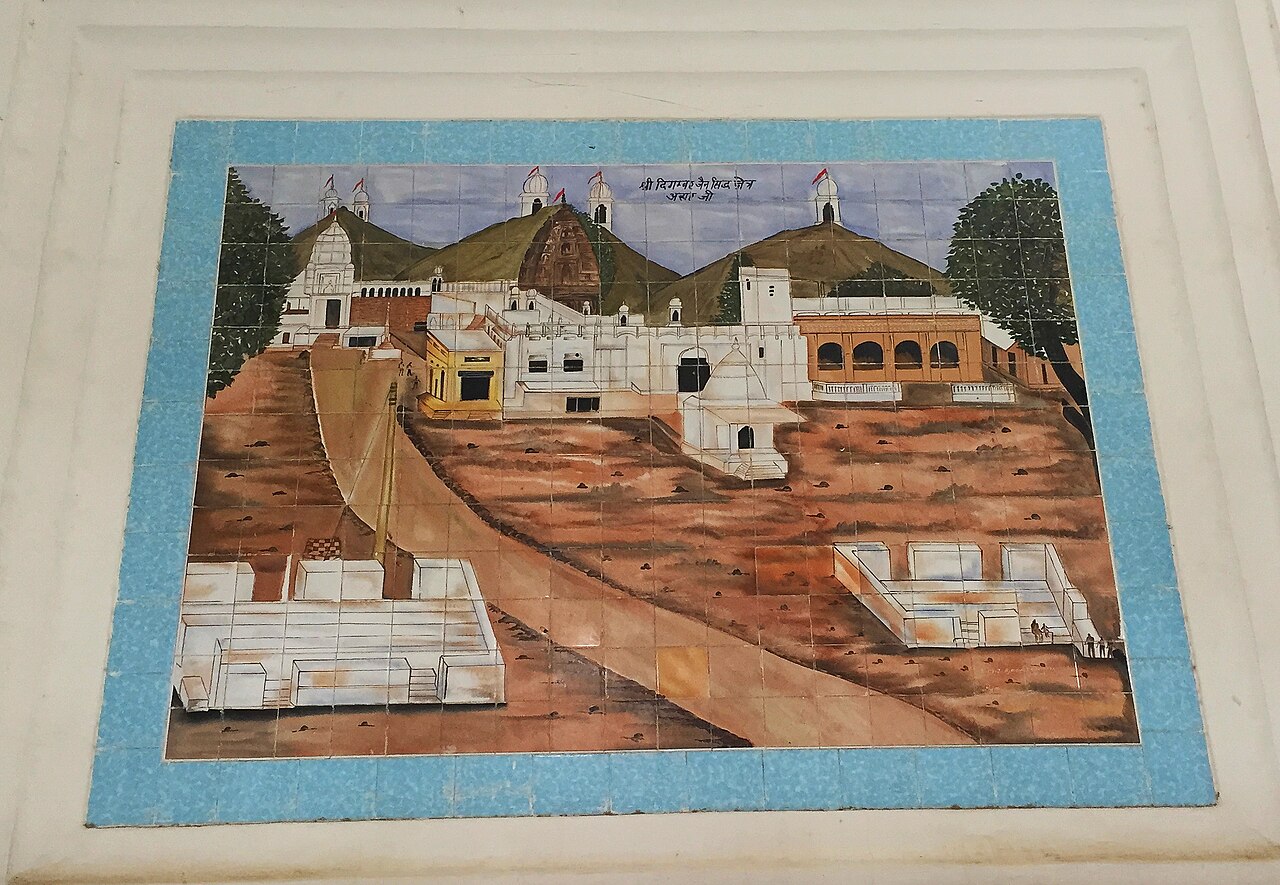
A Digambara Jain tirtha in the Bundelkhand region of Madhya Pradesh, where an eighteen-foot Chandella-era colossus of Lord Shantinatha stands in silent meditation at the heart of a Temple complex raised across three centuries.
 Jainism
Ahinsa Sthal
New Delhi · India · temple
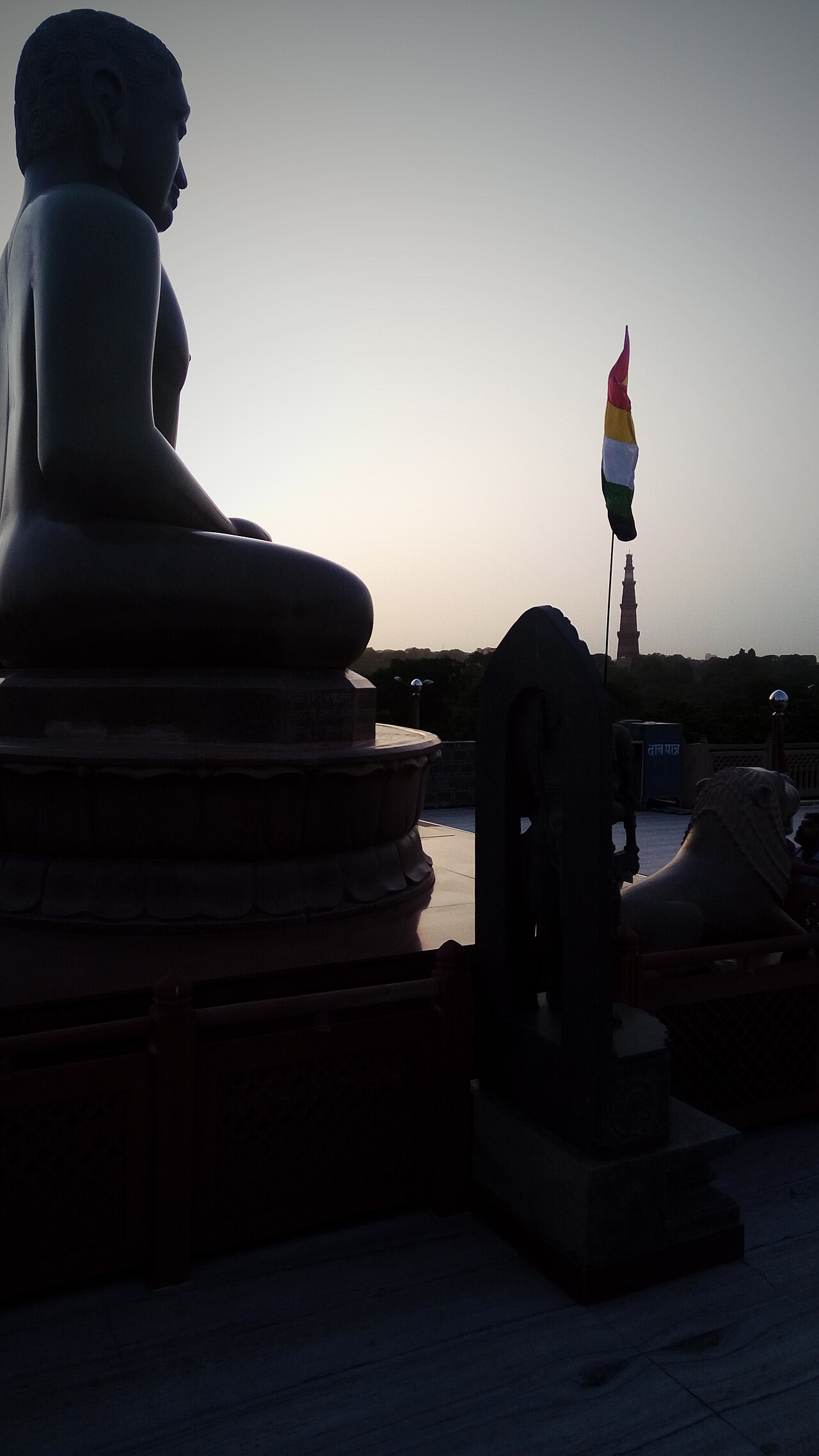
A modern Digambara Jain shrine on a terrace in Mehrauli, New Delhi, built in 1980 around a colossal granite image of Lord Mahavira seated in deep meditation, its very name declaring the tradition's central vow: ahimsa, harmlessness toward every living being.
 Jainism
Ajmer Jain Temple
Ajmer · India · temple
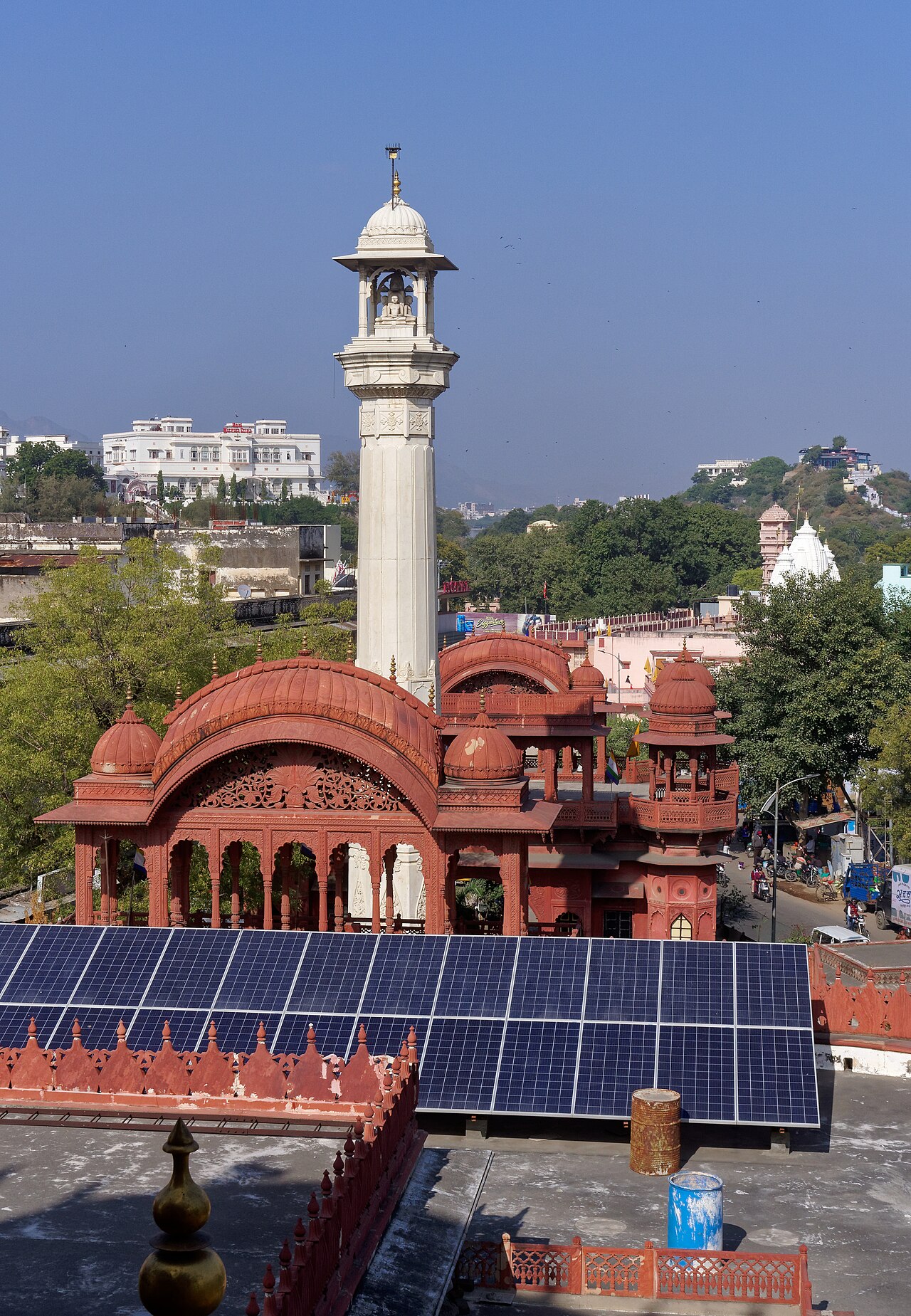
Popularly called Soniji Ki Nasiyan or the Red Temple, this Digambara Jain Temple on Prithviraj Marg in Ajmer pairs a red sandstone sanctuary, crowned by an eighty two foot marble pillar, with a golden upper hall whose gilded tableaux retell the life of Lord Rishabhdev, the first tirthankara.
 Jainism
Akkana Basadi
Shravanabelagola · India · temple
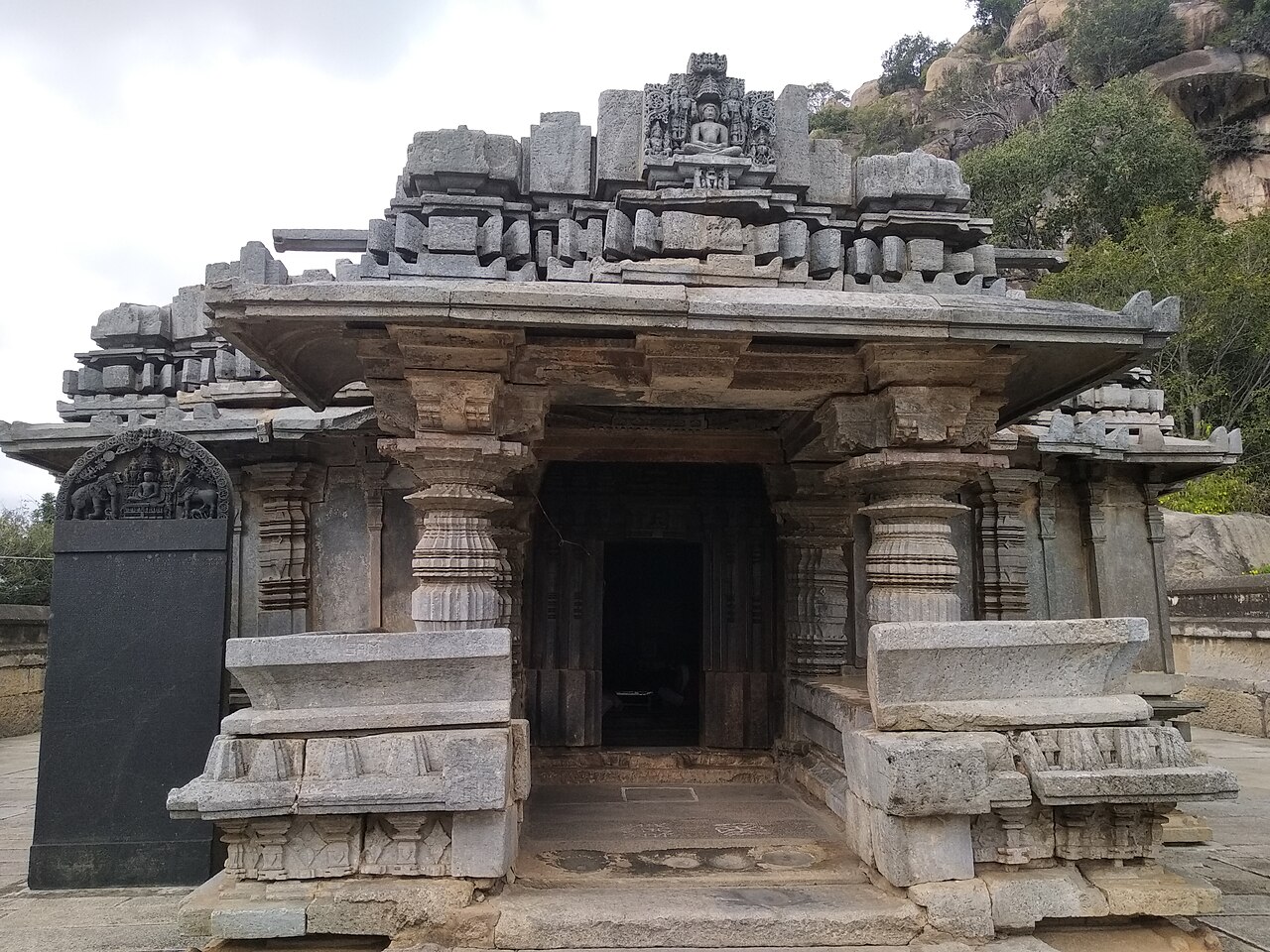
Consecrated in 1181 CE on Chandragiri hill at Shravanabelagola, Karnataka, Akkana Basadi is a Hoysala-era Jain basadi raised by the devout laywoman Achiyakka in honour of Tirthankara Parshvanatha, its deliberately plain stone walls and lathe-turned pillars a quiet expression of Jain austerity.
 Jainism
Bawangaja
Bawangaja · India · temple
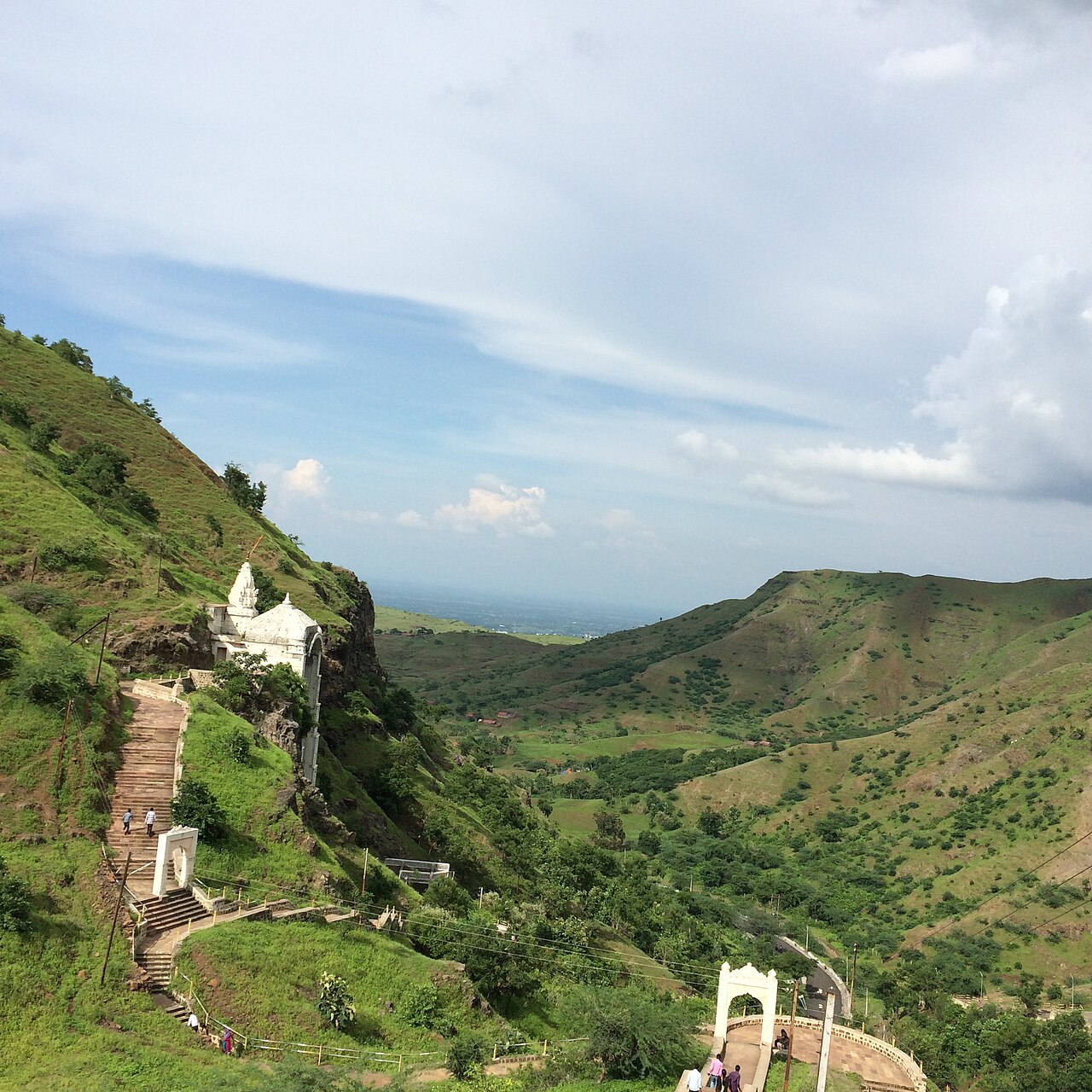
A Digambara Jain tirtha in the Satpura hills of Barwani district, Madhya Pradesh, where an 84-foot monolithic image of Lord Rishabhanatha (Adinatha), the first Tirthankara, stands carved directly from the mountain.