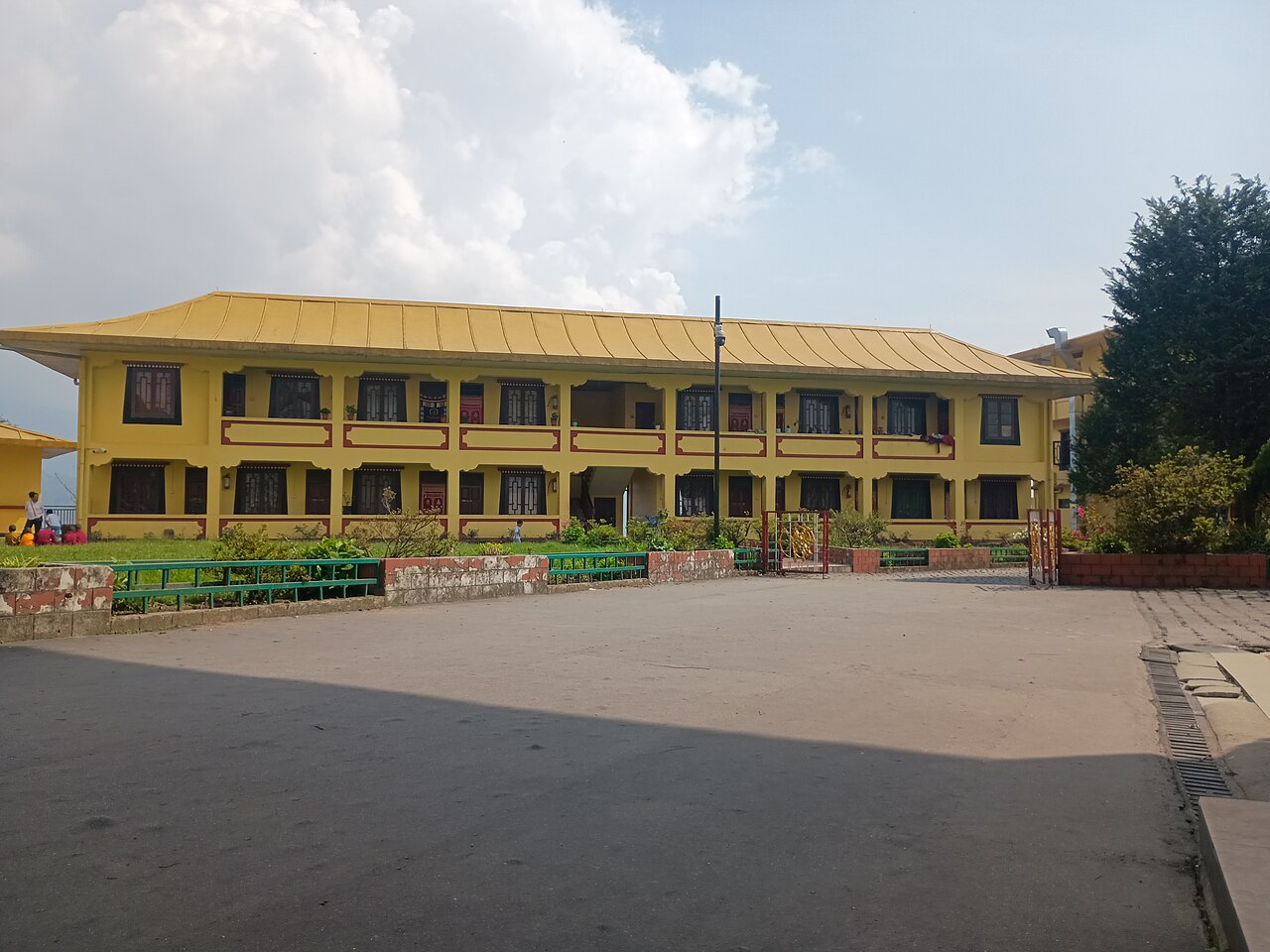
Tsuklakhang Royal Chapel and Monastery
Tsuklakhang Palace · Gompa Palace · Tsuk La Khang Monastery
About
Perched above Gangtok, the capital of Sikkim in northeastern India, the Tsuklakhang Monastery (written in Sikkimese as གཙུག་ལག་ཁང, Wylie: gtsug-tag-khang) fuses the functions of a royal palace, a working chapel, and a monastic institution into a single, stately complex. It served the Chogyal, the sacred kings of Sikkim, as the primary setting for the rituals and ceremonies that defined royal life.
At the core of the monastery lies a spacious assembly hall where monks gather for communal prayer. The interior shelters an extensive collection of sacred Buddhist texts and literature, drawing scholars and devotees alike. Surrounding the hall, altars are adorned with images of the Buddha, various Bodhisattvas, and Tantric deities, filling the space with the layered symbolism of Vajrayāna devotion.
The Tsuklakhang served as the consecrated venue for the Sikkimese royal household's most solemn occasions, coronation rites, auspicious marriage ceremonies, and celebrations of victory. This deep entanglement of spiritual and dynastic life gives the complex a character found in very few sacred sites: it is simultaneously a place of everyday prayer and a living monument to a vanished Himalayan kingdom.
History
Tsuklakhang was built in 1898 under Chogyal Thutob Namgyal, the ninth king of Sikkim, and served the royal house as the setting for coronations, royal weddings, and victory rites until the monarchy's merger with India in 1975. Its assembly hall holds an extensive collection of Buddhist scriptures and literature, and its altars carry images of the Buddha, Bodhisattvas, and Vajrayana tantric deities.
Significance
Tsuklakhang remains Gangtok's principal centre of congregational Buddhist prayer, and its grounds still host Pang Lhabsol each autumn, when Sikkim gives thanks to the guardian peak of Khangchendzonga with masked dance, as well as the winter Kagyed dances. Readers should note that this Tsuklakhang, on the Ridge in Gangtok, Sikkim, is a distinct building from the similarly named Tsuglagkhang Temple complex of the Dalai Lama in McLeod Ganj, Himachal Pradesh, far to the west; the two are sometimes confused because of the near-identical name.
Architecture
Sikkimese-Tibetan monastic and palace architecture
Visiting
Hours
Hours not listed.
Contact
No contact details listed yet.
Engage with Tsuklakhang Royal Chapel and Monastery
Through the four pathways
Seva सेवा — Service
Offer your time and skills here. The following opportunities are open at Tsuklakhang Royal Chapel and Monastery:
No Seva offerings listed yet.
Sādhana साधना — Practice
Learn the worship and practice associated with Tsuklakhang Royal Chapel and Monastery:
No Sādhana offerings listed yet.
Sandhāna सन्धान — Wisdom
Unite with the wisdom of this tradition:
No Sandhāna offerings listed yet.
Sādhya साध्य — Giving
Support this sacred place according to your means:
No Sādhya offerings listed yet.
All giving flows directly to Tsuklakhang Royal Chapel and Monastery. Adisthan does not take a commission.
Festivals & Events
- Sept
Pang Lhabsol
2 September 2026 · annual
Sikkim's own festival of thanksgiving to Mount Khangchendzonga, the kingdom's guardian deity, marked at Tsuklakhang with the masked Pangtoed warrior dance.
Gallery
Related sacred places
 Buddhism
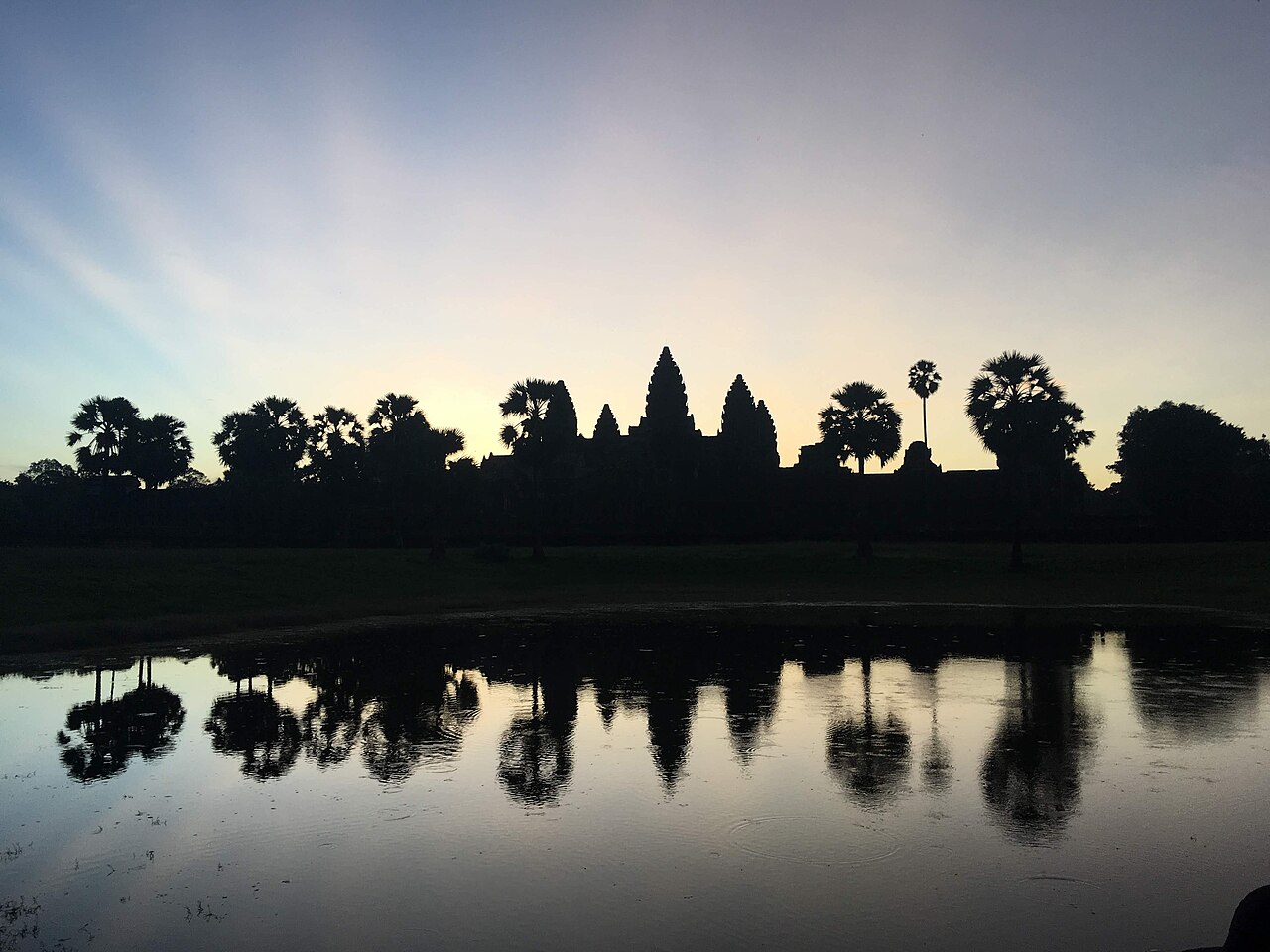
Angkor Wat
Siem Reap · Cambodia · temple
The largest religious monument on earth, built for Lord Vishnu by Suryavarman II in the 12th century and in continuous worship ever since: a living Theravada Buddhist Temple whose five towers stand on the Cambodian flag.
 Buddhism
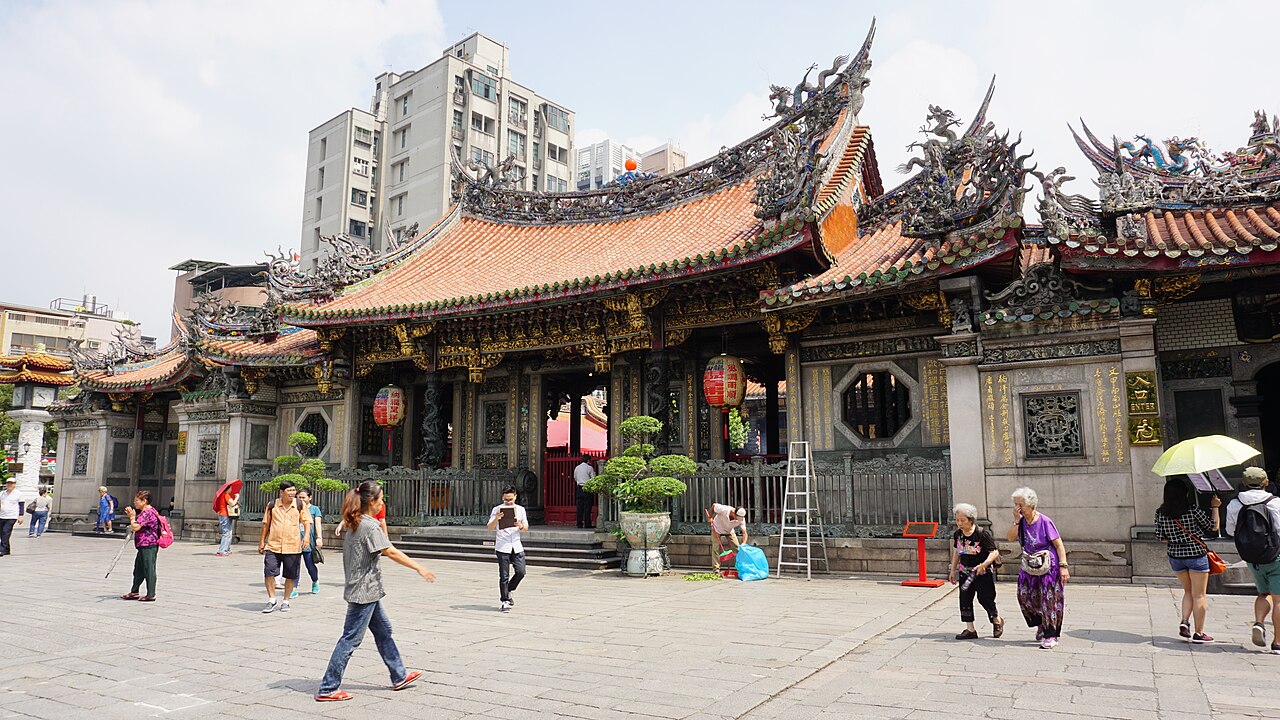
Bangka Lungshan Temple
Taipei (Wanhua) · Taiwan · temple
Taipei's mother Temple to Guanshiyin, founded by Fujian settlers in 1738 in the old Bangka quarter: a front hall to the bodhisattva of compassion and a rear hall of more than a hundred Taoist and folk gods, whose Guanyin statue survived the 1945 bombing intact.
 Buddhism
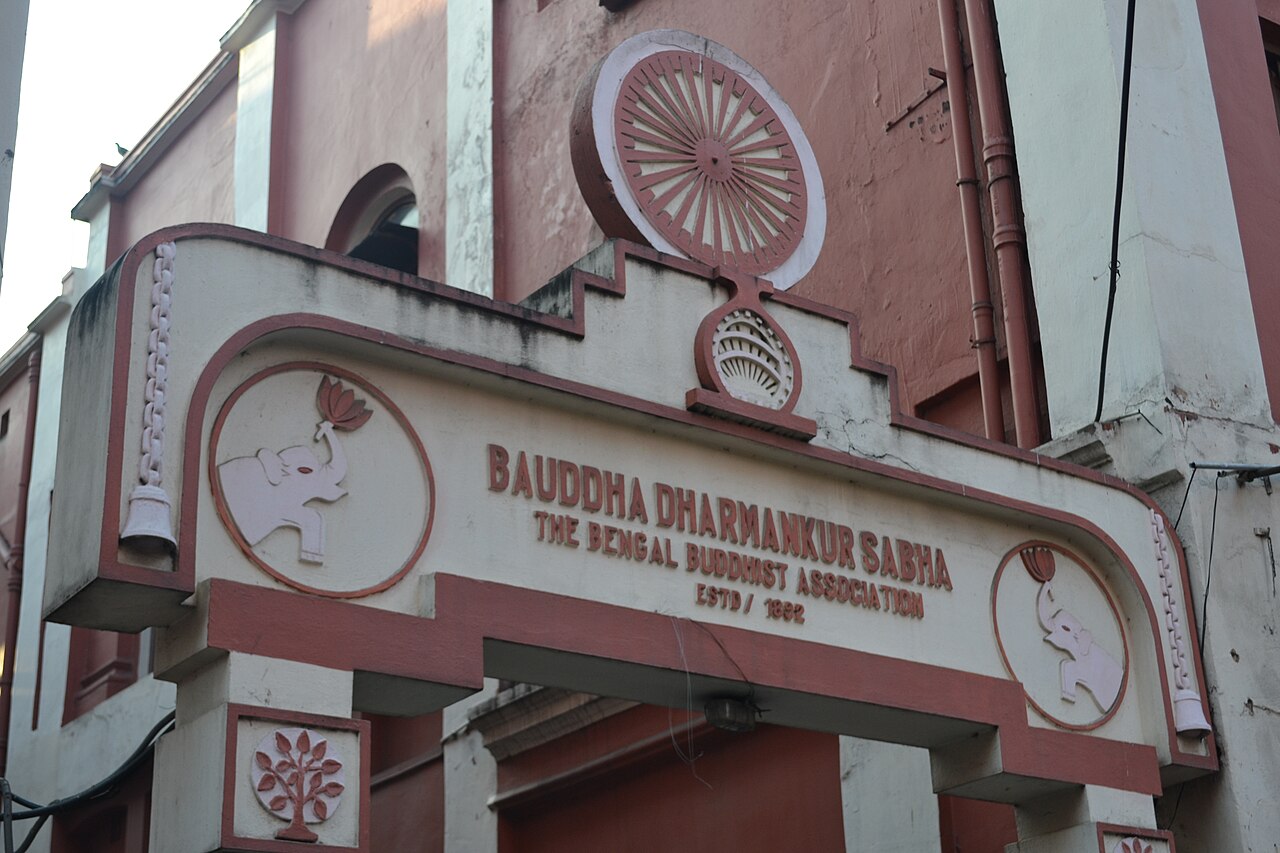
Bengal Buddhist Association
Kolkata · India · monastery
Founded in Kolkata in 1892 by Kripasaran Mahasthavir, the Bengal Buddhist Association, known in Bengali as Bauddha Dharmankur Sabha, raised the Dharmankur Vihara at Bow Barracks in 1903 and has worked for over a century to revive the Dharma in eastern India.
 Buddhism
Bhot Bagan Math
Ghusuri · India · monastery
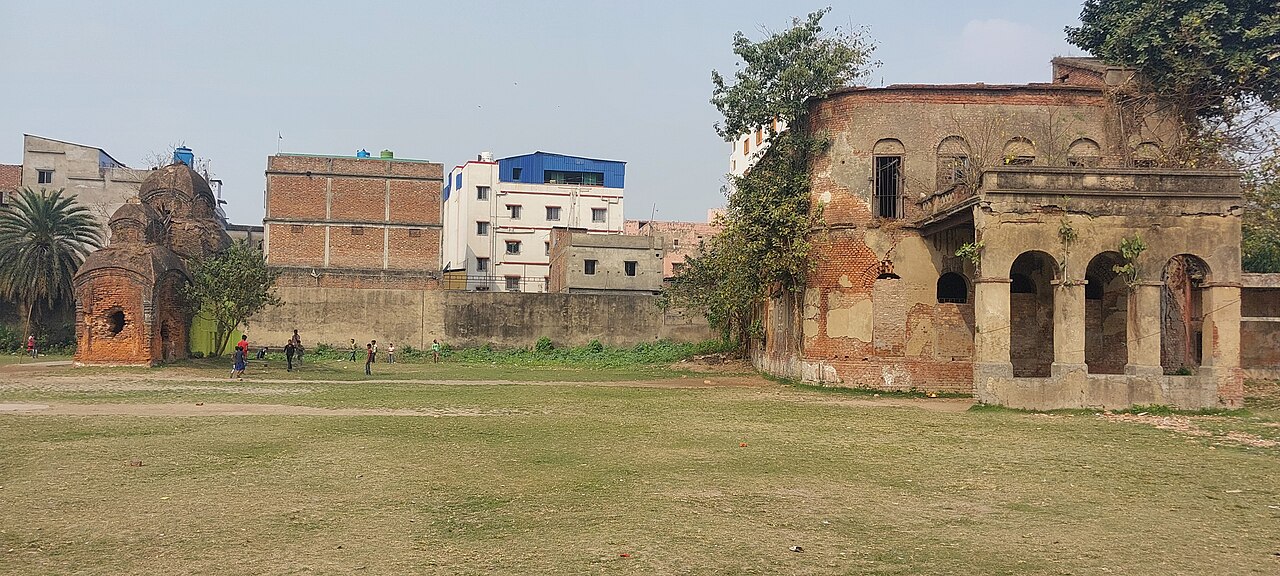
A brick monastery on the Hooghly riverside at Ghusuri, Howrah, founded in 1776 as the first Tibetan Buddhist religious foundation on the plains of India and still known popularly as Mahakal Math for the Tibetan deity images once installed in its sanctum.
 Buddhism
Borobudur
Magelang · Indonesia · temple
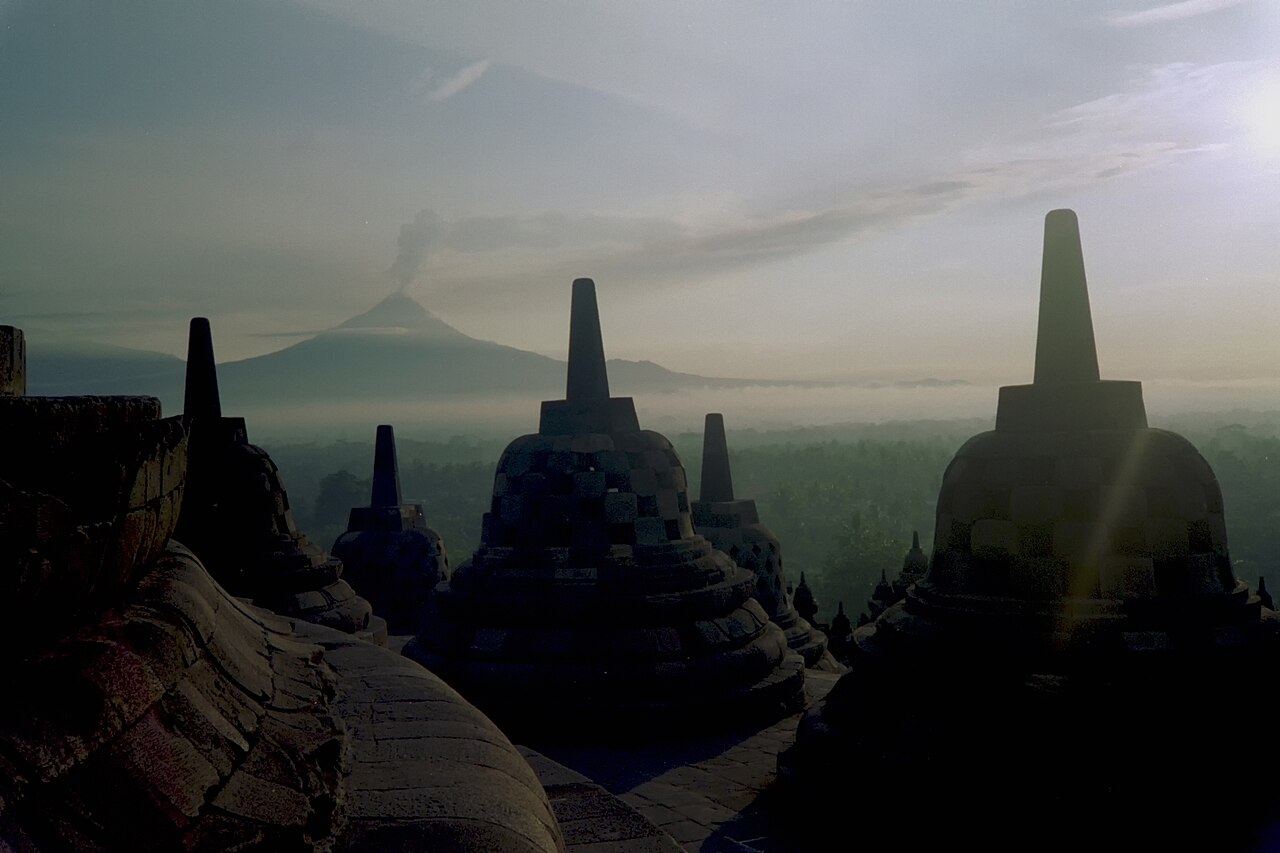
The world's largest Buddhist Temple: a ninth-century mandala in stone on Java's Kedu Plain, nine terraces rising through the three realms to 72 latticed stupas, each sheltering a seated Buddha.
 Buddhism
Boudhanath Stupa
Kathmandu · Nepal · stupa
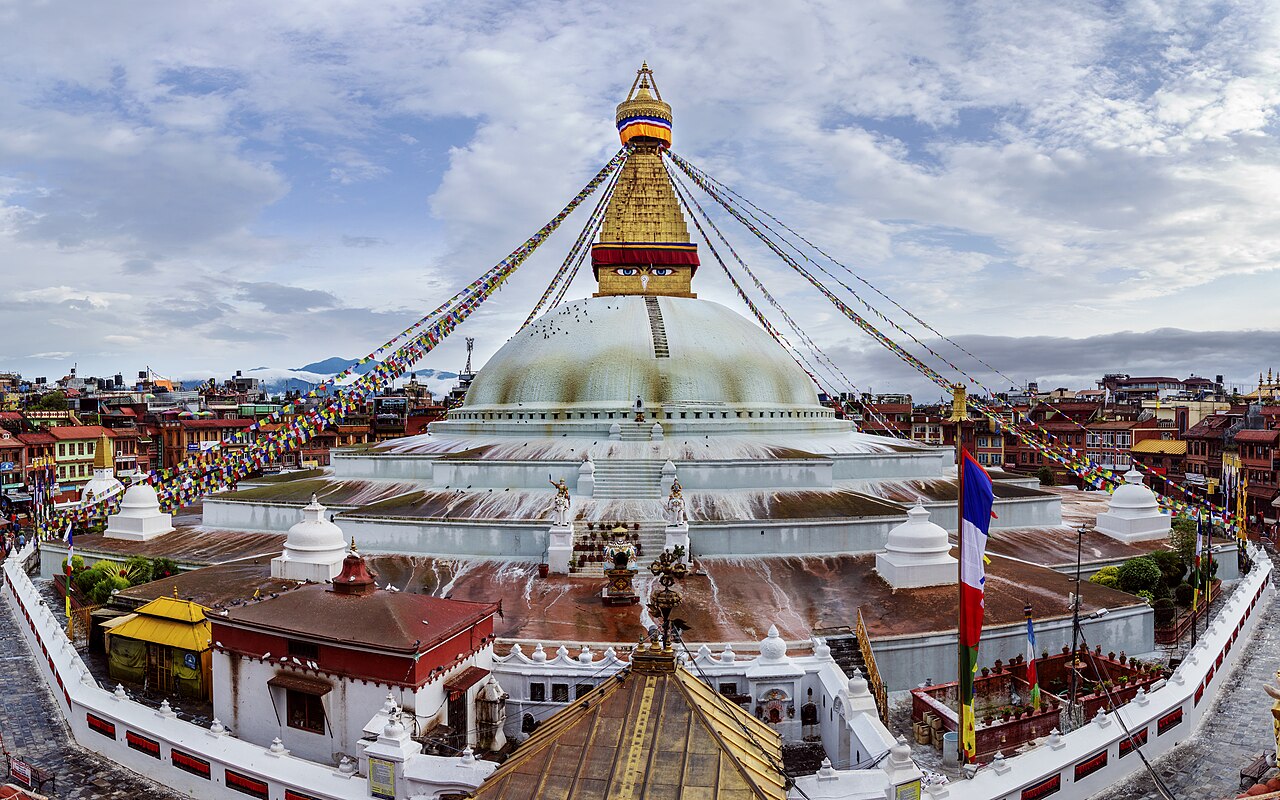
The largest spherical stupa in Nepal, its all-seeing Buddha eyes watching over the kora walked daily by the Tibetan Buddhist community of Boudha, the heart of Vajrayana practice in the Kathmandu Valley.