
Udayagiri and Khandagiri Caves
Kattaka Gumpha · Cuttack Caves
About
The Udayagiri and Khandagiri caves rise upon two neighbouring hills three kilometres south of Bhubaneswar, the capital of the eastern Indian state of Odisha. Once known as the Kattaka Gumpha or Cuttack caves, they form one of the most important early Jain monastic complexes in India and are protected as monuments of national importance.
The two hills are identified in the celebrated Hathigumpha inscription as Kumari Parvata, the venerable mountain of the maiden. Carved partly from natural rock shelters and partly through deliberate excavation, the caves were created in the first century BCE, during the reign of the Mahameghavahana king Kharavela, whose conquests and pious works are recounted in the Hathigumpha inscription itself.
Most of the caves were prepared as small dwelling cells for Jain ascetics, providing places of seclusion for meditation, study and the practice of austerities. The cells are arranged around courtyards and verandas, often with raised stone pillows where the monks slept and with finely sculpted entrances bearing the imagery of yakshas and yakshis, processions, dancers and elephants.
Udayagiri, the Hill of Sunrise, contains the more elaborate caves, including the famed Rani Gumpha or Queen's Cave with its multi-storeyed plan and richly sculpted friezes. Khandagiri preserves additional cells and an active Jain Temple at its summit dedicated to Mahavira, drawing worshippers to a site sanctified by more than two thousand years of practice.
History
King Kharavela of the Mahameghavahana dynasty excavated the earliest cells here in the first century BCE, work he recorded in the seventeen-line Hathigumpha inscription cut into the brow of the Hathigumpha cave, which recounts his campaigns and the recovery of a Jain image once carried off by a Nanda king. Eighteen caves were cut into Udayagiri and fifteen into Khandagiri, most of them simple dormitory cells for wandering monks with a stone rise at one end to serve as a pillow, though the double-storeyed Rani Gumpha and Swargapuri Manchapuri caves and the carved doorways of Barabhuji cave show far greater ambition. Worship continued at Khandagiri long after the ascetics who first carved it, and the Temple standing at its summit today, rebuilt in its present form in the early nineteenth century over an older foundation, remains active.
Significance
The Hathigumpha inscription makes Udayagiri and Khandagiri one of the earliest datable Jain sites in India and among the most important sources for the history of ancient Odisha. Where Udayagiri preserves its caves largely as archaeology, Khandagiri's summit Temple keeps the hill a place of living pilgrimage rather than a silent ruin, so that a visitor climbing from one hill to the other passes through two thousand years of continuous Jain devotion in a single ascent.
Architecture
Early Jain rock-cut monastic architecture in the Kalinga tradition; Khandagiri's summit Temple in Kalinga Pidha style with vimana and jagamohana
Visiting
Hours
Hours not listed.
Contact
No contact details listed yet.
Engage with Udayagiri and Khandagiri Caves
Through the four pathways
Seva सेवा — Service
Offer your time and skills here. The following opportunities are open at Udayagiri and Khandagiri Caves:
No Seva offerings listed yet.
Sādhana साधना — Practice
Learn the worship and practice associated with Udayagiri and Khandagiri Caves:
No Sādhana offerings listed yet.
Sandhāna सन्धान — Wisdom
Unite with the wisdom of this tradition:
No Sandhāna offerings listed yet.
Sādhya साध्य — Giving
Support this sacred place according to your means:
No Sādhya offerings listed yet.
All giving flows directly to Udayagiri and Khandagiri Caves. Adisthan does not take a commission.
Festivals & Events
- Apr
Mahavir Jayanti
19 April 2027 · annual
The birth anniversary of Lord Mahavira, the twenty-fourth Tirthankara, observed at the summit Temple with special worship and readings that draw Jain pilgrims to a hill their tradition has kept for over two thousand years.
Gallery
Related sacred places
 Jainism
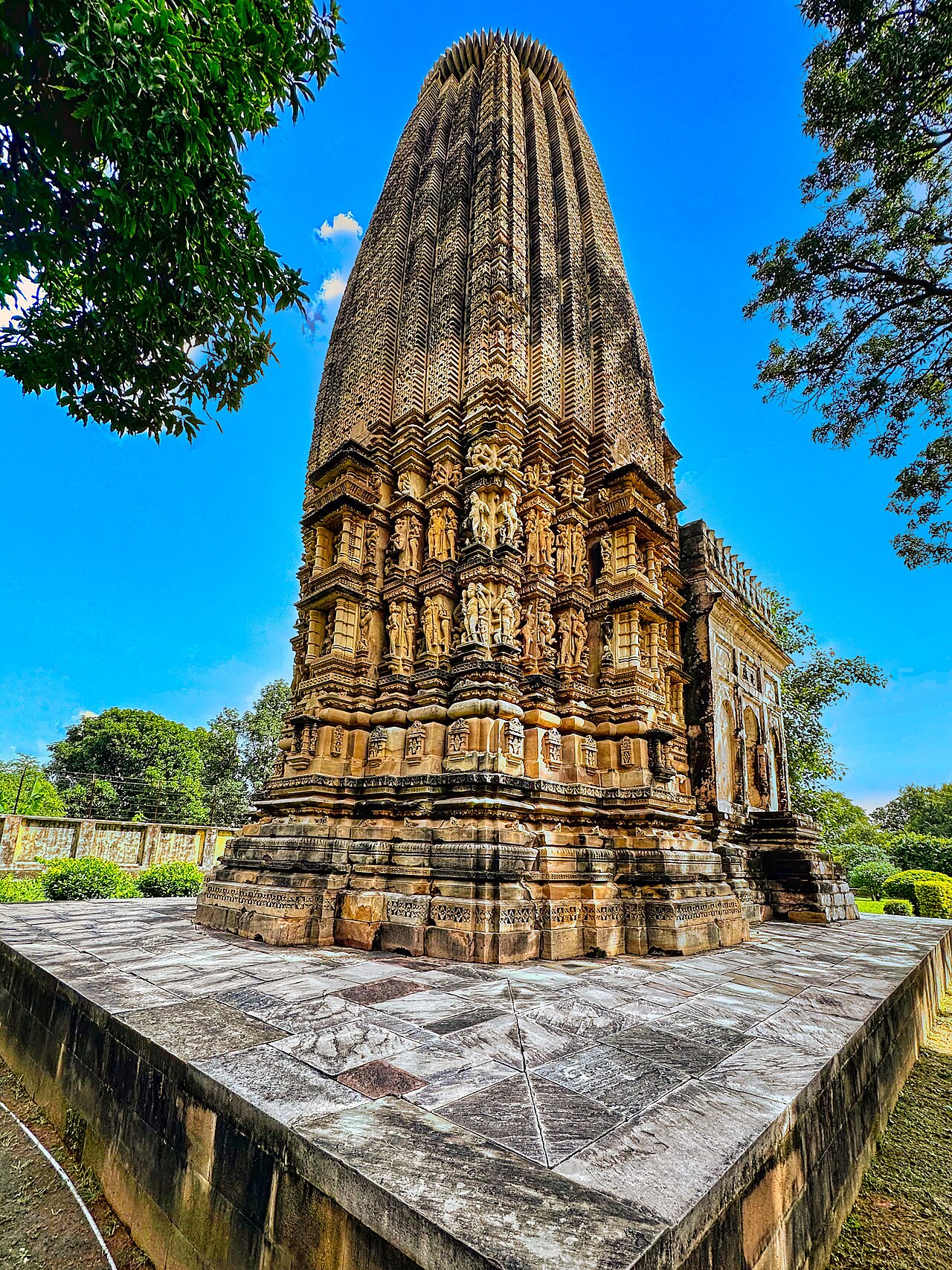
Adinatha Temple
Khajuraho · India · temple
A Digambara Jain shrine within Khajuraho's Eastern Group of Temples, dedicated to Lord Adinatha, the first tirthankara, its curvilinear sandstone tower carved in the late eleventh century for a Hindu patron before passing into Jain hands.
 Jainism
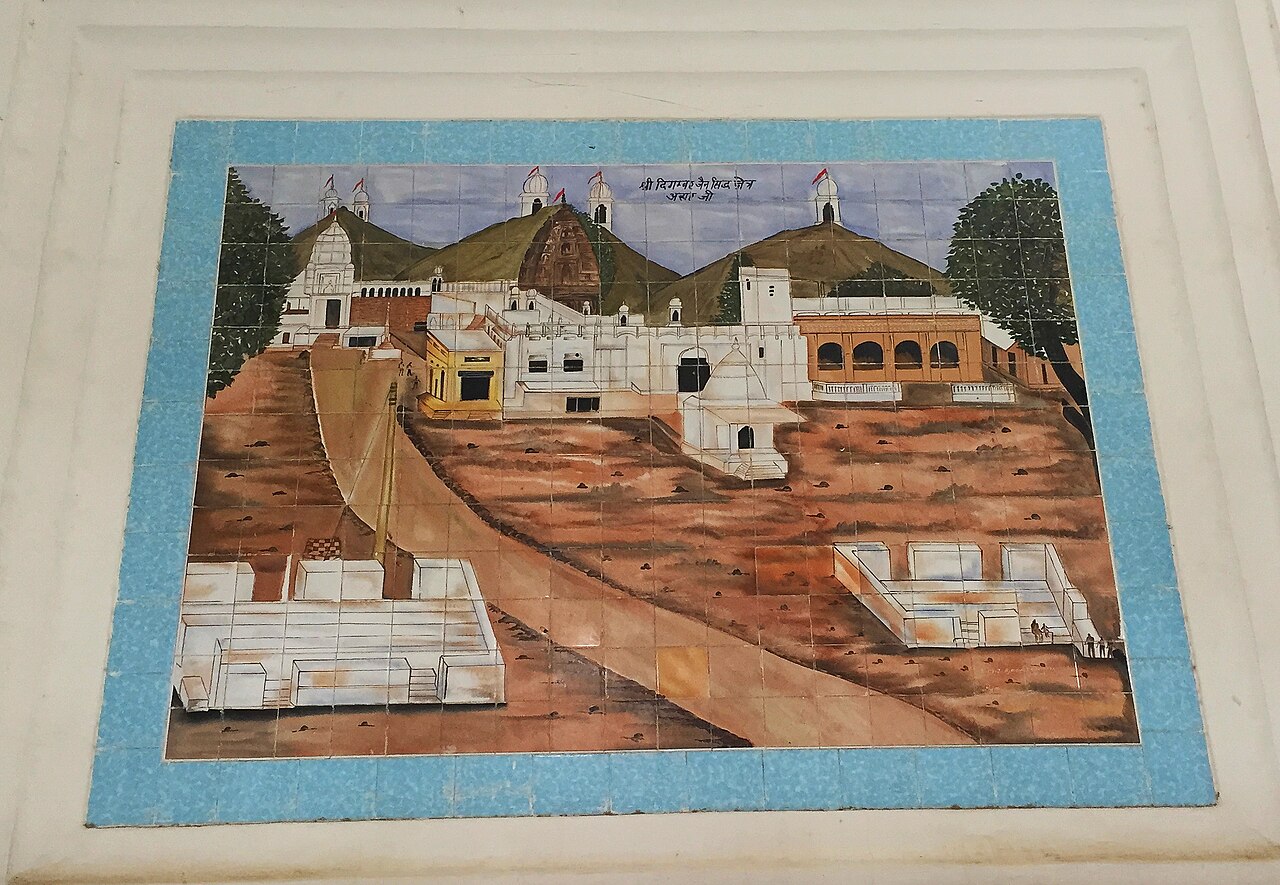
Aharji
Aharji · India · temple
A Digambara Jain tirtha in the Bundelkhand region of Madhya Pradesh, where an eighteen-foot Chandella-era colossus of Lord Shantinatha stands in silent meditation at the heart of a Temple complex raised across three centuries.
 Jainism
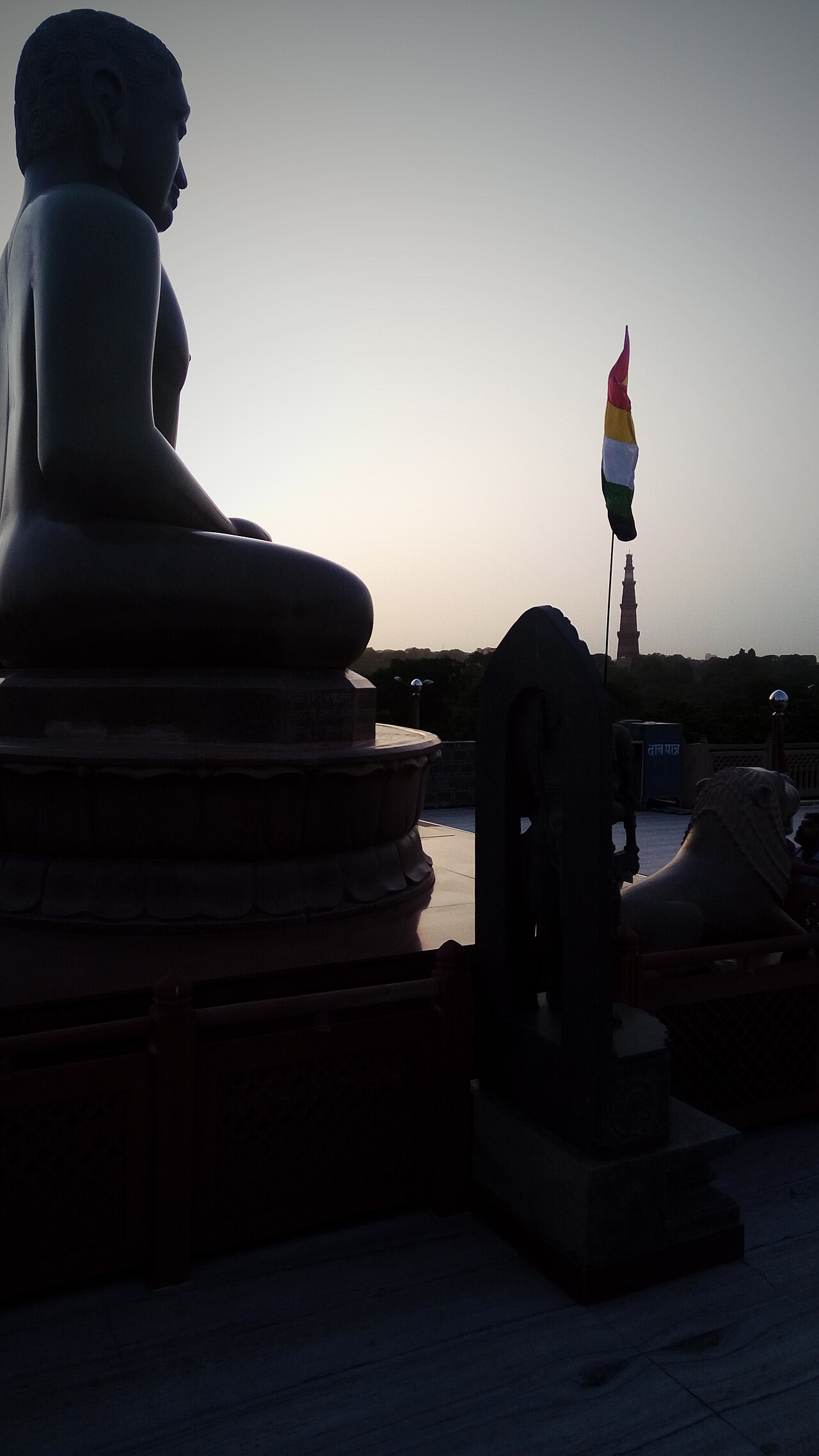
Ahinsa Sthal
New Delhi · India · temple
A modern Digambara Jain shrine on a terrace in Mehrauli, New Delhi, built in 1980 around a colossal granite image of Lord Mahavira seated in deep meditation, its very name declaring the tradition's central vow: ahimsa, harmlessness toward every living being.
 Jainism
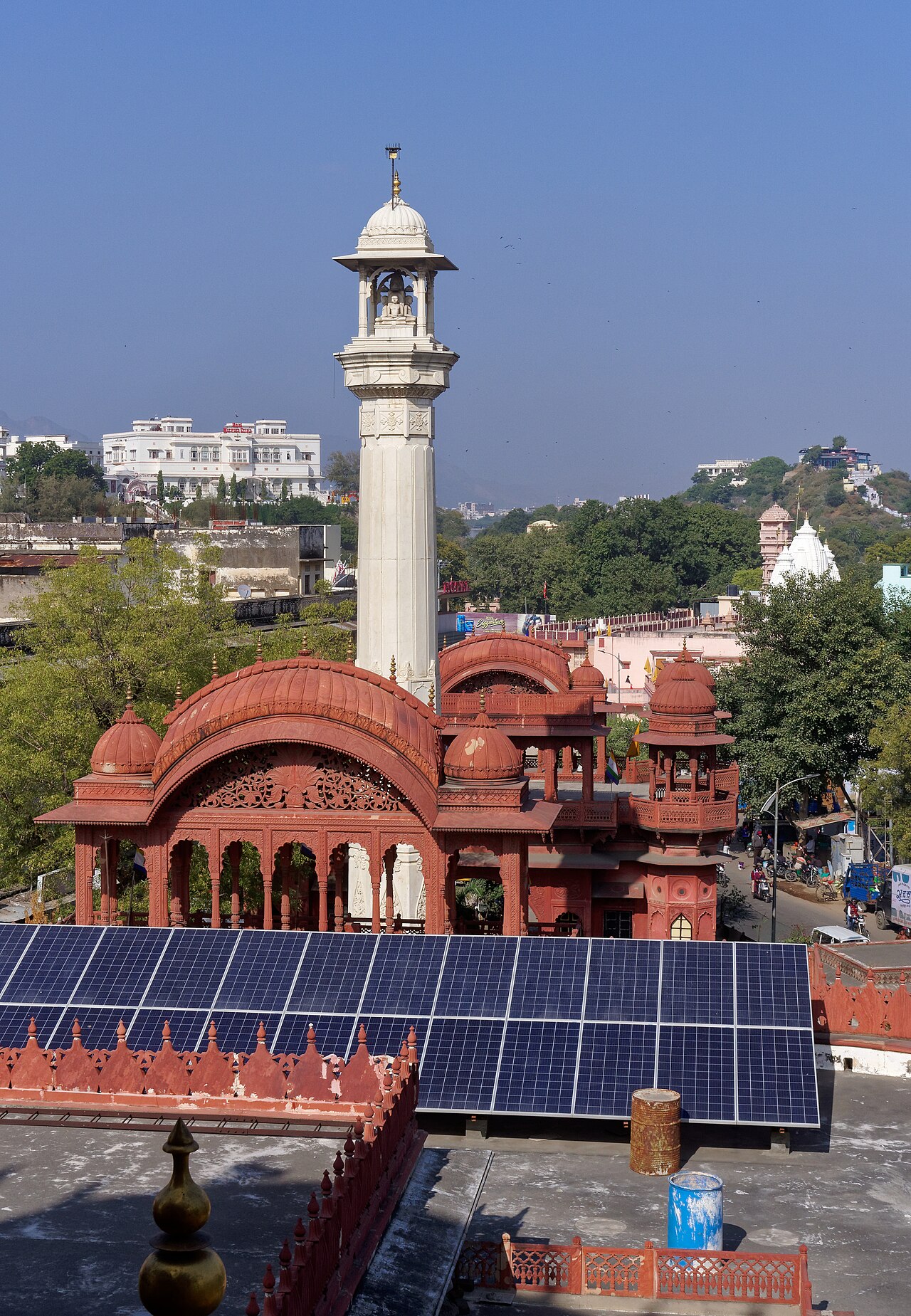
Ajmer Jain Temple
Ajmer · India · temple
Popularly called Soniji Ki Nasiyan or the Red Temple, this Digambara Jain Temple on Prithviraj Marg in Ajmer pairs a red sandstone sanctuary, crowned by an eighty two foot marble pillar, with a golden upper hall whose gilded tableaux retell the life of Lord Rishabhdev, the first tirthankara.
 Jainism
Akkana Basadi
Shravanabelagola · India · temple
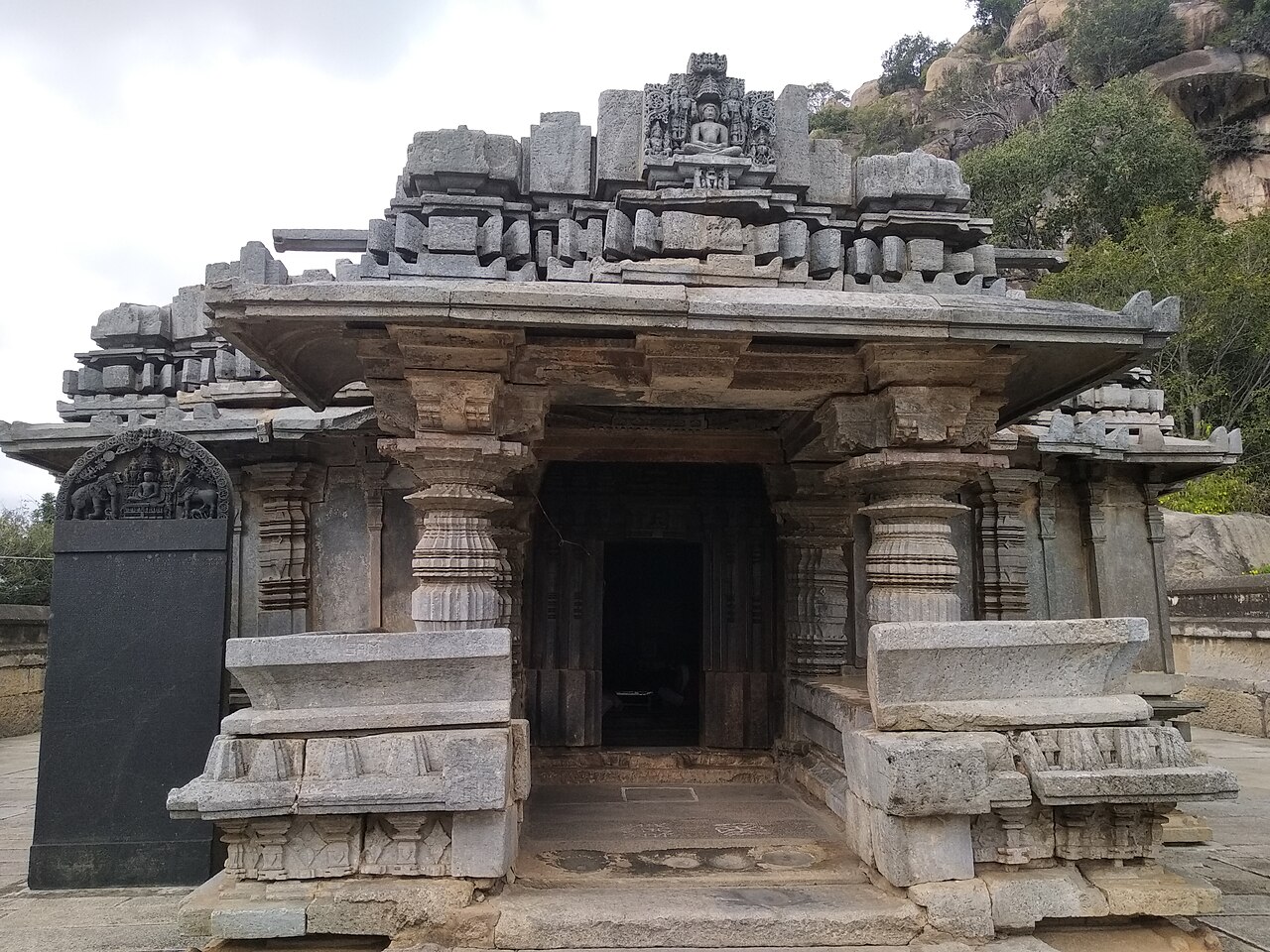
Consecrated in 1181 CE on Chandragiri hill at Shravanabelagola, Karnataka, Akkana Basadi is a Hoysala-era Jain basadi raised by the devout laywoman Achiyakka in honour of Tirthankara Parshvanatha, its deliberately plain stone walls and lathe-turned pillars a quiet expression of Jain austerity.
 Jainism
Bawangaja
Bawangaja · India · temple
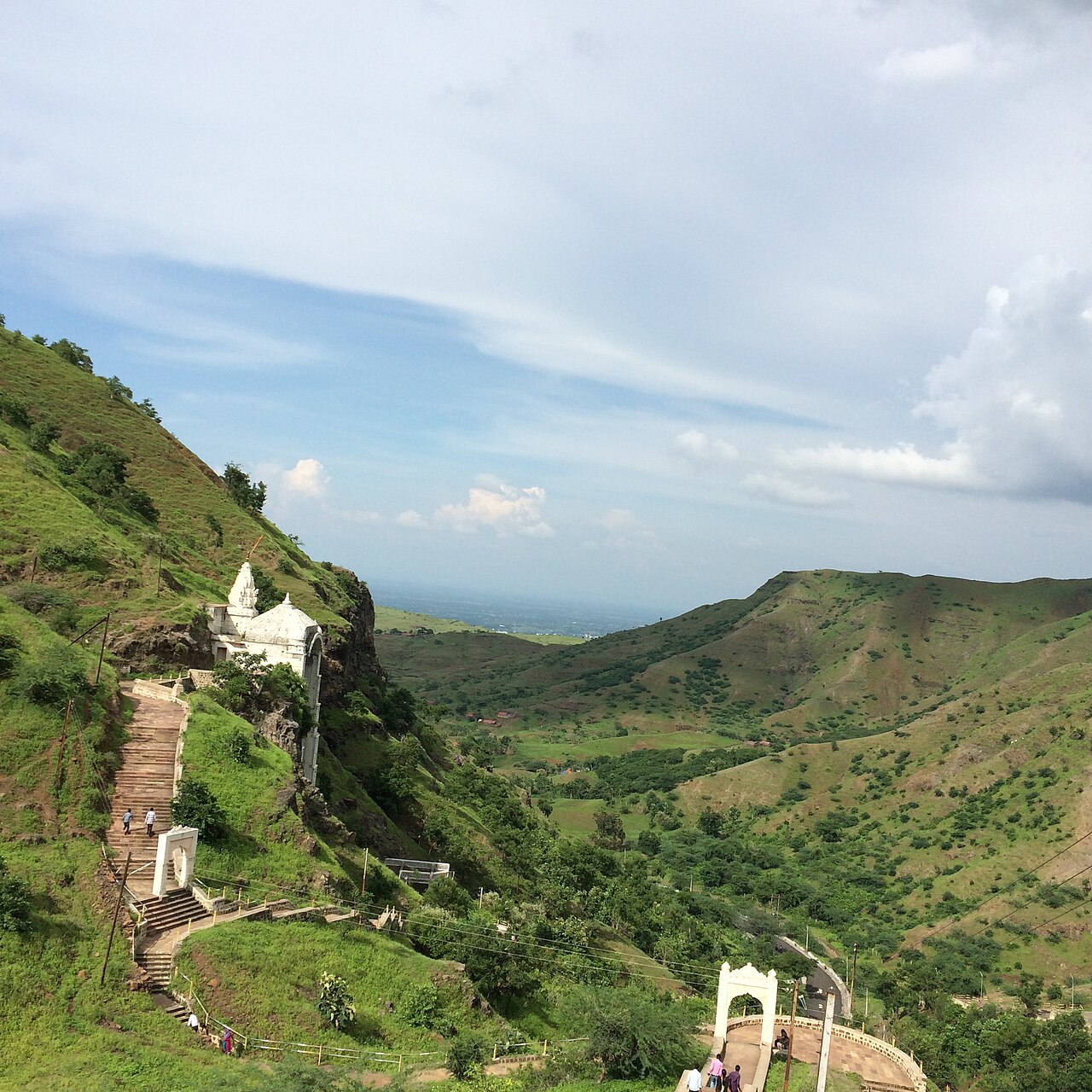
A Digambara Jain tirtha in the Satpura hills of Barwani district, Madhya Pradesh, where an 84-foot monolithic image of Lord Rishabhanatha (Adinatha), the first Tirthankara, stands carved directly from the mountain.