Wanbu Huayanjing Pagoda
Baita · White Pagoda · 万部华严经塔
About
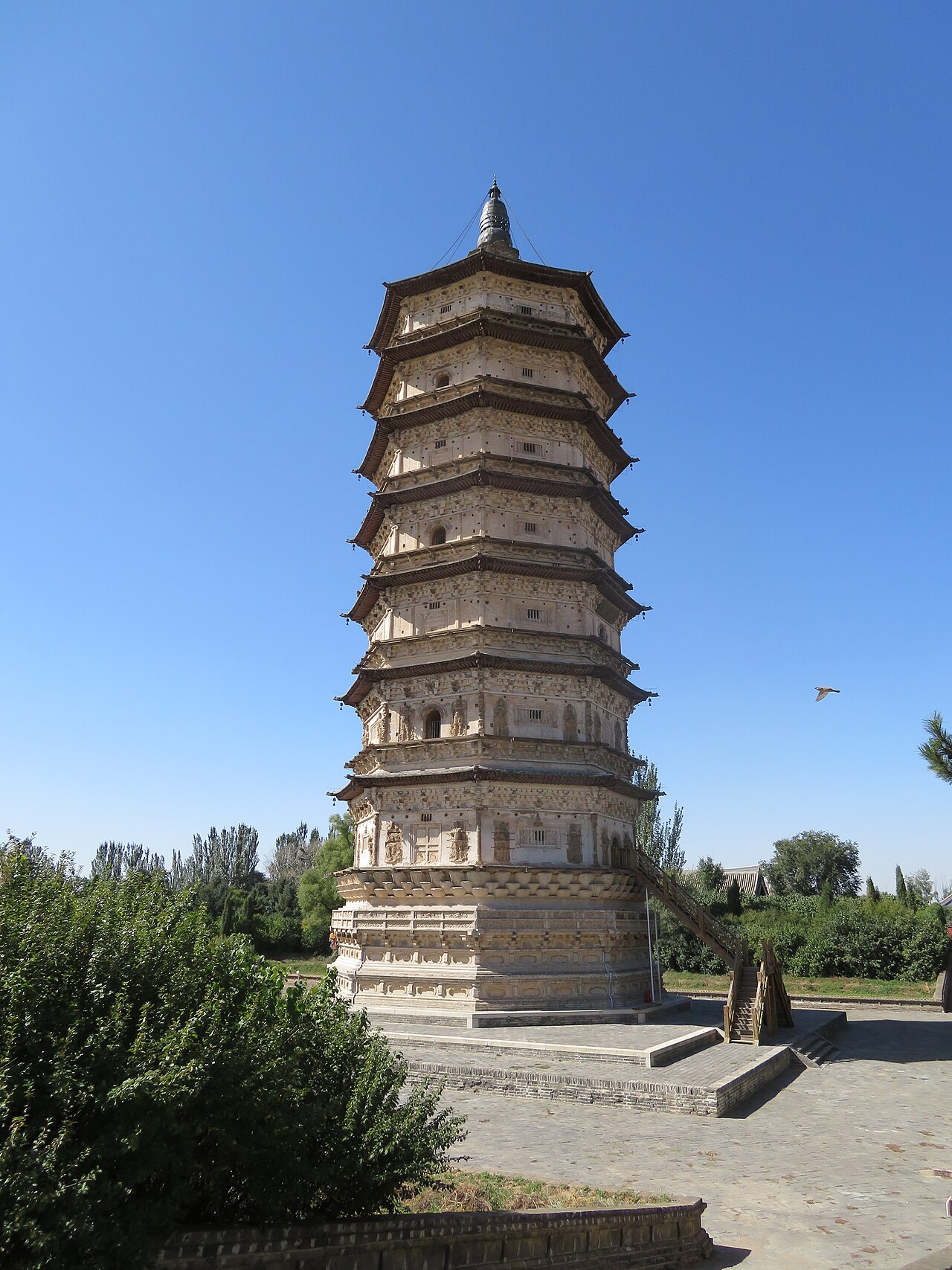
The Wanbu Huayanjing Pagoda, more affectionately known by its Chinese name Baita or White Pagoda, rises within the Saihan District of Hohhot, the capital of Inner Mongolia. Its formal name, the Pagoda of the Ten Thousand Volumes of the Avatamsaka Sutra, recalls the great corpus of Mahayana Buddhist scripture that the tower was built to enshrine.
The pagoda was raised during the Liao dynasty within the walled city of Fengzhou, although the exact year of completion is unknown. Most sources place its construction during the reign of Emperor Daozong of Liao, between 1055 and 1110, when Liao patronage fostered the building of Temples and pagodas across northern China.
The tower is octagonal in plan and rises to seven storeys, standing some 55 metres high with a diameter of 18 metres. It is built primarily of brick and white lime paste, with wooden brackets supporting the structure internally and a winding staircase connecting all seven floors. At the time of its completion the entire exterior was coated with chalk-based clay, giving the tower the dazzling white surface from which its popular name derives.
The pagoda was renovated in 1162 under the Jin dynasty and again through the Yuan and Qing periods. Although Fengzhou was destroyed in the late Yuan and the tower's upper portion was lost, it has been carefully restored to its original form. Listed in 1982 as a Major Historical and Cultural Site, the Baita gives its name to Hohhot's international airport.
History
The pagoda was raised within the walled Liao-dynasty city of Fengzhou in the eleventh century, though sources differ on exactly which emperor's reign saw its completion. Built of brick and timber and coated originally in white lime plaster, from which its popular name comes, it was renovated in 1162 under the Jin dynasty. Fengzhou was destroyed in the late Yuan dynasty and the pagoda's upper section badly damaged, but it has since been restored to its original seven-storey form.
Significance
The pagoda is one of the great surviving Buddhist towers of the Liao dynasty and a rare witness to medieval Buddhism on China's northern frontier. Inside, stone tablets from the Jin dynasty and more than two hundred inscriptions left by travellers, in scripts including Mongolian, Tibetan, Khitan, and Persian, record centuries of pilgrims who climbed its stairs. It has been protected as a Major Historical and Cultural Site since 1982 and now anchors a small museum of the vanished city of Fengzhou.
Architecture
Liao dynasty octagonal multi-eaved brick-and-timber pagoda (楼阁式, pavilion style)
Visiting
Hours
Hours not listed.
Contact
No contact details listed yet.
Address
Engage with Wanbu Huayanjing Pagoda
Through the four pathways
Seva सेवा — Service
Offer your time and skills here. The following opportunities are open at Wanbu Huayanjing Pagoda:
No Seva offerings listed yet.
Sādhana साधना — Practice
Learn the worship and practice associated with Wanbu Huayanjing Pagoda:
No Sādhana offerings listed yet.
Sandhāna सन्धान — Wisdom
Unite with the wisdom of this tradition:
No Sandhāna offerings listed yet.
Sādhya साध्य — Giving
Support this sacred place according to your means:
No Sādhya offerings listed yet.
All giving flows directly to Wanbu Huayanjing Pagoda. Adisthan does not take a commission.
Gallery
Related sacred places
 Buddhism
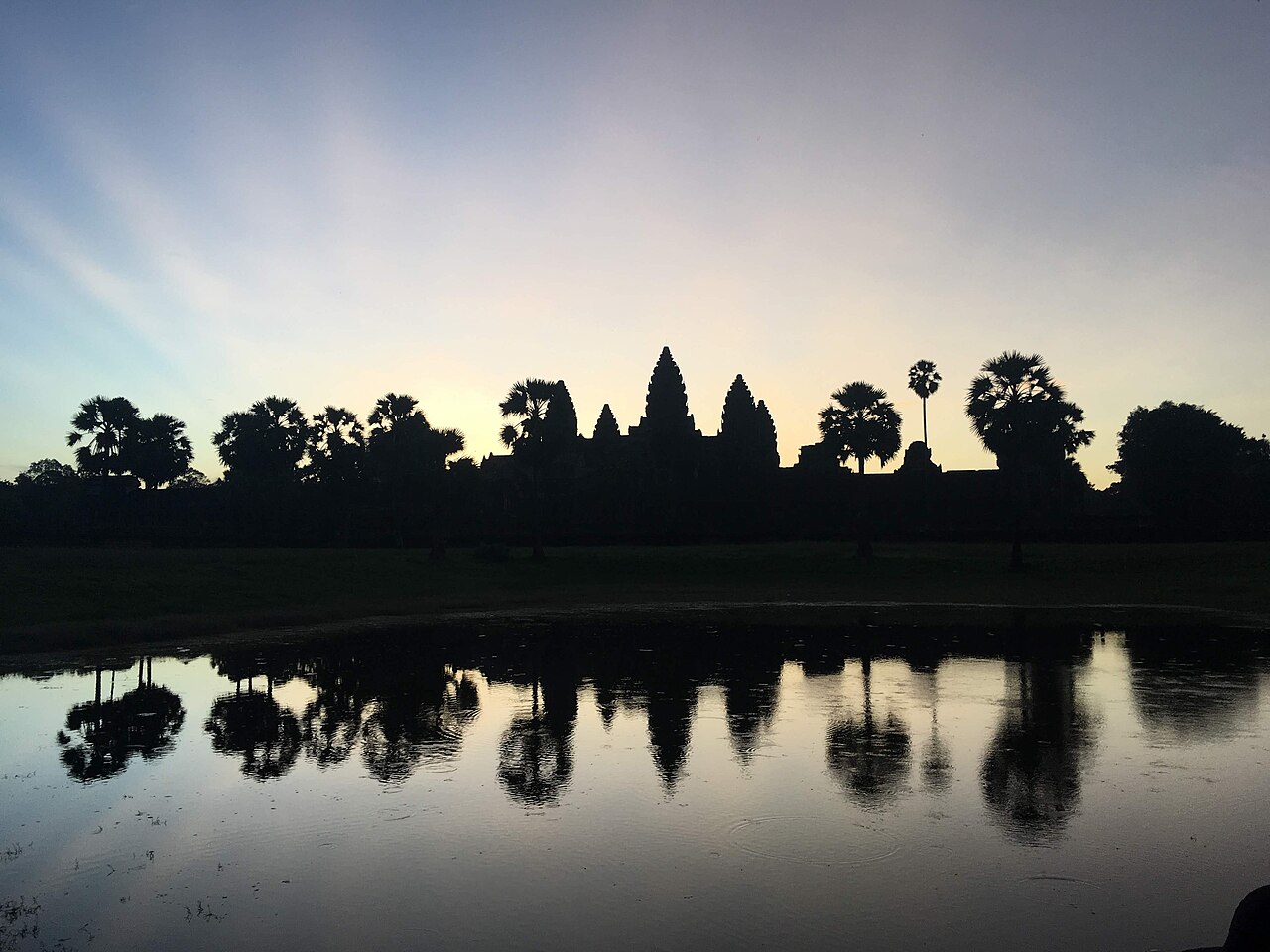
Angkor Wat
Siem Reap · Cambodia · temple
The largest religious monument on earth, built for Lord Vishnu by Suryavarman II in the 12th century and in continuous worship ever since: a living Theravada Buddhist Temple whose five towers stand on the Cambodian flag.
 Buddhism
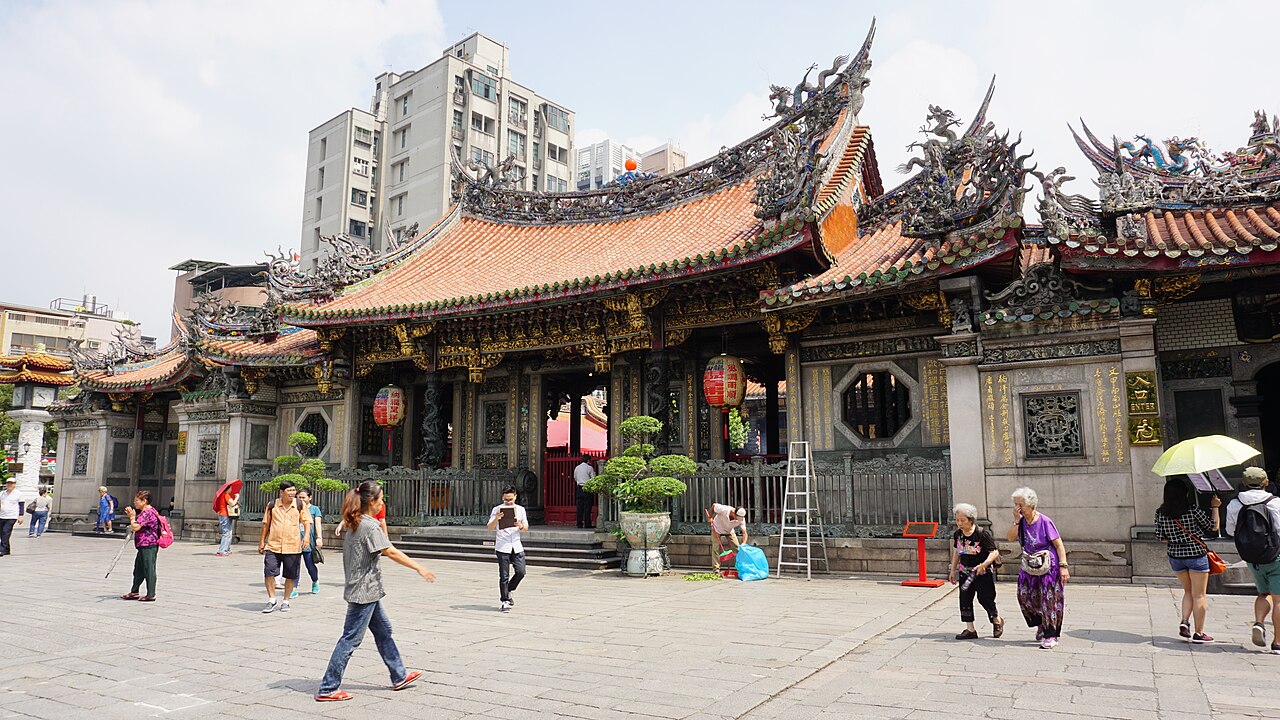
Bangka Lungshan Temple
Taipei (Wanhua) · Taiwan · temple
Taipei's mother Temple to Guanshiyin, founded by Fujian settlers in 1738 in the old Bangka quarter: a front hall to the bodhisattva of compassion and a rear hall of more than a hundred Taoist and folk gods, whose Guanyin statue survived the 1945 bombing intact.
 Buddhism
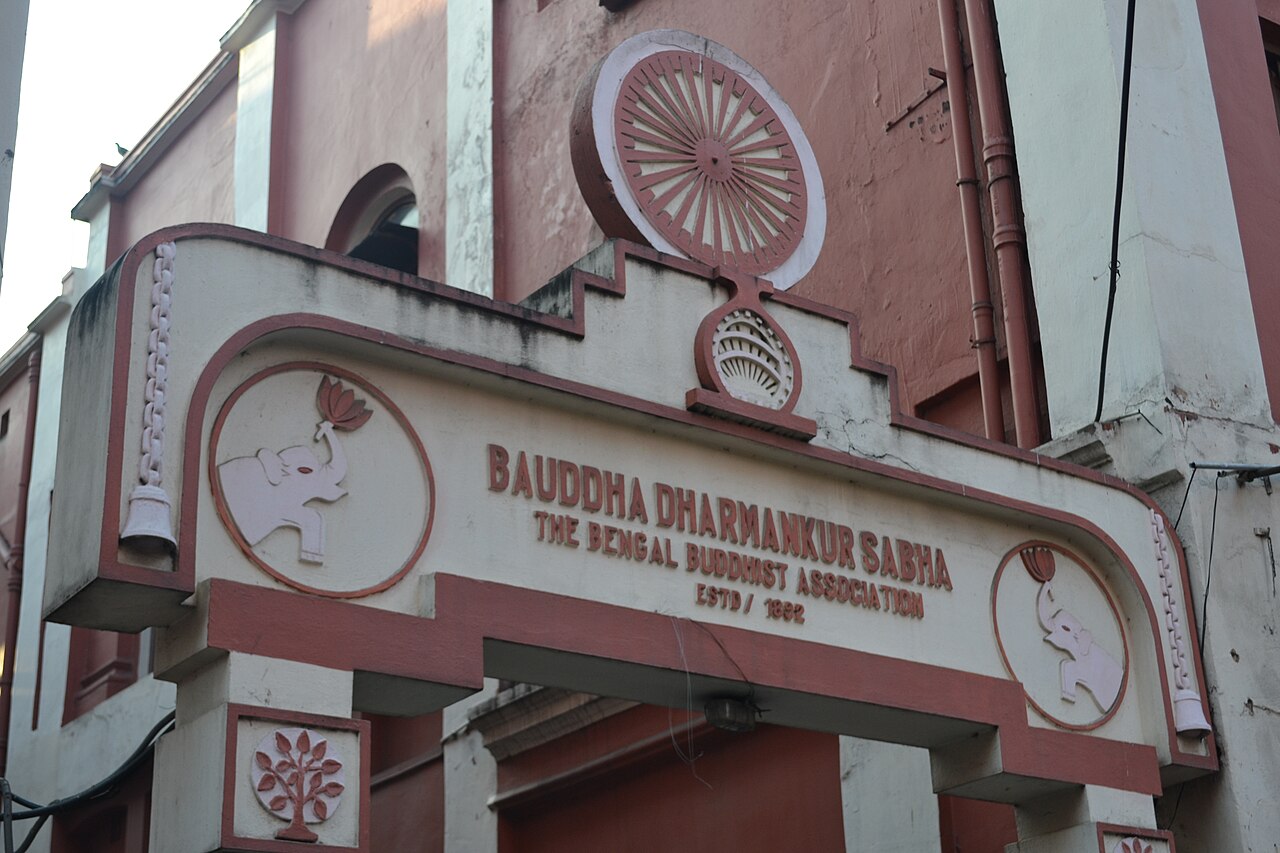
Bengal Buddhist Association
Kolkata · India · monastery
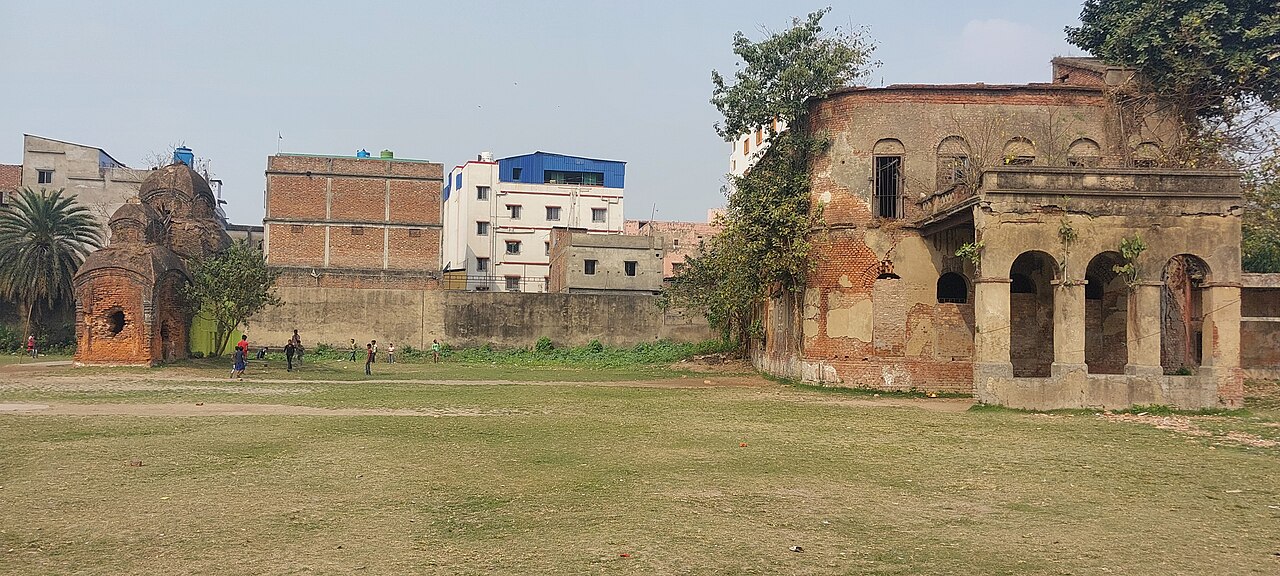
Founded in Kolkata in 1892 by Kripasaran Mahasthavir, the Bengal Buddhist Association, known in Bengali as Bauddha Dharmankur Sabha, raised the Dharmankur Vihara at Bow Barracks in 1903 and has worked for over a century to revive the Dharma in eastern India.
 Buddhism
Bhot Bagan Math
Ghusuri · India · monastery
A brick monastery on the Hooghly riverside at Ghusuri, Howrah, founded in 1776 as the first Tibetan Buddhist religious foundation on the plains of India and still known popularly as Mahakal Math for the Tibetan deity images once installed in its sanctum.
 Buddhism
Borobudur
Magelang · Indonesia · temple
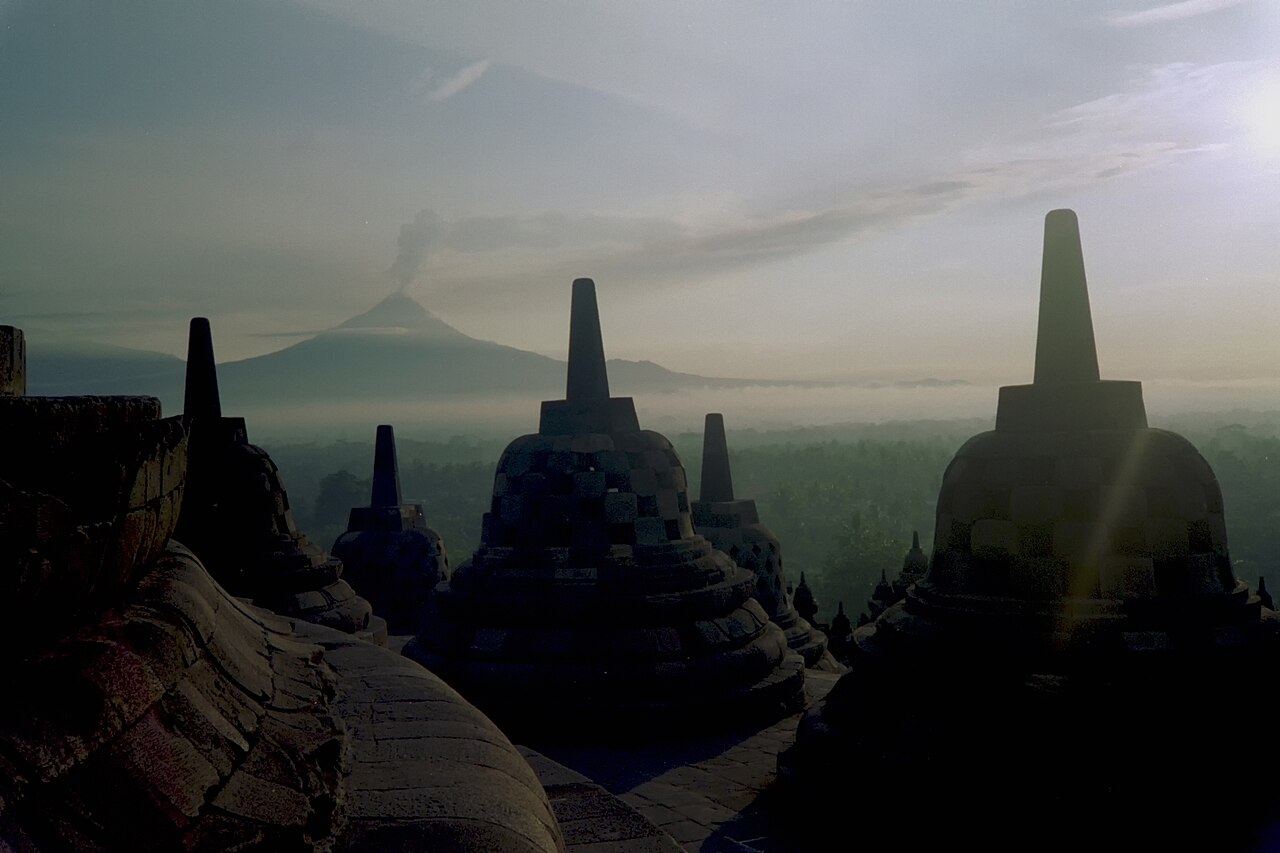
The world's largest Buddhist Temple: a ninth-century mandala in stone on Java's Kedu Plain, nine terraces rising through the three realms to 72 latticed stupas, each sheltering a seated Buddha.
 Buddhism
Boudhanath Stupa
Kathmandu · Nepal · stupa
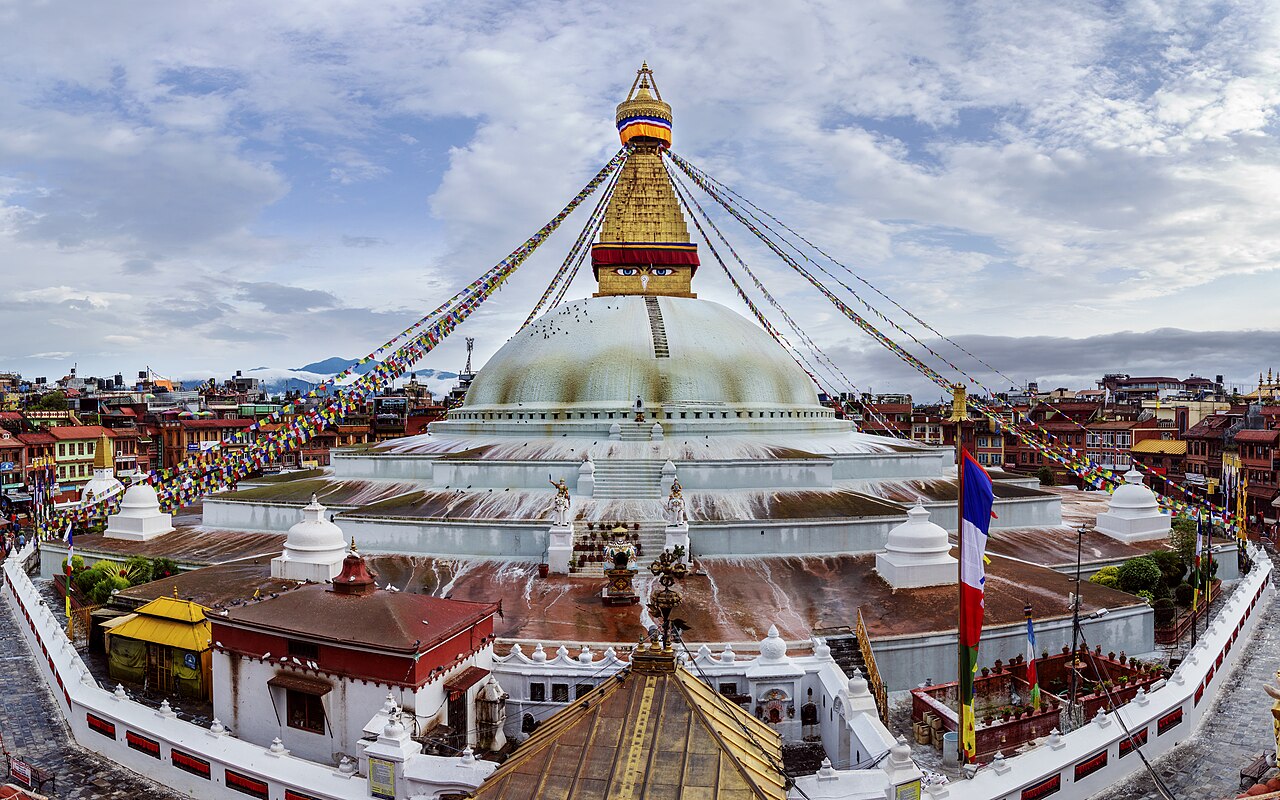
The largest spherical stupa in Nepal, its all-seeing Buddha eyes watching over the kora walked daily by the Tibetan Buddhist community of Boudha, the heart of Vajrayana practice in the Kathmandu Valley.